Complete Auckland city guide
Auckland: Skywalk with sky tower entry ticket
What's the best way to plan a first trip to Auckland?
Give the city itself 1-2 days (Sky Tower, Museum, waterfront, one neighbourhood ferry ride), then dedicate the rest of your trip to North Island day trips — Hobbiton, Waitomo, Rotorua, Waiheke or the Bay of Islands are the real draw for most visitors.
What Auckland actually is
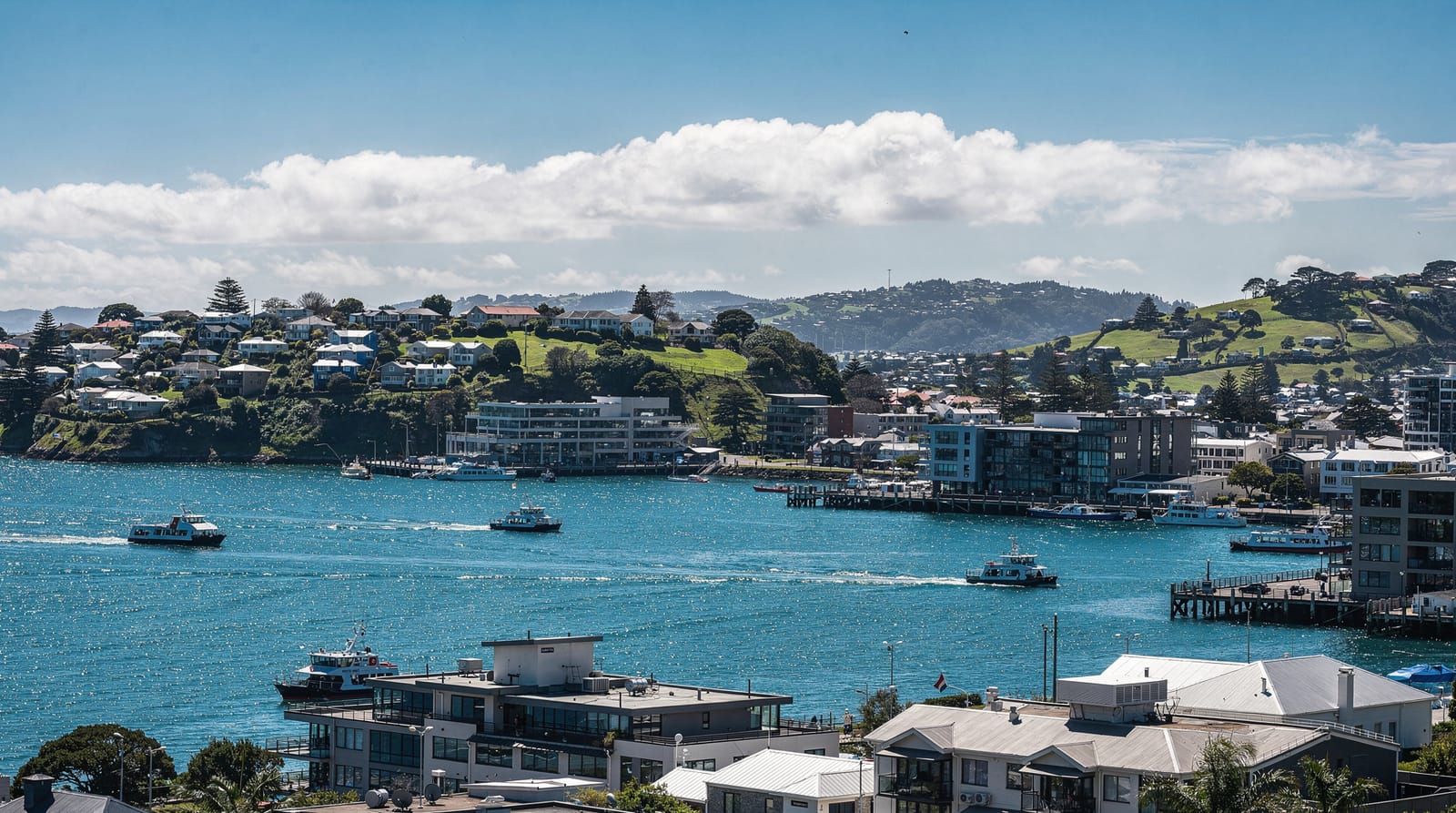
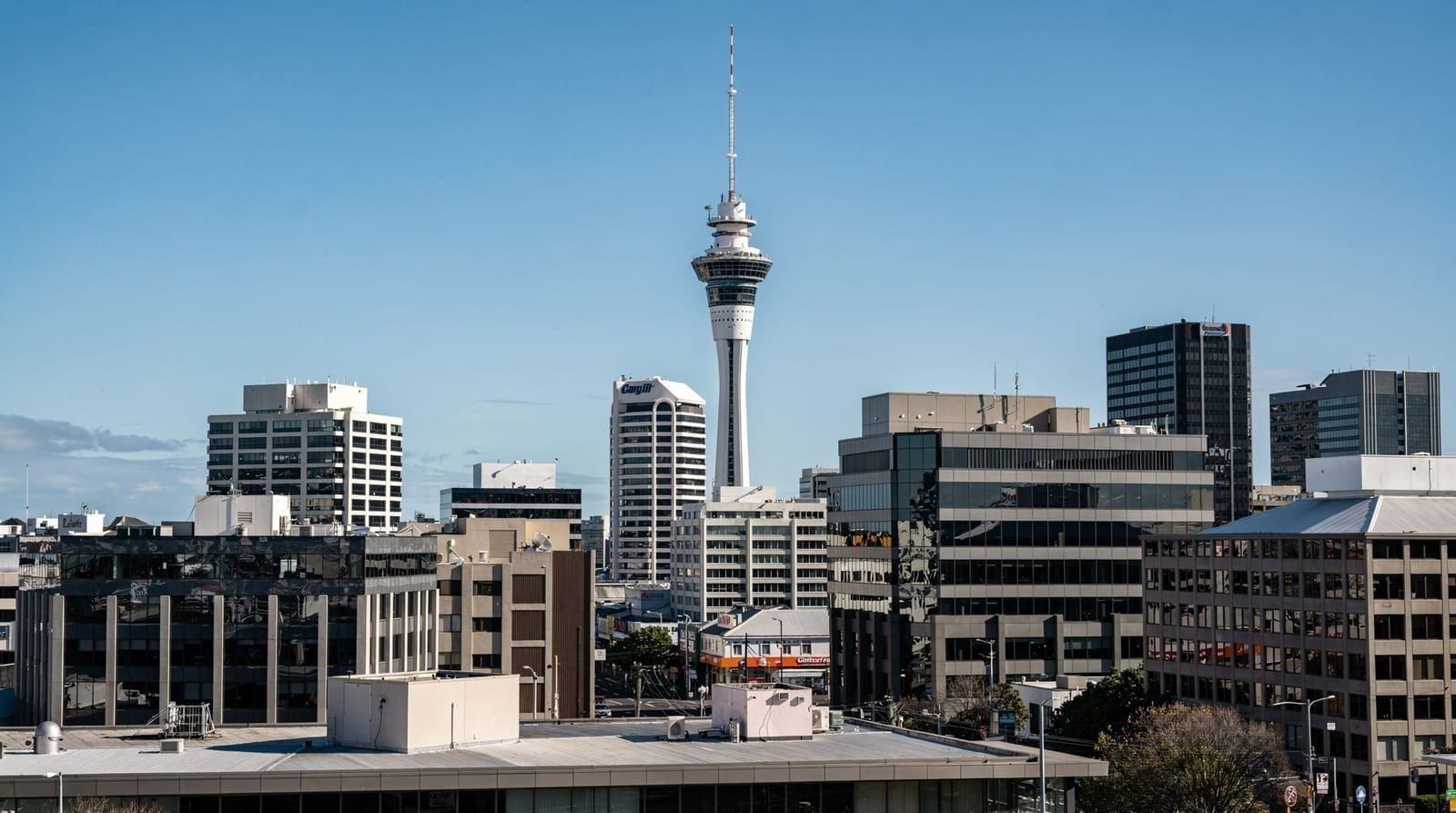
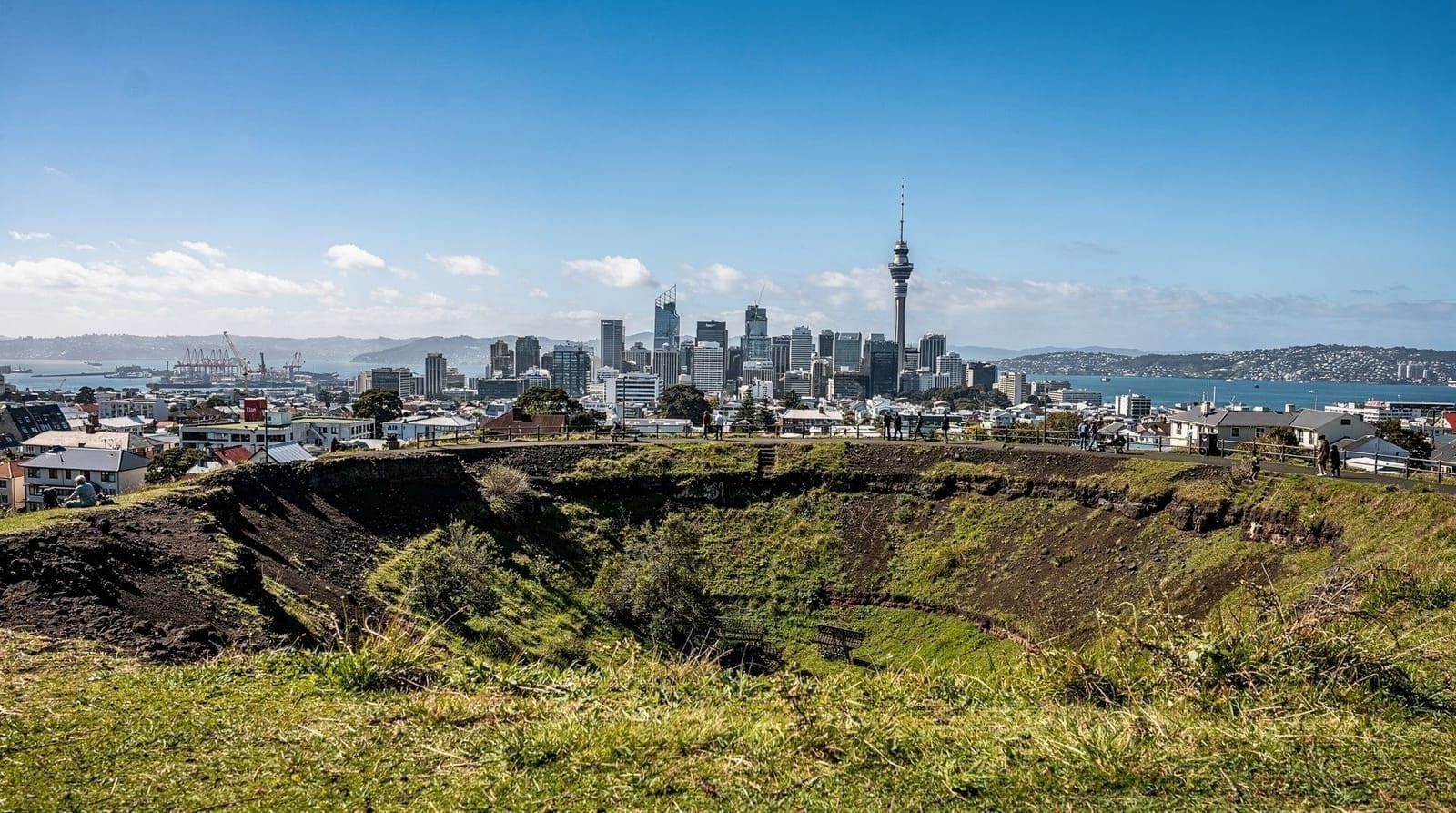
Auckland is a harbour city built across an isthmus dotted with dozens of dormant volcanic cones, sitting between two coastlines — the sheltered Waitematā Harbour to the east and the wild, black-sand Waitākere coast to the west. It’s New Zealand’s largest city by a wide margin (around 1.7 million people, more than a third of the country’s population) but it doesn’t feel like a mega-city. The Sky Tower is the tallest structure in the Southern Hemisphere at 328 metres, yet most of the CBD is low- to mid-rise, and you’re never more than a short walk or ferry ride from open water.
Here’s the honest framing most guides skip: Auckland is not New Zealand’s headline destination. Queenstown gets the adventure-tourism reputation, Rotorua gets the geothermal and Māori cultural spotlight, and the South Island’s fjords and mountains get the postcard shots. What Auckland is genuinely excellent at is being a base — an international gateway with a good airport, reliable public transport, and a two-to-three-hour radius that reaches Hobbiton, Waitomo’s glowworm caves, Rotorua’s geothermal parks, the Coromandel’s beaches, and the Bay of Islands. Most Auckland trips work best as “a day or two in the city, then radiate outward,” and this guide is built around that reality rather than pretending the city itself deserves a full week.
| Where | North Island, New Zealand |
| Currency | NZD (roughly USD 0.60) |
| Best time | March-May and September-November |
| Getting around | AT HOP card for buses/trains/ferries; car needed for most day trips |
| City time needed | 1-2 days, then radiate out to day trips |
Getting oriented: the neighbourhoods that matter
Auckland city centre — the CBD around Queen Street, Britomart and the Sky Tower precinct — is where most visitors base themselves and where the ferries depart. Budget one full day here; see our complete breakdown of the CBD for what’s worth your time and what to skip.
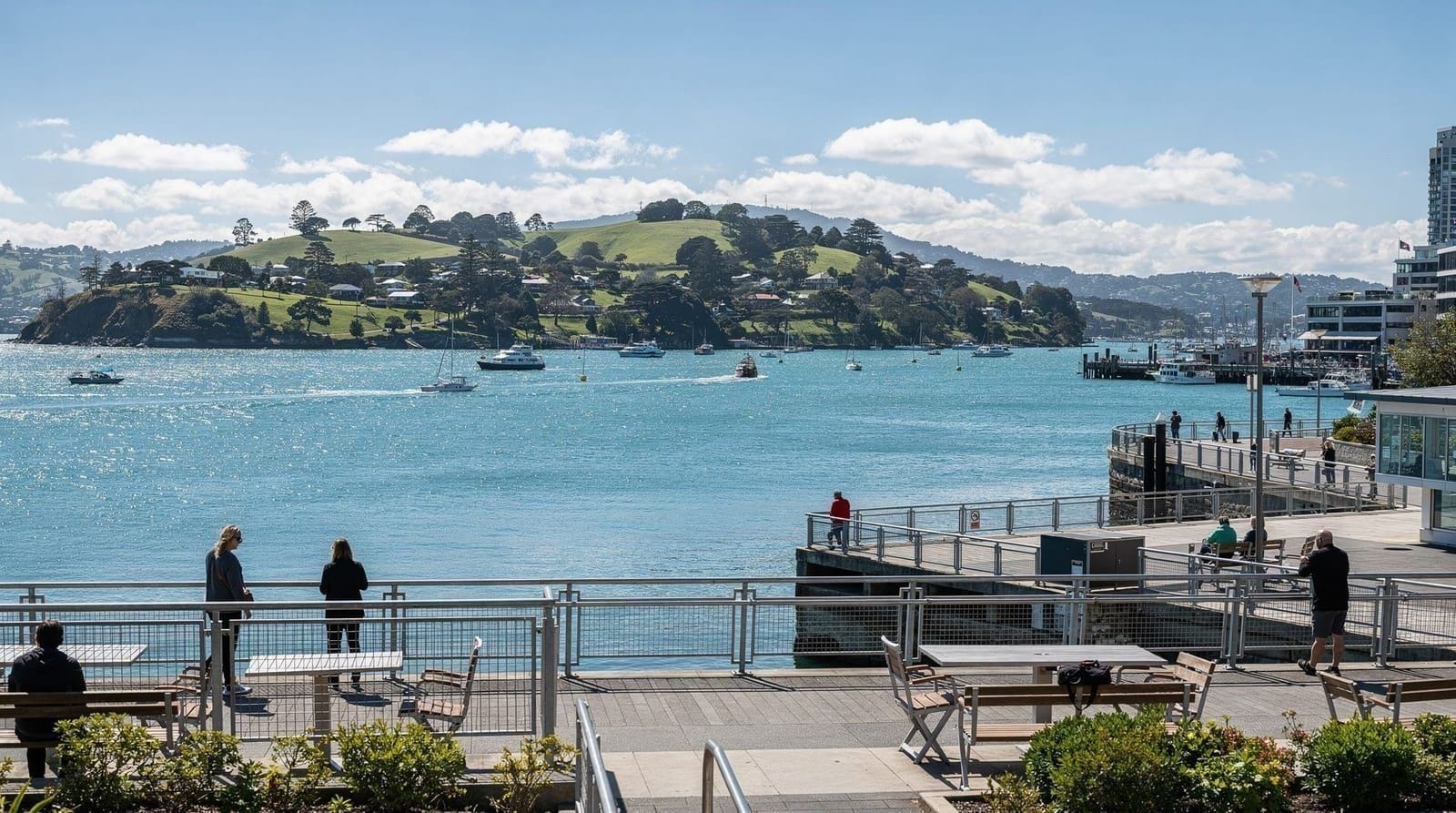
Viaduct Harbour and Wynyard Quarter, just west of the ferry terminal, is the redeveloped marina district — restaurants, craft breweries, superyachts, and the best spot for a harbour-facing dinner. Our waterfront guide covers it alongside the rest of the CBD’s harbour edge.
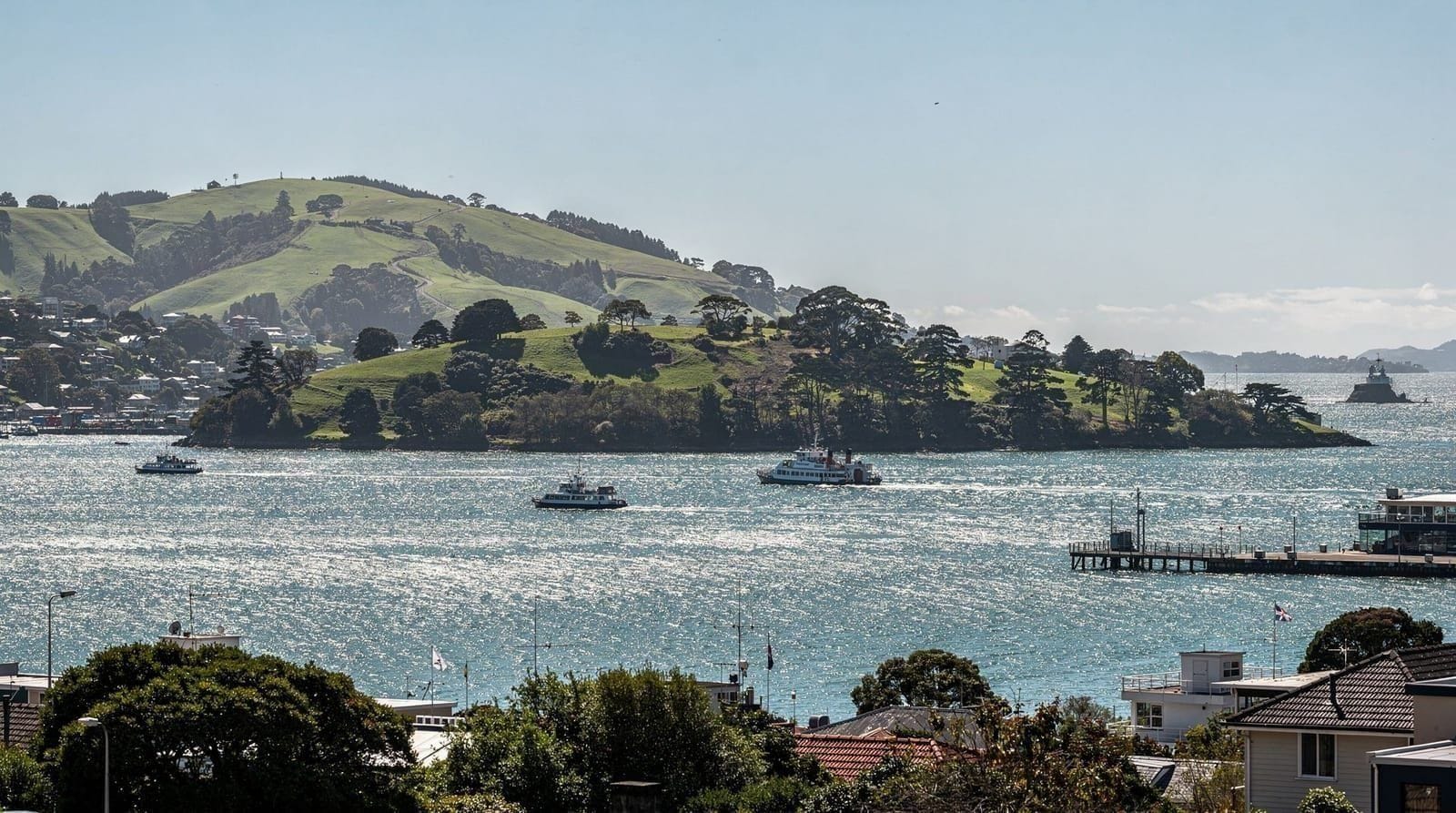
Devonport sits a 12-minute ferry ride across the harbour — a Victorian-era naval village with two climbable volcanic cones and a walkable main street. It’s arguably the single best half-day add-on in the city.
Ponsonby and Grey Lynn is Auckland’s café and restaurant district, a 15-20 minute walk or short bus ride from the CBD, worth an evening if you want Auckland’s food scene without the tourist-menu pricing near Sky Tower.
Mission Bay and Tāmaki Drive is the waterfront cycling and beach strip east of the CBD — good for a sunny afternoon, less essential if time is tight.
For the full picture of how these fit together, our Auckland neighbourhoods guide breaks down which suburb suits which kind of traveller.
The genuinely worthwhile attractions
Auckland’s best-known landmark is the Sky Tower, and it’s a reasonable but not essential experience — general admission runs NZD 35-40, with SkyWalk (an open-air platform circuit, harnessed) and SkyJump (a 192-metre wire-controlled jump) as pricier add-ons. Our is Sky Tower worth it guide gives the unfiltered verdict, but the short version: book the Skywalk with entry ticket if you want one elevated Auckland view and value convenience, or skip it entirely and climb Mount Eden for free. Full detail in our Sky Tower guide.
Auckland War Memorial Museum, in the Auckland Domain, is genuinely one of the best museums in the Pacific — its Māori and Pacific taonga (treasures) collection is world-class, and general admission (around NZD 28-32 for international visitors) includes access to a daily cultural performance in some ticket types. Book the general admission ticket to skip the counter queue, and see our full Auckland Museum guide for timing tips.
The harbour itself is the real headline attraction, and a lot of visitors underrate it. A 1.5-hour harbour sailing cruise gives a genuinely different perspective on the skyline than anything from land, departing several times daily from the Viaduct. Our waterfront guide covers the full range of harbour options.
If your time is genuinely limited and you want a low-effort overview of the CBD, waterfront and Domain, the hop-on-hop-off explorer bus is a reasonable option, though most fit visitors will find walking plus the Devonport ferry more efficient. See our full top 25 Auckland attractions list for the complete ranking.
Day trips: the real reason to come this far
This is the part most generic city guides underweight. Auckland’s location gives you genuine access to some of the North Island’s headline experiences within a single day, and for many visitors these day trips end up being the highlight of the whole New Zealand leg:
- Hobbiton (Matamata) — around 2 hours’ drive, the Lord of the Rings/Hobbit film set, NZD 130/adult including a Green Dragon drink. Book the Hobbiton Movie Set guided tour and see our honest is Hobbiton worth it verdict first.
- Waitomo Caves — around 2.5 hours, underground glowworm caves, NZD 45-80 depending on the tour type. Our Waitomo day trip guide covers logistics.
- Rotorua — around 2.5-3 hours, geothermal parks and Māori cultural experiences. See is Rotorua worth it before you commit a full day.
- Waiheke Island — a 40-minute ferry, vineyards and beaches, one of the best-value day trips from the city. Book this Waiheke wine tasting tour or see our Waiheke day trip guide.
- Bay of Islands — 3 hours each way, best as an overnight rather than a rushed day trip.
- Coromandel/Cathedral Cove — 2.5-3 hours, dramatic coastline and Hot Water Beach.
Our best day trips from Auckland guide ranks all of these against each other with real drive times, and self-drive vs tour breaks down when it’s worth hiring a car versus booking a tour with transfers included.
Where to stay
Base yourself in the CBD or Viaduct Harbour if you value walkability and ferry access above quiet nights; Devonport if you’d rather a calmer, harbour-village feel with an easy commute in; or Ponsonby if food and nightlife matter more than proximity to the ferry terminal. Our full where to stay in Auckland guide compares all three in depth, including price bands by neighbourhood.
Connectivity and money
A local SIM or eSIM (NZD 30-50 from the airport or supermarkets) covers you for maps and bookings; if your phone supports eSIM, activating before you land saves queuing at an airport kiosk after a long flight. Cards are accepted almost everywhere, including small cafes and market stalls, so carrying large amounts of cash isn’t necessary, though a little cash is handy for the odd stall or spade rental on a Coromandel day trip. Contactless and tap-to-pay are standard, and most visitors get through an entire Auckland trip without needing to visit a currency exchange counter at all, beyond perhaps withdrawing a small amount of NZD from an ATM on arrival for the first day or two.
Getting around without stress
An AT HOP card (NZD 10 to buy, then top up) gives 20% off buses, trains and ferries, with a 7-day fare cap around NZD 50 — genuinely the only sensible way to move around the city for anything beyond a couple of days. Our AT HOP card guide and getting around Auckland cover the details, and our airport to city guide has step-by-step directions from arrivals — the SkyBus runs every 10-20 minutes and costs NZD 18 one-way (NZD 32 return).
You don’t need a rental car for the city itself, but you will for most day trips beyond Waiheke (which is ferry-only anyway). See driving in New Zealand and car rental Auckland if you’re planning to self-drive to Hobbiton, Waitomo or the Coromandel.
Budget: what a realistic trip costs
Auckland runs on New Zealand dollars (NZD), roughly USD 0.60. Daily budgets break down as: budget travellers NZD 100-150 (hostel dorm, public transport, free attractions, casual food), mid-range NZD 250-350 (3-4 star hotel, mid-priced dining, one or two paid attractions or tours per day), and luxury NZD 600-1,000+ (boutique hotels, private tours, fine dining). Our Auckland budget guide and is Auckland expensive break this down by traveller type, and the Auckland trip cost breakdown walks through a realistic multi-day itinerary with actual line-item costs.
When to go
Auckland is a Southern Hemisphere city with a mild, wet-year-round climate. Summer (December-February) is warm (20-25°C) and busiest — book everything ahead. Shoulder seasons (March-May, September-November) give the best combination of decent weather, thinner crowds and better prices — this is genuinely the sweet spot for most visitors. Winter (June-August) is mild but wet, with early sunsets around 4.30pm; it’s the quietest and cheapest time to visit if you don’t mind grey skies. Full detail in our best time to visit Auckland guide and month-by-month Auckland weather guide.
Entry requirements
Most visa-waiver country citizens (roughly 60 countries, including the US, Canada, UK, EU and Australia) can enter visa-free for up to 3 months but still need an NZeTA (Electronic Travel Authority) beforehand — NZD 17-23 plus a mandatory NZD 100 International Visitor Levy, totalling roughly NZD 120 per person, valid 2 years. Apply at least 72 hours before you fly. Full detail in our NZeTA and visa guide.
Culture: getting it right
Te reo Māori is present throughout Auckland — “kia ora” as a greeting, “Tāmaki Makaurau” as the city’s Māori name. Basic tikanga (customs) worth knowing before any cultural site visit: don’t touch anyone’s head without invitation (it’s considered tapu, sacred), ask before photographing people, and treat marae (meeting grounds) with the same respect you’d show a place of worship. Our Māori culture in Auckland and respectful Māori tourism guides go deeper.
Auckland Museum: what to actually prioritise
Auckland Museum is large enough that a rushed visit misses the best parts.
On the ground floor, the Māori Court holds Te Toki a Tāpiri, a 25-metre carved war canoe (waka taua) that’s among the largest surviving examples in the world, alongside meeting house carvings and a genuinely moving pouwhenua (carved posts) collection. Upstairs, the Pacific galleries cover the wider Moana-nui-a-Kiwa (Pacific Ocean) region’s voyaging history, and the natural history floor covers New Zealand’s isolated evolutionary story — flightless birds, giant insects, and the volcanic field the city itself sits on.
If you only have 90 minutes, prioritise the Māori Court and a walk through the Pacific galleries over the natural history floor, which rewards a longer, more leisurely visit. Some ticket types include a daily Māori cultural performance (haka, waiata and traditional weaponry demonstrations) — check show times when you arrive, since they run on a fixed schedule and sell out on busy days.
Auckland’s food scene beyond the tourist strips
Auckland’s dining reputation has grown considerably in the last decade, and it’s genuinely one of the stronger food cities in the Pacific — but the best of it isn’t near the Sky Tower.
Britomart’s laneways hold some of the city’s most consistently well-reviewed restaurants (Amano and Ortolana both occupy Britomart’s restored brick warehouses), and Ponsonby Road remains the single best concentrated strip for a wide range of cuisines, from modern New Zealand to Southeast Asian to Italian. Auckland’s coffee culture also deserves a mention on its own terms — flat whites here are taken seriously, and independent roasters (rather than chains) dominate the good spots. Our Auckland food tours and best restaurants Auckland guides go deeper, and coffee culture Auckland covers the café side specifically.
Seafood lovers should note that Auckland sits on genuinely excellent fishing grounds — a proper seafood dinner at one of the waterfront restaurants is a reasonable splurge even for budget-conscious travellers, once a trip.
Practical details worth knowing before you land
New Zealand runs on Type I power sockets (two angled flat pins plus a vertical ground pin) at 230V — bring a universal adapter or buy one locally for NZD 10-20. Tourist SIM cards are available at the airport and most supermarkets for NZD 30-50, with Spark offering the best rural coverage if you’re planning day trips beyond the city; eSIMs work well if your phone supports them. Tipping isn’t culturally expected in New Zealand, though 10-15% for exceptional restaurant service is appreciated, never required.
Tap water is safe to drink everywhere, including on day trips, so bringing a refillable bottle genuinely saves money over a week-long stay. New Zealand’s UV levels are among the highest in the world — SPF 50+ sunscreen is non-negotiable even on overcast days, and sunburn can happen within 20 minutes of exposure in summer. Our first-time Auckland tips and Auckland packing list guides cover the fuller practical checklist.
Seasonal events worth planning around
Auckland’s event calendar shapes both crowds and prices. The Lantern Festival (around Chinese New Year, January-February) draws large crowds to the Domain but is genuinely worth seeing if your dates align. The Auckland Anniversary Weekend (late January) brings extra summer crowds and higher accommodation prices. Pasifika Festival (March) is one of the largest Pacific cultural festivals in the world and a genuine highlight if you’re in the city during it. Winter brings a quieter cultural calendar but also lower prices across the board — see our Auckland events calendar guide for the full year-round breakdown, and factor major events into your accommodation booking timeline, since prices spike noticeably around them.
An honest first-timer’s plan
If you have one day: follow our Auckland in a day itinerary — Sky Tower, waterfront, Devonport ferry. If you have three: add one day trip, most commonly Hobbiton or Waiheke, following 3 days in Auckland. If you have five or more, you can realistically fit Hobbiton, Waitomo and either Rotorua or the Bay of Islands, following our 5-day Auckland itinerary or the broader North Island 7-day loop. For deciding exactly how long to allocate, see how many days in Auckland.
City vs day trips: how to split your time
| Trip length | City time | Day trips |
|---|---|---|
| 3 days | 1 day | 2 days (e.g. Hobbiton + Waiheke) |
| 5 days | 1-2 days | 3-4 days (add Waitomo or Rotorua) |
| 7+ days | 2 days | 5+ days (add Bay of Islands or Coromandel) |
Frequently asked questions about Auckland
How many days do I need in Auckland?
The city itself needs 1-2 days for the genuinely worthwhile sights. Most visitors then add 3-5 more days for North Island day trips, making a total trip of 5-7 days a realistic minimum if you want both the city and at least two major excursions.
Is Auckland expensive to visit?
Mid-range overall — comparable to Sydney or a mid-sized US city, and noticeably cheaper than London or Zurich. Budget NZD 100-150/day for a lean trip, NZD 250-350/day for comfortable mid-range travel.
Do I need a rental car in Auckland?
Not for the city — everything in the CBD, waterfront and inner suburbs is walkable or reachable by public transport with an AT HOP card. You’ll want a car, or a booked tour with transfers, for most day trips beyond Waiheke Island.
What’s the number one thing not to miss in Auckland?
The Hauraki Gulf — a Waiheke ferry, a Devonport crossing, or a short harbour cruise. Auckland is fundamentally a harbour city, and skipping the water misses what makes it distinctive.
Is Auckland worth visiting, or should I go straight to Queenstown or Rotorua?
It’s worth 1-2 days as a base and transport hub — the Museum alone is world-class, and the harbour is genuinely good. But don’t let it eat more of a short trip than that; Auckland’s real value is as the launchpad for North Island day trips, not as a standalone multi-day destination.
When is the best time to visit Auckland?
March-May and September-November for the best weather-to-crowd ratio. December-February is warmest but busiest and priciest; June-August is quiet and mild but wet, with early winter sunsets.
Can I see Auckland without joining a tour group?
Yes, easily, for the city itself — public transport and walking cover everything above. Day trips are the exception: self-driving to Hobbiton or Waitomo is entirely doable, but a guided tour is often better value once you factor in fuel, parking, and the guide’s local knowledge, especially for Rotorua’s geothermal parks.
What surprises first-time visitors most about Auckland?
How spread out it is compared to compact European or Asian cities, and how central the water is to daily life — locals genuinely commute by ferry, and “City of Sails” isn’t just a marketing line. Many visitors are also surprised how quickly the city gives way to volcanic cones, beaches and rural countryside once you’re 30-45 minutes out.
Top experiences
Bookable activities with verified prices and instant confirmation on GetYourGuide.