Best time to visit Auckland: a season-by-season guide
Auckland: Whale dolphin safari
Duration: 4.5 hours
What is the best time to visit Auckland?
March-April and September-November (autumn and spring) offer the best balance of mild weather, lower prices and thinner crowds. December-February is peak summer with the warmest weather but the highest prices and busiest attractions; June-August is mild but wet, with the lowest prices.
The short answer
March-April and September-November — autumn and spring — are widely considered the sweet spot for visiting Auckland. Both bring mild temperatures (15-20°C in autumn, 12-18°C in spring), clearer skies than winter, and a meaningful step down in both prices and crowds compared to the December-February peak. If your dates are flexible, these shoulder months give you nearly all of summer’s appeal without its costs and queues.
That said, “best” genuinely depends on what you’re optimising for. This guide breaks down all four Southern Hemisphere seasons on their real trade-offs, so you can match timing to your priorities rather than default to whichever season sounds warmest.
| Best overall | March-May and September-November |
| Warmest | December-February, 20-25°C |
| Cheapest | June-August, lowest prices year-round |
| Wettest | June-July |
| Booking lead time | Weeks ahead for summer, days ahead in winter |
Summer (December-February): peak season, peak everything
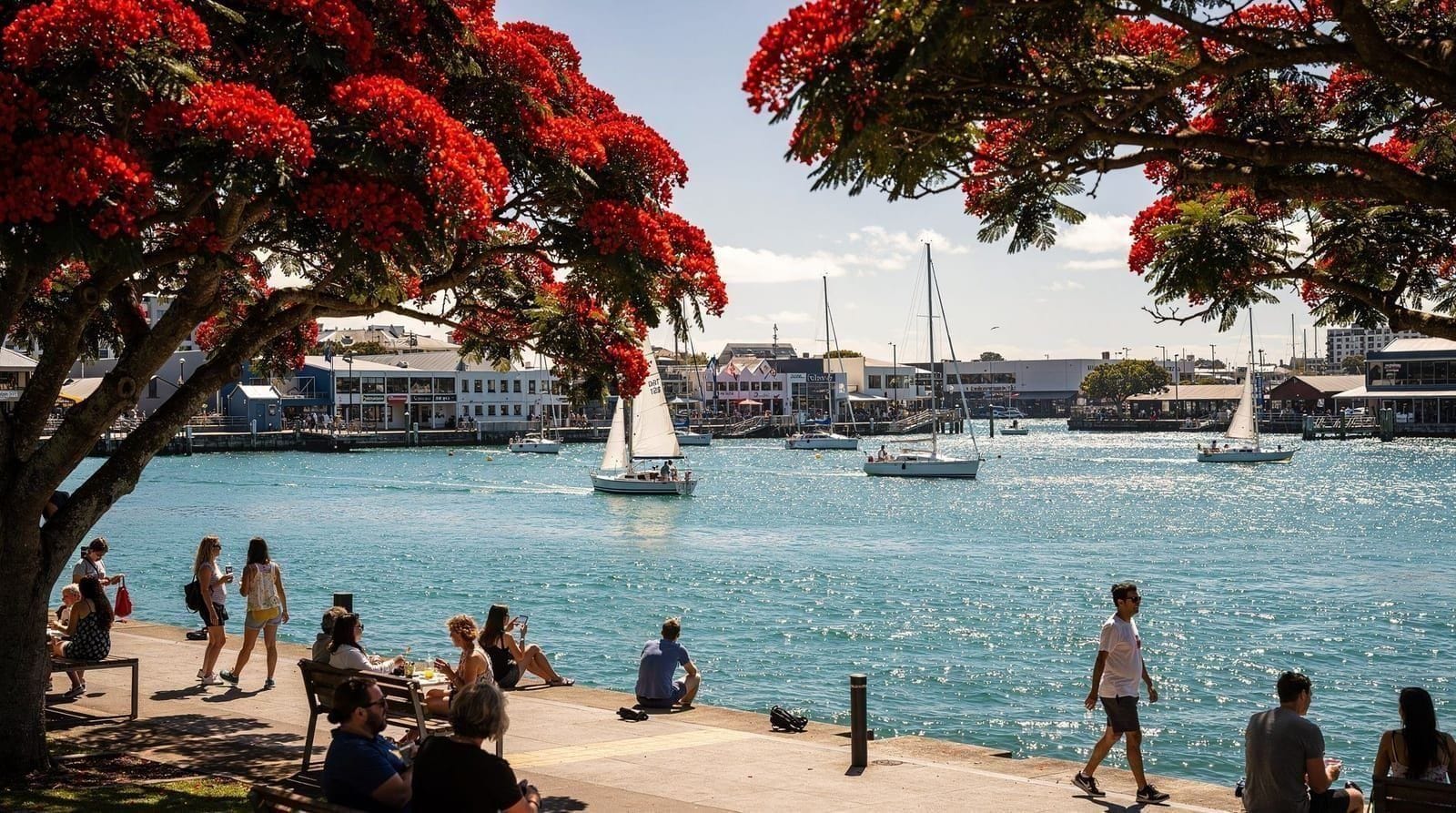
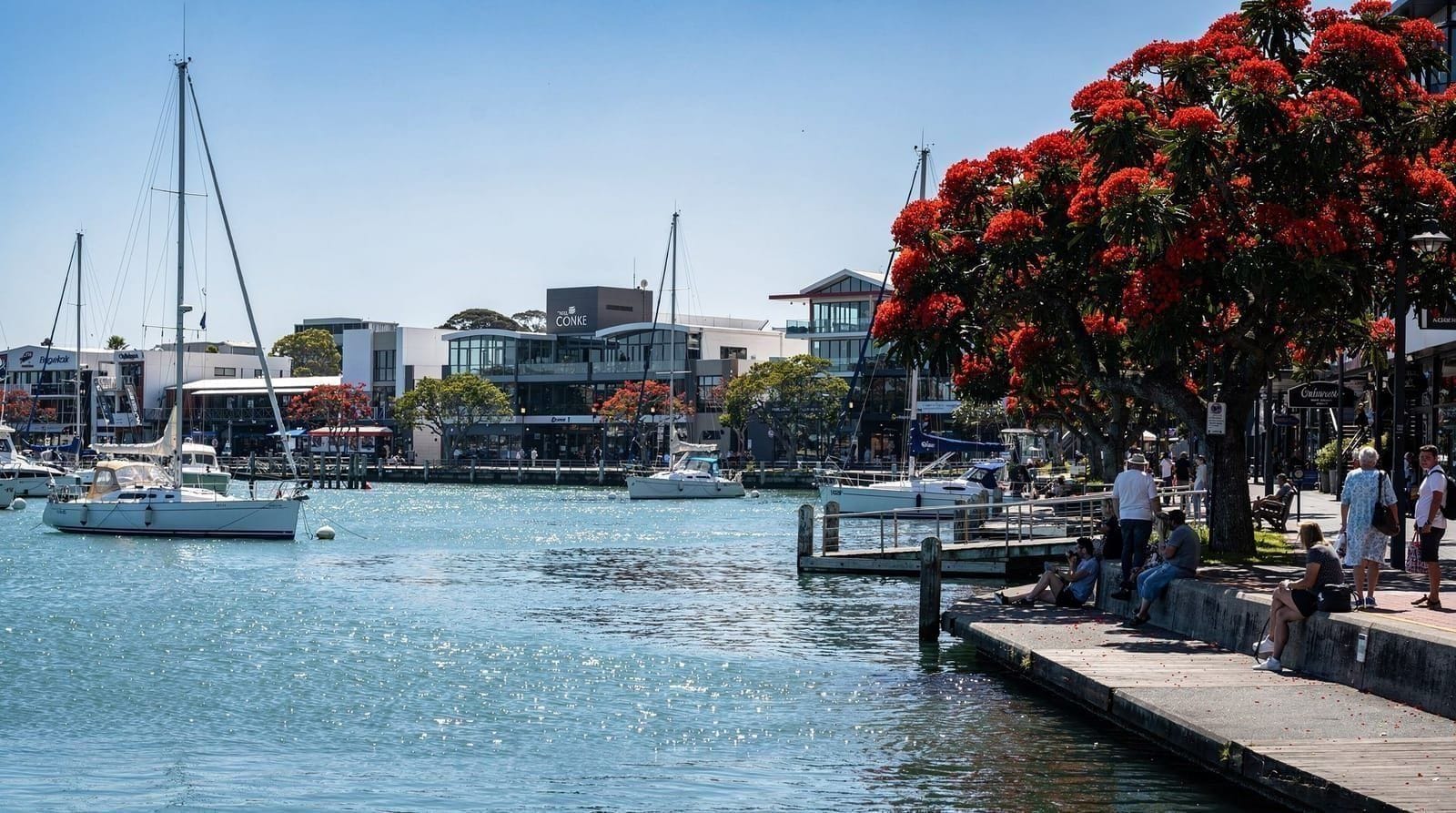
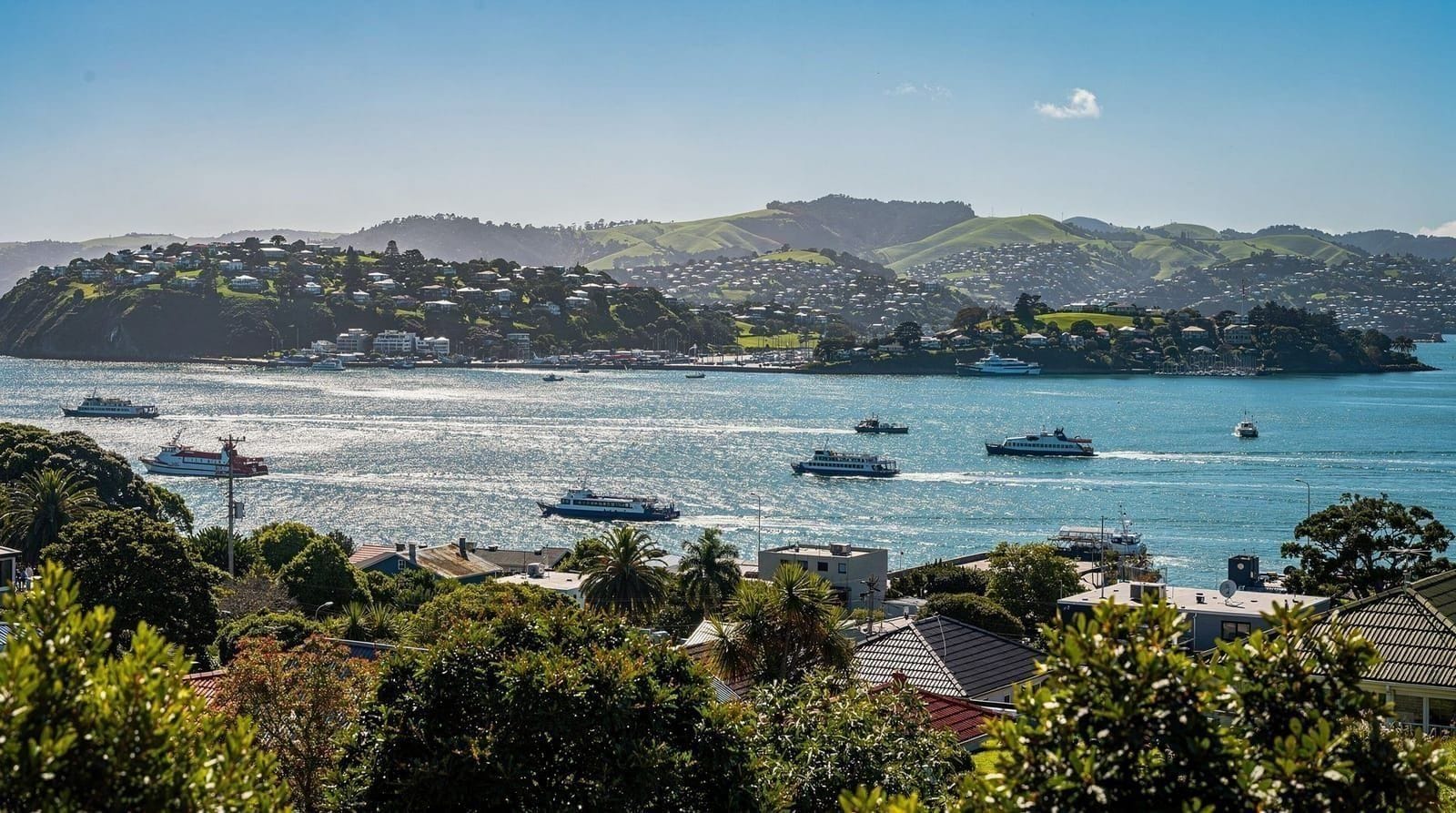
Auckland’s summer runs 20-25°C, with long days, warm harbour water, and the fullest tourism infrastructure of the year. It’s genuinely the best weather window for beach days at Mission Bay, Piha or Waiheke, and for harbour activities like sailing or whale watching — an Auckland whale and dolphin safari runs comfortably in these conditions. The trade-off is real: this is also peak pricing for accommodation and tours, and the busiest period for Hobbiton, Waiheke ferries and most major attractions. Late December through mid-January overlaps with New Zealand’s own summer holidays, which pushes crowds and prices even higher — worth avoiding if you have flexibility. Full detail in our Auckland in summer guide.
Autumn (March-May): the quiet favourite
Autumn is frequently cited by locals and repeat visitors as Auckland’s best-kept secret. Temperatures ease to a comfortable 15-20°C, skies clear noticeably compared to both summer’s humidity and winter’s rain, and crowds and prices both drop meaningfully from the December-February peak. It’s an excellent window for hiking, harbour cruises, and Waiheke Island vineyard visits without summer’s queues — a Waiheke Island wine tasting tour is a genuinely pleasant way to spend an autumn afternoon.
Winter (June-August): mild, wet, and underrated for a different reason
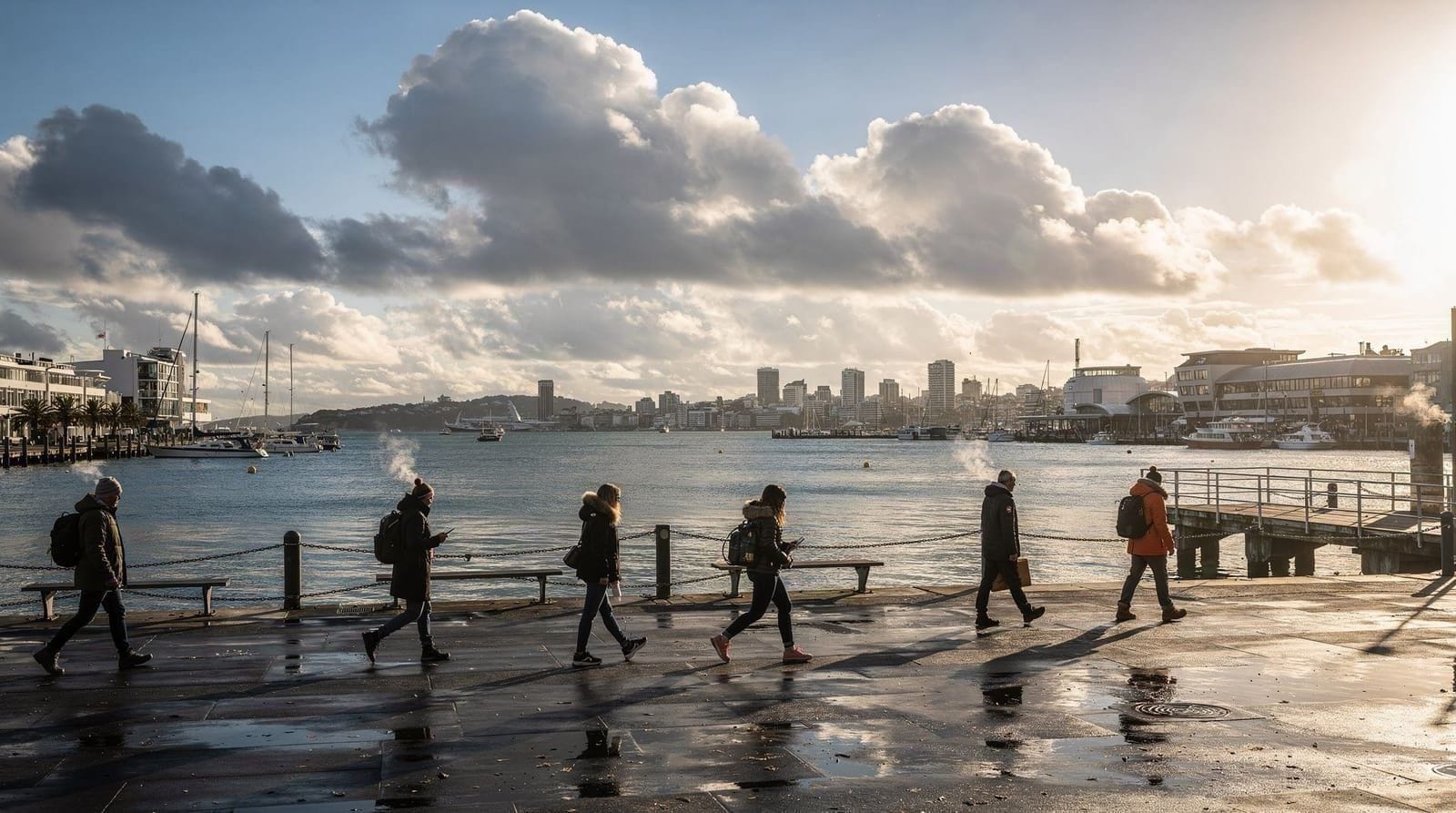
Winter in Auckland is mild by global standards — 10-15°C rather than genuinely cold — but it’s the wettest stretch of the year, with June-July as the peak rainfall months, and daylight is noticeably shorter, with sunset as early as 4:30pm. It’s not the season for long outdoor beach days, but it suits museum visits, geothermal spa trips to Rotorua, and a cosier, quieter city pace with the lowest prices of the year. Our Auckland in winter guide covers exactly what this season is and isn’t good for.
Spring (September-November): blooming gardens, building energy
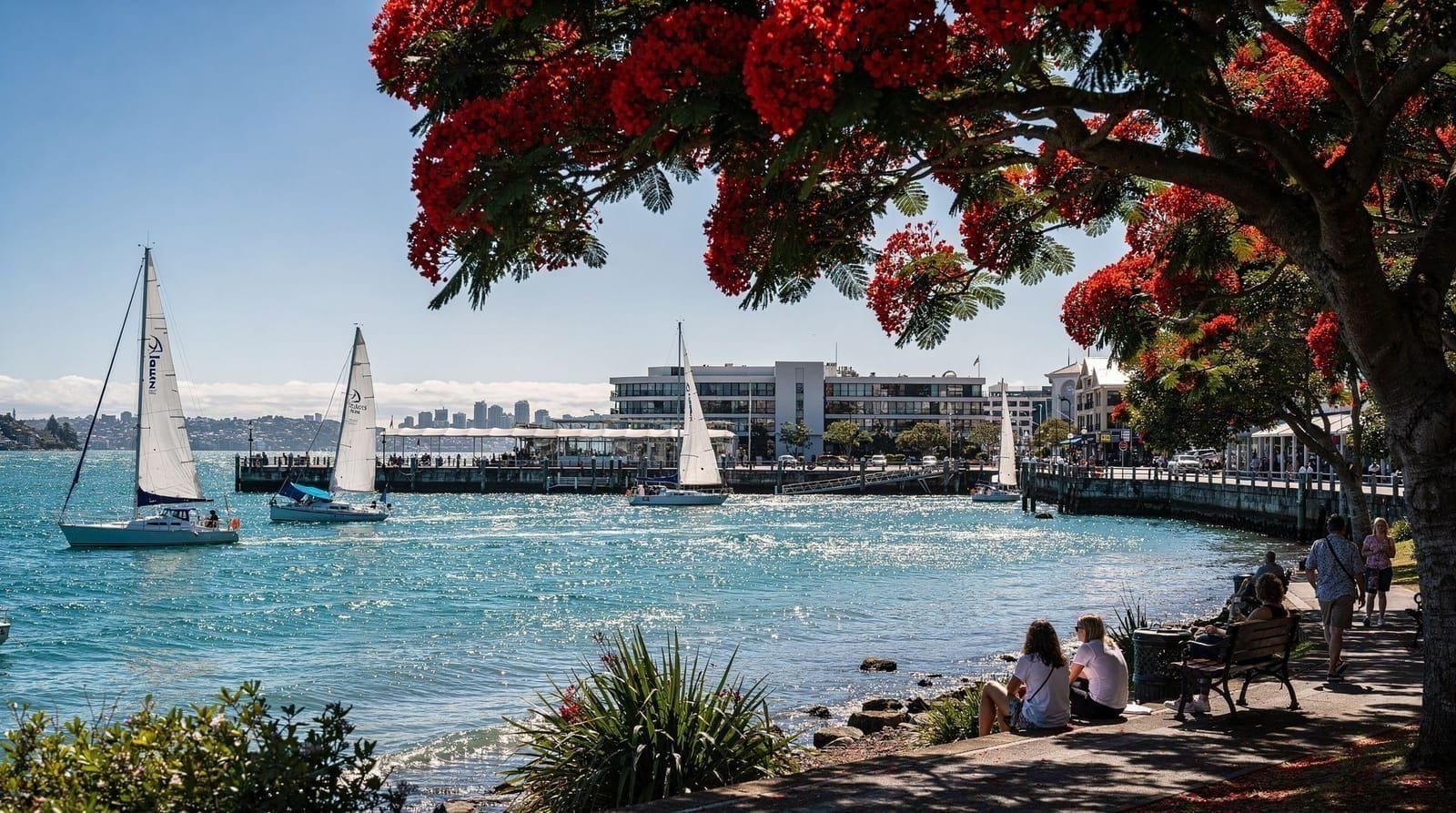
Spring brings freshening winds, blooming gardens across the city’s parks, and a gradual warm-up from 12°C to 18°C across the season. November in particular is a strong pick — warm enough for most outdoor plans, without summer’s crowds or prices yet fully kicking in. It’s also a good window for garden-focused day trips like Hamilton Gardens.
What to pack by season
Regardless of when you visit, layers matter more than any single garment, since Auckland’s weather can shift within a day even in the height of summer. For summer, pack light, breathable clothing plus one layer for cooler evenings, swimwear, and non-negotiable SPF 50+ sunscreen. For autumn and spring, a light rain jacket and a mid-layer fleece or jumper cover most conditions comfortably. For winter, prioritise a proper waterproof jacket over an umbrella, since Auckland’s rain often comes with wind that makes umbrellas impractical, and bring warmer layers for evenings given the early sunsets. Our Auckland packing list guide has the full checklist regardless of which season you land in.
How the seasons affect specific day trips
Hobbiton: at its most visually striking in spring and summer, when the hillside gardens are in full bloom, though the tour itself runs year-round regardless of weather.
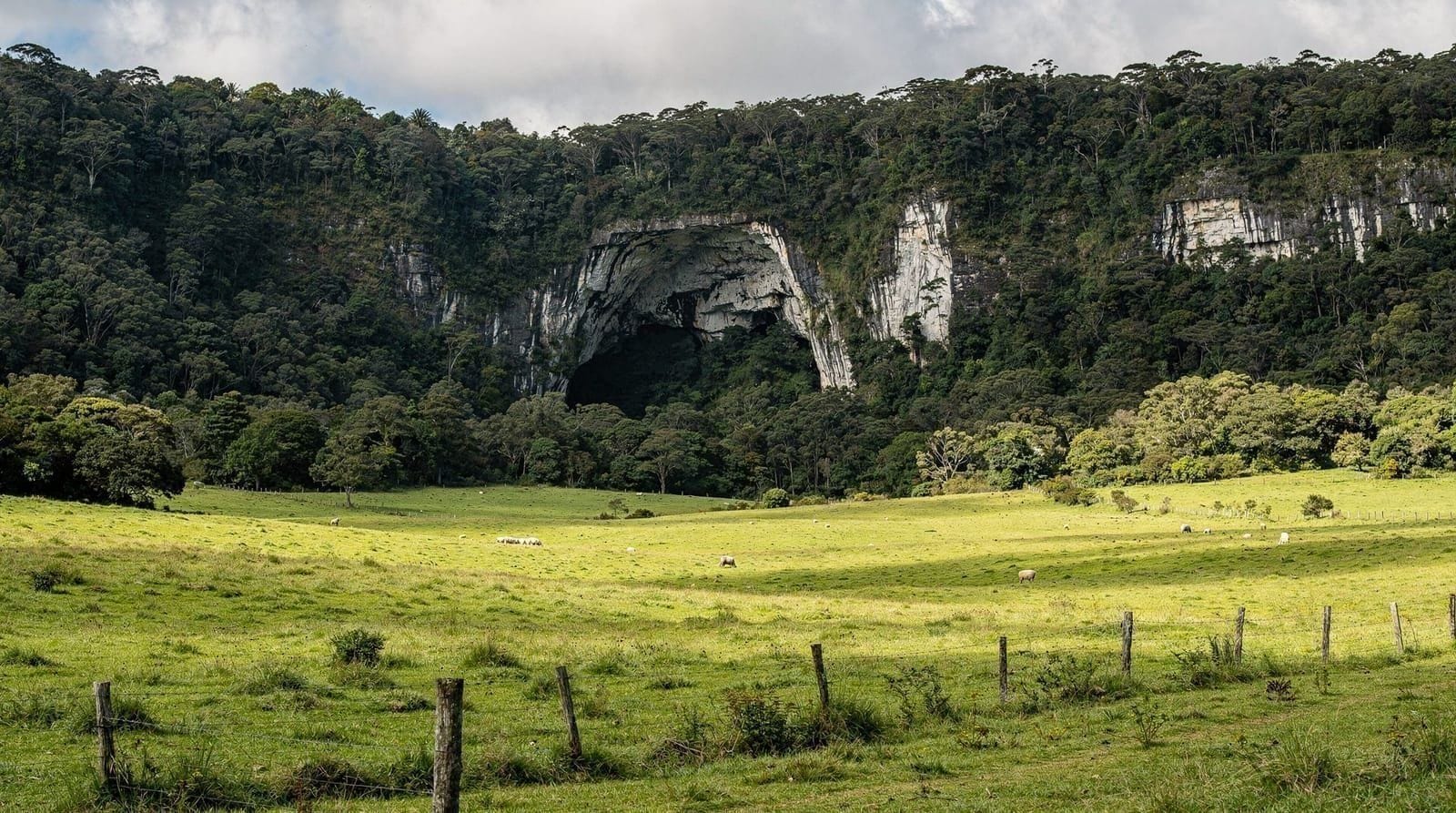
Waitomo glowworms: genuinely unaffected by season — the caves maintain a stable underground climate, so the glowworms are visible any month. See our dedicated best time to see the Waitomo glowworms guide if this is a trip priority.
Whale and dolphin watching: Hauraki Gulf’s resident Bryde’s whales and dolphins are visible year-round, with June-August bringing migrating humpback and southern right whales for larger sightings, and December-February bringing newborn dolphin calves.
Rotorua’s geothermal parks: work in any season, and arguably feel more atmospheric in winter’s cooler air against the steam and mist.
Matching season to traveller type
Beach and harbour-focused travellers: summer (December-February), accepting the higher costs and crowds as the trade-off for the best swimming and sailing conditions.
Budget-conscious travellers, or those avoiding crowds: winter (June-August), particularly for city-based itineraries with less reliance on long outdoor days.
Most first-time visitors without a strong seasonal preference: autumn (March-April) or spring (September-November) — genuinely the highest-value windows on a weather-to-cost-to-crowd basis.
Whale watchers specifically: June-August for the largest migrating species, though tours run year-round.
Month-by-month at a glance
January: peak summer, warm and busy, overlapping New Zealand’s own school holidays through mid-month — the single most crowded and expensive stretch of the year.
February: still summer, still warm, but noticeably calmer once local school holidays end — a strong pick if you want summer weather without January’s peak crowds.
March: early autumn, genuinely one of the best months — warm days, easing crowds, and clearer skies than the humid summer months.
April: continued autumn mildness, though Easter (dates vary) brings a short domestic travel bump worth checking against your dates.
May: cooler, quieter, the tail end of the shoulder season before winter properly sets in — good value for budget-conscious travellers still wanting reasonable weather.
June: winter begins, mild but wet, with Matariki (Māori New Year, now a public holiday) adding cultural events to an otherwise quiet month.
July: the wettest stretch of the year alongside June, but also when Elemental AKL’s winter dining and light festival runs, giving genuine reason to visit despite the rain.
August: still winter, still rainy, but prices remain at their lowest and days are beginning to lengthen again by month’s end.
September: spring arrives, freshening winds and blooming gardens, with crowds and prices still well below summer levels.
October: continued spring warm-up, generally reliable weather without summer’s humidity or peak pricing.
November: a genuine sweet-spot month — warm enough for most outdoor plans, gardens in full bloom, and still ahead of the December price and crowd surge.
December: summer begins, warming quickly through the month, with the back half overlapping Christmas-New Year’s steep price and crowd increase. See our Auckland events calendar for the specific festivals and public holidays that shape each month.
How weather affects specific activities
Harbour and sailing activities (a whale and dolphin safari, harbour cruises) run comfortably across most of the year given the Hauraki Gulf’s relatively sheltered conditions, though summer’s calmer seas and warmer air make for a more pleasant few hours on deck. Beach days at Mission Bay, Piha or Waiheke genuinely need summer’s warmth to be worthwhile for swimming, though winter beach walks remain scenic even without swimming as an option. Museum and gallery visits, along with Rotorua’s geothermal parks, work in any season and arguably suit rainy winter days particularly well as an indoor or steam-shrouded alternative to outdoor plans. Hiking in the Waitākere Ranges or up volcanic cones like Mount Eden and Rangitoto is pleasant year-round, though winter’s shorter daylight hours mean starting earlier to finish before dusk.
Booking lead times by season
Summer (December-February) demands the most advance planning — accommodation, popular tours (particularly Hobbiton and Waiheke wine tours) and even restaurant reservations at well-regarded spots benefit from booking several weeks to a couple of months ahead. Shoulder seasons (March-May, September-November) need considerably less lead time, typically a couple of weeks for accommodation and tours. Winter (June-August) is the most flexible booking window of the year, with many visitors successfully booking accommodation and activities just days ahead, though it’s still worth checking availability before assuming a walk-up approach will work everywhere. See our car rental Auckland guide for how this same seasonal pattern affects rental car pricing and availability if a day trip is part of your plan.
Choosing your season based on what matters most to you
If weather quality is your absolute top priority, summer wins on raw numbers, but be honest with yourself about whether you actually want to compete with the year’s biggest crowds for that weather. If value and quieter experiences matter more, winter delivers genuinely lower prices and thinner crowds at the cost of rain and shorter days — a trade-off that suits travellers less focused on beach time. For most first-time visitors without a strong existing preference, the shoulder seasons remain the standout choice: they deliver the bulk of summer’s appeal (mild weather, decent daylight, functioning tourism infrastructure) without summer’s cost and crowd downsides, which is why locals and repeat visitors consistently point newcomers toward March-April or September-November over the more heavily marketed summer months.
Rainfall patterns and packing accordingly
Auckland has no truly dry month — rain is possible year-round, which surprises visitors expecting a more binary wet-season/dry-season pattern common to some other destinations. Rainfall is heaviest and most frequent in winter (June-July in particular), moderate in spring and autumn, and lightest (though still not absent) in summer, where rain tends to arrive as shorter, sharper showers rather than sustained multi-day systems. Packing a light rain jacket regardless of which season you visit is sensible; relying on summer’s generally drier pattern to mean zero rain gear is a common and avoidable visitor mistake. Our Auckland packing list guide covers this in full, including how layering handles Auckland’s genuinely changeable daily weather better than committing to a single warm or cold outfit.
How season affects North Island road trip planning
If your Auckland trip extends into a wider North Island loop — Rotorua, Taupo, Bay of Islands, the Coromandel — season affects more than just comfort. Summer’s longer daylight hours (sunset around 8.30-9pm in December-January) give you more flexibility for longer driving days, while winter’s early sunset (as early as 4.30pm) means planning arrival at your next stop well before dark, particularly on unfamiliar rural roads. Our driving in New Zealand guide covers seasonal driving conditions in more depth, including how winter’s reduced daylight and occasional fog on Central Plateau routes should factor into your day-to-day itinerary pacing regardless of which season draws you to visit in the first place.
Auckland’s climate compared to other destinations visitors often compare it to
Visitors sometimes arrive expecting Auckland’s climate to resemble Sydney or a Mediterranean destination, given New Zealand’s general “temperate paradise” marketing image, but Auckland’s maritime subtropical climate is genuinely wetter and more changeable day to day than either comparison suggests, closer in character to a milder version of a British or Pacific Northwest climate with noticeably warmer summers. This isn’t a downside so much as a different expectation to set correctly before arrival — Auckland’s appeal isn’t reliably blue-sky weather every day of your stay, but a livable, green, harbour-framed city that rewards flexible, layered planning over rigid single-outfit expectations.
Combining seasonal timing with event timing
Season and events are related but separate planning inputs — a shoulder-season month like March delivers both good weather and a full events calendar (Pasifika Festival, Auckland Arts Festival), while a winter month like July delivers lower prices and thinner crowds alongside Elemental AKL’s dining and light festival, giving winter visitors a specific reason to embrace the season rather than simply tolerate it. Our Auckland events calendar guide maps out exactly what’s on each month, worth cross-referencing against this guide’s seasonal weather breakdown if you want to optimise for both good conditions and a lively calendar simultaneously, rather than treating them as separate decisions.
Should you plan your whole trip around one “best” season
It’s worth pushing back gently on the premise of the “best time to visit” question itself. Auckland is a genuinely year-round destination — every season has a real, defensible case, and none of them make the city unvisitable or disappointing.
Rather than fixating on finding the single objectively best month, it’s usually more useful to identify what you personally value most (warm swimming weather, lower costs, thinner crowds, a specific festival, whale watching) and let that priority guide your season, accepting the trade-offs that come with it. A traveller who wants beach days and doesn’t mind crowds will have a genuinely great December trip; a traveller who wants quiet, budget-friendly city exploring will have an equally great July trip. Neither is objectively wrong, and this guide’s shoulder-season recommendation is a general-audience default, not a rule that overrides your own specific priorities.
Traveller stories: how different priorities lead to different “best” answers
A honeymooning couple prioritising beach days, sunset harbour cruises and warm evenings will likely find December-February genuinely worth its higher cost, since the trade-off (crowds, price) is one they’re happy to accept for the payoff (warm water, long light-filled evenings). A budget-conscious backpacker weighing up several months of South Pacific and New Zealand travel might deliberately time an Auckland stop for June-August, when accommodation and tour pricing both run noticeably lower, accepting shorter days and more rain in exchange for stretching a limited budget further.
A family with school-age children is often constrained by their own school holiday calendar regardless of New Zealand’s seasons, making the shoulder-season ideal less relevant than simply picking the best days within whatever window their own holidays allow. None of these travellers are making a mistake — they’re each optimising correctly for their own actual priorities rather than chasing a single universal “best” answer.
Checking current-year specifics before booking
Weather patterns, event dates and pricing all shift somewhat year to year, so treat this guide’s seasonal characterisation as a reliable general pattern rather than a guarantee for your specific travel dates. Checking a closer-range forecast a week or two before departure, and confirming any specific festival or event dates through official listings, rounds out the general seasonal planning covered here with the up-to-date detail that only becomes available closer to your actual trip.
Seasons side by side
| Season | Temp | Rain | Crowds/prices | Best for |
|---|---|---|---|---|
| Summer (Dec-Feb) | 20-25°C | Lightest, short sharp showers | Highest | Beaches, sailing, whale watching |
| Autumn (Mar-May) | 15-20°C | Moderate | Easing | Hiking, Waiheke, general sightseeing |
| Winter (Jun-Aug) | 10-15°C | Heaviest | Lowest | Museums, geothermal spas, budget trips |
| Spring (Sep-Nov) | 12-18°C | Moderate | Building | Gardens in bloom, shoulder-season value |
Frequently asked questions about the best time to visit Auckland
What is the best month to visit Auckland?
November and March are strong single-month picks — November for spring’s blooming gardens and building warmth with fewer crowds, March for autumn’s clear skies and easing summer prices.
Is it better to visit Auckland in summer or winter?
Summer offers the warmest, driest weather but the highest prices and biggest crowds, especially at Hobbiton and on Waiheke ferries. Winter is mild and rainy with the lowest prices and a genuinely different, cosier city experience.
When should I avoid visiting Auckland?
There’s no truly bad month, but late December through mid-January overlaps with New Zealand’s own summer holidays, meaning peak prices, packed attractions and the tightest tour availability of the year.
Do the seasons affect day trips like Hobbiton and Waitomo?
Hobbiton’s hillside gardens look best in spring and summer; Waitomo’s glowworms are visible year-round regardless of season since the caves maintain a stable underground climate.
Is Auckland worth visiting in winter?
Yes, if you value lower prices, thinner crowds and a cosier city pace over long sunny days. Rain and short daylight hours (sunset around 4:30pm) are the main trade-offs.
How much cheaper is Auckland outside peak summer?
Accommodation and tour pricing can run 20-30% lower in shoulder and winter seasons compared to the December-February peak, making timing one of the easiest ways to control trip cost.
Does the best time to visit change for whale watching specifically?
Somewhat — tours run year-round since Hauraki Gulf has resident whale and dolphin populations, but June-August brings migrating humpback and southern right whales for the largest sightings.
Top experiences
Bookable activities with verified prices and instant confirmation on GetYourGuide.