Māori culture in Auckland: a visitor's guide
Auckland: Excursao pela experiencia cultural maori
Where can I experience Māori culture in Auckland?
Auckland Museum's Māori court and cultural performances are the most accessible starting point, followed by a guided Māori cultural tour of the city and its volcanic cones (maunga). For a deeper, more immersive experience, most visitors extend their trip to Rotorua, the country's most developed hub for Māori cultural tourism.
| Best starting point | Auckland Museum’s Māori court and cultural performances |
| Cost | around NZD 28-32 Museum admission |
| Time needed | half a day for Museum + a guided cultural tour |
| Deeper option | extend to Rotorua for immersive cultural tourism |
| Etiquette | ask before photographing people; stick to formed paths on maunga |
Auckland is Tāmaki Makaurau first
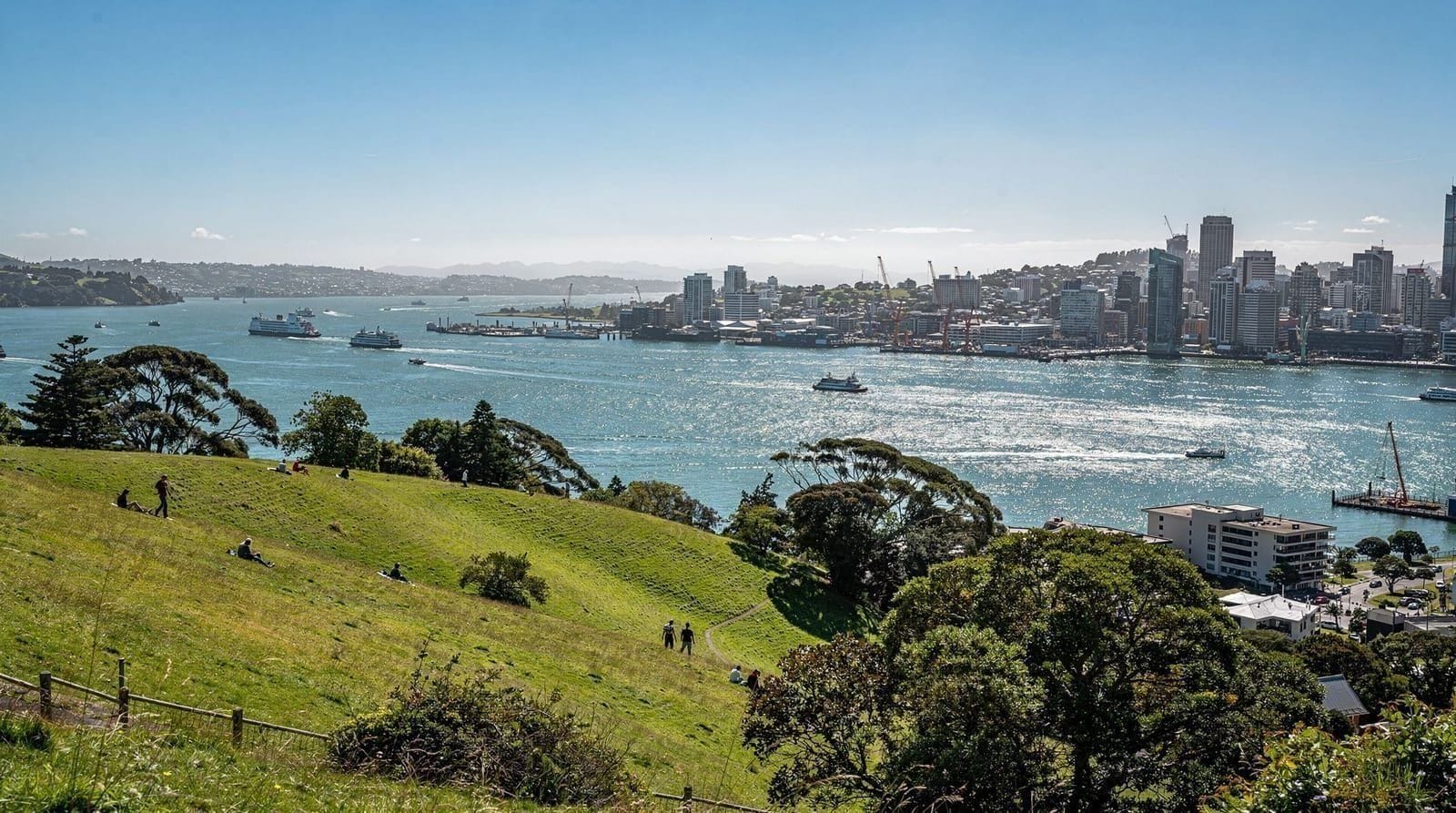
Before it was Auckland, and still today alongside that name, this isthmus between the Waitematā and Manukau harbours is Tāmaki Makaurau — usually translated as “Tāmaki desired by many,” a reference to how fiercely the region’s iwi (tribes) contested it over centuries. Two harbours, rich volcanic soil, abundant fishing grounds and a narrow land bridge between the Pacific and Tasman coasts made this one of the most strategically valuable pieces of land in the country long before European settlement, and that history didn’t stop when Auckland became a colonial city in 1840 — it sits underneath everything you see, from the shape of the volcanic cones to the street names to the artwork inside the museum.
For visitors, this means Māori culture in Auckland isn’t a separate attraction bolted onto a city-break itinerary. It’s a layer of context that makes the rest of the city make more sense — why the volcanic cones are treated with quiet reverence rather than just climbed for the view, why Ngāti Whātua’s presence at Ōrākei near Bastion Point matters, and why “kia ora” is heard constantly rather than performed for tourists. This guide covers where to genuinely engage with that history and culture during an Auckland stay, honestly, without pretending a short visit adds up to deep cultural understanding.
Who holds mana whenua over central Auckland
Ngāti Whātua is the iwi most closely associated with mana whenua — customary authority and connection — over the central Auckland isthmus today, with well-documented settlements and connections at Ōrākei, near Bastion Point on the eastern side of the isthmus. The wider history of Tāmaki Makaurau involves multiple iwi and hapū (sub-tribes) across different eras, since control of this valuable land shifted repeatedly through conflict, alliance and settlement long before 1840. It’s genuinely complex history, and worth being upfront that a short visitor’s guide can only sketch the broad shape of it — the specific detail belongs properly to iwi themselves, and to dedicated cultural and historical sources rather than a general tourism article.
The maunga: Auckland’s volcanic cones as ancestors
Auckland’s roughly 50 volcanic cones — Maungawhau (Mount Eden), Maungakiekie (One Tree Hill), Maungauika (North Head) among them — are one of the city’s defining physical features, and in Māori tradition they’re understood as tūpuna maunga, ancestor mountains, carrying genealogical and spiritual significance rather than being purely scenic lookouts. Many were also major pā (fortified settlement) sites, with terracing from historic occupation still visible on the slopes of several, most clearly at Maungakiekie. That dual status — sacred ancestor and defensible stronghold — is why Mount Eden’s crater is treated as tapu (visitors are asked not to walk down into it) even though the summit itself is a popular, freely accessible lookout.
Our dedicated volcanic cones of Auckland guide covers the practical side of visiting — which cones to prioritise, access, views — but it’s worth carrying this cultural context with you as you climb, rather than treating the maunga as simply free viewpoints.
Auckland Museum: the single best starting point
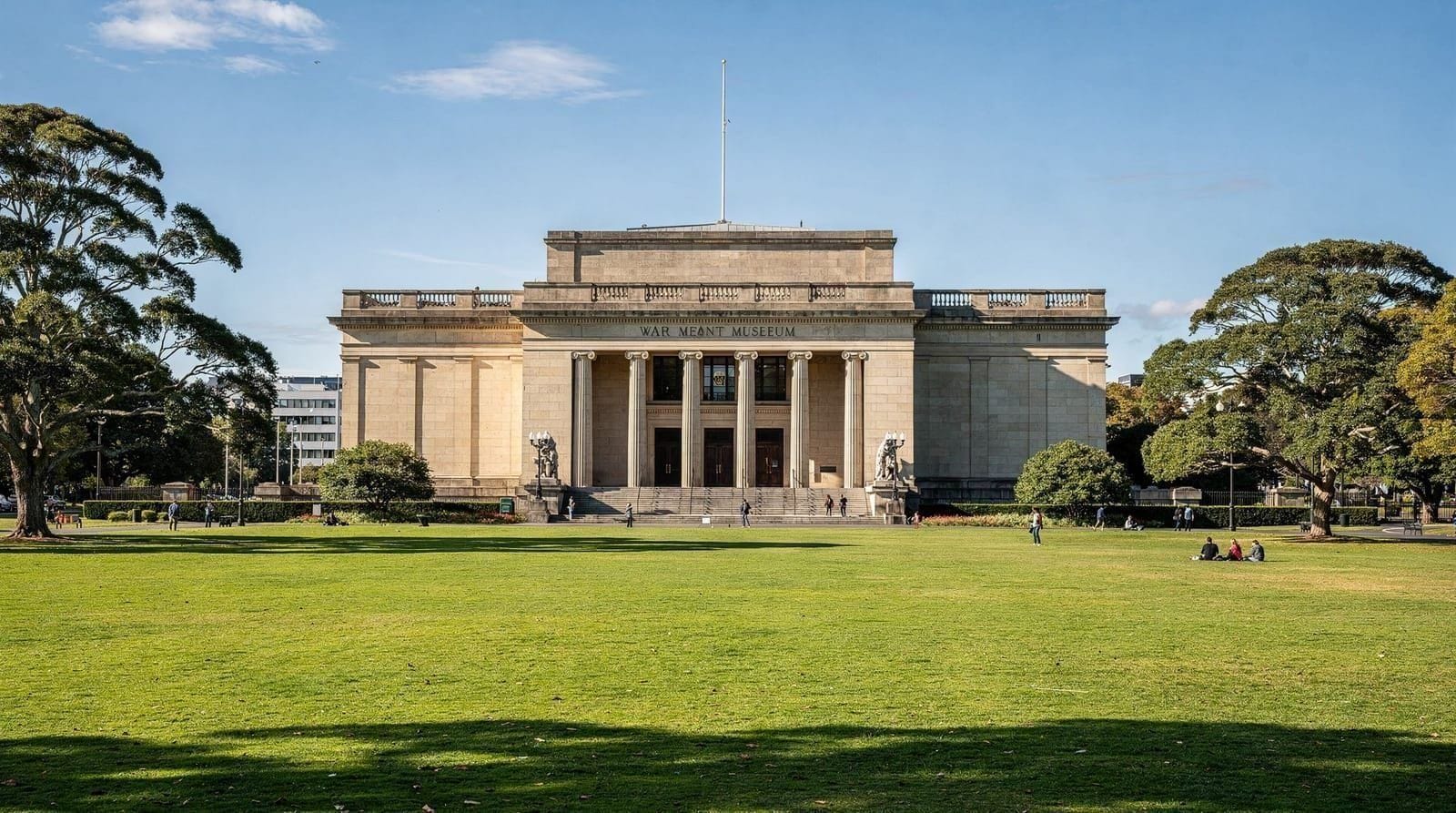
Auckland War Memorial Museum, in the Domain (itself built around the extinct Pukekawa volcanic crater), holds New Zealand’s most significant Māori and Pacific taonga (treasures) collection, including an extraordinary carved waka (war canoe) displayed in the museum’s Māori Court. General admission runs around NZD 28-32 for international visitors, and it’s genuinely one of the best museums in the Pacific for this specific subject — a serious, well-curated collection rather than a token cultural section. Read our full Auckland Museum guide before you go, and book the general admission ticket to skip the counter queue.
Where the museum goes beyond static display is its live cultural performances — waiata (song) and haka performed by resident cultural groups, included with some ticket types and bookable separately with others. A Māori cultural performance at Auckland Museum pairs the taonga collection with a live performance in a single visit, and is consistently one of the most-recommended single Māori cultural experiences available within the city itself, requiring no travel beyond central Auckland.
Guided cultural tours in and around the city
Beyond the museum, a small number of Auckland-based operators run dedicated guided Māori cultural tours, typically combining storytelling around the city’s Māori history, a visit to one or more significant sites (often a maunga or the waterfront), and direct engagement with a Māori guide rather than a general city-sightseeing script. A guided Māori cultural experience in Auckland puts you in front of someone sharing their own history and perspective directly, which is a meaningfully different experience from reading about it in a guidebook or blog post. For a more personalised pace, the private Māori experience tour option covers similar ground in a smaller-group or one-on-one format.
These Auckland-based experiences are generally shorter and less immersive than what’s available in Rotorua — a few hours rather than a full evening with hāngī and kapa haka performance — but they’re a genuinely worthwhile way to build cultural context into a city-based itinerary without requiring a day trip.
Te reo Māori in everyday Auckland life
Te reo Māori is present throughout Auckland in a way that surprises some first-time visitors — “kia ora” as an everyday greeting used well beyond formal cultural settings, “Tāmaki Makaurau” as the city’s Māori name appearing on official signage and transport alongside “Auckland,” and Māori place names across the city (Waitematā, Manukau, Maungawhau) that carry specific meaning rather than being arbitrary labels. Correct pronunciation and macron use (the small line over vowels, as in Māori, Tāmaki, and Waitematā) genuinely matters and is increasingly standard in New Zealand media and signage. Our te reo basics for visitors guide covers pronunciation and a practical starter vocabulary if you’d like to engage with this more directly during your trip.
Māori place names across the city
Beyond Tāmaki Makaurau and Waitematā, a surprising number of everyday Auckland place names carry specific Māori meaning worth knowing as you move around the city. Manukau, the harbour and district south of the isthmus, is generally understood to reference wading birds once common on its mudflats. Karangahape Road, the well-known K’ Road entertainment and shopping strip, is usually translated as “the winding ridge of human activity” or similar, referencing both its physical ridge-top position and its long history as a gathering and trading route.
Māngere, home to Auckland Airport, references a place of rest or lying down, and Ōtāhuhu references a specific historical portage route where waka were once dragged across the narrow isthmus between the Manukau and Waitematā harbours, a detail that speaks directly to the strategic land-bridge value of the isthmus discussed earlier in this guide. Recognising these names as meaningful rather than arbitrary changes how the city itself reads as you travel through it.
Contemporary Māori Auckland
It’s worth being clear that Māori culture in Auckland isn’t confined to historical sites and museum collections — it’s a living, contemporary part of the city’s art, music, business and civic life today. Māori contemporary artists feature prominently in Auckland Art Gallery’s rotating collections, Māori-owned businesses and designers have an increasingly visible presence across the city’s retail and hospitality scene, and Māori language and iconography appear throughout modern civic branding, from Auckland Council communications to public transport signage. If your interest in Māori culture extends beyond history into contemporary expression, keeping an eye out for Māori-owned galleries, designers and eateries during your stay is a genuinely rewarding way to engage with this living, current dimension alongside the historical and cultural sites covered elsewhere in this guide.
Historic and significant sites within the city
Beyond the maunga and the museum, a handful of other Auckland sites carry real Māori historical significance worth knowing about even if you don’t visit each one specifically: Ōrākei and Bastion Point, site of a significant Ngāti Whātua land occupation in the 1970s that remains an important part of recent New Zealand history; the Auckland waterfront and harbour, long-used fishing and travel routes for iwi before European settlement; and the wider volcanic field itself, evidence of extensive pre-European Māori occupation across the isthmus. Our dedicated Māori heritage sites guide rounds up the fuller list across both Auckland and the wider North Island, including sites well beyond the city that are worth building into a longer itinerary.
Extending the experience to Rotorua
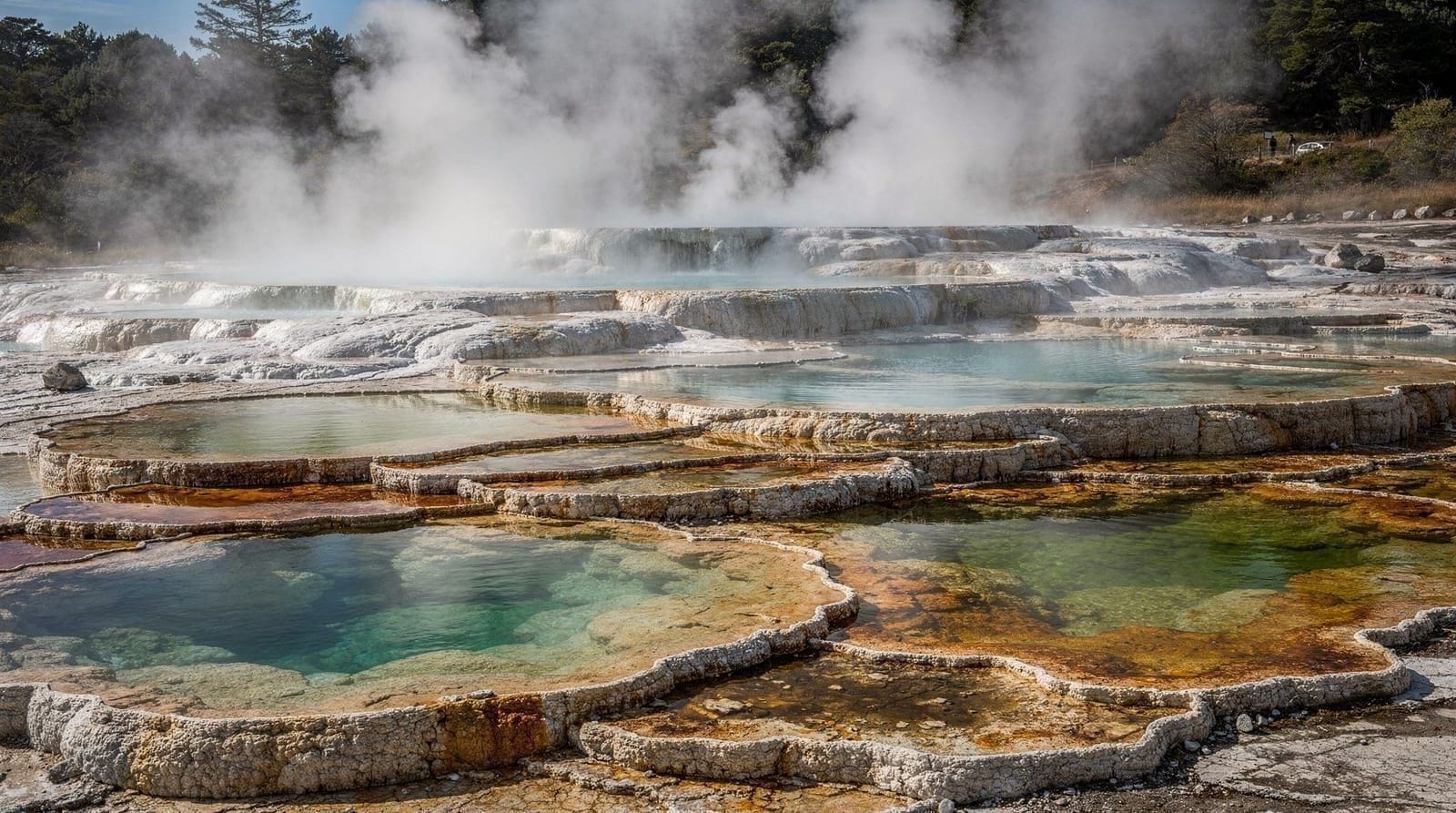
Honestly, if genuine, in-depth Māori cultural tourism is a real priority for your trip, Rotorua is where New Zealand’s cultural tourism infrastructure is most developed and concentrated — Te Puia, Whakarewarewa Living Village, and several evening hāngī and kapa haka experiences run by Māori-owned operators offer a level of depth that a city stop in Auckland genuinely can’t match in a few hours. Our Māori experiences in Rotorua guide covers the options in detail, and is Rotorua worth it weighs the logistics of adding it to an Auckland-based trip. Many visitors treat Auckland as the introduction — enough context to arrive in Rotorua with some grounding rather than none — and Rotorua as the deeper, more immersive follow-through.
How to tell a well-run experience from a generic one
Not all Māori cultural tourism is equal, and it’s worth a moment of judgement before booking anything, in Auckland or beyond. Genuinely well-run experiences are led by Māori guides sharing their own history and perspective, are transparent about which iwi or community they’re connected to, and treat cultural content (waiata, haka, storytelling) with the same seriousness they’d expect from an audience at a marae rather than as background entertainment. Our respectful Māori tourism guide goes into more depth on what distinguishes an authentic, community-connected experience from a more generic commercial one, and is worth reading before you book anything beyond a straightforward museum visit.
A few courtesies that go a long way
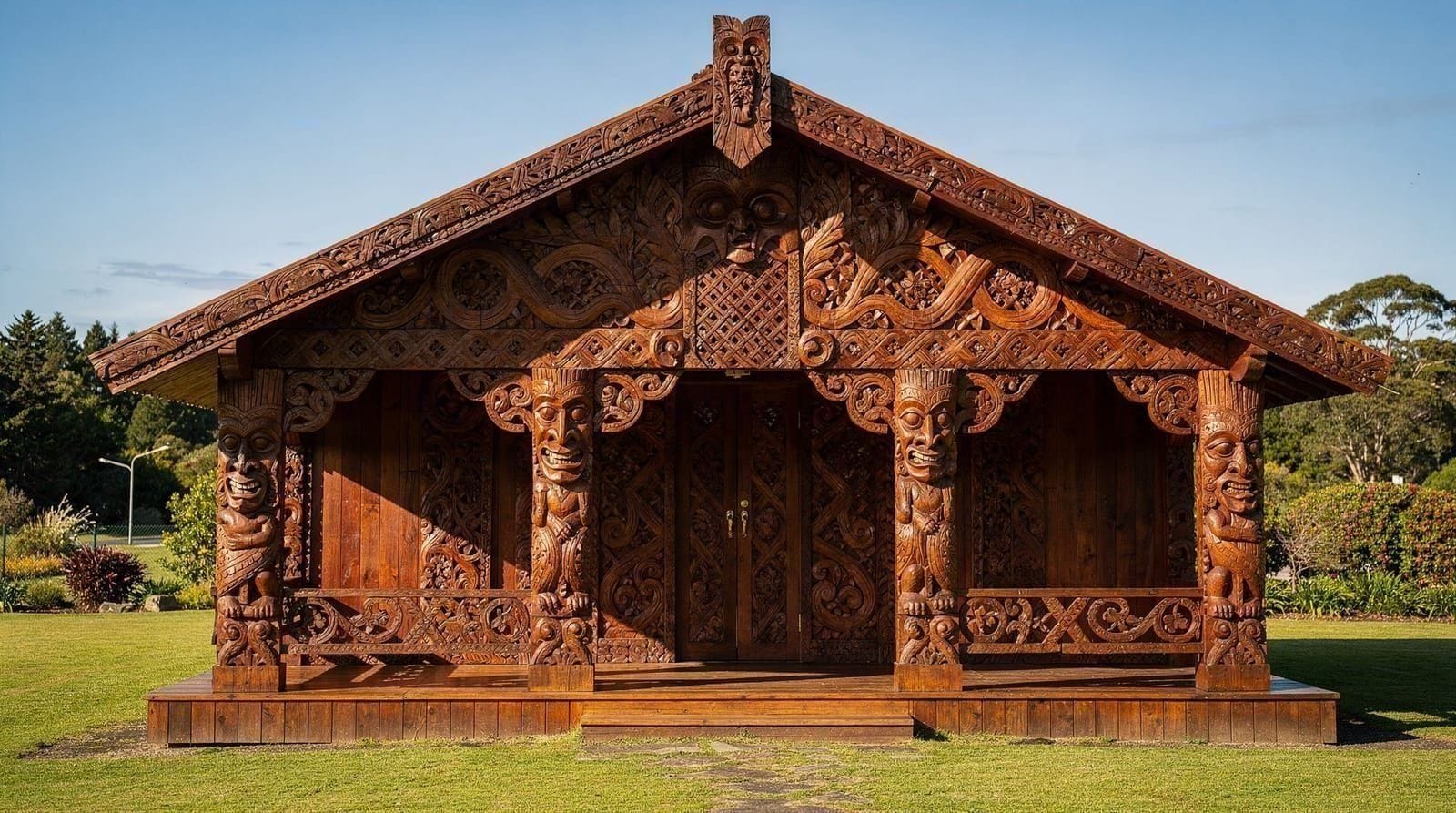
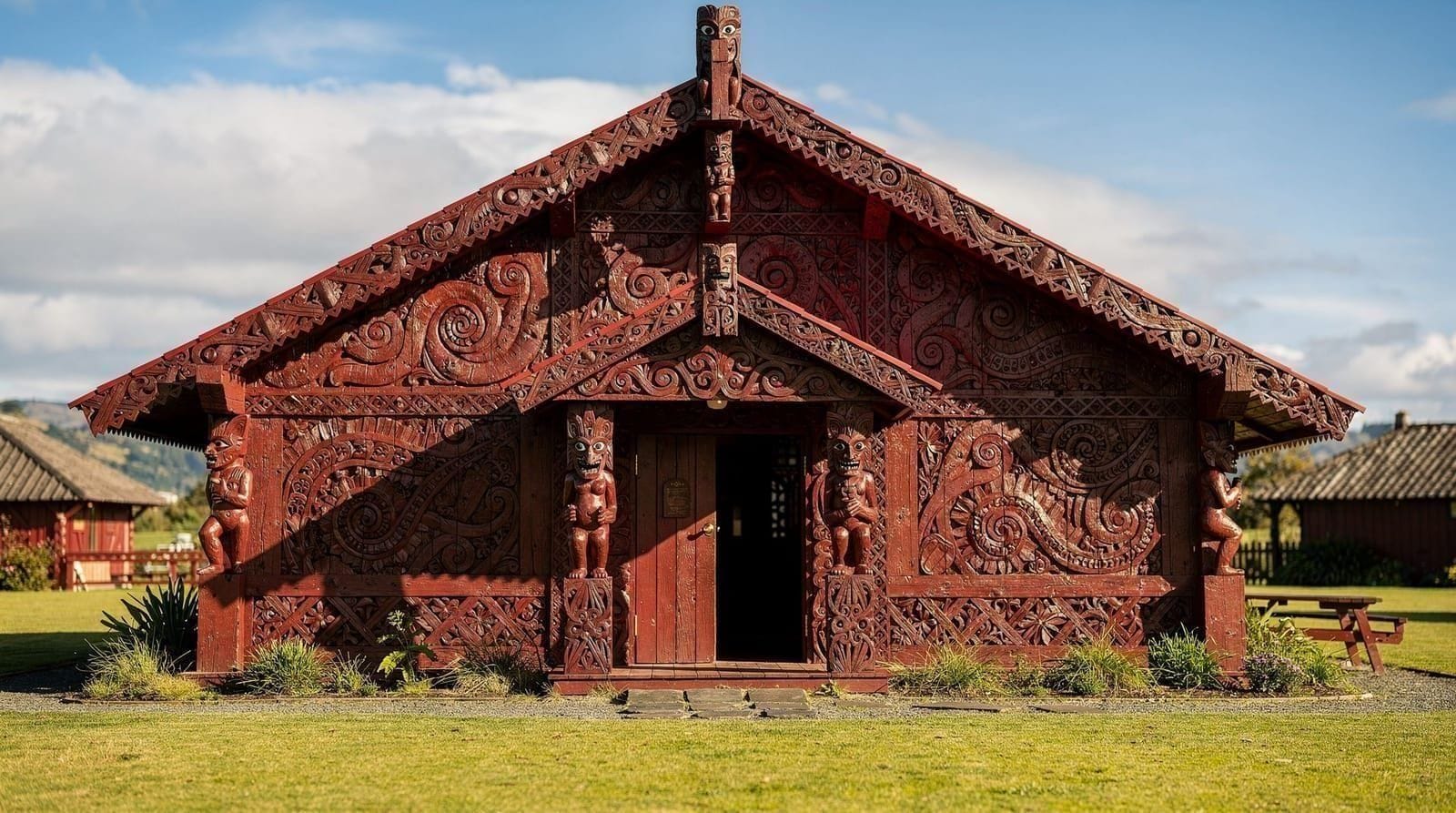
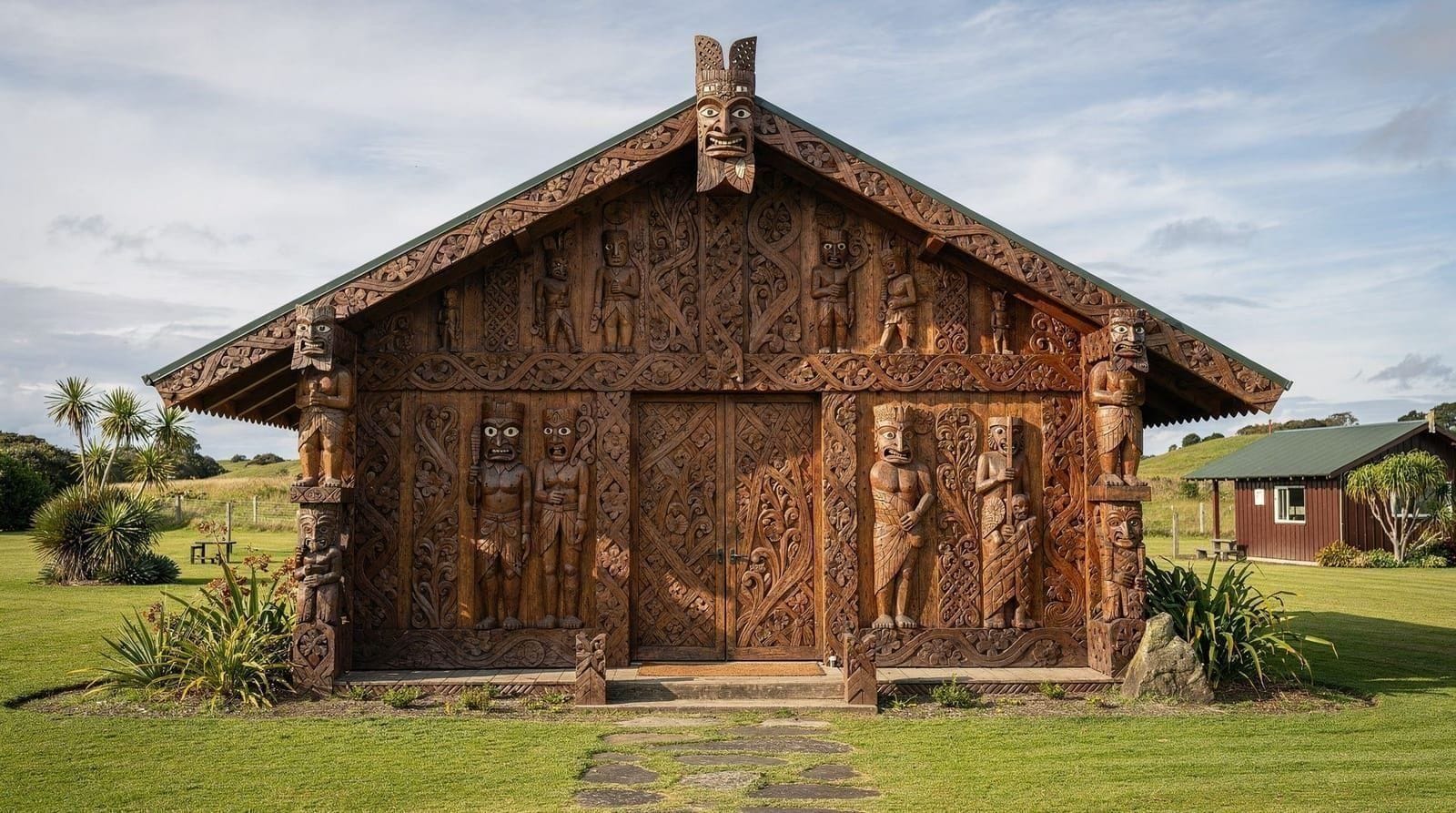
If you visit a maunga, a marae, or any culturally significant site during your Auckland trip, a handful of small courtesies matter: stick to formed paths (many summits are ecologically as well as culturally sensitive), ask before photographing people, don’t touch anyone’s head without invitation (it’s considered tapu, sacred), and treat any marae or cultural performance space with the same quiet respect you’d extend to a place of worship anywhere in the world. None of this requires deep expertise — it’s genuinely appreciated, and it’s the baseline expectation rather than an optional extra. See our complete Auckland city guide for how these sites and experiences fit into a wider Auckland visit.
Learning basic te reo before you arrive
Even a small amount of preparation goes a long way toward engaging respectfully with Māori culture during your stay. Learning correct pronunciation for common place names — Waitematā, Tāmaki Makaurau, Maungawhau — before you arrive means you’re not stumbling over words you’ll hear dozens of times a day on signage and transport. Our te reo basics for visitors guide (linked above) covers a practical starter set, and treating this as preparation rather than an afterthought is itself a small but genuine form of respect that Aucklanders notice.
Māori history and the story behind Auckland’s harbours
The Waitematā and Manukau harbours that define the isthmus aren’t just geographic features — they’re threaded through Māori history as travel and trade routes, with the narrow land bridge between them (at what’s now Ōtāhuhu) used for centuries to portage waka between the Pacific and Tasman coasts rather than sailing the long way around the North Island. Understanding this changes how the harbours read on a visit: the ferries you take to Devonport or Waiheke follow water that’s been central to this region’s story for far longer than European settlement, and that context is worth carrying with you on any harbour crossing during your stay, not just at dedicated cultural sites.
Combining Māori cultural sites with the rest of an Auckland city day
Auckland Museum sits inside the Auckland Domain, itself built around a volcanic crater, which makes it straightforward to combine a Māori-culture-focused morning with a wider complete Auckland city guide itinerary rather than treating it as a separate special trip. A common, well-paced structure: Museum and cultural performance in the morning, lunch nearby, then an afternoon climb of Mount Eden carrying the cultural context from the morning into how you experience the maunga itself. This sequencing genuinely changes how visitors describe the cone climb afterward — treating it as an ancestor mountain rather than simply a free viewpoint.
Frequently asked questions about Māori culture in Auckland
Is Auckland a good place to learn about Māori culture, or should I wait for Rotorua?
Auckland is a genuinely good starting point — Tāmaki Makaurau’s own Māori history is rich, and Auckland Museum’s collection and cultural performances are world-class. Rotorua offers more concentrated, immersive cultural tourism infrastructure, so many visitors treat Auckland as the introduction and Rotorua as the deeper dive.
What does Tāmaki Makaurau mean?
It’s generally translated as “Tāmaki desired by many,” referencing how strongly the isthmus’s resources were contested between iwi over centuries.
Which iwi holds mana whenua over central Auckland?
Ngāti Whātua is most closely associated with mana whenua over the central Auckland isthmus today, with well-documented settlements and connections at Ōrākei, near Bastion Point.
Can I visit a marae in Auckland as a tourist?
Not casually — marae are active community spaces, not tourist sites, and visiting one respectfully requires a specific invitation or a structured, guided cultural experience designed for visitors.
Is it disrespectful to climb Auckland’s volcanic cones?
No, the maunga are open public parks and climbing them is welcomed, but they hold real cultural and spiritual significance as ancestor mountains and former pā sites, so sticking to formed paths and quiet respect matters.
What is the single best Māori cultural experience in Auckland itself?
A guided Māori cultural tour combined with a visit to Auckland Museum’s Māori court and cultural performance — together they cover history, taonga, and live performance without requiring travel beyond the city.
How much does a Māori cultural tour in Auckland cost?
Prices vary by operator and format, from a couple of hours as part of a broader city tour through to dedicated cultural performances at Auckland Museum. Check current pricing directly, since it varies by group size and inclusions.
Should I learn any te reo Māori before visiting Auckland?
It’s not required, but even basic pronunciation of common place names is genuinely appreciated and makes engaging with signage, transport and everyday greetings easier throughout your stay.
Can I combine Māori cultural sites with a normal Auckland sightseeing day?
Yes, easily — Auckland Museum sits within the Domain, close to the CBD, and pairs naturally with a volcanic cone climb or a wider city day rather than needing a separate dedicated trip.
Top experiences
Bookable activities with verified prices and instant confirmation on GetYourGuide.