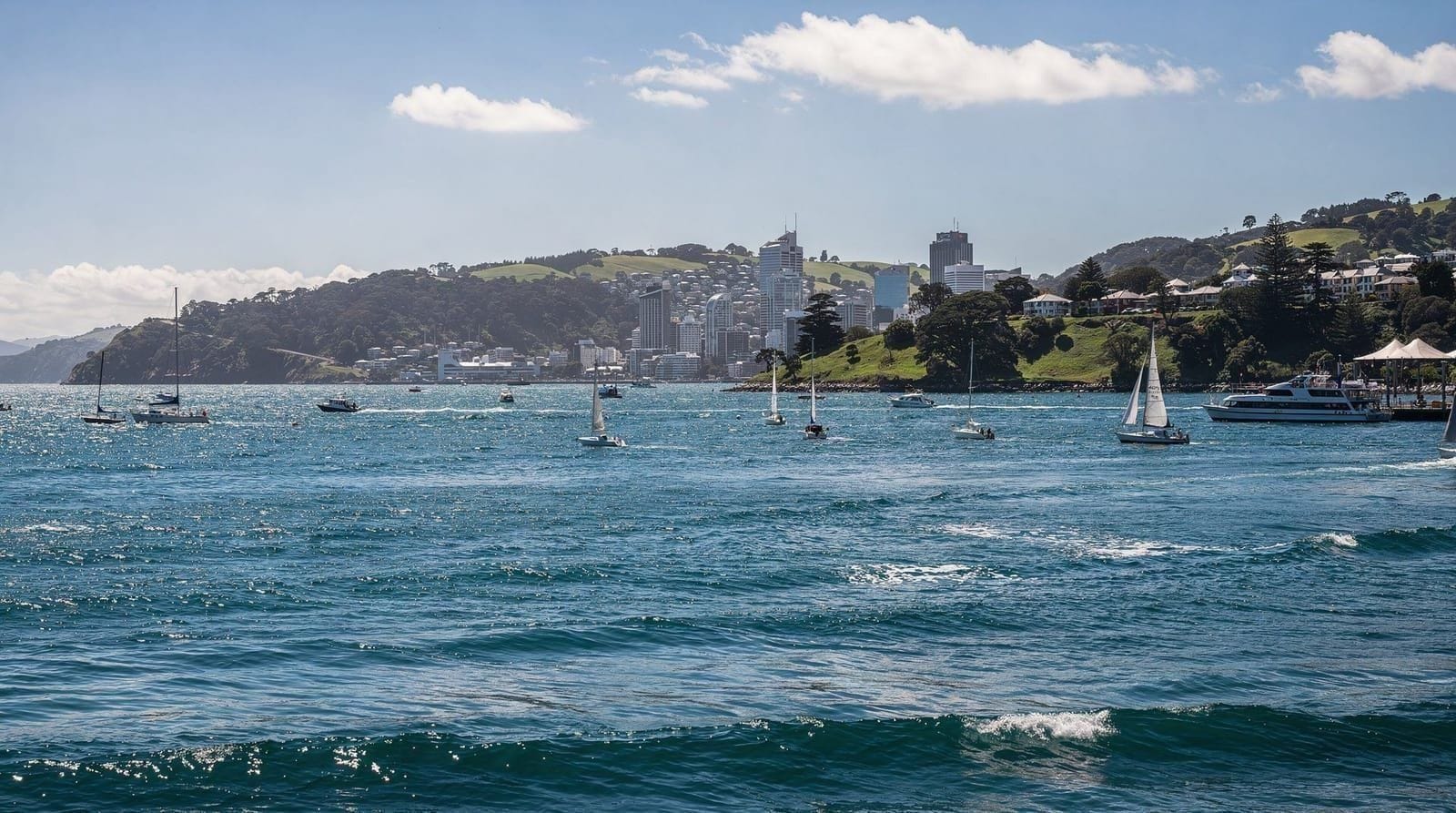
Auckland waterfront guide: Viaduct, Wynyard Quarter and the harbour
Auckland: Harbour 15 hour sailing cruise optional lunch
Duration: 1.5 hours
What's the best way to see Auckland's waterfront?
Walk the Ferry Building to Wynyard Quarter route (about 25 minutes, flat and well-signed), then add a harbour sailing cruise for a water-level perspective the walk alone can't give you.
Why the waterfront matters more than the CBD’s inland blocks
Auckland calls itself the “City of Sails,” and unlike a lot of tourism-board taglines, this one is earned — the Waitematā Harbour genuinely shapes daily life here, from ferry commuters to weekend sailors to the America’s Cup history that’s baked into the Viaduct’s identity. If you only have limited time in Auckland’s CBD, the waterfront deserves priority over Queen Street’s retail strip, which is the least interesting part of the city centre for most visitors.
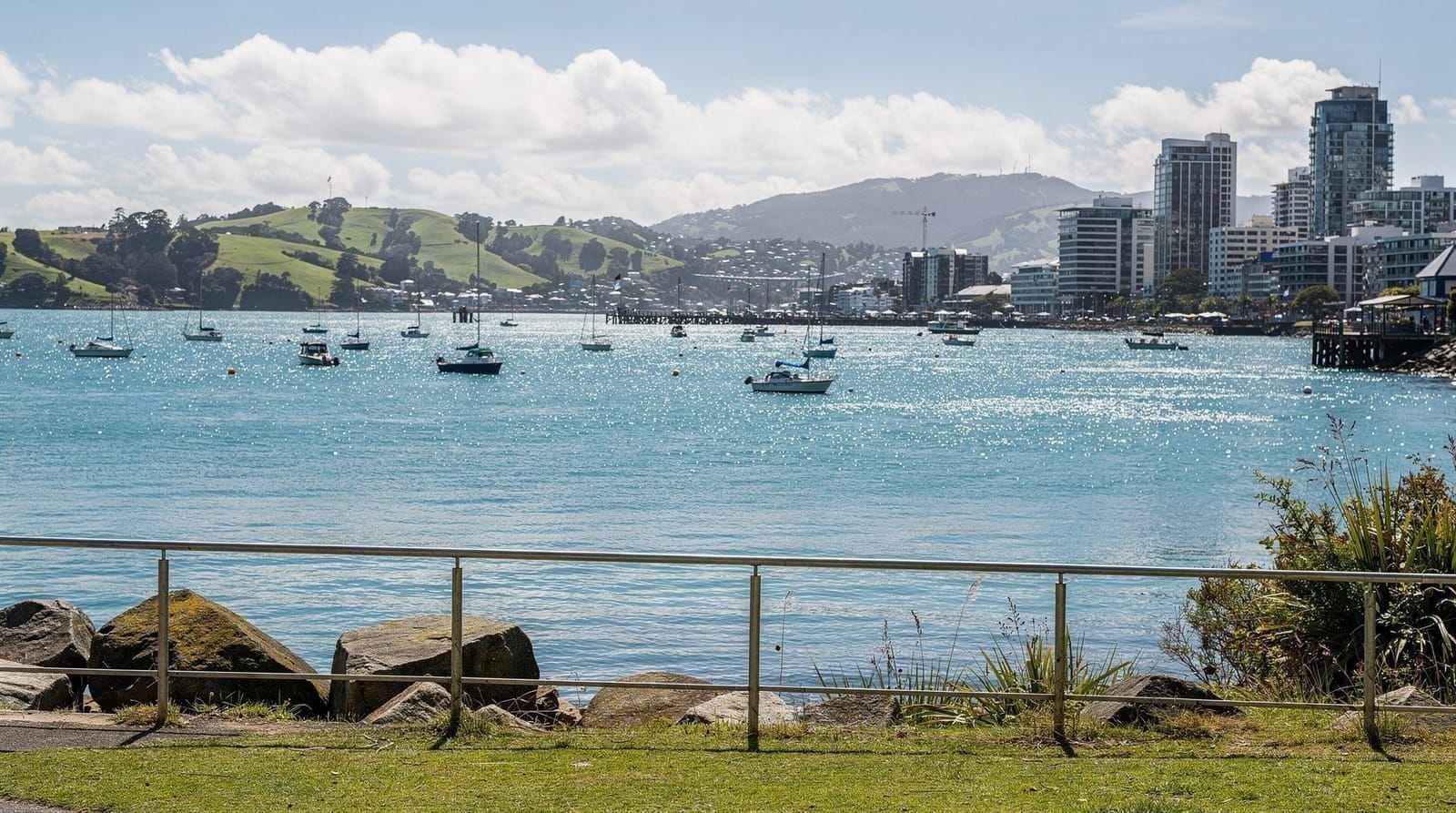
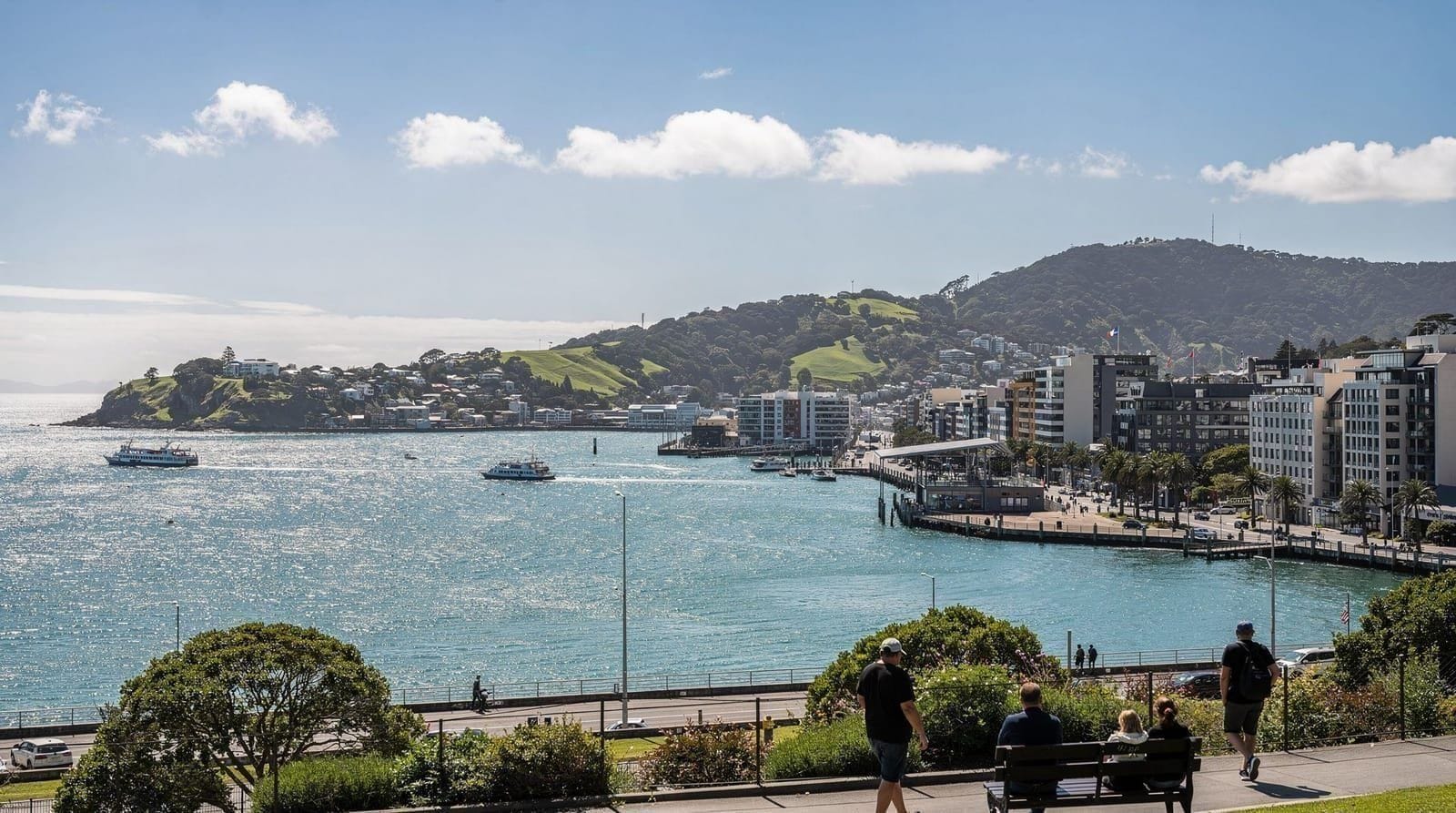
The waterfront runs in a rough arc from the Ferry Building at the eastern end, through Viaduct Harbour, into Wynyard Quarter to the west — roughly a 25-minute flat walk end to end, entirely doable on foot without a car or bus.
| Where | Ferry Building to Wynyard Quarter, CBD |
| Walk time | About 25 min one-way, flat and well-signed |
| Cost | Free to walk; cruises from around NZD 55-70 |
| Best for | Ferry departures, dining, harbour cruises, Maritime Museum |
| Best time | Late afternoon into evening |
The Ferry Building and downtown terminal
The Ferry Building is a restored 1912 Edwardian landmark, now mostly restaurants, and it’s also the departure point for ferries to Devonport, Waiheke Island and Rangitoto Island. Even if you’re not catching a ferry, it’s worth a look — this is genuinely the historic heart of Auckland’s harbour identity. Our Auckland ferries guide covers the full Fullers360 network and timetables.
Viaduct Harbour
Immediately west of the Ferry Building, Viaduct Harbour is the older marina redevelopment — dense with restaurants, wine bars and superyacht berths, and the epicentre of Auckland’s America’s Cup history (the event has been hosted here multiple times). It’s busiest and liveliest in the evening, when the marina lights reflect off the water and every restaurant terrace fills up. Expect NZD 30-50 for a sit-down dinner here; it’s pricier than Wynyard Quarter but the setting is hard to beat.
Wynyard Quarter
A further 10-15 minute walk west, Wynyard Quarter is Auckland’s newer waterfront redevelopment — a more relaxed, family-friendly public space with a playground, splash pad, craft breweries and food trucks alongside sit-down restaurants. It’s genuinely one of the best spots in the city for a casual lunch with harbour views without Viaduct Harbour’s premium pricing; a sandwich or poke bowl here runs NZD 12-16.
| Viaduct Harbour | Wynyard Quarter | |
|---|---|---|
| Vibe | Upscale, marina-view, evening-focused | Relaxed, family-friendly, casual |
| Dinner cost | NZD 30-50 | NZD 12-16 for lunch |
| Best for | Evening dining, sailing history | Daytime lunch, kids, breweries |
| Busiest | Evenings and weekends | Weekend daytime |
Getting on the water
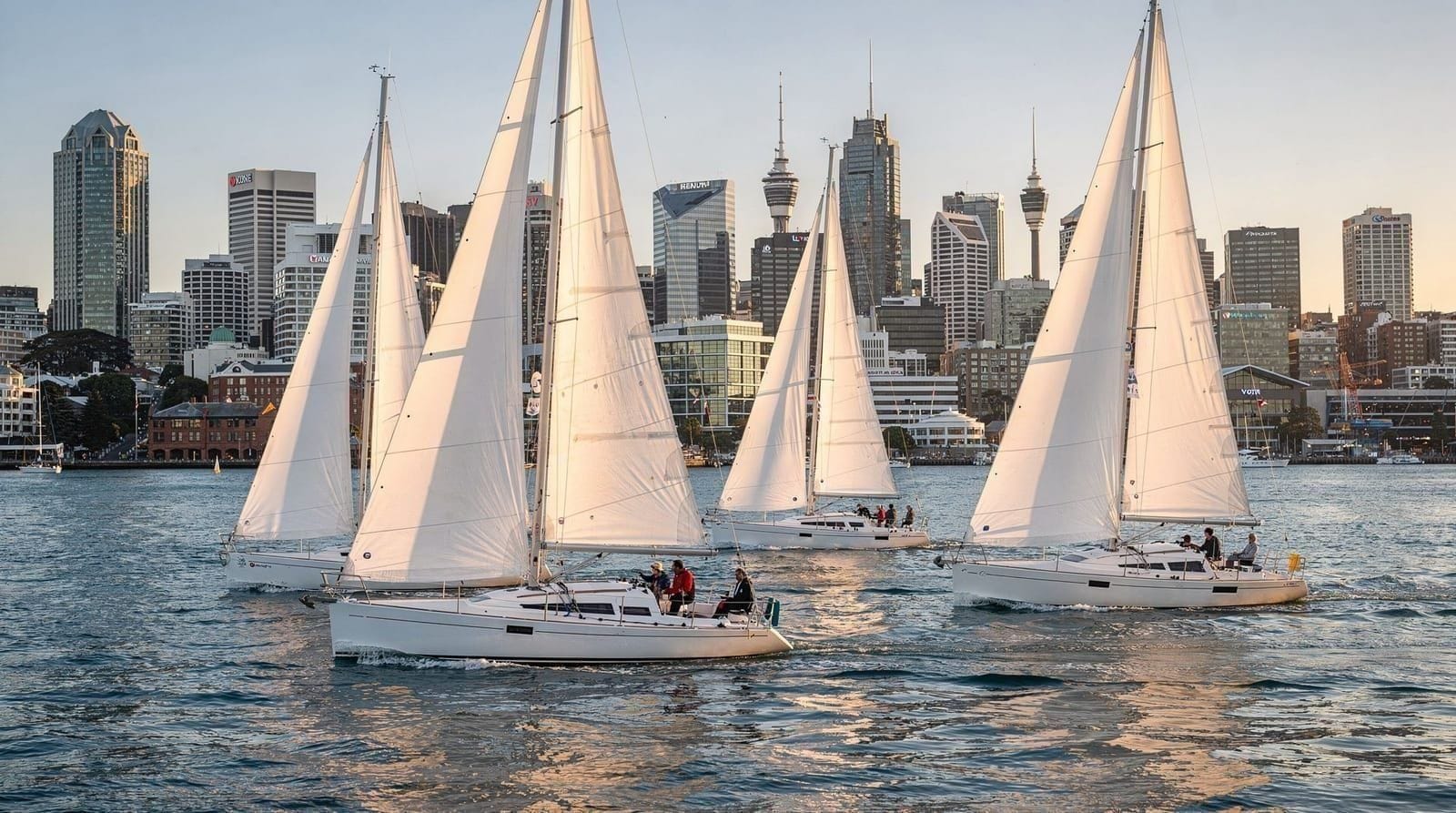
Walking the waterfront gives you one perspective; getting onto the harbour gives you a completely different one. A 1.5-hour harbour sailing cruise is the standard option, departing from the Viaduct several times daily with commentary on the America’s Cup history in these waters.
If you’d rather stay closer to shore, the scenic harbour sightseeing cruise covers similar ground at a more relaxed pace, and the sunset harbour cruise times the trip for golden-hour skyline photos. For a more active option, the America’s Cup sailing experience puts you hands-on with the sails rather than just watching. Our harbour sailing guide breaks down all the options in more depth.
The Maritime Museum
Sitting right on the Viaduct waterfront, the New Zealand Maritime Museum traces Polynesian voyaging history through to the America’s Cup, and is a genuinely good rainy-day option given its waterfront location. Book the Maritime Museum entry ticket or read our full Maritime Museum guide before visiting.
The America’s Cup legacy along this stretch
Auckland’s waterfront identity is inseparable from sailing, and specifically from the America’s Cup — the city has hosted the regatta multiple times (2000, 2003, and 2021 among them), and the infrastructure built for those events largely shaped the Viaduct Harbour and Wynyard Quarter you see today. The Team New Zealand base sits within this precinct, and even outside regatta years, the marina remains genuinely active with racing yachts, superyachts and everyday sailors. If sailing history interests you beyond the harbour cruise itself, the Maritime Museum’s America’s Cup exhibits go into more depth than most visitors expect from what looks like a modest waterfront building.
Walking route in detail, stop by stop
Starting at the Ferry Building (5 minutes from Britomart train station): head west along Quay Street, passing Queens Wharf on your left — a working cruise ship berth that occasionally hosts public events and markets. Continue into Viaduct Harbour proper, where the marina opens up with restaurant terraces lining both sides; this stretch takes 10-12 minutes to walk at a relaxed pace, longer if you stop for photos of the superyachts. Cross the Wynyard Crossing pedestrian bridge (a distinctive lifting bridge that opens for tall vessels) into Wynyard Quarter itself, where the path opens into the more relaxed public spaces — Silo Park, with its converted industrial silos now used for outdoor cinema screenings and markets, sits at the western end and makes a natural turnaround point. Round trip, allow 60-90 minutes if you’re stopping to look around rather than walking straight through.
Seasonal notes for the waterfront
Summer (December-February) sees the waterfront at its busiest, with outdoor dining spilling onto every available terrace and evening crowds well into the night — book restaurant tables ahead on weekends. Winter (June-August) is quieter and the marina takes on a moodier, atmospheric character that photographers often prefer, though wind off the harbour can make it genuinely cold; layer up more than you would for the equivalent CBD walk. Shoulder seasons (March-May, September-November) offer the best balance of comfortable walking weather and thinner crowds along this specific route.
Waterfront activities beyond walking and cruising
Beyond the walking route and cruise options already covered, the waterfront supports a genuinely wide range of on-water activities worth knowing about. Stand-up paddleboarding and kayak rentals operate seasonally from Wynyard Quarter, giving a more active, self-directed alternative to a guided cruise. Fishing charters depart from the same general area, popular with visitors wanting to combine harbour scenery with New Zealand’s genuinely strong recreational fishing culture. And for a lower-cost harbour experience than a dedicated cruise, the Devonport ferry itself — a scheduled public transport service rather than a tourism product — gives a similar on-water perspective for a fraction of the price, if your goal is simply being on the water rather than a guided, narrated experience.
The waterfront at night
Auckland’s waterfront transforms after dark, and it’s worth experiencing beyond a daytime walk if your schedule allows. Viaduct Harbour’s restaurant terraces and marina lighting create a genuinely different atmosphere than the same stretch at midday, and Wynyard Quarter’s Silo Park occasionally hosts evening events (outdoor cinema in summer, night markets seasonally) that add another layer to a waterfront visit. The Sky Tower’s night lighting, visible from most points along this walk, adds a dramatic backdrop to evening photos taken from the water’s edge — arguably a better vantage point for photographing the tower than being inside it.
Combining the waterfront with a Devonport day
Because the ferry terminal sits directly at the eastern end of this walking route, it’s straightforward to combine a waterfront morning with a Devonport afternoon, using the natural geography rather than backtracking. Walk the Ferry Building to Wynyard Quarter route first, loop back to the terminal, then catch the ferry across for the second half of your day — this sequencing avoids doubling back and makes efficient use of a single day’s energy. See our Devonport destination guide for what to do once you’re across the harbour.
What visitors consistently underestimate about this area
Most first-time visitors budget 30-45 minutes for “the waterfront” as a single line item in a broader CBD day, then find themselves genuinely reluctant to leave once they’ve arrived — the combination of open water, marina activity and consistently good food means this stretch tends to absorb more time than planned, in a good way. If your schedule allows, treat the waterfront as a half-day anchor rather than a quick detour between other CBD sights; it rewards unhurried exploration more than almost anywhere else in the central city.
Weather considerations specific to the waterfront
Being fully exposed to the harbour, this stretch is more wind-affected than inland CBD streets — even on a mild day, expect a noticeably cooler, breezier walk than Queen Street a few blocks inland, and bring a light jacket regardless of season. In summer, this breeze is genuinely pleasant and part of the appeal; in winter, it can make an already cool day feel considerably colder, so dress accordingly if you’re planning to linger for a cruise or an outdoor meal.
A comparison: waterfront walk versus harbour cruise
If you can only choose one, the decision comes down to what you value: the walk is free, self-paced, and lets you stop wherever interests you, while a cruise costs NZD 55-70+ but gives you the water-level perspective and skyline view that walking alone can’t replicate. Most visitors with adequate time do both — walk first to get oriented and choose a lunch spot, then book an afternoon cruise once you’ve got a feel for the area. Budget-conscious visitors can skip the cruise entirely and still come away with a genuinely satisfying harbour experience from the walk alone, supplemented by the free views from Queens Wharf and the Ferry Building itself.
Accessibility and family considerations along the waterfront
The full walking route from the Ferry Building to Wynyard Quarter is flat and well-paved throughout, making it one of the more accessible extended walks in the CBD for wheelchair users, strollers, and anyone with mobility considerations — a genuine advantage over hillier routes elsewhere in the city like the climb toward Karangahape Road. Wynyard Quarter specifically is designed with families in mind, with its playground and splash pad drawing local parents as much as visitors, and public restrooms are available at intervals along the route, worth knowing if travelling with young children.
Sustainability and the waterfront’s working harbour identity
Unlike a purely tourist-built marina district, Auckland’s waterfront remains a genuinely working harbour — commercial fishing boats, cargo operations further along Quay Street, and an active recreational sailing culture all coexist with the tourism infrastructure. This gives the area an authenticity that purely manufactured waterfront developments elsewhere sometimes lack; you’re not walking through a themed recreation of a harbour, you’re walking through an actual one that happens to also serve visitors well. If sustainable and responsible tourism matters to your trip planning, the waterfront’s food and drink options increasingly emphasise local and sustainably sourced seafood — worth asking about specifically if that’s a priority, and covered further in our sustainable travel Auckland guide.
What to bring for a waterfront-focused day
Given the exposed, breezy nature of this stretch, pack accordingly: a light jacket regardless of season, sunglasses (the water reflects sunlight noticeably even on overcast days), and comfortable walking shoes suited to the mix of paved paths and occasional cobblestone sections around the historic Ferry Building. If you’re planning to spend a genuinely long stretch here — a full half-day combining the walk, lunch and a cruise — sunscreen matters more than you’d expect for a walk that doesn’t feel especially sun-exposed; the open water reflects UV in a way shaded CBD streets don’t.
How the waterfront connects to the wider ferry network
Beyond Devonport and Waiheke, the same Downtown Ferry Terminal serves Rangitoto Island, and seasonal or less frequent services to other Hauraki Gulf destinations. If you’re planning multiple island visits across your trip, familiarising yourself with this terminal’s layout on your first waterfront walk saves confusion later when you’re actually catching a scheduled ferry rather than exploring at leisure — worth a five-minute look at the departure boards even if you’re not boarding anything that day.
A note on cruise ship arrivals at Queens Wharf
If your first sight of Auckland is arriving by cruise ship, you’ll already be standing at the eastern edge of this exact waterfront walk — Queens Wharf sits directly between the Ferry Building and the wider Viaduct Harbour precinct, meaning the entire route covered in this guide is walkable straight from your ship’s berth without needing any transport at all, a genuine advantage over cities where the cruise terminal sits well outside the main visitor area.
Food along the waterfront
The waterfront’s food scene splits cleanly by district: Viaduct Harbour skews upscale and pricier, aimed at the marina-view experience; Wynyard Quarter is more casual and better value, with craft breweries and food trucks alongside sit-down options. Our best restaurants Auckland and Auckland craft beer guides cover both in more detail.
Rainy-day options along the waterfront
New Zealand’s changeable weather means a rainy waterfront day is genuinely common, and the route holds up reasonably well for it. The Maritime Museum is the obvious indoor anchor, but Viaduct Harbour’s restaurants and bars also work well as extended, unhurried stops rather than quick meals when the weather turns — many have covered terraces that stay comfortable in light rain. A harbour cruise in genuinely poor weather is less rewarding for photography but still runs unless conditions turn severe, so check with the specific operator rather than assuming a cancellation. If the rain is heavy and sustained, pairing the waterfront with an indoor stop like the Auckland Art Gallery a short walk uphill gives a more complete rainy-day CBD plan.
A realistic half-day plan
Start at the Ferry Building mid-morning, walk the marina edge through Viaduct Harbour, stop at the Maritime Museum if the weather’s poor, continue to Wynyard Quarter for lunch, then book an afternoon harbour cruise before finishing with dinner back in the Viaduct. This slots directly into our Auckland in a day itinerary if you’re combining it with the Sky Tower and a Devonport ferry, and pairs well with a stay in Devonport or the CBD — see where to stay in Auckland for the full comparison. For the wider neighbourhood picture, our Auckland neighbourhoods guide covers how the waterfront fits alongside Ponsonby, Devonport and Mission Bay.
Getting there without driving
The waterfront sits a five-minute walk from Britomart train station, the hub of Auckland’s rail and bus network, which makes it one of the easiest CBD stretches to reach without a car regardless of where you’re staying. From Ponsonby or Grey Lynn, a short bus ride or a 20-25 minute walk downhill covers it; from Devonport, the ferry itself lands you directly at the eastern end of the route. Parking near the waterfront is genuinely expensive and limited during peak hours — see our getting around Auckland guide if you’re deciding between driving in and using public transport for a waterfront day.
Photography spots along the route
For visitors prioritising photos, a handful of spots consistently outperform the rest of the walk. Queens Wharf gives an open, unobstructed view back toward the Sky Tower and CBD skyline, particularly striking at blue hour just after sunset. The Wynyard Crossing pedestrian bridge frames the marina and Silo Park silos well, especially when the bridge is mid-lift for a passing vessel. And the Viaduct Harbour promenade at night, with restaurant lighting reflecting off the water, is arguably a better skyline shot than anything from inside the Sky Tower itself. Our best photo spots Auckland guide covers these alongside the rest of the city’s strongest locations.
Frequently asked questions about Auckland’s waterfront
Is the Auckland waterfront walkable?
Yes — from the Ferry Building west along Quay Street to Wynyard Quarter is a flat, well-signed 25-minute walk taking in the Viaduct Harbour marina and superyacht berths.
What’s the difference between Viaduct Harbour and Wynyard Quarter?
Viaduct Harbour is the older, denser marina district closer to the ferry terminal, with pricier restaurants and bars. Wynyard Quarter is the newer redevelopment further west, more relaxed and family-friendly, with craft breweries.
How much does a harbour cruise cost in Auckland?
Sightseeing cruises typically run NZD 55-70 for 1.5-2 hours; dinner cruises with a 3-course meal run closer to NZD 130-150.
Where do ferries to Waiheke and Devonport leave from?
The Downtown Ferry Terminal on Quay Street, near Britomart — a short walk from both Viaduct Harbour and the CBD core.
Is the waterfront good for families?
Yes — Wynyard Quarter has a playground, splash pad and open lawns, plus the Maritime Museum nearby, making it one of the easier family-friendly stops in central Auckland.
What’s the best time of day for the waterfront?
Late afternoon into evening, when the marina light softens and Wynyard Quarter’s restaurants and breweries fill up. Weekday mornings are quietest for photos without crowds.
Do I need to book a harbour cruise in advance?
In summer (December-February), yes — popular sunset and dinner cruises sell out. Off-peak, walk-up or same-day booking is usually fine.
Can I walk the waterfront straight from a cruise ship berth?
Yes — Queens Wharf, where cruise ships dock, sits directly between the Ferry Building and Viaduct Harbour, so the entire route in this guide is walkable straight from your ship without needing any transport.
Is the waterfront walk suitable for wheelchairs and strollers?
Yes — the full Ferry Building to Wynyard Quarter route is flat and well-paved throughout, making it one of the more accessible extended walks in the CBD compared to hillier routes elsewhere in the city.
Top experiences
Bookable activities with verified prices and instant confirmation on GetYourGuide.