Respectful Māori tourism: an etiquette guide for visitors
Rotorua: Te puia te po evening hangi buffet and cultural experience
What's the most important thing to know about respectful Māori tourism?
Choose experiences that are genuinely Māori-owned or Māori-led, and treat cultural sites and performances with the same seriousness you'd extend to a place of worship — that means following on-site protocol, asking before photographing people, and not touching anyone's head without invitation, since it's considered tapu (sacred).
| Where it applies | Marae, cultural performances, maunga (volcanic cones), museums |
| Cost | Free — this is etiquette, not a paid experience |
| Time needed | A 10-minute read before any cultural booking |
| Key rule | No touching heads, ask before photographing people |
| Best preparation | A genuinely Māori-owned or Māori-led operator |
Why this matters more than a standard etiquette list
Māori culture is a living, ongoing part of New Zealand life, not a historical curiosity performed for visitors, and the difference between a respectful visitor and a careless one usually comes down to a handful of specific, learnable things rather than vague good intentions. This guide covers the practical etiquette — tikanga (customs), tapu (sacredness), photography, and how to evaluate whether a specific tour or experience is genuinely well-run — that applies across the Māori cultural experiences covered elsewhere on this site, in Auckland, Rotorua, Waitangi and beyond.
It’s worth being upfront about the limits of a guide like this: it can teach you the basic etiquette that prevents you from causing offence, but it cannot substitute for the understanding you get from direct engagement with Māori guides and communities themselves. Treat this as the groundwork that lets you show up prepared, not as the destination in itself.
Tikanga: the customs that shape how things are done
Tikanga refers to the customary practices and protocols that govern behaviour in Māori contexts — everything from how a formal welcome unfolds to smaller everyday courtesies. You don’t need to memorise an exhaustive list before your trip; the practical version that covers almost every situation a visitor will encounter is: follow your guide’s or host’s lead, ask if you’re unsure, and treat any culturally significant setting with the same seriousness you’d extend to a place of worship anywhere in the world. Structured tourism experiences — a guided marae visit, a Rotorua cultural evening, a Waitangi tour — are specifically designed to walk visitors through the relevant tikanga as it comes up, so you’re rarely expected to know it in advance.
Tapu: sacredness and what it means practically
Tapu means sacred or restricted, and it’s one of the more important concepts for visitors to understand because it applies to some very ordinary-seeming things. The most relevant for everyday interactions: the head is considered tapu, so touching anyone’s head — even a child’s, even affectionately — without explicit invitation is genuinely disrespectful and should simply be avoided. Tapu also applies to specific places: certain volcanic crater summits (Mount Eden’s crater in Auckland, for example, which visitors are asked not to walk into), urupā (burial grounds), and areas under rāhui (a temporary restriction, often placed for cultural or safety reasons, such as after a drowning or to allow a natural resource to recover). Rāhui signage should always be respected, even if the reason isn’t immediately obvious to a visitor.
The hongi: New Zealand’s traditional greeting
A hongi — pressing foreheads and noses together gently, sharing breath — is a traditional Māori greeting sometimes offered as part of a formal welcome (pōwhiri) or cultural experience. If offered one, the respectful response is simply to accept it, following your host’s lead on timing and pressure; it’s a brief, gentle gesture rather than an awkward or intimate one once you know roughly what to expect. You’re very unlikely to be expected to initiate a hongi yourself as a visitor — it’s typically offered by your host, and accepting it graciously is the entirety of what’s expected of you.
Photography: when it’s welcome and when it isn’t
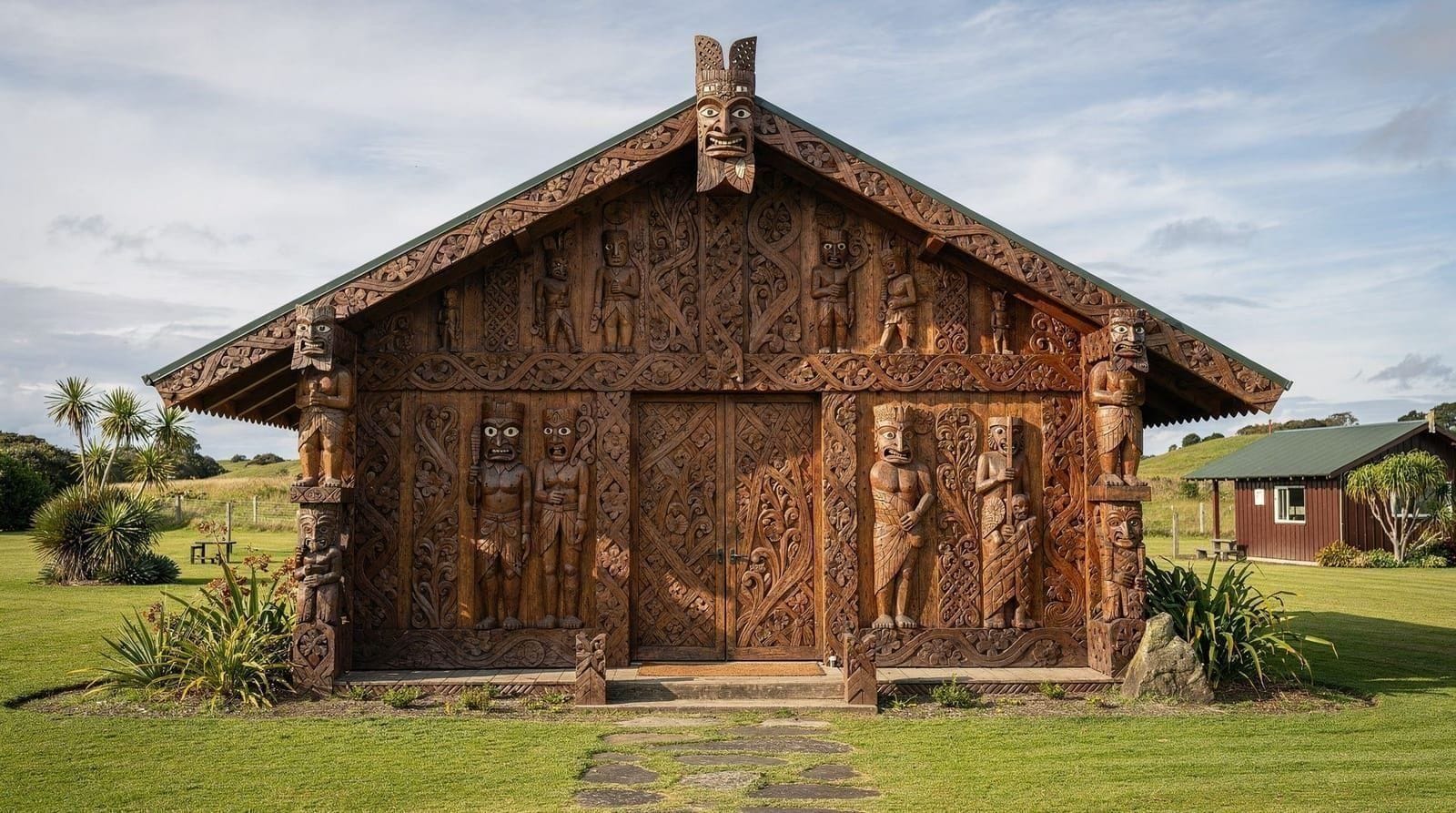
Photography etiquette varies genuinely by venue and moment, which is exactly why blanket rules don’t work here — the right approach is to listen to the specific guidance given at the start of whatever experience you’re attending. Many cultural performances welcome photography during set pieces (a haka performance, for instance) but ask visitors to lower cameras during more sacred or ceremonial moments, such as parts of a pōwhiri welcome or certain waiata. Outside formal performances, always ask before photographing individual Māori people you encounter, the same courtesy you’d extend to anyone anywhere, and never photograph inside a marae’s wharenui (meeting house) without explicit permission, since these are active spiritual and community spaces.
Marae: active community spaces, not tourist sites
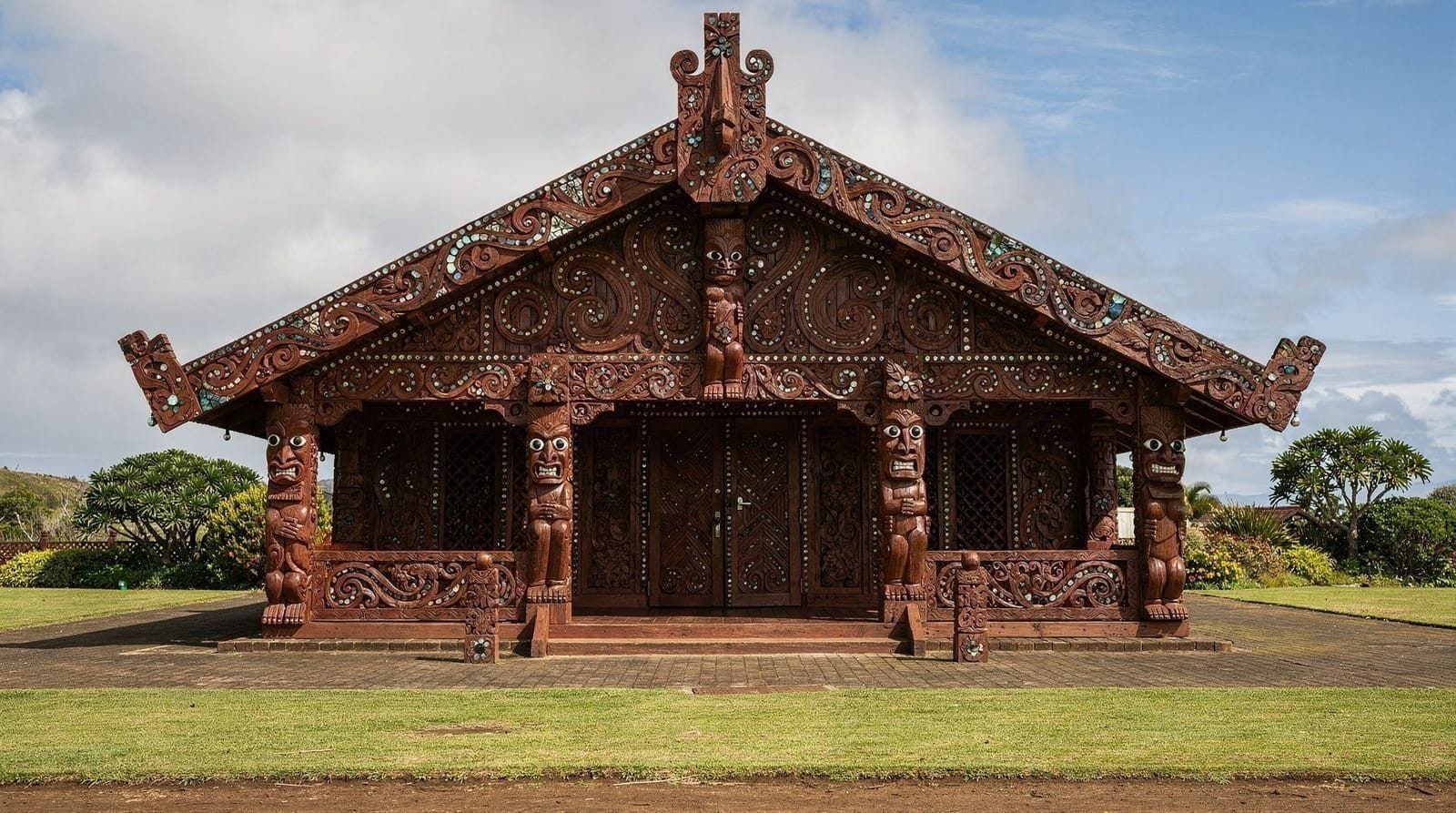
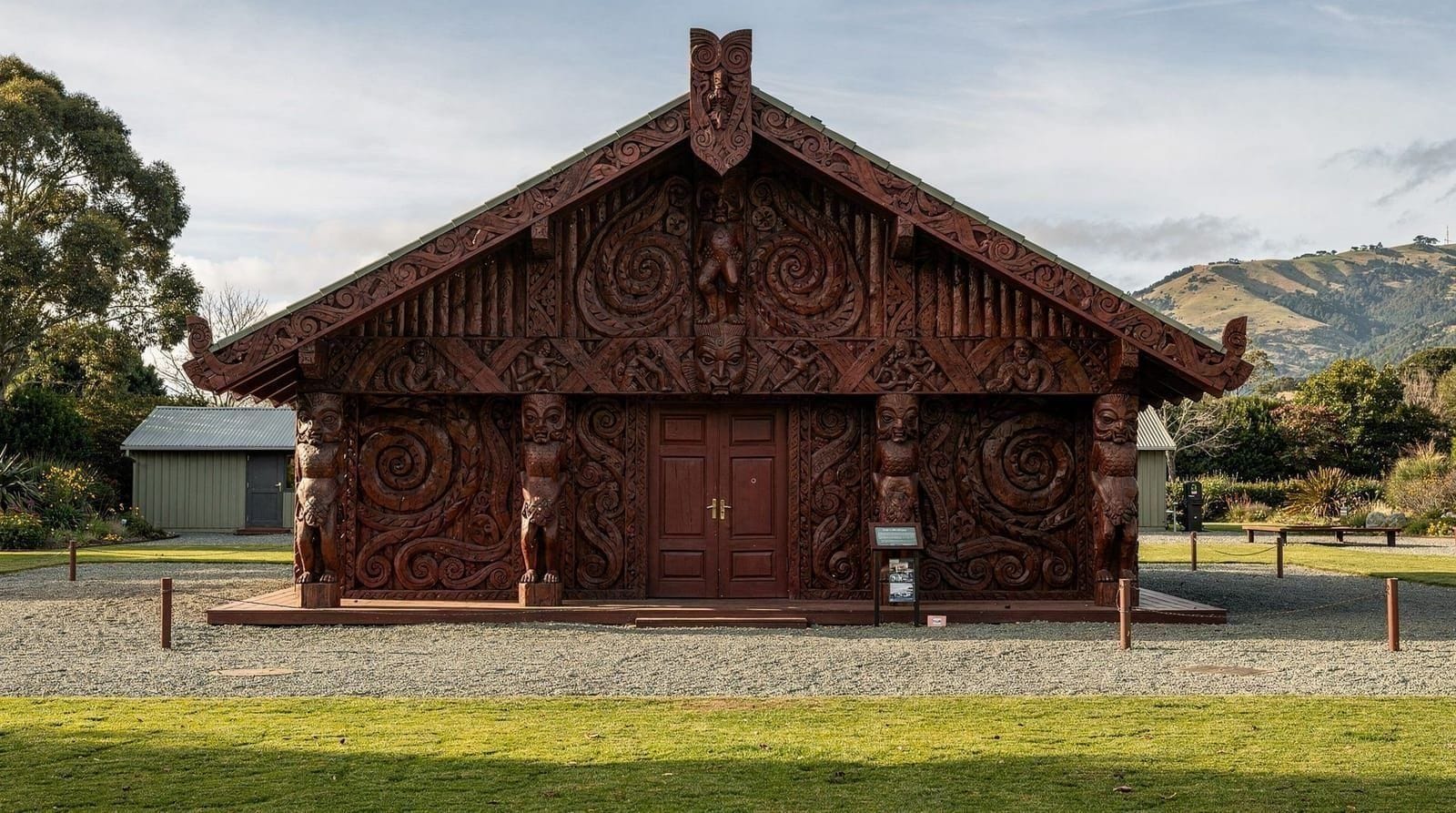
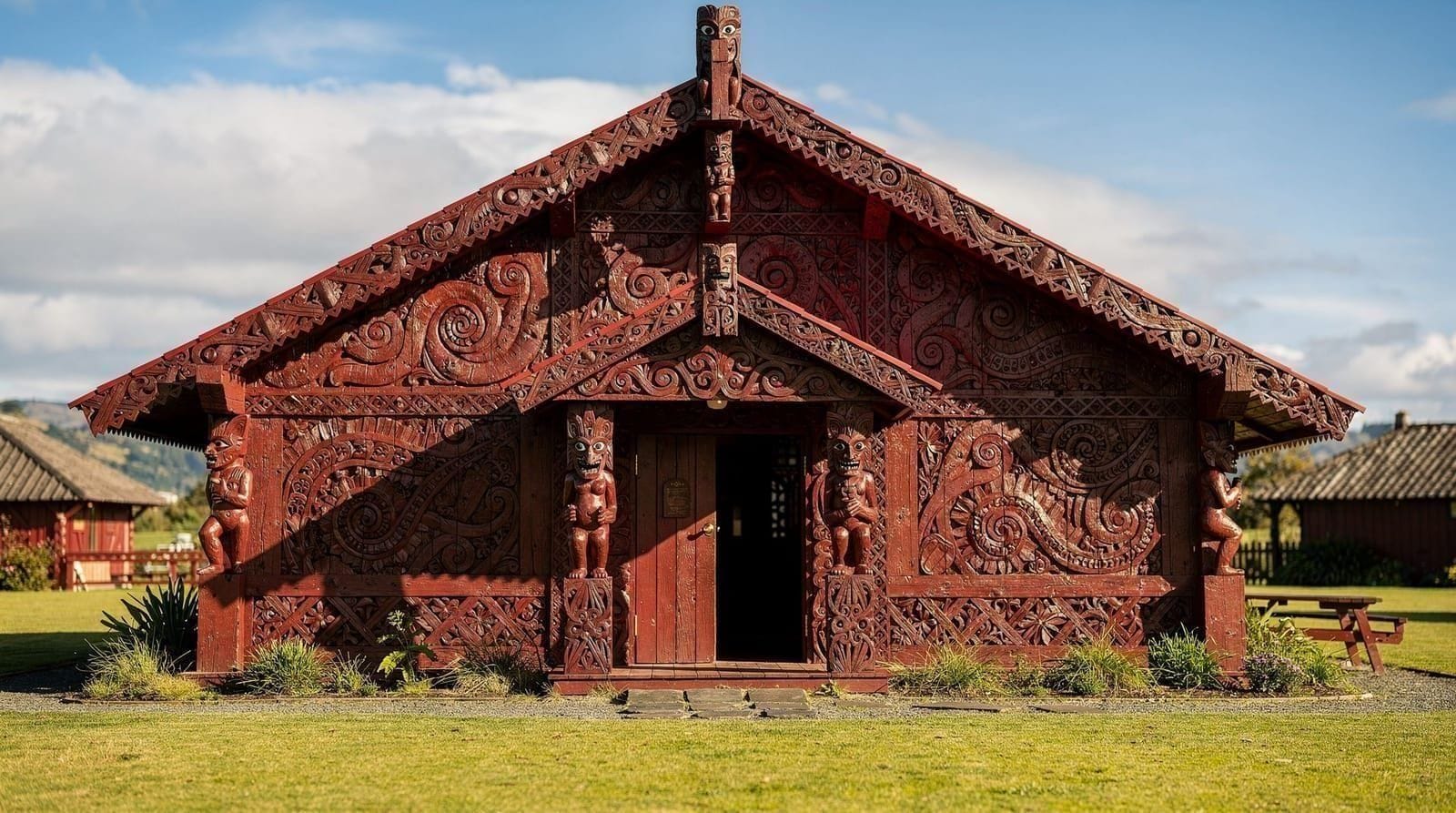
A marae is a complex of buildings — typically a wharenui (meeting house), wharekai (dining hall) and open marae ātea (courtyard) — that functions as the social, cultural and often spiritual centre of a hapū or iwi community. Marae are not open to casual, uninvited visits; they operate under specific protocol (kawa) that varies by iwi, and visiting appropriately requires either a genuine invitation or a structured tourism experience specifically designed to welcome visitors with a guide managing protocol on your behalf. If a tour itinerary includes a marae-style visit, trust that the operator has arranged appropriate access and follow their guidance closely — this is not the moment to wander off or photograph independently.
Evaluating whether a cultural experience is genuinely well-run
Not all commercial Māori cultural tourism is equal, and a bit of judgement before booking goes a long way. Genuinely well-run experiences are transparent about Māori ownership or leadership — Rotorua’s established operators (Te Puia, Whakarewarewa Living Village, Tamaki and Mitai Māori Villages, covered in our Māori experiences in Rotorua guide) and Auckland Museum’s own cultural performances all meet this bar clearly. Guides sharing personal or iwi-specific context, rather than a generic memorised script, is another good sign, as is content that treats haka and waiata as meaningful cultural expression with real explanation of their significance, rather than pure spectacle performed without context.
Te Puia’s evening Te Pō experience and a guided Māori cultural experience in Auckland are both examples of the kind of transparent, community-connected operators worth prioritising over generic add-on “cultural show” options sometimes bundled into unrelated tours.
Things to specifically avoid
A short, practical list worth keeping in mind: don’t touch carvings, taonga (treasured objects) or anyone’s head without explicit invitation; don’t sit on tables, since in Māori custom tables are associated with food and sitting on them is considered disrespectful; don’t step over people seated on the ground or over food; don’t walk on or through urupā (burial grounds); and don’t treat a haka performance as purely comedic or a photo prop — it’s a serious, often ceremonially significant expression with deep cultural roots, not a novelty. None of this requires deep prior knowledge — it’s the kind of respect that’s genuinely easy to extend once you know it matters.
Why this etiquette isn’t unique to New Zealand
If some of this guidance feels unfamiliar, it’s worth reframing it against etiquette you likely already practise elsewhere without a second thought — removing shoes before entering certain homes or temples, dressing modestly at religious sites, staying quiet during a moment of prayer or ceremony you’re witnessing as a guest. Respectful Māori tourism etiquette sits in exactly that same general category of cross-cultural courtesy, just with its own specific content (tapu, hongi, marae protocol) rather than being some uniquely demanding standard particular to New Zealand. Approaching it with that mindset — as a version of respect you already understand the shape of, applied to specific new content — tends to make the whole subject feel considerably less intimidating than a long list of unfamiliar rules might otherwise suggest.
Common visitor mistakes, and why they matter
A handful of specific mistakes come up repeatedly enough with visitors that they’re worth naming directly, alongside why each one lands badly. Treating a haka performance as an opportunity for mockery or exaggerated imitation — rather than respectful attention — is a common and genuinely hurtful misstep, given the haka’s deep ceremonial and often ancestral significance. Wandering off from a guided group during a marae or cultural village visit to take independent photos, rather than staying with your guide, risks entering areas or moments where photography isn’t appropriate without the context to know the difference.
And treating a pōwhiri welcome as simply the “start” of an experience to get through before the “real” activity begins, rather than as a meaningful part of the experience itself, undersells what’s often the most significant single moment of a cultural visit. None of these mistakes come from bad intent — they generally come from not knowing what’s actually happening, which is exactly why the context in this guide is worth reading before you go rather than learning it in the moment.
Learning more before your trip
If you want to build genuine background knowledge before arriving in New Zealand, reputable sources include Te Ara (the Encyclopedia of New Zealand), New Zealand government tourism and cultural resources specifically covering tikanga for visitors, and, once you’re here, the direct context provided by museum curators and cultural guides themselves, who are generally very willing to answer genuine, respectful questions. Avoid relying on generic travel-blog summaries (including, to be candid, treating this page as a complete education rather than a starting point) for anything beyond the practical etiquette basics covered here — deeper cultural understanding is properly built through direct, ongoing engagement, not a single pre-trip reading list.
Te reo Māori: using it respectfully
Using basic te reo Māori — “kia ora” as a greeting, correctly pronouncing place names — is generally welcomed and appreciated as a sign of genuine engagement rather than something to avoid out of caution. Correct pronunciation, including macron use (Māori, Tāmaki, Waitematā), matters more than perfect fluency; making a genuine effort is what’s noticed and appreciated. Our te reo basics for visitors guide covers pronunciation and a practical starter vocabulary if you’d like to build this into your trip.
Bringing this together across your trip
This etiquette applies consistently whether you’re climbing a maunga in Auckland, attending an evening hāngī in Rotorua, or visiting the Waitangi Treaty Grounds — the specific settings differ, but the underlying respect is the same throughout. Our Māori culture in Auckland, Māori experiences in Rotorua, and Waitangi Treaty Grounds guides each cover the specific experiences available; this page is the etiquette groundwork that makes engaging with any of them more meaningful, for you and for the people sharing their culture with you.
Where to put this into practice
Etiquette sticks best when you can attach it to a real place. Our Māori heritage sites guide is a good companion for seeing how tapu, rāhui and respect for urupā play out at actual locations, and the volcanic cones of Auckland guide explains why the maunga matter so much to local iwi and why visitors are asked to tread carefully on them. If you’re building a wider picture of the city’s past, Auckland history gives the context in which Māori and later European settlement overlapped.
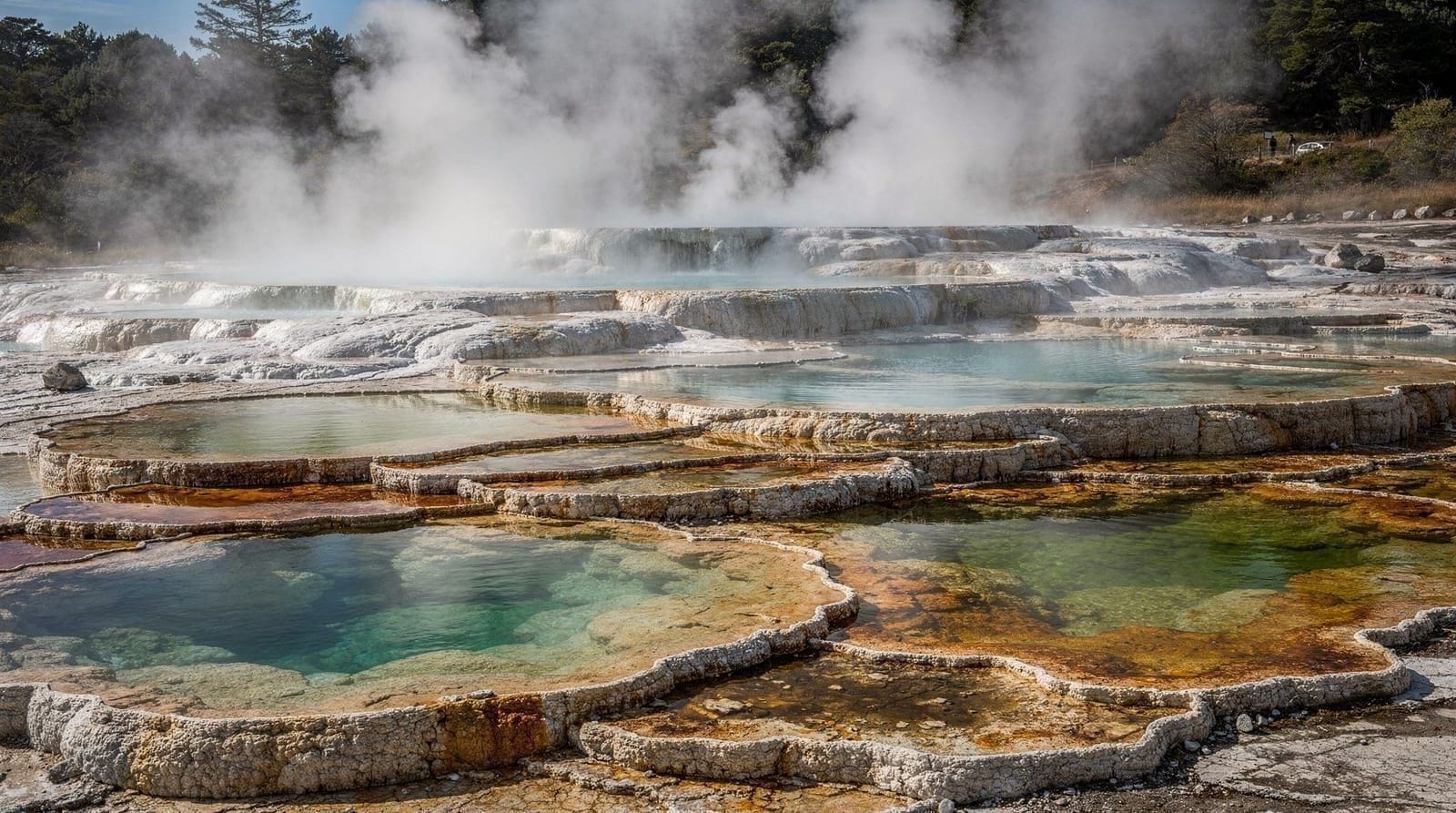
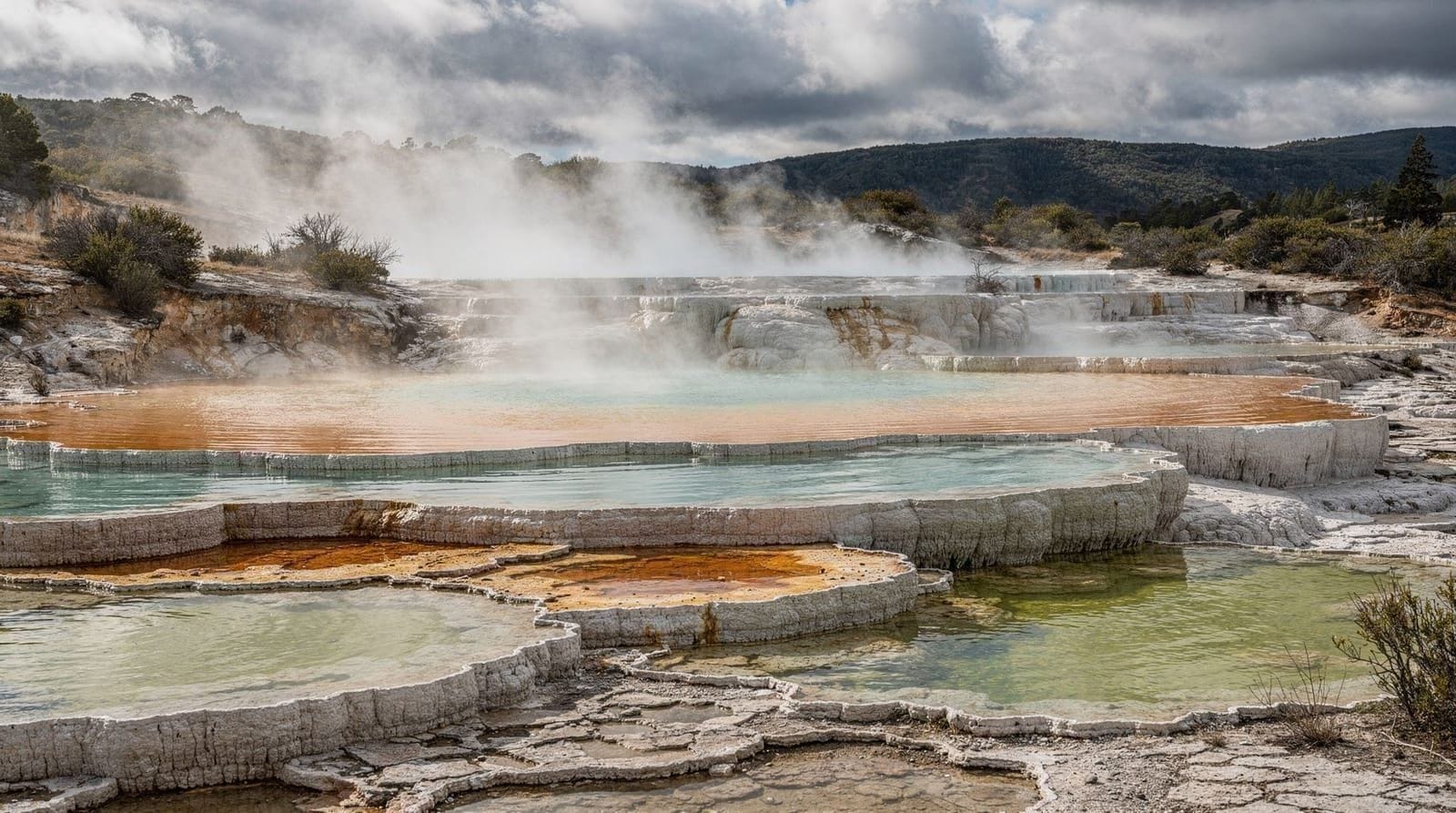
If you’re pulling a trip together around cultural experiences, the Auckland first-timer 4-day itinerary and the Auckland to Rotorua 3-day itinerary both leave room for a guided cultural visit, and Rotorua geothermal explained helps you understand the landscapes where many of those experiences take place. For stories that bring the region’s traditions to life before you arrive, the blog piece on Māori legends of Tāmaki Makaurau is a gentle place to start, and Rotorua day trip from Auckland shows how a cultural visit can fit into a single outing.
Dress and gift-giving: smaller courtesies worth knowing
A couple of smaller courtesies come up often enough to be worth naming directly. There’s no formal dress code for most tourism-facing cultural experiences, but modest, respectful clothing is appreciated at anything more formal, such as a genuine pōwhiri welcome or a marae visit, in the same way you’d dress a little more carefully for a place of worship. If you’re taking part in a formal welcome, some hosts appreciate a small koha (gift, often cash in an envelope) as a gesture of reciprocity — your guide or the tour operator will tell you clearly if and how this is expected, so there’s no need to guess or bring one speculatively to a standard commercial tour where it isn’t customary.
Frequently asked questions about respectful Māori tourism
What is tapu and why does it matter to visitors?
Tapu means sacred or restricted, applying to specific people, places and objects. Most relevantly, the head is considered tapu, so touching anyone’s head without invitation is disrespectful, and certain sites (crater summits, urupā, marae) carry specific tapu considerations too.
Should I accept a hongi if offered one?
Yes, generally — a hongi is an honourable traditional greeting. Follow your host’s lead on timing and pressure; it’s a brief, gentle gesture, not an awkward one once you know what to expect.
Is it okay to take photos at a Māori cultural performance?
It depends on the specific venue and moment — many performances welcome photography during set pieces but ask visitors to put cameras down during more sacred parts. Always follow the guidance given at the start of the experience.
How can I tell if a Māori cultural tour is authentic or just commercialised?
Look for transparent Māori ownership or leadership, guides sharing personal or iwi-specific context, and content that treats haka and waiata as meaningful cultural expression rather than pure spectacle.
Can I visit a marae without an invitation?
No — marae are active community spaces governed by specific protocol and aren’t open to casual visitors. Structured tourism experiences are specifically designed to welcome visitors appropriately.
What should I avoid doing at a Māori cultural site?
Avoid touching carvings or sacred objects without invitation, sitting on tables, walking on urupā, stepping over food or seated people, and treating a performance purely as a photo opportunity.
Is it appropriate for visitors to try saying te reo Māori words and greetings?
Yes, generally welcomed and appreciated as genuine engagement. Correct pronunciation matters more than fluency — making a genuine effort is what’s noticed and valued.
Should I bring a gift (koha) to a Māori cultural experience?
For a standard commercial tour, no — it’s already paid for and koha isn’t expected. For a genuine pōwhiri welcome or marae visit, a small koha is sometimes customary; your host or tour operator will tell you clearly if and how it applies, so there’s no need to guess.
Is there a dress code for visiting a marae or cultural performance?
There’s no strict dress code for most tourism-facing experiences, but modest, respectful clothing is appreciated for anything more formal, such as a pōwhiri welcome — treat it similarly to how you’d dress for visiting a place of worship.
Top experiences
Bookable activities with verified prices and instant confirmation on GetYourGuide.