Auckland Museum: a complete visitor's guide
Auckland: Museum general admission entry
Is Auckland Museum worth visiting?
Yes, genuinely one of the best museums in the Pacific — its Māori and Pacific taonga (treasures) collection, including a carved war canoe, is world-class, and general admission (around NZD 28-32 for international visitors) is strong value for what's on offer. Budget at least 2-3 hours.
Auckland’s essential museum, honestly assessed
Auckland War Memorial Museum sits inside the Auckland Domain, the city’s oldest park, about 15 minutes’ walk from the CBD core, and it’s genuinely one of the best free-standing museums in the Pacific — not a hedge or a marketing line, but a fair assessment given the depth and quality of its Māori and Pacific taonga (treasures) collection specifically. This guide covers what to expect, what to prioritise if your time is limited, and honest guidance on tickets and timing.
| Where | Auckland Domain, around 15 minutes’ walk from the CBD |
| Cost | around NZD 28-32 (international visitors) |
| Time needed | at least 2-3 hours, half a day with a performance |
| Getting there | on foot, or a short bus ride |
| Best time | weekday mornings, shortly after opening |
Whatever else is on your Auckland itinerary, this guide makes the case that Auckland Museum deserves genuine priority rather than a rushed hour squeezed between other stops.
What the museum actually is
The building serves a dual role that shapes how it’s laid out: it’s simultaneously New Zealand’s leading museum of natural and human history and a war memorial, commemorating New Zealanders who served in conflicts from the Boer War through both World Wars and beyond. The Hall of Memories at the museum’s core, with its Cenotaph-style architecture and rolls of honour, gives the building a genuinely different weight from a standard museum visit, particularly around Anzac Day (25 April) when it becomes the focal point of Auckland’s dawn service and commemorations.
The Māori Court: the standout collection
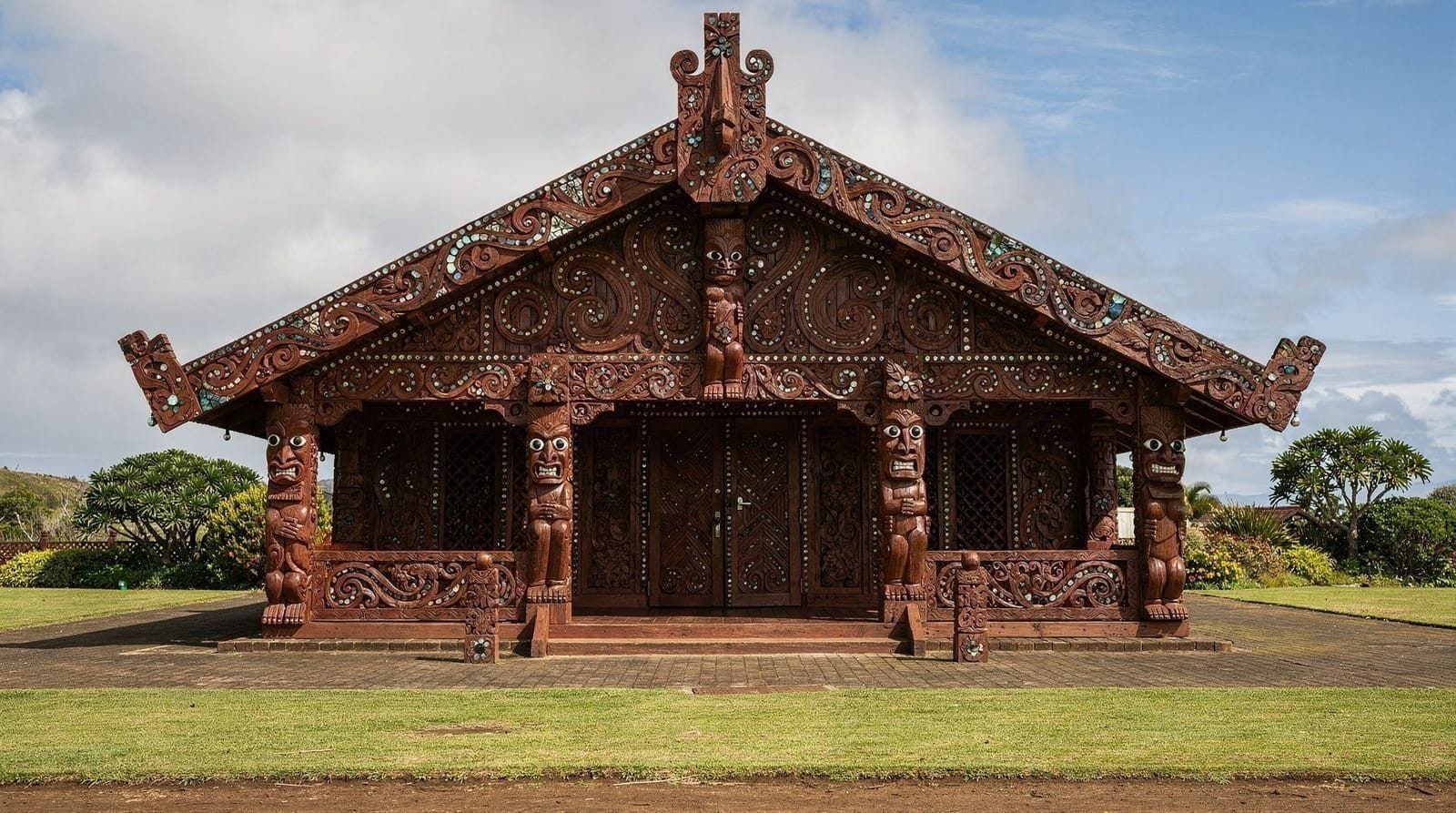
The single reason to prioritise Auckland Museum above other Auckland attractions is its Māori Court, home to New Zealand’s most significant Māori and Pacific taonga collection. The centrepiece is an extraordinary carved waka (war canoe), displayed at genuinely impressive scale, alongside carved meeting house elements, weaponry, adornment and everyday objects spanning centuries of Māori history and craft. The collection is curated with iwi involvement and presented with real depth rather than a token cultural section bolted onto a broader natural history museum — this is, without exaggeration, one of the best places anywhere in the world to properly engage with Māori material culture and history in a single visit. See our Māori culture in Auckland guide for how this fits into a wider Māori cultural itinerary during your trip.
Live cultural performances
Beyond the static collection, the museum runs daily cultural performances featuring waiata (song) and haka, performed by resident cultural groups in a dedicated performance space. These are included with some ticket types and bookable separately with others, and consistently rate as one of the highlights of a visit — a genuinely well-run, respectful performance rather than a token add-on. A Māori cultural performance ticket is worth adding to your visit if it isn’t already bundled into your entry, and pairs naturally with time spent in the Māori Court immediately before or after.
Natural history, Pacific and war memorial galleries
Beyond the Māori Court, the museum’s other major sections cover natural history (a strong volcano gallery, given Auckland’s own volcanic field, plus a well-regarded natural science collection), wider Pacific Islands history and culture, and the war memorial galleries themselves, including preserved military vehicles, aircraft and detailed accounts of New Zealand’s role in major twentieth-century conflicts. The natural history sections, including hands-on and interactive elements, tend to hold children’s attention particularly well, making the museum a solid rainy-day option for families alongside its cultural and historical depth.
Tickets and pricing
General admission runs around NZD 28-32 for international visitors, with Auckland residents receiving free entry with proof of address — a detail worth knowing if you’re travelling alongside a New Zealand resident. Book the general admission ticket ahead of your visit to skip the counter queue, particularly useful during peak season or school holidays when the museum sees higher visitor volumes. If you’d prefer a structured overview with a guide rather than navigating the galleries independently, the museum and highlight sightseeing tour combines a guided museum visit with wider Auckland city sightseeing in a single booking, a practical option if you’re short on time and want the museum covered alongside other CBD highlights.
How much time to budget
Allow at least 2-3 hours for a proper visit covering the Māori Court, natural history galleries and war memorial sections without rushing — the museum rewards unhurried exploration, and trying to see everything in under 90 minutes generally means skimming past genuinely significant material. If you’re attending a cultural performance or have a strong interest in any specific gallery (military history, Pacific culture, natural science), budget half a day. Temporary exhibition galleries change regularly and are worth checking even on a repeat visit, since the permanent collection is only part of what’s on offer at any given time.
The museum shop and cafe, and where to eat nearby
Beyond the dedicated shop mentioned above, the museum has an on-site cafe suitable for a coffee break or light lunch between galleries, useful if you’re spending a full half-day inside rather than breaking for a meal elsewhere. If you’d rather eat outside the museum itself, Parnell village, a short walk from the Domain, offers a genuinely pleasant range of cafes and restaurants and makes a good lunch stop either before or after your visit, particularly if you’re continuing on to explore that neighbourhood’s boutique shopping afterward.
Getting there and practical logistics
The museum sits in the Auckland Domain, reachable on foot from the CBD (about 15 minutes from Queen Street) or via a short bus ride if you’d rather not walk uphill. The Domain itself is worth building extra time around — the Winter Gardens, two ornate Edwardian-era glasshouses connected by a sunken fernery, sit a short walk from the museum entrance and are free to enter, making a pleasant add-on before or after your museum visit. See our botanic gardens and parks guide for more on the Domain’s wider grounds.
The museum is step-free with lift access to upper levels, making it genuinely accessible for visitors with mobility considerations, and it’s one of the more reliable wet-weather options in Auckland given its scale and indoor galleries — see our rainy day activities guide if weather disrupts your original plans.
The building and its architecture
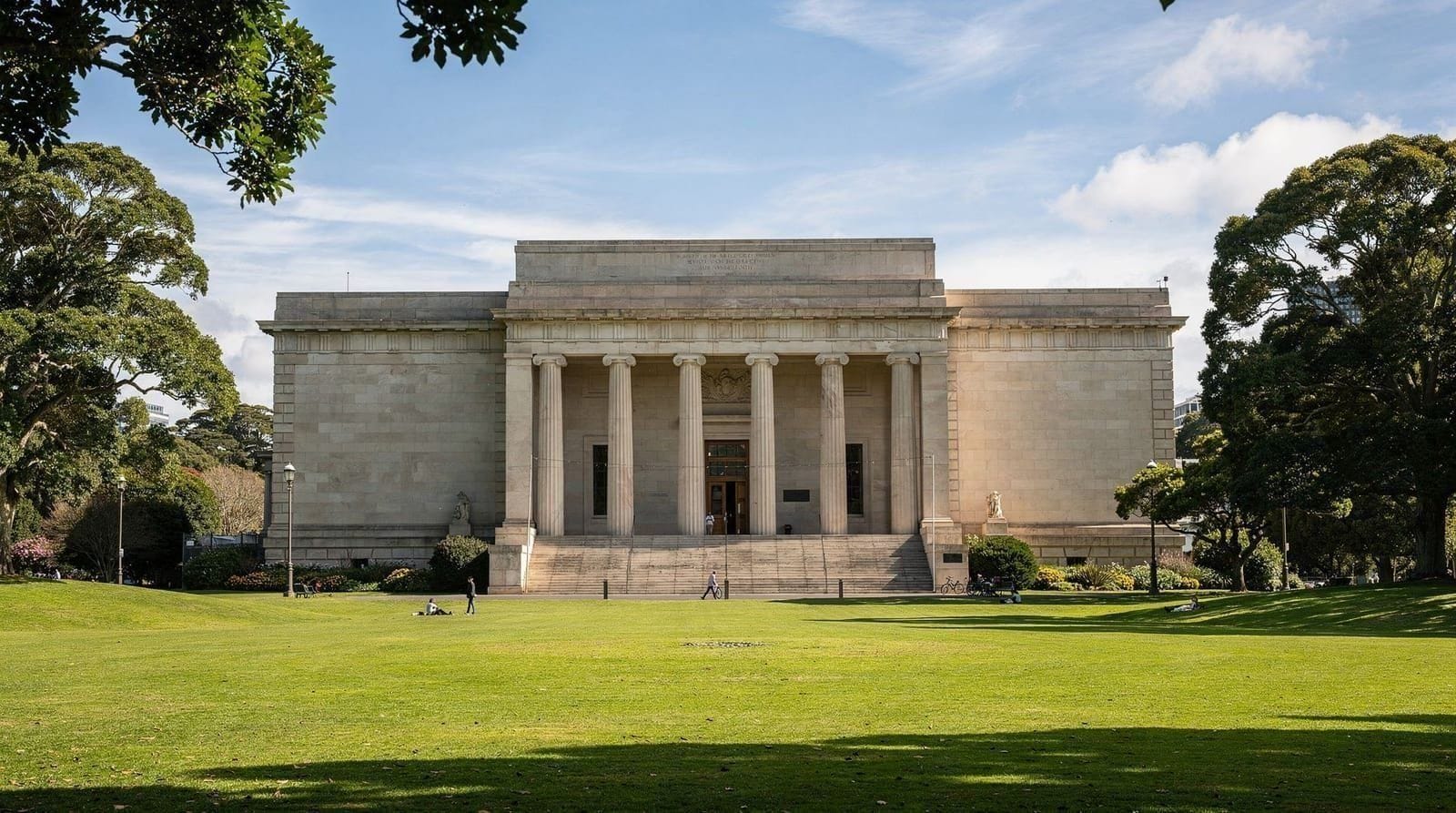
The museum’s main building is itself a significant piece of Auckland architecture, opened in 1929 in a grand neoclassical style with a colonnaded facade, deliberately designed to convey the civic and memorial weight of its dual role as both museum and war memorial. A large-scale, more contemporary glass-domed atrium extension, added in the 2000s, sits behind the original facade and dramatically increased the museum’s exhibition and event space while leaving the historic frontage largely untouched — a similar approach to how Auckland Art Gallery’s own redevelopment balanced heritage preservation with modern expansion. Standing in the central atrium, looking up through the dome, is worth a moment in itself, independent of whichever gallery you’re heading to next.
The volcano gallery and natural science
Given Auckland’s own volcanic field, the museum’s dedicated volcano gallery is a genuinely relevant stop for anyone who’s already spent time climbing the city’s maunga (Mount Eden, One Tree Hill and others) — it explains the geological mechanics behind the Auckland Volcanic Field in more depth than any on-site signage at the cones themselves, including a simulated eruption experience that’s a reliable hit with kids and adults alike. The wider natural science galleries cover New Zealand’s distinctive, geographically isolated wildlife (much of it flightless and found nowhere else on Earth, a result of the country’s long isolation from other landmasses) alongside marine life from the surrounding Pacific.
The museum shop and Domain grounds
A well-stocked museum shop near the main entrance carries New Zealand-made design objects, books and Māori and Pacific-inspired art and craft, worth a look on your way out even if a purchase isn’t planned. Beyond the museum building itself, the wider Auckland Domain grounds — sports fields, the Wintergarden’s ornate glasshouses, and open lawns used for concerts and events throughout the year — reward a slower, unhurried wander if your schedule allows extra time beyond the museum visit itself.
Best time to visit
Weekday mornings tend to be quietest, particularly outside school holiday periods when local school groups can add noticeable volume to the galleries, especially the natural history and interactive sections. If you’re specifically prioritising the Māori Court or a cultural performance, arriving shortly after opening gives you the best chance of a quieter, unhurried experience before tour groups and later visitors arrive.
Comparing Auckland Museum to Auckland Art Gallery
Visitors occasionally conflate the two, so it’s worth being explicit about the distinction. Auckland Museum is a natural history, war memorial and Māori and Pacific taonga collection with paid general admission around NZD 28-32; Auckland Art Gallery is specifically a fine art collection with free general admission. They’re complementary rather than substitutes, and a visitor with time for both gets a genuinely different, non-overlapping picture of the city’s history and culture from each. If your schedule only allows one, the museum’s Māori Court is the stronger single priority given its scale and significance, but the gallery’s free entry and central location make it a low-cost, low-time-commitment addition if you can fit both into the same CBD day.
| Auckland Museum | Auckland Art Gallery | |
|---|---|---|
| Focus | Natural history, war memorial, Māori/Pacific taonga | Fine art |
| Cost | around NZD 28-32 | Free general admission |
| Time needed | 2-3 hours, half a day with a performance | 1-2 hours |
| Best for | Māori and Pacific culture, families | Art lovers, a shorter CBD stop |
Temporary and touring exhibitions
Alongside its permanent galleries, Auckland Museum regularly hosts temporary and touring exhibitions covering everything from natural history and science to art and popular culture, occupying dedicated gallery space separate from the core Māori, Pacific and war memorial collections. These typically carry a separate ticket price on top of general admission and rotate every few months, meaning it’s worth checking what’s currently showing before your visit if you have any specific interest area, since a temporary exhibition can sometimes be the single most talked-about reason to visit at any given time, independent of the permanent collection’s consistent quality.
Fitting the museum into a wider Auckland itinerary
Auckland Museum anchors most well-planned CBD days — our Auckland in a day itinerary builds a morning around the museum before moving to the waterfront and Sky Tower in the afternoon, and our complete Auckland city guide and top 25 Auckland attractions both rank the museum among the city’s essential stops. If you’re building a broader Māori and Pacific cultural itinerary across your North Island trip, pairing the museum with Waitangi Treaty Grounds and Rotorua’s cultural experiences gives a genuinely comprehensive picture spanning history, art and living culture.
Frequently asked questions about Auckland Museum
How much does Auckland Museum cost to visit?
General admission runs around NZD 28-32 for international visitors. Auckland residents get free entry with proof of address.
How long should I spend at Auckland Museum?
At least 2-3 hours for the Māori Court, natural history galleries and war memorial sections. Budget half a day if attending a cultural performance or exploring in more depth.
What’s the single best thing to see at Auckland Museum?
The Māori Court’s carved waka and wider taonga collection — one of the most significant Māori and Pacific collections anywhere.
Does Auckland Museum have live cultural performances?
Yes — daily performances featuring waiata and haka, included with some ticket types and bookable as an add-on with others.
Is Auckland Museum good for kids?
Yes — the natural history galleries, interactive war memorial elements, and natural science displays generally hold children’s attention well alongside the cultural and historical galleries.
Where is Auckland Museum located and how do I get there?
Auckland Museum sits in the Auckland Domain, about 15 minutes’ walk from the CBD, or a short bus ride if you’d rather not walk.
Is Auckland Museum accessible for visitors with mobility considerations?
Yes — the museum is step-free with lift access to upper levels, making it one of the more accessible major attractions in the city.
Can I combine Auckland Museum with Auckland Art Gallery in one day?
Yes, comfortably — the museum needs 2-3 hours and the gallery 1-2 hours, and both sit within a reasonable CBD walking distance, making a combined half-day visit realistic if art and Māori/Pacific history both interest you.
Is there a discount for booking online instead of at the counter?
Booking ahead mainly saves time rather than money, letting you skip the counter queue on arrival — pricing is generally consistent between online and on-site booking, but check current terms when you book.
Top experiences
Bookable activities with verified prices and instant confirmation on GetYourGuide.