Is Rotorua worth it? An honest breakdown
Auckland: Hobbiton and rotorua day tour including te puia
Is Rotorua worth visiting from Auckland?
Yes, but as an overnight rather than a rushed single day if possible — the drive alone is 5-6 hours round trip, and Rotorua's geothermal parks and Māori cultural experiences deserve more than a few rushed hours.
The honest verdict
Rotorua is worth it — genuinely one of the North Island’s strongest destinations, combining active geothermal landscapes (mud pools, geysers, steaming lakes) with some of the country’s most accessible Māori cultural experiences. The honest caveat is logistics: at roughly 228 km and 2.5-3 hours’ drive each way, a same-day round trip from Auckland means 5-6 hours of driving bookending whatever time you actually spend in Rotorua, which can make a rushed single day feel more like a driving trip with a short stop than a proper visit.
| Where | roughly 228km / 2.5-3hrs south of Auckland |
| Cost (day tour) | around NZD 250-350/person incl. transport & park entry |
| Time needed | overnight ideally, or a full 12+ hour day |
| Getting there | self-drive, guided day tour, or bus transfer |
| Best time | year-round; book cultural evenings ahead in Dec-Feb |
What makes Rotorua genuinely worth the drive
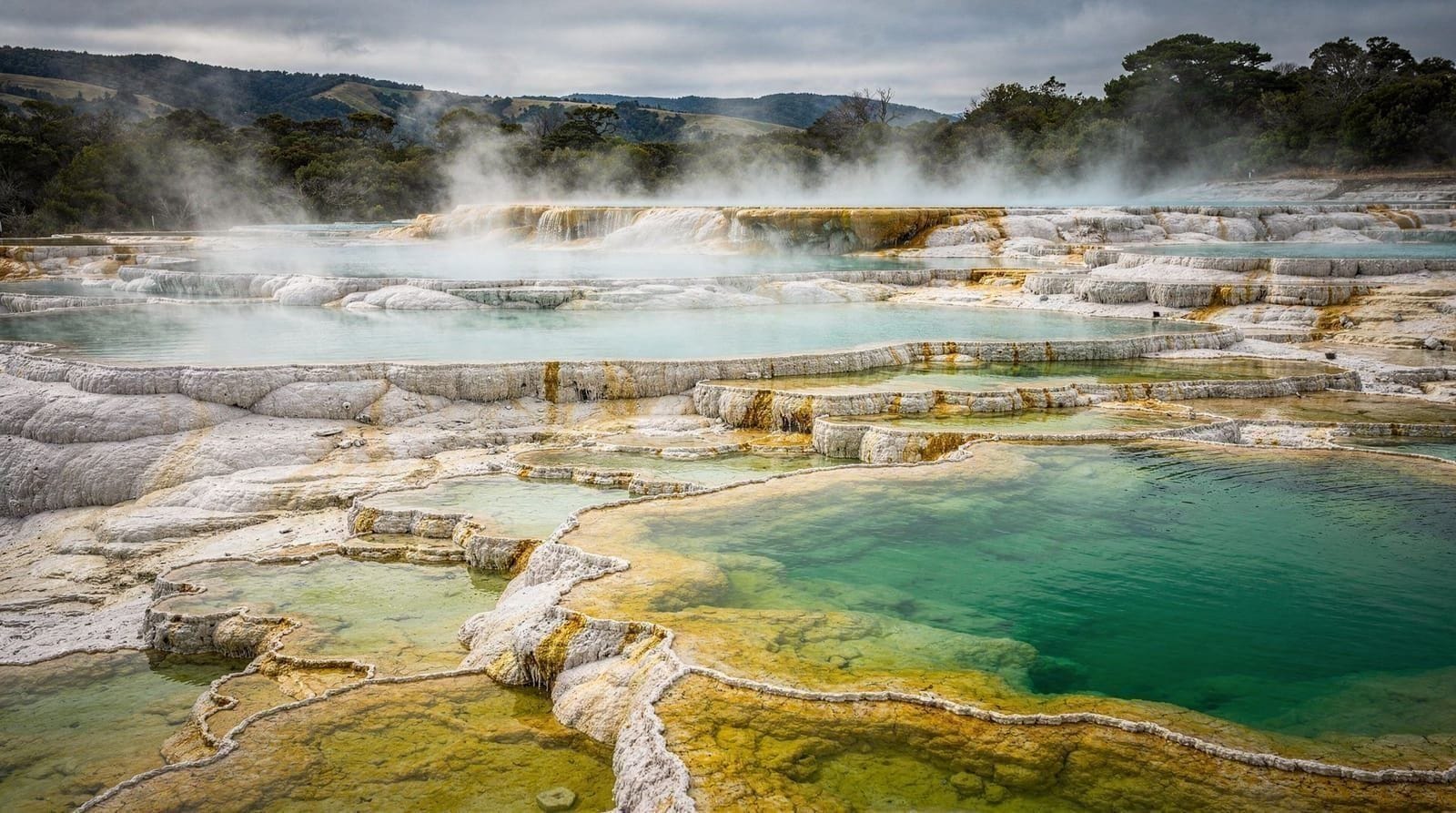
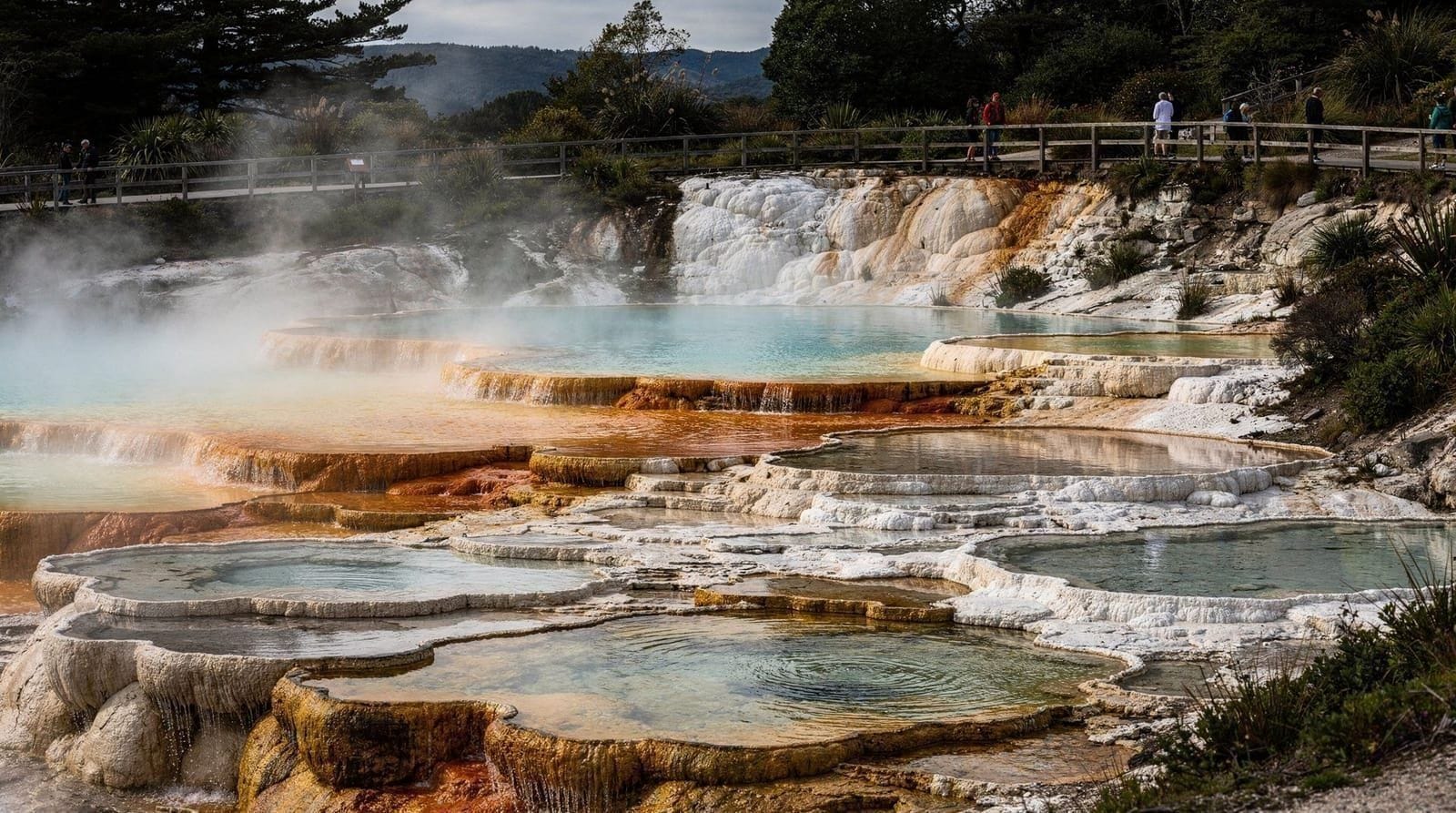
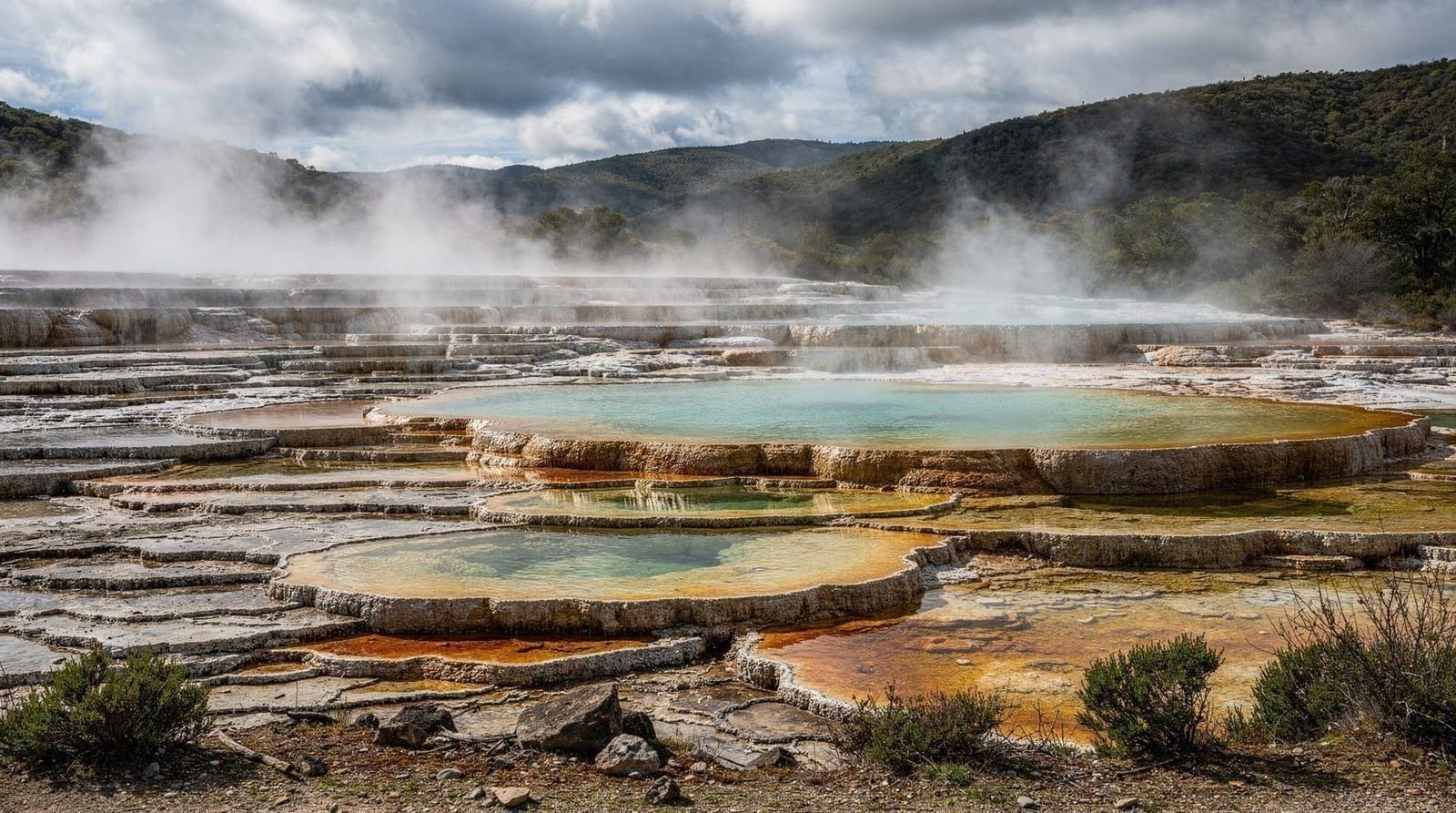
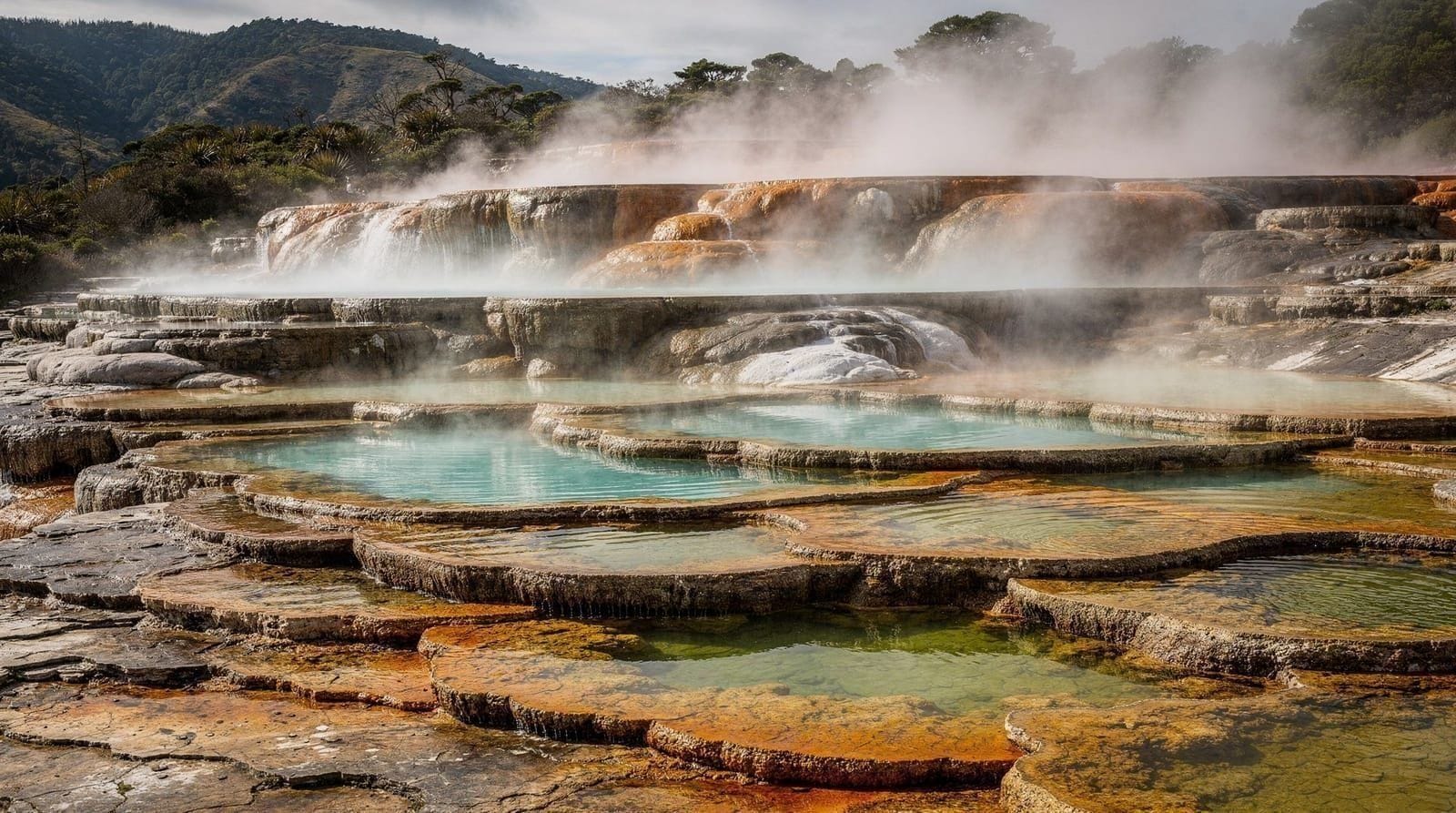
The geothermal parks are unlike anything most international visitors have seen — Wai-O-Tapu’s technicolour thermal pools and the Lady Knox Geyser, Te Puia’s active geysers alongside a Māori cultural centre, and Waimangu’s quieter volcanic valley walk each offer a different flavour of the same underlying phenomenon. Read our Rotorua geothermal explained guide for the science behind what you’re seeing, and Te Puia vs Wai-O-Tapu to choose between them rather than trying to cram in more than one.
The Māori cultural experiences here are genuinely among the most substantive in the country, ranging from cultural performances and hāngī (earth-oven) dinners to guided tours through living Māori villages. Approached respectfully, these are a highlight rather than a tourist add-on. See our Māori experiences Rotorua and respectful Māori tourism guides before booking.
The honest downside: logistics
If you’re doing Rotorua as a single day from Auckland, you’re looking at roughly 5-6 hours of driving for perhaps 4-5 hours of actual time in Rotorua once you account for stops. A guided day tour like the Hobbiton and Rotorua day tour including Te Puia removes the driving fatigue but locks you into a fixed schedule at each stop. If your itinerary allows it, an overnight in Rotorua turns this from a rushed logistics exercise into a genuinely relaxed visit — book a half-day Wai-O-Tapu tour from Rotorua itself if you’re staying locally rather than day-tripping from Auckland.
Who should skip the single-day version
Travellers who genuinely dislike long car or bus journeys, or who are already fitting in Hobbiton or Waitomo on the same North Island leg — trying to combine Rotorua with either in a single day from Auckland is an exhausting stretch that shortchanges all three. If your time is genuinely limited, our Rotorua vs Taupo comparison helps decide whether Rotorua specifically, or the geothermally quieter but scenically strong Taupo region, better fits a tight schedule.
Who should prioritise it
Travellers with any interest in geology, volcanism, or Māori culture specifically — Rotorua delivers on both in a way few other North Island stops match. Families also do well here; see our Rotorua with kids guide for age-appropriate park choices, and the Skyline gondola and luge combo as a lighter, active add-on alongside the geothermal sights.
What a realistic overnight itinerary looks like
Day one: leave Auckland by mid-morning, arrive Rotorua early afternoon, spend the remaining daylight at one geothermal park (Te Puia or Wai-O-Tapu, depending on which you’ve chosen), then a Māori cultural evening with hāngī dinner. Day two: a relaxed morning — the Skyline gondola and luge, a soak at the Polynesian Spa, or the Redwoods Treewalk — before the drive back to Auckland by early evening. This spreads the driving across a less rushed schedule and gives Rotorua’s genuinely varied offerings (geothermal, cultural, adventure, wellness) room to breathe rather than compressing everything into a single exhausting day.
What a realistic day-trip cost breakdown looks like
For a guided day tour including Te Puia: expect NZD 250-350 per person including transport, park entry and lunch, versus a self-drive day where you’d pay roughly NZD 80-100 for fuel and parking plus NZD 55-70 for a single geothermal park entry, saving money but adding driving fatigue to your own itinerary. An overnight adds accommodation (NZD 150-250 for a mid-range Rotorua hotel) but removes the same-day round-trip driving fatigue entirely — for many travellers, this trade-off is worth the extra cost.
Rotorua beyond the geothermal parks
It’s worth knowing Rotorua isn’t purely a geothermal and cultural destination — Lake Rotorua itself offers boating and fishing, the Redwoods forest (Whakarewarewa Forest) has an excellent network of mountain biking and walking trails alongside the elevated Treewalk, and the Skyline gondola and luge combo gives a lighter, family-friendly activity that balances out a day otherwise focused on geology and culture. If your interest in Rotorua goes beyond a single geothermal park visit, these additions are worth building into an overnight stay specifically.
Common concerns, addressed directly
“Is the sulphur smell genuinely bothersome, or is that exaggerated?” It’s real but generally milder than expected once you’re in town for more than an hour or so — most visitors adjust within the first afternoon, and it’s noticeably stronger right at the geothermal parks themselves than in the wider town.
“Are the Māori cultural experiences respectful, or do they feel commodified?” This varies by operator, and it’s worth choosing carefully — the more established, community-connected experiences (Te Puia in particular, given its role as a training centre for Māori arts) tend to feel more substantive than smaller, purely commercial add-ons. Our respectful Māori tourism guide covers how to evaluate this before booking.
“Is Rotorua worth it if geothermal landscapes don’t specifically interest me?” Less clearly, in that case — the Māori cultural experiences and the Skyline gondola/luge combo can still justify a visit, but the region’s core draw is genuinely the geothermal landscape, and if that holds no appeal, your time might be better spent elsewhere on a tight itinerary.
Rotorua on a longer North Island loop
For travellers doing a longer North Island trip rather than an Auckland-based day trip, Rotorua fits naturally between Auckland and Taupo or Wellington, making the “overnight versus day trip” question moot — you’re passing through regardless, and an overnight stop costs nothing extra in driving time. Our North Island 7-day loop itinerary builds Rotorua in as a planned overnight stop for exactly this reason, and Rotorua vs Taupo helps decide how to split your time between the two if your loop includes both.
Rotorua for repeat visitors
If you’ve already done the standard Te Puia or Wai-O-Tapu introduction on a previous trip, Rotorua still has genuine depth for a return visit — Waimangu’s quieter valley walk, the Buried Village of Te Wairoa’s 1886 eruption history, or a deeper dive into mountain biking at the Redwoods forest all offer meaningfully different experiences from a first-timer’s geothermal-park-and-cultural-evening itinerary. Rotorua rewards repeat visits better than many single-attraction day trips precisely because its offerings span geology, culture, adventure and wellness rather than a single headline sight.
What we’d tell someone deciding right now
If you’re weighing Rotorua against another day-trip option and have to choose just one from Auckland: Rotorua wins for travellers prioritising cultural depth and geological novelty, Hobbiton wins for film fans specifically, and Waiheke wins for travellers prioritising relaxation and food and wine over an activity-packed day. Few travellers regret adding Rotorua to their itinerary; the regrets that do surface almost always trace back to logistics (rushing a single day) rather than the destination itself falling short of expectations.
Reader questions we see most often
“Is Rotorua safe, given all the geothermal activity?” Yes — all commercial geothermal parks are extensively managed and signed for visitor safety, with hazardous areas fenced and marked; the “danger” is purely from ignoring posted warnings, not an inherent risk in visiting. “Do I need to book Te Puia or Wai-O-Tapu in advance?” Recommended in peak season but not always strictly required outside it; booking ahead does guarantee entry timing that aligns with scheduled events like the Lady Knox Geyser eruption. “Is Rotorua’s town centre itself worth exploring, or just the parks?” The town centre is pleasant but secondary — most of Rotorua’s genuine draw sits at the parks and cultural venues outside the immediate CBD, so don’t allocate significant time to downtown browsing at the expense of the parks themselves.
Packing and preparation specific to Rotorua
Beyond standard New Zealand travel essentials, Rotorua-specific preparation is worth a mention: closed-toe shoes for walking geothermal park boardwalks (some surfaces are genuinely hot underfoot near active features), a swimsuit if you’re planning a Polynesian Spa soak, and — for sensitive noses — knowing the sulphur smell is unavoidable rather than something a particular park or time of day avoids. None of this is a deterrent, just useful preparation that first-time visitors sometimes overlook amid the bigger “should I go” question.
How Rotorua compares directly to Auckland’s own attractions
It’s a fair question whether Rotorua’s geothermal and cultural offerings are meaningfully different from anything closer to Auckland — and the honest answer is yes, genuinely. Auckland has volcanic cones but no active geothermal features at the surface in the way Rotorua does; Auckland has Māori cultural experiences but nothing at the scale or immersive depth of Rotorua’s dedicated cultural venues. This is precisely why Rotorua justifies the drive rather than being a redundant version of what’s already available in the city — the two destinations are complementary rather than substitutes for each other.
What a first-timer should book, if only choosing one thing
If time or budget allows for genuinely one Rotorua activity and nothing else, Te Puia edges out the alternatives for most travellers, since it combines an active geyser field with a substantive Māori cultural centre in a single visit — delivering both of Rotorua’s headline draws rather than requiring a choice between them. Wai-O-Tapu remains the stronger pick specifically for photography and visual spectacle, while Waimangu suits travellers who prioritise a quieter, less commercially presented nature walk over either of the more visitor-dense options.
The bottom line
Rotorua earns a strong “yes” on substance — it’s not a tourist trap, and the geothermal and cultural experiences are genuinely world-class. The honest caveat is exclusively about logistics: if you can manage an overnight rather than a rushed single day, do it. If a single day is all you have, a guided tour with fixed transfers (rather than self-driving and trying to also navigate parking and timing) will get more out of the limited hours available. See our Rotorua day trip from Auckland guide for full logistics either way.
Rotorua for wine and wellness travellers
If your trip already includes a Waiheke wine day and you’re weighing Rotorua purely on relaxation value, it holds up well on a different axis — the Polynesian Spa’s naturally heated mineral pools are a genuinely different, quieter way to spend an afternoon than a geothermal park visit or cultural evening. Combining a soak with one park visit (rather than trying to fit in both parks and the spa in a single day) keeps the pace realistic and gives Rotorua’s wellness side proper room alongside its geological and cultural draws.
Rotorua for adventure travellers, not just geothermal and culture
Rotorua’s reputation rests mostly on geothermal parks and Māori cultural experiences, but it’s also a genuine adventure-activity hub worth knowing about if that’s part of what you’re weighing. The Skyline Rotorua gondola and luge is the most accessible option, and operators around town run everything from the Redwoods’ elevated treewalk to white-water rafting on nearby rivers. Our adventure activities Rotorua guide rounds up the fuller list if geothermal parks and cultural evenings alone don’t fill your itinerary.
How Rotorua stacks up against Taupo on a tight schedule
Travellers deciding between Rotorua and nearby Taupo on a time-limited North Island loop face a genuinely different trade-off than the Auckland day-trip question. Taupo offers Huka Falls, the lake itself and easier access to Tongariro, while Rotorua leads on geothermal density and Māori cultural depth. Our Rotorua vs Taupo guide (linked above) covers this in more depth, but the short version: choose Rotorua if geothermal and cultural experiences are the priority, and Taupo if outdoor scenery and access to Tongariro National Park matter more.
Frequently asked questions about whether Rotorua is worth it
How far is Rotorua from Auckland?
Roughly 228 km, about 2.5-3 hours’ drive one way, making a round trip alone 5-6 hours if done as a single day.
Is Rotorua worth it as a day trip, or should I stay overnight?
An overnight is genuinely better if your schedule allows — it turns a rushed driving day into a relaxed visit with time for one geothermal park and a cultural evening.
Which Rotorua geothermal park should I choose?
Te Puia for the strongest combined Māori cultural and geothermal experience, Wai-O-Tapu for the most visually striking colours, or Waimangu for a quieter nature-focused walk.
Does Rotorua really smell like sulphur everywhere?
Yes, in the geothermal areas and parts of the town itself — it’s a genuine feature of the destination, worth mentally preparing for.
Is Rotorua worth combining with Hobbiton?
Yes, it’s a sensible pairing on a longer North Island loop, since both sit along the same southward route from Auckland — though combining both in a single day from Auckland is a long, tiring stretch.
Is Rotorua worth it for families?
Yes, generally — geothermal parks are visually engaging for kids, and the Skyline gondola and luge add a lighter, active element alongside the cultural and geological sights.
Is one geothermal park enough, or should I visit more than one?
One is enough for most visitors on a single-day or overnight trip. Each park covers similar underlying phenomena with a different presentation, and visiting multiple in a short window usually means rushing all of them.
Is Rotorua worth it if I’m more interested in adventure activities than geothermal parks?
Yes, to a lesser-known degree — Rotorua has a genuine adventure-activity scene (the Skyline gondola and luge, the Redwoods treewalk, white-water rafting) worth building into an itinerary alongside or instead of a purely geothermal focus.
Should I choose Rotorua or Taupo if I only have time for one?
Choose Rotorua for geothermal density and Māori cultural depth, or Taupo for lake scenery and easier access to Tongariro National Park; both sit on the same route south from Auckland.
Top experiences
Bookable activities with verified prices and instant confirmation on GetYourGuide.