Waiheke Island day trip from Auckland
Auckland: Waiheke island wine tasting tour
How do I get to Waiheke Island and how long does the ferry take?
Fullers360 ferries run from downtown Auckland's ferry terminal to Waiheke in about 40 minutes, with sailings roughly every 30-60 minutes throughout the day. A return ticket costs NZD 50-60 per adult, and no car is needed since the island has a local bus, taxis and organised wine tours.
Why Waiheke is Auckland’s easiest day trip
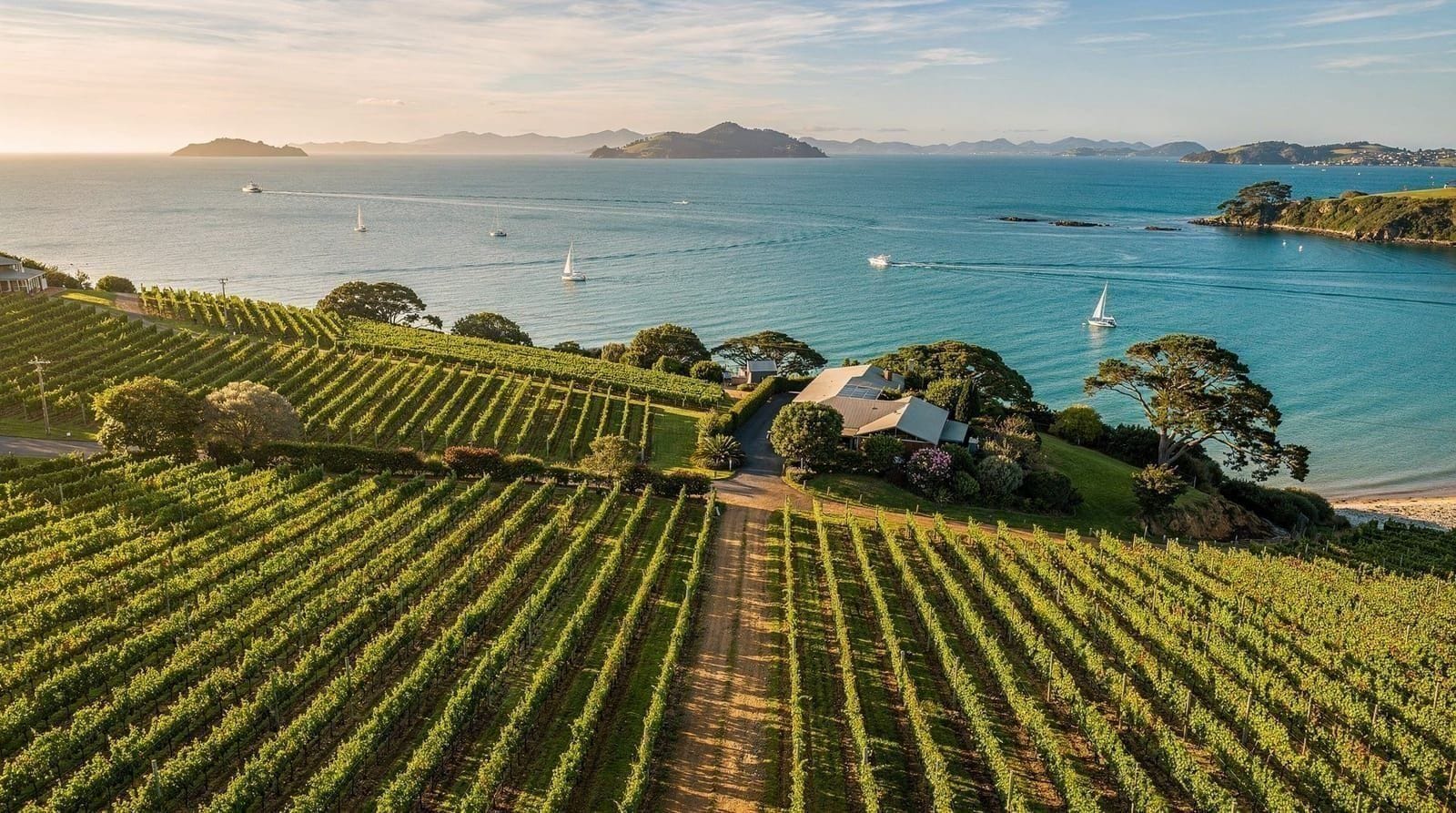
Of every day trip covered on this site, Waiheke Island asks the least of you logistically. There’s no rental car to book, no multi-hour highway drive, and no early alarm required — just a ferry from downtown Auckland that takes about as long as a commute. What’s waiting on the other side is a genuinely different world: rolling vineyard hills, a relaxed arts-and-boutique scene, and beaches that feel far more remote than a 40-minute boat ride would suggest.
Waiheke sits in the Hauraki Gulf, the largest of the gulf islands and by far the most developed for day-trip tourism, with a population that swells considerably on summer weekends when Aucklanders themselves treat it as a local escape rather than just a visitor attraction.
| Where | Hauraki Gulf, 40 min by ferry from downtown Auckland |
| Cost | Ferry NZD 50-60 return; full day NZD 90-280 depending on wine tour |
| Time needed | Half-day minimum, full day recommended |
| Getting around | Local bus, taxis, e-bike, or a bundled wine tour |
| Best time | Shoulder season (Mar-May, Sep-Nov) for smaller crowds |
Getting there: the ferry
Fullers360 operates the passenger ferry service from Auckland’s downtown ferry terminal to Matiatia Wharf on Waiheke, with sailings roughly every 30-60 minutes from early morning until evening, more frequent during peak commuter and tourist hours. The crossing takes about 40 minutes each way, and a standard adult return fare runs NZD 50-60 (roughly USD 30-36). No car is loaded onto these passenger ferries — if you want your own vehicle on the island, a separate car ferry service exists from Half Moon Bay, though this is rarely necessary for a day trip given the island’s bus and tour infrastructure.
This return fast ferry ticket from Auckland to Waiheke Island is the straightforward option if you’re planning to explore independently once you arrive — using the island’s local bus, walking between nearby beaches and townships, or booking a taxi for winery visits.
Getting around once you’re there
Waiheke’s local bus service connects Matiatia Wharf to Oneroa (the main township), Onetangi Beach, and several other stops around the island, running on a set timetable that’s worth checking in advance since services space out considerably outside peak hours. This Waiheke ferry and hop-on-hop-off bus combo bundles the ferry crossing with an all-day bus pass, letting you get on and off at wineries, beaches and townships without planning bus connections yourself — a genuinely useful option if you’d rather explore at your own pace than commit to a set winery tour itinerary.
Taxis and rideshare are available but pricier than the mainland given the island’s smaller service area, and walking between attractions within Oneroa township is easy, though distances between separate beaches or wineries usually call for the bus, a tour, or a rental car.
The wineries: Waiheke’s main draw
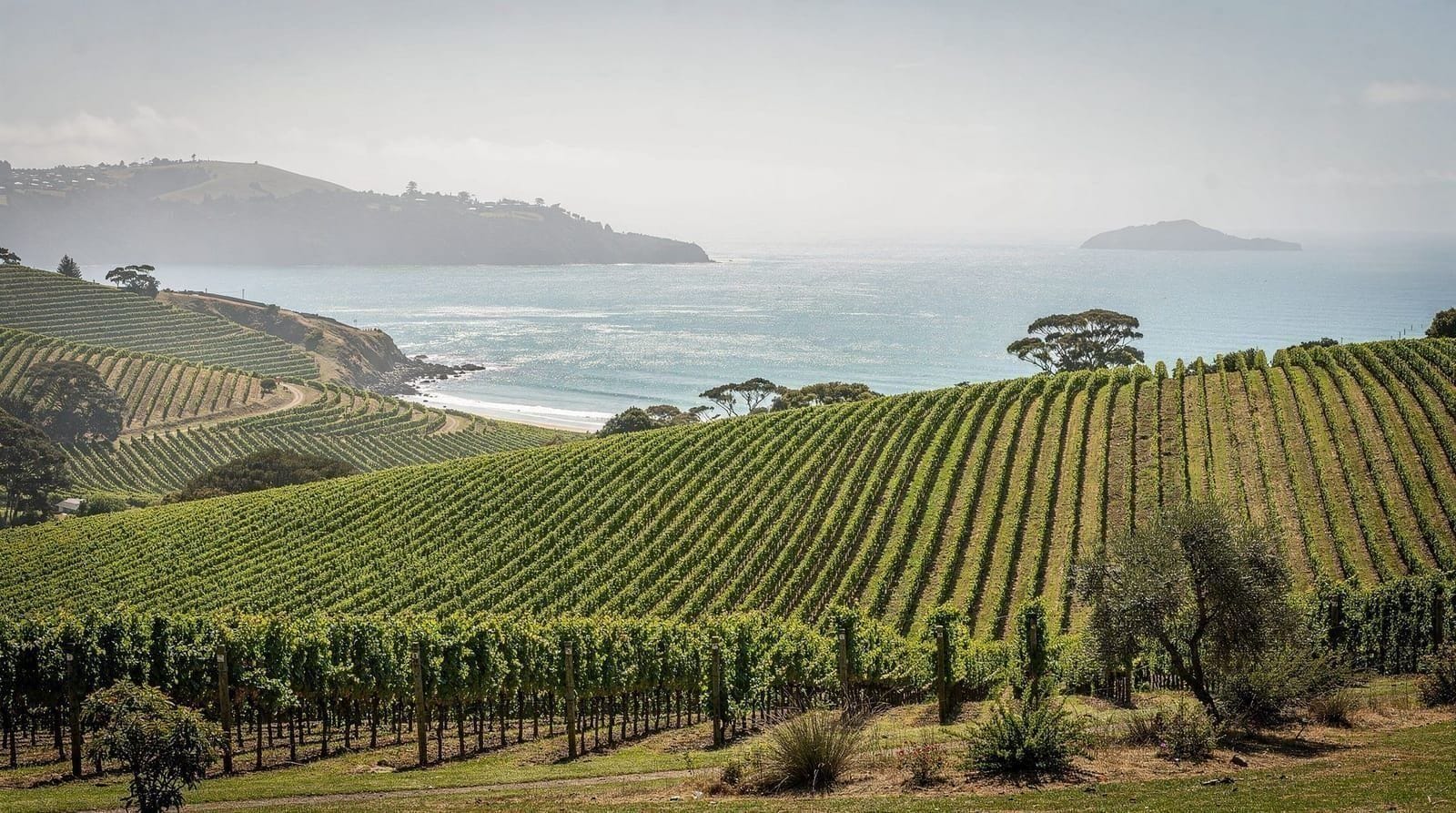
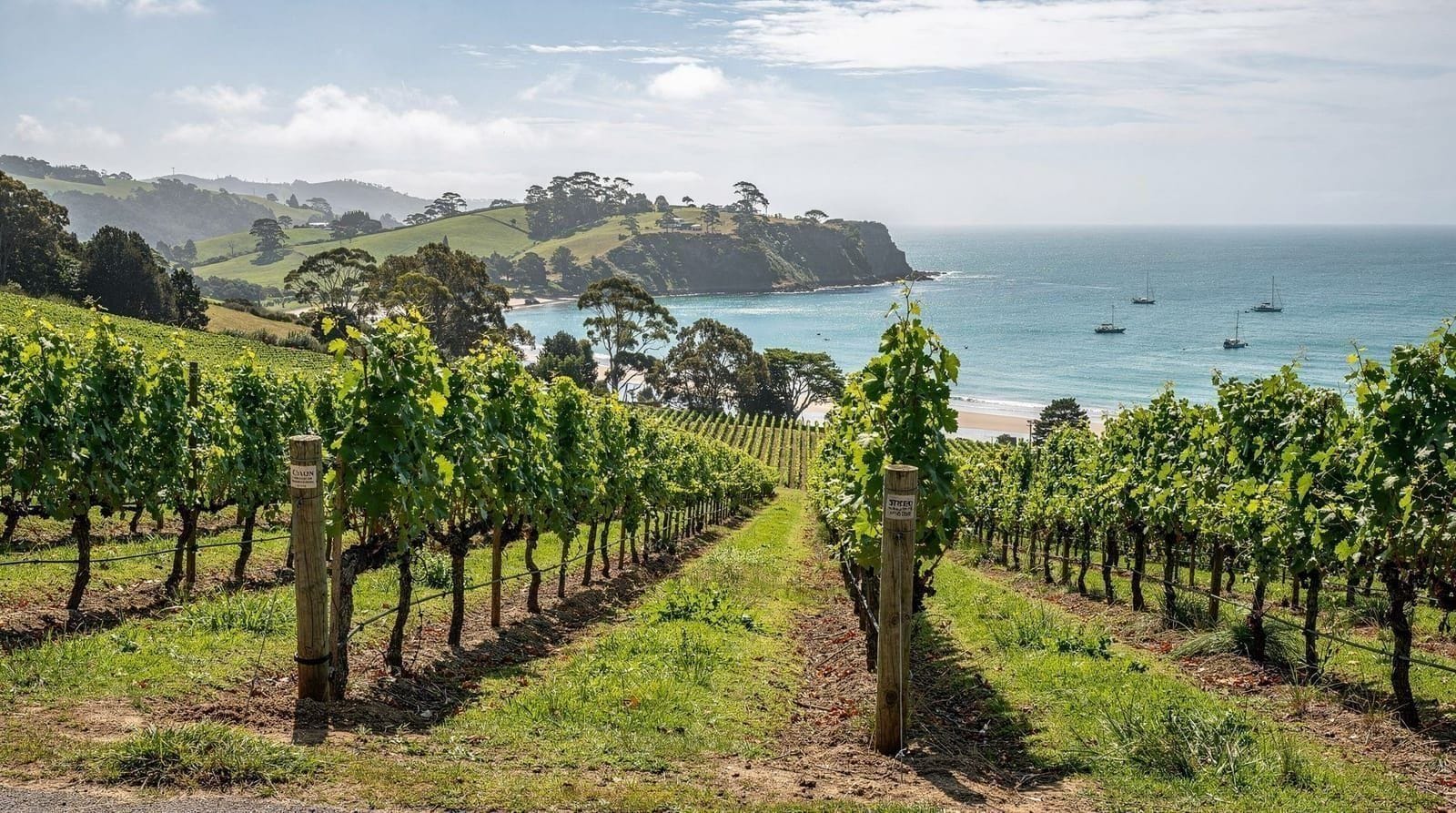
Waiheke’s warm, sheltered microclimate makes it one of New Zealand’s most distinctive wine regions, known especially for Bordeaux-style reds and increasingly for Syrah, on a scale small enough that most vineyards run intimate cellar-door tastings rather than the large commercial operations you’d find elsewhere. Around 20-30 wineries operate on the island, ranging from boutique family operations to a handful of larger, more polished cellar-door experiences with restaurant-quality lunch menus.
This Waiheke wine tasting tour is the most popular single booking, typically covering three to four wineries with tastings included and transport handled for you, making it the simplest way to see several vineyards without any planning. This more focused three-vineyard winery tour suits visitors who’d rather spend longer at fewer stops than rush through a longer list. Our dedicated Waiheke wine tours guide compares tour formats in more detail, and the Waiheke wineries guide profiles specific cellar doors if you want to plan an independent visit.
Beaches worth your time
If wine isn’t the priority, Waiheke’s beaches are genuinely excellent and considerably quieter than most Auckland mainland options. Oneroa Beach, right by the main township, is the most convenient — calm, sheltered water and cafes within easy walking distance. Onetangi Beach, a short bus ride from Oneroa, is the island’s longest stretch of sand and popular with families for its gentle, safe swimming conditions. Smaller, more secluded options exist further around the island for visitors with a rental car or willing to walk further, though a day trip generally doesn’t allow time to explore beyond the main two.
If beaches are what you’re really after, our best beaches near Auckland roundup puts Waiheke in context, and the kid-friendly beaches guide is useful if you’re travelling with children. For the island’s full profile beyond a single day, see the Waiheke Island destination page.
A realistic one-day itinerary
Catch an early ferry (around 8-9am) to make the most of the day. If wine is the focus, book a wine tour that departs shortly after your ferry arrival — most operators time pickups around the main morning sailings. A typical wine tour runs 4-5 hours including three to four tastings and lunch, which pairs well with a late-afternoon ferry back (aim for a 4-5pm return sailing to avoid rushing).
If you’re splitting the day between wine and beach, a half-day wine tour in the morning followed by a few hours at Oneroa Beach in the afternoon works well, with dinner in Oneroa township before catching an evening ferry back. Oneroa has a genuinely good concentration of restaurants and cafes for an island its size, reflecting both the wine-tourism economy and Waiheke’s popularity as a weekend escape for Aucklanders themselves.
Ferry vs guided tour: which to book
For visitors who want maximum flexibility and are comfortable navigating the local bus timetable or walking between nearby stops, a standalone ferry ticket keeps costs down and lets you set your own pace. For anyone prioritizing wine specifically, a guided wine tour that bundles the ferry, winery transport and tastings removes all the logistics in one booking, generally at a similar or only modestly higher total cost than doing it independently once you factor in tasting fees and local transport. Our ferry vs drive Waiheke comparison goes deeper on the trade-offs, including when bringing your own car via the vehicle ferry actually makes sense (mainly for multi-day stays or large groups).
When to visit
Whichever season you choose, the Auckland weather by month guide helps you judge conditions on the water, and the Hauraki Gulf islands guide shows how Waiheke sits alongside the other islands if you’d like to swap or combine destinations on a longer stay, for example with Rangitoto Island.
Shoulder season — March to May and September to November — offers the best overall balance: comfortable temperatures, thinner ferry crowds, and (in autumn) vineyard harvest activity that adds atmosphere to winery visits. Summer (December-February) is Waiheke at its busiest, with ferries running closer to capacity on weekends and popular wine tours booking out days ahead — worth reserving in advance rather than turning up hoping for space. Winter (June-August) is quiet and mild by New Zealand standards, still entirely workable for wine tours and beach walks, just with a higher chance of a rainy day and less appeal for swimming.
Is Waiheke worth a full day, or just a half-day?
Both work, honestly. A half-day trip (arriving late morning, leaving by mid-afternoon) suits visitors squeezing Waiheke in alongside other Auckland sightseeing on the same day, and is enough time for one wine tour or a beach visit. A full day gives you room for both wine and beach, or a slower-paced multi-winery tour without watching the clock for the last ferry. If Waiheke is a priority rather than an add-on, we’d lean toward the full day — it’s genuinely one of the more relaxing day trips on this site, and rushing it undercuts the appeal.
For a wider sense of how Waiheke compares to Auckland’s other day-trip options, see our best day trips from Auckland roundup, and if you’re weighing Waiheke against a Coromandel trip for beach time specifically, our Waiheke vs Coromandel comparison covers that decision.
Budget breakdown for a Waiheke day trip
Waiheke’s cost range is genuinely wide depending on how you structure your day, which is worth mapping out before you book. At the affordable end, a self-guided visit using just the return ferry (NZD 50-60) and the island’s local bus, with a casual lunch (NZD 20-30) and no wine tastings, brings a full day to roughly NZD 90-110 per person. At the other end, a premium half-day wine tour with several tastings and a sit-down lunch included can run NZD 200-280 per person once the ferry is factored in, particularly at the island’s more polished cellar-door restaurants.
A reasonable middle path — the ferry, a mid-range group wine tour covering three or four wineries with tastings, and a casual lunch — typically lands around NZD 150-200 per person, which is the range most first-time visitors end up in. Worth noting: several wineries charge a tasting fee (often waived or discounted if you purchase a bottle afterward) separate from any tour cost, so an independent visit without a bundled tour isn’t necessarily cheaper once you add up individual cellar-door tasting fees across multiple stops.
Beyond wine: art, olive oil and the arts scene
Wine understandably dominates Waiheke’s reputation, but the island’s creative community runs deeper than cellar doors. A cluster of galleries and working artist studios, concentrated around Oneroa and Ostend, showcase everything from ceramics to large-scale sculpture, and the Waiheke Community Art Gallery in Oneroa is worth a stop for anyone with even a passing interest in contemporary New Zealand art. Several producers on the island also press their own olive oil, with tasting rooms that pair naturally with a wine-focused day if you want a broader sense of the island’s small-producer culture beyond grapes.
The Connells Bay Sculpture Park, on the island’s more remote eastern side, requires advance booking and a longer visit than most day-trippers can spare, but is worth knowing about for a return trip or an overnight stay, given its reputation as one of New Zealand’s most significant private sculpture collections set within native bush and coastal landscape.
Practical logistics: parking, wifi and mobile coverage
If you do bring a rental car via the vehicle ferry from Half Moon Bay, parking around Oneroa township is limited and fills up on busy summer weekends — arriving early or using the local bus instead avoids this entirely. Mobile coverage on Waiheke is generally reliable in the main townships (Oneroa, Ostend, Onetangi) but drops out in more remote pockets around the island’s eastern bays, worth knowing if you’re relying on real-time maps or bus timetables while exploring further afield. Most cafes, wineries and restaurants offer free wifi, and cash isn’t strictly necessary given how widely contactless card payment is accepted, though carrying a small amount is still sensible for any smaller, more informal roadside stalls you might pass.
Waiheke’s food scene beyond winery lunches
While winery restaurants get most of the attention, Oneroa township has developed a genuinely strong independent food scene of its own, worth knowing about if you’d rather not commit to a full winery lunch or are visiting outside a wine tour itinerary entirely. A cluster of cafes along Oneroa’s main strip serve solid breakfast and brunch options, useful if you’re catching an early ferry and want to eat once you arrive rather than before leaving Auckland. For dinner, a handful of more polished restaurants have opened in recent years reflecting the island’s growing reputation beyond day-trip tourism, worth considering if your visit extends into an evening ferry rather than an afternoon return.
Extending Waiheke into an overnight
Given how much the island offers beyond what a single day comfortably covers — more wineries, quieter beaches further from Oneroa, the Connells Bay Sculpture Park, and simply a slower pace without watching the ferry clock — an overnight stay is genuinely worth considering if your itinerary has any flexibility. Accommodation ranges from boutique vineyard stays to more affordable holiday rentals and a handful of hostels, and staying even one night removes the day-trip time pressure entirely, letting you properly explore beyond the two or three wineries and one beach that a single day realistically allows. Our Waiheke wine weekend itinerary lays out a fuller two-day version if this appeals more than the rushed single-day visit.
A brief history of Waiheke’s wine industry
Waiheke’s transformation into a serious wine region is a relatively recent development in New Zealand terms, with the first commercial vineyards established in the late 1970s and early 1980s, when a small number of growers recognised the island’s warm, free-draining volcanic soils and maritime microclimate as genuinely well suited to Bordeaux-style red varieties in a way that few other New Zealand regions could match at the time. What began as a handful of small, experimental plantings grew steadily through the 1990s and 2000s into the internationally recognised wine region it is today, known particularly for premium, small-production reds that command prices reflecting the island’s limited growing area and hands-on, boutique approach to winemaking rather than large-scale commercial production.
This history is part of why Waiheke’s wineries feel distinctly different in character from larger commercial wine regions elsewhere in New Zealand — genuinely smaller operations, often family-run, with cellar-door experiences that reflect that scale.
Sustainability and small-producer values on the island
A number of Waiheke’s wineries and food producers have leaned into organic and sustainable growing practices in recent years, partly a reflection of the island’s small-scale, boutique approach to production more broadly, and partly a response to growing visitor interest in where their wine and food actually comes from. Several cellar doors now highlight organic or biodynamic certification directly in their tasting room presentations, and it’s a reasonable question to ask your guide or host on a wine tour if this matters to you — most operators are happy to point out which of their stops lean most heavily into these practices.
Frequently asked questions about the Waiheke day trip
What time does the last ferry back to Auckland leave?
Ferry schedules shift seasonally, but the last sailing typically departs Waiheke around 9-10:30pm in summer and earlier (around 7:30-8:30pm) in winter — always check the current Fullers360 timetable for your travel date rather than assuming, since it varies by day of week too.
Can I bring a rental car on the Waiheke ferry?
Standard passenger ferries from downtown Auckland don’t carry vehicles. A separate car ferry service operates from Half Moon Bay in East Auckland if you want your own car on the island, though this is rarely necessary for a day trip given the local bus and tour options.
Is Waiheke Island good for a family day trip?
Yes — Oneroa and Onetangi beaches both have calm, safe swimming conditions, the ferry ride itself is an enjoyable novelty for kids, and several wineries have relaxed, family-friendly grounds even if the tastings themselves are adults-only.
How much should I budget for a Waiheke day trip?
A rough estimate for one adult: NZD 50-60 for the return ferry, NZD 100-180 for a half-day wine tour with tastings included, plus NZD 20-40 for lunch — roughly NZD 170-280 total for a wine-focused day, considerably less if you skip the tour and explore independently with the local bus.
Are there ATMs and card payment options on Waiheke?
Yes, Oneroa township has ATMs, and contactless card payment is accepted almost everywhere on the island, similar to the Auckland mainland.
Can I do Waiheke and another Auckland activity on the same day?
It’s possible if you keep Waiheke to a half-day (morning ferry, afternoon return), but most visitors find a single focused day on the island more satisfying than splitting it with a separate activity, given the ferry travel time eats into your available hours either way.
Is Waiheke expensive compared to other Auckland day trips?
Wine tours put it on the higher end of day-trip costs, comparable to Hobbiton or a Bay of Islands cruise, but a self-guided visit using just the ferry and local bus is one of the cheaper day-trip options on this site, since the ferry itself is the only fixed cost.
What’s the biggest mistake first-time Waiheke day-trippers make?
Trying to do too much — cramming in three wineries, a beach visit and a gallery browse into a single day usually means rushing all three. Picking one focus (wine, beach, or art) and doing it properly, with one secondary activity if time allows, makes for a noticeably better day than an overpacked itinerary.
Travelling with limited mobility
Waiheke’s ferry terminal and main township of Oneroa are reasonably accessible, with a sealed, mostly flat path connecting the wharf to the village centre, but be aware that many of the island’s wineries and some beach access points involve slopes, stairs, or unsealed sections that are not wheelchair-friendly. If mobility is a consideration for your group, ask a tour operator directly about accessibility at specific stops before booking rather than assuming, since accessibility varies considerably between the island’s more polished, purpose-built venues and its smaller, older cellar doors and beach access tracks.
What if the ferry gets cancelled or delayed?
Auckland’s weather occasionally disrupts Waiheke ferry sailings, particularly during storms or high-wind events in winter and shoulder season. Fullers360 generally posts service alerts on its website and app well ahead of a cancellation where possible, so checking before you leave for the ferry terminal is worth the two minutes it takes, especially if you have a booked wine tour or return commitment later that day. If you are on a guided wine tour and the ferry is disrupted, most reputable operators will rebook or refund rather than leave you stranded, which is one practical argument in favour of a guided tour over an entirely independent day if your travel dates fall in a season prone to unsettled weather. Delays are more common than outright cancellations — build a small buffer into tight connections, particularly if you have an onward flight or commitment later the same evening.
Signal and connectivity on the island
Mobile coverage on Waiheke is generally solid around Oneroa and Ostend, the island’s two main townships, but drops out in patches around the more remote eastern bays and along some of the winding inland roads between wineries. This is worth knowing if you are relying on a phone map to navigate between the ferry terminal, a winery, and a beach independently rather than joining a guided tour — download an offline map of the island before you leave Auckland as a simple backup. Most cafes and restaurants in Oneroa offer free wifi if you need a more reliable connection at some point in the day.
Top experiences
Bookable activities with verified prices and instant confirmation on GetYourGuide.