Auckland in winter: is it worth visiting, and what to expect
Rotorua: Whakarewarewa village guided tour
Is Auckland worth visiting in winter?
Yes, for a different kind of trip — mild 10-15°C temperatures, the lowest prices and thinnest crowds of the year, and strong museum, geothermal spa and whale-watching options. The trade-offs are June-July's peak rainfall and short daylight (sunset around 4:30pm), which limit long outdoor days.
The honest picture
Auckland’s winter, June through August, is mild by global standards — 10-15°C, closer to a cool Northern Hemisphere spring than to genuine cold. It’s also the wettest season, with June and July as the peak rainfall months, and daylight shortens noticeably, with sunset as early as 4:30pm. This combination — mild but wet and dark early — means winter suits a different kind of trip than summer, not a lesser one. It’s not the season for long beach days or extended outdoor hiking plans, but it’s genuinely good for a cosier, lower-cost, lower-crowd version of an Auckland visit.
| When | June-August |
| Temperature | around 10-15°C, wettest June-July |
| Prices | around 20-30% below summer peak |
| Daylight | roughly 9-10 hours, sunset around 4:30pm |
| Best for | museums, geothermal spas, whale watching |
Visitors who arrive expecting a genuine Northern Hemisphere winter — snow, sub-zero mornings, short frozen days — are usually pleasantly surprised. Auckland almost never sees frost, let alone snow, and a 12°C winter afternoon with breaks of sun feels entirely manageable in a warm coat. The bigger adjustment is really the rain pattern and the early sunset rather than the cold itself, and both are easy enough to plan around once you know to expect them. Our Auckland weather by month guide breaks winter down further into June, July and August individually, since the season shifts meaningfully even within those three months.
It also helps to think of Auckland’s winter relative to New Zealand as a whole rather than in isolation. Because Auckland sits in the upper North Island, it’s genuinely one of the mildest places in the country to spend winter — areas further south and at higher elevation, including much of the South Island, see far colder, more disruptive winter weather. That relative mildness is part of why winter tourism in Auckland works at all: the season asks visitors to pack a coat and an umbrella, not to brace for genuine cold.
What winter gets you
The lowest prices of the year. Accommodation and tour pricing typically run 20-30% below the December-February peak, and this is the easiest lever for stretching a travel budget further — see our Auckland budget guide for how this plays out in real numbers, and Auckland trip cost breakdown for a fuller line-by-line comparison against summer.
The thinnest crowds. Hobbiton, Waitomo and Waiheke ferries all run with noticeably shorter queues and easier booking availability than in summer, which matters if you dislike crowded attractions more than you mind a jacket. Popular restaurants and waterfront spots that require reservations weeks ahead in summer are often walk-in friendly in winter, a genuine quality-of-life upgrade for spontaneous travellers.
Strong whale watching. June-August is when migrating humpback and southern right whales pass through the Hauraki Gulf alongside the resident Bryde’s whale population, making winter arguably the best season for whale and dolphin watching near Auckland, not a consolation-prize season. Larger pods are typically reported through these months than at other times of year.
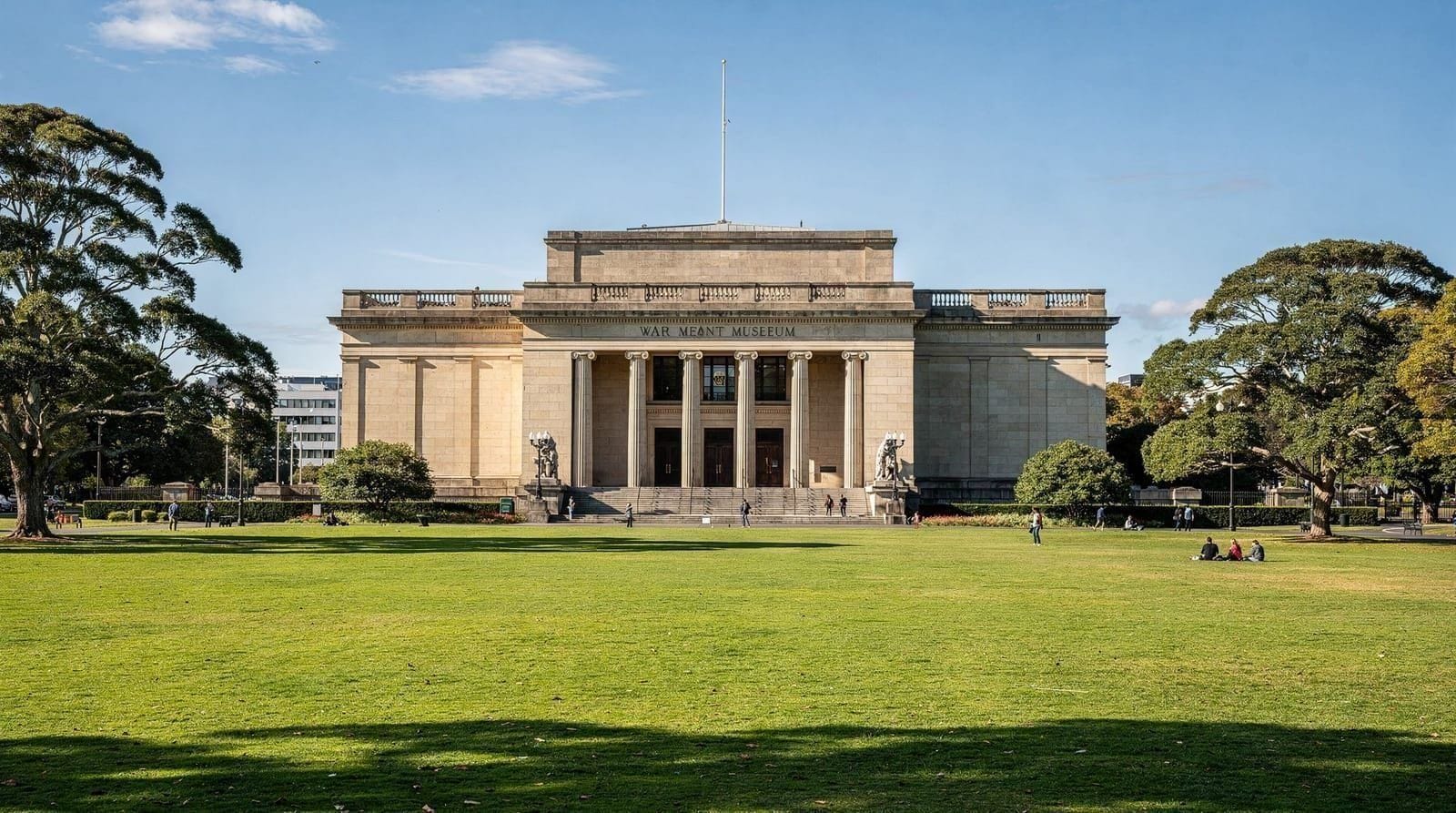
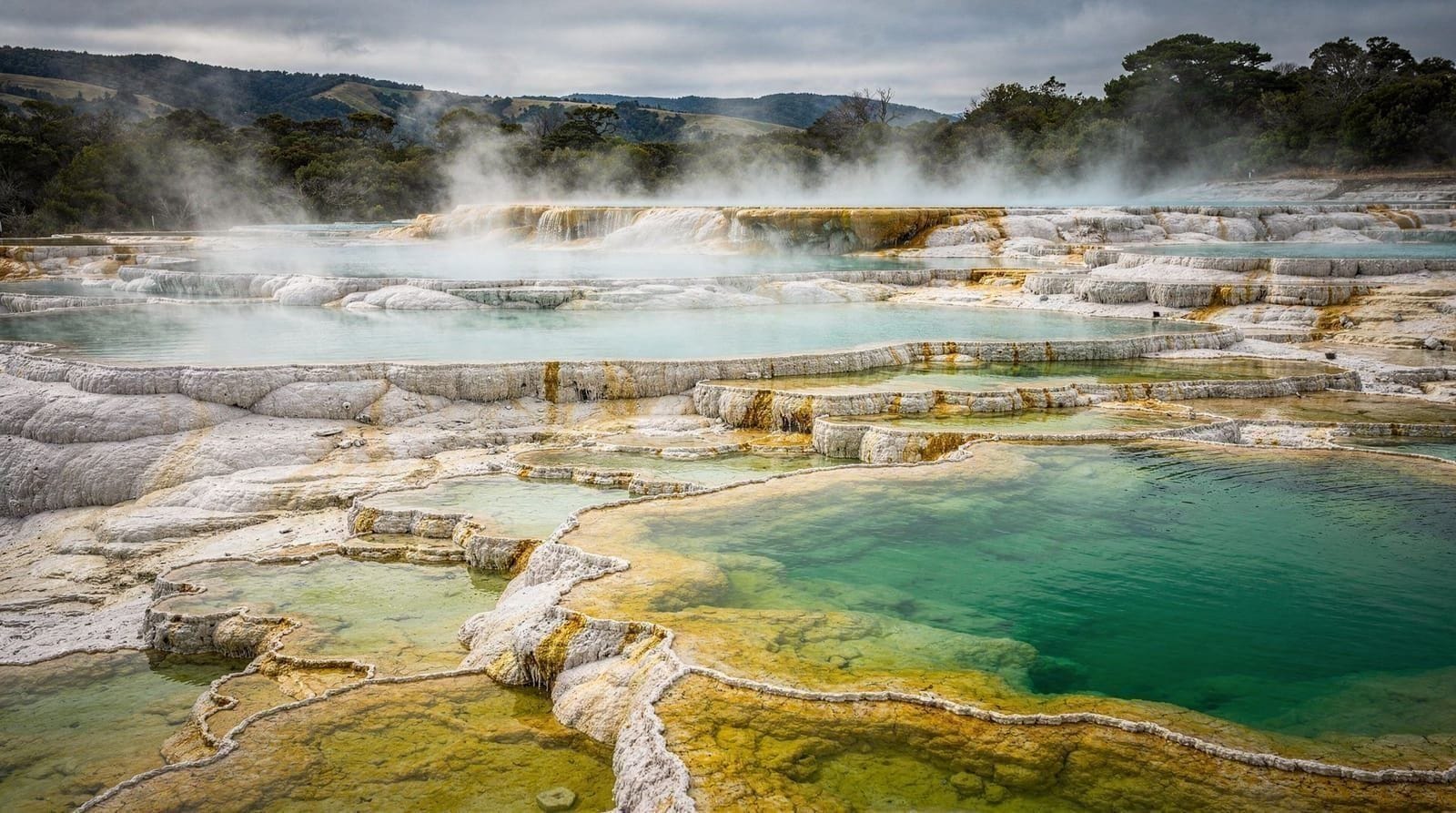
Museums, galleries and geothermal warmth. The Auckland War Memorial Museum, Auckland Art Gallery and the city’s indoor cultural attractions are genuinely well-suited to shorter, rainier days. A Auckland Museum general admission ticket is a strong winter-afternoon choice, and our full Auckland Museum guide covers what to prioritise inside. Rotorua’s geothermal parks and hot pools also feel more atmospheric in cooler air, and a traditional hāngī and Māori cultural experience pairs particularly well with a winter Rotorua day trip — see also our broader guide to Māori culture in Auckland for context before the visit.
Winter events and festivals. Elemental AKL, Auckland’s winter light and dining festival, typically runs through July and August, giving visitors a specific, seasonal reason to embrace rather than avoid the colder months. Matariki, the Māori New Year, also falls in late June or early July, bringing cultural events and night sky viewings across the city. Our Auckland events calendar covers both in more detail.
Budgeting for a winter visit
Winter’s 20-30% discount against summer pricing applies broadly across accommodation and tours, and it’s the single biggest lever available for a budget-conscious Auckland trip. Beyond the headline discount, winter also reduces some of the smaller costs that add up in summer — no premium for last-minute Hobbiton or Waitomo slots, easier walk-in dining without a booking fee or minimum spend, and less pressure to book a rental car weeks in advance at inflated rates. Our Auckland budget guide and Auckland trip cost breakdown both use winter pricing as a genuine reference point for what a lower-cost Auckland trip looks like in practice, and is Auckland expensive puts the whole discussion in wider context.
Family travel in winter
Winter works well for families who prioritise museums, cultural experiences and geothermal activities over beach days — the Auckland War Memorial Museum in particular is built for a rainy family afternoon, with enough scale to fill several hours. The trade-off is that winter isn’t the season for swimming or long outdoor play, so managing expectations with kids used to summer holidays matters. Shorter daylight hours also mean structuring a family day around an earlier start and an earlier finish than a summer itinerary would need, since pushing activities into the evening runs straight into an early sunset. For families specifically weighing winter against summer, our family day trips from Auckland guide covers options that work well regardless of season.
What winter doesn’t suit well
Extended beach days are genuinely not the move — while some hardy locals still swim, lifeguard patrols typically run only October-April, and water temperatures drop meaningfully. Our Auckland beaches guide is still worth reading for a winter visit, since a bracing coastal walk at Piha or Mission Bay remains a good outing even without swimming.
Ambitious multi-stop single-day itineraries also get harder, since usable daylight shrinks to roughly 9-10 hours in June-July, compressing how much you can comfortably fit into a day trip — a Rotorua or Bay of Islands round trip that’s comfortable in summer’s long days needs a genuinely early start in winter to avoid finishing in the dark. If your Auckland plans centre heavily on beaches and long outdoor hiking, winter isn’t the ideal season — consider shoulder season or summer instead, covered in our best time to visit Auckland guide.
Do Hobbiton and Waitomo still work in winter
Yes, both operate fully year-round. Waitomo’s glowworms are entirely unaffected by season, since the caves maintain a stable underground climate regardless of surface weather — see our best time to see the Waitomo glowworms guide for the full explanation. Hobbiton’s hillside gardens are less lush than in spring or summer bloom, but the film set itself is fully intact and, notably, far less crowded — a genuine advantage for photography and a more relaxed pace through the tour.
Both destinations also see meaningfully shorter queues at the entrance and gift shop in winter, which can shave real time off what’s otherwise a fairly long day trip once travel time is included. Our Hobbiton day trip, Waitomo day trip and combined Hobbiton and Waitomo guides all cover winter-specific timing notes for each.
Structuring a winter itinerary
Winter’s shorter daylight hours mean day trips need a slightly earlier start than the same trip in summer, especially anything heading to Rotorua, Waitomo or the Bay of Islands and back in a single day. A realistic winter day-trip pace is one major excursion per day rather than two, with city-based mornings or afternoons — a museum, a gallery, a wander through Auckland’s waterfront — filling the gaps around it.
Because queues are shorter and booking pressure is lower, winter is also a good season for spontaneity: deciding the night before to visit the Auckland War Memorial Museum or book a last-minute geothermal tour is far more realistic in July than in January. Our 2-day and 3-day Auckland itineraries both adapt well to winter’s slower, less rushed pace, and the Auckland-Rotorua 3-day itinerary pairs particularly well with winter’s geothermal and whale-watching strengths.
Driving conditions in winter
Winter brings more rain on the roads, and visibility can drop during heavier downpours, particularly on the winding sections of highway toward Rotorua, Waitomo or the Coromandel. None of this makes winter driving unsafe with reasonable care, but it’s worth building in slightly more time than a summer drive would need, and checking road conditions the morning of a long day trip rather than assuming clear roads. Fewer daylight hours also mean a higher chance of driving the final stretch home in the dark if a day trip runs long, which is worth factoring in when timing a return. Self-drive remains entirely workable in winter — it’s simply less forgiving of a late start than the same route in December.
Winter versus the rest of the year
Set against summer, winter is the clear opposite: roughly 20-30% cheaper, far thinner crowds, but cooler temperatures, more rain and noticeably shorter days. Set against the shoulder seasons of autumn and spring, winter is generally wetter and darker but often just as affordable, with the added upside of the lowest crowds of the entire year. For travellers whose priority is value and a quieter, more local-feeling trip over guaranteed sun, winter genuinely competes with — and in some respects beats — the shoulder seasons, not just summer. Our Auckland weather by month and best time to visit Auckland guides lay out the full year-round comparison.
Packing for an Auckland winter trip
A proper insulated jacket, layers for temperature swings through the day, a sturdy umbrella alongside a rain jacket, and warm footwear for wetter walking conditions. A base layer plus a mid layer plus a waterproof outer shell handles Auckland’s winter better than one single heavy coat, since temperatures do shift meaningfully between an overcast morning and a clearer afternoon. Sturdy, waterproof or water-resistant footwear matters more in winter than any other season, given how much walking a typical Auckland day involves. Our Auckland packing list has the full winter-specific breakdown, and it’s worth taking seriously — winter is the one season where under-packing for weather genuinely affects trip comfort.
A backup plan for a fully rainy day
Winter rain rarely lasts an entire day without breaks, but it’s worth having a plan for when it does. A strong rainy-day sequence in Auckland starts with the Auckland War Memorial Museum or Auckland Art Gallery for the morning, moves to a covered market or indoor dining for lunch, and finishes with a geothermal hot pool session or a Māori cultural experience — both feel especially welcome on a genuinely wet, cold afternoon. None of this requires abandoning outdoor plans entirely; even in persistent rain, short bursts between showers are often enough for a harbour walk or a quick look at the waterfront. The lesson from a full winter in Auckland is less “avoid the outdoors” and more “keep indoor options ready as a genuine plan B,” not a last resort.
Winter road trips beyond Auckland
Winter doesn’t rule out the North Island’s coastal day trips, it just changes their character. The Bay of Islands, roughly three hours’ drive, trades summer’s crowded harbour cruises for a quieter, moodier version of the same scenery, and winter’s lower prices apply to accommodation up there too if an overnight stay is part of the plan. The Coromandel and Cathedral Cove are less about swimming in winter and more about dramatic coastal walking, with far fewer people sharing the trail. None of these trips lose their core appeal in winter — they simply shift from beach-and-swim days to scenery-and-walk days, which suits plenty of travellers just as well.
Common winter mistakes to avoid
The most frequent misstep is treating Auckland’s winter like a genuinely cold-climate winter and either over-preparing with heavy snow gear that never gets used, or under-preparing by assuming “mild” means “dry” and skipping proper rain protection. A closely related mistake is planning a single ambitious day trip without a weather buffer — a Rotorua or Bay of Islands day that assumes clear roads and full daylight can run into trouble if it starts an hour later than planned. Finally, some visitors skip winter entirely assuming there’s “nothing to do,” which undersells genuinely strong options like whale watching, Elemental AKL, geothermal experiences and a much calmer version of the city’s usual attractions.
Who winter suits best
Budget-conscious travellers, anyone prioritising whale watching, visitors who dislike crowds more than they mind rain, and those building a city-and-culture-focused itinerary (museums, geothermal experiences, cultural tours) over a beach-and-hiking one. It’s a legitimately good season, not a fallback — just a different trip than the one summer offers. For first-time visitors specifically weighing whether winter fits their goals, our first-time Auckland tips and is Auckland worth visiting guides are worth reading alongside this one, since the season is only one factor among several in deciding whether — and how — to visit.
| Month | Rain | Daylight | Notes |
|---|---|---|---|
| June | Wettest, alongside July | Shortest, sunset ~4:30pm | Matariki (Māori New Year) falls late June/early July |
| July | Wettest, alongside June | Short | Elemental AKL festival typically begins |
| August | Easing slightly | Lengthening | Often the best of the three winter months |
Winter light and photography
Winter’s shorter days come with a genuine upside for photography: the sun sits lower in the sky for more of the day, producing softer, warmer light than summer’s harsher midday glare, and sunrise or sunset shots over the harbour are easier to catch without an early-morning or late-evening commitment. Overcast days, common through June and July, flatten shadows and can actually help with even lighting for portraits or street photography around the city. Rain-slicked streets and moody skies over the Waitematā Harbour give winter Auckland a different, arguably more atmospheric character than its postcard-blue summer self — worth embracing rather than waiting out if a camera is part of the trip.
Frequently asked questions about Auckland in winter
How cold does it get in Auckland in winter?
Mild by global standards, typically 10-15°C. It’s genuinely comfortable with layers, closer to a cool spring day in much of the Northern Hemisphere than to freezing winter conditions.
Does it rain a lot in Auckland in winter?
Yes — June and July are the wettest months of the year. Rain is frequent though rarely all-day; layered clothing and a proper rain jacket handle it well.
Are Hobbiton and Waitomo open in winter?
Yes, both operate year-round. Waitomo’s glowworms are unaffected by season since the caves maintain a stable climate, and Hobbiton’s gardens, while less lush than spring, are still fully open and considerably less crowded.
Is winter a good time for whale watching near Auckland?
Yes, arguably the best season — June-August is when humpback and southern right whales migrate through the Hauraki Gulf, alongside the resident Bryde’s whale and dolphin populations visible year-round.
Are prices lower in Auckland during winter?
Yes, typically the lowest of the year, often 20-30% below December-February peak pricing for accommodation and tours.
What should I do in Auckland if it rains all day in winter?
Lean into indoor options — the Auckland Museum, Auckland Art Gallery, geothermal hot pools in Rotorua, and covered markets. Winter rain rarely lasts a full day without breaks, but having an indoor backup plan removes the stress of chasing a weather window.
Is it worth visiting Auckland in winter if I only have a short trip?
Yes, particularly for a city-and-culture-focused visit — museums, geothermal experiences and whale watching all work well in a short window, and thinner crowds mean you can move through attractions faster than in summer. Just plan for an earlier start than you would in summer, given winter’s shorter daylight hours.
Does Auckland get cold enough for snow in winter?
No — snow in Auckland itself is essentially unheard of, and frost is rare even on the coldest winter mornings. The 10-15°C range is mild enough that a warm jacket and layers are genuinely sufficient, without needing serious cold-weather gear.
Are flights and accommodation cheaper to Auckland in winter?
Accommodation is reliably cheaper, typically 20-30% below the December-February peak. Flight pricing depends more on your origin and the wider international travel calendar, but winter generally avoids the surcharge that comes with flying into New Zealand’s peak summer season.
Can I still do a self-drive day trip in Auckland’s winter?
Yes, self-driving remains entirely workable in winter — roads stay open and well maintained, and rental cars are easier and cheaper to book than in summer. The main adjustment is starting earlier to make the most of shorter daylight and allowing a little extra time on winding routes if rain reduces visibility.
Is Matariki worth planning a winter trip around?
Yes, if cultural events genuinely interest you — Matariki, the Māori New Year, falls in late June or early July and brings dedicated events and night sky viewings across the city, giving winter a specific seasonal highlight beyond the general value-and-quiet appeal.
Which winter month has the best balance of weather and value?
August, generally. June and July are wettest, but by August rain eases and daylight starts lengthening while pricing stays close to the winter low, making it arguably the best single month of the season.
Top experiences
Bookable activities with verified prices and instant confirmation on GetYourGuide.