Best time to see the Waitomo glowworms
Waitomo: Glowworm caves guided tour by boat
What is the best time to visit the Waitomo glowworms?
Any time of year — the caves maintain a stable underground climate, so glowworms are visible year-round regardless of season. Later afternoon or early evening tours tend to show the brightest displays, since glowworms react to ambient light and are more active as the cave interior gets naturally darker outside.
The short answer: season genuinely doesn’t matter
Unlike almost everything else in this guide series, the Waitomo glowworms don’t follow New Zealand’s seasonal calendar at all. The caves maintain a stable underground temperature and humidity year-round, and the glowworms — actually the larvae of a fungus gnat species found only in New Zealand and Australia — live in that constant environment regardless of what’s happening on the surface. Visit in the height of summer or the depths of winter and the glowworm display itself is fundamentally the same. This makes Waitomo one of the few North Island attractions where you can genuinely optimise your visit around other factors — crowds, price and convenience — without worrying about missing peak natural conditions.
| Where | Waitomo, ~2.5 hours south of Auckland |
| Cost | Around NZD 65-90 for the standard boat tour |
| Time needed | 45-60 min in the cave, ~90 min total on-site |
| Best time of day | Later afternoon/early evening for a slightly more active display |
| Booking | 2-3 months ahead for summer, a few weeks for shoulder/winter |
What actually varies: crowds and price, not the glowworms
While the glowworms themselves are constant, the experience around them shifts with the tourist calendar. Summer (December-February) brings the largest crowds and highest tour prices, alongside the tightest booking windows — popular time slots can sell out weeks ahead. Shoulder seasons (March-April, September-November) and winter (June-August) bring noticeably thinner crowds and lower prices, without any trade-off in the cave experience itself. If your primary goal is a quieter, more atmospheric visit rather than warm surface weather for the drive there, winter is genuinely a strong choice — see our Auckland in winter guide for the broader case for visiting off-peak.
Does time of day matter
Time of day has a more meaningful, if subtle, effect than season. Glowworms react to noise and light — bright lights and loud groups can cause them to dim or retreat, since the light they produce is part of a bioluminescent lure to catch prey, not a performance. Later afternoon and early evening tours often report slightly more active displays, though the difference is modest given the caves are naturally dark throughout the day regardless of surface time. Smaller-group or quieter tours generally produce a more consistent, immersive experience than large tour-bus groups moving through quickly.
A Waitomo Glowworm Caves guided tour by boat is the classic format — a silent boat glide beneath thousands of glowworms reflected on the water, genuinely one of New Zealand’s most distinctive natural experiences. For a smaller-group, more intimate alternative, the Waitomo Experience Okohua Glowworm Cave tour is worth considering if you specifically want to minimise crowd noise during the display.
Does weather affect the visit
Surface weather, including rain, has no effect on glowworm visibility itself, since the entire display is underground. Heavy or sustained rain can occasionally affect water levels for boat-based cave tours specifically, in rare cases requiring an operator to adjust the route, but this is uncommon and standard walking tours through the cave system are entirely unaffected by surface conditions. This makes Waitomo a genuinely reliable rainy-day option when planning a North Island itinerary around unpredictable weather elsewhere.
Day trip vs. overnight: which fits your itinerary
Most visitors do Waitomo as a day trip from Auckland, roughly 2.5 hours’ drive each way, often combined with Hobbiton on the same day or the next — see our Hobbiton and Waitomo combo guide for how that pairing works logistically. An overnight stay near Waitomo or Hamilton makes more sense if you want an early-morning, less-crowded tour slot, or if you’re continuing on to Rotorua rather than returning to Auckland the same day. Our Waitomo day trip and Waitomo Caves guides cover the full logistics either way.
Booking timing that actually matters
Since the natural display itself is constant, the booking advice here is really about crowd and availability management: book 2-3 months ahead for summer visits, particularly around New Zealand’s own school holidays, and a few weeks ahead for shoulder and winter season visits. If black-water rafting or a more adventurous cave format interests you beyond the standard boat tour, our Waitomo black-water rafting guide covers that separate, more physical option.
A month-by-month crowd and price snapshot
December-February: the busiest and priciest window, driven by both international summer travel and New Zealand’s own school holidays. Tour slots for popular time windows can sell out weeks ahead, particularly around Christmas-New Year.
March-May: crowds and prices ease noticeably from the summer peak, with autumn’s mild surface weather making the drive down from Auckland a pleasant one, even though it has zero bearing on the cave itself.
June-August: the quietest and cheapest months to visit, ideal if you specifically want a smaller-group, less rushed experience. Surface weather is wetter and cooler, worth a jacket for the walk between the car park and cave entrance, but has no effect once you’re underground.
September-November: a second shoulder window, similar in character to autumn — moderate crowds, moderate pricing, reliable booking availability with a couple of weeks’ notice.
What actually happens on the standard tour
A typical visit starts with a walking section through limestone formations, stalactites and stalagmites, before you board a small boat guided along an overhead cable through the glowworm grotto in complete silence and darkness. The whole cave portion takes roughly 45 minutes to an hour, though total time including check-in, safety briefing and the walk to the cave entrance can stretch closer to 90 minutes. Guides typically share some background on the region’s Māori history and the geology of the limestone formations during the walking section, adding context beyond just the glowworm finale.
Comparing Waitomo to other glowworm sites in New Zealand
While Waitomo is the most famous and most visited glowworm site in New Zealand, it isn’t the only one — smaller, less commercialised glowworm caves and grottoes exist elsewhere in the North Island and in parts of the South Island. For most visitors on an Auckland-based trip, though, Waitomo’s combination of accessibility (2.5 hours from Auckland), well-established tour infrastructure, and the sheer scale of its glowworm displays make it the clear choice over lesser-known alternatives, which often require considerably more remote travel for a comparable or lesser experience.
Photography rules and cave etiquette
No photography or video is permitted inside the glowworm grotto itself — this includes phone screens, since even brief light exposure disrupts the glowworms’ bioluminescent display for the rest of the boat’s passengers, not just your own view. Guides enforce this firmly. You can photograph freely during the walking sections of the cave before reaching the boat, where the limestone formations themselves make for decent photos even without the glowworms in frame. Silence is similarly enforced once the boat enters the grotto — talking, even in a whisper, is discouraged, both out of respect for other visitors’ experience and because sound can affect glowworm behaviour.
Accessibility considerations
The standard boat tour involves a moderate amount of walking on uneven, sometimes damp cave surfaces, with handrails along the main route, making it manageable for most visitors with reasonable mobility but potentially challenging for wheelchair users or those with significant mobility limitations — check directly with the operator about specific accessibility accommodations if this is a concern before booking. The boat section itself requires no physical exertion once seated. Total darkness and enclosed spaces can also be a genuine concern for visitors with claustrophobia, though most report the cave interior feels more spacious than the word “cave” suggests.
Combining with other nearby Waikato attractions
Beyond the glowworm caves themselves, Waitomo’s surrounding area includes Ruakuri Cave (with a striking spiral entrance and daylight walking sections), Aranui Cave (limestone formations without the glowworm focus, generally quieter), and the Legendary Black Water Rafting adventure tours through darker, less-groomed sections of the same cave system. If you have a full day rather than just a few hours, combining two of these — the standard glowworm boat tour plus a Ruakuri Cave walk, for instance — makes efficient use of the 2.5-hour drive down from Auckland. Our Waitomo black-water rafting guide covers the adventure-activity alternative in detail if a more physical experience appeals more than the standard viewing tour.
The science behind why season doesn’t matter
It’s worth understanding briefly why Waitomo genuinely breaks from the seasonal pattern that governs almost every other Auckland-area attraction.
The glowworms (Arachnocampa luminosa, found only in New Zealand and parts of Australia) rely on the cave’s naturally stable underground microclimate — consistent temperature, consistent humidity, complete darkness — to survive and produce their bioluminescent glow, a chemical reaction used to lure small flying insects into sticky silk threads dangled from the cave ceiling. Because caves buffer against surface temperature swings far more effectively than open-air environments, the glowworms’ behaviour and visibility remain essentially constant regardless of whether it’s a 25°C summer day or a 10°C winter one on the surface above. This is fundamentally different from, say, Hobbiton’s gardens, which respond directly to surface seasons, or beach conditions, which depend entirely on surface water temperature.
What to wear for a cave visit regardless of season
Since the cave interior maintains a fairly constant, slightly cool temperature year-round, dressing in a light layer works regardless of when you visit — a t-shirt alone can feel a touch cool inside the cave even on a hot summer day outside, while a heavy winter coat can feel like overkill once you’re underground, even in the depths of a Central North Island winter. A light jacket or fleece that you can add or remove is the most practical approach. Closed, non-slip footwear is worth wearing given some damp, uneven surfaces on the walking sections, regardless of season.
Planning a Waitomo visit around a wider North Island itinerary
Because Waitomo’s core experience is unaffected by season, it’s one of the most flexible pieces to place within a wider North Island itinerary — unlike, say, whale watching (better in certain months) or Hobbiton’s gardens (more striking in bloom), you can schedule Waitomo wherever it fits logistically without worrying about missing a seasonal peak. This makes it a natural candidate for a rainy-day slot if you’re building flexibility into a longer trip and want a reliable, weatherproof activity to fall back on regardless of what the forecast does elsewhere in your itinerary. Our best time to visit Auckland guide covers how the other major North Island attractions do respond to season, useful for sequencing a multi-stop itinerary around Waitomo’s unique flexibility.
A brief note on Hobbiton’s seasonality, for comparison
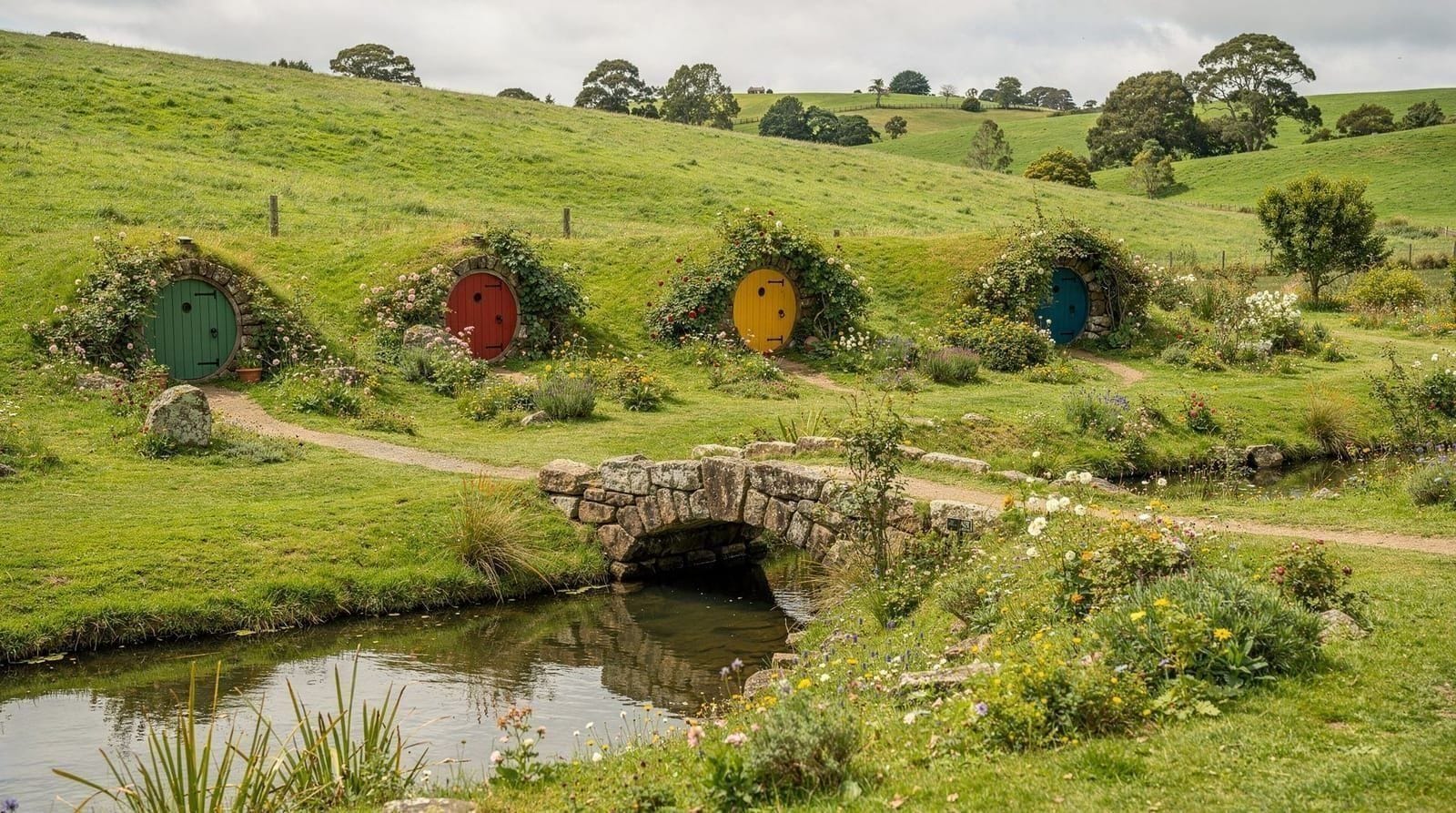
Since Waitomo and Hobbiton are so frequently paired into a single day trip or combo itinerary, it’s worth noting explicitly how differently they respond to timing: Hobbiton’s hillside movie set gardens are genuinely more visually striking in spring and summer bloom than in winter’s more muted colours, making it the seasonally sensitive half of the pairing, while Waitomo remains constant regardless of when you visit. If you can only choose one visit date and want to optimise for Hobbiton’s visual peak, lean toward spring or summer — Waitomo will look essentially the same whenever you eventually get there. Our Hobbiton and Waitomo combo guide covers the logistics of pairing both in a single day in more detail.
Booking through Auckland versus arranging locally
Most visitors book their Waitomo tour either as part of an Auckland day-trip package (which includes return transport) or independently after arriving in the Waitomo area under their own transport. If you’re self-driving, booking the cave entry directly with the operator, rather than through a bundled Auckland day-tour package, is often better value since you’re not also paying for transport you’re providing yourself — see our car rental Auckland and self-drive vs tour day trips guides for the fuller cost comparison between self-driving and a bundled coach tour package for this specific destination.
Group size and tour style as a bigger factor than timing
Given that season and even time of day only modestly affect the glowworm experience, the single biggest lever you actually control is which tour format and group size you book, rather than when you visit. A large coach-tour group moving through on a tight schedule delivers a meaningfully different, more rushed experience than a smaller boutique tour with a longer, quieter time in the grotto — this variable matters more to your actual experience than choosing December over July. When comparing tour options, checking group size caps and reviews mentioning pacing and crowd noise is a more productive use of research time than agonising over the calendar.
What visitors get wrong when researching this trip
A common mistake is spending disproportionate research time trying to identify a specific “best month” for glowworms, based on habits formed researching genuinely seasonal New Zealand attractions like whale watching or Hobbiton’s gardens, when that research effort would be far better spent choosing the right tour operator and group size, or simply picking whichever month fits the rest of your itinerary logistically. Another common mistake is assuming a rainy forecast on your planned Waitomo day is a problem worth rearranging your itinerary to avoid — since the cave experience is entirely unaffected by surface rain, a wet forecast day is often the ideal day to schedule Waitomo specifically, freeing up a sunnier day for an outdoor activity elsewhere on your itinerary instead.
Season at a glance
| Season | Glowworm display | Crowds & price | Note |
|---|---|---|---|
| Dec-Feb (summer) | Unchanged | Busiest, priciest, book weeks ahead | Combine with a warmer surface drive down |
| Mar-May (autumn) | Unchanged | Easing crowds and prices | Pleasant driving weather from Auckland |
| Jun-Aug (winter) | Unchanged | Quietest, cheapest | Bring a jacket for the walk to the entrance |
| Sep-Nov (spring) | Unchanged | Moderate, reliable availability | Good shoulder-season pick |
Frequently asked questions about the best time to see Waitomo glowworms
Do glowworms disappear in winter at Waitomo?
No — the caves maintain a stable temperature and humidity year-round, and glowworms are present continuously, regardless of the surface season. Winter is actually a good time to visit given lower crowds.
What time of day are Waitomo glowworms brightest?
Later afternoon and early evening tours often report the most impressive displays, though the difference is subtle since the caves are naturally dark throughout the day. Glowworms respond to noise and light, so quieter, smaller-group tours generally show better activity than large, loud groups.
Is it better to visit Waitomo on a day trip from Auckland or overnight nearby?
A day trip from Auckland works well for most itineraries, at roughly 2.5 hours each way. An overnight stay near Waitomo or Hamilton makes sense if combining with Hobbiton or if you want an early-morning, less-crowded tour slot.
Do I need to book Waitomo glowworm tours in advance?
Yes, especially in summer (December-February) and around school holidays, when popular tour slots can sell out. Shoulder and winter seasons need less lead time but booking a few weeks ahead is still sensible.
Are the glowworms visible in the rain?
Yes — since the display is entirely underground, surface weather including rain has no effect on visibility. Heavy rain can occasionally affect water levels for boat-based tours specifically, but standard walking tours are unaffected.
Is Waitomo worth visiting if I’m only in Auckland for a short trip?
Yes, if you can spare a full day — it’s roughly 2.5 hours each way, but the underground glowworm display is genuinely unlike anything else on a standard North Island itinerary, and its year-round consistency makes it one of the easiest day trips to fit around whatever else your schedule requires.
Top experiences
Bookable activities with verified prices and instant confirmation on GetYourGuide.