2 days in Auckland: a complete itinerary
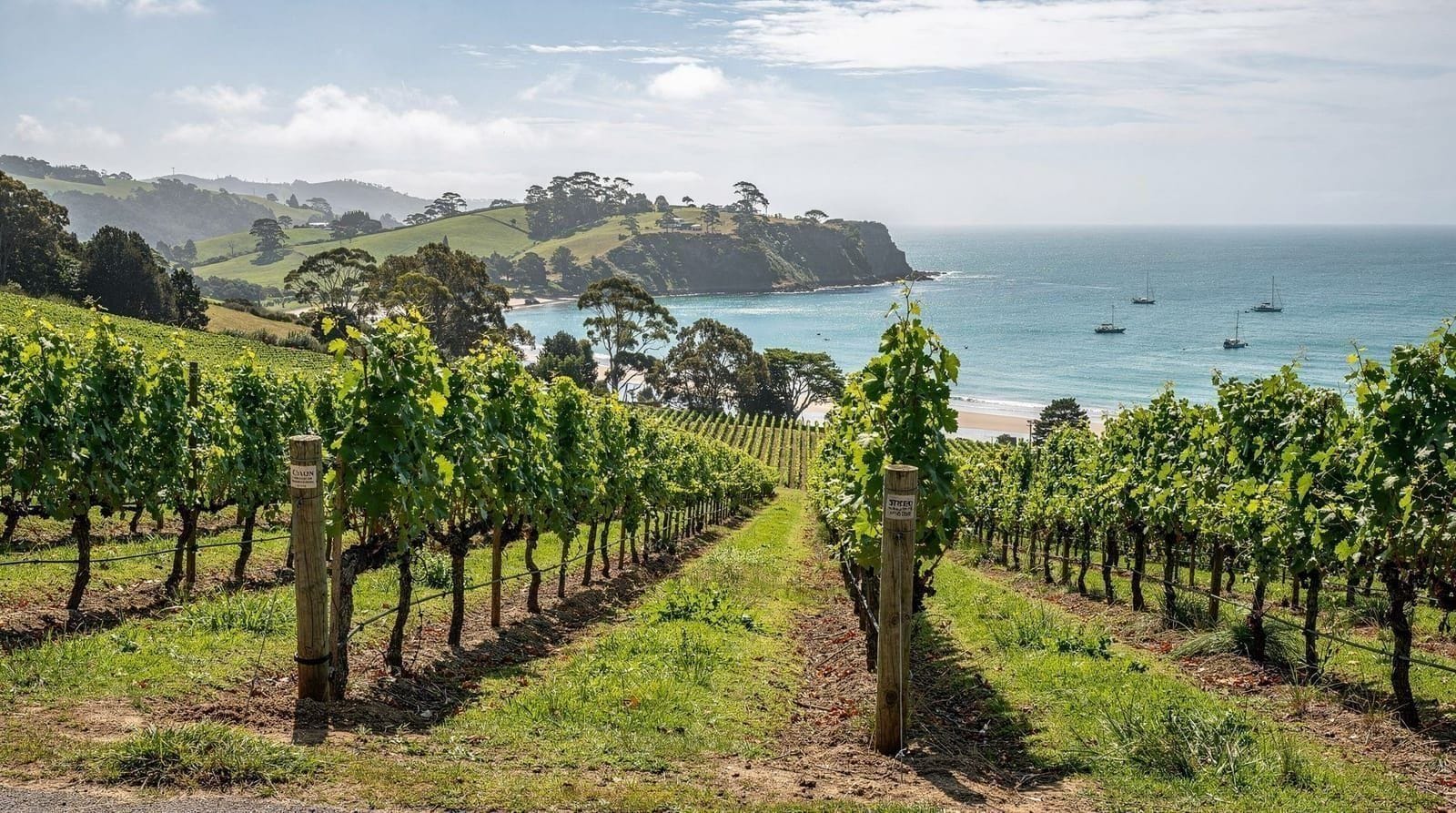
Auckland: Waiheke island wine tasting tour
Two days is the minimum for a genuinely satisfying Auckland trip, because it is enough time to combine the city with the single best add-on within reach: Waiheke Island. This itinerary spends day one in the Auckland city centre and day two entirely on Waiheke, which is the pacing most visitors find works best — you get a proper feel for the CBD and waterfront before switching to the island’s slower, vineyard-dotted rhythm. No rental car is required for either day; a ferry and an AT HOP card cover everything.
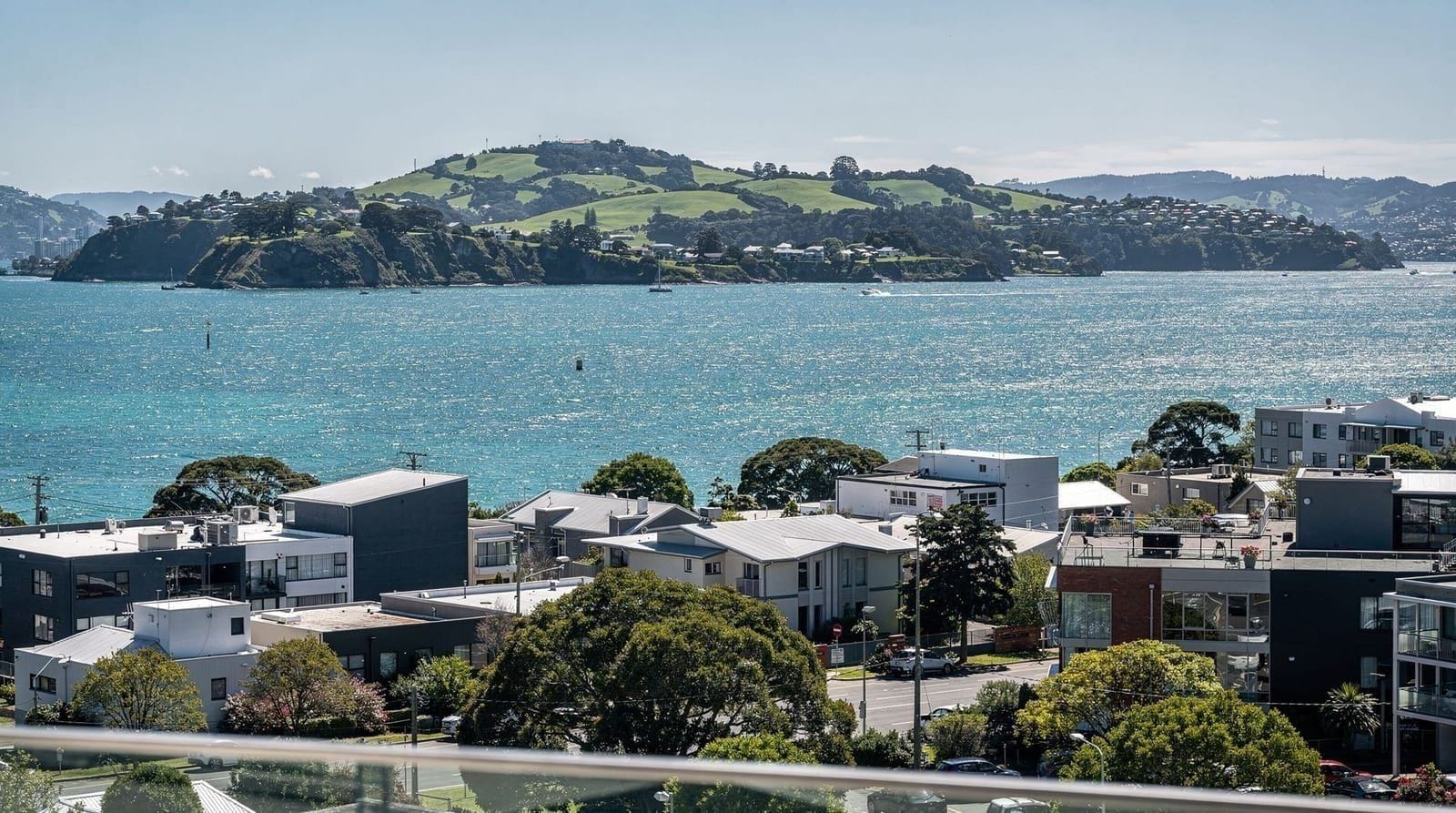
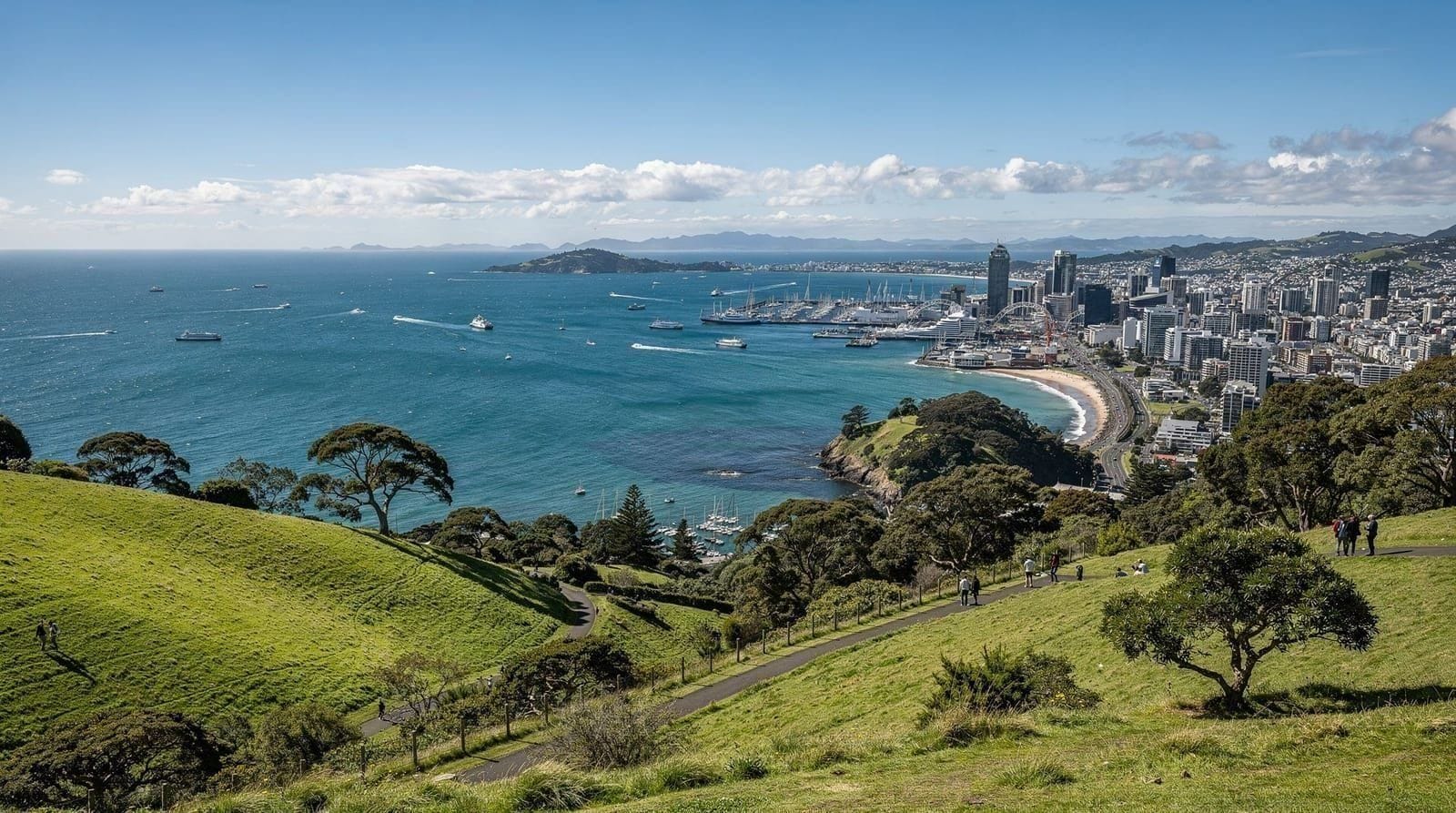
This particular two-destination combination is popular for a good reason: Auckland’s CBD and Waiheke could hardly feel more different from each other, despite being separated by only a 40-minute ferry ride. One is a dense, modern harbour city with a 328-metre observation tower; the other is a rural, vineyard-covered island with a genuinely laid-back pace. Seeing both inside two days gives a far more rounded picture of the Auckland region than spending the same time entirely within the city limits.
| Where | CBD day one, Waiheke Island day two |
| Cost | around NZD 490–600/person, or NZD 300–360 stripped back |
| Time needed | 2 full days |
| Getting there | AT HOP card + Fullers360 ferry — no car needed |
| Best time | shoulder season (Mar–May, Sep–Nov) |
How this two-day itinerary works
Day one is compact and walkable — Sky Tower, waterfront, Domain and one inner suburb. Day two is a full-day Waiheke trip via the Fullers360 fast ferry (40 minutes each way from the downtown terminal), which means an early start pays off in extra vineyard or beach time. If you would rather spend day two somewhere other than Waiheke, see the Auckland weekend getaway itinerary for a Devonport-and-harbour-focused alternative, or how many days in Auckland for how this compares to a 3- or 5-day trip.
This itinerary also suits travellers who are unsure how much time Auckland deserves within a wider New Zealand trip. Two days is long enough to move past a rushed first impression without committing a large share of a shorter overall trip to a single city — a genuinely useful data point if you are still deciding between a quick Auckland stopover and a longer stay before heading further afield to Rotorua, Queenstown or the South Island.
Buy an AT HOP card as soon as you arrive — it covers city buses and both the intra-city and Waiheke ferries at a 20% discount versus paying cash or card at the gate, and there is no reason to pay full price for a two-day visit built entirely around ferries and short bus hops.
Day 1: Auckland city, harbour and Domain
Morning: Sky Tower and the CBD
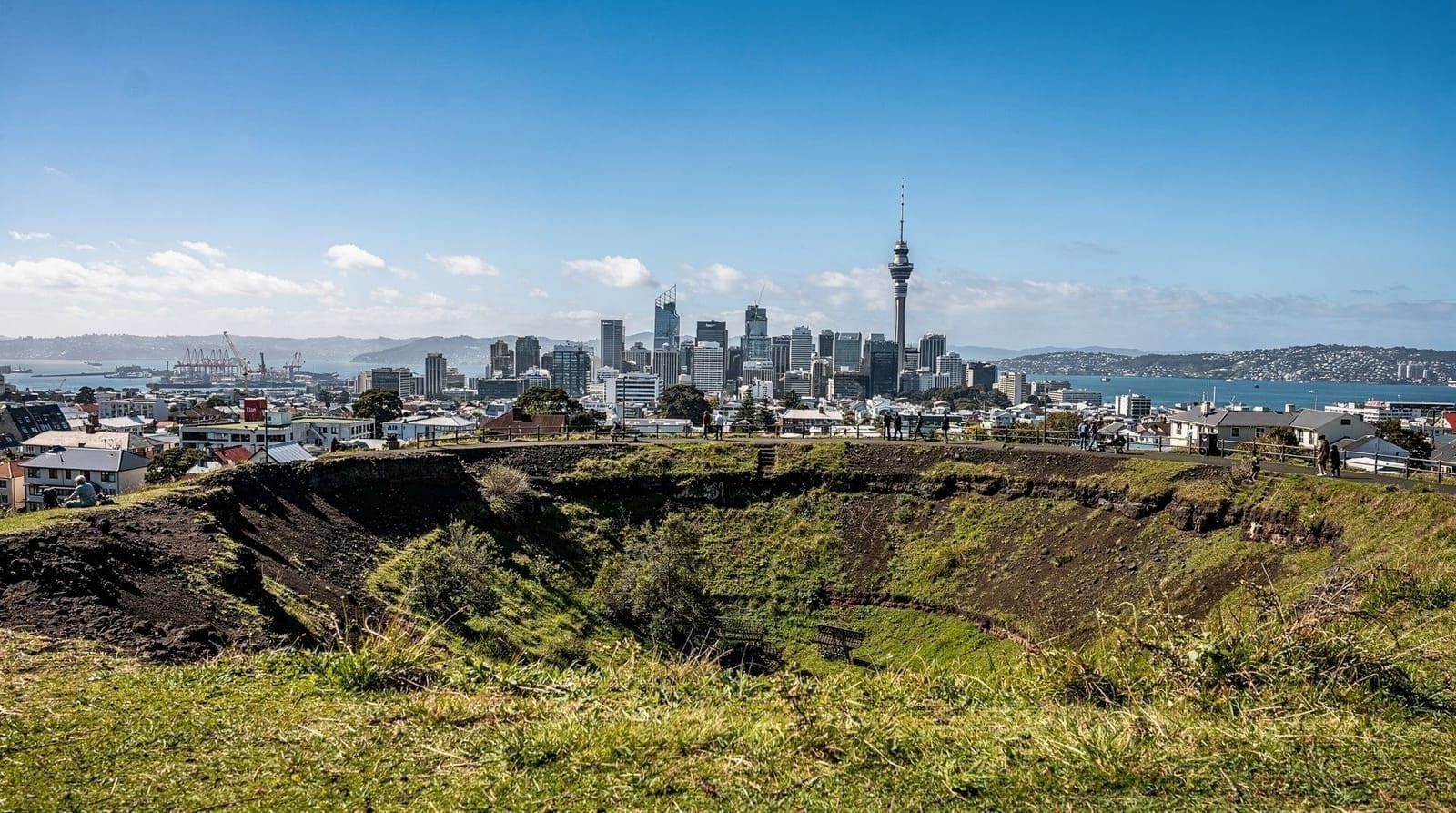
Start at the Sky Tower — book the Sky Tower skywalk and entry ticket for the outdoor platform, or standard entry alone if you would rather keep costs down. Full details on pricing and whether it is worth the premium experiences are in our Sky Tower guide. From there, walk through Britomart’s laneways for coffee — Ozone Coffee Roasters and Chuffed Coffee are both reliable, roasting their own beans on-site — then continue to the Viaduct Harbour for a look at the marina before lunch. Auckland’s self-styled “City of Sails” reputation is easiest to appreciate here, with private yachts, superyachts and public ferries all sharing the same stretch of water.
Afternoon: Auckland Museum and the Domain
Take a bus or a 25-minute walk up to the Auckland Domain, home to the Auckland War Memorial Museum — one of the country’s best collections of Māori taonga (treasures) and natural history exhibits, set inside a striking neoclassical building overlooking the harbour. The museum’s general admission ticket includes access to the Māori Court, which offers respectful, well-curated context on Tāmaki Makaurau’s history before you encounter more hands-on Māori cultural experiences later in a trip. Our Auckland Museum guide has the full breakdown of galleries and the daily cultural performance schedule, which typically runs at set times through the afternoon and is worth timing your visit around if a live haka and waiata performance interests you.
Evening: harbour cruise or Ponsonby dinner
If the weather is good, close the day with a short harbour sailing cruise — this 1.5-hour sailing cruise runs a sunset departure in summer that is worth timing deliberately, since the skyline lit up against the evening sky is genuinely one of the better photo opportunities in the city. Otherwise, head to Ponsonby for dinner; it has the highest concentration of good restaurants in the city and is a 10-minute Uber or bus ride from the CBD, with everything from casual wine bars to some of Auckland’s most acclaimed fine-dining kitchens along Ponsonby Road itself.
Day 2: Waiheke Island
Morning: ferry over and vineyard tour
Catch an early Fullers360 ferry from the downtown terminal — the 8am or 8.30am sailing gives the fullest day on the island. The return crossing costs NZD 50–60 per adult (cheaper with AT HOP), and our ferry vs drive Waiheke comparison explains why the ferry beats bringing a car over for most itineraries. The crossing itself is scenic in its own right, passing close to Rangitoto’s volcanic silhouette before opening out into the wider Hauraki Gulf.
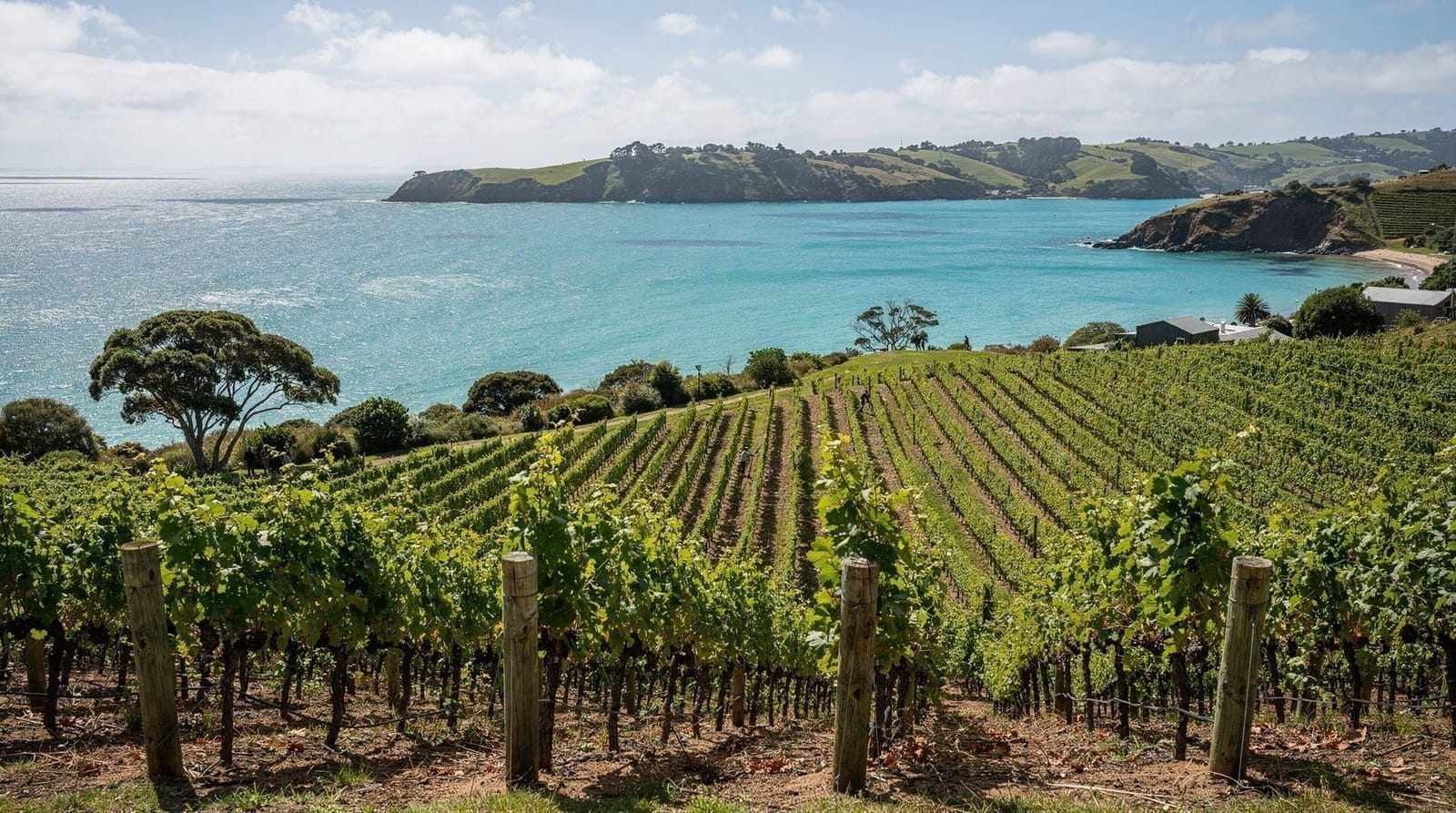
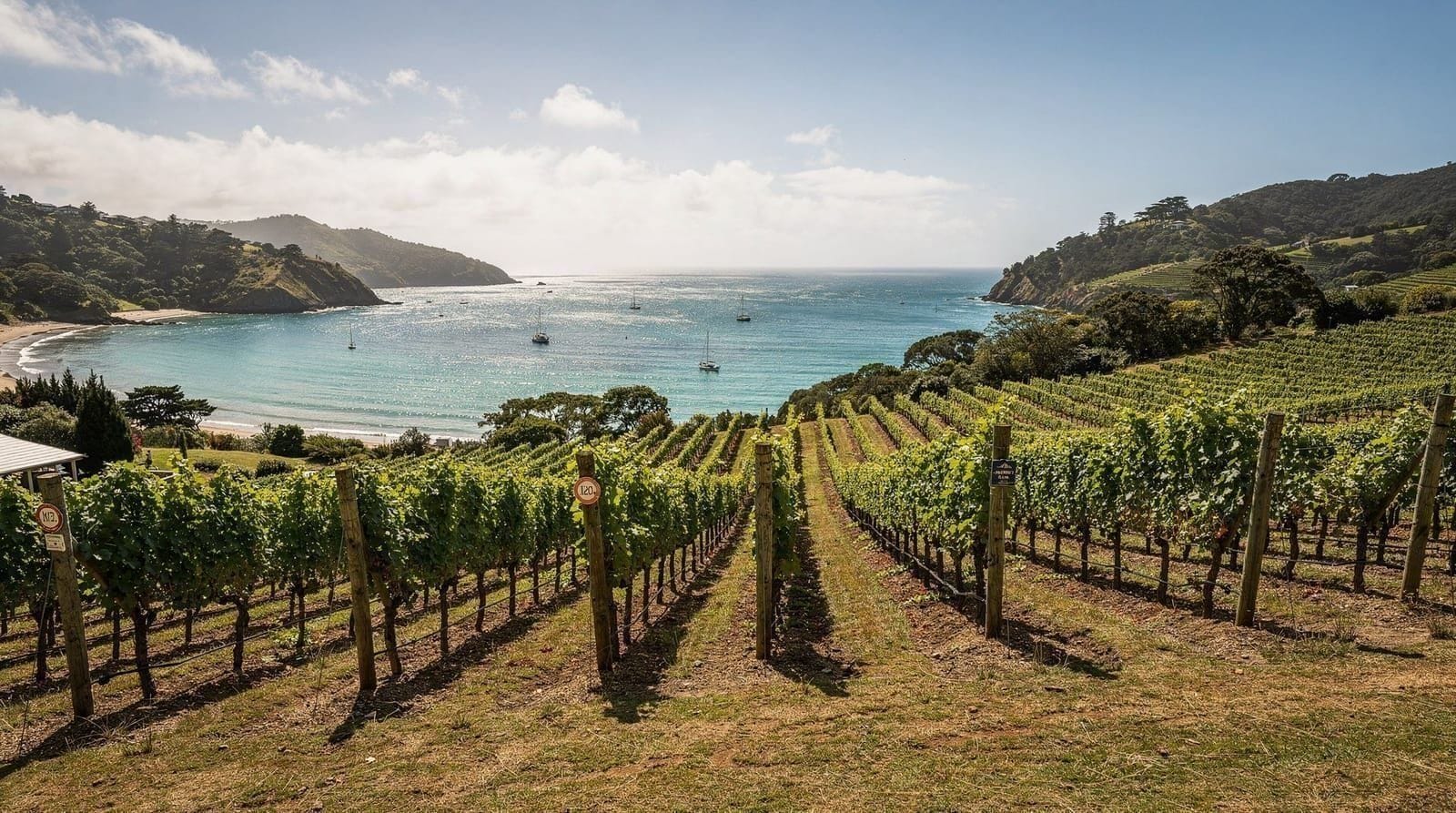
Waiheke’s reputation rests on its vineyards, and a guided tour is the easiest way to see several without worrying about drink-driving on the island’s winding roads. Book the Waiheke wine tasting tour , which typically covers three to four boutique wineries with tastings included, or compare the fuller range in our Waiheke wine tours guide and Waiheke wineries guide if you have particular varietals in mind (Waiheke is especially known for Bordeaux-style reds and Syrah, thanks to its warm, sheltered maritime microclimate).
Afternoon: beaches or Oneroa village
If wine tasting alone does not fill the afternoon, Waiheke has excellent beaches within walking distance of Oneroa village — Onetangi and Palm Beach are the two most popular, both with soft sand and calm swimming conditions most of the year. Oneroa itself has independent galleries, a small supermarket for supplies, and cafés with harbour views back toward the mainland, several of which make a genuinely pleasant spot for a late lunch between wineries. Read the full Waiheke Island guide for a suburb-by-suburb breakdown of the island’s four main villages, useful if you plan to return for a longer stay.
Evening: last ferry back and dinner
Waiheke ferries run until around 10.30–11pm most nights, but do not cut it too close in shoulder or winter season when schedules thin out — check the current Fullers360 timetable before your last tasting of the day. Many visitors eat dinner on the island itself (Waiheke’s restaurant scene has grown considerably, with several destination-worthy spots around Oneroa and Onetangi) rather than rushing back for a mainland dinner, since the island’s dining rooms often make as much of a feature of the setting as the food.
Getting to Auckland and getting around
Most international visitors arrive at Auckland Airport (AKL), about 23km south-east of the CBD. The SkyBus runs every 10–20 minutes to the city centre for NZD 18 one-way (NZD 32 return), taking 30–40 minutes depending on traffic; an Uber or taxi runs NZD 65–85 and is faster if you are travelling with a lot of luggage or arrive outside SkyBus operating hours. Once in the city, this entire two-day itinerary works on foot, ferry and the occasional bus — there is genuinely no reason to rent a car for this specific route, and doing so would only add parking costs (NZD 4–6/hour in the CBD) without any corresponding benefit.
If you have not travelled in New Zealand before, note that Auckland’s public transport, while reliable, is not as dense as European or larger Asian cities — buses can run every 15–20 minutes rather than every five, so building a small buffer into your timings (as this itinerary does) avoids unnecessary stress. Download the AT Mobile app before you arrive; it gives live bus and ferry tracking and lets you top up your AT HOP card without hunting for a physical top-up point.
What to pack for this two-day trip
New Zealand’s UV levels are extreme even under cloud cover, so sunscreen (SPF 50+) and a hat are non-negotiable regardless of season, particularly for the exposed ferry crossing and any time spent outdoors on Waiheke. Comfortable walking shoes matter for both days — the CBD involves a fair amount of walking between the Sky Tower, Britomart and the Domain, while Waiheke’s vineyard visits often include short walks between cellar doors and gardens. A light layer or jacket is worth carrying even in summer, since the harbour crossing can be breezy regardless of how warm it is on land, and Waiheke’s evenings cool down noticeably once the sun sets.
Where to stay for this two-day trip
Base yourself in the Auckland CBD or Viaduct Harbour for both nights — it keeps day one entirely walkable and puts you a 10-minute walk from the Waiheke ferry terminal on day two. Staying overnight on Waiheke is a genuinely good option too if you would rather slow the pace down and skip the return ferry that evening, though it means repacking and a second ferry crossing the next morning, which adds complexity for a short trip.
Mid-range hotels in the Viaduct and Britomart precincts typically run NZD 200–350 a night for a comfortable double room, with a genuine premium for harbour views. Budget travellers can look toward Karangahape Road (K Road), roughly 15 minutes’ walk from the ferry terminal, where hostel dorms start around NZD 25–35 and budget hotel doubles around NZD 100–150. Whichever you choose, book at least a few weeks ahead for summer travel — Auckland’s CBD accommodation fills quickly during the December–February peak, and even shoulder-season weekends can sell out popular mid-range properties.
For a fuller comparison across the CBD, Devonport and other Auckland neighbourhoods, where to stay in Auckland breaks down each area by traveller type, including which suburbs suit a two-night, ferry-dependent trip like this one best. Staying in Devonport itself for both nights is another option some visitors overlook — it puts you a short ferry ride from the CBD each morning and a longer, roughly 90-minute combined crossing to Waiheke via the city, which only makes sense if you specifically want Devonport’s quieter, village-like evenings over the CBD’s convenience.
Who this two-day route suits
This pacing suits first-time visitors, couples and wine-focused travellers best — it front-loads the CBD’s higher-energy sights and saves the island for a slower, less scheduled second day. Solo travellers do well on this route too, since neither day depends on splitting a group’s preferences (the wine tour books individually, and CBD sights are all single-ticket). Families with young children should weigh the Waiheke day carefully: a guided wine tour is not designed around kids, so Auckland with kids or Auckland with toddlers are worth checking for a beach-and-village version of day two instead, skipping the tastings in favour of Onetangi’s calm, family-friendly sand.
Money-saving tweaks for this route
The Waiheke wine tour is the single biggest line item in the budget below, and it is also the most skippable without losing the island’s appeal — a self-guided day (ferry, a shuttle or e-bike between two or three cellar doors, lunch in Oneroa) runs closer to NZD 90–120 including the return ferry, versus NZD 140–180 for the fully guided tour. The trade-off is convenience and the tasting-fee inclusions rather than quality of experience; either way you leave the island having tasted Waiheke’s wine. On day one, the harbour cruise is the equivalent cuttable item — genuinely pleasant, but the least essential of the day’s three paid activities if the budget needs trimming, since our waterfront guide covers a free self-guided version of the same stretch of marina.
Is two days really enough for Auckland?
Two days is enough to feel like you have genuinely experienced Auckland rather than just passed through it, but it does mean choosing depth over breadth — this itinerary deliberately covers the CBD and one gulf island well rather than spreading thinly across five or six suburbs. What it leaves out is any North Island day trip (Hobbiton, Waitomo, Rotorua) and most of Auckland’s other inner suburbs beyond Ponsonby, both of which require additional days to do justice. If either of those interests you more than a second day fully dedicated to Waiheke, our 3-day Auckland itinerary and how many days in Auckland guide both help work out the right length for your specific priorities.
What if it rains?
Rain on the CBD day is easy to work around — the Sky Tower and Auckland Museum are both indoor-friendly, and Britomart’s laneways offer plenty of covered browsing. Waiheke is trickier, since a wet day genuinely dampens the beach half of the afternoon; lean more heavily into the guided wine tour itself in wet weather, since most tastings happen indoors in cellar doors regardless of conditions outside, and the vineyard scenery still looks striking under grey skies.
Budget breakdown: two days in Auckland
| Item | Cost (NZD) |
|---|---|
| AT HOP card + city travel | $10 card + $15 |
| Sky Tower skywalk | $65–85 |
| Auckland Museum entry | $32 |
| Harbour cruise | $55–65 |
| Waiheke ferry return | $50–60 |
| Waiheke wine tour | $140–180 |
| Meals (2 days) | $120–160 |
| Total per person | $490–600 |
Drop the harbour cruise and swap the guided wine tour for a self-guided ferry-and-taxi day on Waiheke, and a comfortable two-day trip lands closer to NZD 300–360. See the Auckland budget guide for how these figures compare across budget, mid-range and luxury tiers, and the Auckland trip cost breakdown for a fuller multi-day comparison.
Frequently asked questions about this itinerary
Is two days enough to see Waiheke properly?
A single day gives you a genuinely good taste of Waiheke — enough time for a wine tour or two beaches plus a village stroll — but serious wine or foodie travellers often wish they had booked an overnight stay. If wine is the main draw, consider the dedicated Waiheke wine weekend itinerary instead, which spends both days on the island and removes any pressure around catching the last ferry back.
Do I need to book the Waiheke ferry in advance?
Not strictly, but booking ahead in summer (December–February) guarantees your preferred sailing time, since peak-season ferries do sell out on weekends and public holidays. Off-peak, walk-up tickets are almost always available, though arriving 15–20 minutes before departure is still wise during busy periods.
Can I combine Waiheke with a car rental instead of the ferry?
There is a vehicle ferry (SeaLink) from Half Moon Bay, but most visitors find it slower and pricier than the passenger fast ferry plus a guided tour or taxi on the island itself — see ferry vs drive Waiheke for the full cost and time comparison. The vehicle ferry only really makes sense if you are staying multiple nights on the island and want full flexibility to explore independently.
What should I skip if I only have two days total?
Skip any North Island day trip (Hobbiton, Waitomo, Rotorua) — all require a minimum 8–10 hour round trip and would consume an entire day that this itinerary allocates to Waiheke. If a day trip matters more to you than Waiheke, see our 3-day Auckland itinerary instead, which has room for both.
What is the best season for this two-day itinerary?
Shoulder seasons (March–May, September–November) balance good weather with manageable crowds on both the CBD and Waiheke legs. Winter (June–August) is quieter and cheaper but several outdoor Waiheke experiences (beach time especially) lose their appeal; summer is peak season with the best weather but requires booking everything well ahead, particularly the wine tour and any Waiheke accommodation.
Is Waiheke walkable, or do I need transport on the island?
Oneroa village is walkable, but reaching individual wineries and the further beaches (Onetangi, Palm Beach) requires a shuttle, taxi, rental car or a guided tour bus — walking distances between Waiheke’s attractions are longer than they appear on a map, given the island’s hilly terrain and the way roads wind around its coastline rather than running in straight lines.
Does the weather affect which day should go first?
Slightly. If the forecast shows a clear, calm day on one date and rain on the other, put Waiheke on the clearer day — the wine tour still runs in light rain, but the beaches and Oneroa village browsing that round out the afternoon lose a lot of their appeal under grey skies. The CBD day tolerates rain far better, since the Sky Tower and Auckland Museum are both fully indoor options if a downpour sets in.
Can I do this itinerary in reverse, with Waiheke first?
Yes, and it works just as well logistically — some visitors prefer starting with the more relaxed island day before tackling the busier CBD sights, particularly if arriving jet-lagged and wanting a gentler first full day in New Zealand. The only consideration is booking: if you are flying out on the evening of day two, keep the CBD day (with its more flexible, non-ferry-dependent timing) as the second day so a late Waiheke ferry does not risk your flight connection.
How does this compare to spending both days entirely in the city?
Two full CBD days would let you add the Domain, more inner suburbs and possibly a short Rangitoto hike, but most first-time visitors report the Waiheke contrast is worth more than a third or fourth CBD sight — the island genuinely feels like a different destination rather than another Auckland neighbourhood. If you have already done Waiheke on a previous trip, or simply prefer cities to vineyards, a two-CBD-day version works fine; swap day two’s ferry morning for the Auckland Museum guide’s fuller Domain itinerary plus an afternoon in Ponsonby or Mission Bay.
Is this itinerary suitable for a stopover between other New Zealand destinations?
Very much so — two days is a common length for visitors passing through Auckland on their way to or from Queenstown, Rotorua or other North Island stops, and this itinerary is built precisely for that kind of efficient, high-value stopover rather than assuming a longer, more leisurely stay.
Top experiences
Bookable activities with verified prices and instant confirmation on GetYourGuide.