Auckland in summer: what to expect and how to plan around it
Auckland: Harbour 15 hour sailing cruise optional lunch
Duration: 1.5 hours
What is Auckland like in summer?
Auckland summer (December-February) runs 20-25°C with warm sea temperatures, long days and the fullest tourism infrastructure of the year. It's the best weather window for beaches and harbour activities, but also peak pricing, peak crowds, and the busiest Hobbiton and Waiheke ferry bookings.
What summer in Auckland actually feels like
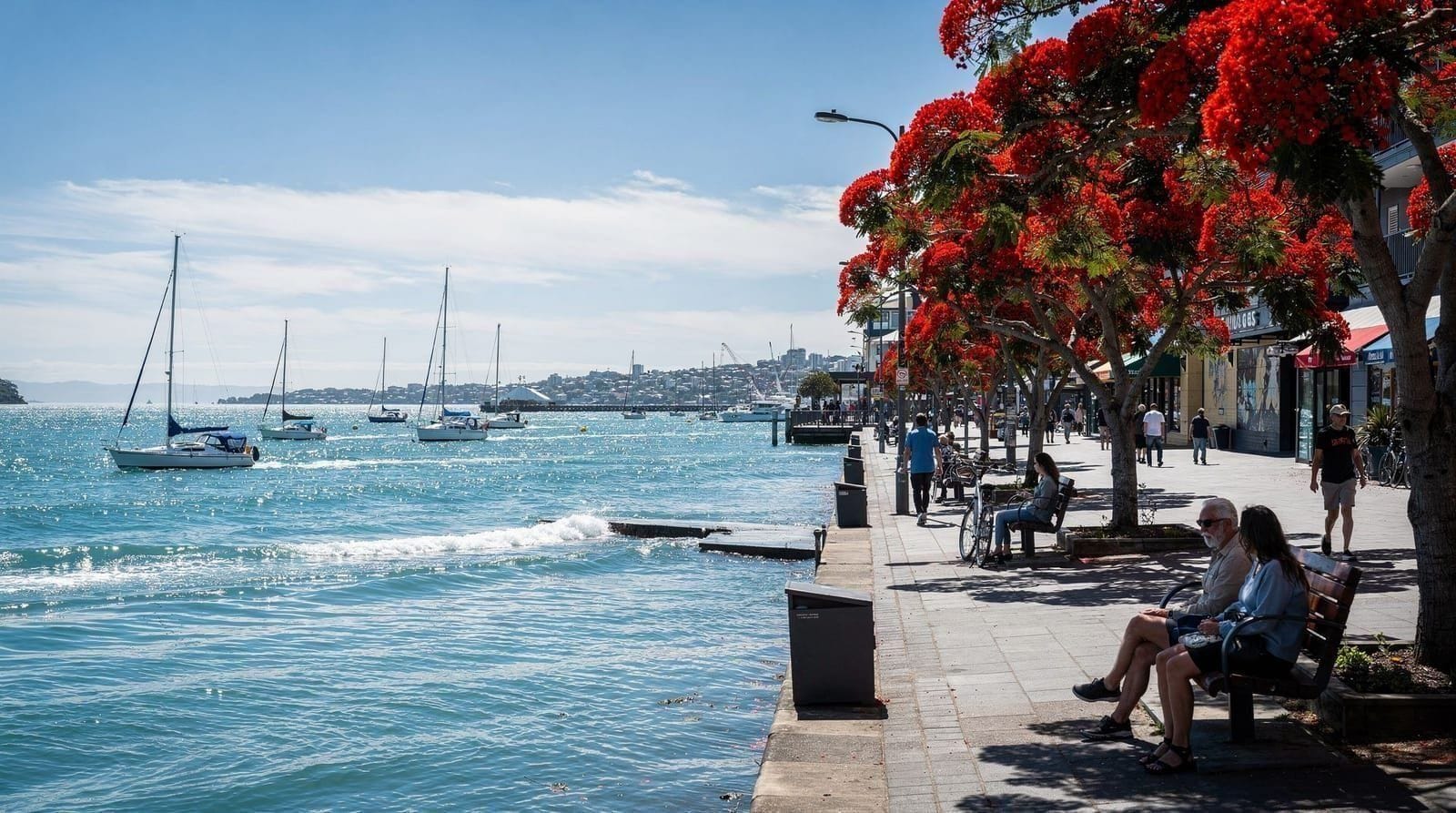
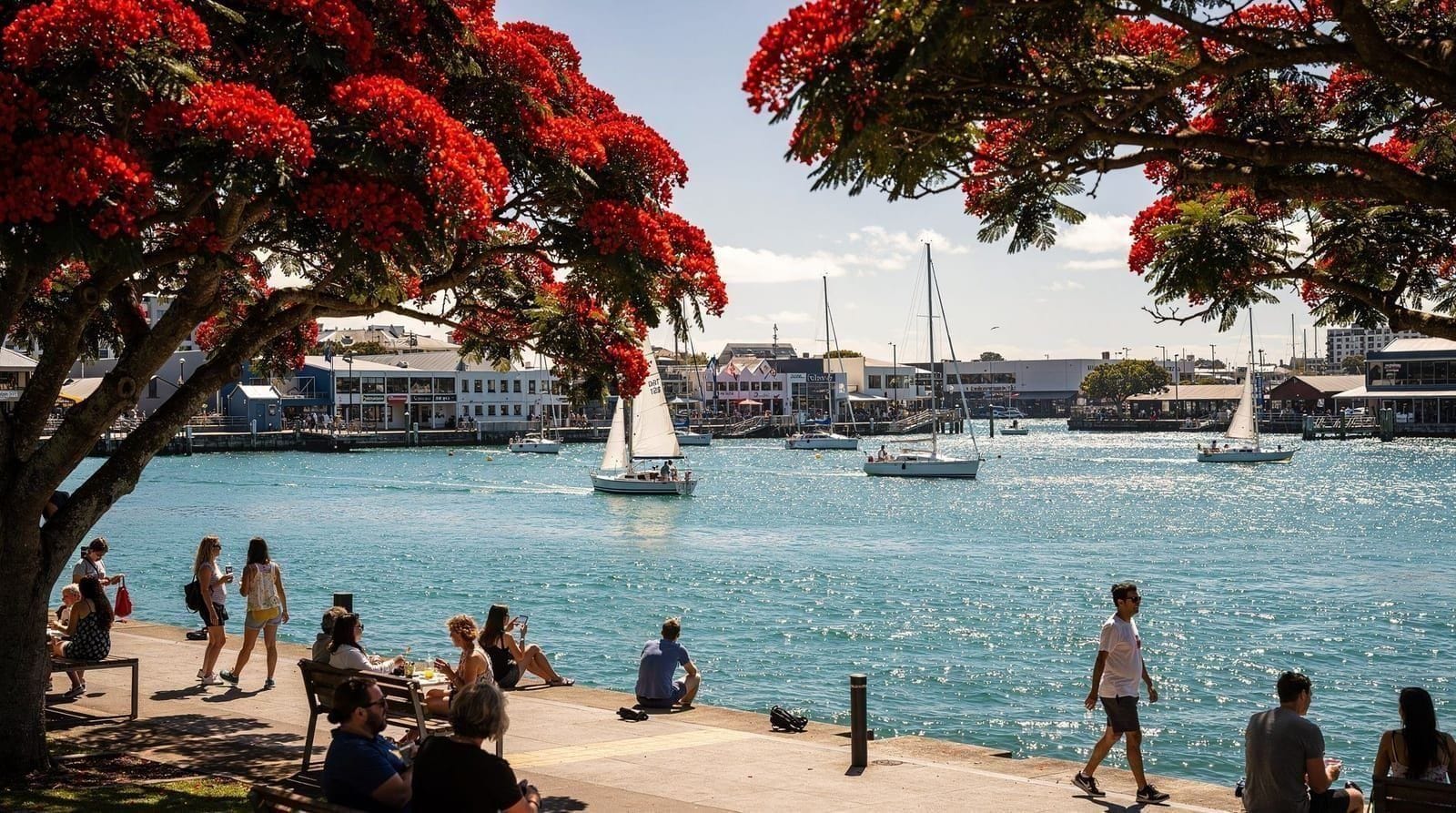
December through February is Auckland’s summer, and it’s the season most international marketing images are drawn from — warm 20-25°C days, a genuinely inviting harbour, and long evenings that stretch well past 8pm. Humidity is a real factor, more noticeable than the raw temperature numbers suggest, particularly in January, and it’s the thing most visitors from drier climates underestimate rather than the temperature itself. Rain doesn’t disappear entirely — Auckland has no truly dry season — but showers tend to be shorter and less frequent than the rest of the year, often clearing within an hour rather than settling in for a full day.
| When | December-February |
| Temperature | around 20-25°C, humid |
| Prices | around 20-30% above shoulder season |
| Crowds | busiest of the year, peaking late Dec-mid Jan |
| Book ahead | Hobbiton, Waitomo, Bay of Islands 2-3 months out |
This is peak tourist season for good reason: it’s genuinely the best weather window for beach days, sailing, and the full range of outdoor activities the city and its surrounding gulf offer. Daylight stretches to its longest of the year, which in practical terms means a full day trip to somewhere like Rotorua or the Bay of Islands leaves you with genuine evening hours left over, something winter’s early sunset simply doesn’t allow. It’s also, unavoidably, the most expensive and crowded time to visit, and understanding that trade-off upfront makes it easier to plan around rather than be surprised by it.
The crowd and price reality
Late December through mid-January overlaps directly with New Zealand’s own summer school holidays, which pushes both prices and crowds to their annual peak — this is the single window worth avoiding if your dates are flexible and crowds bother you. Late January and February ease off meaningfully while still delivering strong summer weather, making them arguably the better summer window if timing allows; the crowds at Hobbiton and on the Waiheke ferry noticeably thin once local school holidays end, even though the weather barely changes. Expect accommodation and tour pricing 20-30% above shoulder-season rates throughout the whole December-February stretch, and book Hobbiton, Waitomo and Bay of Islands cruises 2-3 months ahead — these routinely sell out in summer.
Restaurant tables at popular waterfront spots and rental cars for self-drive day trips also tighten up considerably during this window, so booking early applies well beyond just the headline attractions. Our best time to visit Auckland guide compares summer against the other seasons directly, and is Auckland expensive breaks down what that 20-30% premium actually looks like in real prices.
What summer is best for
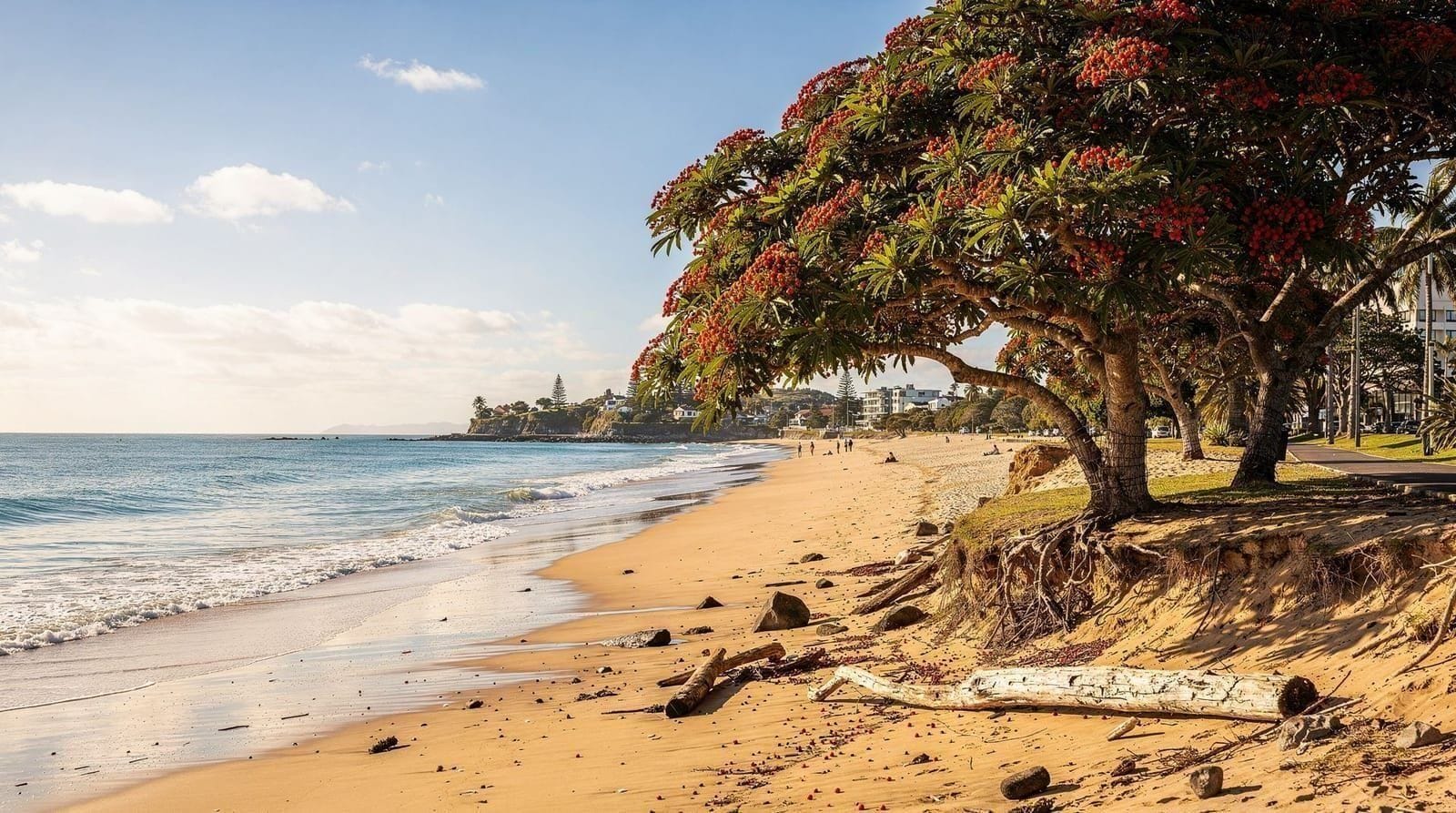
Beaches: Mission Bay, Piha, Muriwai and the Coromandel’s Cathedral Cove/Hot Water Beach are all at their best, with lifeguard patrols typically running October-April. Water temperatures peak through this stretch, making it the one season where a proper swim, not just a paddle, feels genuinely comfortable at most of these spots. Our Auckland beaches guide ranks the options, and Piha in particular is worth the roughly 45-minute drive for its black sand and surf.
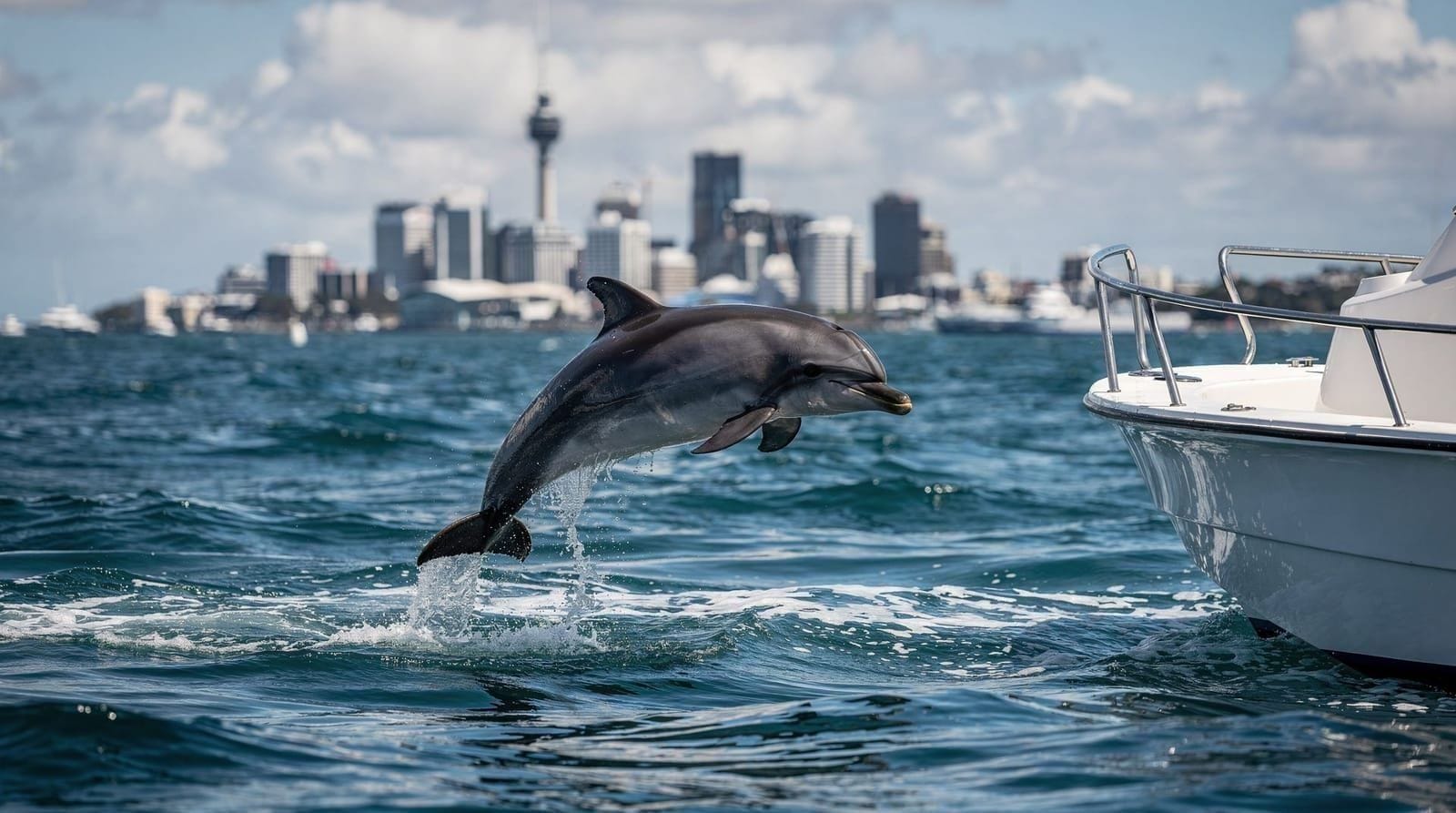
Harbour and sailing activities: warm water and reliable conditions make summer the strongest season for an Auckland harbour sailing cruise , and it’s also a strong window for a whale and dolphin safari in the Hauraki Gulf, when newborn dolphin calves are more commonly spotted alongside the resident Bryde’s whale population.
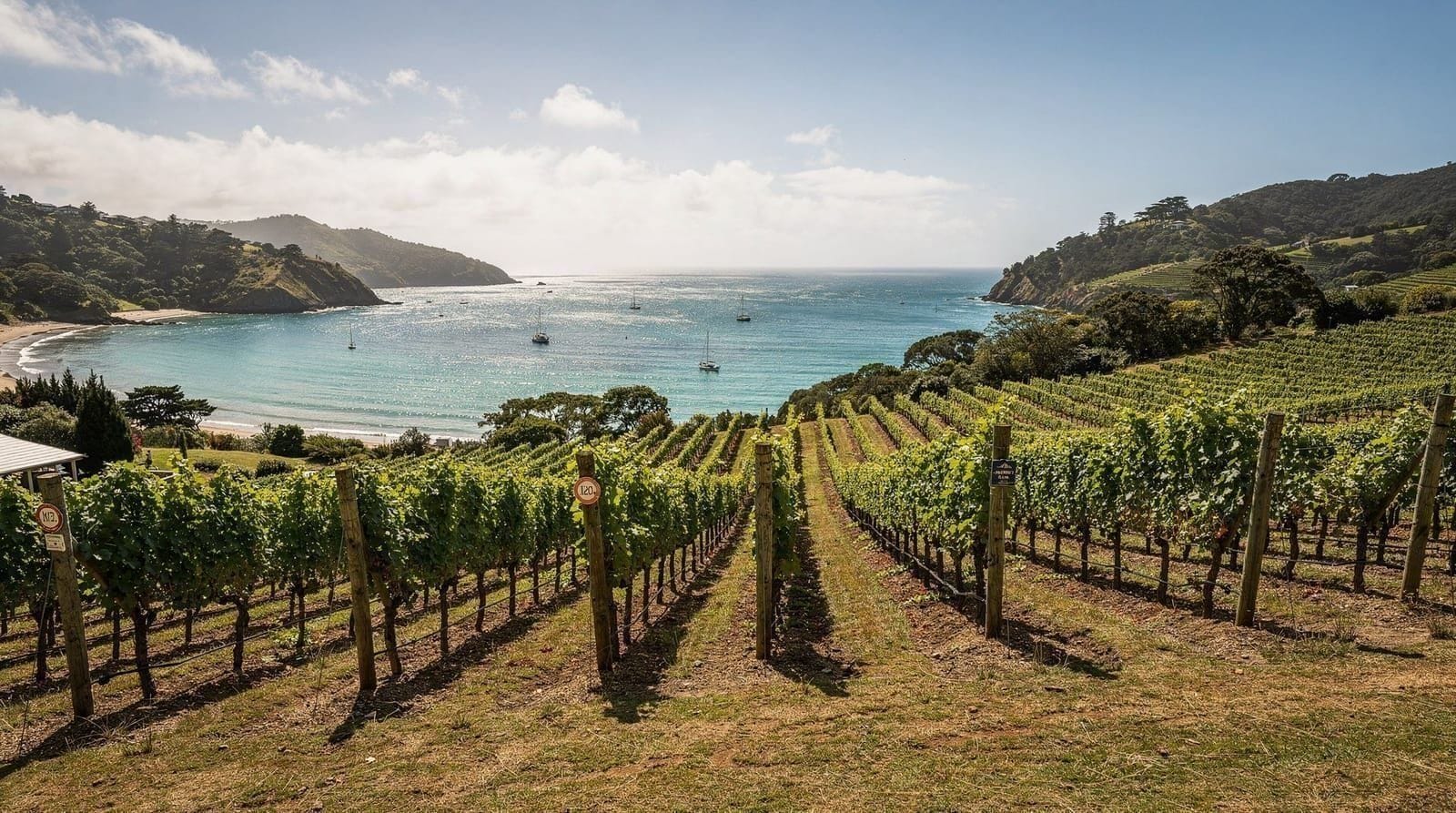
Waiheke Island: vineyard visits, beach clubs and outdoor dining are all at their peak appeal, though ferries and popular wineries are also at their busiest — book ahead. See our Waiheke day trip and Waiheke Island guides for logistics.
Evening activities: long daylight hours mean sunset walks, evening harbour views, and outdoor dining stretch much later than in winter, with the Viaduct and Wynyard Quarter especially lively on warm summer evenings.
Day trips beyond the beach: summer’s settled weather and long days make it a strong window for the full range of North Island day trips, not just coastal ones. Hobbiton is at its most photogenic with hillside gardens in full bloom, Rotorua and Waitomo both benefit from the extra daylight for a full-day round trip, and the Coromandel pairs a beach day with the drive itself. The trade-off is booking pressure — these are the same trips everyone else is planning, so lock in dates early.
What to be aware of
UV levels are genuinely extreme in summer, among the highest recorded globally, and sunburn can occur within 20 minutes of exposure — SPF 50+, a hat and sun-safe scheduling (avoiding peak midday sun for strenuous activity) are non-negotiable, not optional advice. Popular attractions, particularly Hobbiton, run their tightest booking windows and busiest visitor numbers of the year, so advance planning matters more than in any other season.
Humidity can make city walking feel warmer than the raw temperature suggests, especially in January. Rip currents are also a genuine consideration at surf beaches like Piha and Muriwai — always swim between the flags at a patrolled beach, and swim parallel to shore rather than fighting a current if caught in one. Rental cars, popular restaurant bookings and even parking near the waterfront all tighten up in summer, so a little extra planning goes further than it would in shoulder season.
Where to base yourself in summer
Staying centrally, within walking distance of the waterfront and Viaduct, makes the most of summer’s long evenings — you’re not relying on transport after a day out, and the harbour views come with the territory. Suburbs like Devonport or Ponsonby and Grey Lynn offer a slightly quieter, more local summer experience with easy ferry or short drive access back into the centre. Our where to stay in Auckland guide breaks down the trade-offs by neighbourhood, and it’s worth booking summer accommodation earlier than you would for any other season, given how far in advance the best options fill up.
Budgeting for a summer visit
Summer’s 20-30% premium over shoulder-season pricing applies across the board — accommodation, tours, even everyday dining out costs more when demand peaks. That doesn’t mean summer has to blow a budget: booking flights and key attractions early locks in lower prices before the final pre-holiday surge, and self-catering or apartment-style accommodation can offset some of the premium on food costs. Our Auckland trip cost breakdown and Auckland budget guide both use real numbers to show what a summer trip costs against the rest of the year, and is Auckland expensive puts that in context against other destinations.
Family travel in summer
Summer is genuinely the easiest season for family trips to Auckland: warm weather removes the guesswork around outdoor plans, daylight hours are long enough to fit a relaxed pace without rushing, and beaches, harbour cruises and gentle day trips all suit a range of ages well. The trade-off is that summer is also when New Zealand families themselves are travelling, so popular family-friendly spots like Mission Bay and the Auckland Zoo can feel busier than the rest of the year. Booking accommodation with some flexibility — a pool, self-catering kitchen, or proximity to a beach — tends to matter more for family comfort in summer’s heat and crowds than in cooler seasons.
How to plan around the crowds
If you can choose your summer dates, late January or February generally deliver a better balance of strong weather and slightly thinner crowds than the December-January holiday overlap. Booking key attractions — Hobbiton, Waitomo, Bay of Islands cruises — as early as possible is the single biggest lever for avoiding disappointment, since these can sell out weeks in advance during peak season. For accommodation, booking 2-3 months ahead for city hotels near the waterfront avoids both higher last-minute prices and limited availability.
If your travel dates are flexible, shifting even a week or two away from the Christmas-New Year peak, covered in our Auckland events calendar, can noticeably change how crowded a summer trip feels without sacrificing much of the weather itself. For visitors weighing summer against the alternative shoulder seasons entirely, Auckland in winter and best time to visit Auckland lay out the full comparison.
Structuring a summer itinerary
Summer’s long daylight hours and reliable weather make it the most forgiving season for an ambitious itinerary, but that doesn’t mean cramming every day full is the right call. A typical strong summer week might pair two or three beach-and-harbour days in the city — Mission Bay one morning, a sailing cruise another afternoon, an evening waterfront dinner — with one or two full-day trips further out, such as Hobbiton or the Bay of Islands, and a Waiheke day for wine and beach clubs.
Building in at least one unstructured day is worth it even in summer’s good weather, since the temptation to overbook is highest when every day looks equally sunny on the forecast. Our 1-day, 2-day and 3-day Auckland itineraries all work well as a summer base to build around, and north Island 7-day loop suits travellers using Auckland as a launchpad for a longer summer road trip.
Practical logistics: driving, parking and ferries in summer
Self-driving is the most flexible way to reach day trips like Hobbiton, Rotorua or the Coromandel, and summer’s clear, dry-leaning roads make for genuinely pleasant driving compared to winter’s wetter conditions — though the roads themselves get busier too, particularly on weekends and around the Auckland Anniversary Day long weekend in late January. Remember New Zealand drives on the left, and rental cars book out further ahead in summer than any other season.
Parking near popular beaches and the waterfront fills early on warm weekends, so arriving before mid-morning avoids both parking stress and the thickest crowds. The Waiheke ferry runs a full summer timetable with extra sailings, but weekend and evening services still sell out, so booking a return time in advance rather than turning up and hoping is the safer approach. Our getting around Auckland and self-drive vs tour day trips guides cover the trade-offs between renting a car and booking guided tours in more depth.
Light, photography and the golden hours
Summer’s long evenings are genuinely one of the season’s underrated perks for photography — sunset stretches out slowly rather than dropping quickly as it does in winter, giving a longer window for waterfront, beach or Sky Tower views in warm evening light. Early mornings, before the day’s heat and crowds build, are similarly rewarding for beach photography at spots like Piha or Mission Bay, with softer light and far fewer people in frame. If a specific photogenic stop matters to your trip — Hobbiton’s gardens, a Sky Tower sunset, or a Waiheke vineyard at golden hour — summer’s reliable weather makes it the season where you’re least likely to have those plans rained out entirely.
Summer versus the rest of the year
Compared with autumn or spring, summer trades lower prices and thinner crowds for genuinely warmer water and longer days — a fair trade for beach-focused travellers, less so for those who’d rather avoid queues. Compared with winter, the contrast is starker: winter is roughly 20-30% cheaper with far shorter queues, but loses the beach days and long evenings that define a classic Auckland summer trip. Neither season is objectively better; it depends on whether your priority is warm water and long days, or budget and breathing room. Visitors torn between the two are often better served by shoulder season, covered in our Auckland weather by month guide, which threads the needle between summer’s weather and winter’s value.
Common summer mistakes worth avoiding
The most common mistake is underestimating how far ahead popular attractions need to be booked — arriving in Auckland in late December hoping to walk into a Hobbiton slot the next day rarely works during peak season. A close second is underestimating UV exposure: New Zealand’s summer sun is genuinely stronger than equivalent temperatures suggest, and a cloudy-looking day can still burn skin quickly. Overpacking for cold is another frequent misstep — summer rarely dips below the high teens even at night, so heavy layers mostly sit unused in a suitcase. Finally, trying to fit too many long day trips into a short summer visit without any downtime tends to backfire; the temptation is real given how reliable the weather is, but a packed schedule in humid heat is more tiring than the same schedule in cooler shoulder-season conditions.
Who summer suits best
Beach-focused travellers, families wanting the most predictable weather window of the year, anyone prioritising sailing, harbour cruises or whale watching, and visitors who don’t mind paying a premium and dealing with crowds in exchange for the warmest water and longest days Auckland offers. It’s less ideal for budget-conscious travellers or anyone who actively dislikes queues and busy attractions — those visitors are often happier in shoulder season or winter instead. If your priority is genuinely maximising outdoor time, beach days and long evenings above all else, summer remains the clearest, most reliable choice on Auckland’s calendar, and understanding the crowd and price trade-offs upfront is the best way to enjoy it without frustration.
| Month | Weather | Crowds | Notes |
|---|---|---|---|
| December | Warming, increasingly summer-like | Building, surges late month | Early Dec is near-shoulder pricing |
| January | Warmest, most humid | Peak, especially first half | Book Hobbiton/Waitomo well ahead |
| February | Warm, slightly less humid | Easing off after school holidays end | Often the best balance of weather and crowds |
What to pack for an Auckland summer trip
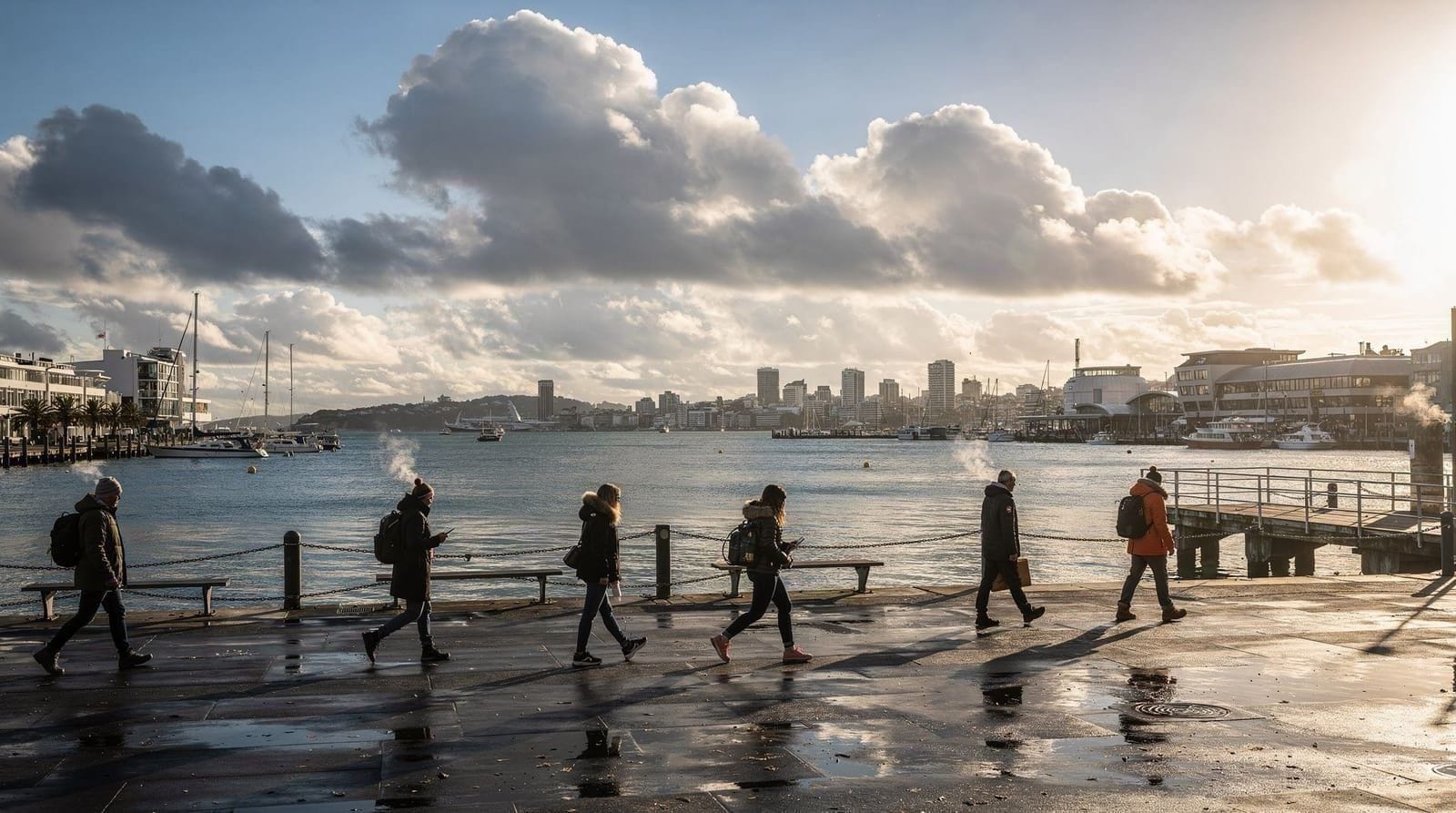
Beyond the basics of light layers and swimwear, a few specific items make a real difference in Auckland’s summer conditions. SPF 50+ sunscreen applied and reapplied through the day matters more here than in most destinations, given the extreme UV — a hat with genuine coverage and sunglasses rated for high UV are worth prioritising over fashion. A light, packable rain jacket still belongs in the bag despite summer being the driest season relatively speaking, since Auckland has no month that’s genuinely rain-free.
Comfortable, breathable walking shoes handle both city exploring and beach access better than sandals alone, particularly for day trips that mix walking with car time. A reusable water bottle helps with hydration in humid heat, and for evenings, a light layer for the harbour breeze, which can pick up even on warm days, rounds out a practical summer packing list. Our full Auckland packing list covers the complete breakdown across every category, seasonal and otherwise.
Frequently asked questions about Auckland in summer
Is Auckland too crowded in summer?
Late December through mid-January is the most crowded window, overlapping New Zealand’s own summer holidays. Late January and February ease off noticeably while still offering strong summer weather.
Do I need to book Hobbiton and Waitomo tours ahead in summer?
Yes, 2-3 months ahead is genuinely recommended for December-February visits. These are New Zealand’s most popular tours and summer slots sell out.
Is it too hot to visit Auckland in summer?
No — 20-25°C is warm but not extreme, and humidity is the bigger factor most visitors notice rather than raw temperature. It’s comfortable for most outdoor activities.
What should I pack for Auckland in summer?
Light layers, swimwear, SPF 50+ sunscreen (New Zealand’s UV is extreme even in summer haze), a hat, and a light rain jacket, since rain remains possible even in the driest season.
Are prices much higher in Auckland summer?
Yes, typically 20-30% above shoulder-season pricing for accommodation and tours, with late December to mid-January the single most expensive window of the year.
Is summer the best time for whale watching near Auckland?
It’s a strong season, particularly for newborn dolphin calves, but not the only good one — June-August brings migrating humpback and southern right whales, so tours genuinely run year-round with different highlights each season.
Is early December a good compromise between summer weather and lower prices?
Yes — the first half of December still runs close to shoulder-season pricing and crowd levels while offering warming, increasingly summer-like weather, before the Christmas-New Year surge takes hold in the back half of the month. It’s one of the better-kept-secret windows on the calendar.
Do I need a rental car in Auckland during summer?
Not necessarily for the city itself, which is walkable and well served by ferries and public transport, but a rental car opens up self-drive day trips to places like the Coromandel or Bay of Islands that are harder to reach efficiently by public transport. Guided tours are a solid alternative if you’d rather not drive on the left.
Is Auckland’s summer humid or dry heat?
Humid. It’s a maritime climate, so summer heat comes with noticeable moisture in the air, especially in January, rather than the dry heat of a continental summer. It rarely feels unbearable, but it’s a real factor in how the temperature is experienced, and lighter, breathable fabrics handle it better than heavier technical clothing.
Which is the better summer month to visit — January or February?
February, for most travellers. January delivers the same warm weather but overlaps New Zealand’s own school holidays, so February offers a genuinely better balance of strong weather and thinner crowds at Hobbiton, Waiheke and the beaches.
Does Auckland summer weather affect the Coromandel or Bay of Islands day trips?
Yes, positively — both benefit from summer’s longer daylight and drier-leaning roads, making the drive itself more pleasant, though weekend traffic and rental car demand also peak alongside the good weather.
Top experiences
Bookable activities with verified prices and instant confirmation on GetYourGuide.