Auckland travel guide: everything you need to plan your trip
Auckland: Skywalk with sky tower entry ticket
What do I need to know before visiting Auckland?
Auckland works best as a 2-3 day base, not a week-long destination — its real value is the North Island day-trip radius (Hobbiton, Waitomo, Rotorua, Waiheke, Bay of Islands). Most visa-waiver nationals need an NZeTA (NZD 17-23) plus the NZD 100 IVL levy before arrival. Budget NZD 100-150/day (budget), NZD 250-350/day (mid-range) or NZD 600-1,000+/day (luxury), and expect year-round rain with extreme UV even on cloudy days.
Why Auckland works as a North Island base
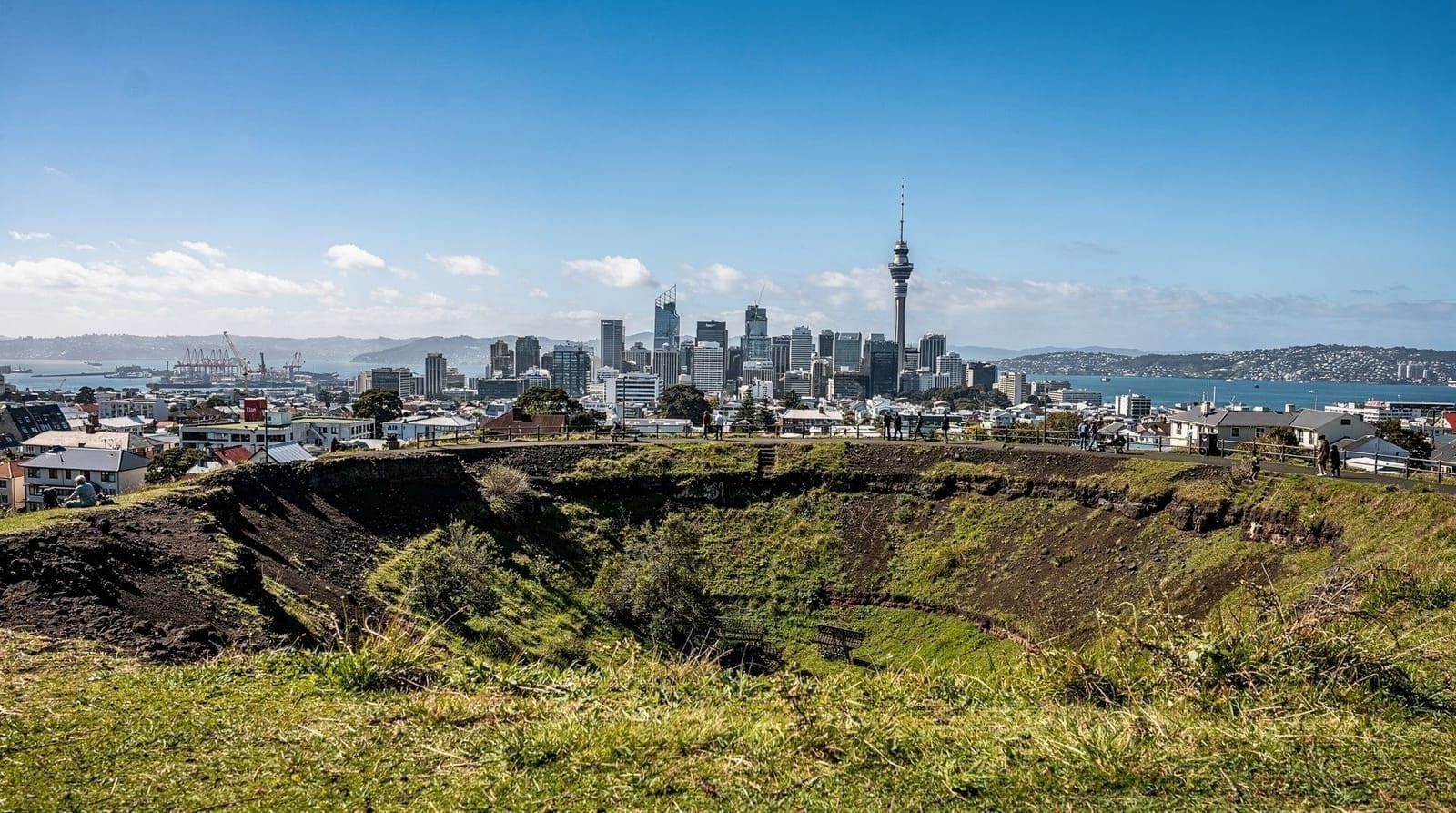
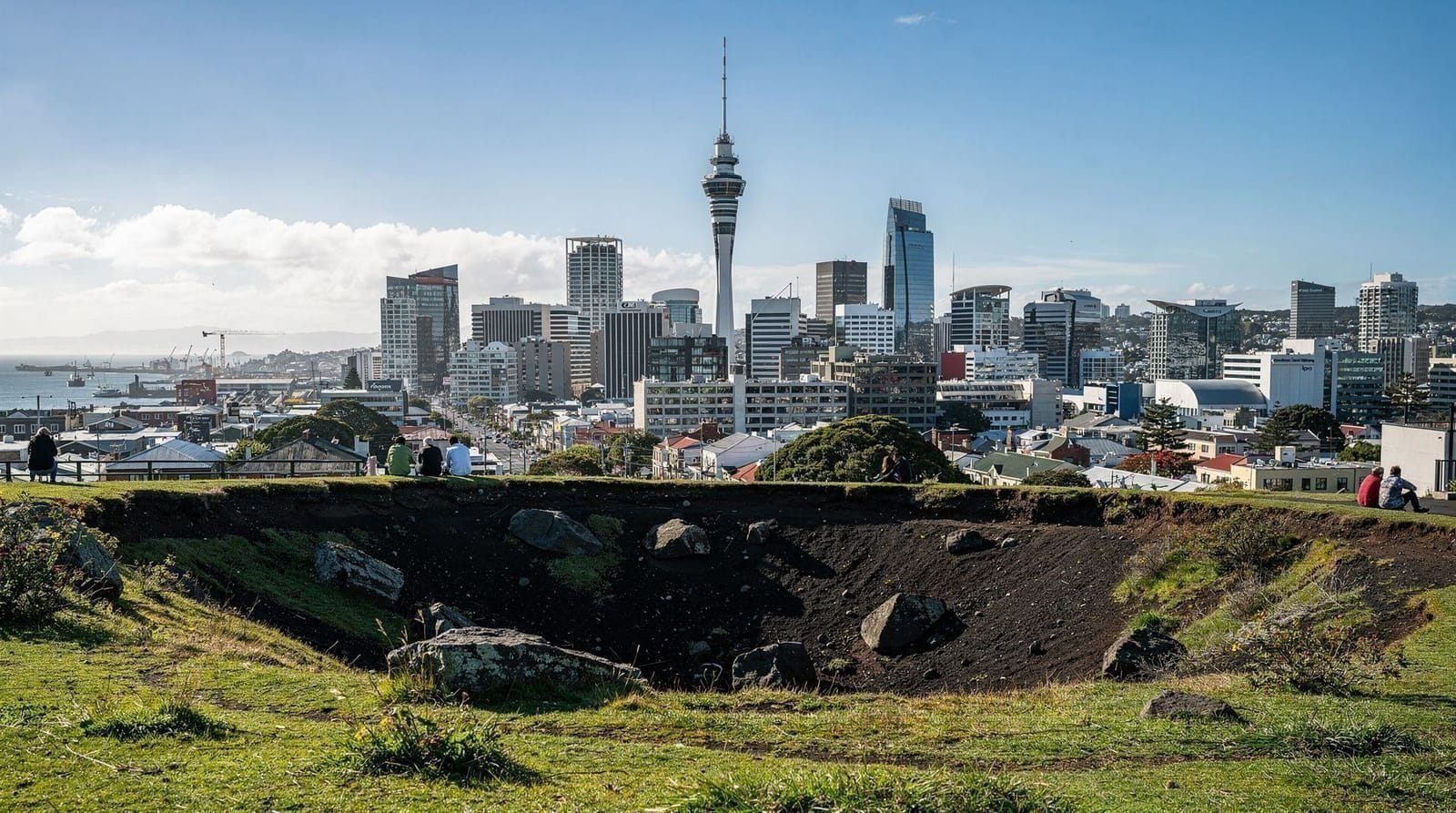
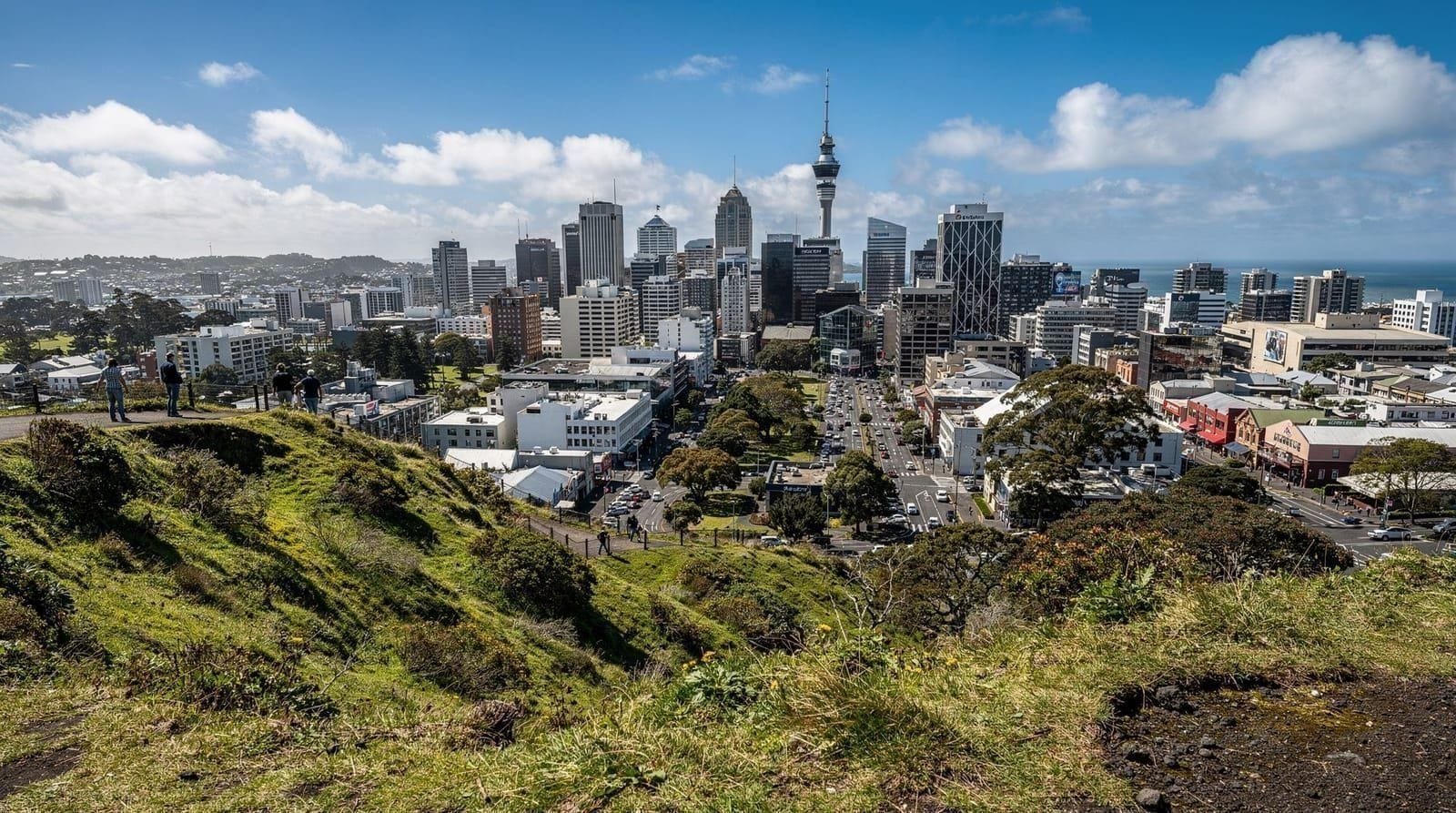
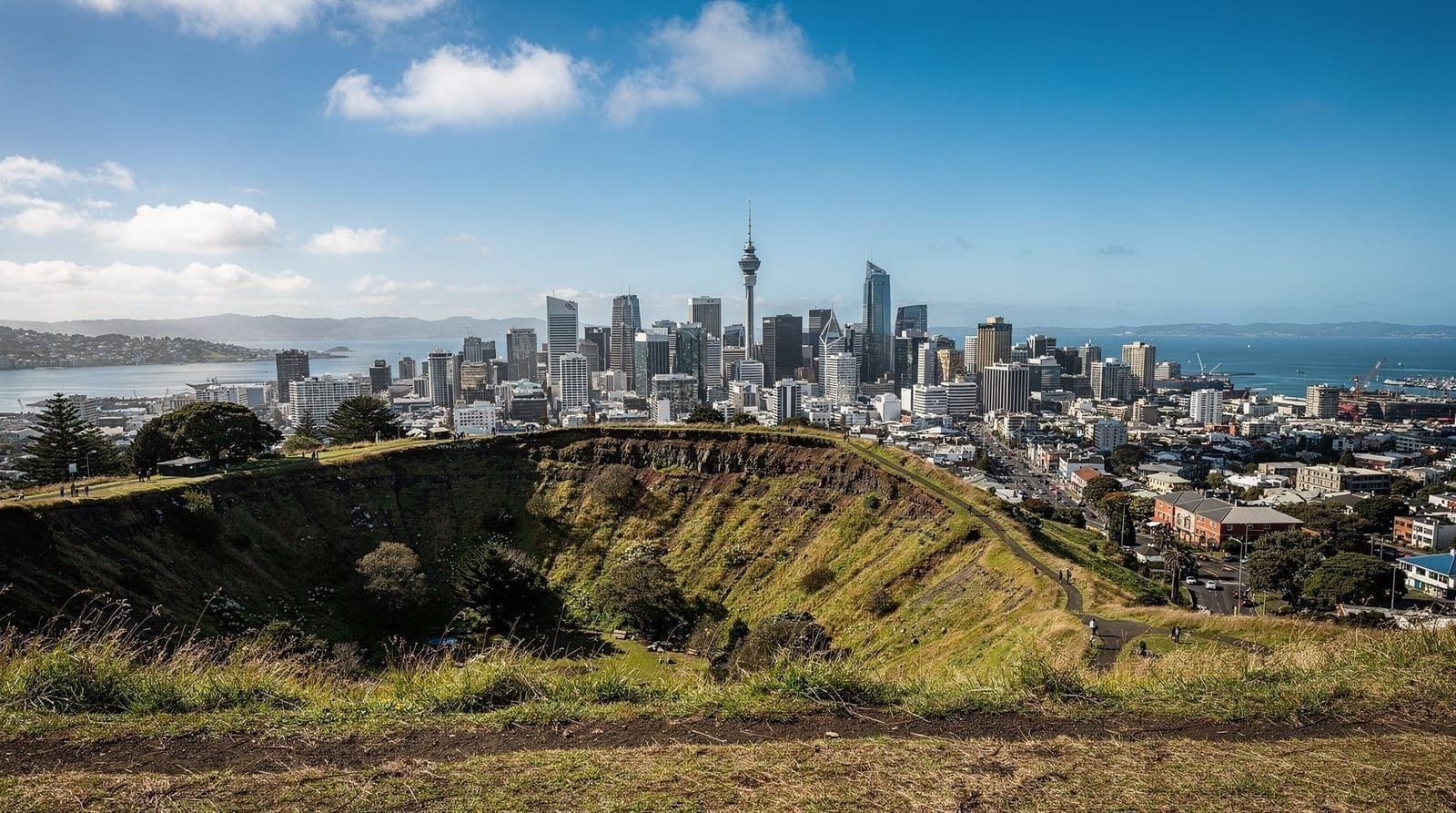
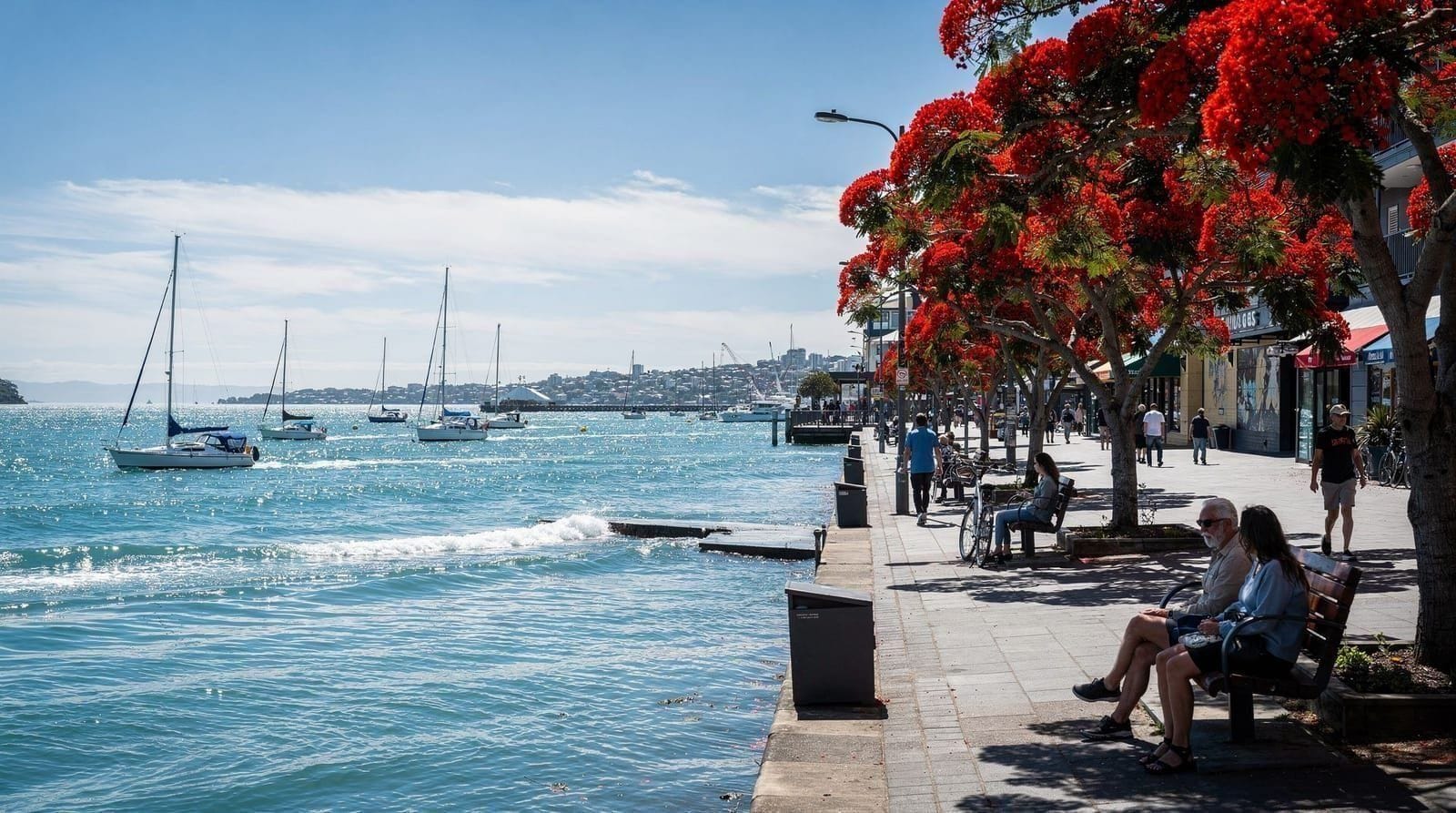
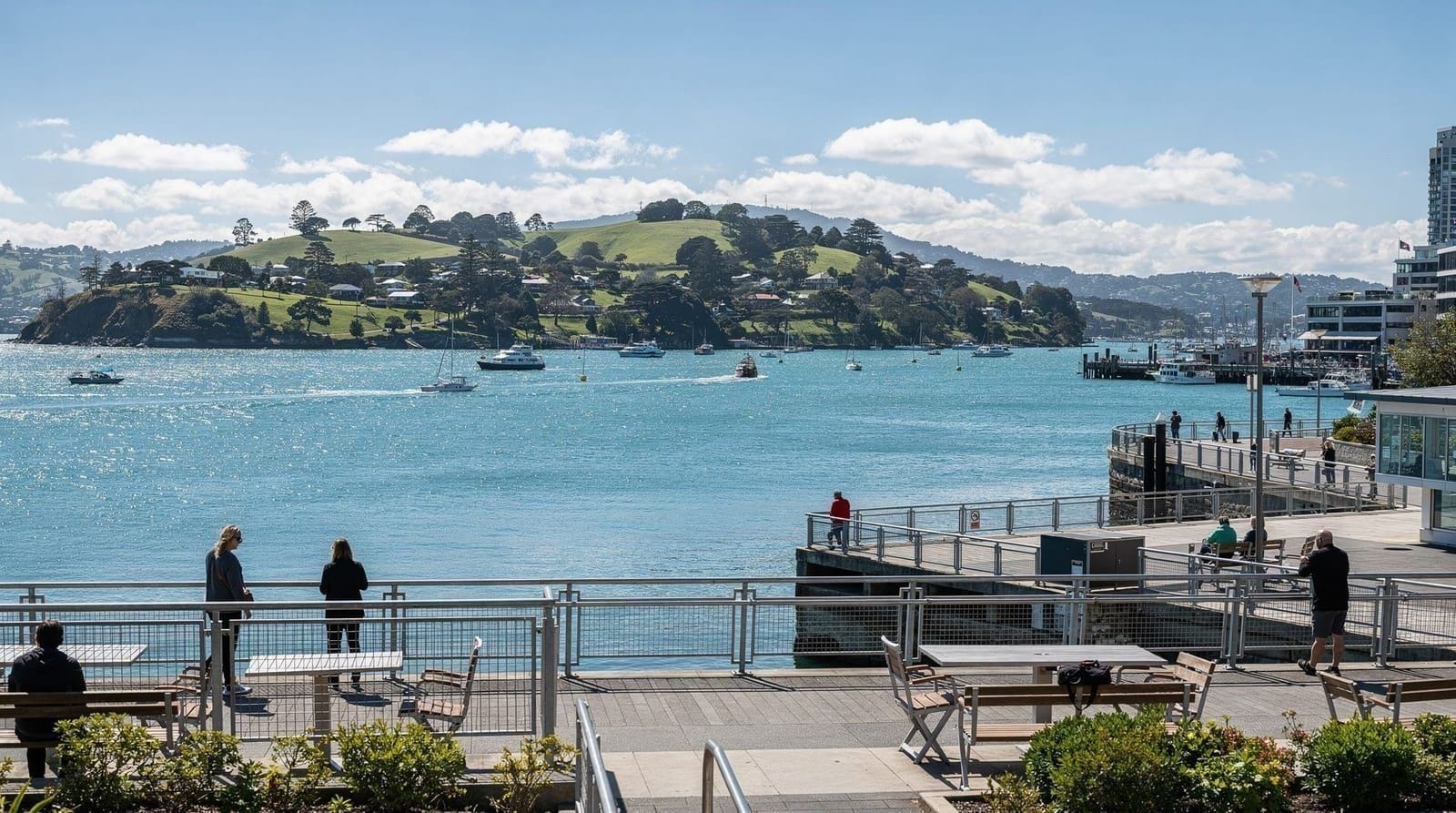
Auckland is New Zealand’s largest city and, for most international visitors, the first place their trip actually begins. It sits on a narrow isthmus between two harbours, has its own volcanic cones and island-studded gulf, and — more importantly for trip planning — puts almost every major North Island highlight within a half-day’s drive. Hobbiton is roughly two hours away, Waitomo two and a half, Rotorua about three, and the Bay of Islands a similar distance north. That radius is Auckland’s real value: fewer travellers come here to spend a week in the CBD, and more use it as a logistics hub for a loop through the North Island.
That doesn’t make Auckland a mere transit point at all — plenty of visitors who plan it as “just the airport city” end up genuinely surprised by how much the waterfront, museum and volcanic cones deliver in their own right. The Auckland War Memorial Museum holds one of the finest Māori and Pacific taonga (treasure) collections in the world, the waterfront and Sky Tower give the city a genuine skyline, and a short ferry ride reaches Waiheke Island’s vineyards or Rangitoto’s volcanic summit. The honest framing, covered in more depth in our is Auckland worth visiting verdict, is that the city rewards two to three focused days rather than a lingering week.
This guide pulls together the planning essentials — timing, entry requirements, budget, transport, accommodation and day trips — so you can build an itinerary without hunting through a dozen separate pages.
| Airport | Auckland Airport (AKL), 30-40 min to CBD |
| Entry | NZeTA (NZD 17-23) + NZD 100 IVL for most visa-waiver nationals |
| Time in the city | 2-3 days is enough |
| Day-trip radius | Hobbiton ~2h, Waitomo ~2.5h, Rotorua ~3h, Bay of Islands ~3h |
| Mid-range budget | Around NZD 250-350/day |
| Best base | CBD/Viaduct for first-timers, Ponsonby for return visitors |
Most first-time visitors arrive with one of two mental models, and both need adjusting. The first is treating Auckland like a European capital, expecting a dense historic centre you can wander for a week — Auckland doesn’t have that, and trying to force it produces a flat, padded itinerary. The second is treating it as a pure gateway to be skipped in a day, which undersells a genuinely good waterfront city and the best Māori and Pacific museum collection anywhere. The right model sits between those two: a compact, worthwhile city base of two to three days, married to a day-trip radius that’s arguably the country’s biggest single planning asset. Get that balance right and an Auckland-anchored trip works well for almost any traveller type, from a five-day weekend to a full North Island loop.
When to visit
Auckland sits in the Southern Hemisphere, so its seasons run opposite to the Northern Hemisphere calendar. Summer (December-February) is warm at 20-25°C and is peak season for a reason — long days, packed beaches, and the fullest tourism infrastructure — but it also means the highest prices and the most crowded attractions, particularly Hobbiton and Waiheke ferries.
Shoulder seasons — autumn (March-April) and spring (September-November) — are widely considered the sweet spot. Temperatures stay mild (15-20°C), skies are clearer than winter, and prices and crowds both ease off noticeably. Winter (June-August) is mild by global standards (10-15°C) but wet, with June-July the rainiest months and sunset as early as 4:30pm. It’s a legitimate season for cosy museum visits, geothermal spas and quieter attractions, but not ideal if you want long outdoor days. For the full month-by-month breakdown, see our best time to visit Auckland and Auckland weather by month guides.
One planning detail that surprises visitors: Waitomo’s glowworms are visible year-round regardless of season, since they live in a stable underground climate — see best time to see the Waitomo glowworms if that’s a trip priority.
| Season | Months | Temps | Trade-off |
|---|---|---|---|
| Summer | Dec-Feb | 20-25°C | Peak crowds and prices, best beach weather |
| Autumn | Mar-Apr | 15-20°C | Sweet spot: mild, clearer skies, easing crowds |
| Winter | Jun-Aug | 10-15°C | Wettest months, early sunsets, cheapest rates |
| Spring | Sep-Nov | 15-20°C | Second sweet spot, fewer crowds than summer |
Public holidays and school holidays to plan around
New Zealand’s school holidays (roughly early-mid January, mid-April, early-mid July and late September-mid October) push up domestic demand for Waiheke ferries, Hobbiton tours and Bay of Islands accommodation noticeably beyond the general summer peak, so book those specifically further ahead if your trip overlaps one. Auckland Anniversary Day (late January) and Waitangi Day (6 February) are notable public holidays that can mean reduced hours at some smaller attractions and busier waterfront areas with local celebrations — worth checking specific opening hours rather than assuming standard weekday service. None of this should deter a visit during these windows; it just changes how far ahead you should book the popular day trips.
Getting there and entry requirements
Auckland Airport (AKL) is the country’s main international gateway, about 23km south-east of the CBD (30-40 minutes by car or SkyBus). Most visa-waiver nationals — including US, Canadian, UK, EU, Japanese and Australian passport holders — can stay up to three months without a formal visa (six months for UK citizens), but almost everyone in this group still needs to apply for an NZeTA (New Zealand Electronic Travel Authority) before departure.
The NZeTA costs NZD 17 via the mobile app or NZD 23 via the website, and separately you’ll pay the International Visitor Conservation and Tourism Levy (IVL) of NZD 100. Together that’s roughly NZD 120 per person, valid for two years with multiple entries. Processing is usually instant but can take up to 72 hours, so apply at least a few days before you fly, not at the airport. Full details, including which passports qualify and how to apply, are in our dedicated NZeTA visa guide.
Your passport needs to be valid for at least three months beyond your planned departure date from New Zealand, and border officials may ask about proof of onward travel or sufficient funds, though this is rarely enforced strictly for well-prepared travellers.
Budget: how much does an Auckland trip cost
New Zealand isn’t a budget destination, but it’s not in London or Zurich territory either — think Sydney or a mid-sized US city. Daily budgets fall into three rough tiers:
- Budget: NZD 100-150/day — hostel dorms, self-catering or cheap eats, public transport, free attractions
- Mid-range: NZD 250-350/day — a comfortable hotel room, casual restaurant meals, some paid activities
- Luxury: NZD 600-1,000+/day — four-star-plus accommodation, fine dining, private tours
Concrete reference points: a flat white costs NZD 5-6.50, a casual dinner NZD 20-30, Sky Tower entry around NZD 35-40, a Hobbiton tour NZD 130 including the Green Dragon drink, and a Waiheke ferry return NZD 50-60. Our Auckland budget guide and Auckland trip cost breakdown go through these numbers day by day, and is Auckland expensive compares the city directly against other popular destinations if you’re deciding where your money goes furthest.
Getting around Auckland
Within the city, an AT HOP card is the single best transport decision you can make — it gives a 20% discount over cash fares across bus, train and ferry, and caps your spending at NZD 50 over any 7-day period. Cards are available at the airport, supermarkets and convenience stores. The SkyBus connects the airport to the city centre for NZD 18 one-way, running every 10-20 minutes.
For day trips beyond the city, public transport stops being practical — Hobbiton, Waitomo, Rotorua and the Coromandel are all best reached by rental car (NZD 40-80/day plus insurance) or an organised tour. New Zealand drives on the left, and an International Driving Permit is generally accepted alongside your home licence. Our getting around Auckland, AT HOP card guide and self-drive vs tour for day trips guides cover the trade-offs in detail — the short version is that a tour removes the stress of navigation and parking, while self-driving gives you flexibility and is usually cheaper for groups of two or more.
Within the CBD, walking is often faster than waiting for a bus — the waterfront, Sky Tower, Britomart and the Viaduct are all within a 15-20 minute walk of each other. Rideshare apps (Uber and Ola both operate widely) fill the gap for late-night trips or when you’re carrying luggage, and generally cost less than a taxi. Ferries deserve a mention of their own: beyond the tourist-focused Waiheke and Devonport routes, Auckland runs a genuine commuter ferry network to the eastern bays, and a return Devonport crossing on an ordinary AT HOP fare is one of the cheapest scenic experiences in the city.
For a first orientation to the city itself, an Auckland Skywalk with Sky Tower entry ticket gives a genuinely useful 360° overview before you start exploring at street level.
Money, cards and staying connected
New Zealand runs on the New Zealand dollar (NZD), and contactless card payments are close to universal — cafés, taxis, market stalls and even some public toilets accept tap-to-pay, so there’s little practical need to carry much cash. ATMs are widely available in the CBD and every suburban centre, though it’s worth checking your home bank’s foreign transaction fees before relying on cash withdrawals. A handful of small operators, particularly weekend markets, remain cash-preferred, so keeping NZD 40-60 on hand covers most edge cases.
For connectivity, a local prepaid SIM or eSIM from Spark, One NZ (formerly Vodafone) or 2degrees is the most reliable option outside the city, since Auckland’s CBD has excellent coverage but rural stretches on the way to Hobbiton or the Coromandel can drop out. Airport kiosks sell SIMs on arrival, though pre-ordering an eSIM online before you fly avoids the queue. Free wifi is common in cafés, the airport and most accommodation, so a data plan is more about reliability during day trips than a strict necessity in the city itself.
Where to stay
Auckland’s accommodation splits roughly into three useful bases: the CBD/Viaduct/Wynyard Quarter for waterfront convenience and walkability to the Sky Tower and ferry terminal; Ponsonby/Grey Lynn for a quieter, café-and-restaurant-heavy neighbourhood with a short drive or bus ride into the centre; and Devonport, a genuinely charming option across the harbour with a 12-minute ferry commute if you don’t mind the crossing. Our where to stay in Auckland guide breaks each area down by traveller type — first-timers with limited time generally do best in the CBD or Viaduct, while return visitors or those prioritising food and atmosphere often prefer Ponsonby.
How many days do you need
The honest answer, covered fully in our how many days in Auckland guide, is 2-3 days for the city itself. That’s enough for the Museum, the waterfront, one harbour crossing (Waiheke or Devonport), and a couple of neighbourhood explorations without rushing. Beyond that, additional days are better spent on day trips than repeating city blocks — see our Auckland in a day guide if you’re working with a tight single-day window, perhaps from a cruise stop or long layover.
The best North Island day trips from Auckland
This is where most Auckland itineraries earn their keep. Within roughly two to three hours you can reach:
- Hobbiton (Matamata, ~2 hours): the Lord of the Rings and Hobbit film set, still one of New Zealand’s most-booked tours — an official Hobbiton Movie Set guided tour includes the Green Dragon Inn stop.
- Waitomo (~2.5 hours): underground glowworm caves and black-water rafting.
- Rotorua (~3 hours): geothermal parks, mud pools and Māori cultural experiences, often paired with Hobbiton on a two-day loop.
- Waiheke Island (40-minute ferry): vineyards, olive groves and beach clubs, best explored on a Waiheke Island wine tasting tour .
- Bay of Islands (~3 hours): Hole in the Rock cruises, dolphin watching and Waitangi’s treaty grounds.
- Coromandel Peninsula/Cathedral Cove (2.5-3 hours): sea arches, hot-water beaches and scenic coastal drives.
Our best day trips from Auckland guide ranks all of these against each other by drive time, cost and who they suit, and the hobbiton and Waitomo combo guide covers the most popular two-in-one option for travellers short on time.
Māori culture: what to know before you go
Te reo Māori is New Zealand’s official language and appears constantly in place names — Tāmaki Makaurau is Auckland’s Māori name, and Waitematā (the main harbour) means “waters reflecting the sky.” A few points of etiquette go a long way: avoid touching people’s heads without invitation (it’s considered tapu, or sacred), ask before photographing people or entering a marae, and treat rāhui (temporary closures, often for conservation or cultural reasons) as genuinely off-limits. Our respectful Māori tourism and Māori culture in Auckland guides go into this properly, and a traditional hāngī and Māori cultural experience in Rotorua is one of the most substantive ways to engage with it directly.
Packing and practicalities
New Zealand’s UV levels are genuinely extreme — SPF 50+ is non-negotiable even under cloud cover, and sunburn can happen within 20 minutes in summer. Pack layers regardless of season, since weather shifts quickly, and bring a universal adapter for New Zealand’s Type I plugs (230V). Tap water is safe everywhere, and the emergency number is 111. Our full Auckland packing list covers exactly what to bring by season, and first-time Auckland tips rounds up the smaller things — tipping isn’t expected, contactless cards work almost everywhere, and rip currents mean you should always swim parallel to shore if caught in one.
Beyond sun protection, the other practicality worth planning around is New Zealand’s genuinely changeable weather — locals half-joke about experiencing four seasons in a day, and it’s not far off. A light rain shell earns its space in any bag regardless of season, and layering beats a single heavy jacket since temperatures swing noticeably between morning and afternoon. Comfortable walking shoes matter more than anything fashion-driven; Auckland’s volcanic cones and waterfront paths are the city’s best free activities, and none of them are enjoyable in the wrong footwear.
Family travel in Auckland
Auckland is a genuinely easy city to bring kids to. Mission Bay’s beach and playground sit right on the waterfront, the Auckland Museum has interactive exhibits that hold children’s attention well beyond the standard “look, don’t touch” museum experience, and Rangitoto or Devonport both make for manageable half-day family outings via a short, scenic ferry ride rather than a long car trip. Public transport is stroller-friendly, and most cafés are relaxed about kids without requiring a dedicated “family” designation.
Day trips need more thought with children in tow. Hobbiton is broadly kid-friendly and paced well for families, but Waitomo’s black-water rafting options skew toward teenagers and adults — the standard glowworm boat tour is the better family choice. Long driving days (Rotorua and Bay of Islands both push three hours each way) are more manageable if broken into an overnight trip rather than a single exhausting day, particularly with younger children. If a family day trip is central to your plans, our family day trips from Auckland guide is built specifically around that lens.
Mistakes first-time visitors make
A handful of planning mistakes come up repeatedly. The most common, already mentioned above, is over-allocating city time at the expense of day trips — Auckland’s CBD rewards two to three focused days, not five. The second is underestimating drive times: Rotorua and the Bay of Islands are both genuine three-hour drives each way, not the “just outside Auckland” distances some itineraries imply, and cramming two of these into one day usually backfires.
The third is skipping the NZeTA application until the airport, when it should be done days in advance — processing is often instant but occasionally takes up to 72 hours, and there’s no walk-up alternative if it’s not sorted. Finally, many visitors underestimate the UV exposure on an overcast day and end up with sunburn severe enough to affect the rest of their trip; treating sunscreen as a daily habit rather than a beach-day-only precaution avoids this entirely.
Auckland for different traveller types
The same city plays out differently depending on who’s visiting. Solo travellers find Auckland genuinely easy and safe, with hostels concentrated in the CBD and Ponsonby, and public transport plus walking covering most needs without a car — see our solo travel Auckland guide for specifics. Couples tend to prefer Ponsonby or Devonport for atmosphere over pure convenience, and a sunset harbour cruise or Waiheke wine day makes an easy highlight.
Families benefit most from the CBD or Viaduct for walkability to the Museum and waterfront playgrounds, with day trips paced around nap schedules and shorter drive times rather than the full three-hour Rotorua or Bay of Islands runs. Budget travellers can get real value from free attractions (Mount Eden, the Domain, most beaches) balanced against one or two paid day trips, rather than trying to do everything.
Sustainability and responsible travel
Auckland and the wider Hauraki Gulf face genuine environmental pressures — the gulf’s marine ecosystem is actively recovering from historical overfishing, and several islands (Tiritiri Matangi among them) run predator-free conservation programmes that visitors can support simply by following biosecurity rules: check and clean footwear and bags before island ferries, and never bring food scraps that could introduce pests. Choosing operators with genuine sustainability practices, walking or using public transport within the city instead of defaulting to rideshares, and supporting Māori-owned tourism operators for cultural experiences are all small, realistic ways to make a trip’s footprint lighter without changing your itinerary. See our sustainable travel Auckland guide for a fuller list.
A sample first-time itinerary
A workable structure for a first Auckland-based trip: two to three days in the city covering the Museum, waterfront and one island crossing, followed by a Hobbiton-Waitomo-Rotorua loop of two to three days, then either a Bay of Islands add-on or a move south toward Wellington and the South Island. Our 2-day Auckland, 3-day Auckland and Auckland-Rotorua 3-day itineraries give ready-made day-by-day templates you can adapt, and the North Island 7-day loop is the natural extension if you have a full week.
Frequently asked questions about planning a trip to Auckland
How many days should I spend in Auckland?
Two to three days covers the city itself well. Most first-time visitors then add two to four more days for day trips or a short loop to Hobbiton, Waitomo and Rotorua before continuing south.
Do I need a visa to visit Auckland?
Around 60 nationalities, including the US, Canada, UK, EU, Japan and Australia, can enter visa-free for up to three months, but almost all visa-waiver visitors still need an NZeTA before travel, plus the NZD 100 International Visitor Levy.
Is Auckland expensive to visit?
It’s comparable to Sydney or a mid-sized US city — pricier than Southeast Asia, cheaper than London, Zurich or Tokyo. A realistic mid-range daily budget is NZD 250-350 per person including accommodation.
What’s the best time of year to visit Auckland?
March-April and September-November offer the best combination of mild weather, lower prices and thinner crowds. December-February is peak summer with the best weather but the highest prices and busiest attractions.
Do I need a car in Auckland?
Not for the city itself — public transport with an AT HOP card covers it well. For day trips to Hobbiton, Waitomo, Rotorua or the Coromandel, a rental car or an organised tour is far more practical than public transport.
Is Auckland safe for tourists?
Yes, it’s one of the safer city destinations globally. The main real risks are sunburn from extreme UV levels and rip currents at unpatrolled beaches, not crime.
What’s the biggest mistake first-time visitors make when planning an Auckland trip?
Spending too many days in the city itself instead of allocating time to day trips. Auckland’s CBD highlights are covered comfortably in two to three days; the North Island’s best experiences are largely outside city limits.
Should I book day trips before I arrive?
For Hobbiton specifically, yes — it sells out during peak summer and school holidays, so book at least a few weeks ahead if your dates are fixed. Waitomo and Rotorua are more flexible for last-minute booking outside peak season, and Waiheke ferries rarely need advance booking except on the busiest summer weekends.
Is Auckland worth visiting if I’m short on time?
Yes, even a single day works — see our Auckland in a day guide for a realistic itinerary covering the Museum, waterfront and one highlight, though two to three days lets you add a harbour crossing without feeling rushed.
Top experiences
Bookable activities with verified prices and instant confirmation on GetYourGuide.