25 things to know before visiting Auckland
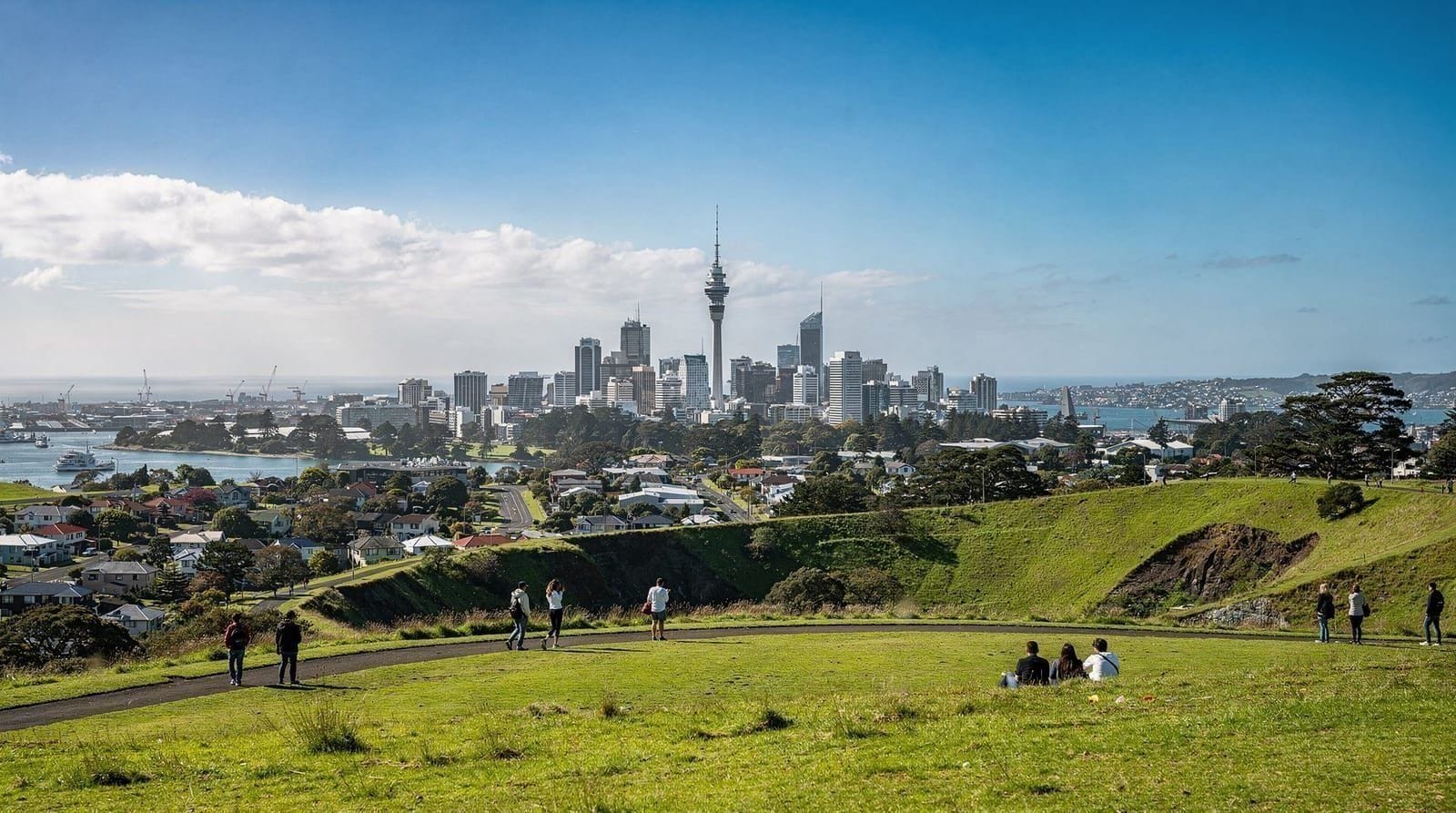
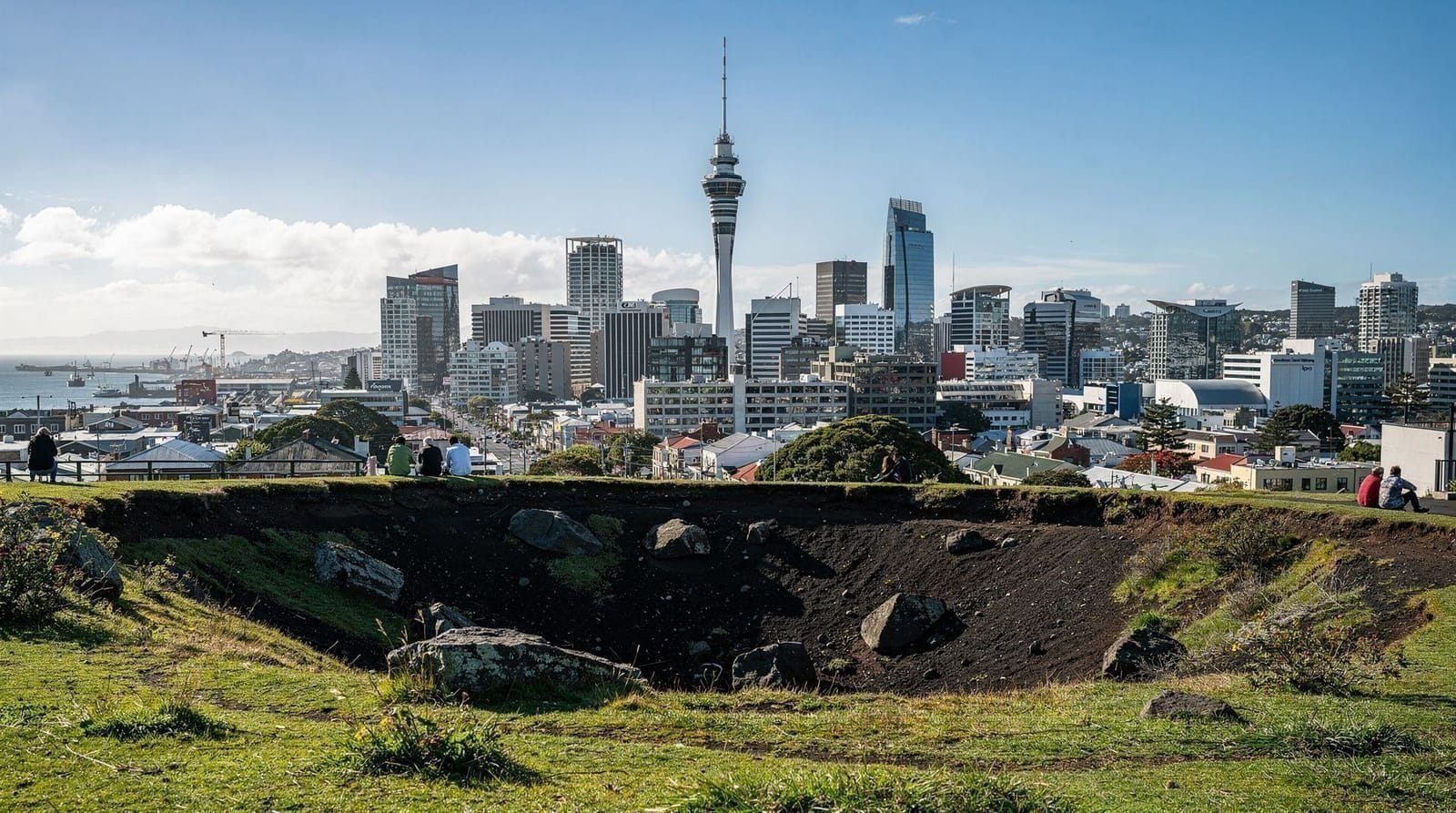
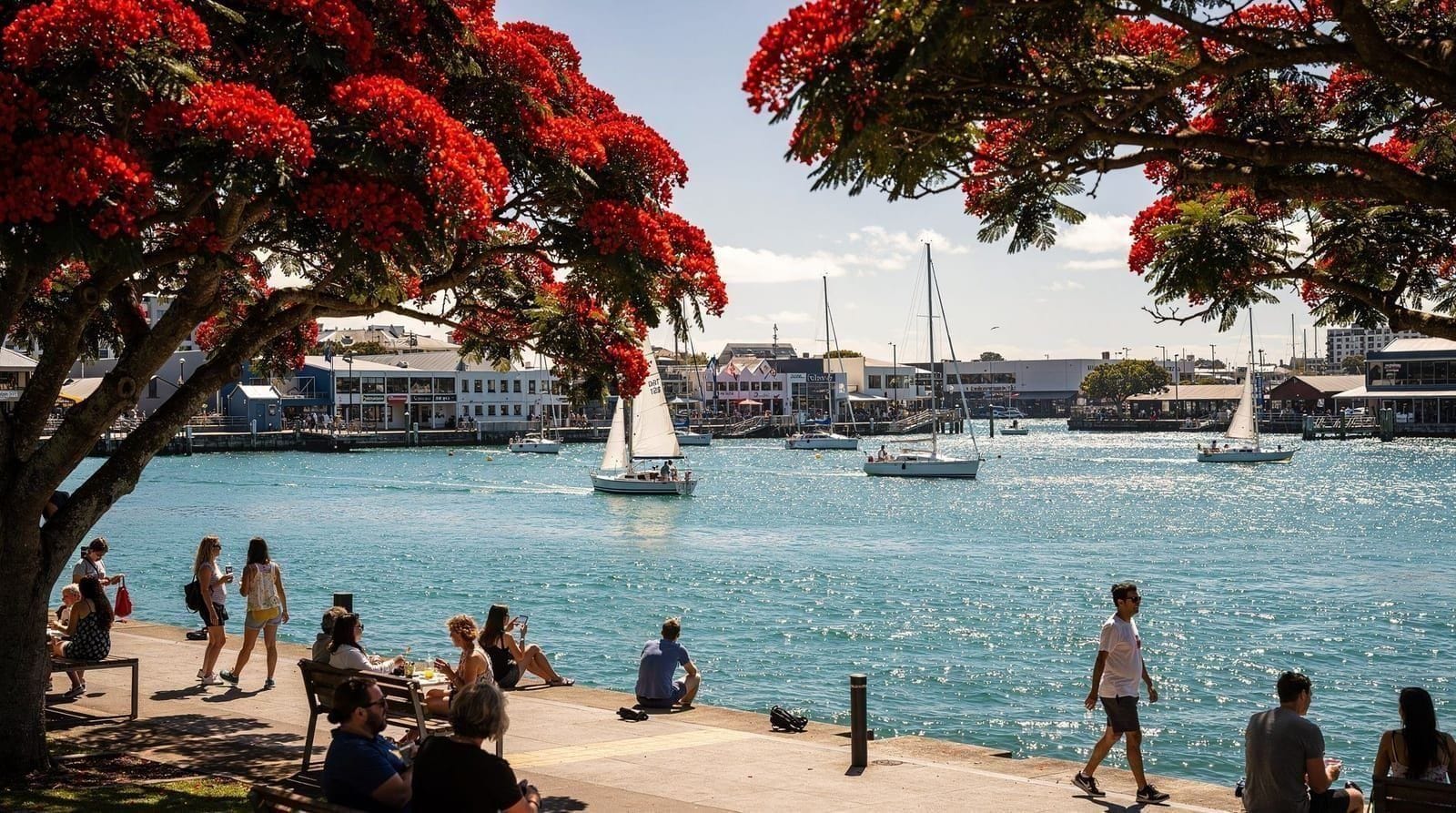
Auckland doesn’t behave like most cities travellers arrive expecting. It’s spread wide across two harbours, built on more than 50 extinct volcanoes, and runs on a rhythm that’s closer to a collection of villages than a single compact downtown. None of that is a problem once you know it going in — it only trips people up when they land assuming Auckland works like London or Sydney. Here’s what actually matters before you touch down, gathered from the questions first-time visitors ask most often.
| Entry requirement | NZeTA (around NZD 120 total with the levy) |
| Currency | NZD, roughly 0.60 USD |
| Driving side | Left |
| Best first move | AT HOP card + SkyBus from the airport |
| Minimum stay | 3 days for Auckland alone, 5-7 with day trips |
Before you land
1. You almost certainly need an NZeTA, not a visa. Travellers from around 60 visa-waiver countries (the US, UK, most of the EU, Canada, Australia doesn’t need one at all) still have to apply for a New Zealand Electronic Travel Authority before flying. It costs NZD 17 through the official app or NZD 23 via the website, plus a mandatory International Visitor Levy of NZD 100, so budget roughly NZD 120 total. It’s valid for two years and takes minutes to apply for, but do it at least 72 hours before departure — airlines will deny boarding without an approved NZeTA. Full details in our NZeTA and visa guide.
2. Your passport needs three months’ validity after your departure date. Not your arrival date — your planned departure. Renew before you go if you’re cutting it close.
3. Auckland Airport is genuinely far from the city. It’s about 21km south of downtown, and depending on traffic that’s anywhere from 30 minutes to over an hour by road. Don’t book a tight connection to an evening activity on arrival day.
4. The SkyBus is the easiest airport transfer. It runs between the airport and downtown Auckland for around NZD 18 one-way, roughly every 10-15 minutes. Taxis and rideshares cost NZD 65-90 depending on traffic and time of day.
Money and prices
5. New Zealand runs on NZD, and it’s weaker than USD, GBP or EUR. As a rough guide, NZD 1 is worth around USD 0.60. Mentally halving NZD prices gets you close to USD equivalents for quick math.
6. Contactless card payment is everywhere. Cafes, market stalls, parking meters — nearly everything takes tap-to-pay. Carrying cash is rarely necessary, though a little is handy for the odd stall at weekend markets.
7. Tipping isn’t expected. Restaurant staff are paid a proper minimum wage, and there’s no tipping culture baked into pricing the way there is in the US. Rounding up for exceptional service is appreciated but never assumed.
8. Budget more than you think for day trips. A coffee runs NZD 5-6.50, a counter lunch NZD 18-25, and the big-ticket activities aren’t cheap: Sky Tower entry is around NZD 40, Hobbiton around NZD 130-145, a Waiheke ferry return is NZD 50-60. Our Auckland budget guide breaks down daily costs at three spending levels.
9. An AT HOP card pays for itself fast if you’re using public transport. It gives roughly 20% off bus, train and ferry fares versus cash, and caps weekly spend around NZD 50. Worth getting on day one if you’re staying more than two or three days — see our AT HOP card guide.
Getting around
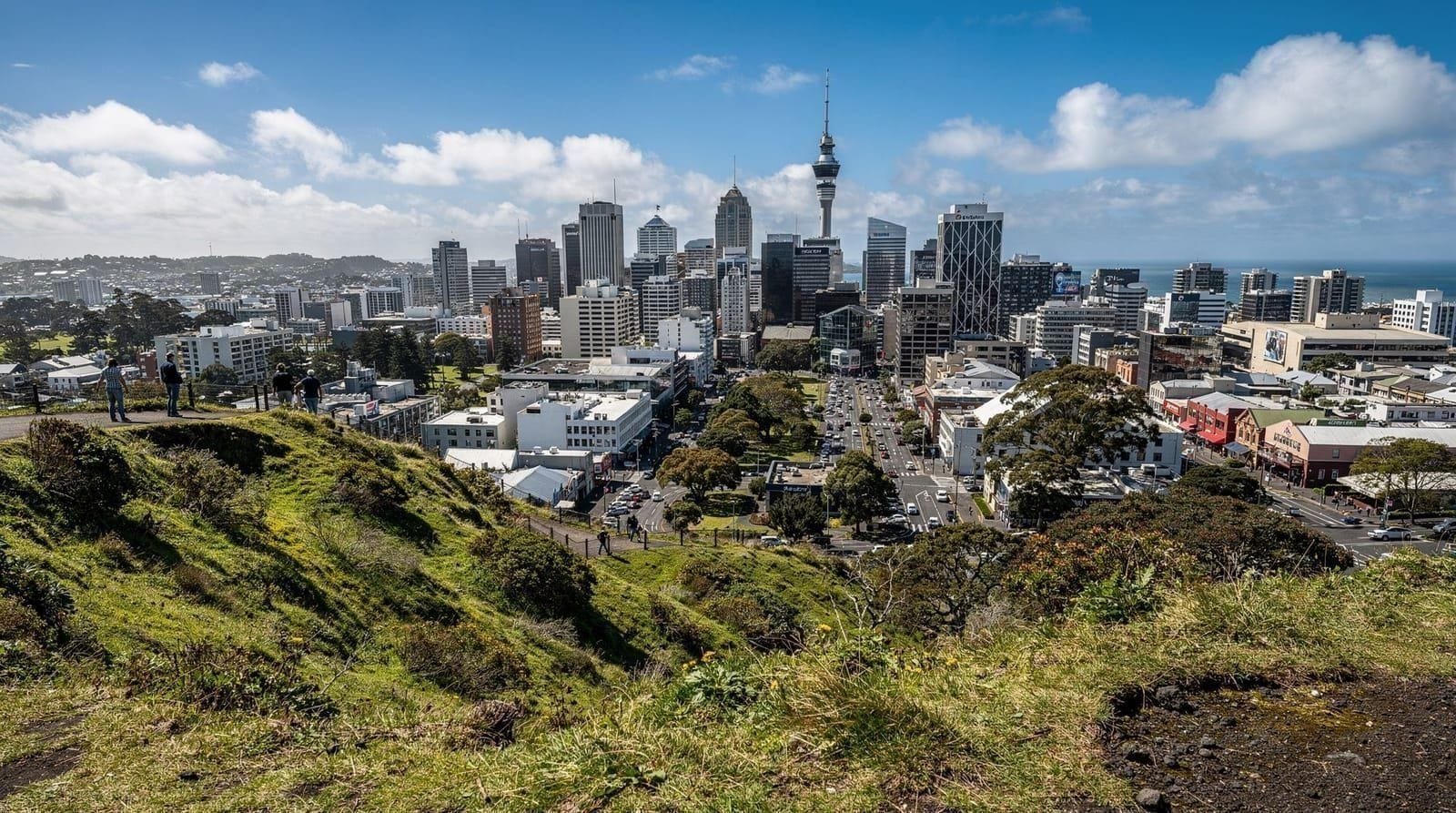
10. Auckland is not a walkable single-centre city. The CBD is compact and walkable on its own, but Ponsonby, Devonport, Mission Bay and the western beaches are each their own pocket, connected by roads and ferries rather than footpaths. Plan transport time between neighbourhoods, don’t assume you can stroll everywhere.
11. Driving is on the left. If you’re used to right-hand traffic, budget a nervous first hour behind the wheel, particularly at roundabouts — give way to your right, not your left.
12. Renting a car is close to essential for day trips. Hobbiton, Waitomo, Piha, Cathedral Cove and Bay of Islands are all outside Auckland’s public transport network. Expect NZD 40-80 per day for a rental, plus fuel around NZD 2.20-2.50 per litre. Booking desks are at the airport and scattered through the CBD, and most rentals accept a home driving licence alongside an international driving permit for stays under a year — check your specific country’s requirement before you fly. Our car rental guide and driving in New Zealand guide cover the practical details.
13. If you don’t want to drive, tours cover almost every major day trip. Organised coach and small-group tours run to Hobbiton, Waitomo, Rotorua, Waiheke and the Bay of Islands from central Auckland pickup points, which is worth knowing if renting a car feels like more hassle than it’s worth for a short stay. Our self-drive vs tour comparison weighs up both options honestly.
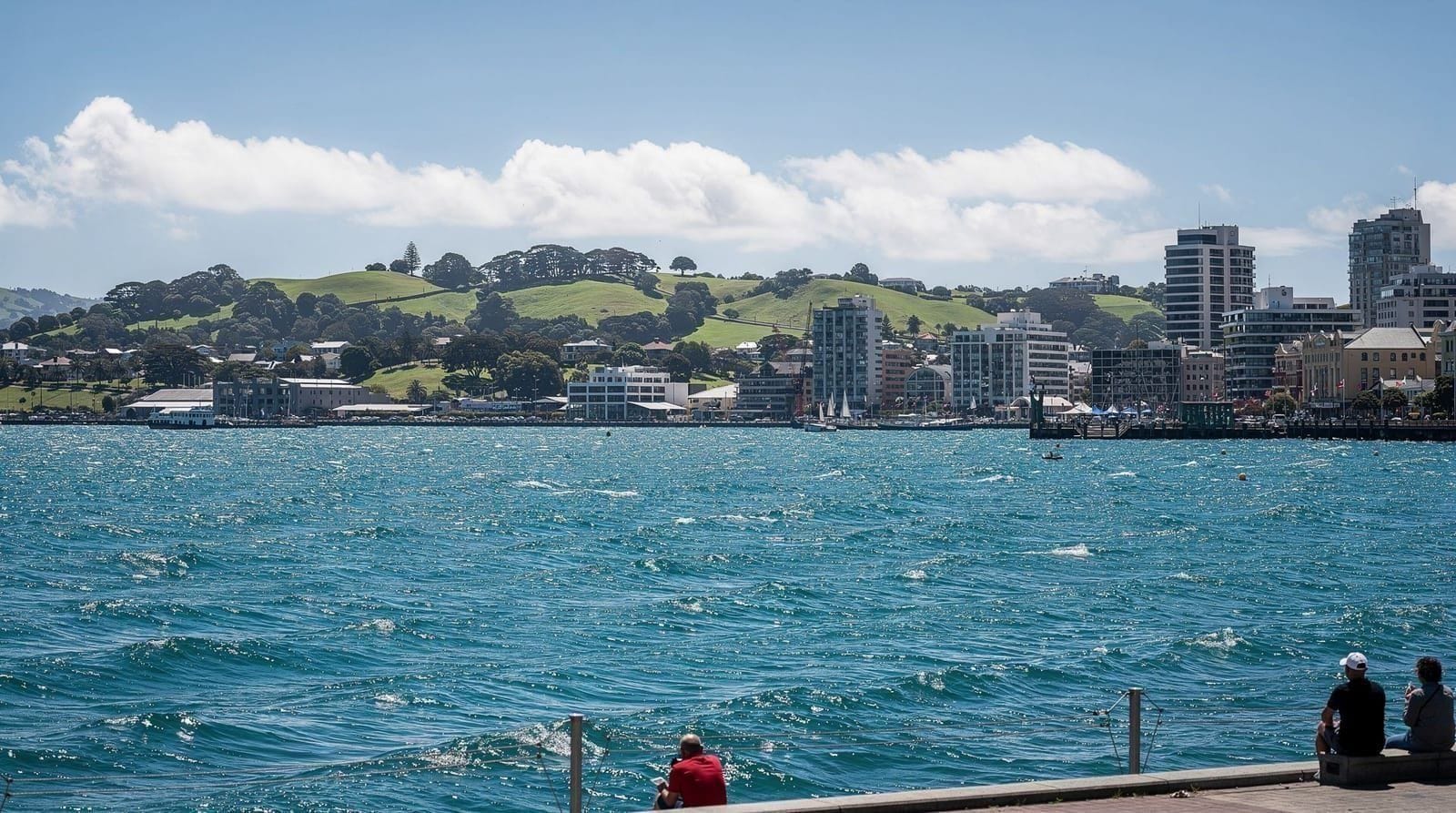
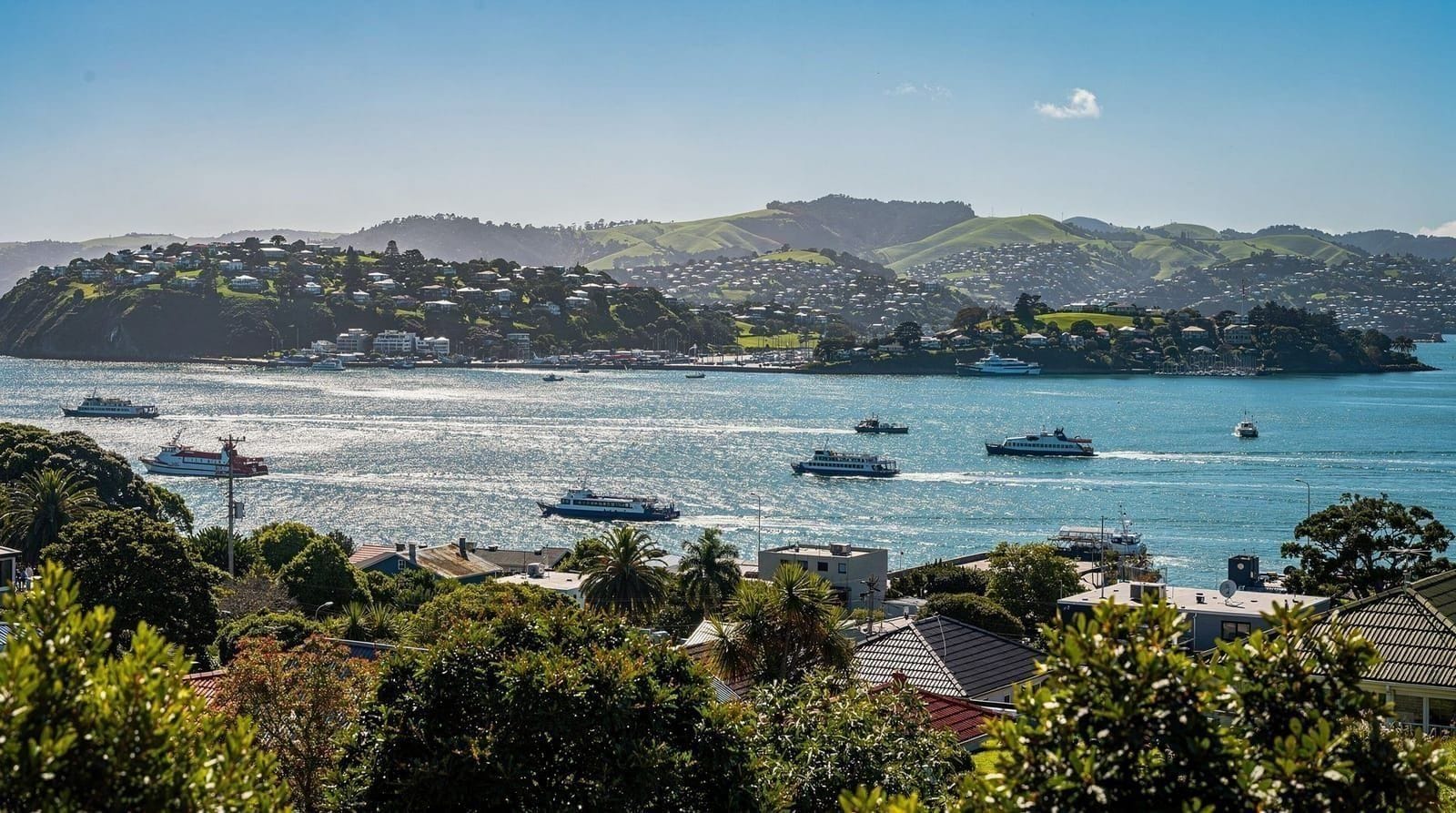
14. Ferries are part of daily transport, not just tourism. Devonport, Waiheke and Rangitoto are all reached by regular ferry services from the downtown terminal, and locals use them to commute. They’re one of the most pleasant ways to see the harbour without paying for a dedicated cruise, and the AT HOP discount applies to ferry fares as well as buses and trains.
15. Traffic gets genuinely bad at peak times. The Auckland Harbour Bridge and motorways heading out of the city clog up between roughly 7-9am and 4-6.30pm on weekdays. If you’re driving to a day trip, an early start beats the morning peak, and it’s worth timing your return so you’re not fighting the evening crawl back into the city.
Weather and packing
16. Seasons are flipped from the northern hemisphere. December to February is summer (warm, 20-25°C, peak season and prices). June to August is winter (mild by most standards, 10-15°C, more rain, shorter days). March-May and September-November are shoulder seasons — genuinely the best combination of good weather and lower prices. Our best time to visit guide goes through each season in detail.
17. Pack layers regardless of season. Auckland’s weather changes fast — locals joke about four seasons in a day — and a sunny morning can turn into a squally afternoon with little warning. A light rain shell earns its space in the bag even in the middle of summer.
18. The UV index is brutal, even on cloudy days. New Zealand sits under a thinner ozone layer than most of the northern hemisphere, and sunburn happens faster than visitors expect. SPF 50+ isn’t optional, even in what looks like mild weather, and a hat and sunglasses are worth packing even for a short walk.
Culture and etiquette
19. Māori culture is living, not a museum display. Te reo Māori appears on signage and in daily speech (Tāmaki Makaurau is the Māori name for Auckland), and cultural sites carry real spiritual weight. Ask before photographing people at cultural performances, and avoid touching carvings or treating tapu (sacred) sites casually. Our respectful Māori tourism guide covers this properly.
20. “Kia ora” is a genuine everyday greeting, not just a tourist phrase. Locals use it constantly as hello, thanks, and general goodwill. Using it back is welcomed, not seen as appropriation, and picking up a handful of other basic te reo terms (like “whānau” for family) tends to be well received.
21. New Zealanders are famously understated. Boasting, over-familiarity or loud complaining tend to land badly. Friendly-but-low-key is the safest register with strangers and service staff, and queuing politely is taken seriously — don’t push in.
Connectivity and staying in touch
Getting a local SIM or eSIM on arrival saves real hassle. Auckland Airport has kiosks for the main networks (Spark, One NZ, 2degrees) right past baggage claim, and a prepaid tourist SIM with a decent data allowance runs roughly NZD 20-40 for a week or two. Coverage across greater Auckland is strong, though it thins out once you’re deep in the Waitakere Ranges or on the more remote stretches of the Coromandel — download offline maps before heading to Piha or Cathedral Cove rather than relying on live data. Most cafes and the airport also offer free wifi if you’re only online occasionally.
Wifi at accommodation is close to universal but varies in speed. Hotels and serviced apartments almost always include it in the room rate; some backpacker hostels charge extra or throttle heavily during peak hours. If video calls matter, check reviews for wifi complaints specifically rather than assuming “free wifi” means fast wifi.
Booking timing and accommodation basics
Book Hobbiton and other headline day trips before you land, not after. Hobbiton in particular sells out its popular time slots days or weeks ahead in summer, and leaving it to sort out on arrival often means settling for an inconvenient departure time or missing out entirely. The same applies loosely to Waitomo glowworm tours and Waiheke wine tours on weekends. Accommodation is more forgiving, but summer (December-February) and major events can still tighten availability in the CBD and Ponsonby.
Where you base yourself changes the trip more than most visitors expect. The CBD and Viaduct put you closest to the ferry terminal for day trips and within walking distance of the Sky Tower, while Ponsonby and Devonport trade a short commute for a quieter, more residential feel with better cafes on your doorstep. Neither is objectively better — it depends on whether you’d rather walk everywhere or enjoy a slightly slower neighbourhood and take transport into town. Our Auckland neighbourhoods guide breaks down the trade-offs area by area, and the where to stay guide matches areas to trip styles directly.
Local know-how
22. There’s no dangerous wildlife to worry about. No venomous snakes, no predators of concern — the biggest outdoor risks are sunburn and rip currents at surf beaches (swim between the flags and parallel to shore if caught in a current, not against it). West coast beaches like Piha and Muriwai have stronger, less predictable currents than the calmer east coast, so treat them with extra caution.
23. Tap water is safe to drink everywhere, including at Hobbiton and most rural areas — no need to buy bottled water as a precaution, which also cuts down on plastic waste over a longer trip.
24. Emergency number is 111, covering police, fire and ambulance, same as calling 999 or 911 elsewhere. Mobile coverage is generally solid around Auckland and main towns, but drops out in some rural stretches, so don’t rely on it completely if you’re driving remote roads.
25. Power sockets are Type I, 230V, the same three-pin angled plug used in Australia — bring an adaptor if you’re travelling from anywhere else, and note that US 110V-only appliances without a built-in converter won’t run properly on New Zealand’s 230V supply.
Bonus: three days is the realistic minimum for Auckland itself, and that’s before day trips. If Hobbiton, Waitomo or the Bay of Islands are on your list, budget at least five to seven days total. Our three-day Auckland itinerary and first-timer four-day itinerary both build in day-trip time realistically.
Getting oriented once you’re there
Once the basics are sorted, the fastest way to get your bearings is a short harbour cruise or the Sky Tower Skywalk — both give you a genuine overview of how the city’s neighbourhoods, harbour and volcanic cones fit together, which makes the rest of the trip easier to plan on the fly. A half-day e-bike tour does something similar at ground level, covering more territory than walking without the commitment of a rental car on day one.
None of these 25 points are complicated on their own, but together they explain almost every “I wish I’d known” comment from first-time Auckland visitors. Sort the NZeTA, get a car or a tour plan sorted for day trips, pack for four seasons in a day, and the rest of the trip tends to look after itself. For a deeper dive into first-week logistics, see our full first-time Auckland tips guide, and for how many days to actually allow, our how many days in Auckland guide walks through the trade-offs by trip length.
Frequently asked questions about Auckland
Do I really need a car in Auckland? Not for the city itself — buses, ferries and an AT HOP card cover the CBD, Ponsonby, Devonport and Mission Bay comfortably. You’ll want a car or a tour booking for day trips like Hobbiton, Piha or the Coromandel, since those sit outside the public transport network. See the self-drive vs tour comparison for which suits your trip.
Is Auckland expensive compared to Australia or Europe? It sits roughly in line with Sydney or Melbourne for food and accommodation, and noticeably cheaper than London on eating out, but big-ticket day trips (Hobbiton, guided tours) add up fast. Our is Auckland expensive guide runs through real numbers across budget tiers.