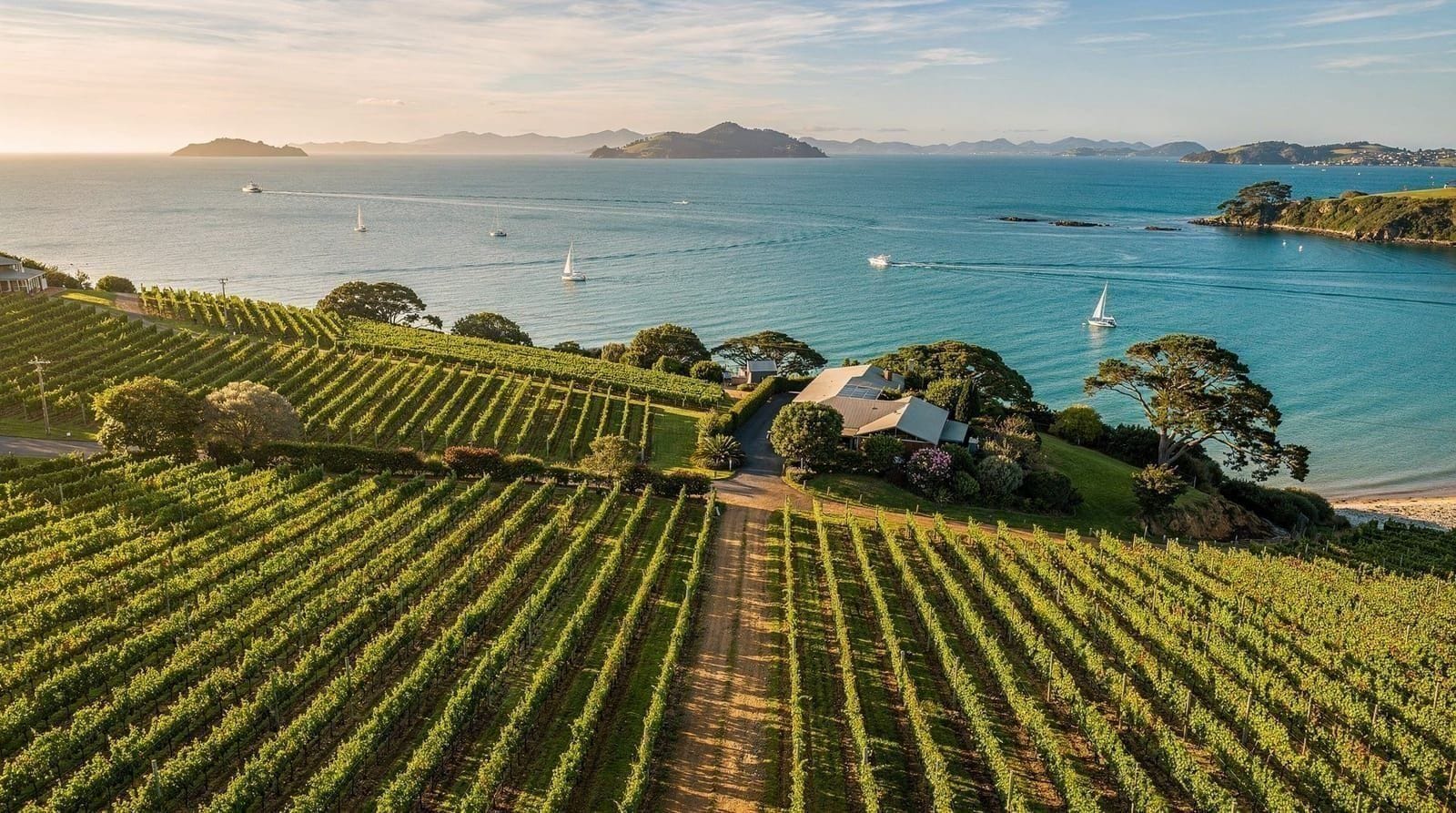
Waiheke wine tours: how to choose the right one
Auckland: Waiheke island wine tasting tour
What is the best Waiheke wine tour from Auckland?
For most first-time visitors, a small-group tour that bundles the ferry, three to four vineyard stops, and a guide (from around NZD 180-220) is the best value — it removes the logistics of ferries and driving on Waiheke's narrow roads. Budget travellers can DIY it with the public ferry and an e-bike; special-occasion visitors should book a private sommelier-led tour.
Why Waiheke earns its reputation as a wine destination
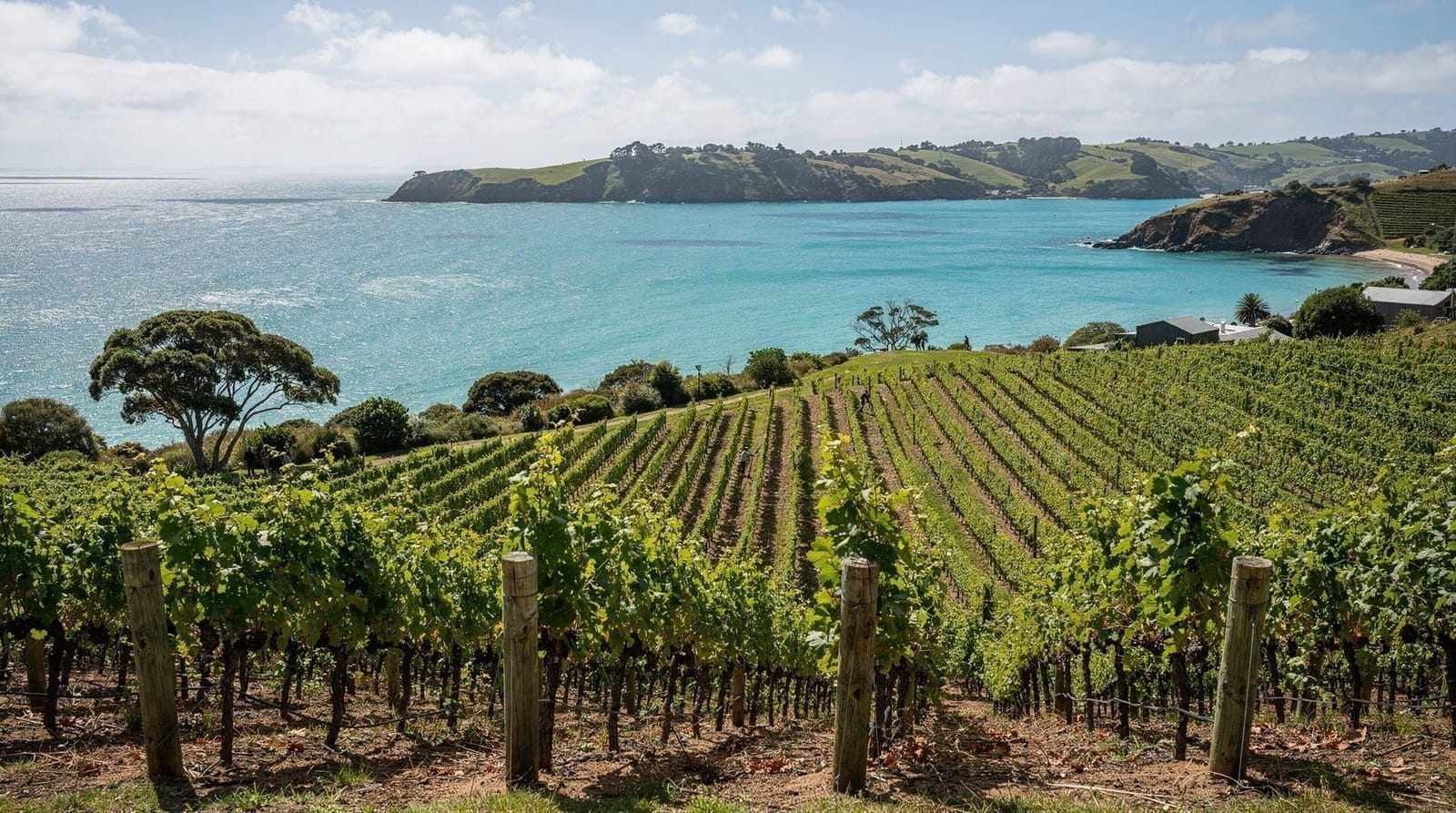
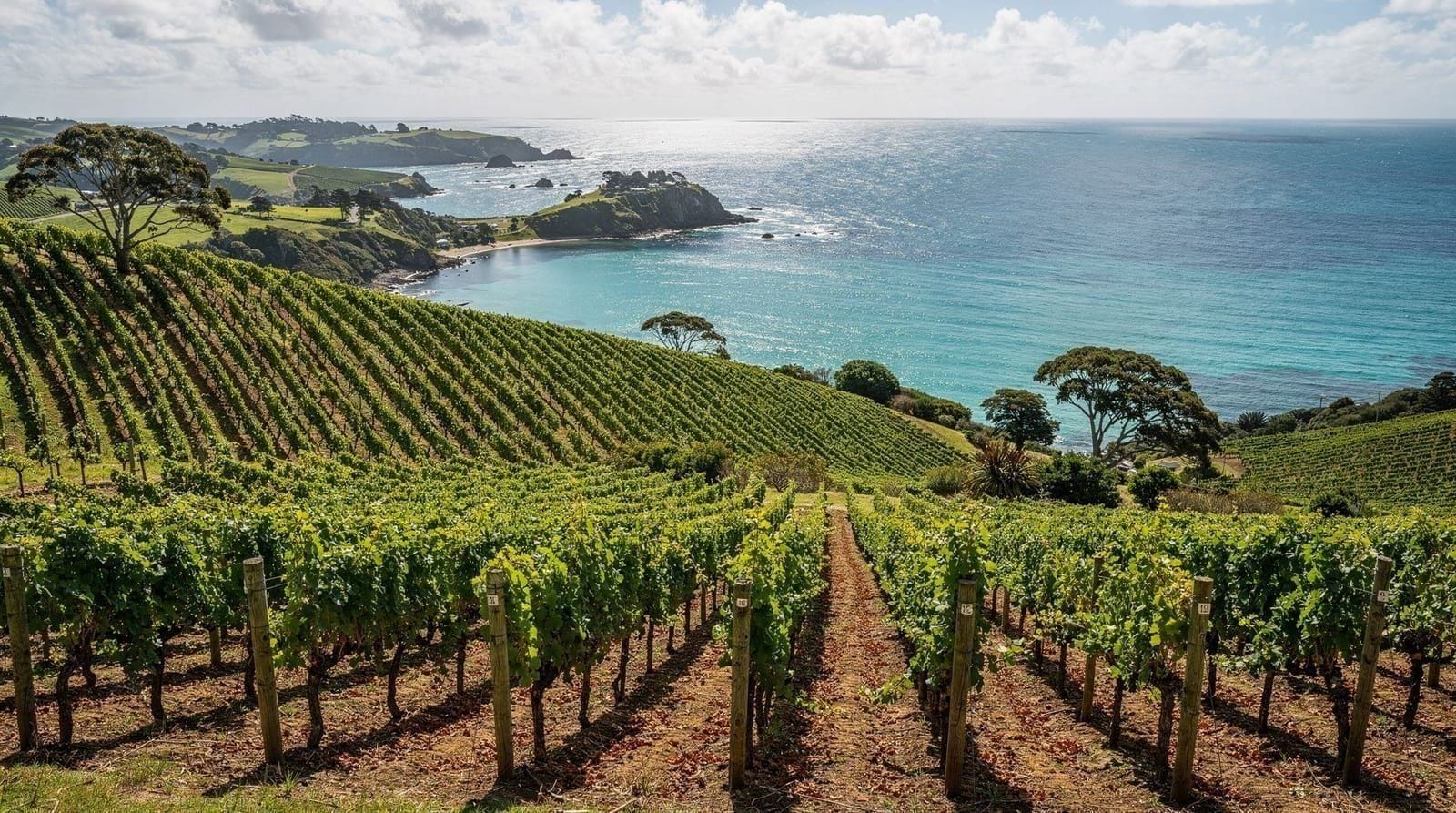
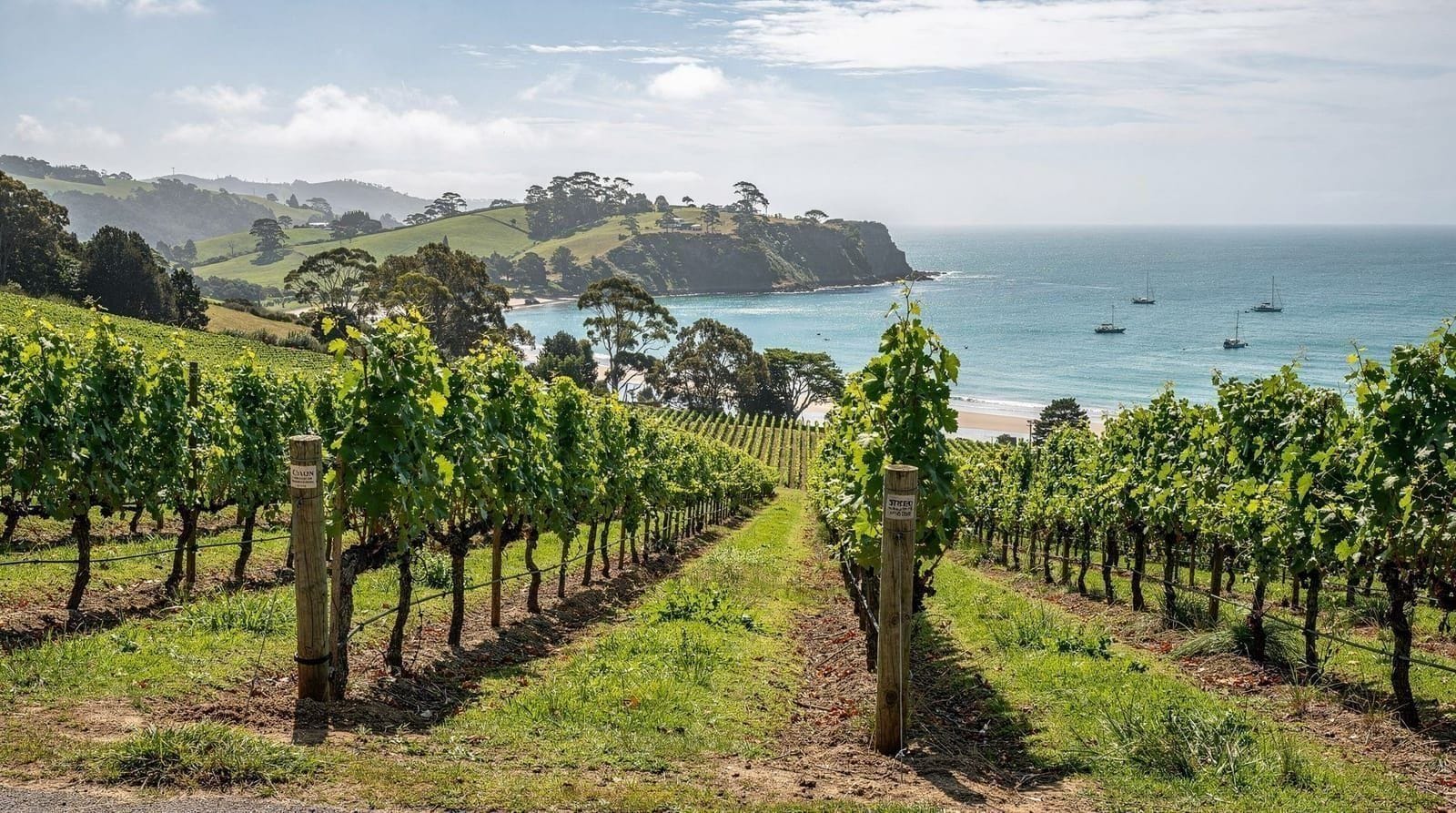
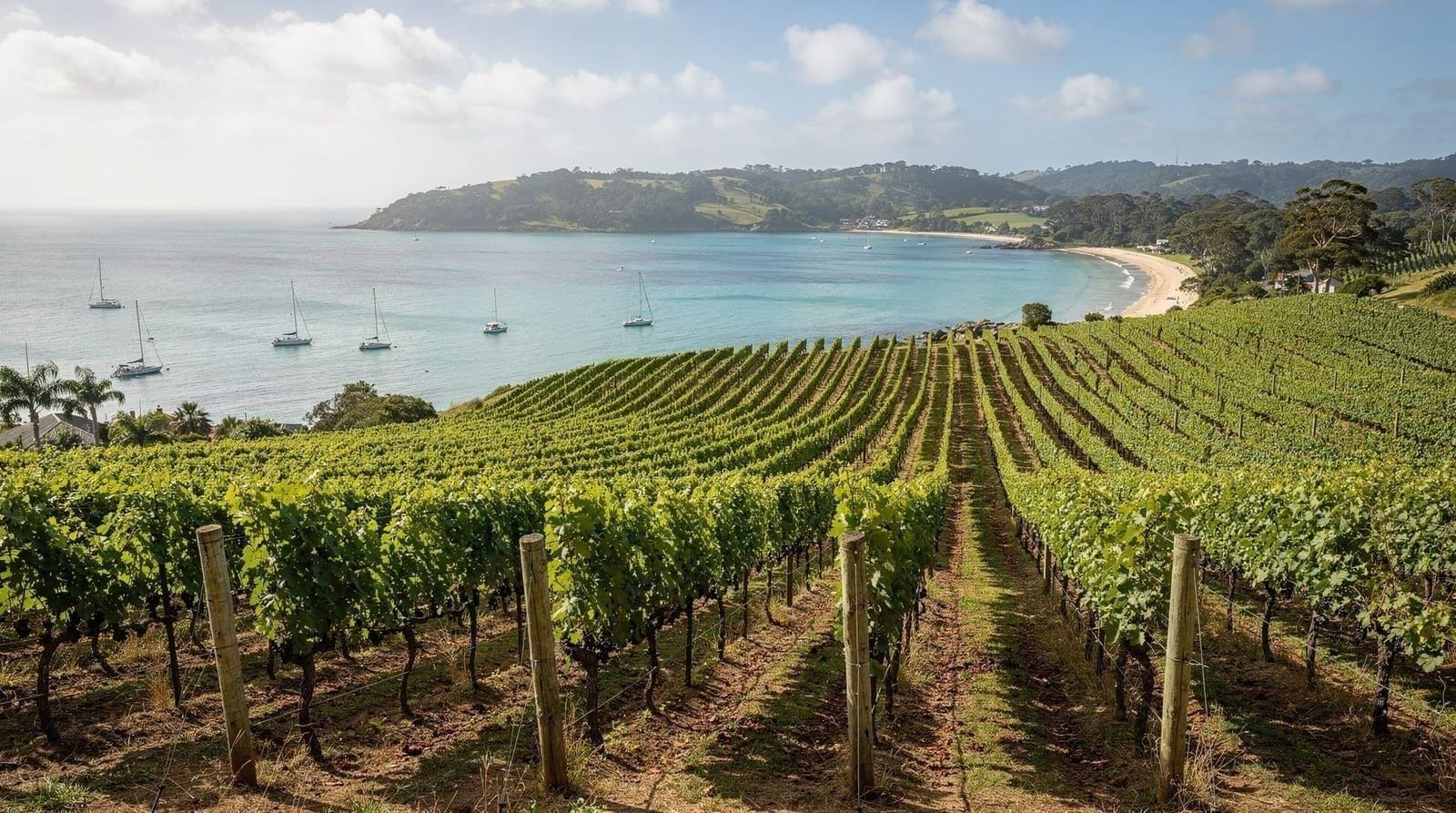
Waiheke Island sits 40 minutes by ferry from downtown Auckland, and somewhere along the way it became one of the more talked-about wine regions in the Southern Hemisphere — not for volume (the island produces a tiny fraction of New Zealand’s wine) but for quality and setting. The warm, sheltered microclimate, noticeably sunnier and drier than mainland Auckland just across the gulf, favours Bordeaux-style reds and syrah rather than the sauvignon blanc most people associate with New Zealand wine. Around 30 wineries operate across the island, ranging from boutique family cellar doors to polished, view-heavy tasting rooms with restaurants attached.
The appeal for visitors is not just the wine itself but the whole package: rolling vineyard hills that drop to turquoise bays, art on the walls at half the tasting rooms, and a laid-back, slightly bohemian pace that feels a world away from central Auckland despite the short ferry hop. The complication is logistics. Wineries are spread across the island’s hills with no train or bus network worth relying on for a proper wine day, roads are narrow and hilly, and — obviously — you cannot drive yourself between tastings once you have actually been drinking. This is exactly why organised tours dominate how people actually experience Waiheke wine, and why picking the right type of tour matters more here than on almost any other Auckland day trip.
| Where | Hauraki Gulf, 40 min ferry from downtown Auckland |
| Cost | NZD 140-500+ depending on tour type |
| Time needed | Half-day minimum, full day typical |
| Wineries per day | 3-4 is the realistic limit |
| Booking | 3-5 days ahead shoulder season; 2-3 weeks for summer Saturdays |
The three main ways to do a Waiheke wine tour
Broadly, every Waiheke wine tour option falls into one of three categories, and each suits a different kind of visitor.
Small-group scenic tours are the default choice for most people. A minibus of eight to twenty picks you up (or meets you) at the ferry terminal on Waiheke, and a guide drives you between three or four wineries over four to six hours, with tastings arranged in advance. This Waiheke wine tasting tour is a solid example — ferry included, several tastings, no driving stress, and a fixed schedule that keeps the day moving.
Premium small-group tours cap the group size lower, usually around eight to eleven people, and tend to include a proper lunch rather than just tastings. This scenic premium wine tour capped at 11 guests sits in this bracket — more personal attention from the guide, better-paced stops, and usually a sit-down meal at one of the vineyard restaurants rather than just cheese and crackers.
Private and sommelier-led tours are built for couples, special occasions, or anyone who wants full control over the itinerary — which wineries, how long at each, and what pace. This private sommelier-led tour with ferry tickets included is the top-tier option: a dedicated guide who actually knows the wine, a vehicle just for your group, and the flexibility to skip a winery that is not clicking and linger longer at one that is.
What each type of tour actually costs
| Tour type | Typical price (NZD, per adult) | Wineries visited | Lunch included | Best for |
|---|---|---|---|---|
| Self-guided (ferry + e-bike or shuttle) | NZD 50-90 | You choose, usually 2-3 | No, pay as you go | Budget travellers, independent types |
| Small-group scenic tasting tour | NZD 140-190 | 3-4 | Sometimes (light platter) | Most first-time visitors |
| Premium small-group tour | NZD 180-260 | 3-4 | Usually yes | Couples, groups wanting more comfort |
| Private / sommelier-led tour | NZD 350-500+ | 3-4, fully flexible | Yes, often a proper vineyard restaurant meal | Special occasions, wine enthusiasts |
These prices are broadly in line with what you would pay for a half-day wine experience in comparable regions worldwide, and most quoted rates already include the return ferry from Auckland, which otherwise runs NZD 50-60 on its own — worth factoring in before you assume a tour looks pricey next to a DIY day.
Group tour or private tour: how to decide
The honest answer depends less on budget and more on what kind of day you want. Group tours are sociable — you will likely end up chatting with other visitors between tastings, and the fixed schedule keeps things moving if you tend to lose track of time. They are also the easiest to book last-minute in shoulder season, since operators run several departures a week with spare capacity.
Private tours make sense in three specific situations: you are celebrating something and want the day to feel special, your group is large enough (four to six people) that a private vehicle costs about the same per person as a small-group tour anyway, or you actually care about the wine itself and want a guide who can talk varietals and terroir rather than just shuttle you between stops. If none of those apply, a small-group tour delivers 90% of the experience for roughly half the price.
Ferry-included vs booking your own ferry
Nearly every tour option quoted above bundles the Auckland-Waiheke return ferry into the price, and this is worth paying attention to when comparing quotes, because a bare “wine tour” price that excludes the ferry can look artificially cheap. Fullers360 runs the public ferry roughly every 30-60 minutes from downtown Auckland, taking about 40 minutes each way, and a standalone return ticket runs NZD 50-60. If a tour quote seems unusually low, check whether the ferry is included before assuming it is the better deal — our ferry vs drive comparison breaks down the full cost picture in more detail.
Best time of day and season for a wine tour
Morning departures (typically 9-10am ferries) give you the whole day and the best light for photos over the vineyard rows, plus first pick of tasting slots before tour buses stack up at popular cellar doors around midday. Afternoon or twilight tours, like this twilight wine and dine tour , trade the daylight vineyard views for golden-hour photos over the Hauraki Gulf and a dinner-paced final stop — a nice option if you are staying in Auckland that night rather than racing the last ferry back.
Seasonally, shoulder months (March-May, September-November) are the sweet spot: comfortable temperatures for walking between vineyard rows, smaller crowds at the more popular cellar doors, and better availability for last-minute bookings. Summer (December-February) is objectively the prettiest season on the island but also the busiest and most expensive — book at least two to three weeks ahead for a Saturday tour in January. Winter (June-August) sees noticeably fewer tour departures running and some smaller cellar doors reducing their hours, so check ahead if you are set on visiting in July.
What to actually expect once you’re on the vineyard hop
Most tours structure the day around two “full tasting” stops, where you sit down with a flight of four to six wines and a guided explanation, and one or two “quick look” stops that are more about the setting and a glass than a formal tasting. Expect roughly 45-60 minutes at each full stop and 20-30 minutes at the lighter ones. If lunch is included, it usually happens at the second or third winery, often at a restaurant with vineyard and sea views — Waiheke’s food scene has become a genuine drawcard in its own right, not just an afterthought to the wine.
Pack a light layer even in summer, since sea breezes pick up on the island’s exposed hillside vineyards, and wear shoes you do not mind walking a little distance in — some cellar doors sit a short uphill stroll from the drop-off point. If you are prone to motion sickness, sit near the front of the minibus; Waiheke’s roads wind more than mainland routes.
Doing it yourself: the self-guided route
If a fixed tour schedule sounds too rigid, Waiheke is genuinely doable independently — it is just more work. Take the public Fullers360 ferry over (roughly every 30-60 minutes, 40 minutes each way, NZD 50-60 return), then either rent an e-bike near the ferry terminal or book a hop-on-hop-off shuttle that loops between the main wine villages of Oneroa, Onetangi, and the vineyard-dense area around Church Bay Road. E-bikes make sense in shoulder season when the hills are manageable and the weather cooperates; in summer heat, the climbs between some cellar doors are steep enough that most people regret skipping the shuttle.
The upside of going solo is flexibility — linger for an extra hour if a winery is great, skip the ones that do not interest you, and eat lunch wherever looks good rather than where the tour itinerary decides. The downside is that Waiheke’s cellar doors are not always walking distance from each other, some require booking a tasting slot ahead (particularly the smaller, more sought-after producers), and figuring out the shuttle timetable on the day eats into time you could otherwise spend actually tasting wine. For a first visit, we would only recommend the DIY route to travellers who already know Waiheke a little, are comfortable riding an e-bike on hilly roads, or are visiting with a designated non-drinking driver.
What if someone in your group doesn’t drink?
This comes up more than you would think, and every tour type handles it reasonably well. Most operators will discount the price slightly for a non-drinking passenger, or simply let them ride along and enjoy the scenery, food, and non-alcoholic tastings that several vineyards now offer alongside their wine flights. If you are planning a private tour specifically because one person in your group prefers not to drink, mention it when booking — a good guide will adjust the itinerary toward wineries with better food, art, or garden features rather than assuming every stop needs to be a full wine flight.
Combining wine with the rest of Waiheke
Most full-day wine tours leave little spare time for anything else, but if you are booking your own ferry or staying overnight on the island, wine is only one reason to visit.
Waiheke’s beaches — Onetangi, Oneroa, and Palm Beach among them — are genuinely good by Auckland-region standards, and the island’s art scene (sculpture parks, working artist studios, and small galleries scattered through Oneroa village) rewards a couple of unhurried hours. Adventure travellers sometimes pair a morning wine tasting with an afternoon zipline through native forest — see our Waiheke ziplining guide if that appeals. For a broader sense of everything the island offers beyond the vineyards, the Waiheke Island guide is the place to start planning a fuller day or overnight stay, and our Waiheke day trip guide lays out realistic one-day itineraries that balance wine with beach time.
Where the wine tour fits in your Auckland trip
Wine touring is a half-day-minimum, realistically full-day commitment once you factor in the ferry both ways, so it is worth building your Auckland itinerary around it rather than trying to squeeze it in alongside other day trips. Most visitors treat it as a dedicated day within a longer Auckland stay — see how many days in Auckland for a sense of where a Waiheke wine day fits into a broader plan. If budget is a concern, it is worth knowing this is one of the pricier single-day activities in the region; our Auckland budget guide and is Auckland expensive guide both put the cost in context against the rest of a typical trip.
If Waiheke’s food and wine is just one course of a bigger Auckland food-and-drink itinerary, our Auckland food tours guide and best restaurants in Auckland roundup cover the mainland side of the city’s dining scene, and Auckland’s craft beer guide is worth a look if wine is not the only drink on your list this trip.
Wineries you’re likely to visit
Tour operators rotate their exact stops, but a handful of names come up again and again because they combine strong wine with a setting worth the visit. Mudbrick Vineyard, perched above Church Bay with sweeping views back toward the Auckland skyline, is one of the most photographed stops on the island and a near-guaranteed inclusion on premium tours. Cable Bay Vineyards sits closer to the ferry terminal and pairs its tastings with a striking modern cellar and restaurant. Stonyridge Vineyard, one of the island’s original producers, built its reputation on a Bordeaux-blend flagship wine that regularly appears on “best of New Zealand” lists — tours that include it tend to market it as a highlight.
Man O’ War Vineyards, further out on the island’s eastern end, is harder to reach independently and is one of the better reasons to book a tour rather than go it alone. Batch Winery and Casita Miro round out a common rotation, the former known for a relaxed, casual tasting room and the latter for a Spanish-inflected menu and mosaic-tiled courtyard that photographs beautifully.
None of this means you need to chase a specific winery by name before booking — most reputable small-group and premium tours have already done the curating for you, picking a mix that balances a big-name cellar door with a smaller, more personal one. But if a particular winery matters to you (Stonyridge for the wine, Mudbrick for the view, Man O’ War because it is otherwise hard to reach), it is worth checking the operator’s stop list before booking rather than assuming every tour hits the same three or four spots.
Mistakes worth avoiding
The most common mistake is trying to cram too much in — squeezing in a fifth winery, or trying to combine a full wine tour with another major activity the same day, usually ends with a rushed, half-enjoyed version of both. Second is underestimating the ferry queue on peak summer Saturdays; arrive at the downtown Auckland ferry terminal at least 20-30 minutes before a tour’s stated departure in December and January. Third is skipping travel insurance or trip protection on a pricier private tour — cancellations happen, particularly around unpredictable Auckland weather fronts that occasionally disrupt ferry sailings.
Our honest take
For a first Waiheke visit, a small-group scenic tasting tour is genuinely the best value — it solves the logistics problem (no driving, no working out bus timetables that barely exist), covers three or four well-chosen wineries, and costs roughly the same as doing it yourself once you add up the ferry, food, and tasting fees separately. Save the private, sommelier-led option for a birthday, anniversary, or a group of wine-serious friends who will actually appreciate the deeper commentary — for most people, the difference in wine knowledge gained rarely justifies double or triple the price tag.
If you want the full rundown of which specific wineries are worth prioritising rather than just the tour format, our Waiheke wineries guide names names. And if wine is just one part of a bigger Waiheke day, the Waiheke Island guide covers beaches, art galleries, and the rest of the island beyond the vineyards.
Dietary requirements and allergies
If lunch is included in your tour, most operators can accommodate common dietary requirements (vegetarian, gluten-free, and most allergies) with advance notice at booking, since winery restaurants on Waiheke are generally used to catering for a broad mix of visitors. Notify the operator directly when booking rather than assuming a general dietary note in a booking form will reach the actual restaurant kitchen in time — for anything beyond a straightforward vegetarian request, a follow-up email a few days before your tour date is worth the extra step to confirm the kitchen has what it needs.
What a typical tour itinerary actually looks like, hour by hour
To make the shape of a wine day concrete: a standard small-group tour typically departs downtown Auckland’s ferry terminal around 9-9:30am, arrives on Waiheke by 10-10:15am, and reaches the first winery by roughly 10:45-11am after the short transfer from Matiatia Wharf. The first tasting stop runs 45-60 minutes, followed by a second stop through midday, often the lunch or “quick look” stop, then a third full tasting through the early-to-mid afternoon. Most tours wrap the winery portion by 3-4pm, leaving time for a return ferry in the late afternoon or early evening. Premium tours follow a broadly similar shape but with a longer, proper sit-down lunch built in, typically pushing the whole day 30-60 minutes later than the standard format.
Tasting fees vs “free” tastings
A detail that surprises some first-time visitors: not every stop on a tour includes a full, seated tasting flight. Tour operators typically negotiate two “full tasting” inclusions per day (worth NZD 15-30 each at cellar-door prices) plus one or two lighter “quick look” or welcome-glass stops. If a specific winery’s full flight matters to you, check the tour description for how many included tastings it actually covers rather than assuming every listed winery means a full sit-down tasting — this is also where the Waiheke wine tour options comparison is useful, since it breaks out lunch and tasting inclusions tier by tier.
Driving yourself: why it’s genuinely not recommended
It’s worth being blunt about this one: bringing a rental car over on the vehicle ferry and self-driving between wineries is technically possible but a poor choice for anyone actually planning to drink. New Zealand’s drink-driving limits are strict, Waiheke’s roads are narrow, hilly and unfamiliar to visitors, and the whole point of a wine day is not spending it worrying about blood alcohol levels between stops. If you do bring a car, designate a non-drinking driver for the day, or use it only to reach a starting point before switching to a tour, taxi, or e-bike for the actual wine touring.
Frequently asked questions about Waiheke wine tours: how to choose the right one
Do I need to book a Waiheke wine tour in advance?
Yes, especially for weekends and the November-April high season. Popular small-group tours sell out one to two weeks ahead in summer; book at least 3-5 days ahead in shoulder season and 2-3 weeks ahead for December-February Saturdays.Can I do a Waiheke wine tour without a car?
Yes — this is actually the easiest way to do it. Every tour option covered here includes the ferry and ground transport between vineyards, so you never need to drive. Self-driving is possible with a rental brought over on the vehicle ferry, but it is the most expensive and least relaxing option given the drink-driving limits.How much does a Waiheke wine tour cost?
Budget NZD 140-180 for a scenic tasting tour without lunch, NZD 180-260 for a small-group tour with a proper lunch included, and NZD 350-500+ per person for a private sommelier-led experience. All prices are typically ferry-inclusive from downtown Auckland.How many wineries do Waiheke tours usually visit?
Most tours visit three to four wineries, with two offering full tastings and one or two offering just a walk-through or cellar-door look. Trying to squeeze in more than four in a day usually means rushing, which defeats the purpose.Is Waiheke wine tasting expensive compared to other New Zealand wine regions?
Waiheke tasting fees run a little higher than mainland regions like Hawke's Bay or Marlborough — expect NZD 15-30 per tasting flight at cellar doors, sometimes waived if you buy a bottle. It reflects the island's premium reputation, particularly for its Bordeaux-blend reds and syrah.What is Waiheke Island wine actually known for?
Waiheke built its reputation on Bordeaux-style red blends (cabernet sauvignon, merlot, malbec) and syrah, thanks to a warm, dry microclimate that is noticeably sunnier than mainland Auckland. Look out for these on tasting menus rather than assuming it is a sauvignon blanc region like Marlborough.Do Waiheke wine tours run in winter?
Yes, though with noticeably fewer departures and some smaller cellar doors reducing their opening hours. If you're set on visiting in June, July or August, check directly with the specific tour or winery you want rather than assuming standard summer availability.
Top experiences
Bookable activities with verified prices and instant confirmation on GetYourGuide.