Ferry vs drive to Waiheke Island: which makes sense for your trip
Auckland: From auckland waiheke island return fast ferry ticket
Duration: 40 minutes (one-way crossing)
Should I take the passenger ferry or drive onto the vehicle ferry to Waiheke?
Take the passenger ferry for most visits — it's faster (40 minutes), cheaper (NZD 50-60 return), departs from central Auckland, and the island's bus network and wine tours cover getting around without a car. Bring a car via the vehicle ferry only if you're staying multiple days, travelling with a lot of luggage or equipment, or specifically want full independence to explore beaches and back roads at your own pace.
Two genuinely different ways to reach the island
Waiheke Island, about 40 minutes from downtown Auckland by sea, is reachable in two fundamentally different ways: the fast passenger ferry from Auckland’s city centre, or a vehicle ferry that lets you bring your own car across from a different, less central terminal. Most day-trippers default to the passenger ferry without a second thought, and for good reason — but the vehicle ferry genuinely suits some itineraries better, and it’s worth understanding the real trade-offs before deciding, particularly if you’re staying more than a single day.
| Passenger ferry | ~NZD 50-60 return, 40 min, from downtown Auckland |
| Vehicle ferry | Considerably more with car, ~45 min, from Half Moon Bay |
| Time needed | Day trip or multi-day stay |
| Best for most | Passenger ferry + local bus or wine tour transport |
| Best for car | Multi-day stays, heavy luggage, back-road beaches |
The passenger ferry: the default choice
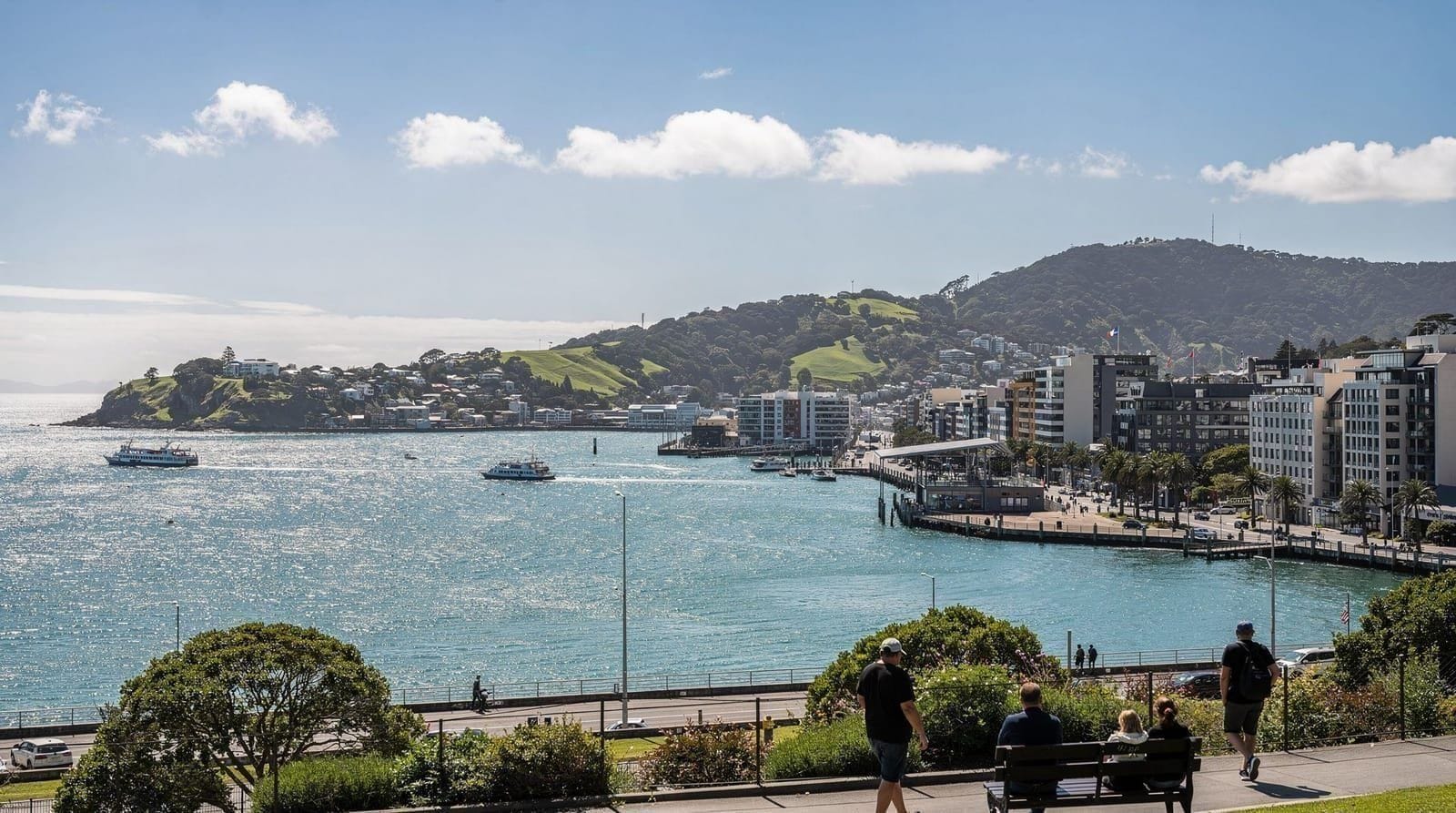
Fullers360, the main operator, runs a frequent fast ferry service from Auckland’s Downtown Ferry Terminal (in the city centre near Britomart) to Matiatia Wharf on Waiheke, taking about 40 minutes each way with sailings roughly every 30-60 minutes throughout the day. The Waiheke Island return fast ferry ticket costs roughly NZD 50-60 per adult return, and needs no advance planning beyond turning up with a ticket (booked online or at the terminal) before your chosen sailing.
For visitors staying centrally in Auckland, this is about as convenient as inter-city island travel gets — a short walk or ferry-adjacent hotel stay puts you at the terminal, a comfortable 40-minute crossing with harbour views gets you across, and Waiheke’s local bus network and organised wine tours (most of which include ferry tickets and vineyard transport in the price) handle getting around once you arrive. The Waiheke hop-on hop-off ferry and bus combo bundles the ferry crossing with a flexible island bus pass, a good option if you want to explore independently without arranging your own transport on the island.
The vehicle ferry: bringing your own car
A separate vehicle ferry service, operated by Sealink, carries cars (and their drivers) from Half Moon Bay in East Auckland — a different, considerably less central terminal than the passenger ferry’s downtown departure point — to Kennedy Point on Waiheke, a crossing of around 45 minutes. This costs meaningfully more than the passenger ferry once the vehicle fare is added on top of driver and passenger fares, and it requires driving out to Half Moon Bay first, adding transit time before you’ve even boarded.
For travellers who specifically want a private luxury experience with a car included, the private luxury Waiheke Island tour via car ferry from Auckland packages the vehicle ferry crossing with a private guided tour of the island, removing the logistics of arranging vehicle ferry timing and vineyard bookings yourself.
Cost and time comparison
| Passenger ferry | Vehicle ferry (with car) | |
|---|---|---|
| Departure point | Downtown Auckland (central) | Half Moon Bay (East Auckland, less central) |
| Crossing time | ~40 minutes | ~45 minutes |
| Cost (return, per adult) | ~NZD 50-60 | Considerably more once vehicle fare is added |
| Getting around on arrival | Local bus, taxi, tour transport | Full independence with your own car |
| Best for | Day trips, wine tours | Multi-day stays, heavy luggage, remote beaches |
Do you actually need a car on Waiheke
For a standard day trip focused on wineries, the main townships (Oneroa, Onetangi) and popular beaches, no — the island’s local bus service connects Matiatia Wharf to these areas, and nearly every wine tour sold includes its own transport between vineyards as part of the package. Our Waiheke wine tour and wine tour options guides cover exactly how these tours handle transport, meaning the car question mostly doesn’t arise if you’re booking an organised wine day.
A car (or car-equivalent, like a rented e-bike or scooter) becomes genuinely more useful if you’re staying multiple days and want to reach quieter beaches, back-road vineyards not on standard tour routes, or simply want to explore at your own pace without working around bus timetables or tour schedules. For a longer stay, our Waiheke wine weekend itinerary is worth reading alongside this comparison, since the car-versus-no-car calculation shifts meaningfully once you’re spending two or more days rather than a single afternoon.
Renting a car on the island itself
If you want independent transport without dealing with the vehicle ferry’s cost, less central departure point, or advance booking requirements, several local rental operators on Waiheke let you pick up a car (or e-bike) after arriving by the standard passenger ferry. This combines the passenger ferry’s convenience and lower cost with on-island flexibility, and for many visitors is a genuinely better solution than bringing a car over from Auckland — you skip the Half Moon Bay detour and vehicle ferry premium entirely while still getting independent transport once you’ve landed.
Is it worth bringing a car for a day trip
Generally, no. The vehicle ferry costs more, departs from a less convenient terminal, and takes about as long as the passenger ferry once you account for the extra drive to Half Moon Bay — for a single day visit, this rarely pays off compared to the passenger ferry plus a local bus, taxi, or wine tour’s included transport. The taste of Waiheke Island day tour is a good example of how comprehensively a single booked tour can cover a day without needing your own car at any point — ferry, vineyard transport and tastings all included in one price.
Where bringing a car does pay off is multi-day stays with flexible, self-directed plans — beach-hopping beyond the main tourist areas, visiting smaller producers off the standard tour circuit, or simply valuing full independence over the cost and convenience trade-off. If that’s your itinerary, weigh the vehicle ferry against renting locally on the island once you’ve arrived by passenger ferry, since the latter usually works out more convenient for a similar or lower total cost.
Seasickness and weather considerations
The 40-minute passenger ferry crossing is generally calm within the sheltered Hauraki Gulf, but conditions can vary with wind and swell, particularly in winter (June-August) or during storms. If you’re prone to seasickness, sitting on the lower deck toward the centre of the vessel tends to minimise motion compared to upper-deck or forward seating, and standard seasickness remedies (tablets, wristbands) taken well ahead of departure are worth considering if you know it’s an issue. The vehicle ferry crossing to Kennedy Point runs a broadly similar duration and is subject to the same general conditions, since both cross a comparable stretch of the Hauraki Gulf.
Peak season booking
In summer (December-February) and around weekends year-round, both the passenger and vehicle ferries can fill up, particularly on popular sailings mid-morning and returning in late afternoon. Booking your ferry crossing in advance — whether as part of an organised wine tour or as a standalone ticket — is worth doing during these periods rather than assuming walk-up availability, since being turned away from a fully booked sailing and having to wait for the next one can meaningfully disrupt a tightly planned day. Shoulder seasons (autumn and spring) generally offer more flexibility for last-minute bookings.
Multi-day stays: luggage and logistics
If you’re staying overnight or longer on Waiheke, the calculation around bringing a car shifts. Carrying luggage for a multi-night stay is more comfortable with your own vehicle rather than managing bags on the local bus, and if your accommodation sits outside the main townships, having a car (whether brought over on the vehicle ferry or rented locally after arriving by passenger ferry) removes dependency on bus timetables for getting to dinner or exploring beyond walking distance. Even so, many multi-day visitors still find that arriving by passenger ferry and renting locally on the island works out more convenient than the vehicle ferry’s cost and less central departure point — worth comparing both specifically for your accommodation’s location before deciding.
Environmental impact of each option
If minimising environmental impact factors into your travel decisions, the passenger ferry is the clearly lower-impact option — a shared vessel carrying many passengers per crossing, versus an individual vehicle transported across on the vehicle ferry. For visitors who don’t strictly need a car on the island, choosing the passenger ferry plus local transport (bus, e-bike rental, or tour-included transport) is both the lower-cost and lower-impact choice. Our sustainable travel Auckland guide covers this consideration in the context of the wider trip.
What locals and repeat visitors actually do
Ask anyone who’s visited Waiheke more than once, and the pattern is fairly consistent: first-time day-trippers take the passenger ferry and join an organised wine tour, letting someone else handle transport and vineyard bookings entirely. Repeat visitors and those staying multiple nights are more likely to either rent a car or e-bike locally on the island after arriving by passenger ferry, or occasionally bring their own vehicle over on the vehicle ferry if they’re already road-tripping with a car they’d rather not leave parked in Auckland for several days. Very few visitors bring a car over specifically for a single day trip — the maths and convenience rarely favour it for that use case.
Combining Waiheke with other Hauraki Gulf islands
If Waiheke is one stop on a wider Hauraki Gulf exploration, the passenger ferry network also connects to Rangitoto Island and other gulf destinations from the same Downtown Ferry Terminal, making a multi-island day or multi-day gulf itinerary straightforward without a car at any point. This isn’t practical with the vehicle ferry, which serves Waiheke specifically rather than the wider island network. Our Hauraki Gulf islands guide covers the broader island-hopping picture if your trip extends beyond Waiheke alone.
Cost-per-person breakdown
For a solo traveller or couple doing a single day trip, the passenger ferry plus a wine tour or local bus is virtually always the cheaper and more convenient choice — the vehicle ferry’s added cost has no offsetting benefit for a short visit with no specific need for a private vehicle. For a family or group of four or more staying multiple nights with plans to explore beyond the main townships independently, the vehicle ferry’s cost split across more people, combined with the convenience of not needing to arrange local rentals or coordinate group transport on the island, starts to look more reasonable — though even then, renting locally after a passenger ferry crossing is often still the more cost-effective route once you compare total costs side by side.
Booking the ferry as part of a wine tour vs standalone
Nearly every organised Waiheke wine tour sold includes return passenger ferry tickets bundled into the price, which is usually better value than booking the ferry and a self-guided day separately once you factor in vineyard transport and pre-arranged tastings that walk-in visitors can’t always access, particularly in peak season when popular cellar doors turn away those without a booking.
If you’d rather explore independently without a set tour itinerary, booking just the standalone return fast ferry ticket and arranging your own day — local bus, a rented e-bike, or a taxi between stops — gives you full control over pacing, at the cost of losing pre-arranged tasting access. Our Waiheke wine tour options guide breaks down exactly which tours include what, useful for comparing the bundled-ferry value proposition against going it alone.
The honest bottom line
For the overwhelming majority of visitors — day-trippers, wine tour bookers, first-time island visitors — the passenger ferry is simply the better option: faster, cheaper, more central, and paired naturally with the local bus network or included tour transport. The vehicle ferry earns its place only for a specific subset of trips: multi-day stays with a strong preference for full independence, groups bringing significant luggage or equipment, or travellers already road-tripping with a car they’d rather keep for the whole journey rather than parking in Auckland for several days. If you’re not confident which category you fall into, default to the passenger ferry — it’s the lower-risk, lower-cost choice, and renting locally on the island remains available if you decide you want a car after arriving.
Accessibility on both ferries
Both the passenger and vehicle ferry services generally accommodate wheelchair users and visitors with mobility limitations, with level or ramped boarding at the main terminals and designated seating areas on board, though it’s worth confirming current accessibility arrangements directly with the operator before travel, since vessel types and gangway setups can vary by sailing. On the island itself, the local bus network has limited step-free capability compared to a private vehicle, which is one practical factor that can tip the calculation toward bringing or renting a car for visitors with mobility needs, even for what would otherwise be a straightforward day trip. See our getting around Auckland guide for more on accessible transport options across the wider region.
What to pack for the crossing
Regardless of which ferry you take, bring a light jacket or windbreaker — it’s noticeably cooler and breezier on open water than on land, even on a warm Auckland day — and sun protection, since there’s limited shade on most ferry decks and New Zealand’s UV levels run high year-round. If you’re heading straight to a wine tour or beach day on arrival, packing accordingly (comfortable shoes for vineyard walking, swimwear for a beach stop) saves a return trip to accommodation before starting your island day.
Where to read next
Once you have picked your crossing, the rest of the planning is easier with a few companion pages. The Waiheke Island guide and the Waiheke Island destination page describe what the island offers once you land, so you can judge how much ground you actually want to cover. If you are weighing the harbour crossings more broadly, the Auckland ferries guide explains how the wider network fits together, and the public transport vs car comparison puts the same trade-off in the context of the whole region.
Drivers who are still undecided can look at the Auckland car rental guide and the driving in New Zealand tips, particularly the left-hand-driving notes if you plan to leave the mainland with your own vehicle. If you would rather build a short break around the island, the Auckland weekend getaway itinerary shows how a night or two on Waiheke can slot into a wider trip.
Checking sailing times before you commit to a plan
Ferry sailing times shift slightly by season and day of the week, with reduced frequency typically on some off-peak weekday slots and the fullest schedule on weekends and through summer. Before finalising a tight day-trip plan — particularly one involving a specific tour departure or a fixed dinner reservation back in Auckland — check the current Fullers360 timetable for your travel date rather than assuming the frequency described generally in this guide applies exactly to your specific sailing window.
Frequently asked questions about ferry vs drive to Waiheke
How much does the passenger ferry to Waiheke Island cost?
A standard adult return ticket runs roughly NZD 50-60 with Fullers360, the main operator, departing from Auckland’s Downtown Ferry Terminal. Prices vary slightly by sailing time and how far ahead you book.
How long does the ferry to Waiheke take?
About 40 minutes each way on the standard fast ferry from downtown Auckland to Matiatia Wharf on Waiheke.
Can you take a car to Waiheke Island?
Yes, via a vehicle ferry service departing from Half Moon Bay in East Auckland to Kennedy Point on Waiheke, taking around 45 minutes. This costs considerably more than the passenger ferry once you factor in the vehicle fare, and departs from a different, less central terminal than the passenger ferry.
Do I need a car to get around Waiheke Island?
Not for a standard day trip. The island has a local bus service connecting Matiatia Wharf to the main townships and several wineries, and most wine tours include their own transport between vineyards. A car adds convenience for reaching quieter beaches and back roads, but isn’t essential.
Is it worth bringing a car to Waiheke for a day trip?
Usually not. The vehicle ferry costs and takes longer than the passenger ferry, and the extra flexibility mostly pays off on multi-day stays rather than single-day visits, where a bus, taxi or included wine-tour transport covers the island adequately.
Where does the passenger ferry to Waiheke depart from?
Auckland’s Downtown Ferry Terminal, in the city centre near Britomart, with frequent sailings roughly every 30-60 minutes throughout the day.
Is renting a car on Waiheke Island itself an option?
Yes — several local rental operators on the island let you pick up a car after arriving by passenger ferry, avoiding the vehicle ferry’s cost and terminal location while still giving you independent transport once on the island.
How far ahead should I book the Waiheke ferry?
For summer or weekend sailings, a few days ahead is a sensible buffer since popular crossings can sell out; shoulder-season weekday sailings usually have walk-up availability, but booking online in advance removes the risk either way.
Which ferry is better for a wine tour day?
The passenger ferry, almost always — nearly every organised Waiheke wine tour includes return passenger ferry tickets and its own vineyard transport, making the vehicle ferry unnecessary and more expensive for this specific use case.
Top experiences
Bookable activities with verified prices and instant confirmation on GetYourGuide.