Waiheke Island guide: everything beyond the wine
Auckland: From auckland waiheke island return fast ferry ticket
Duration: 40 minutes (one-way crossing)
How much time do you need on Waiheke Island?
A full day (departing on an early ferry, returning on a late-afternoon or evening one) covers the highlights — one or two beaches, a couple of wineries or a gallery, and lunch. An overnight stay lets you slow down, catch sunset over the vineyards, and add a second beach or the island's walking trails.
Waiheke Island in context
Waiheke Island sits in the Hauraki Gulf about 40 minutes by ferry from downtown Auckland, and it occupies an unusual position in the region’s tourism landscape: close enough for an easy day trip, but distinctive enough in character that many visitors end up wishing they had booked an overnight stay instead.
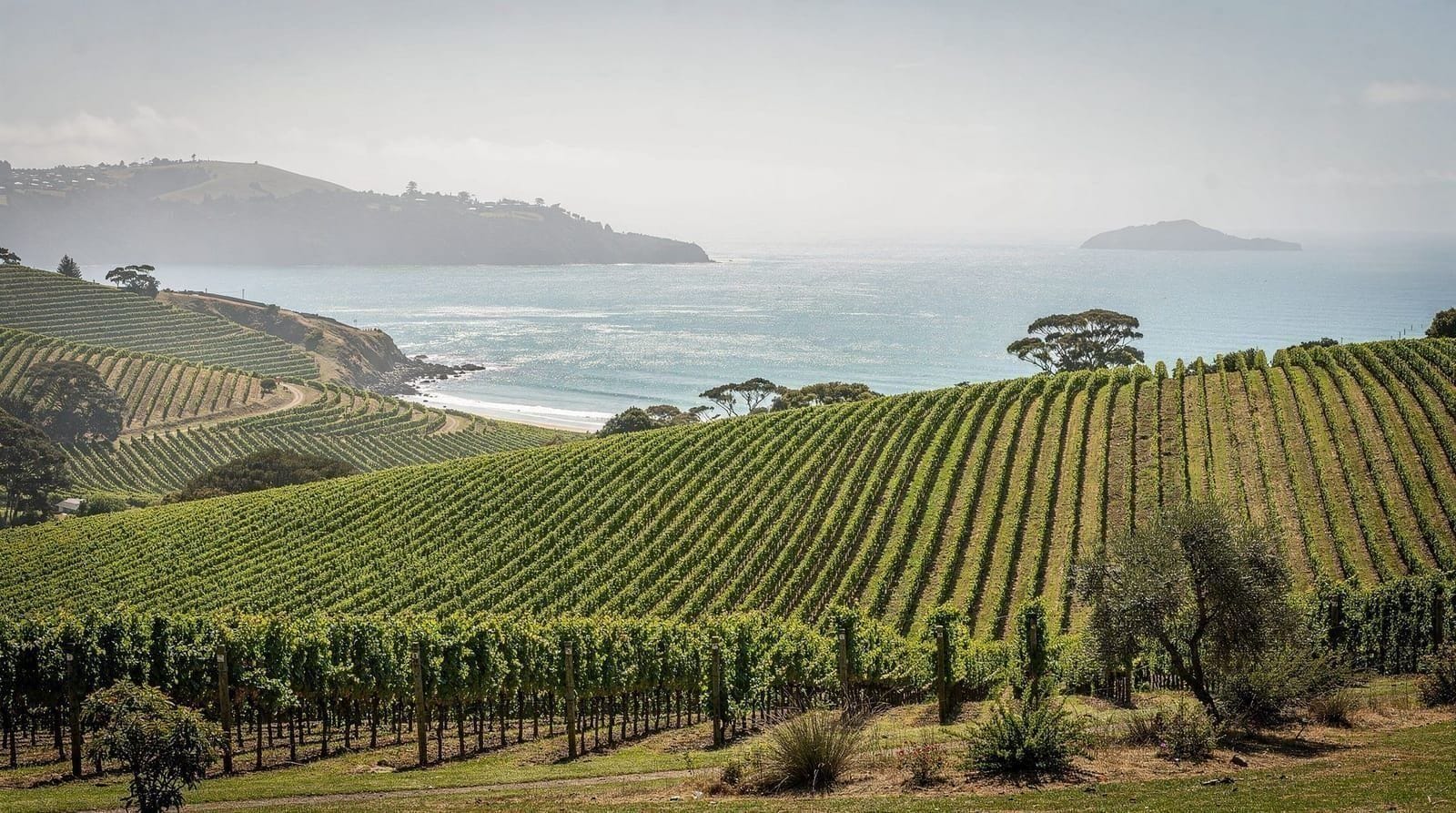
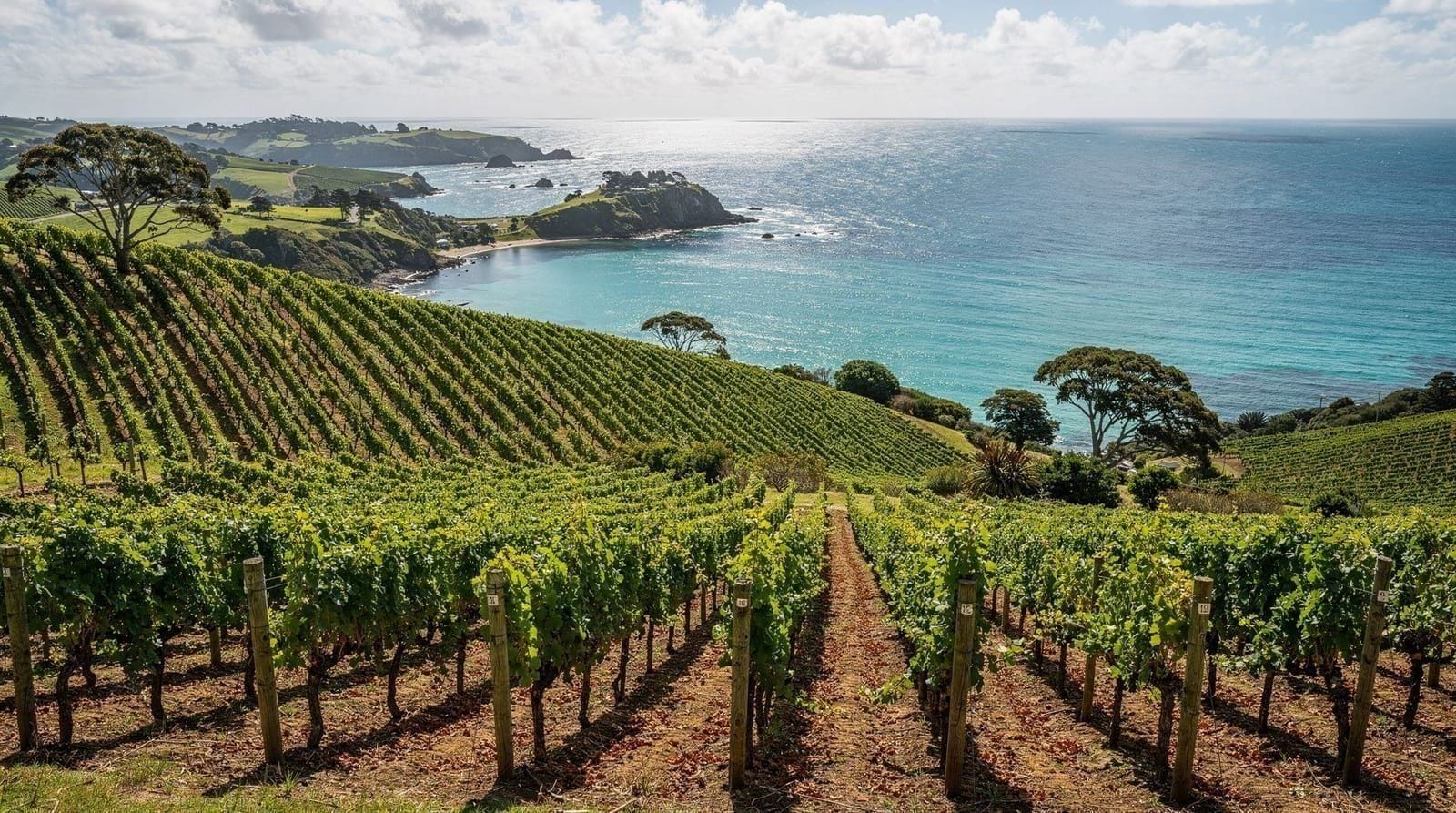
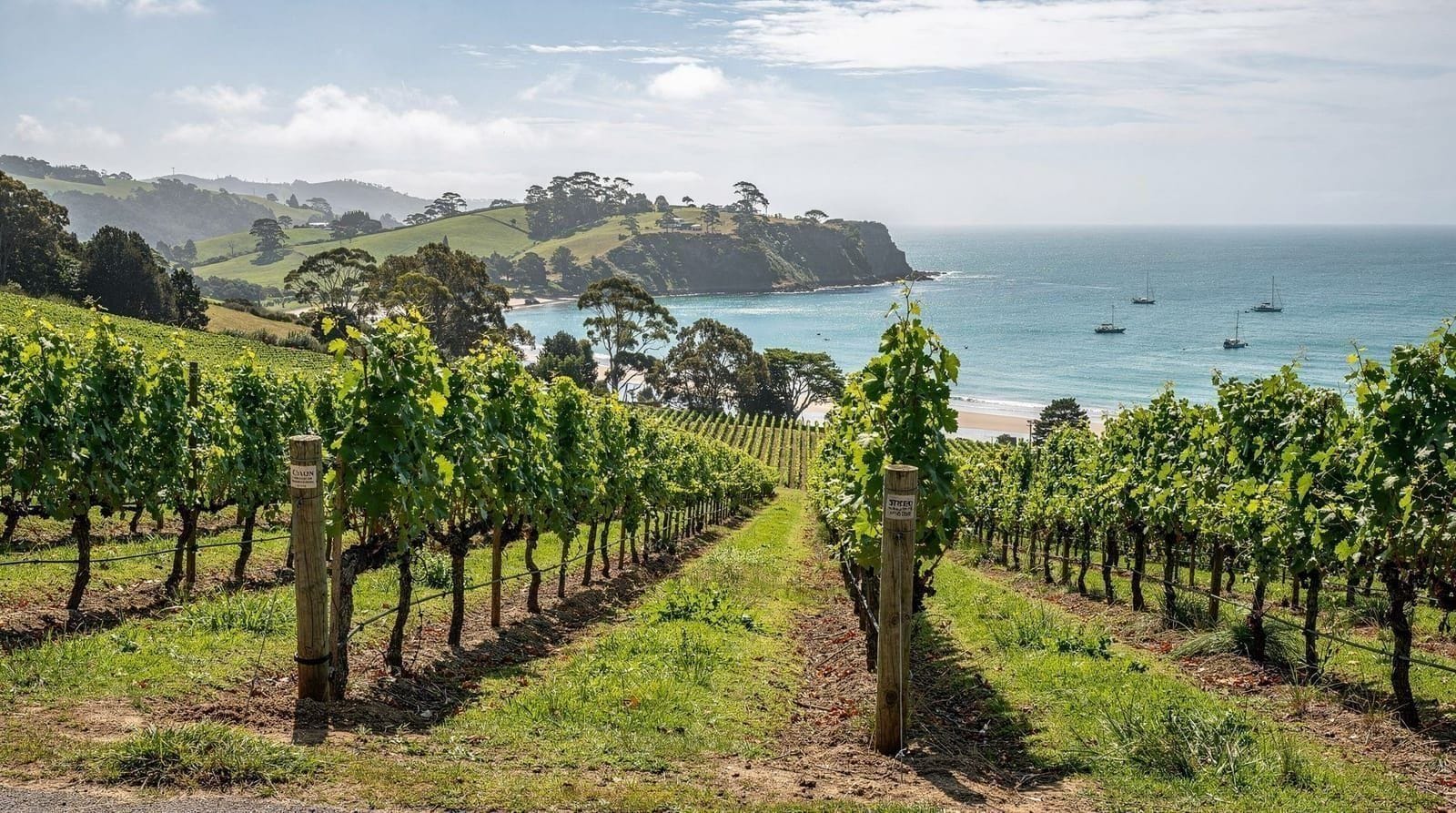
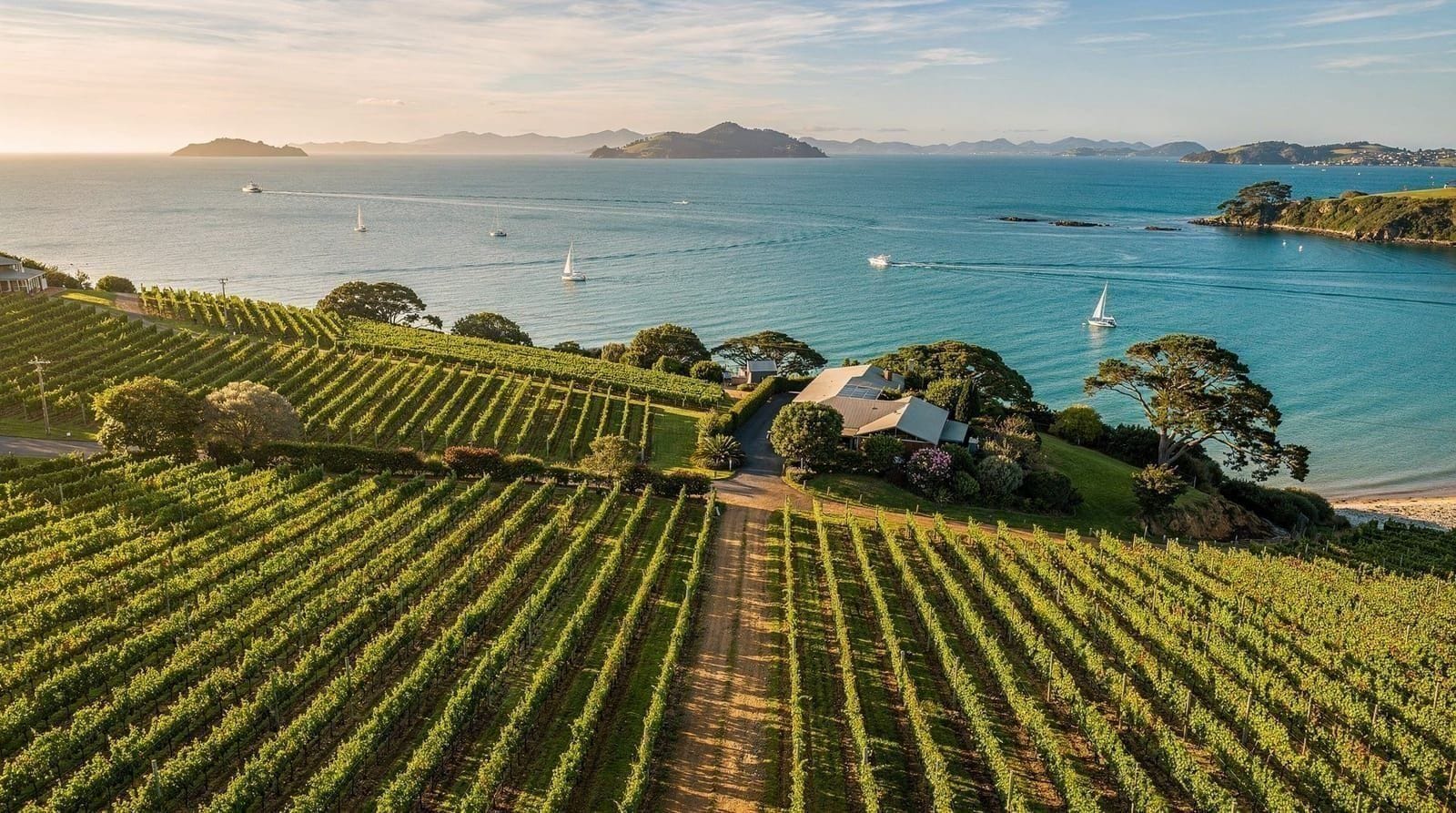
The island built its early reputation on wine (covered in depth in our Waiheke wine tours guide and wineries guide), but that is really only one thread of what makes it worth the ferry ride. Beaches, art, a genuinely different pace of life from the mainland, and a landscape that shifts from vineyard hills to native bush to white sand within a few kilometres all contribute to Waiheke’s outsized reputation relative to its modest size — roughly 92 square kilometres with a permanent population of under 10,000 that swells considerably with weekenders and tourists.
This guide covers the island beyond the vineyards: beaches, art, getting around, and how to structure a day trip or overnight stay depending on what you are actually after.
| Where | Hauraki Gulf, ~40 min ferry from downtown Auckland |
| Cost | Day trip NZD 90-280; overnight adds accommodation |
| Time needed | Full day minimum; overnight recommended for a slower pace |
| Getting around | Local bus, e-bike, taxi, or rental car via vehicle ferry |
| Best time | Shoulder season (Mar-May, Sep-Nov) for weather and crowds |
Getting there
Fullers360 operates the passenger ferry from Auckland’s downtown Ferry Terminal, running roughly every 30-60 minutes depending on time of day, with the crossing itself taking about 40 minutes. A standard return fare runs NZD 50-60 per adult. This return fast ferry ticket is the straightforward way to book this in advance rather than queuing on the day, particularly useful in peak summer when sailings can fill up. If you want to bring a car over, SeaLink operates a vehicle ferry on a separate, less frequent schedule from a different terminal — our ferry vs drive comparison breaks down whether bringing a car is worth the extra cost and planning versus using island transport once you arrive.
Getting around once you’re there
Waiheke’s main village, Oneroa, sits a short drive or bus ride from the ferry terminal (Matiatia Wharf) and functions as the island’s commercial hub — cafes, galleries, and shops cluster here. From Oneroa, the island’s other villages and beaches spread out along winding, hilly roads that reward either a rental car, an e-bike, or one of the island’s shuttle services.
This ferry and hop-on-hop-off bus combo is the easiest no-car option, looping between the main villages and beaches on a fixed schedule. For something more independent and active, this self-guided e-bike tour with ferry tickets included lets you set your own pace, though be aware the island’s hills are genuinely steep in places — even with electric assist, some routes are a workout.
The best beaches
Onetangi Beach, on the island’s northern coast, is Waiheke’s longest and most popular stretch of sand — wide, sheltered, and backed by cafes and a relaxed village strip, it is the closest thing the island has to a classic beach-day destination. Palm Beach, smaller and more enclosed, draws families for its calmer water and easier parking, while Oneroa’s own small town beach works well for a quick swim without leaving the main village. Further round the coast, smaller and quieter beaches reward those willing to drive a little further off the main tourist routes, though facilities are more limited the further you go from Oneroa and Onetangi.
Art, galleries, and sculpture
Waiheke’s art scene runs deep, driven by decades of artists and creatives who settled on the island partly for its relative affordability (in earlier decades) and partly for the quality of light and landscape. Oneroa village carries a concentration of small galleries showing local and national work, and several wineries — Mudbrick and Casita Miro among them — incorporate art and sculpture into their grounds, discussed further in our wineries guide. A dedicated art-focused visitor could easily spend a full day gallery-hopping through Oneroa and beyond without touching a wine glass, a genuinely different way to experience the island than the standard wine-tour itinerary most visitors default to.
Hiking and walking trails
Waiheke’s interior and coastline carry a genuinely good network of walking trails, ranging from short, easy village-to-beach walks to longer coastal routes that traverse native bush and farmland with regular Hauraki Gulf views. The island’s public walkway network connects several of the beaches and villages, making a self-guided walking day a realistic and free alternative (or complement) to wine touring for visitors who prioritise the outdoors. Trails are generally well-marked but hilly, so allow more time than distance alone might suggest, and bring water and sun protection given New Zealand’s high UV levels even on cooler days.
Day trip or overnight: how to decide
A single day, timed around an early morning ferry over and a late-afternoon or early-evening ferry back, comfortably covers one or two beaches, a couple of wineries or a gallery stop, and lunch — genuinely enough for most first-time visitors to get a solid sense of the island. An overnight stay makes sense if you want to slow the pace considerably: catch golden-hour light over the vineyard hills without racing a ferry departure, add a second beach or a longer walking trail, or simply avoid the slightly rushed feeling that a single-day itinerary can carry during peak season. Waiheke’s accommodation ranges from boutique lodges and vineyard stays to more modest holiday rentals, and an overnight visit also means avoiding the worst of the day-trip ferry crowds on both the outbound and return crossings.
A realistic one-day itinerary
Catch the earliest practical ferry (aim for a 9-9:30am sailing) and head straight to Oneroa for a coffee and to get oriented. Spend the late morning at Onetangi or Palm Beach, depending on whether you want the bigger open stretch of sand or a more sheltered family-friendly cove. Early afternoon works well for a winery stop or two — this taste-of-Waiheke day tour packages exactly this combination of wine, food, and scenery into one afternoon slot if you would rather not self-drive between stops. Wrap up with a late-afternoon browse through Oneroa’s galleries and shops before catching a ferry back in the early evening. This pattern comfortably fits into a 9am-6pm window without feeling rushed, though it does require picking one beach and one or two wineries rather than trying to do everything.
A realistic overnight itinerary
With a night on the island, the pace opens up considerably. Day one follows a similar pattern to the single-day plan but without the pressure of a return ferry deadline — linger longer at whichever beach or winery is working for you, and consider a sunset drink somewhere with a vineyard or harbour view rather than racing back to Matiatia Wharf. Day two can add a second beach, a proper walking trail, or a slower gallery crawl through Oneroa before an early-afternoon ferry back to Auckland. Staying overnight also opens up dinner options that a day-trip schedule simply cannot accommodate, since many of the island’s best restaurants run an evening service that day-trippers rarely get to experience given ferry timing.
Wine, briefly
Wine remains the single most famous reason people visit Waiheke, and if it is part of your plan, our dedicated Waiheke wine tours guide covers tour formats and pricing in depth, while our wineries guide names the specific cellar doors worth prioritising. This taste-of-Waiheke day tour is a solid all-round option if you want a single booking that touches wine, food, and scenery without committing to a wine-only itinerary, and this private luxury tour with car ferry included suits visitors wanting maximum flexibility to combine wine, beaches, and art on their own schedule.
What to pack for a Waiheke day
A Waiheke day trip rewards a little forethought on packing, since the island’s mix of activities spans beach, hills, and vineyard terraces. Sunscreen and a hat are non-negotiable given New Zealand’s high UV levels, even on a mild-looking day. Comfortable walking shoes matter more than beach sandals if wine or gallery visits are part of your plan, since several cellar doors sit a short uphill walk from drop-off points. A light layer for the ferry crossing is worth having even in summer, since sea breezes on the open water can be cooler than the island itself. If you are planning a beach swim, pack togs and a towel separately from anything you want to keep dry for a winery lunch afterward.
Food beyond the vineyards
Waiheke’s food scene extends well past winery restaurants — Oneroa and Onetangi both carry a genuine run of cafes, casual eateries, and a growing number of more ambitious restaurants that stand on their own regardless of the island’s wine reputation. Fresh, local seafood features heavily given the island’s coastal setting, and several cafes lean into a relaxed, beach-town brunch culture that pairs naturally with a morning beach visit before an afternoon of wine or gallery hopping.
Families on Waiheke
Waiheke works well for families thanks to its sheltered beaches, relaxed pace, and the built-in novelty of the ferry crossing itself, which younger kids often enjoy as much as the destination. Palm Beach’s calmer water suits younger swimmers better than Onetangi’s more open stretch, and several of the island’s cafes and casual eateries are genuinely comfortable with kids rather than treating them as an afterthought. Our kid-friendly beaches guide covers how Waiheke’s beaches compare to the mainland options if you are weighing up where to spend a family beach day. Wine-focused itineraries obviously suit adults-only trips better, so families should lean the day toward beaches, walking trails, and gallery browsing instead.
Active options beyond the beach
For visitors wanting something more active than a beach day or wine tasting, Waiheke offers ziplining through native forest and other adventure activities alongside its more famous wine and beach offerings — see our Waiheke ziplining guide for details. Kayaking around the island’s sheltered bays is another option worth considering if you want a different vantage point on the coastline than a beach visit alone provides; our Auckland kayaking guide covers where this fits alongside the wider region’s paddling options.
Combining Waiheke with other Hauraki Gulf islands
Waiheke’s ferry terminal sits on the same Fullers360 network serving Rangitoto and other Hauraki Gulf islands, which occasionally tempts visitors into trying to combine two islands in one day. In practice, Waiheke alone comfortably fills a full day, and combining it with another island usually means shortchanging both — our Hauraki Gulf islands guide covers how to realistically split your time if you want to see more than one island during a longer Auckland stay.
Where to stay
If you are considering an overnight stay, Waiheke’s accommodation ranges from boutique vineyard lodges to more affordable holiday rentals scattered across Oneroa, Onetangi, and the quieter parts of the island. Booking ahead matters more here than on the mainland, since the island’s accommodation stock is genuinely limited relative to demand during the November-April peak season. Our where to stay in Auckland guide touches on how a Waiheke overnight compares to staying centrally and day-tripping instead.
Budgeting for your visit
A day trip covering the ferry, one winery tasting, and a casual lunch typically runs NZD 150-250 per person, rising toward NZD 300-400+ if you add a guided wine tour with lunch included. Our Auckland budget guide and is Auckland expensive guide both place Waiheke’s costs in context against the rest of a typical Auckland trip — it is genuinely one of the pricier single-day excursions available, but the free beaches and walking trails offer a lower-cost way to enjoy the island if a full wine-touring budget is not realistic.
Weather and seasonality
Waiheke’s microclimate runs noticeably warmer and drier than mainland Auckland, part of what makes it so well suited to wine growing and beach days alike. Summer (December-February) is peak season — warmest water, busiest ferries, and the fullest calendar of island events, but also the highest prices and the need to book everything, from ferries to wine tastings to restaurant tables, well in advance. Shoulder seasons (March-May, September-November) offer close to the same weather quality with noticeably smaller crowds and easier last-minute bookings — arguably the smartest time to visit for most travellers. Winter (June-August) is quieter still, cooler, and better suited to walking trails and gallery visits than beach days, though the island’s relative shelter from Auckland’s wetter mainland weather means it still holds up reasonably well even in the cooler months.
How Waiheke compares to Auckland’s other day trips
Set against Auckland’s other headline day trips — Hobbiton, Rotorua, the Coromandel — Waiheke stands out for how little travel time it demands relative to how different it feels once you arrive. A 40-minute ferry delivers a genuinely distinct landscape and pace of life, compared to two to three hours of driving for most of the mainland day trips. Our best day trips from Auckland roundup places Waiheke alongside these other options, and if you are trying to decide how many of Auckland’s day trips you can realistically fit into your stay, our how many days in Auckland guide helps with that broader planning question.
Our honest take
Waiheke rewards visitors who treat it as more than a wine day trip, even if wine remains the headline reason most people book the ferry in the first place. A single day covers the essentials competently, but the island’s beaches, art scene, and walking trails genuinely deserve more time than a rushed itinerary typically allows. If your Auckland trip has any flexibility at all, consider an overnight stay — even one night transforms the visit from a well-executed checklist into the slower, more atmospheric experience that gave Waiheke its reputation in the first place.
Sunset and golden hour on the island
If your visit stretches into the evening, Waiheke’s western-facing vineyard hills and several of its beaches deliver some of the best sunset viewing in the wider Auckland region, largely because the island sits far enough out into the Hauraki Gulf to get an open, unobstructed horizon that mainland Auckland vantage points rarely match. Oneroa’s own small beach, right by the main village, is an easy, no-planning sunset spot if you are staying until a later ferry, while a vineyard restaurant terrace booking (worth reserving ahead specifically for a sunset table) turns a wine day into something more memorable without much extra effort. This is one of the strongest arguments for timing your return ferry later rather than rushing back on an earlier afternoon sailing if the day’s weather is looking clear.
Renting an e-bike vs walking between villages
For visitors without a rental car or wanting a more active way to see the island, e-bike rental near Matiatia Wharf is worth seriously considering over relying purely on the local bus or walking. Waiheke’s distances between villages and beaches are genuinely too far to comfortably walk in most cases — Oneroa to Onetangi, for instance, is a proper ride rather than a stroll — but an e-bike’s electric assist makes the island’s real hills manageable for most reasonably fit riders in a way an unassisted bike would not. Book ahead in peak summer, since rental stock is limited relative to demand on busy weekends, and check whether your chosen rental includes a helmet and basic route map, since some of the connecting roads lack dedicated cycle lanes and require sharing the road with local traffic.
Public holidays and local events
Waiheke’s calendar includes several island-specific events worth checking against your travel dates — the Waiheke Island Jazz Festival (Easter weekend) and various vineyard-hosted summer concerts draw larger-than-usual crowds and fuller ferries, so book both ferry and accommodation well ahead if your visit coincides with one. Outside these specific dates, public holidays generally mean busier ferries and fuller wineries island-wide, similar to any popular Auckland-region day trip, so a weekday visit remains the more relaxed option if your schedule allows the flexibility.
Frequently asked questions about Waiheke Island guide: everything beyond the wine
How do I get to Waiheke Island from Auckland?
The Fullers360 passenger ferry runs from downtown Auckland's Ferry Terminal roughly every 30-60 minutes, taking about 40 minutes each way. A return ticket costs NZD 50-60 per adult. A vehicle ferry (SeaLink) also operates if you want to bring a rental car over.Is Waiheke Island worth visiting if I don't like wine?
Yes — Waiheke's beaches (Onetangi and Palm Beach among the best), art galleries, sculpture parks, and walking trails all stand on their own without needing to drink a drop of wine. Wine tourism is the island's best-known draw but far from its only one.Can I visit Waiheke Island as a day trip from Auckland?
Yes, and most visitors do exactly this — an early ferry over and a late-afternoon or evening ferry back gives a full day on the island without needing accommodation there.Do I need a car on Waiheke Island?
Not strictly — e-bikes, hop-on-hop-off shuttles, and organised tours cover the main sights without one. A rental car (brought over on the vehicle ferry or hired on the island) gives more flexibility if you want to explore beyond the main tourist routes.What is the best beach on Waiheke Island?
Onetangi Beach, the island's longest stretch of sand, is generally considered the best all-rounder for swimming and space. Palm Beach is smaller and more sheltered, popular with families, while Oneroa's small town beach suits a quick swim near the main village.Is Waiheke Island expensive?
It runs a little above the Auckland mainland average, particularly for wine tastings, restaurants, and accommodation, reflecting its reputation as an upmarket, boutique destination. Budget travellers can still enjoy the island's free beaches and public walking trails without the wine-tour price tag.How far in advance should I book accommodation for an overnight Waiheke stay?
As early as possible for November-April, since the island's accommodation stock is genuinely limited relative to demand in peak season — several weeks ahead is sensible for weekends, and months ahead for a specific date like New Year's. Shoulder-season and winter stays are far easier to book close to your travel date.
Top experiences
Bookable activities with verified prices and instant confirmation on GetYourGuide.

Auckland: From auckland waiheke island return fast ferry ticket

Auckland: From auckland taste of waiheke island day tour

Auckland: Waiheke hop on hop off tour

Waiheke Island: Private luxury waiheke island tour auckland via car ferry