Waiheke wine weekend itinerary
Auckland: Waiheke island wine tasting tour
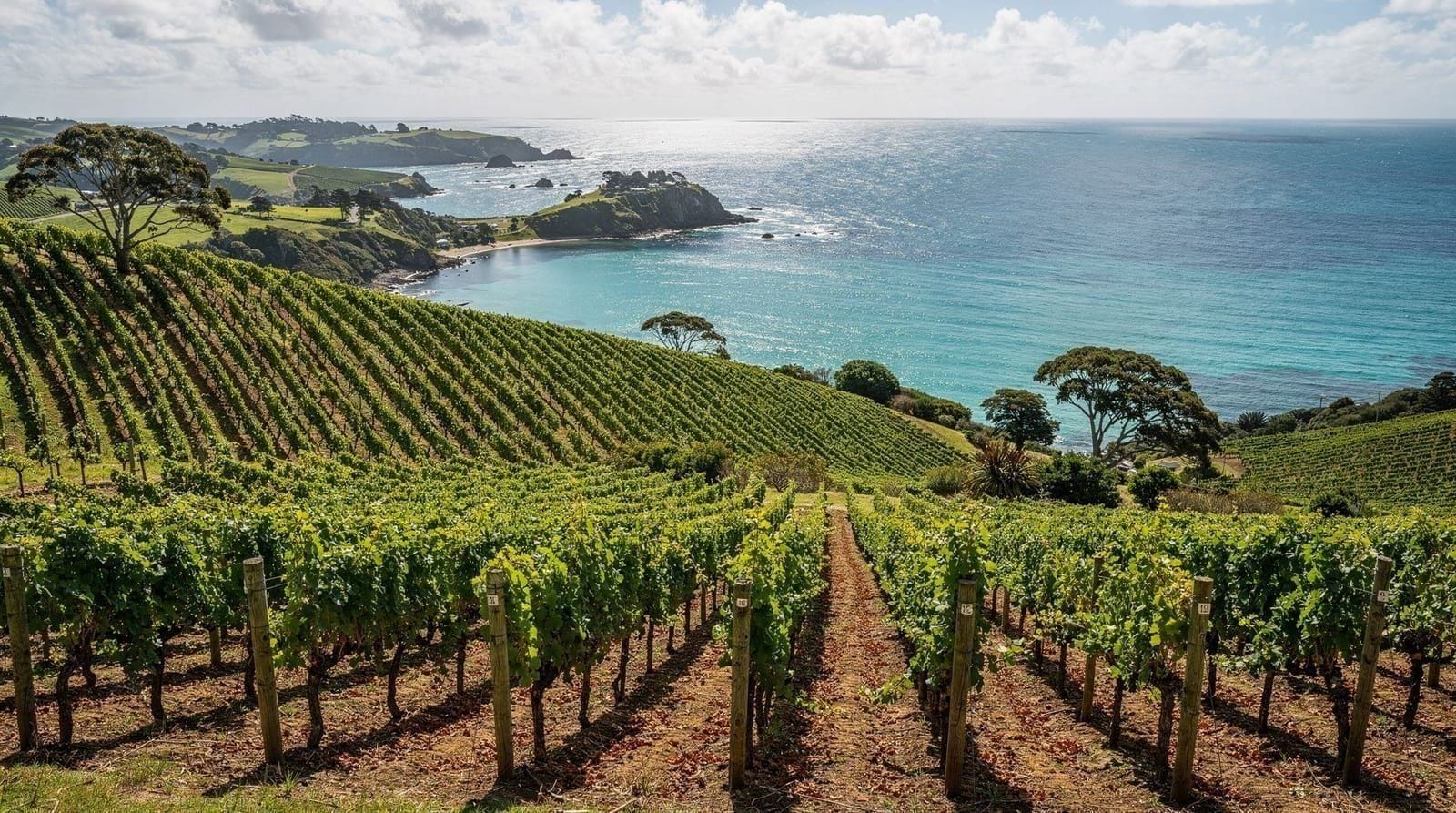
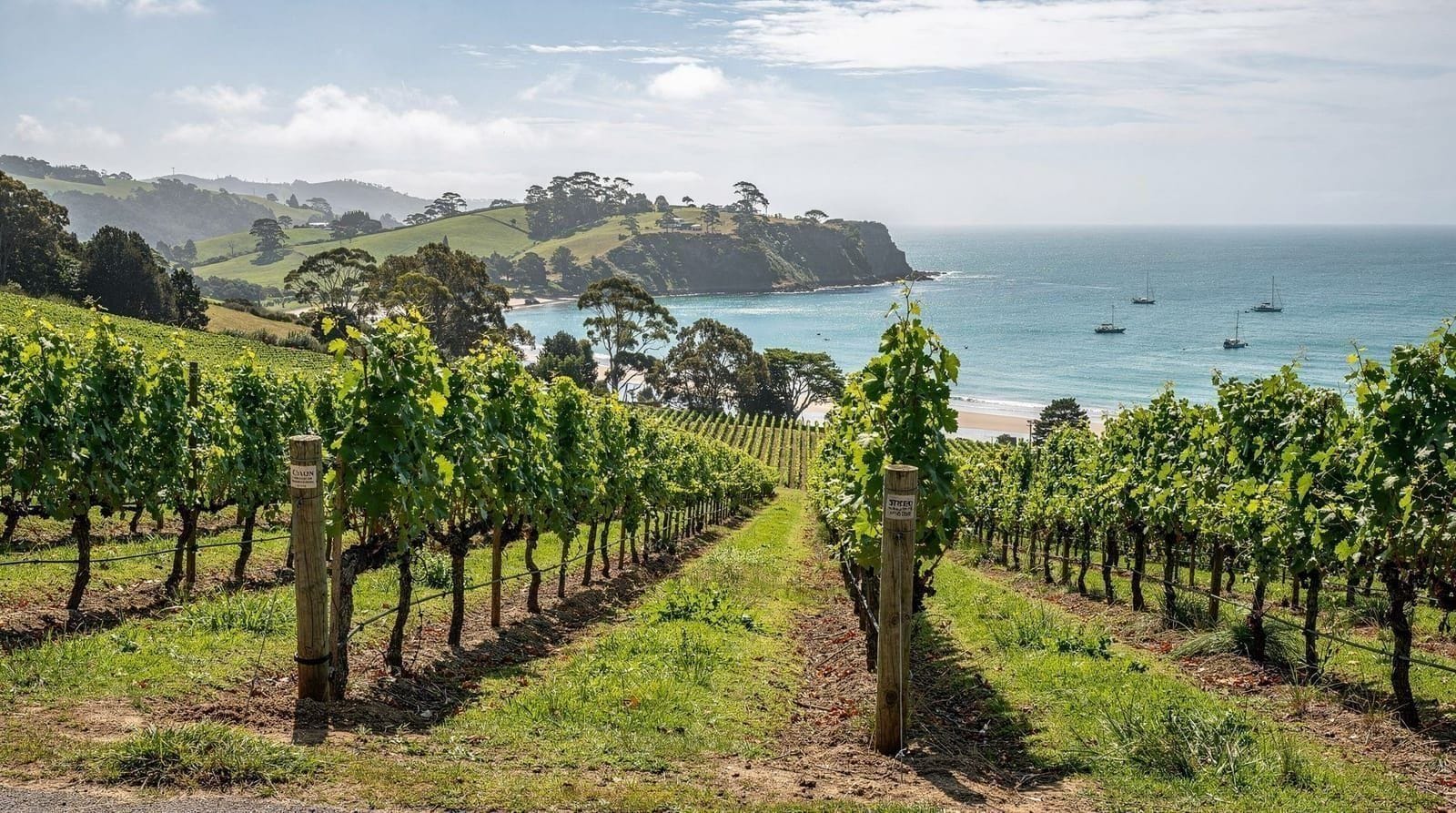
Waiheke Island is one of the most acclaimed wine regions in New Zealand, and it deserves more than a squeezed-in half-day from an Auckland city itinerary. Despite covering only around 92 square kilometres, the island is home to more than 30 wineries, many with cellar door restaurants that have become destinations in their own right well beyond wine tourism alone — a genuinely disproportionate concentration of quality for such a small landmass. This weekend itinerary spends both days on the island itself, with an overnight stay, giving genuine time to visit multiple wineries at an unhurried pace, explore beyond the main village, and enjoy a proper dinner without racing for the last ferry back to the mainland.
| Where | Waiheke Island, 40 minutes by ferry from downtown Auckland |
| Cost | Around NZD 500–690pp, excluding accommodation |
| Time needed | 2 days / 1 night, minimum |
| Getting there | Fullers360 fast ferry, no car required |
| Best time | March–May (harvest) or October–April for beach weather |
How this wine weekend works
Both days are structured around Waiheke’s clustered vineyard region near Onetangi and Church Bay, with beach time and village browsing worked in around tastings. Because you are staying overnight, there is no pressure to catch a specific evening ferry, which changes the whole feel of the trip compared to our 2-day Auckland itinerary, where Waiheke is squeezed into a single day trip. That single change in mindset — not watching the clock for a return sailing — is, more than any specific activity, what makes a wine weekend feel genuinely different from a wine day trip. See ferry vs drive Waiheke if you are weighing whether to bring a car across on the vehicle ferry instead of walking on with the passenger service.
This itinerary assumes two full days on the island itself, rather than treating Waiheke as a single squeezed-in excursion from an Auckland base. That distinction matters more than it might initially seem — Waiheke’s character shifts noticeably once the day-trip ferries empty out in the late afternoon, and staying overnight is the only way to experience that quieter, more genuinely local side of the island.
Day-by-day at a glance
| Day | Focus | Overnight |
|---|---|---|
| 1 | Ferry over, guided wine tour, vineyard dinner | Waiheke (Oneroa) |
| 2 | Second winery visit, beach time, return ferry | Auckland |
Day 1: arrival and first wineries
Morning: ferry to Waiheke
Catch the Fullers360 fast ferry from downtown Auckland (40 minutes, NZD 50–60 return with AT HOP). Drop your bags at your accommodation if check-in allows an early arrival, or leave luggage at the ferry terminal’s storage if available.
Afternoon: guided wine tour
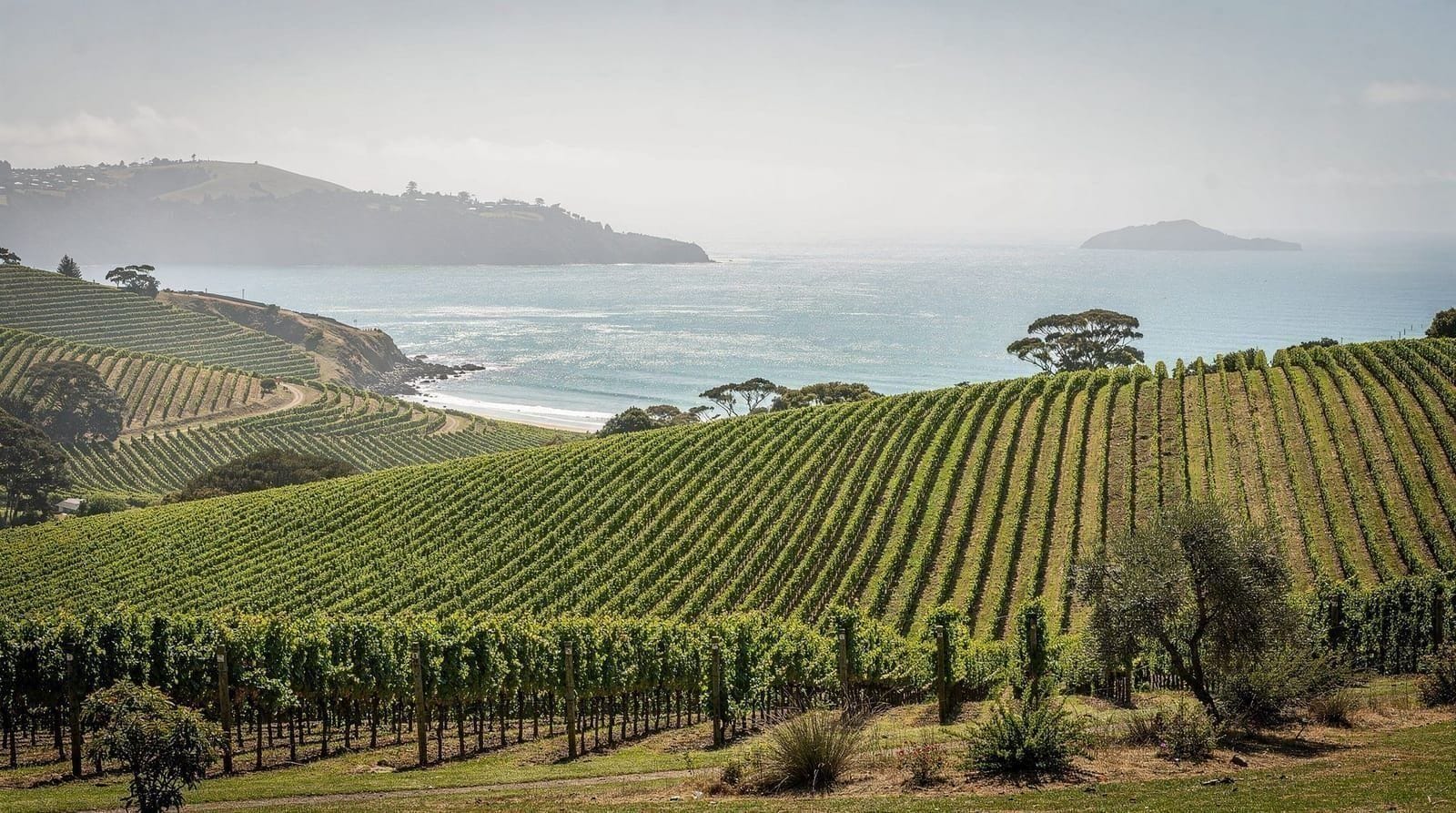
Book the Waiheke wine tasting tour , which covers three to four boutique wineries with tastings included and removes any concern about driving Waiheke’s narrow, winding roads after multiple tastings, letting you focus entirely on the wine rather than the logistics of getting between estates. Waiheke’s warm, maritime microclimate is particularly suited to Bordeaux-style reds and Syrah, distinct from the Sauvignon Blanc most visitors associate with New Zealand wine more broadly — our Waiheke wineries guide has more detail on which estates specialise in what. Many of the island’s best-known producers are relatively small operations by international standards, some producing only a few thousand cases a year, which is part of why cellar door tastings here feel considerably more personal than at larger, more industrial wine regions elsewhere in the world.
Evening: dinner at a vineyard restaurant
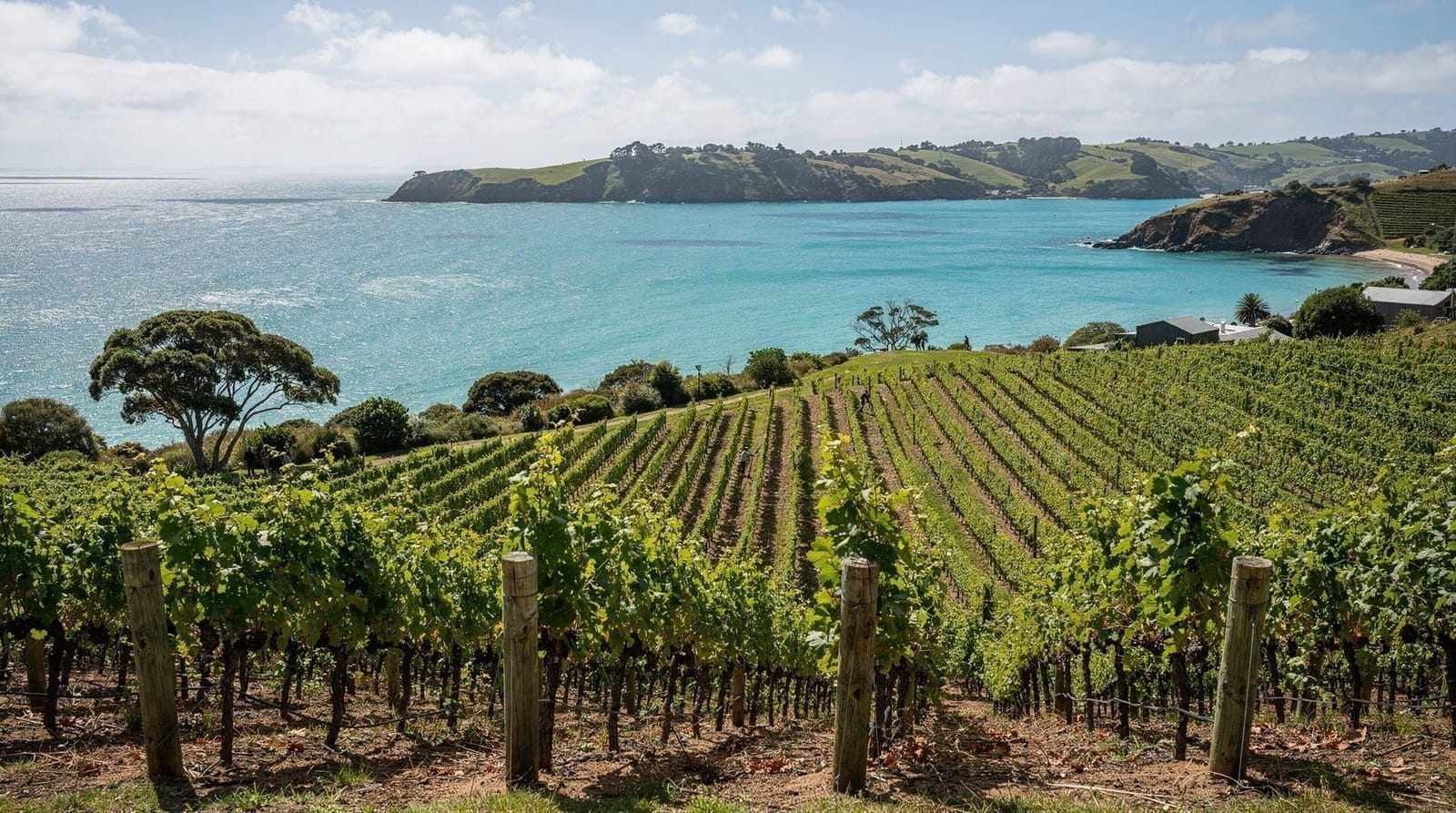
Several Waiheke wineries run their own restaurants with views over the vines and out to the Hauraki Gulf — booking one for dinner on your first evening is one of the more memorable ways to close out a wine-focused day. Reserve ahead, particularly on weekends, since Waiheke’s best vineyard restaurants have limited seating. Several estates offer platters designed to share alongside a flight of their own wines, a relaxed alternative to a full sit-down meal if you would rather keep the evening casual after a day of tastings.
Day 2: more wineries and the coast
Morning: a second, more relaxed winery visit
With no return ferry pressure until later in the day, spend the morning at a different pace — book the Waiheke three-vineyards winery tour for a slightly different set of estates than day one, or self-guide via taxi between two or three wineries at your own speed if you would rather not commit to a fixed group tour schedule. Compare the full range of operators in our Waiheke wine tour options comparison, which ranges from small-group minibus tours to more exclusive private options with a dedicated driver and a itinerary tailored to your specific preferences.
Afternoon: beach time
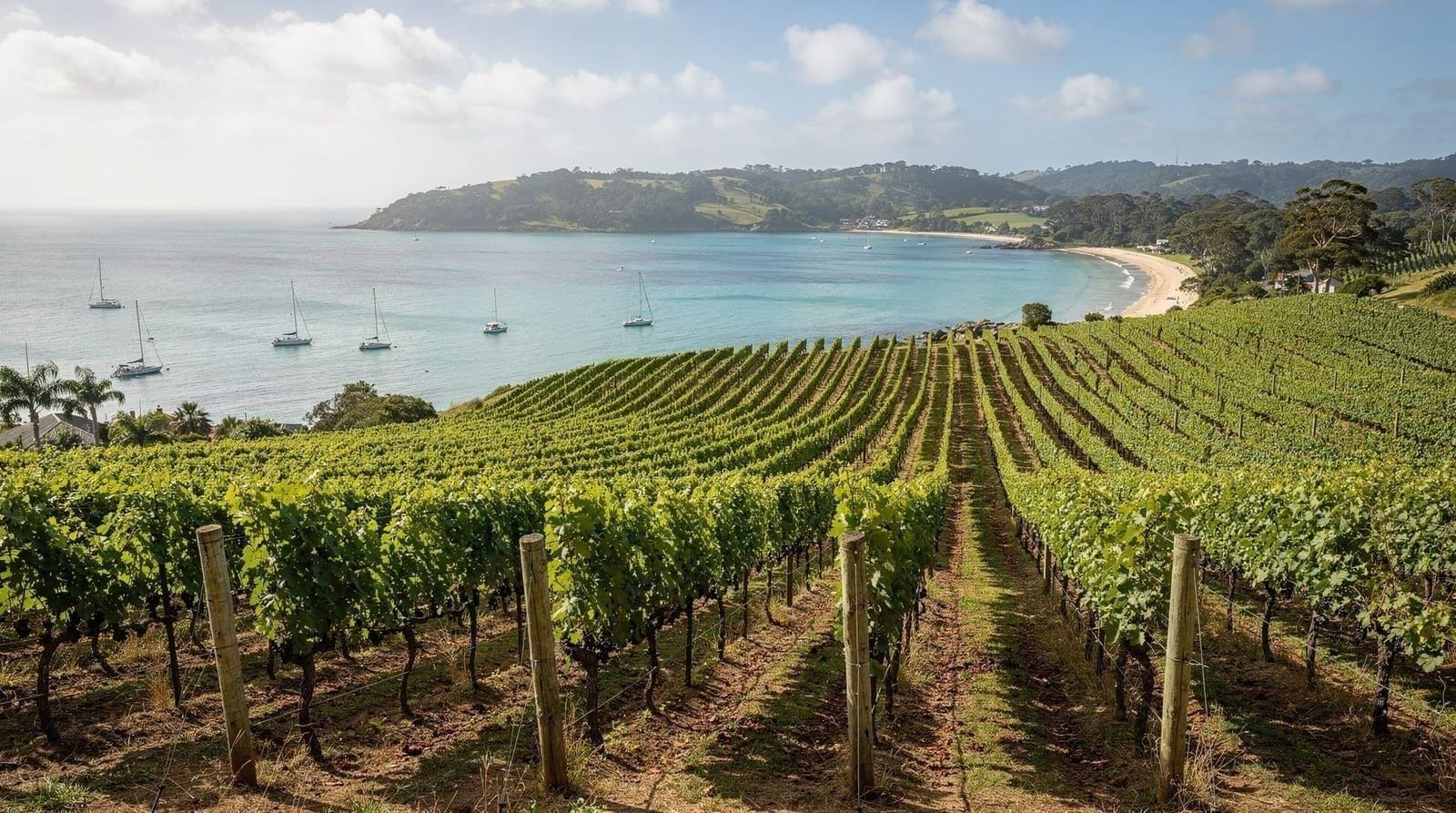
Balance the morning’s tastings with beach time — Onetangi Beach is the island’s longest stretch of sand and a short walk or taxi from most vineyard areas, while Palm Beach offers a quieter, more sheltered alternative, both good for a swim if visiting in the warmer months between October and April. Both are genuinely pleasant places to spend an hour or two before heading back to the ferry terminal.
Evening: return ferry to Auckland
Take an early evening ferry back to the mainland, leaving enough buffer before the last sailing (typically around 10.30–11pm, though this varies seasonally) in case tastings or lunch run long. If you would rather not rush the goodbye to the island, consider a second overnight instead of a tight same-day departure.
Is Waiheke worth a dedicated weekend rather than a day trip?
For genuine wine enthusiasts, yes — the difference between a single hurried day and a proper two-day visit is considerable, particularly around dining. Waiheke’s best vineyard restaurants take reservations well ahead and reward a relaxed, unhurried evening rather than being squeezed between a wine tour and a return ferry deadline. Visitors whose main interest is a general taste of the island rather than a deep wine focus may find our 2-day Auckland itinerary, which pairs a single Waiheke day with a full CBD day, a more balanced use of limited time.
Where to stay on Waiheke for a wine weekend
Oneroa village is the most convenient base, with the widest range of accommodation and easy access to both the ferry terminal and taxi services out to the vineyard region. Boutique lodges near Church Bay and Onetangi put you closer to the wineries themselves but require transport into the village for dinner and shopping. Our full Waiheke Island guide breaks down all four main villages if you want more detail on where different accommodation styles cluster.
Expect to pay a premium for Waiheke accommodation compared with mainland Auckland — boutique lodges and vineyard cottages commonly run NZD 350–700 a night, reflecting both the island’s exclusivity and its more limited accommodation stock relative to demand. More modest guesthouse or Airbnb-style options in Oneroa can bring this down to NZD 200–300 a night, still a step above equivalent mainland pricing. Book well ahead for weekend stays, particularly in summer, when Waiheke accommodation is among the most sought-after in the wider Auckland region.
Getting to Waiheke from Auckland
The Fullers360 fast ferry departs from the downtown Auckland ferry terminal roughly every 30–60 minutes depending on the season, with the crossing taking 40 minutes each way. Buy tickets online in advance for the best fares, or at the terminal on the day if your schedule is more flexible. A slower car ferry (SeaLink) also runs from Half Moon Bay for travellers who want to bring a vehicle, though most visitors doing a wine-focused weekend find the passenger ferry plus guided tours or taxis considerably simpler than managing a car on the island’s narrow roads after tastings.
What if it rains?
A wet weekend does not derail this itinerary much, since wine tasting itself happens indoors in cellar doors regardless of weather. The beach component of day two loses its appeal in rain, but Waiheke’s villages (particularly Oneroa) have enough covered galleries and boutiques to fill the gap comfortably. If anything, a quiet, overcast day can make for a more contemplative wine tasting experience without the distraction of trying to fit in beach time as well.
What to pack for a Waiheke wine weekend
Smart-casual clothing suits Waiheke’s vineyard restaurants better than very casual beachwear, particularly for an evening reservation. Comfortable shoes still matter, since several wineries involve short walks through vineyards or gardens as part of the tasting experience. Sunscreen (SPF 50+) is essential regardless of season, given New Zealand’s extreme UV levels, and a light jacket is worth having for the ferry crossing and any outdoor tasting areas, which can be breezier than the mainland.
Budget breakdown: Waiheke wine weekend
| Item | Cost (NZD) |
|---|---|
| Ferry return (with AT HOP) | $50–60 |
| Day 1 wine tour (3–4 wineries) | $140–180 |
| Day 2 wine tour (3 vineyards) | $130–170 |
| Vineyard dinner | $100–160 for two |
| Casual meals (2 days) | $80–120 |
| Accommodation (1 night, mid-range) | $250–450 |
| Total per person (excl. accommodation) | $500–690 |
For a leaner version of this trip, drop one of the two guided tours and self-guide via taxi between two wineries instead, which typically saves NZD 60–90 per person. See the Auckland budget guide for how Waiheke’s costs compare to other Auckland-area day trips.
Tasting fees at individual cellar doors are often waived or credited toward a bottle purchase, so a self-guided day visiting two or three wineries independently can work out considerably cheaper than a fully guided tour, at the cost of some convenience and the risk of overindulging without a designated driver. Most visitors find the guided tour format strikes the right balance for a weekend specifically built around wine, since it removes any need to think about logistics between tastings.
Extending the trip: other Hauraki Gulf islands
If a second overnight is on the table, Waiheke is not the only worthwhile island in the Hauraki Gulf, though it is by far the most geared toward wine. Our Hauraki Gulf islands guide covers the other options within easy ferry reach of Auckland, from the volcanic cone of Rangitoto to the conservation sanctuary of Tiritiri Matangi, neither of which overlaps meaningfully with a wine-focused Waiheke visit. Travellers deciding between a Waiheke weekend and a Coromandel trip instead — a very different, beach-and-hiking-led alternative — should see our Waiheke vs Coromandel comparison before committing calendar time to one or the other. For a shorter taste of the island without an overnight, our Waiheke day trip guide lays out what a single-day visit realistically covers.
Choosing between a group tour and a private wine experience
The two guided tours in this itinerary are small-group minibus formats, which suit most couples and pairs of friends well and keep costs down. Travellers who want a slower, more flexible pace — stopping longer at estates that particularly interest them, or skipping ones that do not — should look at a private guide instead; our Waiheke wine tour options comparison breaks down where the private options sit on price against the small-group tours used here. The main Waiheke Island wine tour overview is also worth a browse if you want to see the full spread of formats side by side before deciding which day of this weekend gets the more premium option.
Frequently asked questions about this itinerary
Is Waiheke expensive compared to other New Zealand wine regions?
Somewhat — Waiheke’s boutique, low-yield vineyard model and its island location (everything, including staff and supplies, arrives by ferry) push prices above mainland regions like Hawke’s Bay or Marlborough. Most visitors find the quality and setting justify the premium, particularly for a special-occasion weekend.
Do I need to book wine tours in advance for a weekend trip?
Yes, especially for Friday-to-Sunday weekend trips and anything in summer (December–February), when both accommodation and popular tour operators book out well ahead. Weekday visits have considerably more flexibility for last-minute bookings.
Can I visit wineries independently without a guided tour?
Yes, via taxi, shuttle or a self-guided e-bike tour, though driving yourself between tastings is not advisable given New Zealand’s strict drink-driving limits. A guided tour remains the simplest option if you want to visit more than one or two estates in a day.
Is one overnight enough, or should I stay two nights?
One night comfortably covers this itinerary’s two-day structure, but wine enthusiasts who want to visit a wider spread of estates, or who simply want a slower pace, often extend to two nights, particularly in shoulder season when accommodation rates are lower than summer peak.
What is the best season for a Waiheke wine weekend?
Autumn (March–May) coincides with the grape harvest at many estates and offers excellent weather without summer’s peak pricing and crowds. Summer is warmest for beach time alongside the wine tastings; winter is quieter and considerably cheaper, though some vineyard restaurants reduce their hours outside peak season.
Is Waiheke suitable for a wine weekend without a car?
Yes, entirely — this itinerary assumes no car, relying on the passenger ferry plus guided tours or taxis on the island itself, which most visitors find simpler and safer than self-driving between tastings.
How does Waiheke wine compare to Marlborough or Hawke’s Bay?
Waiheke is considerably smaller in scale than New Zealand’s larger wine regions, with a boutique, low-yield model that favours quality and experience over volume production. Marlborough is New Zealand’s largest wine region and the source of most of the country’s famous Sauvignon Blanc, while Hawke’s Bay specialises in similar Bordeaux-style reds to Waiheke but at a larger, more accessible scale. Waiheke’s key advantage for a weekend trip is proximity — no other major New Zealand wine region sits 40 minutes from a major international airport.
Can I do this itinerary as a day trip and still get a good sense of Waiheke wine?
You can get a reasonable taste of it, but the overnight stay is what genuinely differentiates this itinerary from a rushed day visit — see our 2-day Auckland itinerary for how Waiheke fits into a single-day format instead, which necessarily compresses the wine component into a shorter guided tour with less flexibility.
Is Waiheke suitable for a group of friends rather than a couple?
Very much so — several Waiheke wine tour operators specialise in small-group bookings, and the island’s relaxed pace and variety of vineyard restaurants suit a group weekend particularly well. Book accommodation with multiple bedrooms or a shared living space well in advance for larger groups, since Waiheke’s accommodation stock is more limited than mainland Auckland.
What grape varieties should I look out for on Waiheke?
Bordeaux-style blends (Cabernet Sauvignon, Merlot and related varieties) and Syrah are Waiheke’s signature reds, benefiting from the island’s warm, well-drained soils and maritime microclimate. Some estates also produce excellent Chardonnay and Rosé, though Waiheke is generally less associated with the Sauvignon Blanc that dominates New Zealand’s international wine reputation via Marlborough.
Do I need to tip on wine tours or at restaurants?
Tipping is not culturally expected in New Zealand, including on Waiheke, though rounding up or leaving a small amount for exceptional service on a guided tour is appreciated rather than required. Restaurant bills do not typically include a service charge, and most locals do not tip for standard service.
Is Waiheke worth visiting if I don’t drink much wine?
Yes, though the pull is weaker without the wine focus — the island still offers beaches, art galleries, olive groves and walking tracks. Most non-drinkers travelling with a wine-focused partner or group find enough to do independently during tastings, but a dedicated wine weekend like this one is built primarily around the vineyard experience.
Can I combine Waiheke with other Hauraki Gulf islands on the same trip?
Not comfortably within this two-day structure — Waiheke’s wine focus benefits from dedicated time rather than being combined with another island on the same short trip. Travellers with more time available sometimes add Rangitoto or Tiritiri Matangi as a separate day either before or after this weekend, treated as its own excursion rather than squeezed into the same two days.
Top experiences
Bookable activities with verified prices and instant confirmation on GetYourGuide.