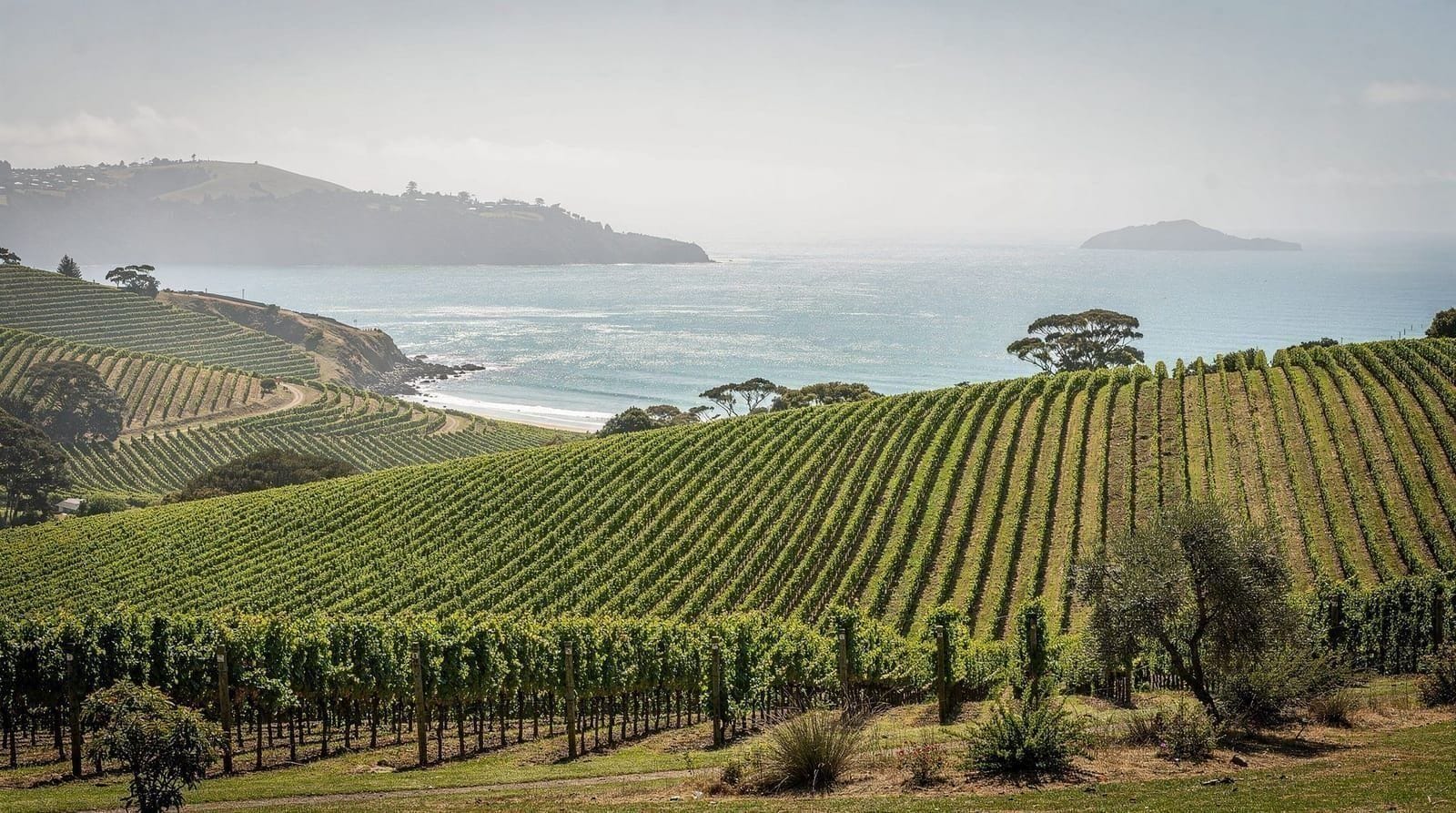
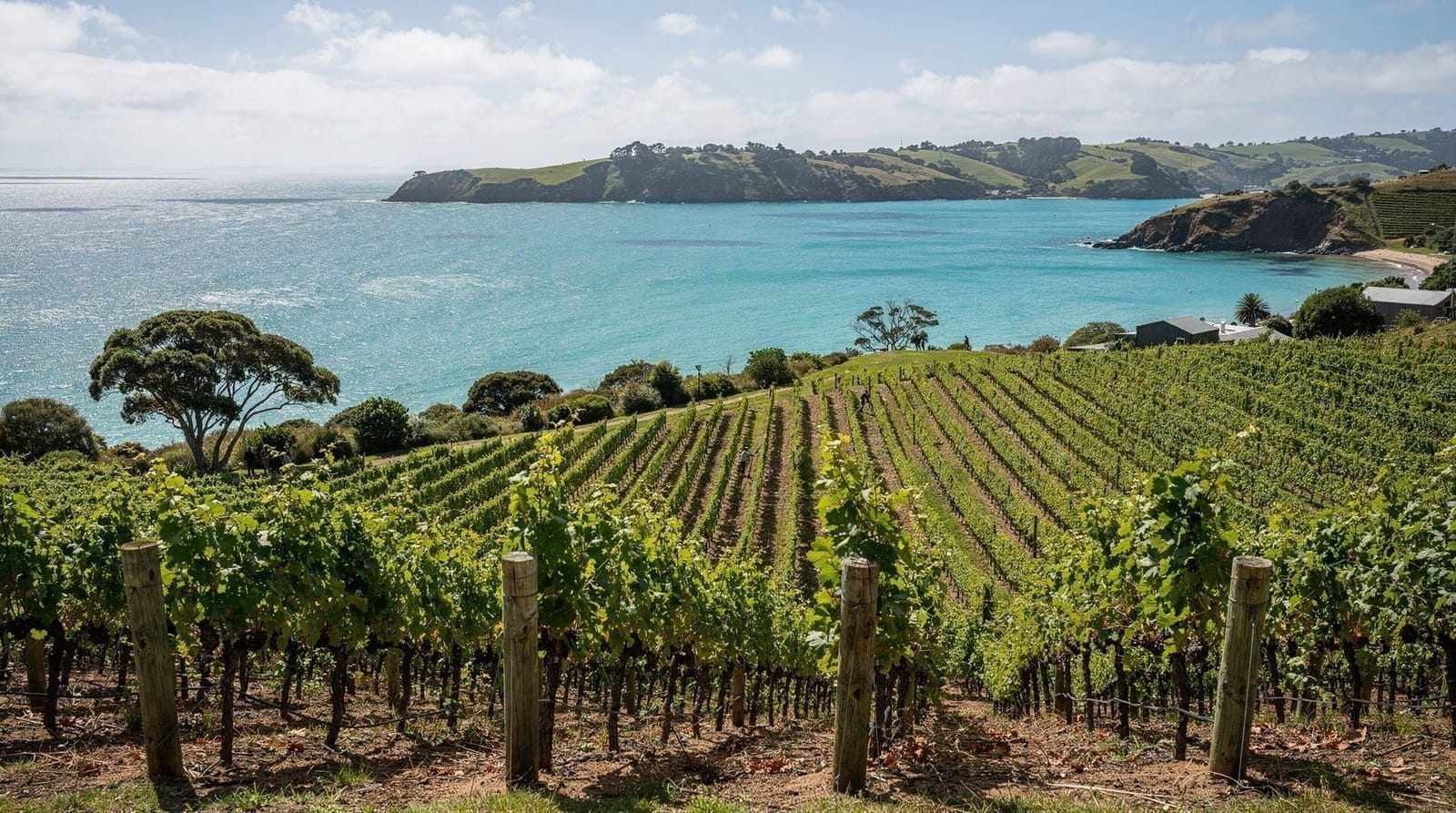
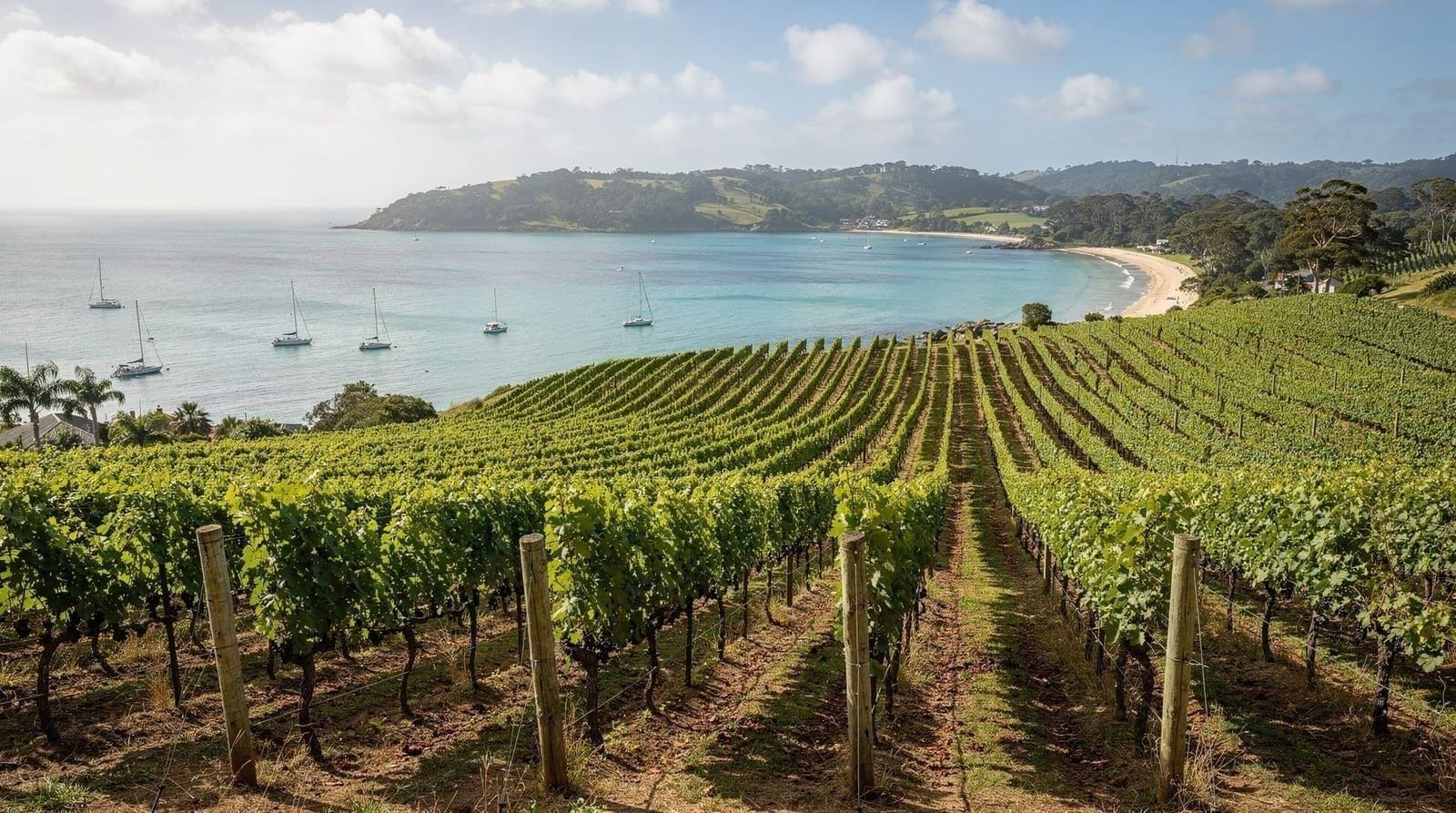
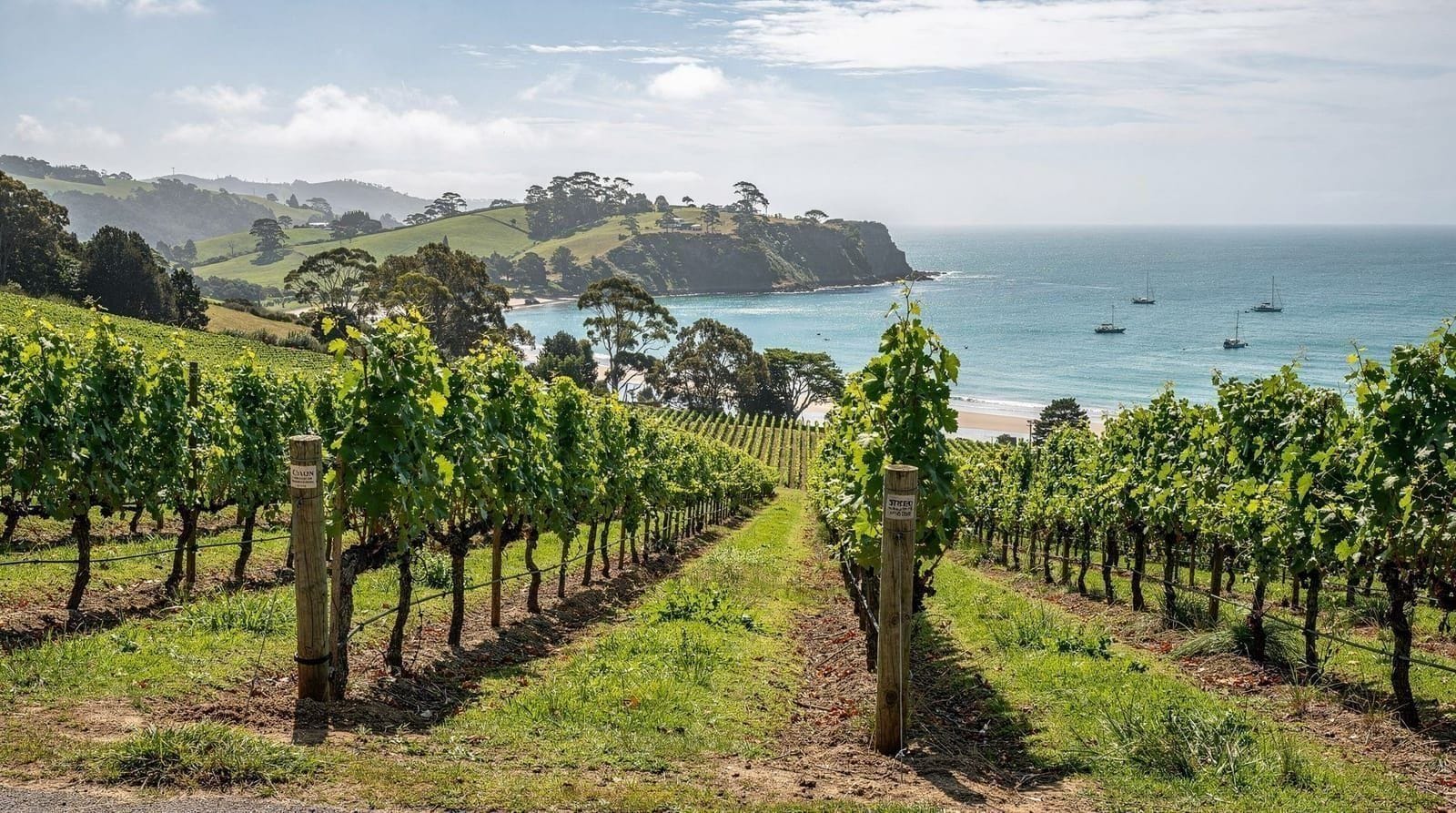
Waiheke wineries: which ones actually deserve your time
Auckland: Waiheke island scenic wine tour with lunch
How many wineries should I visit on Waiheke in one day?
Three to four is the practical limit for a single day, allowing 45-60 minutes at each full tasting stop plus travel time between them. Trying to fit in more usually means rushing both the wine and the setting, which defeats the point of visiting.
Waiheke’s wineries, decoded
Around 30 wineries operate across Waiheke Island, ranging from tiny family-run cellar doors producing a few thousand bottles a year to polished, restaurant-attached operations that draw hundreds of visitors on a busy Saturday. For a first-time visitor, this range can be genuinely confusing to navigate — every operator markets itself as a must-visit, and without local knowledge it is hard to tell which wineries are worth prioritising versus which are simply well-marketed. This guide names the wineries that come up again and again on reputable tours and in serious wine coverage, what each is actually known for, and how to build a realistic day around three or four of them rather than trying to see everything.
The island’s wine identity is fairly specific: a warm, dry microclimate noticeably sunnier than mainland Auckland favours Bordeaux-style red blends (cabernet sauvignon, merlot, malbec) and syrah, a real departure from the sauvignon blanc New Zealand wine is best known for internationally. Understanding this before you visit sets the right expectations — come for structured, often age-worthy reds rather than crisp whites, and you will get far more out of the tastings.
| Best for views | Mudbrick Vineyard |
| Best for the wine itself | Stonyridge Vineyard |
| Closest to the ferry | Cable Bay Vineyards (~10 min) |
| Tasting fee | NZD 15-30 per flight, often waived with a bottle purchase |
| Realistic daily limit | 3-4 wineries |
Mudbrick Vineyard: the view
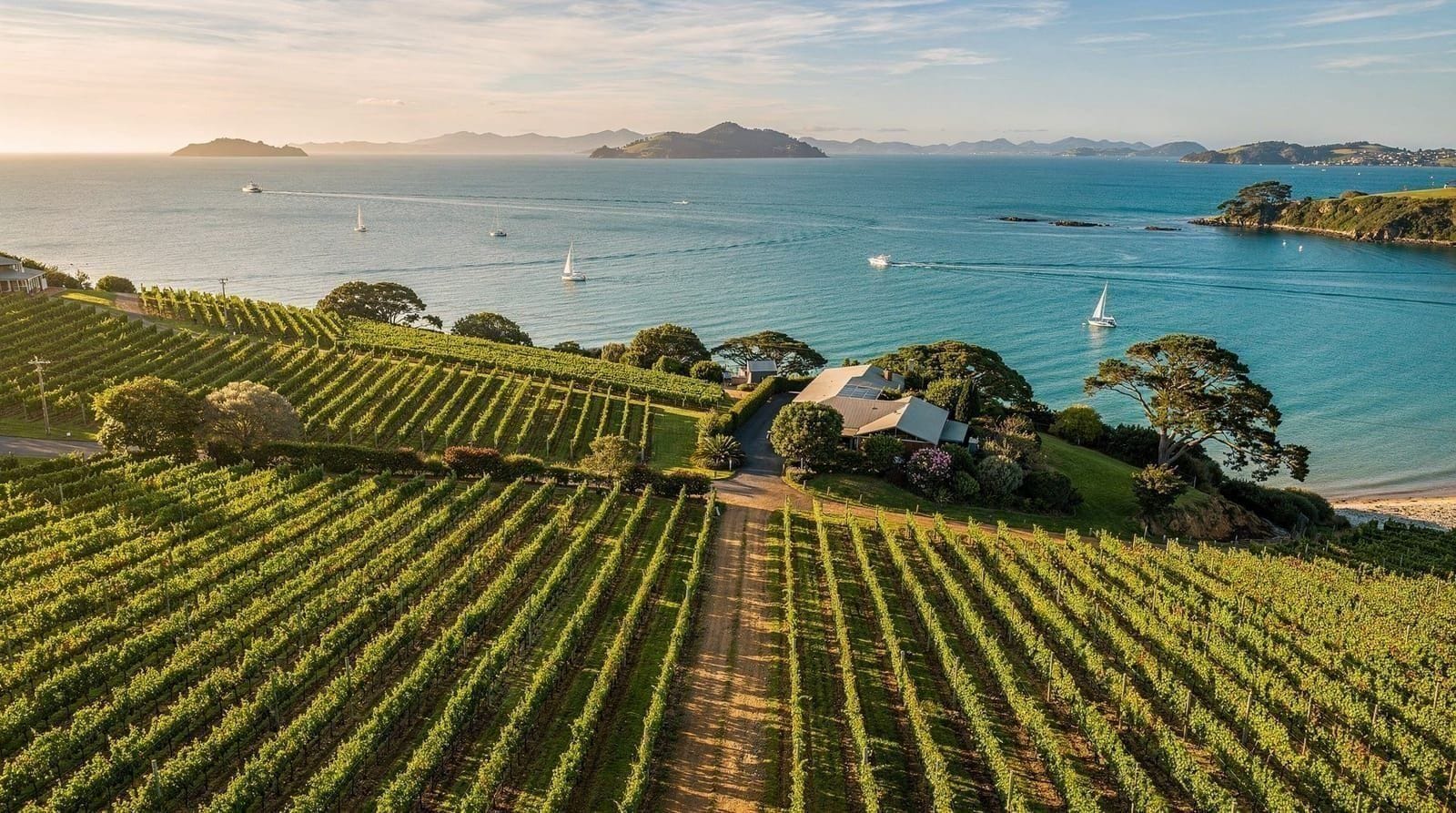
Mudbrick, perched on a hillside above Church Bay, has arguably the single most photographed setting on the island — manicured gardens, a restored cellar door and restaurant, and sweeping views back across the Hauraki Gulf toward the Auckland skyline that are genuinely spectacular at sunset. It is close to guaranteed to appear on any premium small-group or private wine tour, and deservedly so. The wine itself is solid rather than the headline draw here; most visitors come for the combination of setting, garden, and a proper sit-down meal at the restaurant as much as for the tasting flight.
Stonyridge Vineyard: the wine
Stonyridge is one of Waiheke’s original producers and has built its reputation squarely on the wine rather than the view — its flagship Bordeaux-blend red regularly features on serious best-of-New Zealand lists and has developed a genuine cult following among collectors. If wine quality matters more to you than photogenic gardens, prioritise Stonyridge over a purely scenic stop. Visits here tend to be more tasting-focused and less restaurant-centric than some of the island’s more polished competitors, which suits visitors who want to talk varietals and vintages rather than linger over lunch.
Cable Bay Vineyards: the modern cellar door
Cable Bay sits close to the ferry terminal, making it one of the more accessible wineries on the island logistically, and pairs its tastings with a striking modern architectural cellar door and restaurant. It strikes a reasonable middle ground between Mudbrick’s view-driven appeal and Stonyridge’s wine-focused reputation, with a strong all-round offering that suits visitors who want a single well-rounded stop if time is tight.
Man O’ War Vineyards: the hard-to-reach one
Man O’ War sits at the island’s remote eastern end, genuinely difficult to reach independently without a car and a fair amount of driving time, which is precisely why it tends to appear on organised tours rather than self-guided itineraries. The setting is dramatic and less crowded than the island’s more central wineries simply because of the distance involved, and it is one of the better reasons to book a tour rather than attempt a DIY wine day if this particular winery interests you.
Batch Winery and Casita Miro: the relaxed alternatives
Batch Winery offers a more casual, laid-back tasting room experience than some of the island’s grander cellar doors, a good option if you want a lower-key stop between two more polished ones. Casita Miro leans into a distinctive Spanish-inflected menu and a colourful, mosaic-tiled courtyard that photographs beautifully and offers a genuinely different atmosphere from the island’s more conventional wine-country aesthetic — a fun contrast stop on a multi-winery day.
Distance from the ferry: why it matters for planning
Waiheke’s wineries are spread across the island’s hills rather than clustered near the ferry terminal, and travel time between them is a bigger factor in planning your day than most first-time visitors expect. Cable Bay sits closest to the ferry terminal, a short drive of around 10 minutes, making it a practical first or last stop on a tight schedule. Mudbrick and Stonyridge sit further out, roughly 15-20 minutes’ drive, in the Church Bay and Onetangi direction respectively. Man O’ War, at the island’s remote eastern tip, can take 30-40 minutes each way from the ferry terminal, which is the single biggest reason it rarely appears on shorter, budget tours and features mostly on longer or private itineraries with more built-in driving time. Factor this geography into your expectations before assuming any winery combination is achievable in a rushed few hours.
Art, gardens, and sculpture alongside the wine
Several of Waiheke’s wineries lean into art and garden design as much as wine production, and this is worth knowing if you want more than just a tasting flight out of your visit. Mudbrick’s gardens are a destination in their own right, often used for weddings and photography for exactly this reason. Casita Miro’s mosaic-tiled courtyard doubles as a small art installation. A few of the island’s wineries also host rotating sculpture displays or gallery spaces alongside their cellar doors, part of Waiheke’s broader identity as an arts-and-wine island rather than a purely agricultural one. If art and garden design matter to you as much as the wine itself, mention this when booking a tour so your guide can weight the itinerary accordingly.
How to actually plan your stops
This scenic wine tour with lunch included and this half-day wine tastings and lunch tour both curate a sensible three-to-four winery rotation for you, typically balancing one view-focused stop, one wine-focused stop, and a lunch venue, which removes the guesswork of picking your own combination. If you prefer a more casual, no-frills format, this classic Waiheke winery tour covers the essentials without the premium price tag of a lunch-inclusive option. For something built entirely around your own priorities — say, insisting on both Stonyridge and Man O’ War in the same day — this gourmet food and wine tour or a fully private option like this private sommelier-led tour give you the flexibility to build a custom itinerary around specific wineries.
Booking tastings in advance
Many of Waiheke’s better-known wineries — Mudbrick and Stonyridge in particular — require or strongly recommend booking a tasting slot ahead, especially on weekends and throughout the November-April high season, when walk-in capacity fills quickly. Smaller, less internationally known cellar doors are more likely to accept walk-ins, but relying on this as your primary plan is risky during peak periods. If you are on an organised tour, this is handled for you; if you are visiting independently, check each winery’s booking requirements a few days ahead rather than assuming you can simply turn up.
Tasting fees and what they include
Expect NZD 15-30 per tasting flight at most Waiheke cellar doors, a little above what you would pay at mainland New Zealand wine regions like Hawke’s Bay or Marlborough, reflecting the island’s premium positioning. Many wineries waive or discount the tasting fee if you purchase a bottle afterward, worth asking about if you find a wine you genuinely want to take home — though be aware New Zealand has restrictions on how much alcohol you can bring through security if you are flying onward, so factor this in before buying more than you can realistically carry.
What surprises first-time visitors
A few things about Waiheke’s wineries catch first-time visitors off guard. First, the island is bigger and hillier than photos suggest — distances that look short on a map take longer in practice given the winding roads, which is why tour operators rarely attempt more than four stops in a day. Second, several of the best-known wineries are as much about the restaurant and setting as the wine itself, so if you arrive expecting a purely technical tasting experience at every stop, some venues will feel more like a scenic lunch with a wine list than a dedicated cellar-door tasting. Third, portion sizes and tasting formats vary more than expected between wineries — some offer a generous, unhurried flight with detailed commentary, while others run a brisker, more self-directed tasting bar format, so do not assume every stop will take the same amount of time.
Non-drinkers and designated drivers
Most Waiheke wineries offer a non-alcoholic option or a reduced-price non-tasting entry for anyone not drinking, and if you are visiting on a tour with a non-drinking member of your group, mention this when booking so the itinerary can be adjusted toward wineries with stronger food, garden, or art offerings alongside the wine. Given Waiheke’s narrow, hilly roads and New Zealand’s strict drink-driving limits, self-driving between wineries after tasting is genuinely not advisable — this is one of the strongest arguments for a tour over a self-drive itinerary, covered in more depth in our ferry vs drive Waiheke comparison.
Building a realistic day: our recommended combinations
If you can only manage three stops, pairing Mudbrick (for the view) with Stonyridge (for the wine) and one relaxed lunch stop like Casita Miro or Batch Winery gives a genuinely representative sense of what makes Waiheke’s wine scene distinctive without overloading the day. If Man O’ War specifically interests you, be aware it typically eats up more travel time than the other combinations, so plan for two stops maximum alongside it rather than three or four. Whatever combination you choose, resist the temptation to add a fifth stop — the extra winery rarely adds as much value as slowing down and genuinely enjoying the ones you have already chosen.
Pairing wineries with the rest of Waiheke
Wine is Waiheke’s headline draw but not its only one — the island’s beaches (Onetangi and Palm Beach among the best), art galleries, and sculpture parks reward a slower, multi-day visit if your schedule allows it. Our Waiheke Island guide covers the fuller picture beyond the vineyards, and our Waiheke wine tour options comparison breaks down the different tour formats (group vs private, ferry-included vs self-drive) in more depth if you have not yet decided how to structure your visit.
Best season for a winery visit
Shoulder seasons — March-May and September-November — offer the most comfortable conditions for wandering between cellar doors and gardens, with fewer crowds at the more popular wineries and better last-minute tasting availability. Summer (December-February) is Waiheke at its most beautiful, with vineyard rows in full leaf and warm enough weather to make the most of outdoor terrace seating, but also the busiest and most expensive season, requiring bookings two to three weeks ahead for weekend tours. Winter (June-August) sees noticeably reduced hours at some of the smaller cellar doors, so confirm opening days directly if you are set on a specific winery outside the main season.
Budgeting for a winery day
A full day of Waiheke winery visiting, once you add the ferry, tasting fees at three or four stops, and lunch, is one of the pricier single-day activities available from Auckland — our Waiheke wine tours guide breaks down the full cost comparison across tour types, and our is Auckland expensive and Auckland budget guide put that cost in context against a typical daily Auckland spend. If cost is a genuine constraint, a self-guided visit to just one or two wineries via the public ferry and a shuttle keeps the day considerably cheaper than a full tour with lunch included.
Fitting a winery day into your Auckland itinerary
Because a proper winery day realistically takes a full day once ferry time is included, it is worth deciding early in your trip planning which day gets dedicated to Waiheke rather than trying to slot it in as an afterthought. Our how many days in Auckland guide and first-time Auckland tips guide both help place a Waiheke wine day within a broader itinerary, and if wine is just one part of a bigger food-and-drink trip, our best restaurants in Auckland and Auckland food tours guides cover the mainland side of your eating and drinking plans for the rest of the stay.
Our honest take
Not every Waiheke winery deserves equal billing, and going in with a shortlist rather than an open-ended “see what looks good” plan makes for a noticeably better day. Mudbrick and Cable Bay deliver the most reliable combination of setting and polish for a first visit; Stonyridge is worth prioritising if the wine itself is your main interest; and Man O’ War rewards the extra travel time if you are already committed to a tour that includes it. Whatever combination you choose, three to four unhurried stops beats five rushed ones every time.
Restaurant bookings at winery lunches
Several of Waiheke’s best-known wineries — Mudbrick and Cable Bay among them — run genuinely popular sit-down restaurants alongside their tasting rooms, and a table at these is worth booking separately and well ahead of your visit, particularly for a weekend lunch in summer. This is a distinct booking from a tasting slot itself; confirming a tasting time does not automatically secure a restaurant table, and turning up expecting to walk into lunch at a well-reviewed vineyard restaurant on a Saturday in January is a common and avoidable disappointment. If lunch at a specific winery restaurant matters more to your day than the tasting itself, book that table first and build your winery order around it.
Weekday vs weekend visits
If your Auckland itinerary has any flexibility around which day you visit Waiheke, a weekday winery visit is noticeably calmer than a weekend one, particularly from November through April. Weekend tastings at the island’s best-known names — Mudbrick and Stonyridge especially — draw both day-tripping tourists and Aucklanders themselves treating Waiheke as a local escape, which means fuller tasting rooms, longer waits for a table at winery restaurants, and a genuinely different pace than the same cellar door on a Tuesday. If you have the choice, a Wednesday or Thursday visit gets you meaningfully more relaxed service and a better shot at a walk-in tasting slot at wineries that don’t strictly require advance booking.
Smaller cellar doors worth knowing about
Beyond the handful of names that dominate tour itineraries, Waiheke has a genuine long tail of small, family-run cellar doors that rarely appear on organised tours simply because their capacity is too limited to handle group bookings reliably. These tend to reward visitors travelling independently with an e-bike or rental car who have the flexibility to seek out a specific address rather than follow a set tour route.
They are usually the best places to actually talk with the winemaker rather than a tasting-room staff member, and pricing is often comparable to or even a little below the better-known names, since they are not carrying the overhead of restaurant operations or large-scale tour partnerships. If this style of visit appeals more than the headline names covered above, ask a local Waiheke wine shop or your accommodation host for current recommendations, since the smaller scene shifts more year to year than the established cellar doors.
Frequently asked questions about Waiheke wineries: which ones actually deserve your time
Which Waiheke winery has the best views?
Mudbrick Vineyard, perched above Church Bay, is widely regarded as having the most dramatic setting, with sweeping views back across the Hauraki Gulf toward the Auckland skyline, particularly striking at sunset.Which Waiheke winery is best known for its wine rather than the setting?
Stonyridge Vineyard has the strongest reputation for the wine itself, particularly its flagship Bordeaux-blend red, which regularly features on best-of-New-Zealand wine lists and has built the winery's reputation over several decades.Can I visit Waiheke wineries without booking ahead?
Some smaller cellar doors accept walk-ins, but many of the island's better-known wineries require or strongly recommend booking a tasting slot in advance, particularly on weekends and during the November-April high season.Is it possible to visit Waiheke wineries without a tour?
Yes, using the public ferry combined with an e-bike rental or hop-on-hop-off shuttle, though this requires more advance planning around tasting bookings and shuttle timetables than joining an organised tour.Are Waiheke wineries expensive to visit?
Tasting fees typically run NZD 15-30 per flight, sometimes waived with a bottle purchase. This runs a little higher than some mainland New Zealand wine regions, reflecting Waiheke's premium positioning.What wine styles is Waiheke best known for?
Bordeaux-style red blends (cabernet sauvignon, merlot, malbec) and syrah, thanks to the island's warm, dry microclimate — noticeably different from the sauvignon blanc most people associate with New Zealand wine.Which Waiheke winery is easiest to reach without a car?
Cable Bay Vineyards, roughly a 10-minute drive or taxi from the ferry terminal, is the most accessible logistically without a rental car — the closest of the well-known cellar doors to Matiatia Wharf.
Top experiences
Bookable activities with verified prices and instant confirmation on GetYourGuide.