Hauraki Gulf islands: how to choose which ones to visit
Auckland: Tikapa moana whales dolphins and islands cruise
Which Hauraki Gulf island should I visit if I only have time for one?
Waiheke Island for most visitors, thanks to its wine, beaches, and art scene delivering the broadest single-island experience. Choose Rangitoto instead if a volcanic hike interests you more than wine and beaches, or Tiritiri Matangi if wildlife and native bird conservation is your priority.
| Where | Downtown Auckland Ferry Terminal to islands offshore |
| Best all-rounder | Waiheke Island, ~40-min ferry |
| Cost | Ferry from ~NZD 45-50 return; wine/tours extra |
| Booking | Book ahead for Tiritiri Matangi and summer Waiheke sailings |
| Best time | Shoulder seasons (Mar-May, Sep-Nov) |
Why the gulf matters beyond the islands themselves
The Hauraki Gulf Marine Park is not just a scattering of visitor destinations — it is a genuinely significant marine ecosystem, home to resident dolphin and whale populations, a vast network of seabird colonies, and marine reserves that protect fish and coral habitats from commercial fishing. This ecological richness is part of why several of the gulf’s islands have become dedicated conservation projects rather than purely recreational destinations, and it shapes the visitor experience in practical ways too — from the biosecurity checks required before landing on predator-free sanctuaries to the seasonal whale migrations that bring extra marine life through the gulf each winter. Understanding the gulf as a living ecosystem rather than simply a backdrop for day trips adds real context to a visit, particularly on the more conservation-focused islands like Tiritiri Matangi.
The Hauraki Gulf, in perspective
The Hauraki Gulf Marine Park stretches across the water directly northeast of Auckland, containing around 50 islands of wildly varying size, character, and accessibility — from Waiheke, a genuinely substantial island with its own towns, wineries, and thousands of permanent residents, down to tiny, uninhabited conservation islands managed purely for native wildlife protection. For visitors, this means the “Hauraki Gulf islands” is not really one attraction but a whole category of very different day trips, and picking the right one (or two, if your schedule allows) matters more than treating them as interchangeable options.
This guide gives the honest comparison between the islands most visitors can actually reach on a standard trip — Waiheke, Rangitoto, Tiritiri Matangi, and a handful of lesser-known alternatives — and how to think about combining them if you have more than a single day to give the gulf.
Waiheke Island: wine, beaches, and the broadest appeal
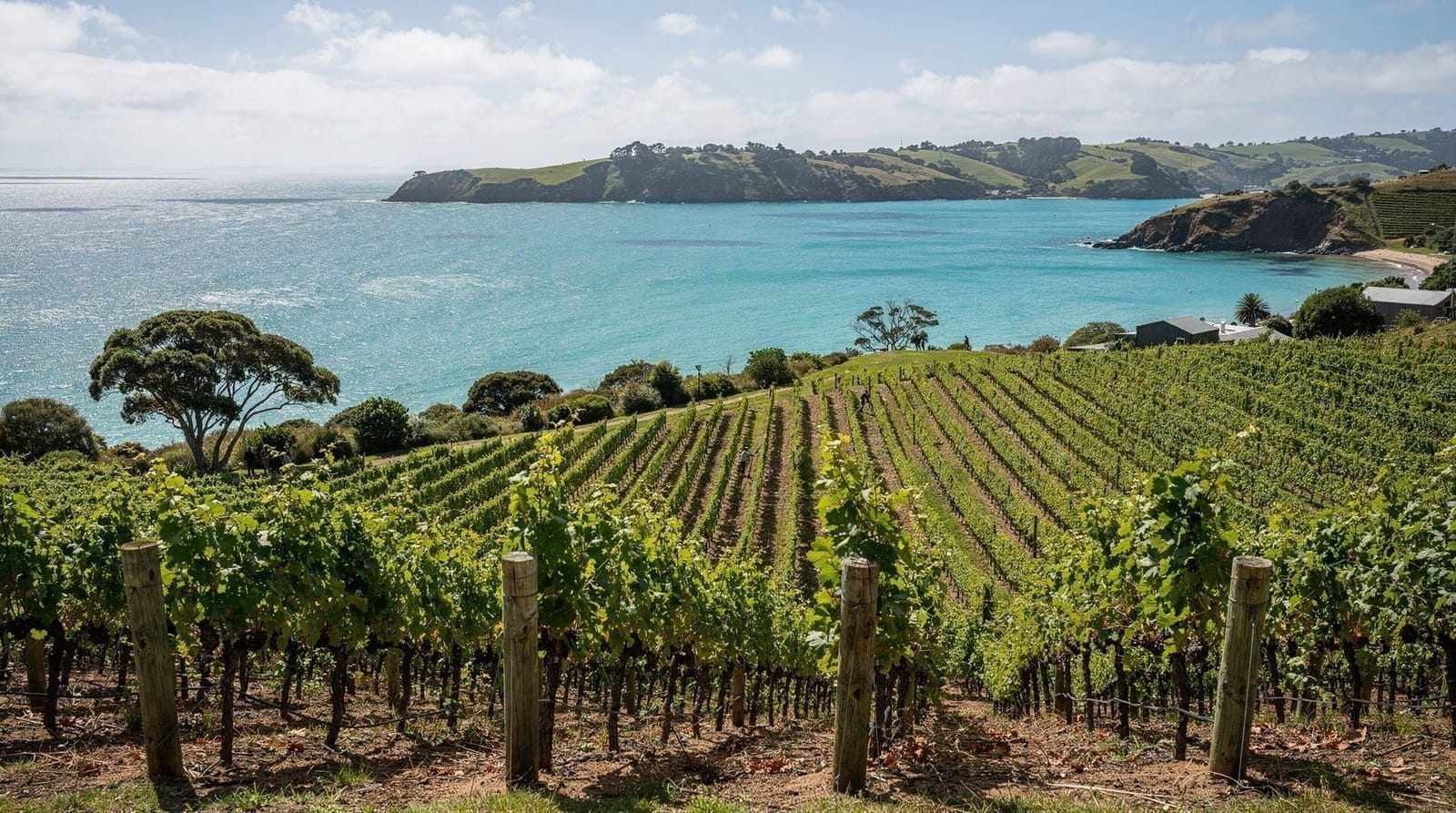
Waiheke is the default choice for most first-time visitors, and for good reason — it delivers the widest single-island experience, combining wine tourism, genuinely good beaches, an active arts scene, and a real (if small) town infrastructure of restaurants, cafes, and shops. The ferry crossing takes about 40 minutes and runs frequently throughout the day. This return ferry ticket gets you there independently, or see our dedicated Waiheke Island guide for the full breakdown of beaches, wine, and how to structure a day trip or overnight stay.
Rangitoto Island: the volcanic hike
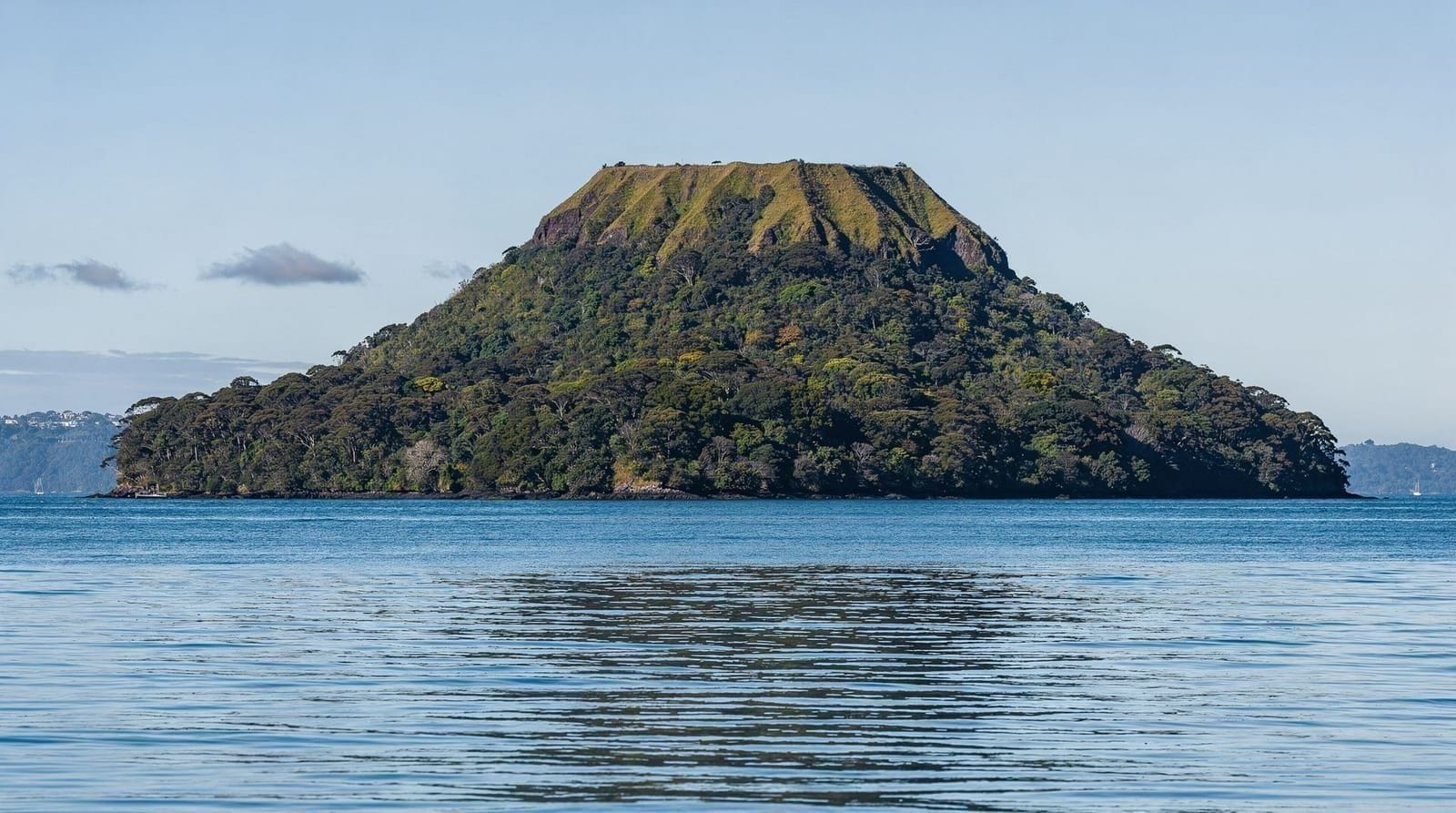
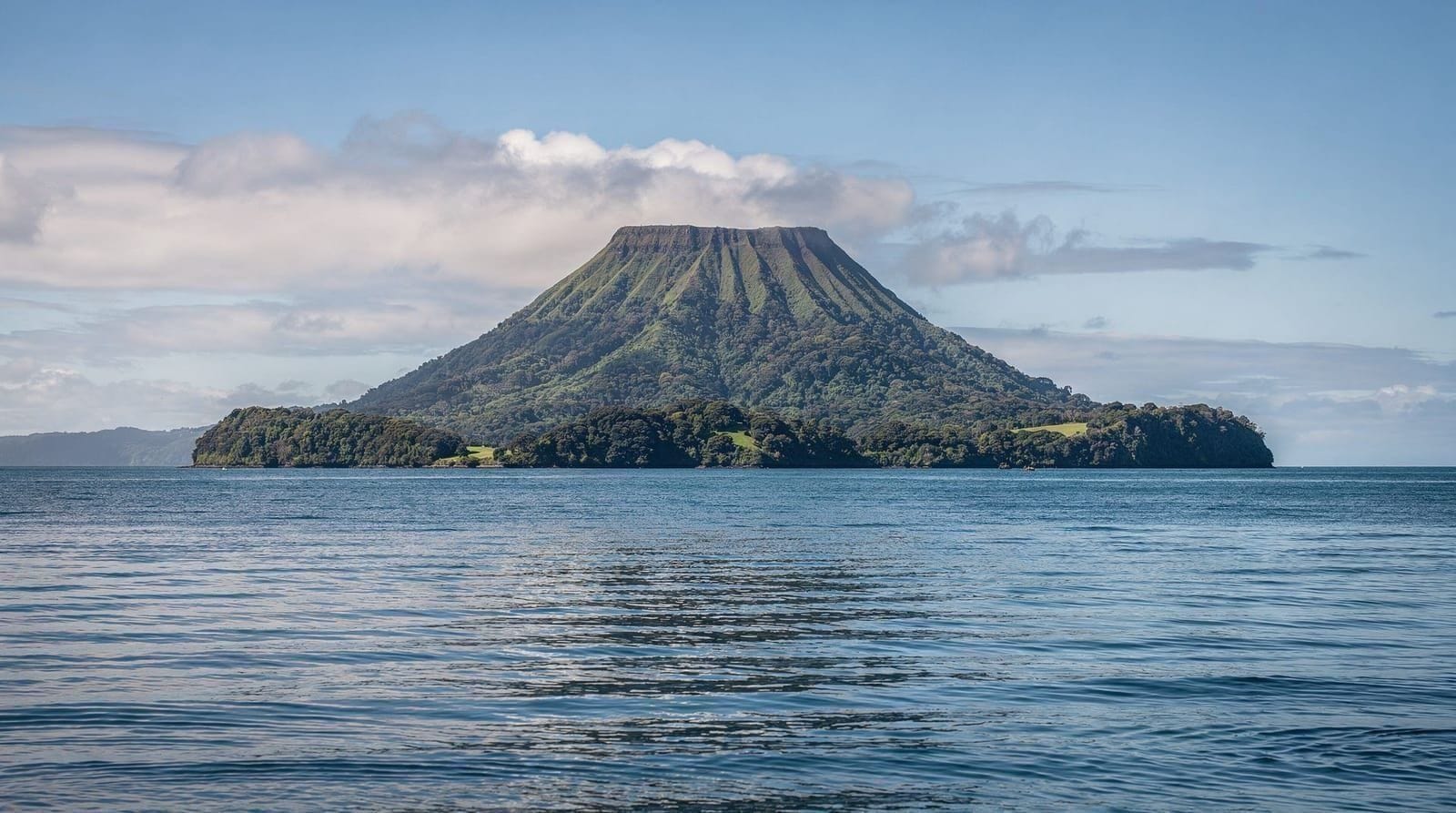
Rangitoto offers something genuinely different from Waiheke’s polish — a raw, undeveloped volcanic landscape formed just 600-700 years ago, with a summit hike delivering 360-degree Hauraki Gulf views and a network of lava caves to explore along the way. The ferry crossing is shorter, at around 25 minutes, and this return ferry ticket is the simplest way to book it. Unlike Waiheke, there are no facilities beyond basic toilets — bring water, food, and sturdy shoes. Our Rangitoto Island guide covers the hike and logistics in full.
Tiritiri Matangi: New Zealand’s premier bird sanctuary
Tiritiri Matangi occupies a different category entirely from Waiheke and Rangitoto — it is a predator-free open wildlife sanctuary, one of New Zealand’s most celebrated conservation success stories, where decades of pest eradication and habitat restoration have created conditions for several rare native bird species to thrive within close, genuinely visible range of visitors. This is the island to choose if wildlife, birdwatching, or conservation is a genuine priority for your trip rather than beaches or wine.
The ferry crossing takes longer than Waiheke or Rangitoto (around 75 minutes), and sailings run less frequently, so this requires more advance planning than a spontaneous half-day decision. Guided walks led by island volunteers are available on arrival and are genuinely worth joining for anyone without existing knowledge of New Zealand’s native bird species, since spotting and identifying some of the rarer species is considerably easier with an experienced guide.
Devonport: technically a peninsula, functionally an island day trip
Devonport sits on a peninsula rather than a true island, but functions identically to one for visitor purposes — reached exclusively by a short 12-minute ferry crossing (or a long drive around the harbour), it delivers its own distinct village atmosphere, food scene, and two volcanic cone walks. See our Devonport eats guide for the food side and our broader island comparisons here for how it stacks up against the true islands covered in this guide as a half-day option.
Great Barrier Island: the remote option
For visitors with more time and a genuine appetite for remoteness, Great Barrier Island sits at the outer edge of the Hauraki Gulf, a substantially larger and wilder island than Waiheke, reached by a longer ferry crossing (several hours) or a short domestic flight rather than a quick passenger ferry. It offers genuinely off-grid beaches, dark-sky stargazing (the island holds International Dark Sky Sanctuary status), and a rugged, largely undeveloped landscape that stands apart from every other island covered in this guide. It is not a realistic day-trip option from Auckland given the travel time involved, and most visitors who go treat it as its own multi-day destination rather than an add-on to a broader Auckland stay — worth knowing about if your trip has the flexibility for a genuinely remote few days, but not something to squeeze into a standard Auckland itinerary.
Lesser-known islands worth knowing about
Beyond the headline destinations, several smaller and less-visited Hauraki Gulf islands reward more adventurous or repeat visitors — Rakino, Motuihe, and others offer quieter beaches and walking trails without Waiheke’s crowds or infrastructure, at the cost of far less frequent ferry access and essentially no facilities. Our lesser-known Hauraki Gulf islands guide covers these in depth, including which ones are realistically reachable on a standard ferry schedule versus which require a private charter or significant advance planning.
Whale and dolphin watching: seeing the gulf from the water
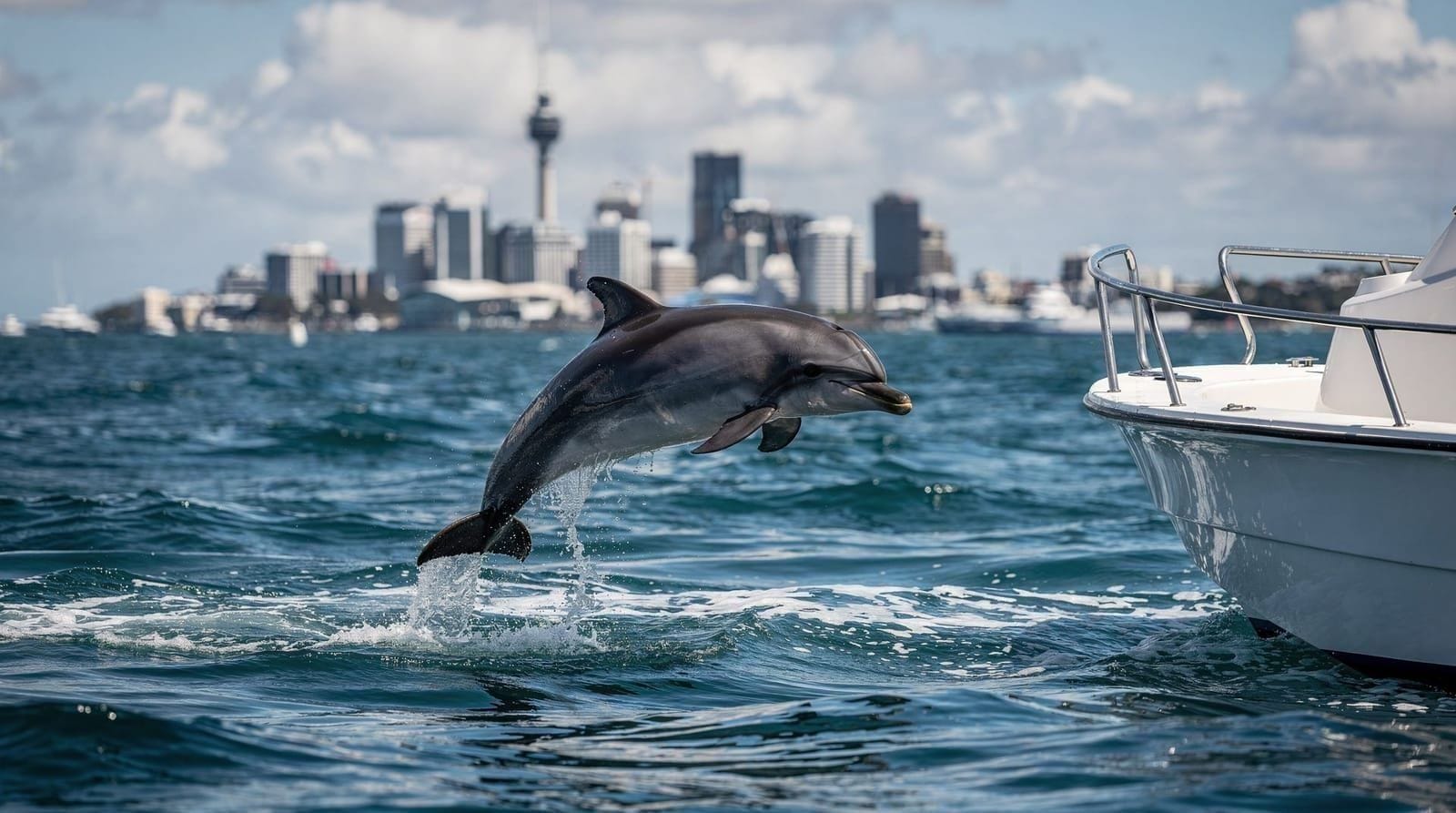
Rather than landing on a specific island, whale and dolphin watching tours cruise through the wider Hauraki Gulf, which hosts resident common dolphins and Bryde’s whales year-round, alongside seasonal visits from migrating humpback and southern right whales (June-August). This whale and dolphin safari and this Tikapa Moana whales, dolphins, and islands cruise both combine wildlife spotting with scenic passes by several of the gulf’s islands, a good option if you want a taste of the wider gulf without committing to a full island landing. Our whale and dolphin watching guide covers seasonal timing and tour options in more depth.
Comparing the islands at a glance
| Island | Ferry time | Best for | Facilities | Advance planning needed |
|---|---|---|---|---|
| Waiheke | ~40 min | Wine, beaches, art | Full range | Moderate (bookings for tastings/tours) |
| Rangitoto | ~25 min | Volcanic hiking | Toilets only | Low (just check timetable) |
| Tiritiri Matangi | ~75 min | Birdwatching, conservation | Toilets, visitor centre | High (infrequent sailings) |
| Devonport | ~12 min | Food, village walks | Full range | Low |
| Rakino / Motuihe | Varies, infrequent | Quiet beaches, solitude | Minimal or none | High |
Can you combine two islands in one day?
In practice, this is harder than it looks on a map. Waiheke and Rangitoto sit on different Fullers360 schedules with limited overlap that would let you comfortably do both justice in a single day — most attempts to combine them result in a rushed half-experience of each rather than a satisfying full day of either. Devonport, given its short crossing and half-day scope, is the one island that realistically pairs with either a CBD morning or an afternoon elsewhere, including a shortened Rangitoto visit if you catch an early sailing. If seeing multiple islands genuinely matters to you, the more sensible approach is dedicating separate days to each rather than trying to force a combined itinerary, or joining a cruise-style tour that passes several islands without a full landing at each.
Conservation etiquette and biosecurity
Several Hauraki Gulf islands, Tiritiri Matangi in particular, are predator-free sanctuaries that depend on strict biosecurity to protect their native wildlife, and visitors are required to check bags and clothing for rodents, seeds, or other pests before boarding the ferry to these islands. This is not a formality — the entire conservation success of places like Tiritiri Matangi depends on maintaining a completely pest-free environment, and a single stowaway rat or mouse could undo decades of restoration work.
Follow the checking procedures at the ferry terminal without treating them as an inconvenience, and avoid bringing any food that could attract or shelter pests onto the more sensitive conservation islands. Rangitoto and Motutapu also carry biosecurity requirements given their role in protecting native species, though slightly less stringent than the fully enclosed Tiritiri Matangi sanctuary.
Photography across the gulf
Each island offers a genuinely different photographic character worth knowing about if photography is a priority for your trip. Rangitoto’s raw black lava fields and twisted pōhutukawa roots make for striking close-up textures, best captured in the softer light of morning or late-afternoon sailings. Waiheke’s rolling vineyard hills and turquoise bays reward a slower, more considered approach, particularly around golden hour on the island’s western-facing coastlines looking back toward the Auckland skyline.
Tiritiri Matangi rewards patient wildlife photographers with genuinely close access to rare native birds, though a longer lens helps for the shyer species. Devonport’s colonial architecture and harbour views suit a more classic, documentary style of travel photography. If you are building a dedicated gulf-islands photo itinerary, spacing visits to catch each island’s best light rather than rushing through on a fixed schedule pays off considerably in the final results.
Costs across the islands
Ferry-only visits to Rangitoto and Devonport are among the most affordable Hauraki Gulf outings, with the ferry fare as the only real cost given the lack of paid attractions on the islands themselves. Waiheke costs considerably more once wine tastings, tours, and dining are factored in, typically NZD 150-400+ per person for a full day depending on how much wine touring you add. Tiritiri Matangi sits in between, with a ferry fare plus a modest conservation contribution, but few other costs once there given the lack of commercial facilities. Our Auckland budget guide and is Auckland expensive guide both place these costs in context against a typical Auckland trip.
Booking and seasonal timing
Shoulder seasons (March-May, September-November) offer the best overall balance across all the islands — comfortable weather, smaller crowds, and easier last-minute bookings. Summer (December-February) is busiest, particularly on Waiheke, requiring advance booking for tours, tastings, and even ferry sailings on peak weekends. Winter (June-August) is quietest, with reduced sailing frequency to some of the less-visited islands, so check timetables carefully if visiting outside the main season. Our best time to visit Auckland guide covers how this seasonal pattern fits into the wider picture of planning an Auckland trip.
Booking the ferry terminal experience
Nearly every Hauraki Gulf island covered here departs from the same downtown Auckland Ferry Terminal on the waterfront, making it a convenient single starting point regardless of which island you choose — worth knowing if you are staying centrally, since you do not need to travel to different parts of the city for different island trips. Peak summer weekends can see genuine queues at the ticket counters and gates, so booking online in advance rather than relying on walk-up purchase saves time, particularly for the more popular Waiheke sailings. Our Auckland ferries guide covers the wider ferry network, including AT HOP card options that can work out cheaper than one-off tickets if you are making multiple gulf crossings across your stay.
Families across the different islands
Each island suits families differently. Waiheke’s calmer beaches and relaxed pace work well for most family groups, and our kid-friendly beaches guide covers which specific beaches suit younger children best. Rangitoto’s summit hike suits older, more physically capable kids rather than toddlers, given the uneven volcanic terrain.
Tiritiri Matangi can be a genuinely memorable wildlife experience for curious children, though the longer ferry crossing and full-day commitment make it a bigger undertaking than a quick beach or hiking day. Devonport, with its short crossing and flat, walkable village, is arguably the easiest and lowest-risk island option for families with young children or anyone new to island day-tripping. Our family day trips from Auckland guide covers how these options compare against the region’s mainland day trips as well.
A sample multi-day gulf itinerary
If your Auckland stay allows three or four days for island exploration rather than just one, a sensible spread looks like this: day one, Rangitoto for a half-day volcanic hike, paired with a CBD morning or afternoon either side; day two, a full day on Waiheke covering wine, beaches, and art; day three, Tiritiri Matangi for a dedicated wildlife-focused day, given its longer crossing and full-day commitment; and, time allowing, a half-day in Devonport to round things out with a village and food-focused finish. This spread deliberately avoids trying to combine islands within a single day, instead giving each destination the focused time it genuinely rewards.
Sea conditions and ferry reliability
Fullers360 sailings across the gulf are generally reliable, but strong winds or heavy swell can occasionally delay or cancel crossings to the outer islands, Tiritiri Matangi and Great Barrier in particular, more often than the sheltered inner routes to Waiheke, Rangitoto and Devonport. If your itinerary is tight and a missed sailing would derail your day, it is worth building in a buffer rather than scheduling a Tiritiri Matangi visit on your last possible day in Auckland. Checking the Fullers360 status page the morning of your crossing is a sensible habit during winter (June-August), when conditions are more variable than the calmer shoulder and summer months.
Getting around once you’re on the island
Once you step off the ferry, your options vary a lot by island. Waiheke has a local bus service linking the main villages and wineries, but many visitors find a rental car, a guided wine tour, or an e-bike gives a less time-constrained day than waiting on bus timetables — our Waiheke wineries guide covers which touring style suits which pace, and ziplining is a good active alternative to another tasting if wine isn’t the priority, covered in our Waiheke ziplining guide.
Rangitoto has no vehicles at all beyond the summit track itself, and no bus — everything is on foot, so see our Rangitoto hike guide for what the trail actually involves, or our Rangitoto half-day guide if you’re working around a tighter ferry schedule. Tiritiri Matangi and Devonport are both compact enough to explore entirely on foot from the wharf.
Staying overnight vs a day trip
Waiheke is the one island where an overnight stay genuinely changes the experience, since a single day trip means racing the last ferry back and rushing past wineries you’d rather linger in. Our Waiheke wine weekend itinerary lays out a relaxed two-day version if your schedule allows it. Rangitoto, Tiritiri Matangi and Devonport are all set up as day-trip-only destinations, with no visitor accommodation on the island itself (Tiritiri Matangi has limited bunkhouse stays for those who arrange it well in advance through the island’s conservation trust).
Our honest take
For a single Hauraki Gulf day, Waiheke remains the safest, broadest-appeal choice for most visitors, but it is not automatically the right pick for everyone — hikers and geology enthusiasts get more out of Rangitoto, and genuine wildlife lovers should prioritise Tiritiri Matangi even though it demands more planning. If your Auckland stay allows more than one gulf day, pairing Waiheke with either Rangitoto or Devonport gives a genuinely well-rounded sense of what the gulf offers beyond its most famous island, without the logistics headache of trying to force multiple islands into a single rushed day.
Frequently asked questions about Hauraki Gulf islands: how to choose which ones to visit
How many islands are in the Hauraki Gulf?
The Hauraki Gulf Marine Park contains around 50 islands of varying size, ranging from large, populated islands like Waiheke and Great Barrier to small, uninhabited conservation islands. Only a handful are set up for regular visitor access via ferry.Can I visit more than one Hauraki Gulf island in one day?
It is logistically difficult given differing ferry schedules and crossing times, and most islands deserve a full or half day on their own. Combining two islands in one day is only realistic for a small number of pairings and usually means rushing at least one of them.Which Hauraki Gulf island is best for wildlife and birdwatching?
Tiritiri Matangi is New Zealand's premier open bird sanctuary, a predator-free island where several rare native species can be seen up close, making it the clear choice for wildlife-focused visitors.Which Hauraki Gulf island is easiest to visit without a tour?
Waiheke, Devonport, and Rangitoto all have frequent, straightforward Fullers360 ferry services that make independent, self-guided visits genuinely easy without needing to book an organised tour.Do all Hauraki Gulf islands have facilities like cafes and toilets?
No — this varies significantly. Waiheke has a full range of restaurants, cafes, and shops. Rangitoto and Tiritiri Matangi have only basic toilets and no food or drink for sale, so visitors need to bring their own supplies.What is the best time of year to visit the Hauraki Gulf islands?
Shoulder seasons (March-May, September-November) offer the best balance of comfortable weather, smaller crowds, and easier bookings. Summer (December-February) is busiest and requires advance planning; winter is quietest but coolest for beach-focused islands like Waiheke.Do I need a car once I get off the ferry on Waiheke?
Not strictly, but it helps. Waiheke has a local bus service and taxis, and e-bike rental is popular for covering more ground independently, but many wineries and beaches sit spread out across the island, so a rental car or a guided tour makes for a less time-constrained day than relying on the bus alone.Is it worth staying overnight on Waiheke instead of a day trip?
For a more relaxed pace, yes. A day trip covers the highlights but feels rushed if you want to properly linger over multiple wineries or catch a quieter beach at sunset; an overnight stay lets you spread wine tasting, beaches, and a full dinner across two unhurried days instead of racing the last ferry back.
Top experiences
Bookable activities with verified prices and instant confirmation on GetYourGuide.