Rotorua's best adventure activities for a day trip from Auckland
Rotorua: Skyline rotorua gondola and luge
What is Rotorua's best adventure activity?
The Skyline Rotorua gondola and luge combo is the most popular — a scenic gondola ride up Mount Ngongotahā followed by multiple luge track runs of varying difficulty, suited to all ages and fitness levels.
Rotorua isn’t just geothermal parks
Most Auckland visitors head to Rotorua for its geothermal valleys and Māori cultural experiences — and rightly so, they’re genuinely excellent — but the region also has a concentrated cluster of adventure activities that deserve their own planning slot, particularly if you’re travelling with active teenagers or simply want to balance the slower pace of geothermal sightseeing with something more physical. This guide covers the best of them and how to realistically fit them into a day trip from Auckland.
Rotorua’s name comes from the Māori Te Rotorua-nui-a-Kahumatamomoe, roughly “the second great lake of Kahumatamomoe,” referencing the ancestor who discovered it and the lake’s position as the second body of water found on that particular exploration. The wider region carries deep significance for local iwi (Te Arawa), whose ancestors settled the geothermal lake country generations ago and whose cultural sites and traditions still shape much of what visitors experience here — the geothermal parks and cultural performances aren’t tourist inventions, they’re a genuine (if commercially packaged) window into a living culture. It’s worth keeping that context in mind even on an adventure-activities-focused day, since Rotorua’s identity is built on far more than the luge and the zorb ball, however fun those are.
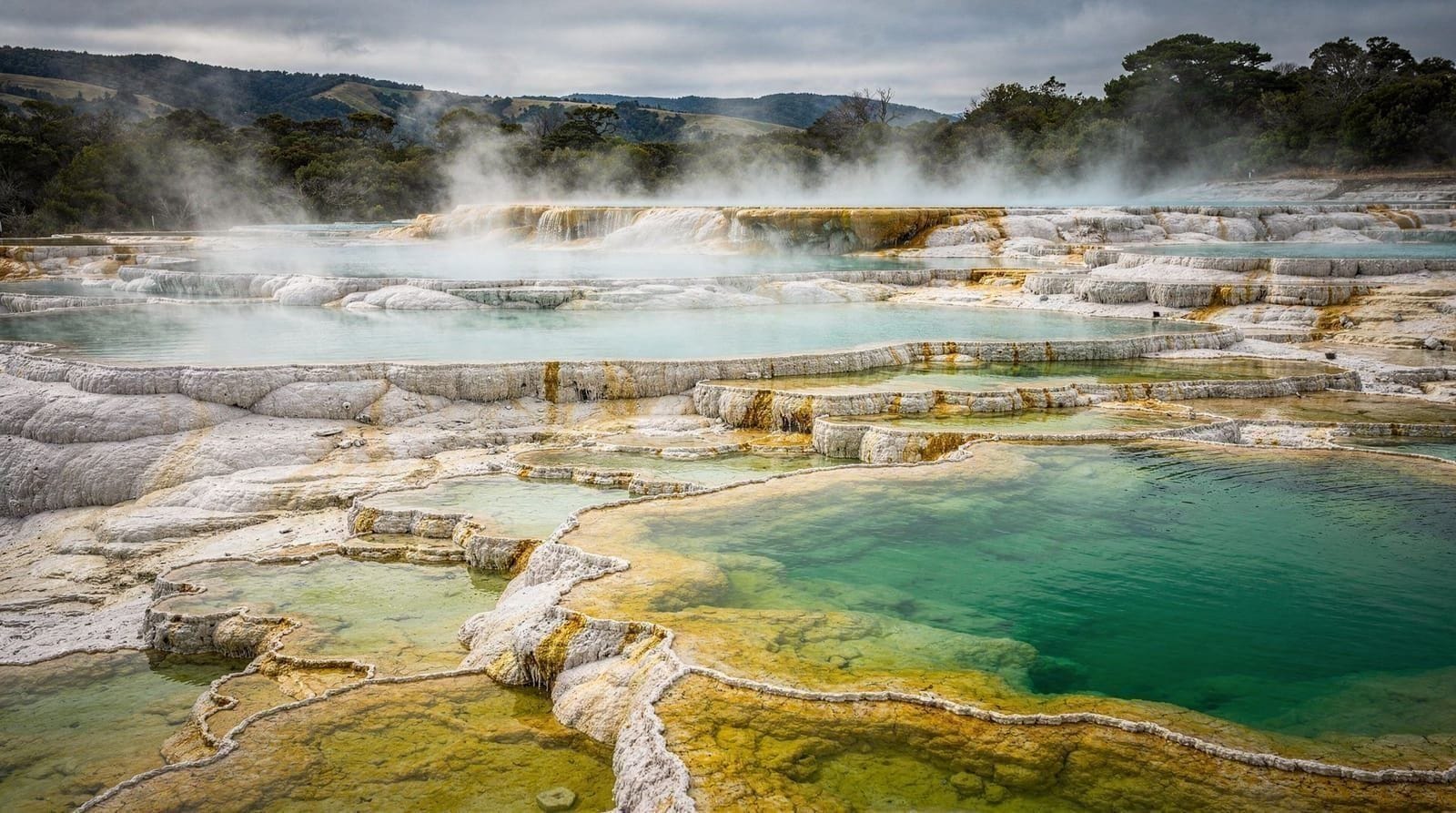
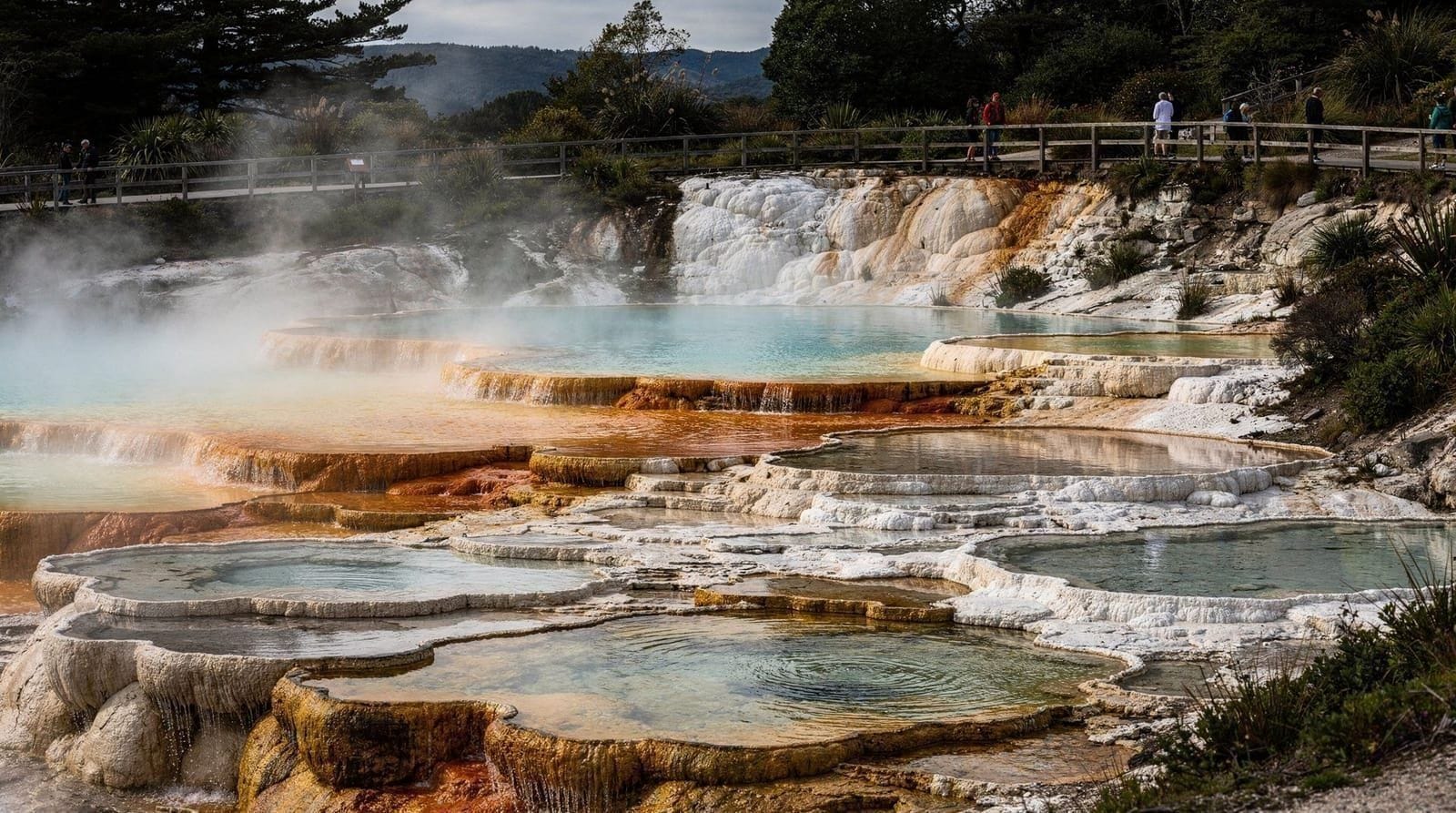
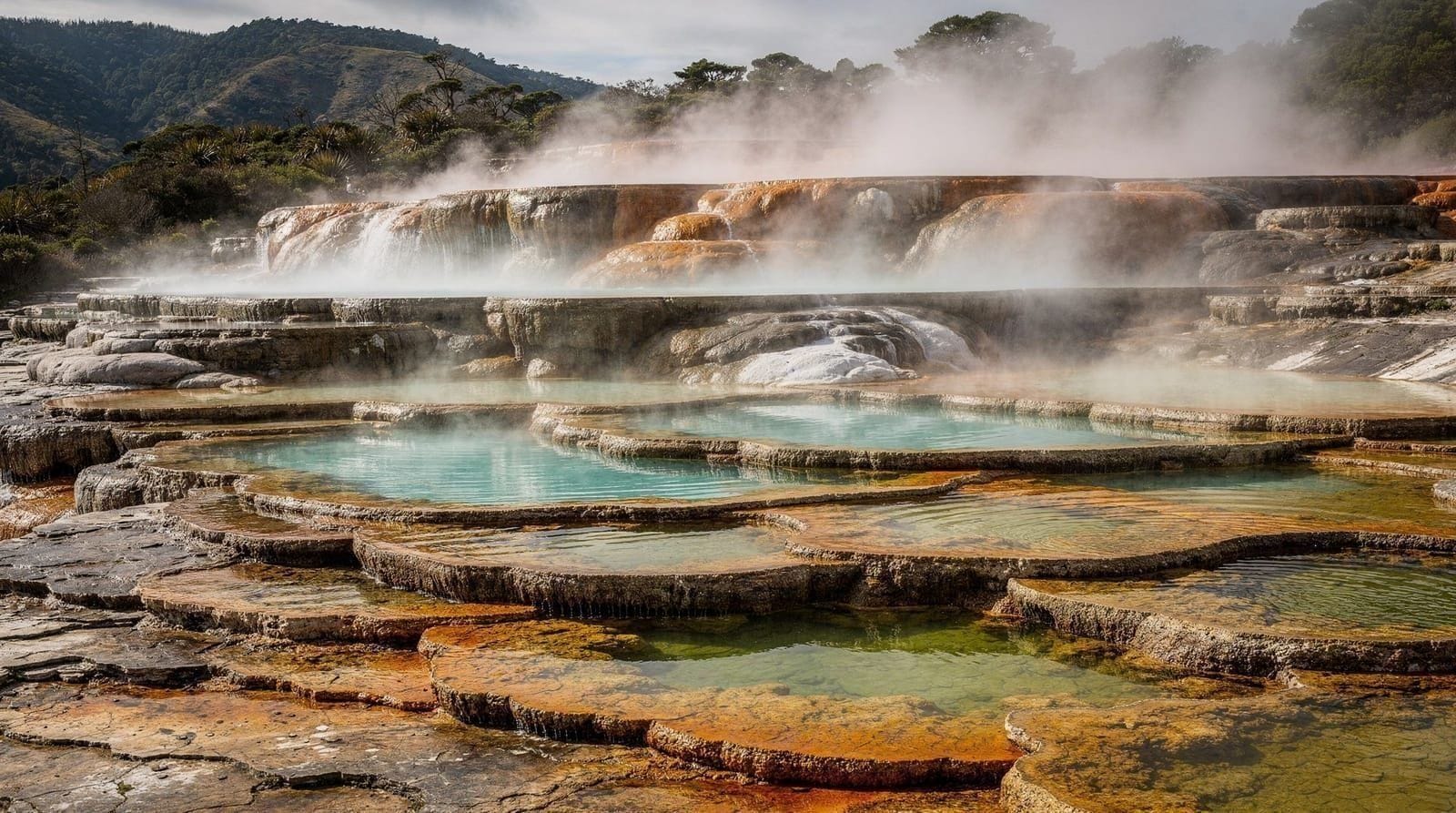
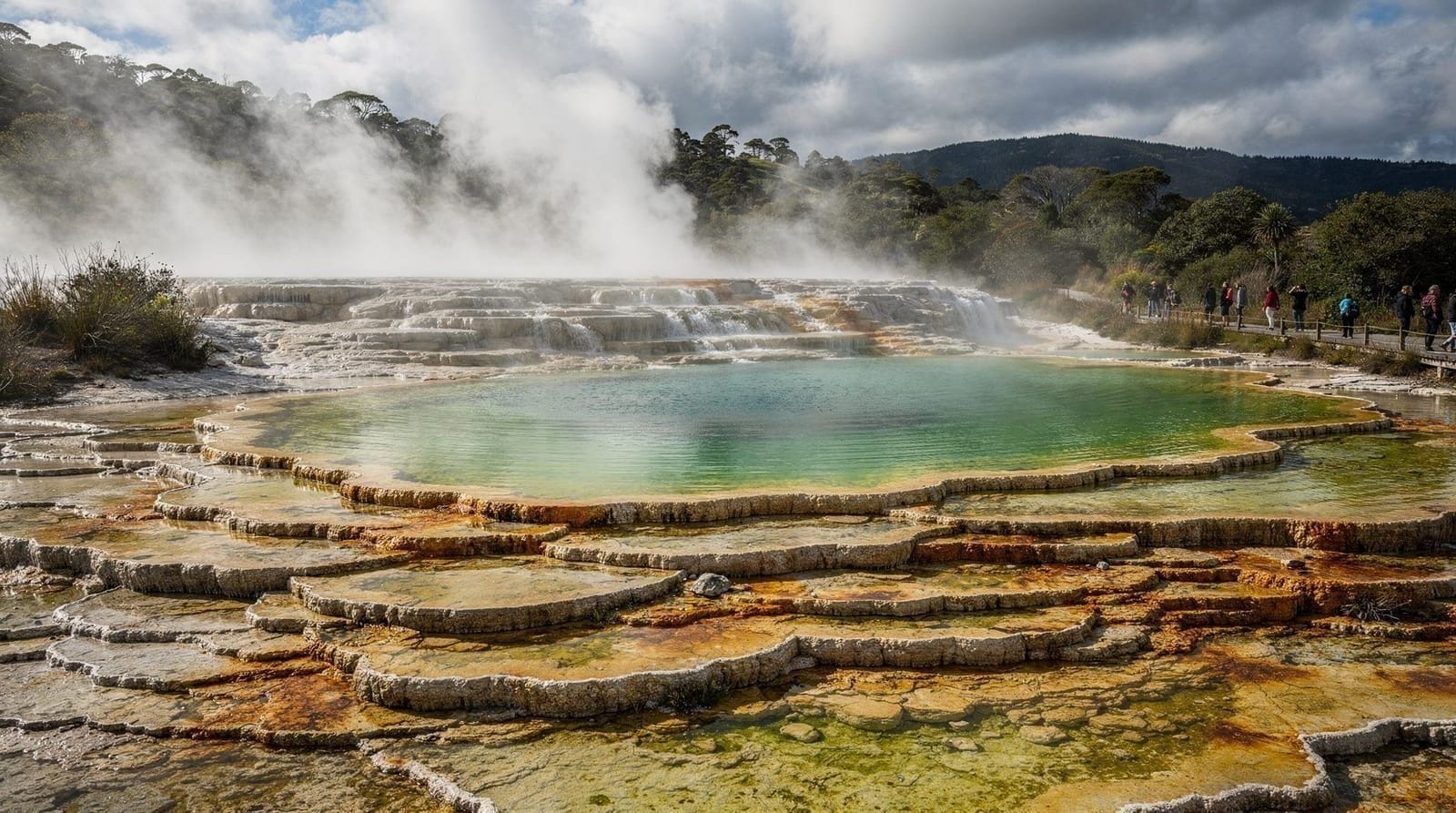
The town itself sits on the edge of Lake Rotorua, within the Taupō Volcanic Zone — the same broader geological system responsible for Rotorua’s sulphur smell, its boiling mud pools, and the hot springs that made the town a spa destination as far back as the 1800s, when European settlers began building sanatoriums around the geothermal springs. That volcanic geology is also, indirectly, why an activity like Skyline’s luge track works so well here: Mount Ngongotahā’s slopes give the gondola and luge operation a genuine, substantial hill to work with, something not every New Zealand town can offer within a five-minute drive of its centre.
| Where | Rotorua, roughly 2.5-3 hours’ drive south of Auckland |
| Cost | Moderate per activity; stacking two or three adds up quickly |
| Time needed | Half a day for one activity, a full day for two plus geothermal sightseeing |
| Getting there | Self-drive via SH1/SH5, organised tour transfer, or bus |
| Best time | Year-round; book ahead December-February and school holidays |
Skyline Rotorua: gondola and luge
The signature Rotorua adventure activity is the Skyline gondola-and-luge combo — a scenic gondola ride up Mount Ngongotahā delivering sweeping views over Lake Rotorua and the surrounding forest, followed by multiple runs on the luge track, a wheeled cart you steer yourself down a purpose-built concrete track. Multiple track options cater to different comfort levels, from a gentler scenic track to faster, more technical advanced tracks, so first-timers and confident repeat riders both get an appropriate challenge. The Skyline gondola and luge ticket typically includes several luge rides, letting you progress up through the track difficulty as you get comfortable with how the cart handles.
Redwoods Treewalk
A short drive from central Rotorua, the Redwoods Treewalk is a suspension bridge circuit strung through the canopy of a redwood forest — flat, accessible, and suited to nearly all ages and mobility levels, quite different from the adrenaline-focused activities elsewhere on this list.
During the day it’s a peaceful, scenic walk; after dark, the nighttime Treewalk transforms into something genuinely atmospheric, with lantern lighting strung along the walkway through the towering redwoods — one of the more distinctive evening activities in the North Island. For more of a physical challenge in the same forest, the Redwoods high ropes experience adds genuine climbing and obstacle elements above and beyond the flat walkway circuit.
OGO: Rotorua-invented zorbing
OGO (Outdoor Gravity Orb) originated in Rotorua and remains one of the region’s signature, slightly absurd activities — you climb inside a large inflatable ball and roll down a purpose-built hill track, either dry for a straightforward tumbling ride or with water added inside for extra sliding momentum and a genuinely different (wetter) sensation. It’s short, distinctly Rotorua, and a good pick if you want something memorable and slightly silly to break up a day of more conventional sightseeing. Book via the Outdoor Gravity Orb (OGO) rides .
Fitting adventure activities into a day trip from Auckland
Rotorua sits roughly 2.5-3 hours’ drive from Auckland, which means a same-day round trip leaves realistically only 3-4 hours on the ground if you want to avoid an exhausting late return drive. That’s enough time for one or two of the activities above, but not all of them alongside a geothermal park visit as well — most day-trippers need to prioritise.
If adventure activities are your main draw, consider pairing the gondola-and-luge with a shorter geothermal stop (Te Puia’s cultural and geothermal combination is efficient for this) rather than trying to see everything. For the full comparison of Rotorua’s geothermal park options to help with that trade-off, see our Te Puia vs Wai-O-Tapu guide, and for a broader look at what an efficient one-day itinerary looks like, our Rotorua day trip from Auckland guide covers realistic timing for the full round trip.
If you have more flexibility, an overnight stay in Rotorua removes the drive-fatigue trade-off entirely and lets you comfortably fit in adventure activities, geothermal sightseeing, and a Māori cultural evening experience across two days rather than cramming everything into one. For genuine Māori cultural experiences to pair with an adventure-focused day, see our Māori experiences in Rotorua guide, and if you’re weighing up whether Rotorua deserves the time investment at all against other North Island options, our is Rotorua worth it guide addresses that directly.
Getting to Rotorua from Auckland
The drive itself runs via State Highway 1 to Tirau and then State Highway 5, a route that’s straightforward but genuinely long — enough that splitting the driving between two people, or building in a stop at Hamilton or the Hamilton Gardens roughly halfway, makes the trip noticeably less tiring. See our Auckland to Rotorua transport guide for the full range of options beyond self-driving, including bus and organised tour transfers, and our self-drive vs tour day trips guide if you’re weighing up whether renting a car for the day makes more sense than joining a coach tour that handles the driving for you — either way, New Zealand’s two-lane rural highways differ from what many international visitors are used to, so factor in slower average speeds than a motorway-only trip.
Some visitors extend the trip into Rotorua’s neighbour, Taupo, rather than looping straight back to Auckland — see our Rotorua vs Taupo guide if you’re deciding how to split time between the two.
What if it rains
Rotorua’s adventure activities hold up to rain better than you might expect, though not uniformly. The luge track operates in light rain (tracks are graded and cart speeds are managed accordingly, though operators may restrict access to the fastest advanced track in genuinely wet conditions for safety), and the gondola runs regardless of rain, though the views from the top are obviously diminished in low cloud or heavy rain. The Redwoods Treewalk, being under forest canopy, is one of the more rain-resilient options — a light shower barely penetrates the redwood cover, and the nighttime lantern-lit version can feel genuinely atmospheric in drizzle.
OGO is the activity most affected in a good way by rain, since the wet version already involves water inside the ball; a rainy day makes little practical difference to that specific experience. Genuinely severe weather (heavy sustained rain, high wind at altitude on the gondola) can prompt operators to pause or modify operations, so check conditions directly if the forecast looks marginal on the day.
Rotorua’s geothermal region and how it shapes the landscape
It’s worth understanding, even briefly, why Rotorua looks and smells the way it does before diving into the adventure activities themselves — the same volcanic activity responsible for the region’s famous sulphur smell also shapes the terrain the luge track and OGO hill sit on, and informs why certain areas are off-limits to development. See our Rotorua geothermal explained guide for the science behind the mud pools, geysers and hot springs that make the wider region so distinctive, useful context if you’re pairing an adventure-activities morning with a geothermal park visit in the afternoon.
With kids
Most of these activities suit families well — the luge has track options gentle enough for children, the Treewalk is flat and accessible, and OGO’s low-key physical demands make it approachable for a wide age range. If you’re planning a Rotorua day specifically around a family group, see our Rotorua with kids guide for age-specific recommendations and pacing advice.
Booking and timing tips
Book ahead for peak summer (December-February) and New Zealand school holiday periods, when queues for the luge and Treewalk lengthen noticeably without pre-purchased tickets. Morning activity slots tend to have shorter queues than afternoon, particularly for the luge, which draws steady demand throughout the day once tour buses arrive.
What to wear
Closed-toe shoes are sensible for the luge and Treewalk (and required for OGO’s water version, where you’ll want something that dries quickly). Bring a light jacket for the gondola ride, since it’s noticeably cooler at altitude on Mount Ngongotahā than at ground level, and standard New Zealand sun protection — SPF 50+ — for any time spent outdoors given the country’s extreme UV exposure.
Rotorua month by month
Rotorua’s adventure activities run year-round, but conditions shift meaningfully by season given the town’s inland, slightly elevated setting compared to coastal Auckland. Summer (December-February) brings the warmest, driest conditions and the longest queues, particularly around the luge and Treewalk during school holiday weeks — book ahead and aim for morning slots if visiting during this window. Autumn (March-May) is a genuinely underrated time to visit, with settled weather, thinner crowds, and often spectacular colour in the region’s many deciduous trees, a rarity in a country dominated by evergreen native bush.
Winter (June-August) is Rotorua’s coldest season, with genuinely chilly mornings and a real chance of light frost inland — the gondola ride up Mount Ngongotahā feels noticeably colder than the equivalent trip in summer, so dress in proper layers rather than a light jacket alone. Spring (September-November) brings more variable weather but pleasant temperatures overall, and is generally quieter than the summer peak.
Common mistakes to avoid
The most common mistake is treating Rotorua as an easy half-day add-on when it’s genuinely a 5-6 hour round trip from Auckland before you’ve done anything on the ground — visitors who underestimate the drive time routinely end up rushing the geothermal park, skipping adventure activities entirely, or arriving back in Auckland well after dark. Be realistic about what fits: one adventure activity plus one geothermal stop is a full day; trying to add a second geothermal park or a full Māori cultural evening on top usually means something gets cut short. The second common mistake is skipping ticket pre-purchase during peak periods and then losing an hour of a tight day trip to queues at the luge or Treewalk ticket window — book online in advance whenever possible.
Third, some visitors pair a Rotorua day with a Hobbiton stop in the same day without accounting for how far apart they actually are — see our Hobbiton day trip from Auckland guide and our Hobbiton and Waitomo combo guide before assuming Hobbiton, Waitomo and Rotorua can all be combined into a single day; realistically, pick two of the three at most.
Budget tiers
Adventure activity pricing in Rotorua varies more than in Auckland given the range on offer — the luge sits at a moderate price point with multiple ride packages available depending on how many runs you want, OGO is comparably priced for its shorter, single-ride experience, and the Treewalk (day or night) is generally the most affordable of the group given its lower physical infrastructure cost per visitor. Stacking two or three activities in one day adds up quickly, so if budget matters, prioritise based on genuine interest rather than trying to do everything — the luge is the most universally loved of the group and the sensible pick if you can only choose one. See our Auckland budget guide for how a Rotorua day trip’s costs compare to a typical Auckland-based day.
How Rotorua’s adventure activities compare to Auckland’s
If you’re deciding whether a Rotorua day trip is worth the drive given Auckland already has its own adventure activities, it’s worth being specific about how they differ. Auckland’s jet boating and ziplining on Waiheke are shorter, more compact activities that fit into a CBD or Waiheke day without a long drive; Rotorua’s luge, Treewalk and OGO are a genuinely different, more varied cluster that rewards a dedicated day rather than a quick add-on. Auckland’s bungy jumping off the Harbour Bridge is a height-focused, fear-confrontation activity with no real Rotorua equivalent, while Rotorua’s offerings lean more toward accessible, family-friendly fun than genuine nerve-testing thrills.
If you only have time for one adventure-activity day trip during your Auckland stay, Rotorua’s broader mix (plus the geothermal and cultural experiences layered on top) generally offers more variety per day than Auckland’s more concentrated, shorter activities — but if time is genuinely tight, Auckland’s own options save you the six-hour round trip.
Accessibility notes
Of the activities covered here, the Redwoods Treewalk is by far the most accessible — a flat, wide suspension bridge circuit that accommodates most mobility levels, including many wheelchair users on the standard daytime route (check directly with the operator for current accessibility provisions, since suspension bridge sections can still present challenges for some equipment).
The Skyline gondola itself is fully accessible, though the luge track requires the ability to get in and out of a low-slung cart and steer it independently, which rules out assisted riders in most cases. OGO requires climbing into and moving around inside a large inflatable ball, which similarly isn’t suited to significant mobility restrictions. If travelling with a mixed-ability group, the gondola ride and Treewalk together make a satisfying, fully accessible pairing even if other members of the group go on to do the luge or OGO separately.
Safety: what if something goes wrong
All of Rotorua’s commercial adventure operators run under New Zealand’s adventure activity safety regulations, with certified safety audits and documented procedures — this applies to the luge, the Treewalk, OGO and the high ropes course alike.
The luge track is the activity with the most realistic (if still low) risk of minor incident, typically a scrape or bump from a cart leaving the track edge at speed on the advanced run rather than anything serious; carts are designed with this in mind and speeds are mechanically limited by track section. OGO’s enclosed ball design means the main real-world risk is mild dizziness rather than injury. Guides and staff at each activity are trained to stop or pause operations if conditions or a specific participant’s behaviour suggest a genuine risk, and reporting any discomfort or hesitation to staff before starting is always the right call over pushing through it.
How the activities compare on thrill level
If you’re choosing based on adrenaline rather than convenience, it helps to rank them. OGO is the most purely silly and the shortest-lived thrill — a few minutes of tumbling inside the ball, over almost as soon as it starts. The luge sits in the middle: the advanced track genuinely rewards nerve and gets faster the more confident you get across repeat runs, while the scenic track is closer to a gentle family ride.
The Redwoods Treewalk and its high ropes add-on aren’t really thrill activities at all in the adrenaline sense — the daytime walk is calm and scenic, though the high ropes course does add a genuine (if low-key) physical challenge for those wanting more than a flat walkway offers. None of Rotorua’s cluster comes close to the fear-confrontation intensity of Auckland’s Harbour Bridge bungy, which is worth knowing if raw adrenaline is what you’re after rather than variety.
Parking and logistics on the ground
Skyline’s gondola base station and the Redwoods Treewalk car park are both a short drive from central Rotorua rather than in the town centre itself, so budget 10-15 minutes of driving between attractions rather than assuming a walkable cluster. Parking at both is straightforward and generally free, though it fills up during peak summer weekends. If you’ve organised your own car rental for the day trip, note that fuel stops are easy to find along SH1/SH5 but scarcer once you’re off the main route, so top up before detouring to anywhere off the beaten path.
Frequently asked questions about Rotorua adventure activities
Can you fit Rotorua’s adventure activities into a day trip from Auckland?
Yes, though it’s a genuinely full day — allow around 3 hours’ drive each way, meaning only 3-4 hours realistically available on-site if you’re returning to Auckland the same day. An overnight stay in Rotorua lets you fit in more without the drive-fatigue trade-off.
What is OGO in Rotorua?
OGO (Outdoor Gravity Orb) is Rotorua-invented zorbing — you ride inside a large inflatable ball rolling down a hill, either dry or with water added inside for extra sliding. It originated in Rotorua and remains one of the region’s signature activities.
Is the Redwoods Treewalk suitable for all ages?
Yes — the walkway is a flat, accessible suspension bridge circuit through the redwood canopy, suitable for most ages and mobility levels. The nighttime version uses lantern lighting and requires slightly more caution underfoot in low light.
How many luge runs do you get at Skyline Rotorua?
Standard packages typically include multiple rides (commonly 3-5 depending on the ticket type), letting you progress from the scenic track to the more advanced tracks as you get comfortable with the cart’s handling.
Do Rotorua adventure activities require advance booking?
Booking ahead is recommended for peak summer (December-February) and school holiday periods, when popular activities like the luge and Treewalk see longer queues without pre-booked tickets.
Which Rotorua adventure activity has the most thrill?
The luge’s advanced track is the most genuinely thrilling of the group, rewarding confidence with faster runs as you progress. OGO is a shorter, sillier burst of fun rather than sustained adrenaline, and the Treewalk (with or without the high ropes add-on) is closer to scenic and mildly challenging than a true thrill ride.
Top experiences
Bookable activities with verified prices and instant confirmation on GetYourGuide.