Bungy jumping off Auckland Harbour Bridge
Auckland: Harbour bridge bungy
How high is the Auckland Harbour Bridge bungy?
The jump platform sits about 40 metres above the Waitematā Harbour, with jumpers swinging out under the bridge deck rather than dropping straight down onto land — a genuinely different sensation from a standard vertical bungy.
A bungy jump with the harbour underneath you
Auckland Harbour Bridge, the eight-lane crossing linking the CBD to the North Shore, hosts one of the city’s most distinctive adventure activities: a 40-metre bungy jump swinging out from beneath the bridge deck over the Waitematā Harbour, run by AJ Hackett Bungy — the same company that pioneered commercial bungy jumping in Queenstown decades ago. It’s a genuinely different setup from a standard vertical bungy tower: you’re jumping outward and down from underneath the bridge structure rather than off a purpose-built platform, with harbour water (and on a clear day, the city skyline) filling your view on the way down.
| Where | North Shore side of Auckland Harbour Bridge |
| Height | ~40 metres above the Waitematā Harbour |
| Cost | Around NZD 175-195 for the standalone jump |
| Time needed | 90 min-2 hours including check-in and briefing |
| Age/weight | Roughly 10+ years, 35-130kg |
The bridge’s place in Auckland
Auckland Harbour Bridge opened in 1959, linking the CBD directly to the North Shore for the first time and reshaping how the city grew — before it, crossing the harbour meant a ferry trip or a long drive around via Riverhead. Traffic demand grew so quickly that within a decade the original four lanes needed widening, done in 1969 with prefabricated sections shipped in from Japan and bolted onto each side, locally nicknamed the “Nippon clip-ons” — a bit of engineering trivia that still gets mentioned on bridge tours today.
The harbour beneath it is the Waitematā, a Māori name usually translated as “sparkling waters,” and the bridge crosses one of the narrower points of that harbour where the CBD and the North Shore pinch closest together. If the city’s broader development history interests you, our Auckland history guide covers how the bridge and the harbour shaped Auckland’s growth beyond just this one adventure activity.
For most visitors, though, the bridge itself is simply the dramatic backdrop rather than the point of the trip — the real draw is what AJ Hackett has built underneath it. Combined with the wider view over the Auckland waterfront, the jump gives you a genuinely different vantage point on the harbour than you’ll get from any boat trip or waterfront walk, looking back at the CBD skyline from underneath the very structure most visitors only ever cross by car.
What actually happens
After a safety briefing and harness fitting at the base facility, you’re taken out onto a platform suspended beneath the bridge deck. The jump itself sends you swinging outward and down toward the harbour surface before the bungy cord’s elasticity brings you back up in the classic rebound sequence, repeated a few times with decreasing intensity before you’re lowered or winched back to the platform. Depending on tide level and the specific rig setup on the day, some jumps bring you close enough to the water surface for a light splash, though full submersion isn’t standard.
The rebound itself is where the bungy differs most from a straight jump — after the initial swing downward and outward, the cord’s elasticity pulls you back up several storeys before gravity takes over again, and you’ll typically cycle through two or three diminishing bounces before the crew winches you back to the platform. Unlike a jump off a fixed platform straight down, the outward swing under the bridge means you spend a noticeable stretch of the descent facing the harbour and the city skyline rather than the water directly beneath you, which is part of why so many jumpers describe the view, not just the fall, as the standout part of the experience. Photos and video are typically offered as a paid add-on captured by a fixed camera rig and sometimes a photographer on-site, worth considering if you want proof beyond your own memory of the moment.
Bungy vs bridge climb: what’s the difference
The bungy jump is the single adrenaline moment described above — book it via the Auckland Harbour Bridge bungy ticket. The bridge climb is a separate, calmer activity: a guided walk along a purpose-built catwalk over the bridge’s upper arch, harnessed the whole way, taking in harbour views without any jumping involved — more comparable to Sky Tower’s SkyWalk than to the bungy. Many visitors do both in one visit via the harbour bridge climb and bungy combo , which is genuinely efficient since you’re already on-site and briefed. If you only want the climb without the jump, book the harbour bridge climb on its own.
The climb takes roughly an hour to 90 minutes depending on group size and pace, following the bridge’s upper steel arch in a guided group with a running commentary on the structure’s engineering and history along the way. It’s a genuinely different pace and mood from the bungy — no single peak moment of adrenaline, but a sustained, steady walk with harbour views opening up progressively as you climb higher, and no minimum weight requirement in the way the bungy has, which makes it the more inclusive option for mixed-ability groups travelling together. If you’re deciding between the two and only have time for one, the honest read is: choose the bungy if the jump itself is the point, and choose the climb if you want the views and the structure’s history without needing to commit to a jump at all.
Best time of day to jump
Morning slots tend to have calmer wind conditions and clearer light for photos, and booking one of the first sessions of the day also reduces the odds of a queue-driven delay stacking up ahead of you as the day progresses. Afternoon and late-day slots run just as often, but summer afternoons in particular can see sea breezes pick up over the harbour, nudging the operator closer to the wind threshold where a delay becomes more likely. If your schedule is flexible, an early or mid-morning booking is the more reliable choice; if you’re specifically chasing a sunset jump for the light, accept that wind risk rises later in the day and build in a buffer before your next commitment.
Weight, age and health requirements
Typical weight limits run roughly 35-130kg, with minimum age requirements (usually around 10, sometimes with parental consent needed for teens) and standard adventure-activity health exclusions — pregnancy, certain heart conditions, recent surgery, and similar contraindications. Check the specific current requirements when booking, since these are set by the operator and can be adjusted.
Beyond the numeric limits, staff conduct a visual and verbal check at harness fitting, and will decline to run the jump if something raises concern on the day, regardless of what was confirmed at booking — this is standard practice across AJ Hackett’s sites and isn’t negotiable. If you’re unsure whether a health condition disqualifies you, it’s worth emailing or calling the operator ahead of your trip rather than finding out at check-in, since same-day cancellations for medical reasons aren’t always refundable depending on the ticket type purchased. Mobility requirements are similar to Sky Tower’s SkyJump: you need to be able to walk out to the platform under your own power and stand through the safety briefing, so this isn’t a realistic option for visitors with significant mobility restrictions.
Common mistakes visitors make
A handful of avoidable mistakes come up repeatedly. Booking a same-day slot in peak summer (December-February) and finding the day fully booked is the most common — capacity is limited per hour, and weekend slots in particular fill up days in advance. Scheduling the jump as the last activity before a flight is another regular regret, since a routine wind delay can push a booking by an hour or more, or bump it to the next day if wind doesn’t drop; that’s a real problem if you’re due at the airport that evening. Underestimating the total time commitment is a third: between transport to the North Shore site, check-in, the safety briefing, harness fitting, and the jump itself, budget at least 90 minutes to two hours for the standalone bungy, more if you’re doing the combo with the bridge climb.
Finally, some visitors don’t realise the bungy and the bridge climb are sold separately and assume one ticket covers both — check exactly which ticket you’re buying before you commit, since the combo saves money if you actually want both but is unnecessary spend if you only want one.
Price
Expect the standalone bungy jump to run roughly NZD 175-195 (about USD 105-115), the bridge climb alone somewhat less, and the combo ticket at a modest discount versus booking both separately. As with all adventure activity pricing in Auckland, treat these as planning figures and check the current price on the booking page, since rates shift periodically.
Budget tiers: how much should you actually plan for
At the low end, the bridge climb alone — no jump involved — is the cheaper of the two core products and suits visitors who want the harbour views and the height experience without an actual jump. The bungy jump alone sits in the NZD 175-195 range noted above, and the combo covering both climb and jump costs more in total but saves against booking each separately. For a couple doing the combo, budget roughly NZD 700-800 (about USD 415-475) between you, plus transport to the North Shore site if it’s not included in your ticket. That’s a meaningful adventure-activity spend for a single morning, worth weighing against our Auckland budget guide if you’re tracking overall trip costs, particularly if you’re also planning Sky Tower’s SkyJump or SkyWalk during the same trip — doing every headline adventure activity in Auckland adds up quickly.
Weather and what happens if your slot gets cancelled
Wind is the main disruptor for the bungy, since the jump platform is fully exposed under the bridge deck and safety thresholds narrow considerably in gusty conditions — a genuine risk given the site’s position directly over open harbour water, which tends to funnel wind more than a sheltered inland location would. Rain alone rarely stops the jump outright, though heavy rain combined with wind often does trigger a pause. If your slot is delayed, staff will typically try to fit you into a later opening the same day; if it’s cancelled outright, rebooking for another day within your trip or a refund is standard, though exact policy depends on the ticket type and operator terms at time of booking. As with Sky Tower’s activities, avoid booking this for your final day in Auckland if your itinerary is tight — a weather cancellation with no buffer day left simply means missing out.
If you only have a few hours in Auckland
If your Auckland time is limited to a single day or less and the bungy is a must-do, treat it as a standalone morning activity rather than trying to squeeze it between other stops — the North Shore location, check-in process, and briefing all take longer than the jump itself suggests. Pair it with a look at the Auckland waterfront or a stop in Devonport on the North Shore side afterwards, both a short drive from the bridge facility, rather than trying to squeeze in CBD sightseeing on the same tight morning. If you’re planning a single-day visit to Auckland more broadly, our Auckland in a day itinerary shows how a bridge activity like this can realistically fit alongside other city highlights without over-scheduling yourself.
Bungy jumping with kids: what to know
Family travellers should note the minimum age requirement (typically around 10) rules out younger children entirely, and even qualifying pre-teens and early teens generally need a consenting adult present for the jump itself — check current requirements when booking, since they’re set by the operator and can shift. If you’re travelling with children too young to jump, the calmer bridge climb has its own age minimums but is generally more accessible to a wider family age range than the bungy, and is worth checking as an alternative the whole family can do together. For broader guidance on which Auckland adventure activities suit which ages, see our Auckland with kids guide, which covers age and health restrictions across the city’s main adrenaline activities rather than just this one.
How it compares to Sky Tower’s SkyJump
Both are Auckland’s headline height-based adventure activities, but they’re mechanically different: the harbour bridge bungy uses a genuine elastic cord with the classic bounce-back sensation, while Sky Tower’s SkyJump uses a cable-controlled descent system with no bounce at all. If you’ve done a bungy jump before elsewhere in the world and want the classic sensation again, the harbour bridge delivers that. If you want something you’ve likely never experienced — a controlled, no-bounce descent from height — SkyJump is the more novel choice. Doing both during your trip gives you a genuine before-and-after comparison of two very different adrenaline mechanics.
Safety and regulation
New Zealand’s adventure tourism sector operates under a formal safety audit and standards regime (AdventureMark and equivalent certification schemes), and AJ Hackett Bungy has decades of operating history across multiple New Zealand sites. That said, this remains genuine height-based adventure activity with inherent risk — read and follow the safety briefing carefully, and disclose any relevant health conditions honestly when asked, since exclusions exist for good reason.
Equipment used on the Auckland site follows the same maintenance and inspection protocols AJ Hackett applies across its other New Zealand locations, including regular cord replacement schedules and pre-jump checks carried out by trained staff before each session opens. Guides talk through the mechanics of the jump during the briefing — what the swing will feel like, how the rebound sequence works, and what to do with your body position on the way down — rather than leaving first-timers to work it out mid-fall. It’s worth actually listening rather than tuning out through nerves, since the guidance on breathing and body position genuinely does make the first few seconds feel more manageable.
Bungy jumping compared to Auckland’s other adventure activities
If the harbour bridge bungy doesn’t fit your schedule, or you’d rather spread adventure activities across your trip rather than concentrating them all in one day, Auckland has reasonable alternatives. Sky Tower’s SkyJump is the most direct comparison — a cable-controlled descent rather than an elastic bungy, with no bounce-back, launched from the CBD rather than the North Shore.
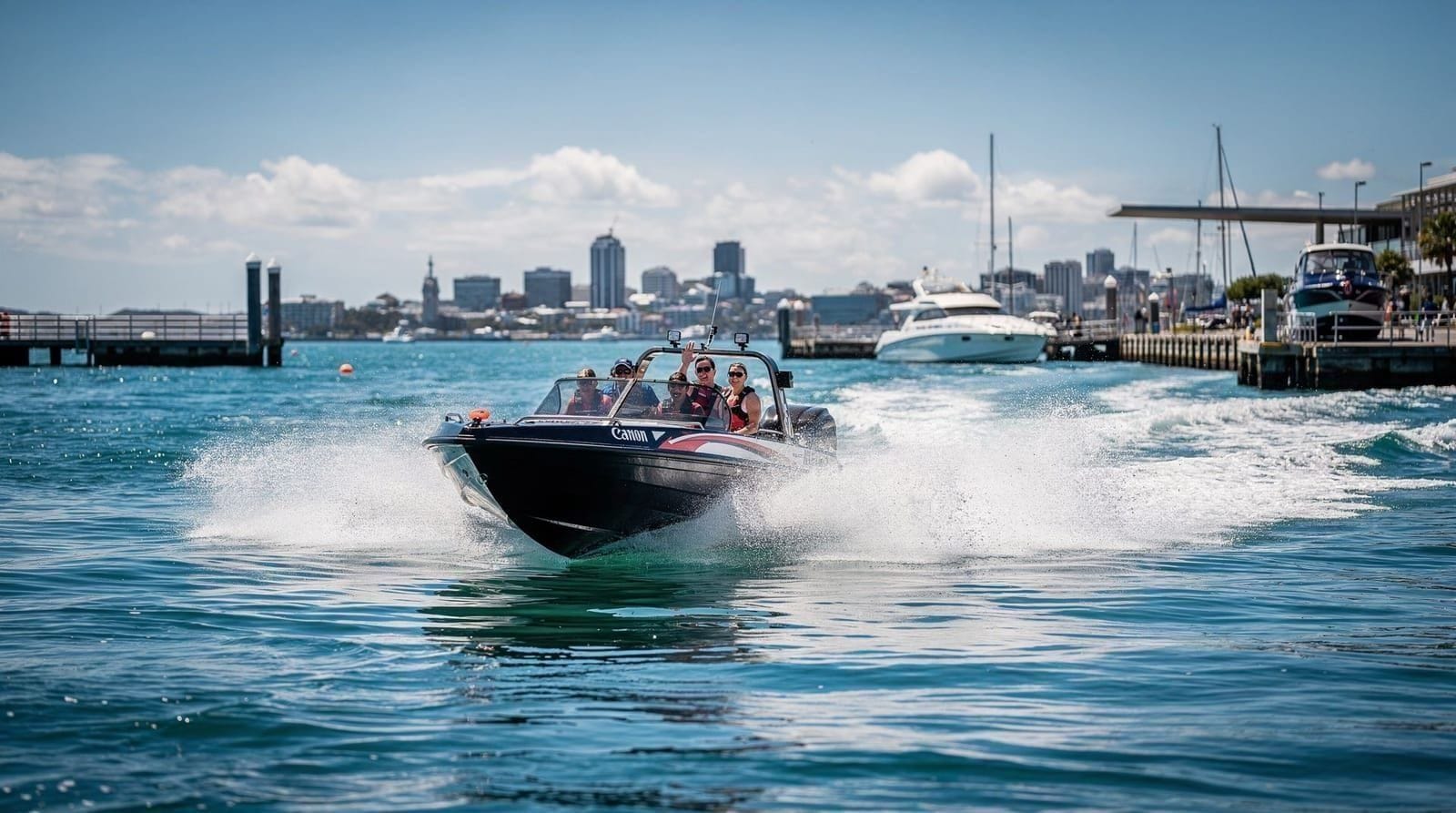
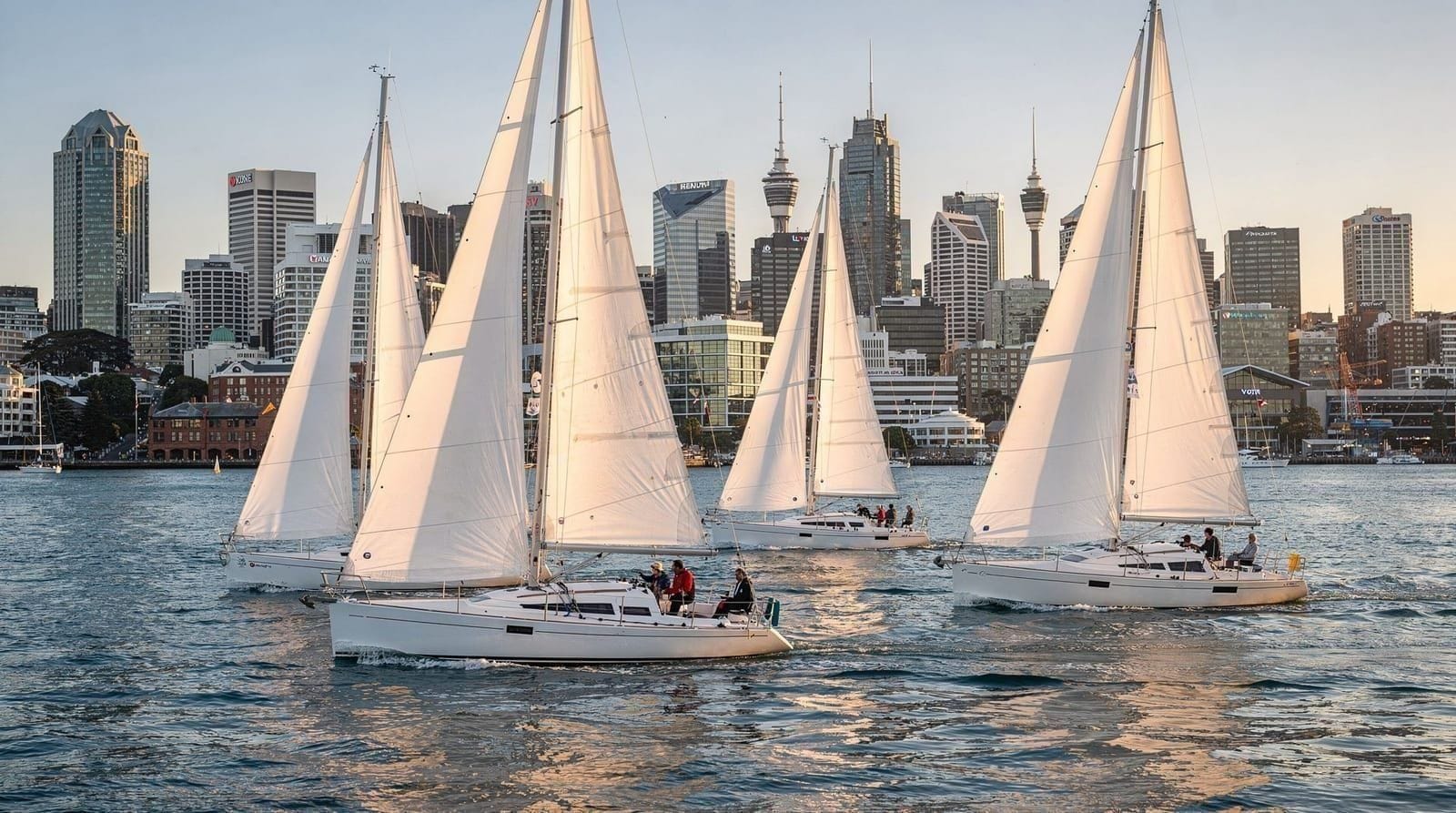
Jet boating on the Waitematā trades height for speed and sharp turns on the water itself, and sailing on Auckland Harbour is the calm, scenery-first alternative if you want harbour views with no adrenaline component at all. If your itinerary extends further afield, ziplining on Waiheke Island combines a height-based thrill with vineyard scenery, and Rotorua’s broader adventure activity scene is worth factoring in if you’re doing a North Island loop rather than an Auckland-only trip.
Getting there
The Auckland Harbour Bridge bungy and climb facility sits on the North Shore side of the bridge, a short drive or taxi from the CBD — most visitors either drive themselves or take the operator’s shuttle service if one is included with their booking; check the specific ticket details, since pickup arrangements vary.
If you’re relying on public transport rather than a rental car, factor in a bus or rideshare across the bridge approach roads, since the facility isn’t set up for a casual walk-up from the CBD side — see our getting around Auckland guide for how the city’s bus network, ferries and rideshare options fit together if you’re not driving yourself.
Where to go afterwards
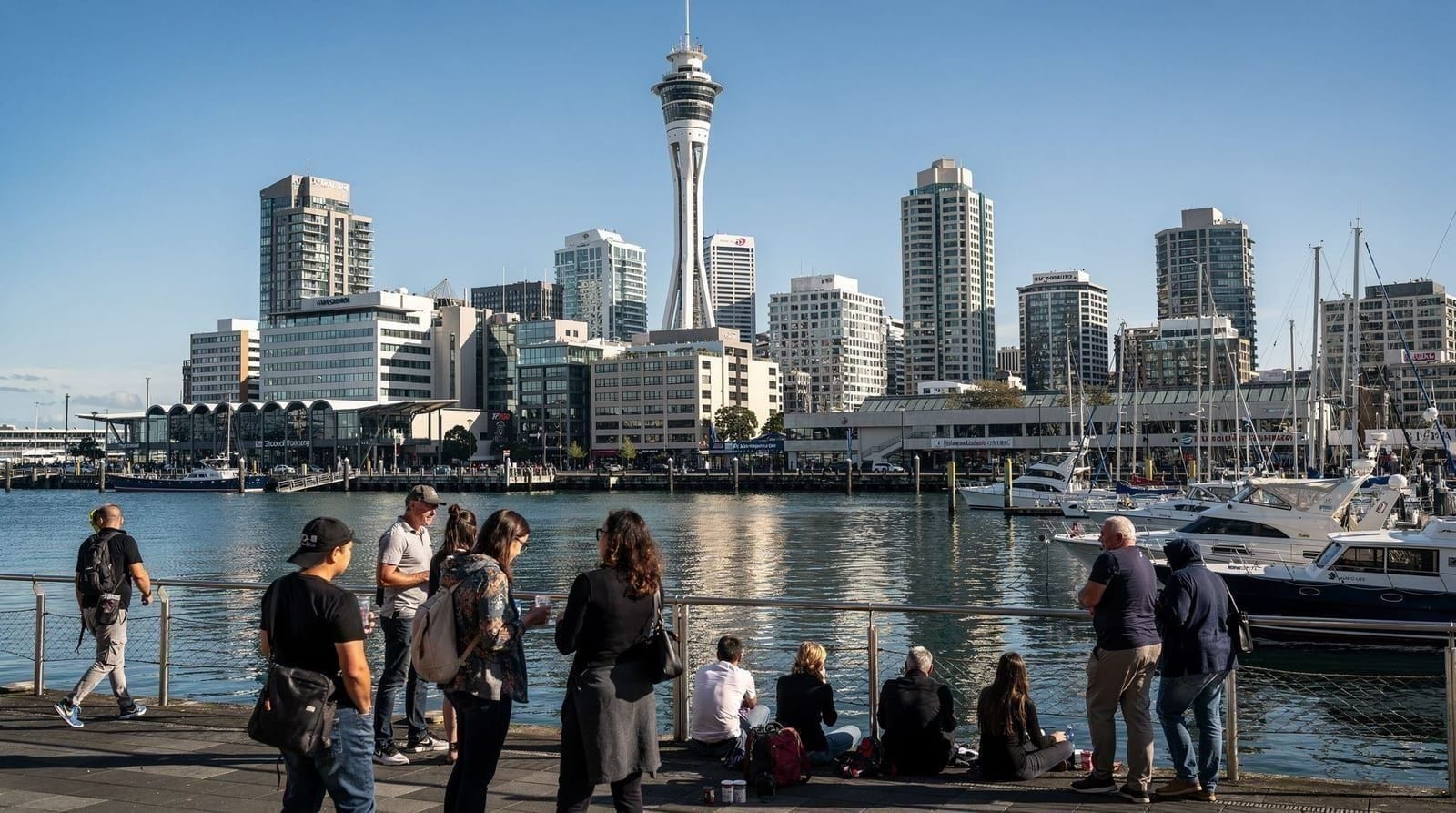
The North Shore side of the bridge puts you close to Devonport, a compact, walkable village with cafés and harbour views that makes a relaxed way to decompress after the adrenaline of the jump. Heading back across into the CBD, Viaduct Harbour and Wynyard Quarter offer waterfront dining within easy reach if you’d rather finish the day back on the city side. Either way, treat the bungy as a half-day commitment once you include transport and check-in, and build the rest of your day around whichever side of the harbour you end up on afterwards.
What to wear
Comfortable, closed-toe athletic shoes and clothing you don’t mind getting slightly windswept or lightly splashed. Loose items — hats, jewellery, phones — need to be secured to a lanyard or left with the operator during the jump itself, per the standard safety briefing.
Bungy vs bridge climb at a glance
| Bungy jump | Bridge climb | |
|---|---|---|
| Sensation | Single adrenaline drop with rebound | Steady, sustained walk |
| Duration | A few seconds of freefall, ~90 min total visit | 60-90 minutes |
| Age/weight limits | ~10+, 35-130kg | No weight limit, more inclusive |
| Best for | The jump itself is the point | Views and history without jumping |
Frequently asked questions about the Auckland Harbour Bridge bungy
Do you get wet doing the Auckland Bridge Bungy?
Some jumps dip close to the water surface depending on tide and setup, but you generally won’t fully submerge. Expect the possibility of a light splash rather than a guaranteed dunking.
Is the Auckland Harbour Bridge Bungy the same operator as Queenstown’s bungy jumps?
Yes — AJ Hackett Bungy, the company that pioneered commercial bungy jumping in New Zealand, operates the Auckland Harbour Bridge site as well as its famous Queenstown locations.
Can you combine the bungy with the bridge climb?
Yes — combo tickets covering both the guided bridge climb and the bungy jump are available and are the most popular way to book, since you’re already harnessed and on-site for the climb.
Is there a weight limit for the bungy jump?
Yes, typically a range of roughly 35-130kg. Check current limits when booking, particularly if travelling with a lighter child (minimum age requirements also apply) or at the upper weight range.
How does the harbour bridge bungy compare to Sky Tower’s SkyJump?
The harbour bridge bungy is a genuine elastic-cord bungy with a bounce-back sensation; Sky Tower’s SkyJump is a cable-controlled descent with no bounce. They’re different types of activity, not directly comparable in intensity.
Top experiences
Bookable activities with verified prices and instant confirmation on GetYourGuide.