Rotorua vs Taupo: which Central North Island stop to prioritise
Rotorua: Wai o tapu thermal park and lady knox geyser entry ticket
Should I visit Rotorua or Taupo?
Choose Rotorua for geothermal parks, Māori cultural experiences and a wider range of organised tours from Auckland. Choose Taupo for its enormous lake, water-based adventure activities and a quieter, less tourist-dense pace. If your schedule allows a longer North Island loop, the two sit only about 1 hour apart and combine well.
| Where | Central North Island, about an hour apart from each other |
| From Auckland | Rotorua ~3hrs (230km); Taupo ~3.5-4hrs (280km) |
| Cost | Comparable accommodation; Rotorua’s activities add up faster |
| Getting there | Self-drive, guided day tour, or combined multi-day loop |
| Best time | Rotorua year-round; Taupo’s water activities favour summer |
Two Central North Island towns, two different trips
Rotorua and Taupo sit within about an hour of each other in the Central North Island, and both are common extensions to an Auckland-based trip, but they deliver genuinely different experiences. Rotorua is built around an active geothermal field — bubbling mud pools, geysers, hot springs — and hosts New Zealand’s most established Māori cultural tourism scene. Taupo is built around Lake Taupo, New Zealand’s largest lake and the caldera of a supervolcano, with a quieter town centre and a activity mix leaning toward water sports, hiking access and scenic drives. Deciding which to prioritise — or how to combine both — depends on what kind of day you actually want.
Rotorua: geothermal wonders and Māori culture
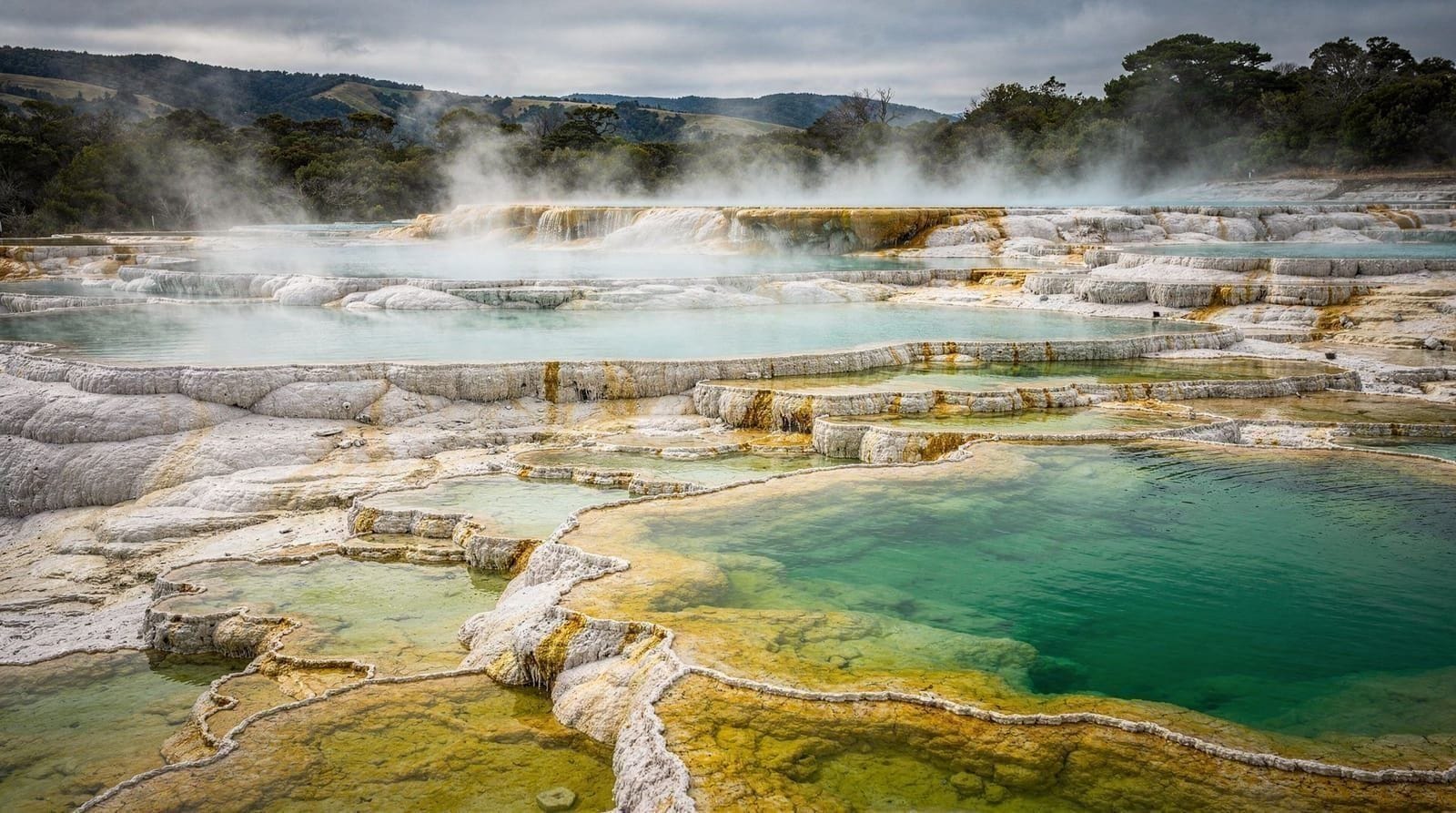
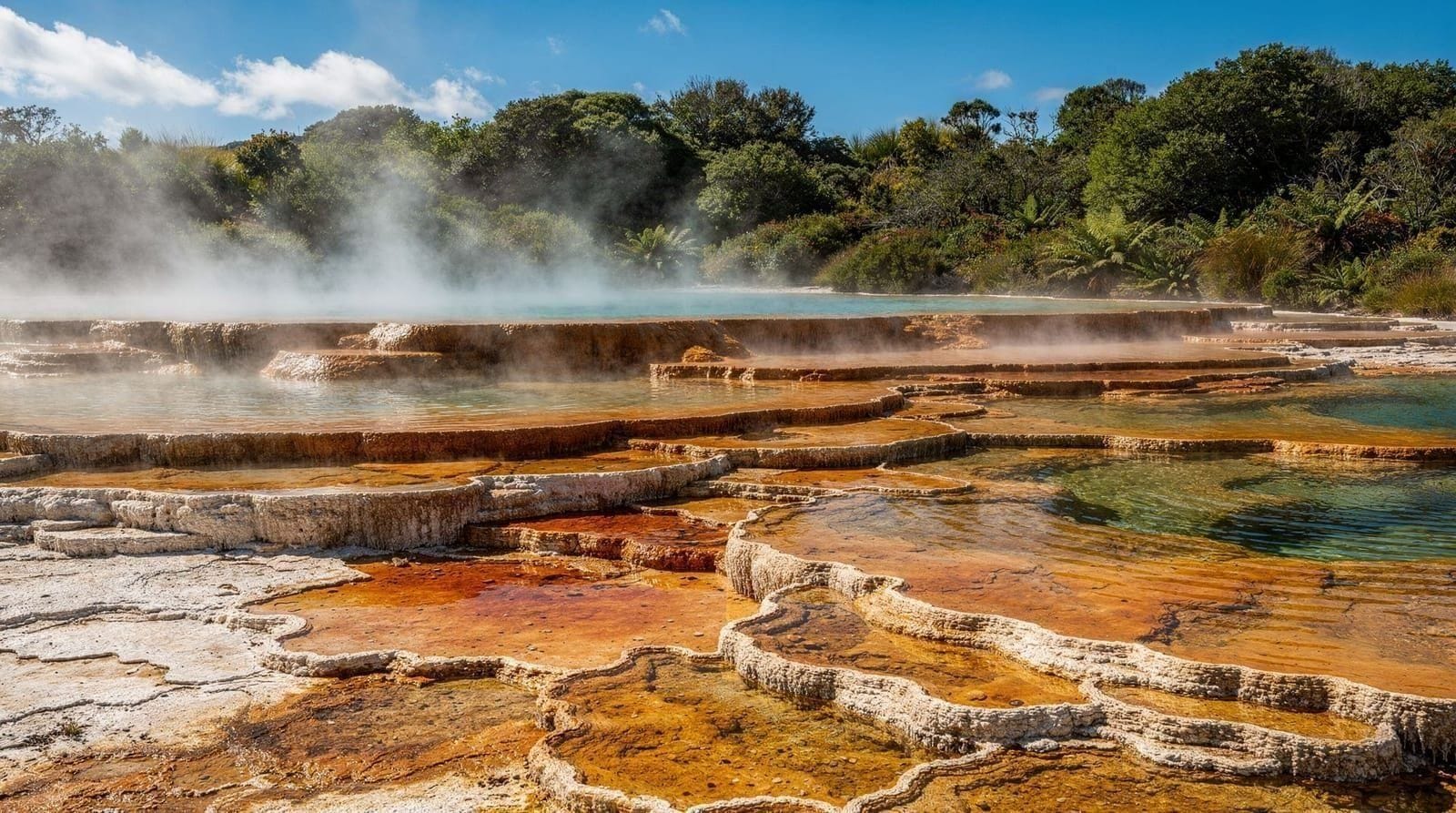
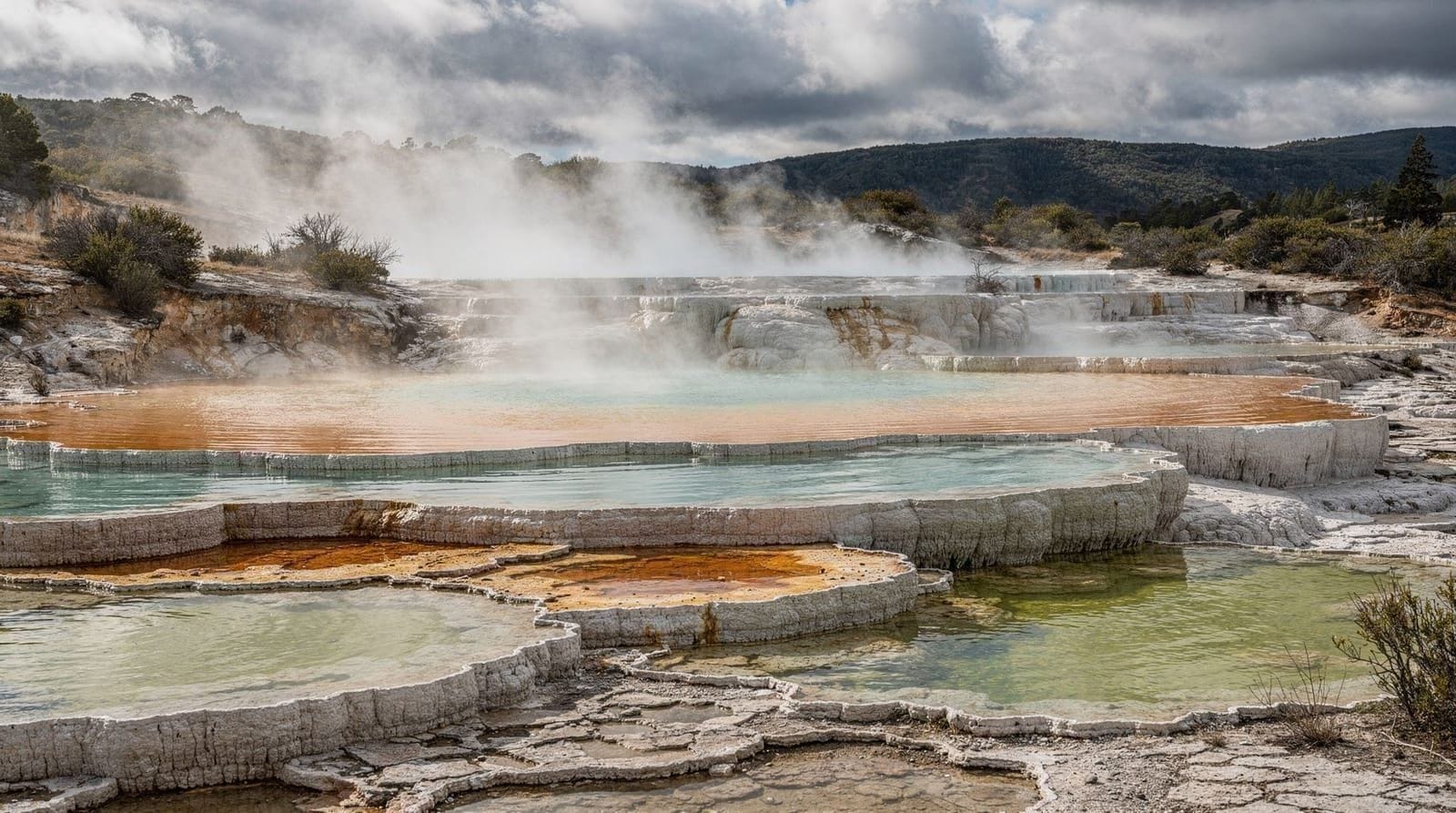
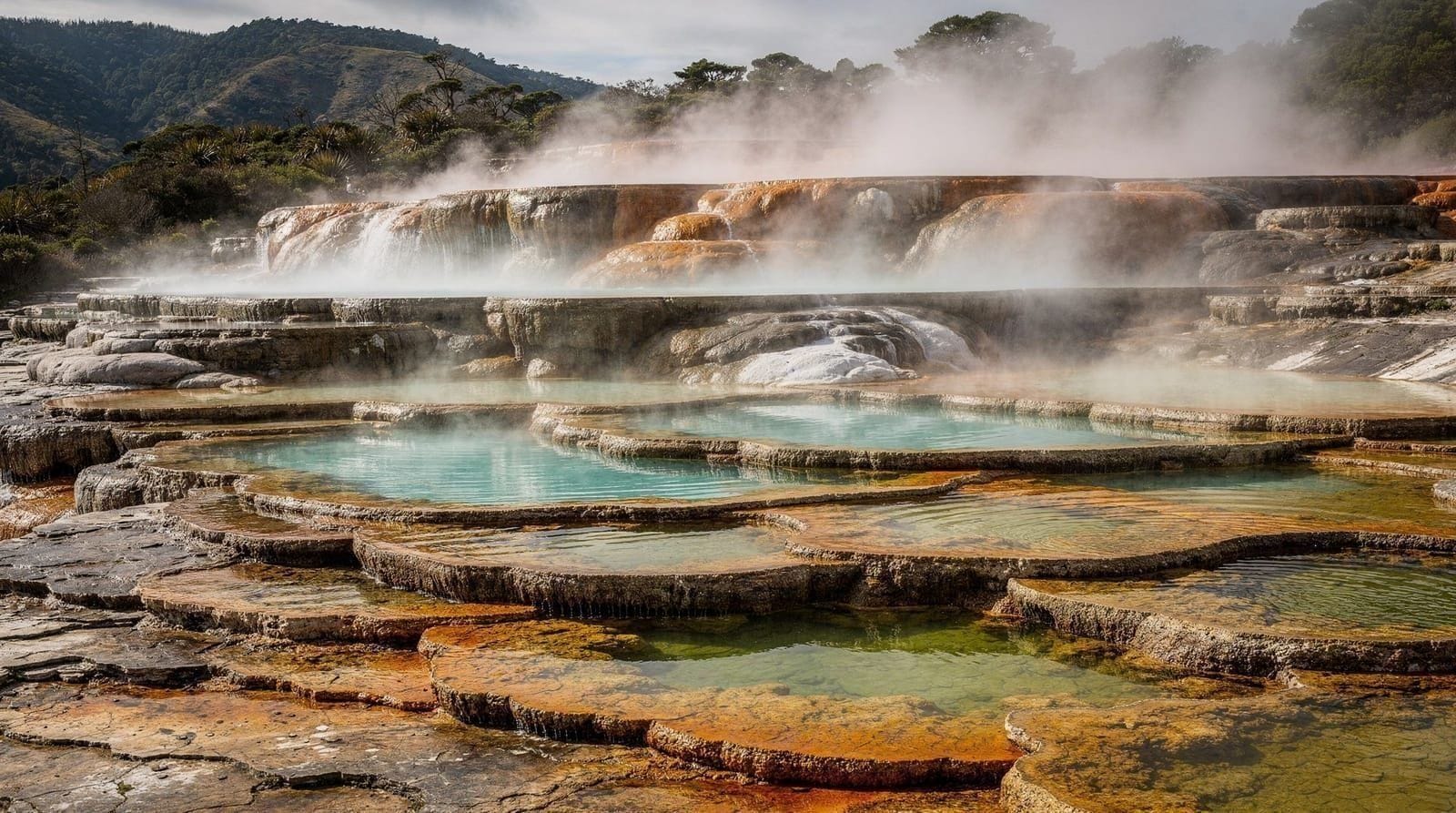
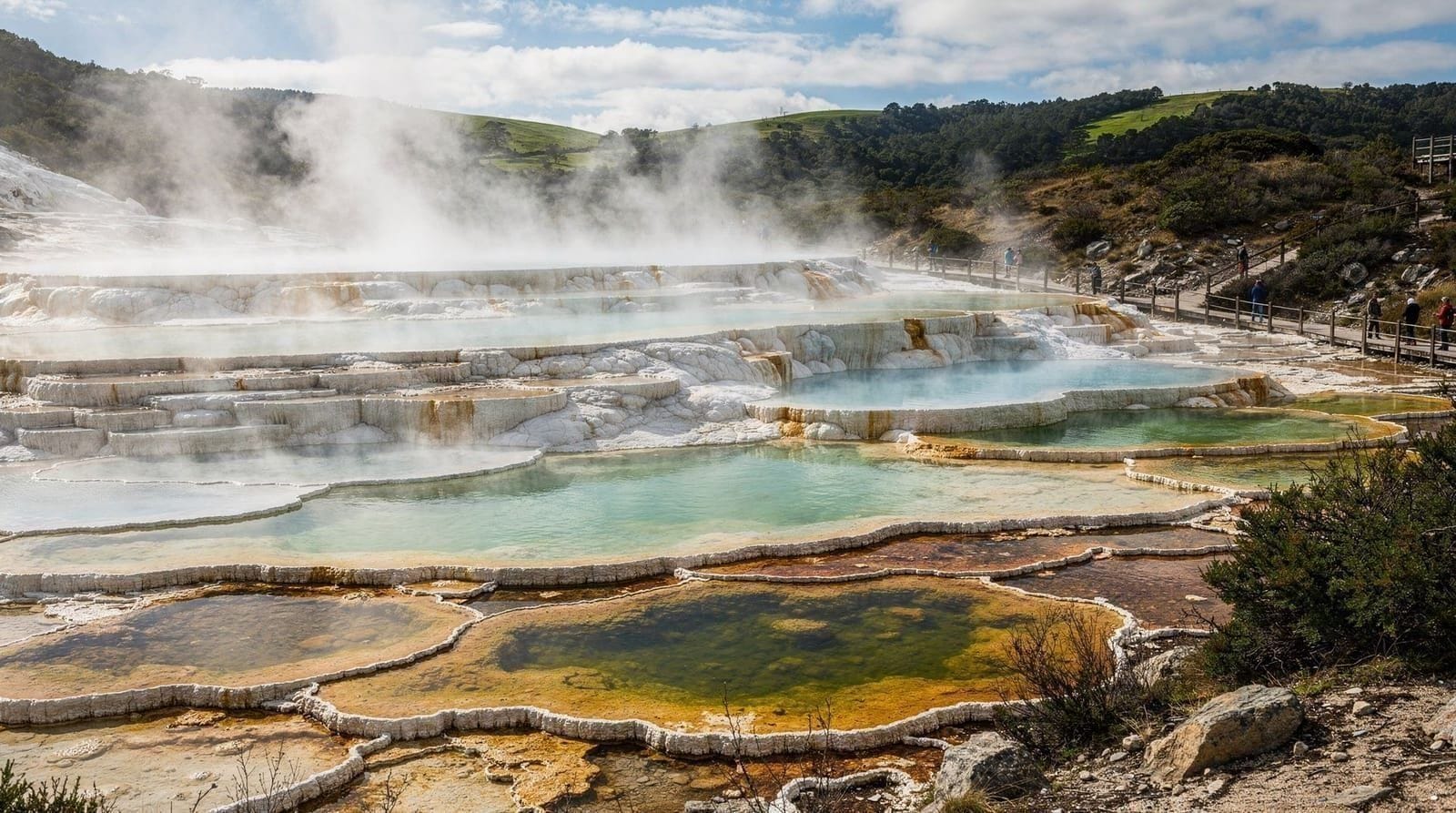
Rotorua sits directly on a geothermal field, and its defining attractions reflect that: Wai-O-Tapu Thermal Wonderland , with its famous Champagne Pool and the daily Lady Knox Geyser eruption, sits alongside Waimangu Volcanic Valley, Te Puia’s geothermal park and geyser field, and Polynesian Spa’s naturally heated mineral pools. This concentration of geothermal sights in a single, relatively compact area is genuinely unmatched elsewhere in New Zealand, and unmatched by Taupo specifically.
Rotorua is also the country’s most developed centre for Māori cultural tourism, with options ranging from Te Puia’s museum-style cultural centre to evening hangi (traditional earth-oven feasts) and haka performances at venues around town. Our respectful Māori tourism guide is worth reading before any cultural experience, and our Rotorua geothermal explained guide breaks down how to choose between the region’s several geothermal parks, which can otherwise feel repetitive if you try to visit more than one or two.
Beyond geothermal and cultural attractions, Rotorua also offers a solid range of adventure activities — the Skyline Rotorua gondola and luge combines a scenic gondola ride with a genuinely fun downhill luge track, and mountain biking through the Redwoods forest is internationally regarded among riders. See our adventure activities Rotorua guide for the fuller list.
Taupo: the lake and outdoor adventure
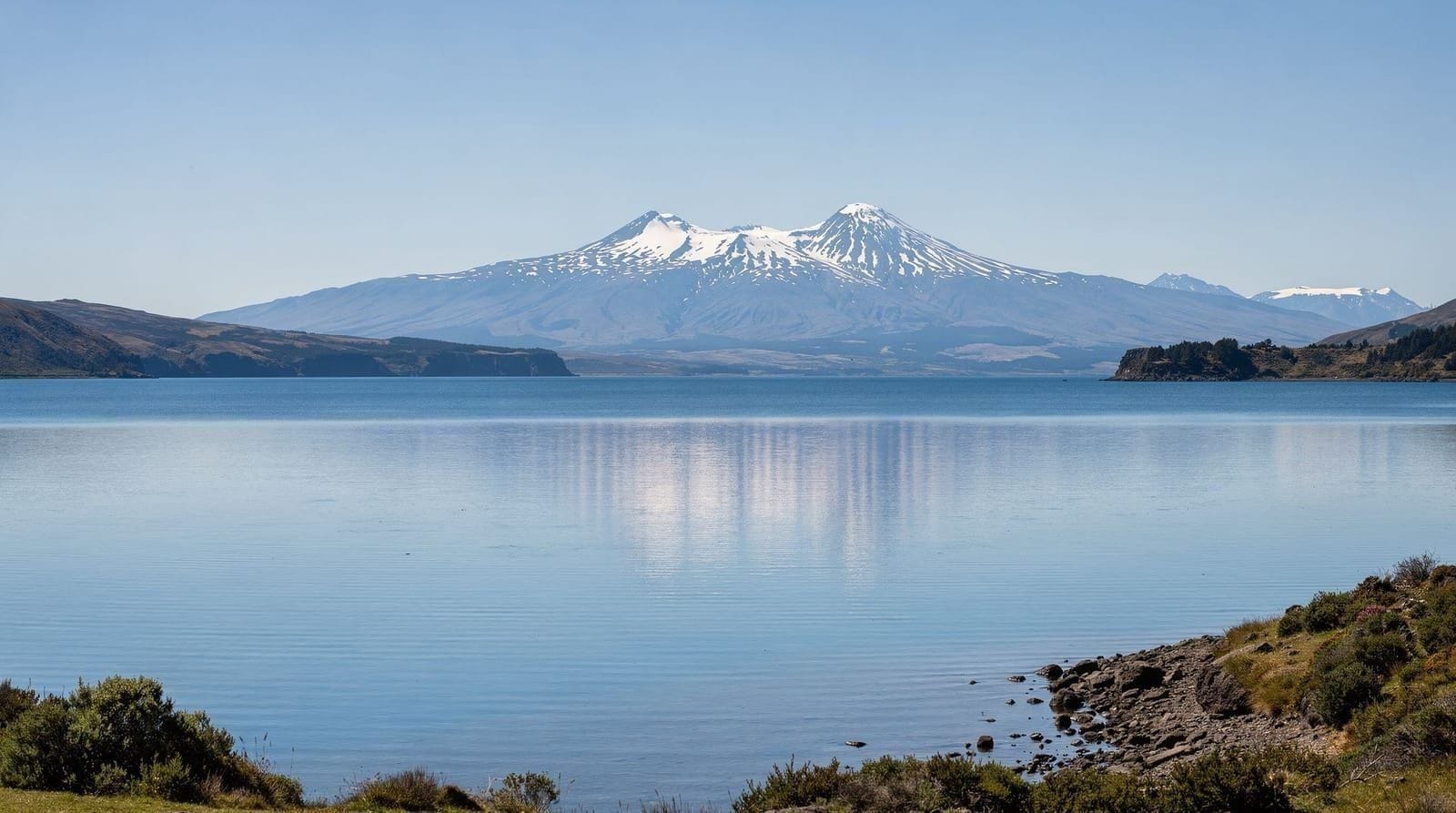
Taupo sits on the shore of Lake Taupo, a body of water so large (over 600 square kilometres) that it functions more like an inland sea, filling the caldera of a supervolcano that last erupted around 1,800 years ago. The town’s character leans toward outdoor and water-based activity: boat cruises across the lake (some visiting Māori rock carvings only accessible by water), kayaking, jet boating, and swimming at lake beaches within walking distance of the town centre. The Huka Falls, a dramatic, powerful set of rapids on the Waikato River just outside town, is a free and easy short walk worth building into any Taupo visit.
Taupo also serves as the closest town base for Tongariro National Park, home to the Tongariro Alpine Crossing — one of New Zealand’s most famous single-day hikes — making it a natural stop for hikers extending their North Island trip further south. Taupo does have some geothermal features of its own, including Craters of the Moon and Orakei Korako, but neither matches Rotorua’s scale or concentration, and most visitors treat them as a lighter add-on rather than the trip’s centrepiece.
Distance and travel time from Auckland
Rotorua sits about 3 hours’ drive from Auckland (roughly 230km), while Taupo is a little further at 3.5-4 hours (roughly 280km). Many itineraries reach Taupo via Rotorua rather than driving directly, since the two towns sit only about an hour apart by road — meaning if you’ve already committed to the 3-hour drive to Rotorua, extending to Taupo adds a comparatively modest extra hour rather than a whole separate trip from Auckland. Our Auckland to Rotorua transport guide covers the drive, coach, transfer and flight options for reaching the region in the first place.
Side-by-side comparison
| Feature | Rotorua | Taupo |
|---|---|---|
| Distance from Auckland | ~3 hours (230km) | ~3.5-4 hours (280km) |
| Signature draw | Geothermal parks, Māori culture | Lake Taupo, water activities, Huka Falls |
| Best for | Geysers, mud pools, cultural shows | Boating, kayaking, hiking access |
| Pace | Busier, more tour buses | Quieter, more low-key |
| Adventure activities | Luge, zip-lining, mountain biking | Jet boating, kayaking, Tongariro Crossing access |
| Family appeal | Hands-on parks (Agrodome, Rainbow Springs) | Lake swimming, easy walks |
Cost comparison
Accommodation and dining costs are broadly comparable between the two towns. Where the budget picture diverges is activities: Rotorua’s dense cluster of paid geothermal parks and cultural shows can add up quickly if you try to see several, while Taupo’s signature activities — lake swimming, the Huka Falls walk, several lookout points — are largely free, with paid add-ons (boat cruises, jet boating) being more optional extras than must-do inclusions. If budget is a genuine constraint, Taupo has an easier path to a low-cost day than Rotorua does.
Combining both in one trip
If your schedule allows more than a single day trip from Auckland, combining Rotorua and Taupo is a well-trodden route and genuinely makes sense given how close together they sit. The Rotorua to Lake Taupo and Orakei Korako or Wai-O-Tapu tour is built specifically for this pairing, covering both regions’ geothermal highlights in a single guided day. For a longer trip from Auckland that covers the wider Central North Island in one organised package, the two-day Hobbiton, Waitomo, Rotorua and Taupo tour from Auckland bundles several of the region’s headline stops into a structured itinerary, useful if you’d rather not plan the logistics yourself.
For self-drivers, our Auckland-Rotorua 3-day itinerary shows how a multi-day loop through both towns can be structured at a realistic, unhurried pace.
Which to choose by traveller type
First-time North Island visitors with limited time: Rotorua — its geothermal and cultural attractions are more distinctly “New Zealand” for a first visit and better served by day trips and organised tours from Auckland. See our is Rotorua worth it guide for the honest case.
Outdoor and water-activity travellers: Taupo, particularly if a Tongariro Alpine Crossing hike or lake-based activities are already on your list.
Families with younger kids: Rotorua’s hands-on parks (Agrodome, Rainbow Springs) tend to hold shorter attention spans better than Taupo’s more open-ended outdoor activities, though both work — see our Rotorua with kids guide for specifics.
Travellers with a full week or more in the North Island: don’t choose — combine both as part of a longer loop, since the extra hour of driving between them is a small price for two genuinely distinct experiences.
Budget-conscious travellers: Taupo’s largely free signature activities make it easier to keep costs down than Rotorua’s paid geothermal park circuit.
Accommodation comparison
Both towns offer a full range of accommodation from budget backpacker hostels to luxury lodges, but the character differs somewhat. Rotorua’s accommodation is more geared toward tour groups and families, with several larger hotels near the geothermal-park circuit specifically positioned for that market. Taupo’s accommodation leans toward lakefront properties, many with direct lake views or water access, which suits travellers prioritising the scenery over proximity to a specific attraction cluster. Neither town is meaningfully more expensive than the other on a like-for-like basis; the difference is more about which style of stay — geothermal-park-adjacent versus lakefront — matches your priorities.
The food and dining scene
Rotorua’s dining scene includes several venues built specifically around the hangi (traditional earth-oven feast) experience, alongside a solid range of standard cafes and restaurants in the town centre. Taupo’s food scene centres more on lakefront cafes and restaurants with water views, plus a genuinely well-regarded selection of casual eateries reflecting the town’s role as an adventure-tourism base. Both towns are well served for a one or two night stay; neither would be a primary reason to choose one over the other on its own.
Weather and seasonality for each
Both towns share the Central North Island’s general climate pattern — mild, wet winters (June-August) and warmer, drier summers (December-February) — though Taupo, being further inland and at a higher elevation than Rotorua, tends to run a few degrees cooler, particularly overnight, and can see occasional light snow on nearby high ground in winter, unlike Rotorua. Rotorua’s geothermal parks are visitable comfortably in any season, arguably even more atmospheric with steam rising against cooler winter air. Taupo’s water-based activities are naturally more appealing in the warmer months, though the Huka Falls and most lookouts are worth visiting regardless of season.
A sample two-day itinerary covering both
Day one: drive from Auckland to Rotorua (about 3 hours), spend the day at Wai-O-Tapu or Te Puia, then an evening hangi and cultural performance, overnighting in Rotorua.
Day two: drive the roughly hour-long stretch from Rotorua to Taupo, visit Huka Falls and take a short lake cruise or kayaking session, then either continue further south toward Tongariro National Park or begin the return drive to Auckland, depending on how much time your trip allows.
This pacing avoids the rushed feeling of trying to see both towns’ highlights in a single day, and reflects how most multi-day North Island itineraries that include this region actually structure the stop. Our Auckland-Rotorua 3-day itinerary provides a fuller version of this plan with more detailed day-by-day timing.
Adventure activities beyond the headline attractions
Both towns offer strong adventure-activity credentials beyond their signature draws. Rotorua’s mountain biking through the Redwoods forest is internationally regarded, and its luge, zip-lining and OGO (inflatable ball rolling) options give it real breadth for adrenaline-seekers who want variety in a single stop. Taupo counters with bungy jumping over the Waikato River, skydiving with views over the lake and Tongariro National Park, and some of the North Island’s best trout fishing on Lake Taupo itself. Neither town is meaningfully “better” for adventure activities overall — the specific activities differ enough that your choice should come down to which ones actually appeal, rather than assuming one town has a stronger adventure scene in general.
Practical logistics: which to base yourself in
If you’re only stopping for one night on a longer North Island trip, basing yourself in whichever town has your priority activity makes the most sense, since the roughly hour-long drive between them is easy enough to do as a day trip from either base if you want to sample both. Rotorua’s more central location relative to Auckland and its wider range of organised tours make it the more convenient single base for travellers without their own transport; Taupo suits self-drivers better, given its role as a gateway to Tongariro National Park and the flexibility a car gives for reaching lake activities spread around the shoreline.
The honest verdict for first-time North Island visitors
If you can only fit one of the two into an Auckland-based trip, Rotorua is the stronger single choice for most first-time visitors — its geothermal parks and Māori cultural tourism are more distinctly memorable for a first North Island visit, and it’s better served by day trips and organised tours directly from Auckland without requiring your own transport. Taupo rewards a longer, more independent trip better than a rushed single day, particularly for travellers planning to continue on to Tongariro National Park or the South Island afterward. Neither is a wrong choice; the honest answer is that Rotorua suits a tighter, tour-friendly itinerary while Taupo suits a longer, more self-directed one.
What each town gets wrong in marketing
It’s worth a brief honest note on expectations. Rotorua’s sulphur smell — a natural by-product of the geothermal activity that makes the town famous — is real and noticeable in parts of town, something marketing materials tend to gloss over; most visitors adjust within an hour or so and don’t find it a lasting issue, but it’s worth knowing in advance rather than being caught off guard. Taupo, meanwhile, is sometimes marketed primarily as an adventure-sports destination, which slightly undersells how pleasant it is simply as a relaxed lakefront town for travellers who have no interest in bungy jumping or skydiving — the walking, lake swimming and scenic drives alone justify a stop for a much broader range of visitors than the adrenaline-focused marketing suggests.
A note on booking ahead for either town
Both towns see their tightest availability during New Zealand’s summer school holidays (mid-December through late January) and around Easter and Queen’s Birthday long weekends, when domestic travellers add to international visitor numbers at popular geothermal parks, lake cruises and accommodation alike. Booking key activities — a specific geothermal park entry, a lake cruise time slot, evening hangi seating — a few days to a couple of weeks ahead is sensible in peak periods; shoulder and winter months generally allow more spontaneous, unbooked exploring in either town.
Checking current pricing
Entry fees for geothermal parks, lake cruises and adventure activities in both towns are revised periodically, so treat the ranges mentioned throughout this guide as a realistic 2026 planning benchmark and confirm current prices directly with operators before finalising a day-by-day budget for either stop.
Internet, phone coverage and practical connectivity
Both towns have reliable mobile coverage and widespread wifi in cafes and accommodation, so staying connected isn’t a differentiator either way. The stretch of highway between them, and the drive south from Auckland, occasionally dips through brief coverage gaps in hillier sections, worth knowing if you’re relying on a phone map rather than printed directions or an offline map download for a self-drive trip.
Frequently asked questions about Rotorua vs Taupo
How far is Rotorua from Auckland compared to Taupo?
Rotorua is about 3 hours’ drive from Auckland (roughly 230km). Taupo is a little further, about 3.5-4 hours (roughly 280km), though many itineraries reach Taupo via Rotorua, adding only about an hour onto an already-planned Rotorua trip.
Which is better for geothermal activity, Rotorua or Taupo?
Rotorua, decisively. It sits directly on a geothermal field and hosts Wai-O-Tapu, Waimangu, Te Puia and Polynesian Spa among others. Taupo has some geothermal features nearby (Craters of the Moon, Orakei Korako) but nowhere near Rotorua’s concentration or variety.
Which is better for outdoor and water activities, Rotorua or Taupo?
Taupo, built around New Zealand’s largest lake, offers boating, kayaking, jet boating, the Huka Falls, and access to Tongariro National Park’s hiking. Rotorua has its own lakes and adventure activities (luge, zip-lining, mountain biking) but Taupo’s lake-centred activities are more extensive.
Can I visit both Rotorua and Taupo in one trip?
Yes, and it’s a common pairing — the two towns sit about an hour apart by road, so a multi-day North Island loop covering both is straightforward. A single rushed day covering both from Auckland is possible but leaves little time at either.
Which has better Māori cultural experiences, Rotorua or Taupo?
Rotorua, by a wide margin — it’s New Zealand’s most established centre for Māori cultural tourism, with options ranging from museum-style cultural centres to evening hangi and haka performances. Taupo has some, but far fewer, cultural tourism options.
Is Taupo cheaper than Rotorua?
Accommodation and dining costs are broadly similar between the two towns. Where costs diverge more is activities — Rotorua’s dense cluster of paid geothermal parks and cultural shows can add up faster than Taupo’s activities, many of which (lake swimming, Huka Falls viewing, some walks) are free.
Which is better for families, Rotorua or Taupo?
Both work well for families, but for different reasons. Rotorua’s Agrodome, Rainbow Springs and hands-on geothermal parks suit curious kids well. Taupo’s lake swimming, easy walks to Huka Falls, and boat trips suit families who want more unstructured outdoor time.
Is there good phone and internet coverage in Rotorua and Taupo?
Yes, both towns have reliable mobile coverage and widespread wifi. The highway between them and the drive south from Auckland has occasional brief coverage gaps in hillier stretches.
Can I visit Taupo as a day trip directly from Auckland?
Not comfortably — at 3.5-4 hours each way, it’s a genuinely long single-day round trip. Most visitors either reach Taupo via an overnight in Rotorua or plan a dedicated multi-day trip further south.
Top experiences
Bookable activities with verified prices and instant confirmation on GetYourGuide.