Māori cultural experiences in Rotorua: a complete guide
Rotorua: Te puia te po evening hangi buffet and cultural experience
What is the best Māori cultural experience in Rotorua?
Te Puia is the strongest single choice if you want geothermal scenery and Māori cultural context together in one visit. For an evening-only cultural experience with hāngī and kapa haka performance, Tamaki Māori Village and Mitai Māori Village are the two most established dedicated evening operators, each with a slightly different format worth comparing before booking.
| Best single choice | Te Puia (geothermal + culture in one visit) |
| Cost (evening) | around NZD 130-180/person incl. transport |
| Time needed | half a day (Te Puia) to a full evening (Tamaki/Mitai) |
| Booking | a few days ahead, 1-2 weeks in Dec-Feb |
| From Auckland | pair with an overnight for both a park and an evening |
Rotorua is New Zealand’s Māori cultural tourism hub
Rotorua is, by a clear margin, the most developed centre for Māori cultural tourism in New Zealand, and this isn’t an accident of marketing — it reflects a genuine concentration of iwi and hapū-run cultural institutions, several of which have operated continuously for well over a century. Between Te Puia, Whakarewarewa Living Village, and dedicated evening operators like Tamaki Māori Village and Mitai Māori Village, visitors have real choice here, which also means real decisions to make about which experience actually fits their time, budget and interests. This guide compares the main options honestly, rather than treating them as interchangeable.
If you haven’t yet, it’s worth reading our respectful Māori tourism guide alongside this one — it covers the etiquette and judgement calls that apply across all of the experiences below, so we won’t repeat that context in full here.
Te Puia: geothermal scenery plus cultural context in one visit
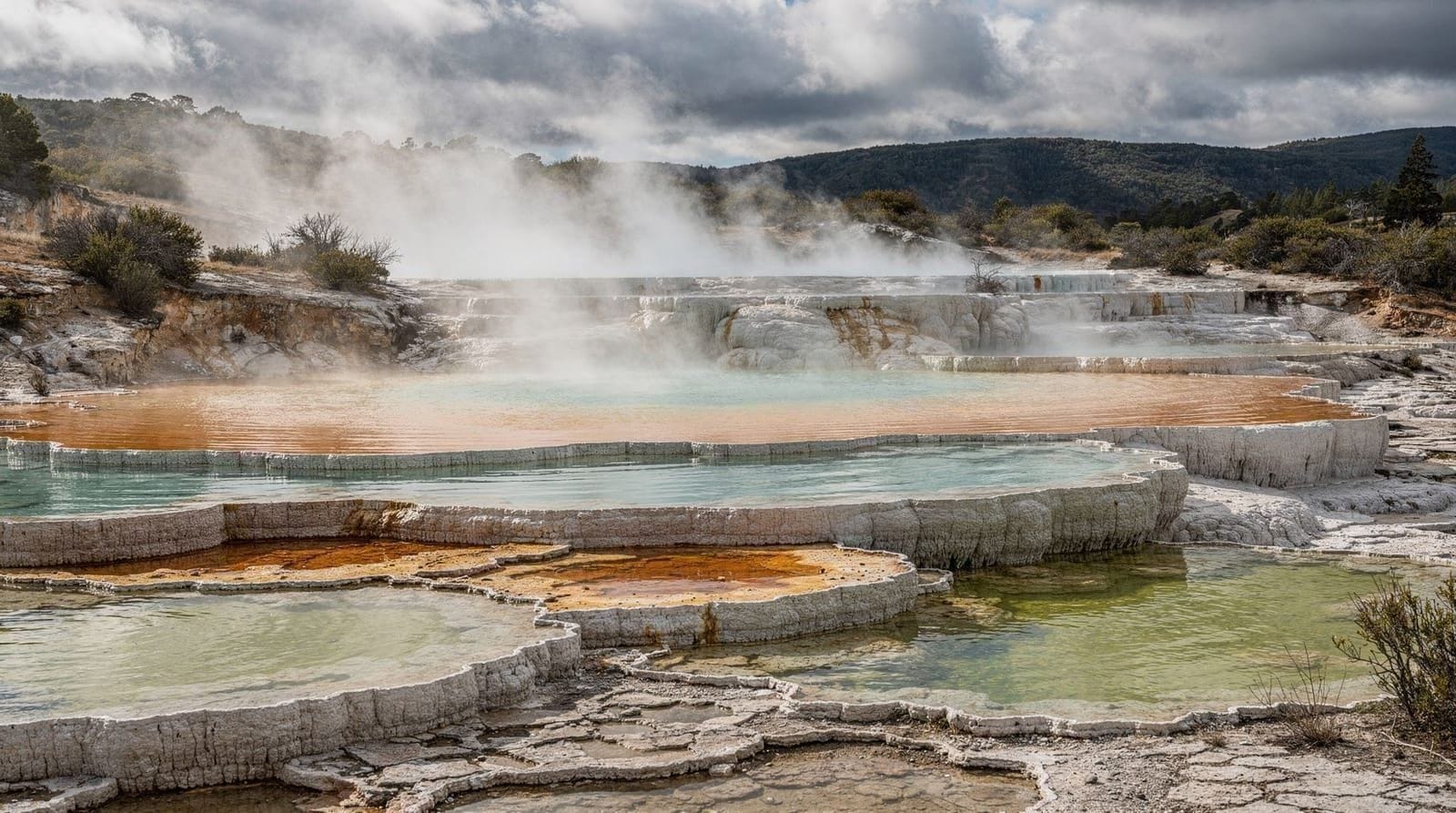
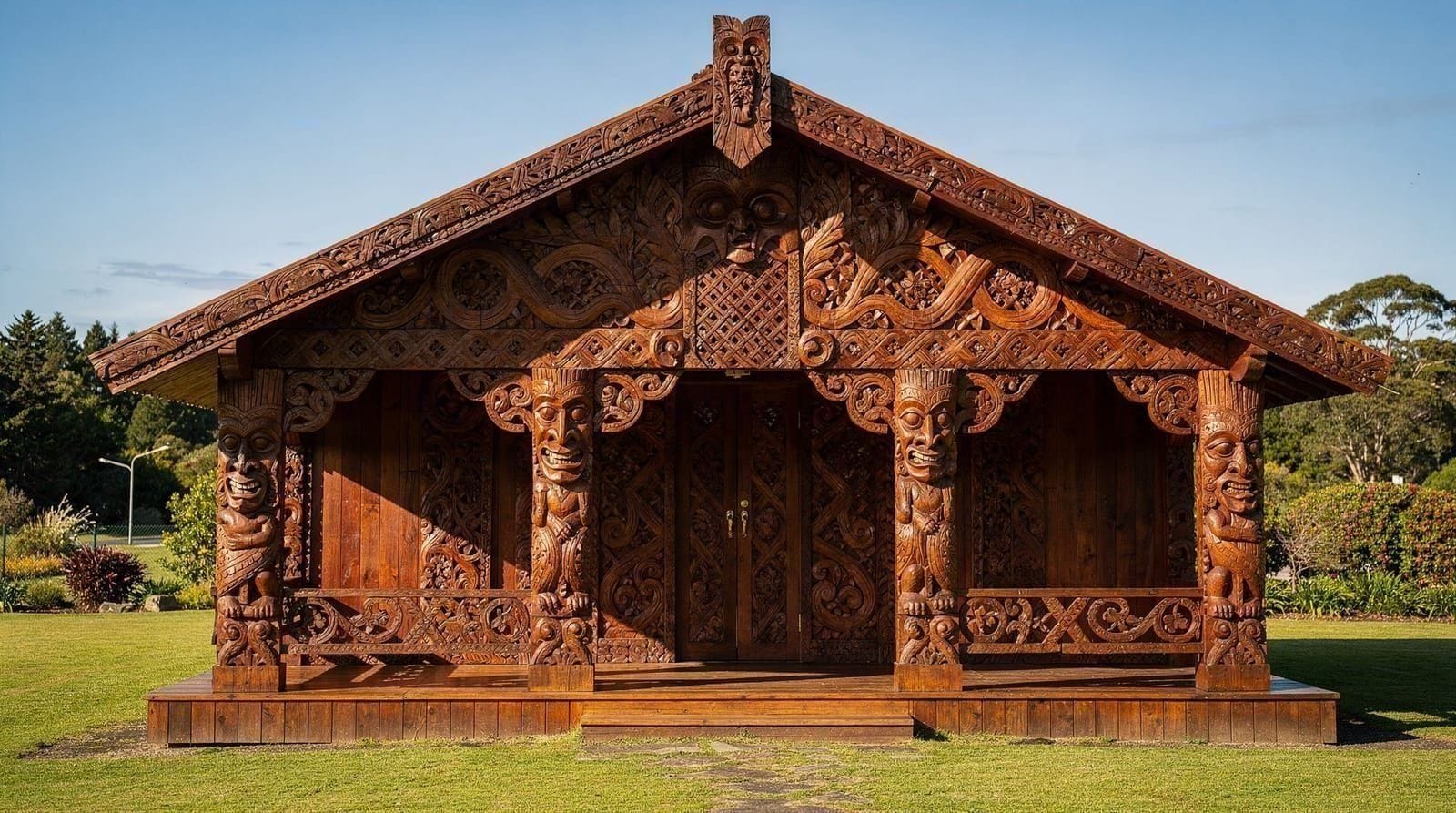
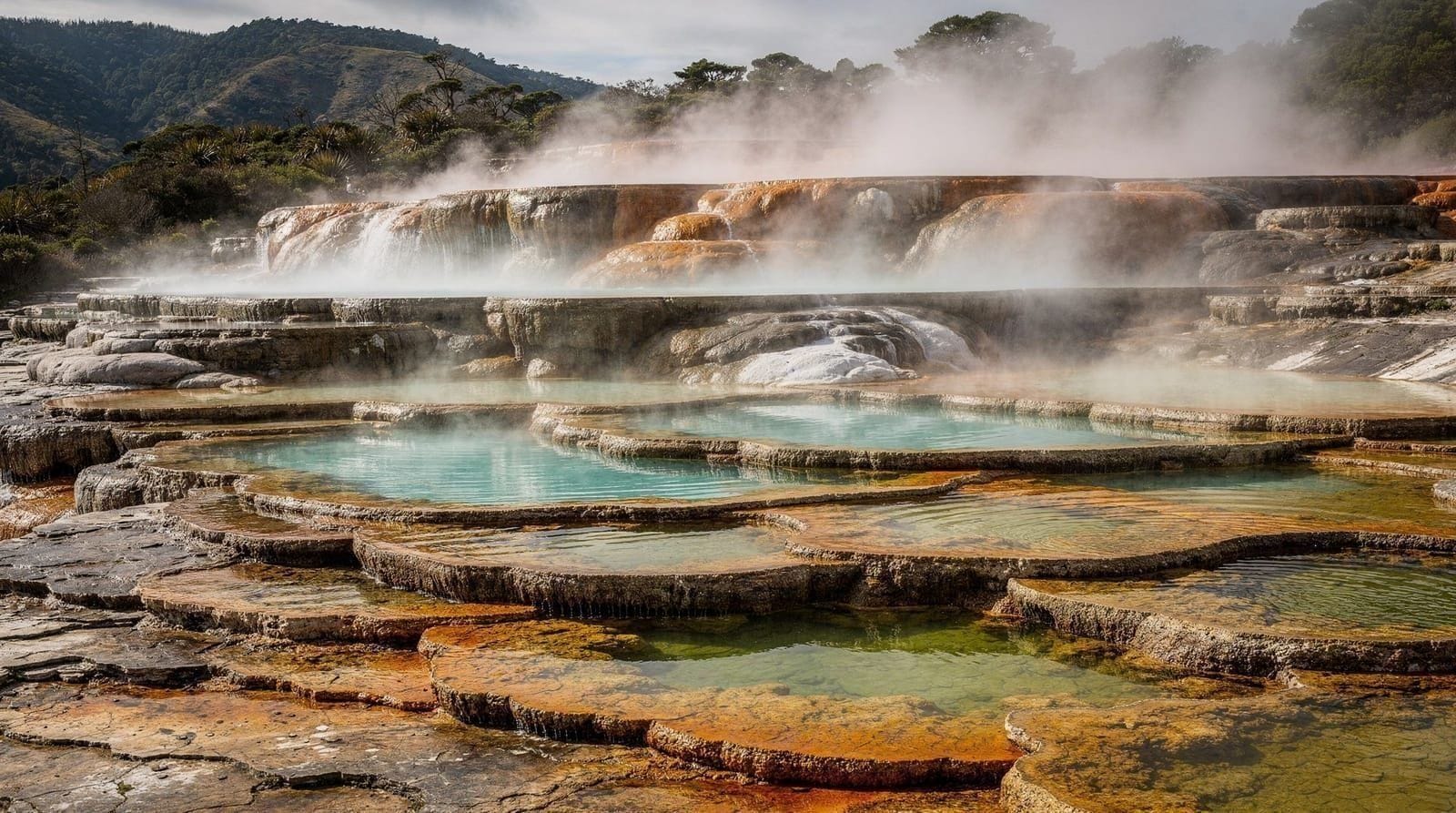
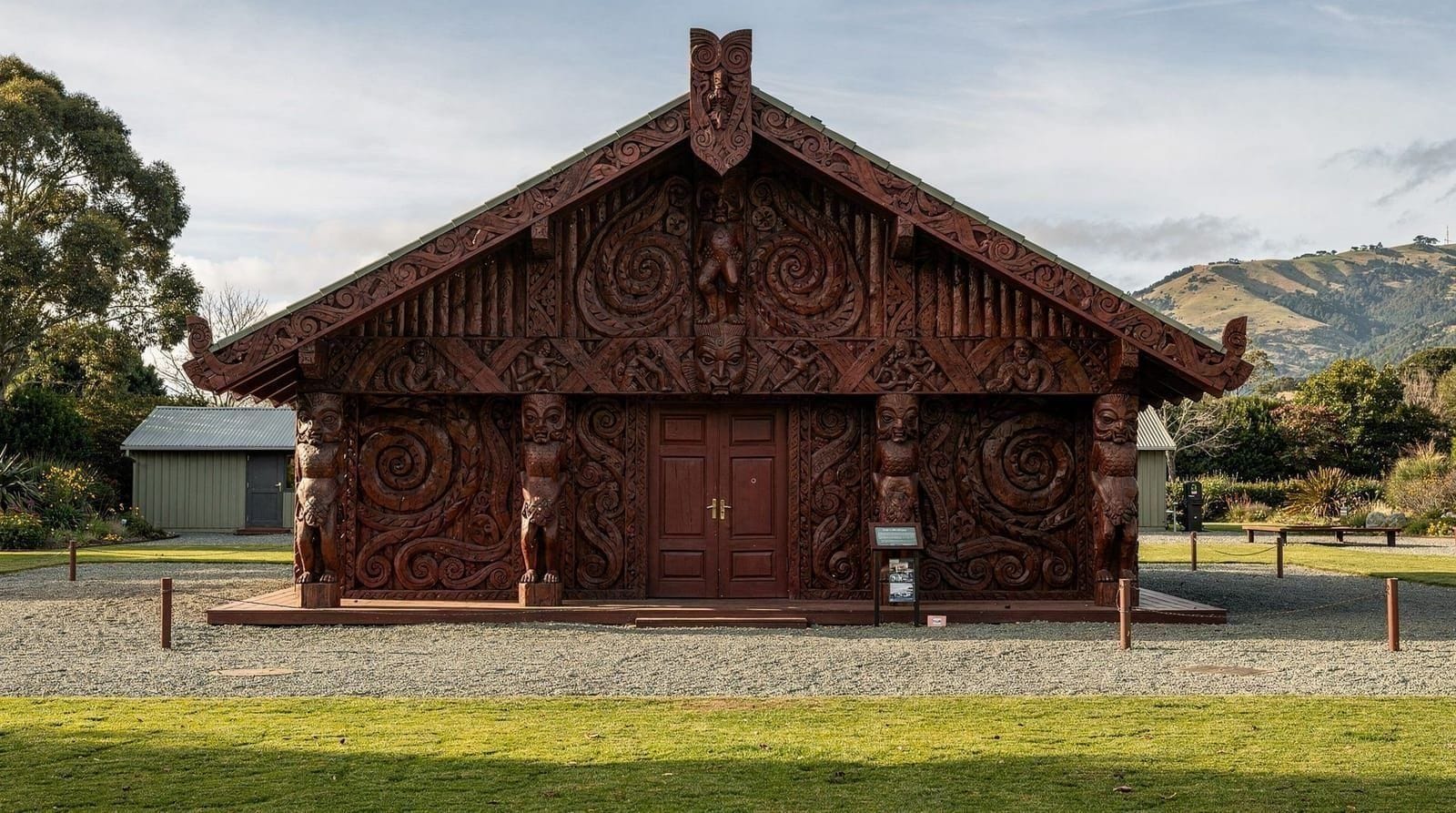
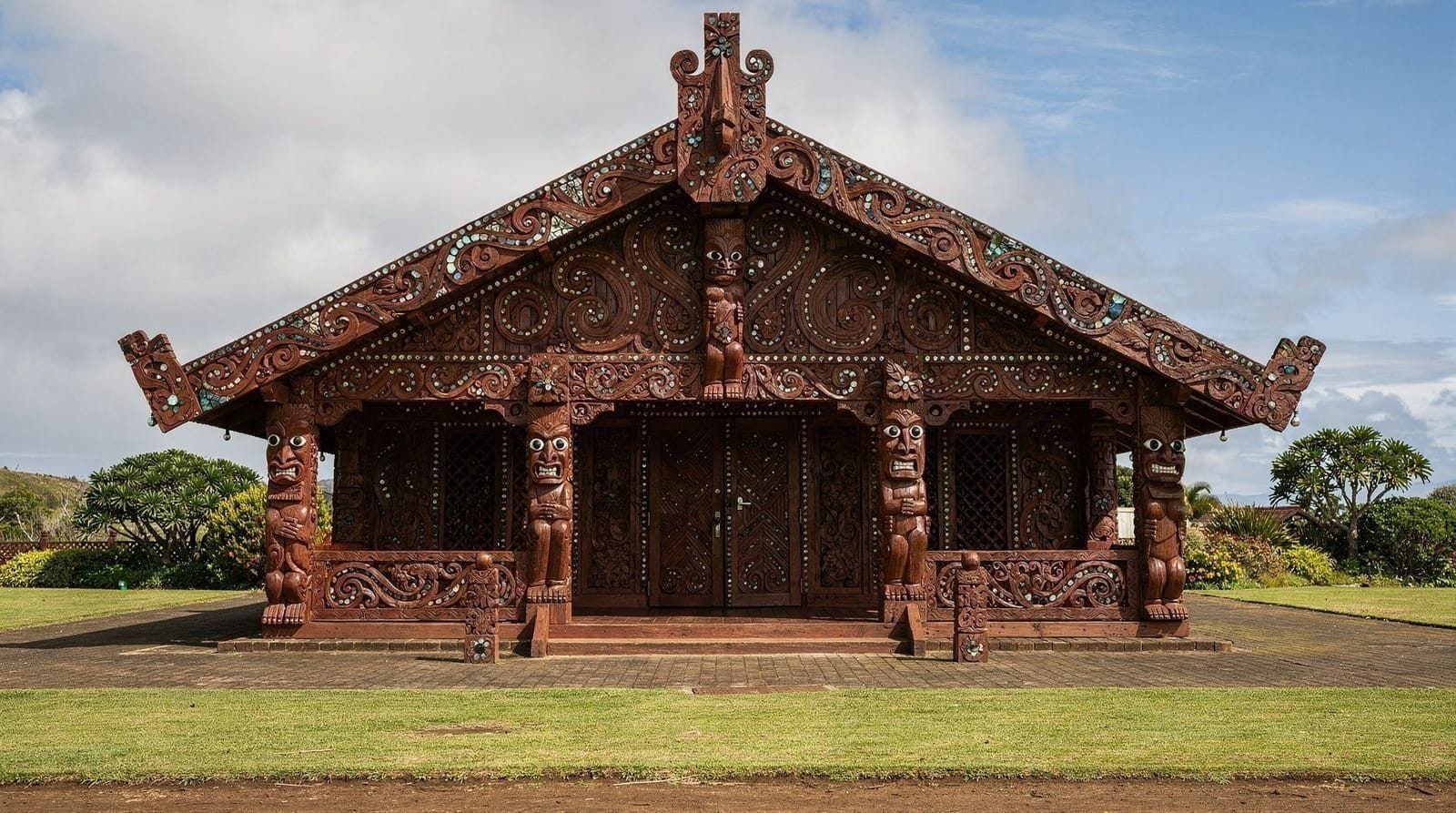
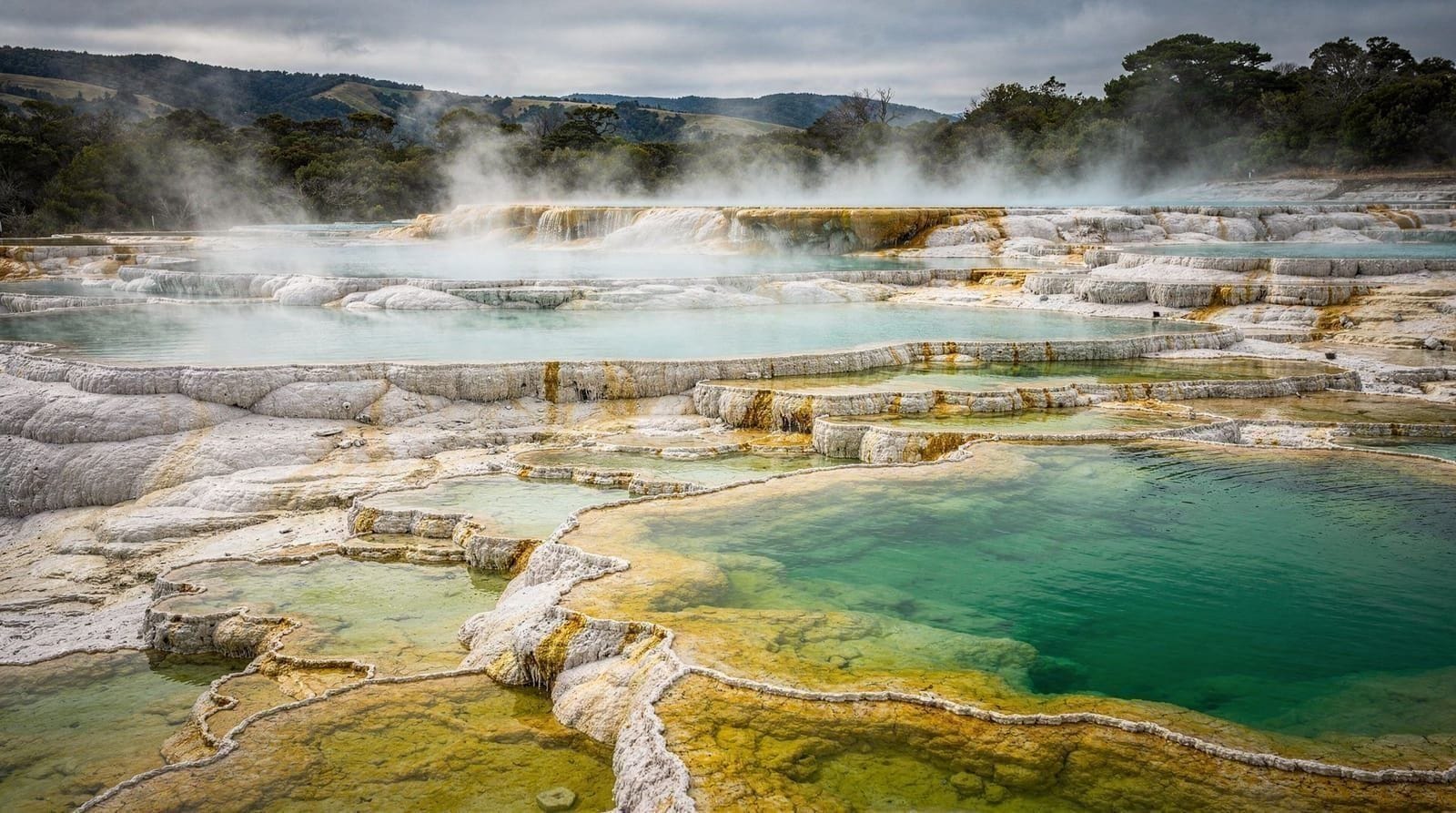
Te Puia, close to central Rotorua, is built around the Te Whakarewarewa geothermal valley and centres on the Pohutu Geyser, New Zealand’s largest active geyser, erupting up to 20 times a day. What sets it apart from a purely geothermal park like Wai-O-Tapu is that Te Puia also houses the New Zealand Māori Arts and Crafts Institute, a national training centre for traditional carving (whakairo) and weaving (raranga), alongside kiwi conservation viewing and cultural performances staged on-site throughout the day. It’s genuinely the most well-rounded single option if you want geothermal landscape and Māori cultural depth together rather than choosing between them.
Te Puia’s daytime Te Rā guided tour covers the geothermal valley, the arts institute and a cultural performance in a single guided visit, typically running a few hours. For an evening version that adds a hāngī feast and a walk through the geothermal valley at dusk, Te Puia’s Te Pō evening experience combines the site’s geothermal setting with the full cultural and dining format in one booking, genuinely one of the more atmospheric versions of a Rotorua cultural evening given the steaming valley backdrop.
Whakarewarewa Living Village: a genuinely inhabited community
Whakarewarewa (often shortened locally to “Whaka”) is a real, currently inhabited Māori village built directly on and around active geothermal ground, where Māori families have lived for generations and still do today, using the natural heat for cooking (steam boxes, hāngī pits) and warmth. Guided tours here are led by village residents themselves, walking you through the geothermal features integrated into everyday village life alongside a cultural performance, which gives Whakarewarewa a distinctly different character from a purpose-built tourist attraction — you’re visiting people’s actual homes and community, not a recreation. This Whakarewarewa village tour combined with the Polynesian Spa pairs the village visit with Rotorua’s best-known hot pool complex for a fuller day.
Tamaki Māori Village: the dedicated evening experience
Tamaki Māori Village is one of Rotorua’s longest-running and most established dedicated evening cultural operators, built specifically around a recreated village setting for an evening hāngī and kapa haka performance rather than a daytime geothermal component. The format typically includes coach transport from your accommodation, a pōwhiri-style welcome at the village gate, a guided walk through demonstration areas covering traditional skills (weaving, carving, games), a full kapa haka performance including haka, and a hāngī buffet feast to close the evening. This living Māori village experience with haka and hāngī is a straightforward way to book the full evening format, including transport, without arranging pickup separately.
Mitai Māori Village: a river-side evening alternative
Mitai Māori Village runs a broadly similar evening format to Tamaki — pōwhiri welcome, cultural performance, hāngī feast — but is set along the Wai-o-whiro Stream, with a distinctive element where a waka (canoe) is paddled downriver as part of the welcome performance, a striking visual that some visitors rate as the highlight of the evening. Mitai is also known for including a short guided nature walk on-site, adding a native bush and glowworm element to the evening alongside the cultural performance. This tour combining Mitai Māori Village with a Wai-O-Tapu daytime visit is a practical way to pair an evening cultural experience with a full geothermal day if your schedule allows both in a single trip.
How to choose between them
If you only have time and budget for one Māori cultural experience in Rotorua, Te Puia is the strongest single choice, because it delivers geothermal scenery, cultural performance, and the arts institute together in one visit — you don’t need to add a separate evening booking to feel like you’ve covered the essentials. If you specifically want the full evening hāngī-and-performance format as its own dedicated experience, separate from a geothermal park visit, Tamaki and Mitai are both well-established, and the choice between them often comes down to atmosphere (Tamaki’s recreated village setting versus Mitai’s riverside waka arrival and bush walk) rather than one being clearly better than the other. Whakarewarewa is the pick specifically for visitors who want the added dimension of an inhabited, living community rather than a purpose-built cultural venue.
This geothermal hāngī and traditional Māori experience is a further option worth comparing directly against the above if you’re weighing evening formats side by side — pricing and specific inclusions shift by season, so checking current details before booking is worth the few extra minutes.
Booking tips that actually matter
Book evening cultural experiences at least a few days ahead in shoulder season, and 1-2 weeks ahead in peak summer (December-February), since capacity at any single operator on a given night is genuinely limited and popular dates sell out. If you’re set on a specific operator (Tamaki versus Mitai, for instance) rather than “any available evening experience,” book that specific operator directly rather than a generic aggregated listing, to avoid ending up somewhere other than your first choice. Confirm pickup arrangements the day before if you’re staying outside central Rotorua, since transport routes and timing can vary by accommodation location, and most operators need advance notice to adjust a pickup route.
What sets Rotorua apart from other Māori cultural tourism in New Zealand
It’s worth understanding why Rotorua specifically became this concentrated a hub, rather than Māori cultural tourism being evenly spread across the country. The geothermal landscape itself played a direct historical role — Te Puia’s site, and the wider Whakarewarewa valley, have hosted Māori guiding of visitors to geothermal wonders since the nineteenth century, among the earliest organised tourism anywhere in New Zealand, predating much of the country’s wider tourism industry by decades.
That long history means Rotorua’s cultural tourism infrastructure isn’t a recent commercial development responding to visitor demand — it’s a genuinely deep-rooted local tradition of Māori-led guiding and hospitality that visitor demand has grown around, rather than the reverse. Understanding that history is part of what makes a well-run Rotorua cultural experience feel different from cultural tourism assembled more recently elsewhere.
What to actually expect: the format, honestly explained
Across all of the evening formats, the shape of the evening is broadly similar and worth understanding before you go, so nothing feels unfamiliar on arrival.
A pōwhiri (formal welcome ceremony) typically opens the evening, sometimes involving a chosen visitor “chief” from the group taking part in a ceremonial challenge — a lighthearted but genuinely meaningful piece of protocol, not a performance stunt, and worth engaging with sincerely if you’re selected. A guided walk or demonstration area follows, covering traditional skills like weaving, carving, and sometimes traditional games or the haka’s meaning and history explained directly by performers. The kapa haka performance itself — waiata (song), poi, and haka — is the emotional centrepiece of the evening, and the hāngī feast, cooked for hours in an earth pit (or, uniquely at Rotorua operators, sometimes using the region’s natural geothermal heat), closes the night as a shared buffet meal.
Pricing and what’s included
Expect a full evening cultural experience with hāngī and performance to run roughly NZD 130-180 per person, generally including return transport from central Rotorua accommodation, the full performance and feast, and sometimes a welcome drink or additional activity like Mitai’s bush walk. Te Puia’s daytime Te Rā tour and its combined evening Te Pō experience are priced separately, with the evening version costing more given the added feast and performance. Whakarewarewa village tours are typically priced per adult for the guided walk alone, with spa or additional inclusions adding to the base cost. Checking current pricing directly against your specific dates is worth doing, since seasonal and group-size variation is common across all these operators.
What first-time visitors ask most often
A few questions come up repeatedly enough from first-time visitors that they’re worth answering directly here, beyond the FAQ below: whether you’ll be embarrassed or put on the spot during a pōwhiri (generally no — if a “chief” is selected from your group, it’s handled warmly and with clear guidance from the host, not as an ambush), whether the hāngī food suits varied dietary needs (most operators accommodate common dietary requirements with advance notice at booking), and whether children will find an evening performance engaging (generally yes, particularly the haka and any audience-participation elements, though very young children may find a full evening’s length harder to sustain than older kids).
Fitting this into your Rotorua itinerary
If you’re doing Rotorua as a single day trip from Auckland, fitting in both a daytime geothermal park and a full evening cultural experience makes for a genuinely long day layered on top of the drive itself — our is Rotorua worth it guide covers this trade-off honestly, and generally recommends an overnight if you want to properly experience both.
Our Rotorua day trip from Auckland guide covers the single-day logistics if that’s your only option, and the Auckland-Rotorua 3-day itinerary lays out a more comfortable version that gives both the geothermal parks and an evening cultural experience proper room. For families specifically, our Rotorua with kids guide covers which of these experiences suit younger children best — the evening formats generally run late for very young kids, while Te Puia’s daytime format is more flexible.
How Rotorua’s cultural experiences compare to Auckland’s
Visitors doing Rotorua on the same trip as Auckland sometimes wonder whether both stops are worth it, given that Auckland also has its own Māori cultural offerings. The honest answer is that they’re complementary rather than redundant — Auckland’s Museum and city-based cultural tours provide historical and artistic context in a few hours, while Rotorua’s dedicated operators deliver a level of immersive, evening-length cultural tourism infrastructure that a city stop genuinely can’t replicate. Most visitors who do both describe Auckland as useful grounding before arriving in Rotorua with some context already in place, rather than either stop feeling repetitive.
Waitangi Treaty Grounds as a complementary cultural stop
If Rotorua’s cultural experiences leave you wanting more historical context specifically, the Waitangi Treaty Grounds in the Bay of Islands cover a different but complementary dimension — the founding document of modern New Zealand and its ongoing significance, rather than the living cultural performance and craft focus of Rotorua’s offerings. The two aren’t substitutes for each other and sit on different sides of the North Island, but travellers building a longer, culturally focused itinerary sometimes deliberately combine both across a wider trip.
Choosing between a daytime and evening format on a budget
Cost is a genuine factor in choosing between Te Puia’s daytime Te Rā tour and a full evening hāngī experience, and it’s worth being direct about the trade-off. The daytime format costs less and fits more easily around a Rotorua day trip from Auckland, while the evening format costs more but delivers the fuller kapa haka and hāngī experience most visitors picture when they imagine a “Māori cultural evening” in New Zealand. If budget is genuinely tight, the daytime Te Puia visit alone still delivers a substantive, well-rounded experience — the evening format is an upgrade in atmosphere and scale, not a requirement to get real value from a Rotorua cultural stop.
Preparing before you go
A little preparation makes any of these experiences richer. Learning a handful of greetings and words from our te reo Māori basics for visitors means the welcome, the songs and the explanations from your hosts land with more meaning, and hosts tend to appreciate the effort. If you want the stories behind the performances, the blog piece on Māori legends of Tāmaki Makaurau gives useful grounding in the way these narratives are told.
Pairing a cultural experience with the rest of Rotorua
The geothermal side of the region is easier to appreciate once you understand what you’re looking at, and our Rotorua geothermal explained guide covers that without the jargon. If you’re still deciding between parks for your daytime slot, Te Puia vs Wai-O-Tapu compares them directly, and the evening operators above slot in neatly around either choice. Travellers who want something more active in the daytime can look at adventure activities in Rotorua and keep the cultural evening as a calmer close to the day.
Getting there and choosing your base
How you reach Rotorua shapes how much of this you can realistically do, so it’s worth reading Auckland to Rotorua transport options before locking in dates, particularly if you plan to be out after dark. For a wider view of Māori places across the island, our Māori heritage sites guide points to other places worth adding, and Rotorua vs Taupo helps if you’re weighing where to spend a night.
Frequently asked questions about Māori experiences in Rotorua
What’s the difference between Te Puia, Whakarewarewa Village and the evening cultural operators like Tamaki and Mitai?
Te Puia combines geothermal scenery, the New Zealand Māori Arts and Crafts Institute, and cultural performances in one daytime visit. Whakarewarewa Living Village is a residential Māori community offering guided tours of an inhabited village. Tamaki and Mitai are dedicated evening operators focused on a hāngī feast and kapa haka performance, without a geothermal park component.
What actually happens at a Rotorua hāngī and cultural evening?
Typically a pōwhiri-style welcome, a guided walk through a marae or village setting, a kapa haka performance featuring waiata, poi and haka, and a hāngī feast of meat and vegetables cooked using earth-pit or geothermal heat, served buffet-style.
Do I need to book Rotorua cultural experiences in advance?
Yes, particularly for evening hāngī and performance experiences, which run fixed nightly schedules with limited capacity. A few days to a couple of weeks ahead is usually sufficient outside peak summer.
Is Whakarewarewa Living Village different from Te Puia?
Yes — Whakarewarewa is a genuinely inhabited residential village where Māori families still live, with guided tours led by residents. Te Puia combines a geothermal park with the national Māori Arts and Crafts Institute and its own performances, but isn’t residential in the same way.
Are Rotorua’s Māori cultural experiences authentic, or are they staged for tourists?
Quality and authenticity vary by operator, but Rotorua’s leading operators are genuinely Māori-owned and community-connected. See our respectful Māori tourism guide for how to evaluate a specific operator.
Can I combine a geothermal park visit with an evening cultural experience in one day?
Yes — many visitors combine a daytime Te Puia or Wai-O-Tapu visit with an evening hāngī and performance elsewhere in town, or book Te Puia’s own Te Pō experience, which includes both in a single site.
Which Rotorua cultural experience is best for families with young kids?
Te Puia’s daytime Te Rā tour is generally more flexible for young children given its shorter, daytime format. Evening hāngī experiences run later and suit families with older kids or those comfortable with a late finish.
Is Waitangi Treaty Grounds a substitute for a Rotorua cultural experience?
No — they cover different ground. Waitangi focuses on New Zealand’s founding treaty and history, while Rotorua’s experiences centre on living cultural performance, hāngī and craft. Many travellers visit both on a longer trip.
Is the daytime Te Puia tour worth it without the evening hāngī add-on?
Yes — the daytime Te Rā tour alone delivers geothermal scenery, the arts institute and a cultural performance, a substantial experience even without upgrading to the evening Te Pō format.
Top experiences
Bookable activities with verified prices and instant confirmation on GetYourGuide.

Rotorua: Te puia te po evening hangi buffet and cultural experience

Rotorua: Te puia te ra guided day tour

Auckland: Rotorua living maori village w haka hangi lunch

Auckland: Rotorua tour mitai maori village wai o tapu

Auckland: Aucklandwhakarewarewa village polynesian spa rotorua tour