Māori heritage sites in Auckland and the North Island
Auckland: Museum general admission entry
What are the most significant Māori heritage sites near Auckland?
Within Auckland itself, the volcanic cones Maungakiekie (One Tree Hill) and Maungawhau (Mount Eden) hold visible pā terracing, alongside Auckland Museum's taonga collection and Ōrākei/Bastion Point. Further afield, Waitangi Treaty Grounds in the Bay of Islands and Te Puia and Whakarewarewa Living Village in Rotorua are the North Island's most significant sites overall.
A layered landscape, from Auckland north to Rotorua
The North Island carries an extraordinary density of significant Māori heritage sites within reach of Auckland, ranging from volcanic pā sites you can visit in an hour without a booking, to nationally significant institutions like Waitangi and Te Puia that reward a full day. This guide rounds up the sites worth knowing about, organised roughly by how far they sit from Auckland, so you can build a realistic itinerary around whichever mix of history and culture fits your trip. Read our respectful Māori tourism guide alongside this one — the etiquette that applies at each of these sites is covered there in full rather than repeated for each entry below.
| Where | Auckland city (free, self-guided) to Rotorua/Waitangi (guided, half-day+) |
| Cost | Free (volcanic cones, Ōrākei) to ticketed entry (Museum, Waitangi, Te Puia) |
| Time needed | Half a day for Auckland’s own sites; a full day each for Rotorua or Waitangi |
| Getting there | Walkable/short drive in Auckland; guided day tour or self-drive north/southeast |
| Best time | Any season — most sites are indoor or short outdoor walks |
This guide deliberately covers real, verifiable, well-documented sites rather than a padded list — each entry below is somewhere you can genuinely visit, with either open public access or a structured guided experience designed to welcome visitors appropriately.
Within Auckland: the volcanic cones as pā sites
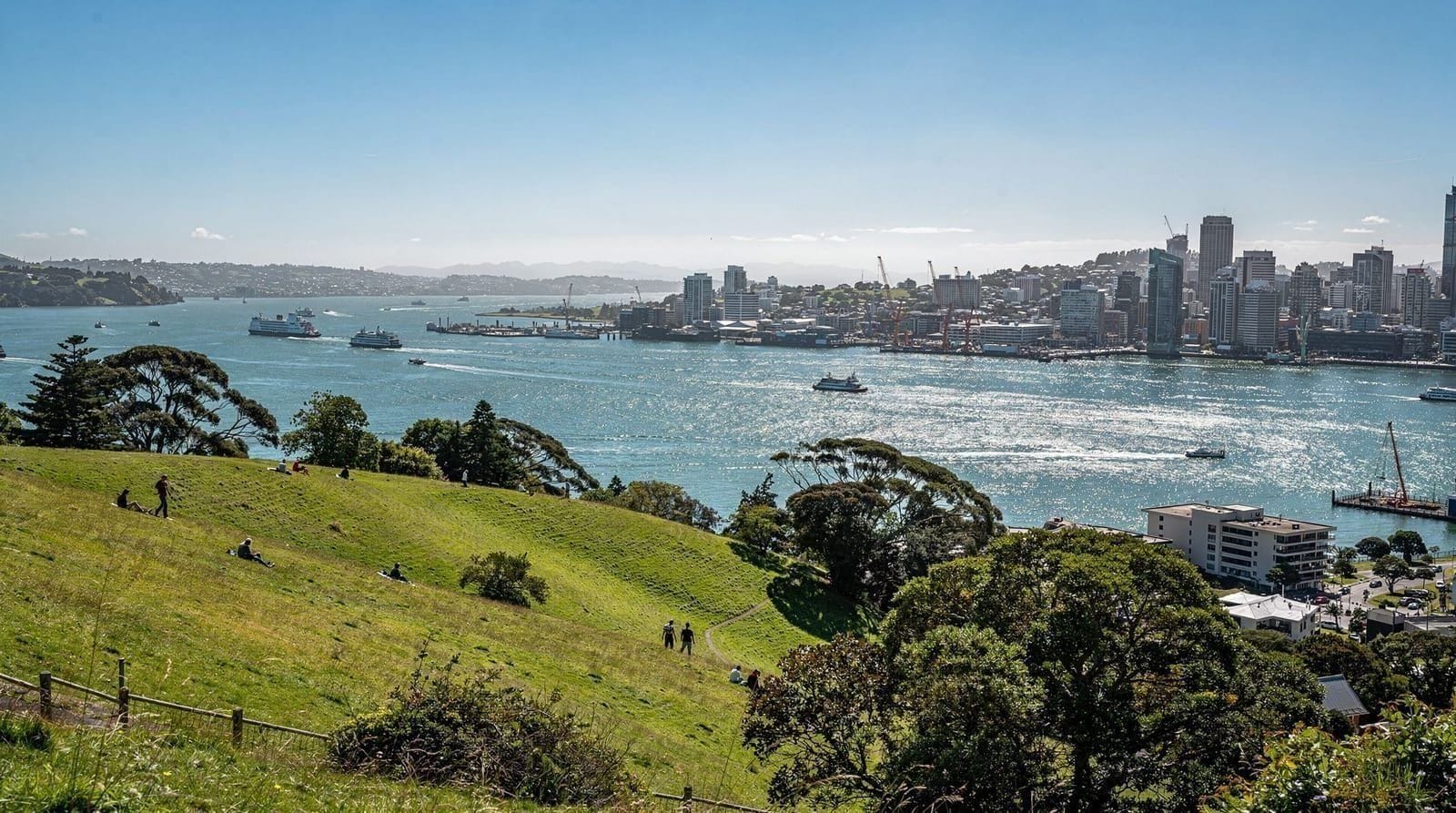
Auckland’s roughly 50 volcanic cones aren’t just a striking geological feature — several were among the largest pre-European Māori settlements in the country, chosen precisely for the defensible high ground and fertile volcanic soil they offered.
Maungakiekie (One Tree Hill), inside Cornwall Park, holds the clearest visible terracing of any Auckland cone, marking the site of one of the largest pā in pre-European Auckland; walking the slopes today, the concentric rings cut into the hillside are unmistakably the remains of a substantial, densely occupied settlement rather than natural contouring. Maungawhau (Mount Eden), Auckland’s highest cone at 196 metres, was similarly a major pā, and its crater is treated as tapu today, with visitors asked not to walk down into it out of respect for that history. Our volcanic cones of Auckland guide covers the practical side of visiting both, and several others, in more depth.
Ōrākei and Bastion Point
On the eastern side of the isthmus, Ōrākei and the adjoining Bastion Point headland carry more recent but equally significant history — this is the site of a 506-day Ngāti Whātua land occupation in 1977-78, a landmark moment in New Zealand’s modern land rights movement that remains an important part of recent national history. The headland itself is a free, open public space with sweeping harbour views and a memorial marking the occupation, worth a stop if you’re interested in more recent Māori history alongside the older pā sites elsewhere on the isthmus.
Auckland Museum
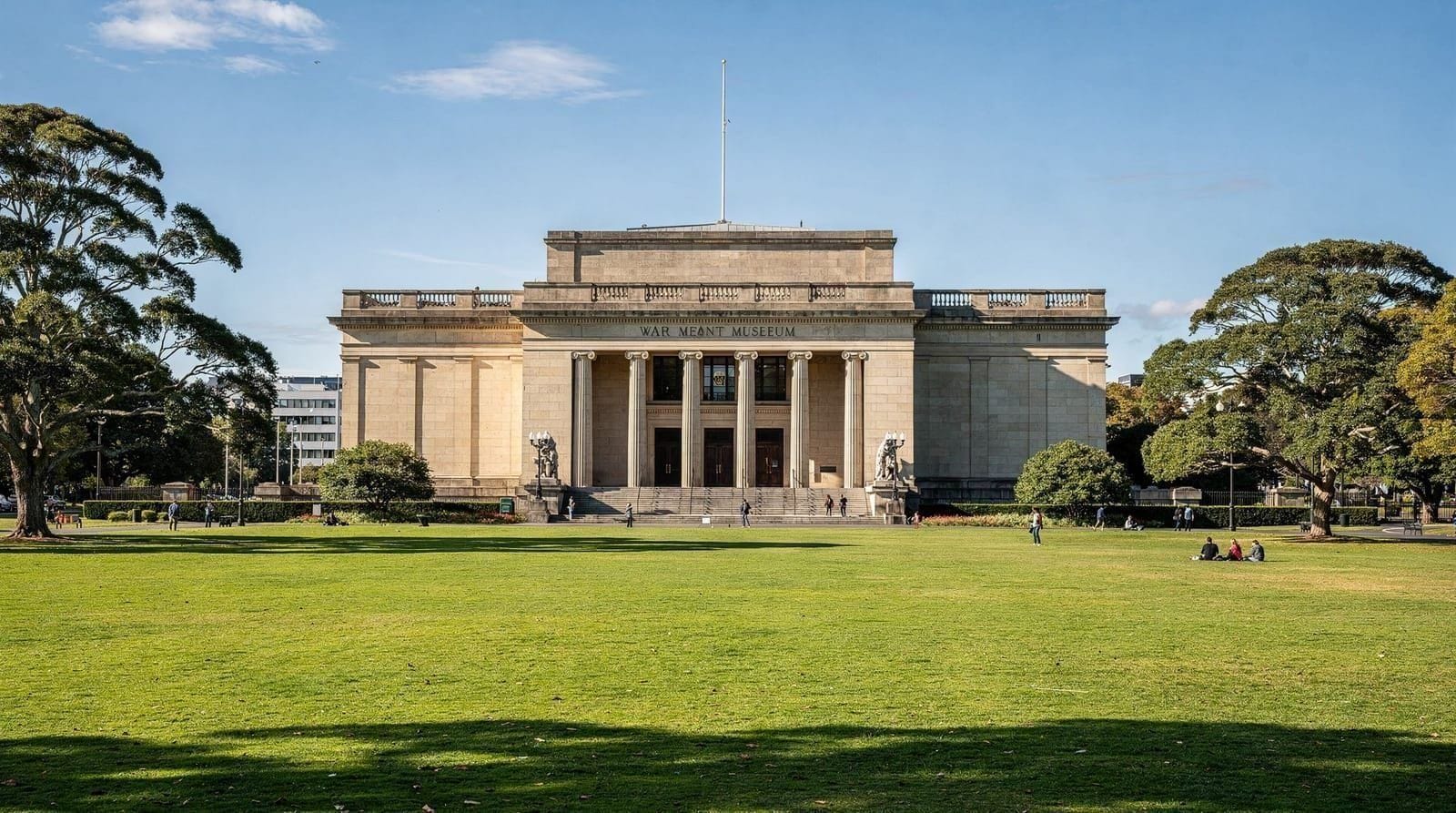
Sitting fittingly on the slopes of Maungakiekie in the Auckland Domain, Auckland War Memorial Museum holds New Zealand’s most significant Māori and Pacific taonga (treasures) collection, including an extraordinary carved waka (war canoe) in its dedicated Māori Court. General admission runs around NZD 28-32 for international visitors, and the museum’s cultural performances add a live dimension to the static collection. Book the general admission ticket or add a Māori cultural performance for the fuller experience. Our full Auckland Museum guide covers timing and what to prioritise inside.
Waitangi Treaty Grounds
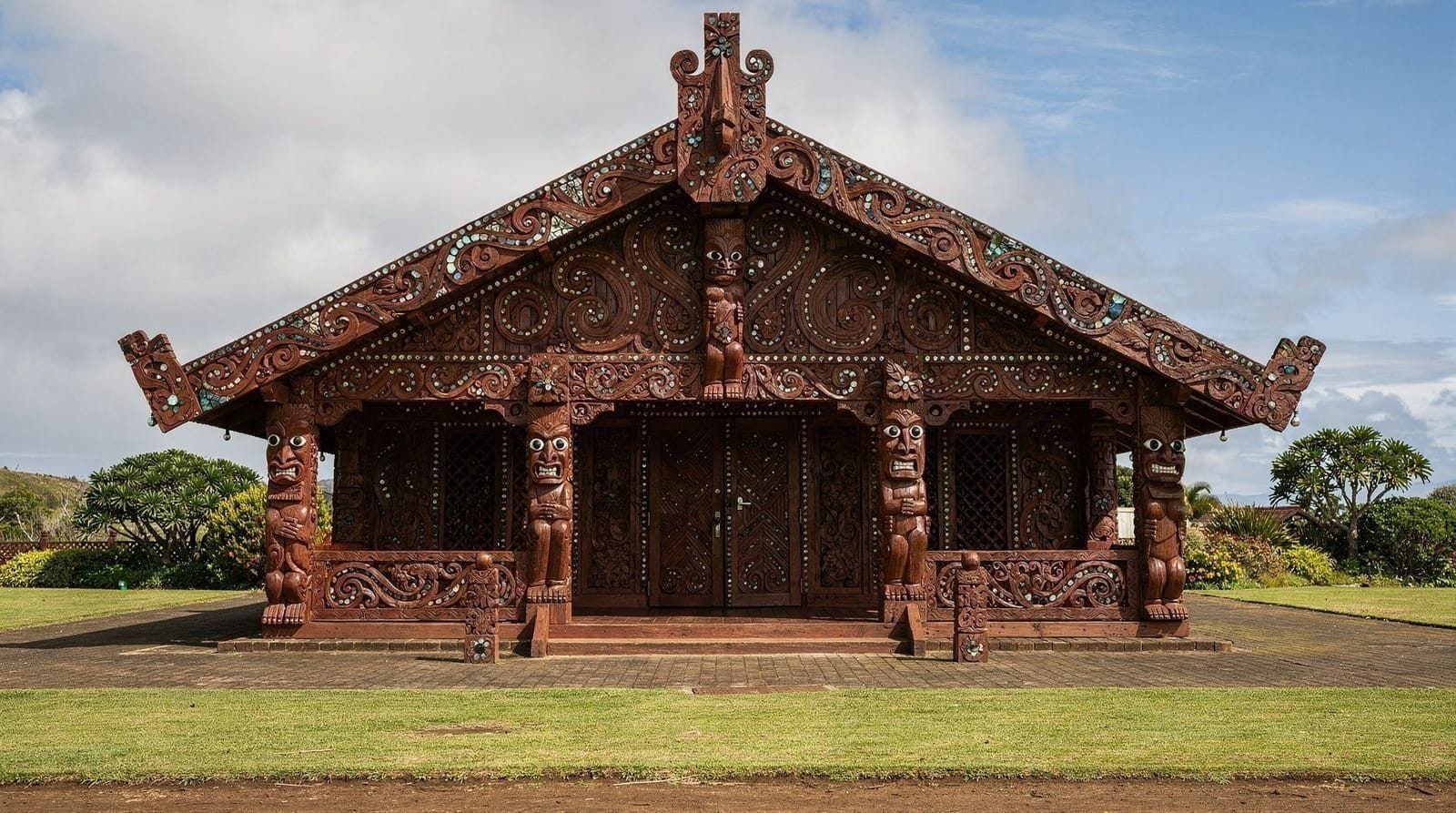
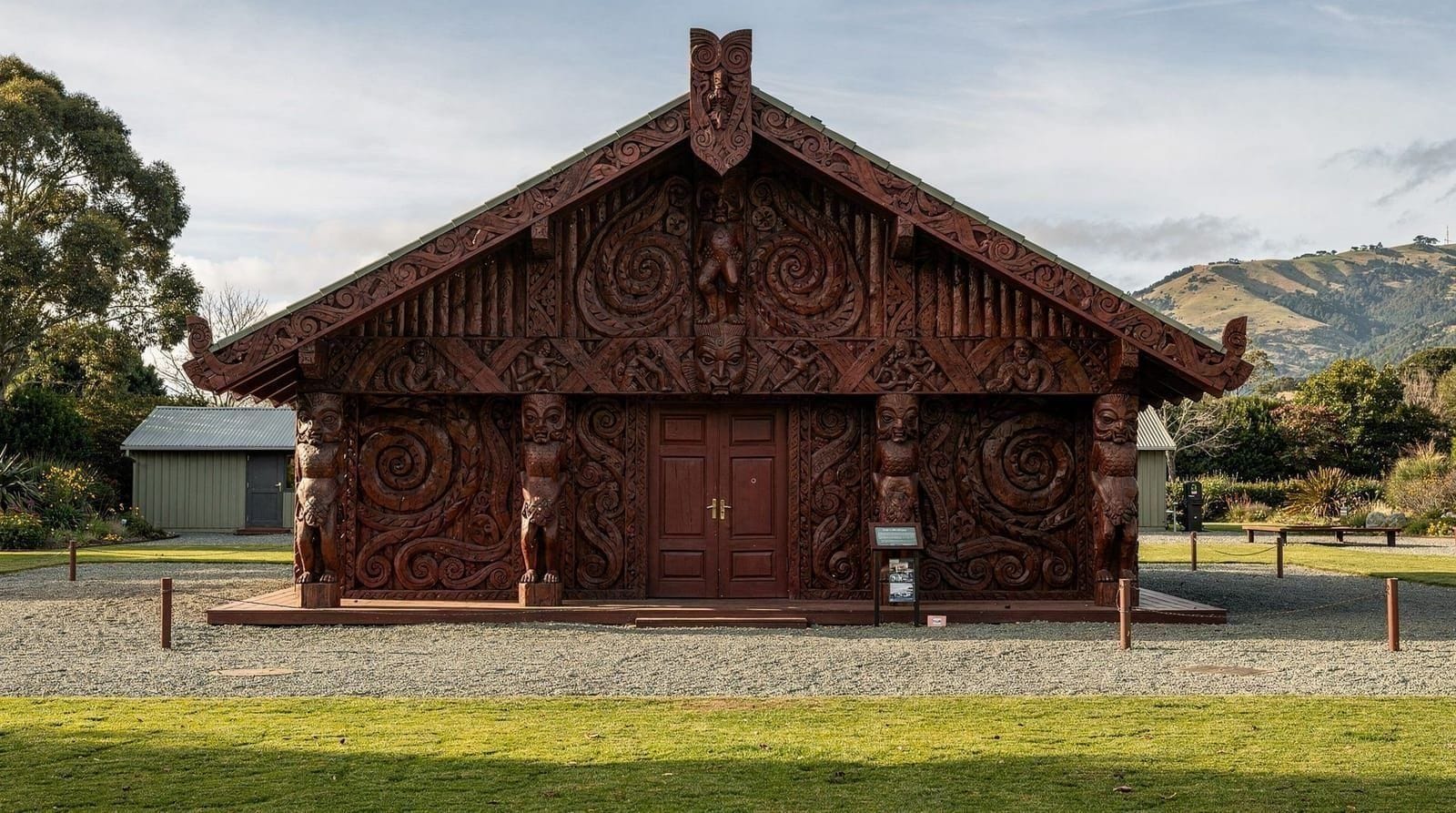
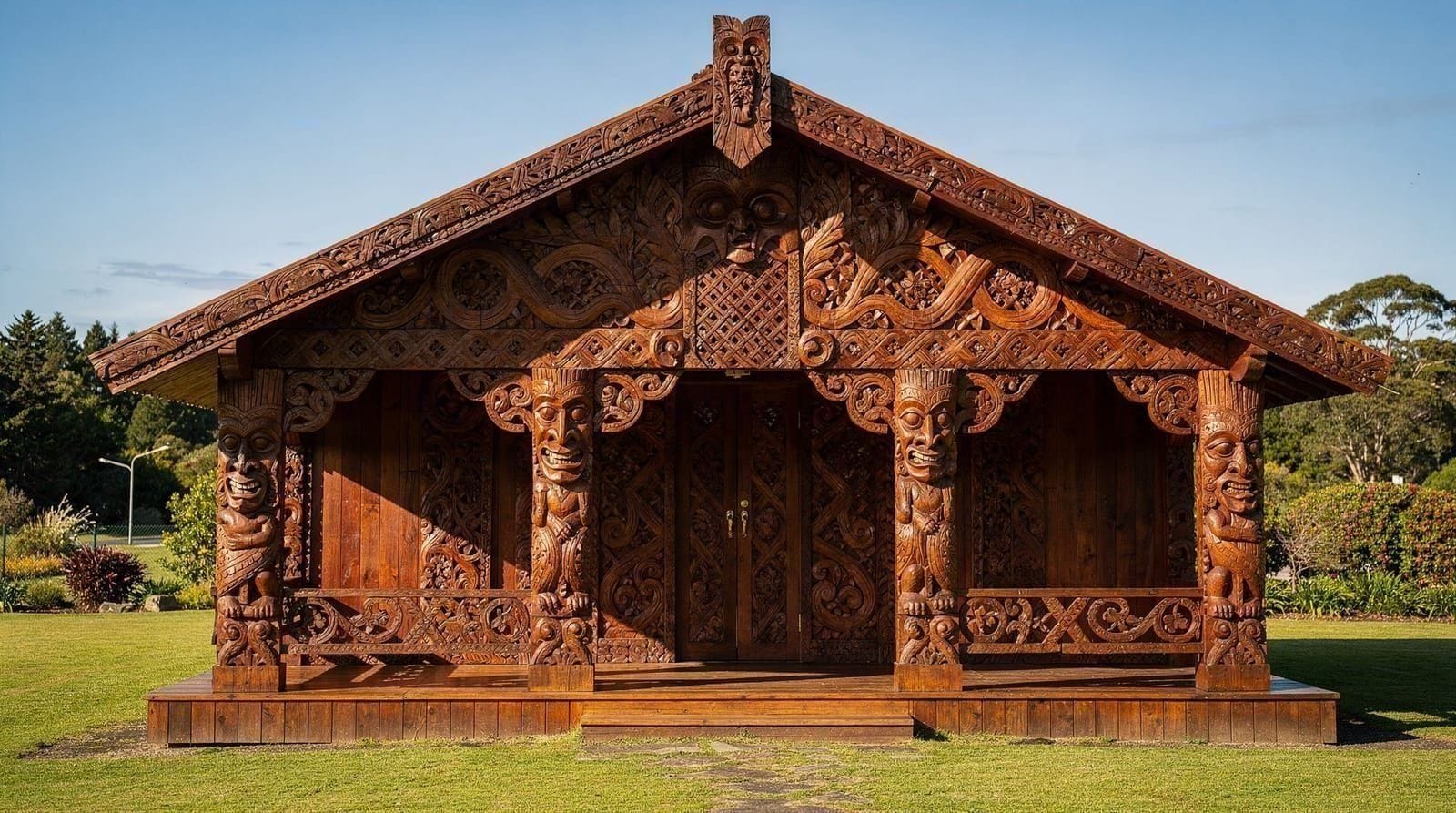
Roughly 3 hours north of Auckland in the Bay of Islands, the Waitangi Treaty Grounds is where the Treaty of Waitangi — New Zealand’s founding constitutional document — was first signed in 1840. The grounds include the original Treaty House, a carved meeting house representing carving traditions from across the country, and the world’s largest ceremonial waka. It’s arguably the single most nationally significant heritage site covered in this guide, and our dedicated Waitangi guide covers the full history and visiting logistics. A guided tour of the Treaty Grounds is the best way to properly absorb the site’s significance in a single visit.
Rotorua: Te Puia and Whakarewarewa Living Village
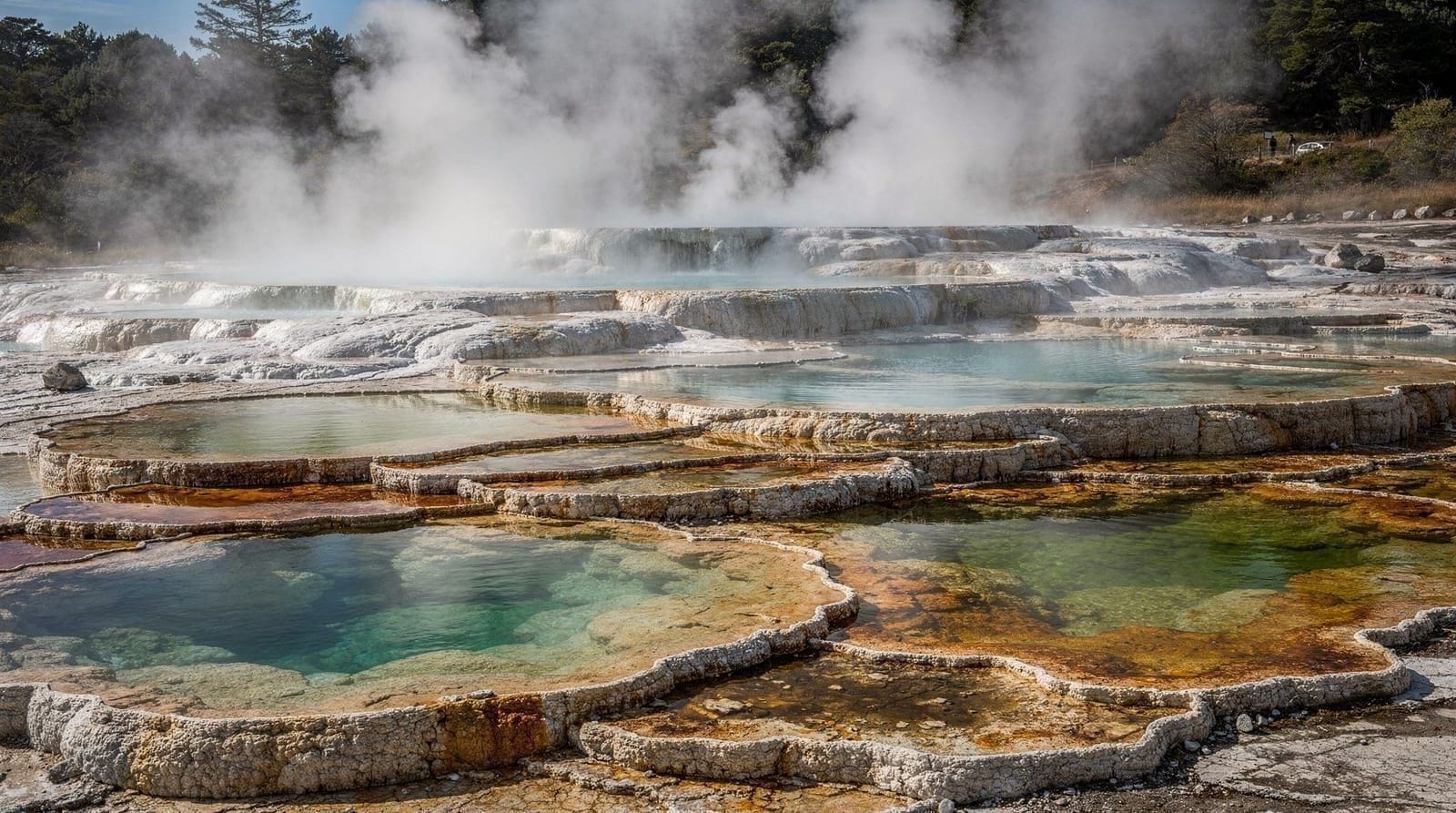
Rotorua, about 3 hours southeast of Auckland, is the North Island’s most concentrated hub for both Māori cultural tourism and heritage sites. Te Puia combines the geothermal Te Whakarewarewa valley with the New Zealand Māori Arts and Crafts Institute, a national training centre for traditional carving and weaving. Immediately adjacent, Whakarewarewa Living Village is a genuinely inhabited Māori community built on and around active geothermal ground, where residents lead guided tours through a village that’s lived in today, not solely preserved as history.
This Whakarewarewa village tour is a good starting point if this specific site interests you. Our Māori experiences in Rotorua guide covers Te Puia, Whakarewarewa and Rotorua’s dedicated evening cultural operators in full detail.
The connecting thread across all these sites
Standing back from the individual entries, what connects every site in this guide is a consistent underlying pattern: fertile, resource-rich, strategically valuable land and water access driving centuries of Māori settlement, contest and adaptation, long before any of it became a “heritage site” in the modern tourism sense. Auckland’s isthmus, the geothermal valley at Rotorua, the sheltered bay at Waitangi — each was valuable and significant to Māori communities for practical, lived reasons (food, defensibility, warmth, trade routes) well before it carried the historical or touristic significance it holds today. Keeping that practical, lived-in origin in mind, rather than viewing these sites purely through a modern heritage-tourism lens, is part of what makes visiting them with genuine understanding rather than just a checklist mentality.
Ōhinemutu village, Rotorua
Within Rotorua town itself, on the shores of Lake Rotorua, Ōhinemutu is a small, historic Māori settlement built directly on geothermal ground, notable for St Faith’s Church — an Anglican church built in 1910 featuring a distinctive etched-glass window depicting a Māori Christ figure appearing to walk on the waters of Lake Rotorua, viewed from inside looking out through the window toward the lake. The village’s meeting house and geothermal steam vents rising between houses make it a striking, easily walkable stop if you’re already in central Rotorua, distinct from the larger, more tourism-oriented Te Puia and Whakarewarewa sites.
Mauao, Tauranga: a further Bay of Plenty option
For visitors extending their North Island trip toward Tauranga and Mount Maunganui, Mauao — the volcanic cone giving Mount Maunganui its English name — holds its own significant Māori history and legend, and today functions as both a popular walking and running track for locals and visitors and a site of real cultural weight, with a base track and a steeper summit option both open to the public. It’s not within easy reach of a standard Auckland-based itinerary, sitting closer to Rotorua and the wider Bay of Plenty region, but worth flagging if your North Island route extends that far, particularly alongside a Rotorua stop given the two sit within a reasonably short drive of each other. See our Tauranga day trip guide for logistics if this fits your route.
Why this list stays intentionally short
It would be easy to pad a “heritage sites” guide with every place across the North Island carrying some Māori historical connection, but that risks turning genuinely significant, living cultural sites into a superficial checklist. The sites above are included because they’re both historically significant and set up to welcome visitors appropriately — either as open public land, a maintained museum or heritage institution, or a guided cultural experience. Many other sites across the North Island carry real significance but are not designed or intended for general tourism, and respecting that distinction matters as much as visiting the sites that are.
What each site adds that the others don’t
It’s worth being explicit about why this guide includes several sites rather than pointing you to a single “best” one — each genuinely adds something distinct rather than repeating the same experience in a different location. Auckland’s volcanic cones give you tangible, walkable physical evidence of pre-European settlement scale, for free, without a booking. Auckland Museum gives you curated depth and a world-class collection of taonga in a single indoor visit.
Waitangi gives you the specific, nationally pivotal moment where colonial and Māori history formally intersected. Te Puia and Whakarewarewa give you living, ongoing cultural practice and geothermal landscape together. Ōhinemutu gives you an everyday, lived-in Māori settlement rather than a formal institution. Layered together across a longer North Island trip, these sites build a genuinely fuller picture than any single stop could offer alone.
A note on iwi-specific knowledge
Throughout this guide, we’ve deliberately stuck to broadly documented, published historical and cultural facts rather than iwi-specific traditions or stories tied to particular sites, which properly belong to the tangata whenua (people of the land) connected to each place. Where a guided experience is available — Whakarewarewa’s resident-led tours, Te Puia’s cultural guides, Waitangi’s guided tours — that’s specifically where the deeper, appropriately shared layer of knowledge comes from, delivered by people with the standing to share it. This guide’s role is to point you toward the right sites and give you enough context to visit them with genuine understanding and respect, not to substitute for that direct engagement.
Choosing between these sites at a glance
If you’re deciding where to spend limited time, this comparison lays the main sites side by side rather than making you piece it together from the entries above.
| Site | Distance from Auckland | Time needed | Cost tier | Best for |
|---|---|---|---|---|
| Volcanic cones (Maungakiekie, Maungawhau) | In the city | 1-2 hours | Free | Tangible pā terracing, no booking |
| Ōrākei / Bastion Point | In the city | 30-60 minutes | Free | Recent land-rights history |
| Auckland Museum | In the city | 2-3 hours | Ticketed, moderate | Curated taonga collection indoors |
| Waitangi Treaty Grounds | ~3 hours north | Half-day to a full day | Ticketed, moderate-higher | Founding constitutional history |
| Te Puia & Whakarewarewa, Rotorua | ~3 hours southeast | Half-day to a full day | Ticketed, moderate-higher | Living culture and geothermal ground |
| Ōhinemutu, Rotorua | ~3 hours southeast | 30-60 minutes | Free | Everyday, lived-in village |
Getting to Rotorua and Waitangi without a rental car
Neither Waitangi nor Rotorua requires a self-drive trip — both are well served by guided day tours departing Auckland, which also come with a guide who can put the sites in context rather than leaving you to read plaques alone. If you’d rather compare the self-drive and guided options properly before deciding, our public transport vs car and self-drive vs tour for day trips guides both cover the trade-offs for exactly this kind of longer excursion. For Rotorua specifically, our Auckland to Rotorua transport guide breaks down shuttle, coach and self-drive timing in more depth, and the Rotorua day trip from Auckland guide covers combining Te Puia and Whakarewarewa with the wider geothermal sights in a single day.
Building these into your itinerary
Auckland’s own sites — the volcanic cones, Ōrākei, and Auckland Museum — fit comfortably into a single day within the city, no travel required. Waitangi and Rotorua both require a dedicated day trip or, better, an overnight, given the drive time involved (roughly 3 hours each way to both). If you have a longer North Island trip planned, sequencing Auckland’s sites early, then Rotorua, then Waitangi (or vice versa, depending on your route) lets each build on the last rather than feeling repetitive. Our Auckland-Rotorua 3-day itinerary and Bay of Islands 2-day itinerary both offer realistic multi-day structures that give these sites the time they deserve.
Frequently asked questions about Māori heritage sites
What is a pā, and can you still see them today?
A pā is a fortified Māori settlement, typically on defensible high ground with terracing, ditches and palisades. Maungakiekie (One Tree Hill) retains clearly visible terracing from historic pā occupation, walkable today as part of a free public park.
Is Auckland Museum a heritage site itself, or just a place that holds heritage objects?
Both — the museum holds New Zealand’s most significant Māori and Pacific taonga collection, and sits on the slopes of Maungakiekie, itself a significant pā site.
What’s the difference between visiting a heritage site like the volcanic cones and a living cultural site like Whakarewarewa?
Auckland’s volcanic cones are historic sites, no longer inhabited, though culturally significant. Whakarewarewa in Rotorua is a genuinely inhabited, living Māori village — an active community, not solely a historical location.
How much time should I budget to properly see Auckland’s Māori heritage sites?
A half-day covers Auckland Museum and one or two volcanic cones comfortably. A full day allows a more unhurried pace across the museum, Maungakiekie and Ōrākei/Bastion Point.
Do I need a guide to visit these sites, or can I go independently?
Auckland’s volcanic cones and Ōrākei/Bastion Point are open public parks visitable independently. Waitangi, Te Puia and Whakarewarewa are far more rewarding with a guide, and Whakarewarewa’s guided access is standard practice.
Are these sites free to visit?
Auckland’s volcanic cones and Ōrākei/Bastion Point are free. Auckland Museum charges general admission. Waitangi, Te Puia and Whakarewarewa all charge entry as maintained heritage and cultural institutions.
Which single site should I prioritise if I only have time for one?
Auckland Museum, if you’re staying within the city — it covers the broadest range of Māori and Pacific history in one visit. If your trip extends further, Waitangi or Te Puia each offer a more immersive, site-specific experience worth the extra travel.
Can I visit Waitangi and Rotorua on the same North Island trip?
Yes, and many visitors do — both are roughly 3 hours from Auckland but in different directions, so they work best as separate day trips or overnight stops rather than combined into one day. Our Auckland-Rotorua 3-day itinerary and Bay of Islands 2-day itinerary show how each fits into a longer route.
Is photography allowed at these Māori heritage sites?
Generally yes at outdoor sites like the volcanic cones and Ōrākei, and at Auckland Museum’s public galleries, but some ceremonial areas at Waitangi, Te Puia and Whakarewarewa restrict photography during specific performances or in particular buildings — always check with your guide or posted signage on arrival rather than assuming.
Top experiences
Bookable activities with verified prices and instant confirmation on GetYourGuide.