Devonport eats: where to eat in Auckland's prettiest seaside village
Auckland: Devonport guided food history walking tour
Is Devonport worth visiting for the food alone?
Yes, combined with the short ferry ride and the neighbourhood's colonial-era streets and volcanic cone views, Devonport makes a genuinely worthwhile half-day trip built around food, even without factoring in any other Auckland attraction.
Why Devonport is worth the ferry ride for food alone
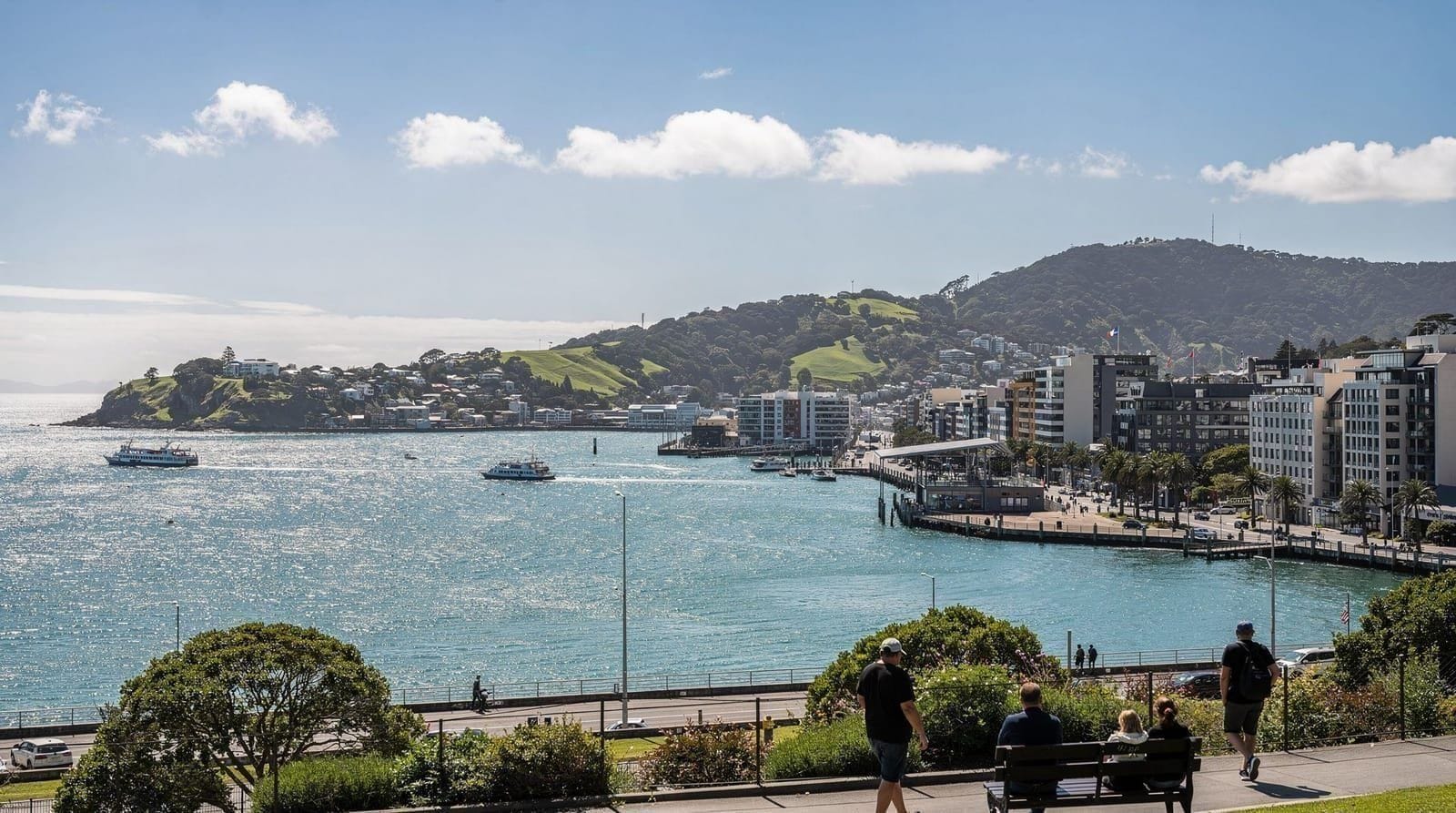
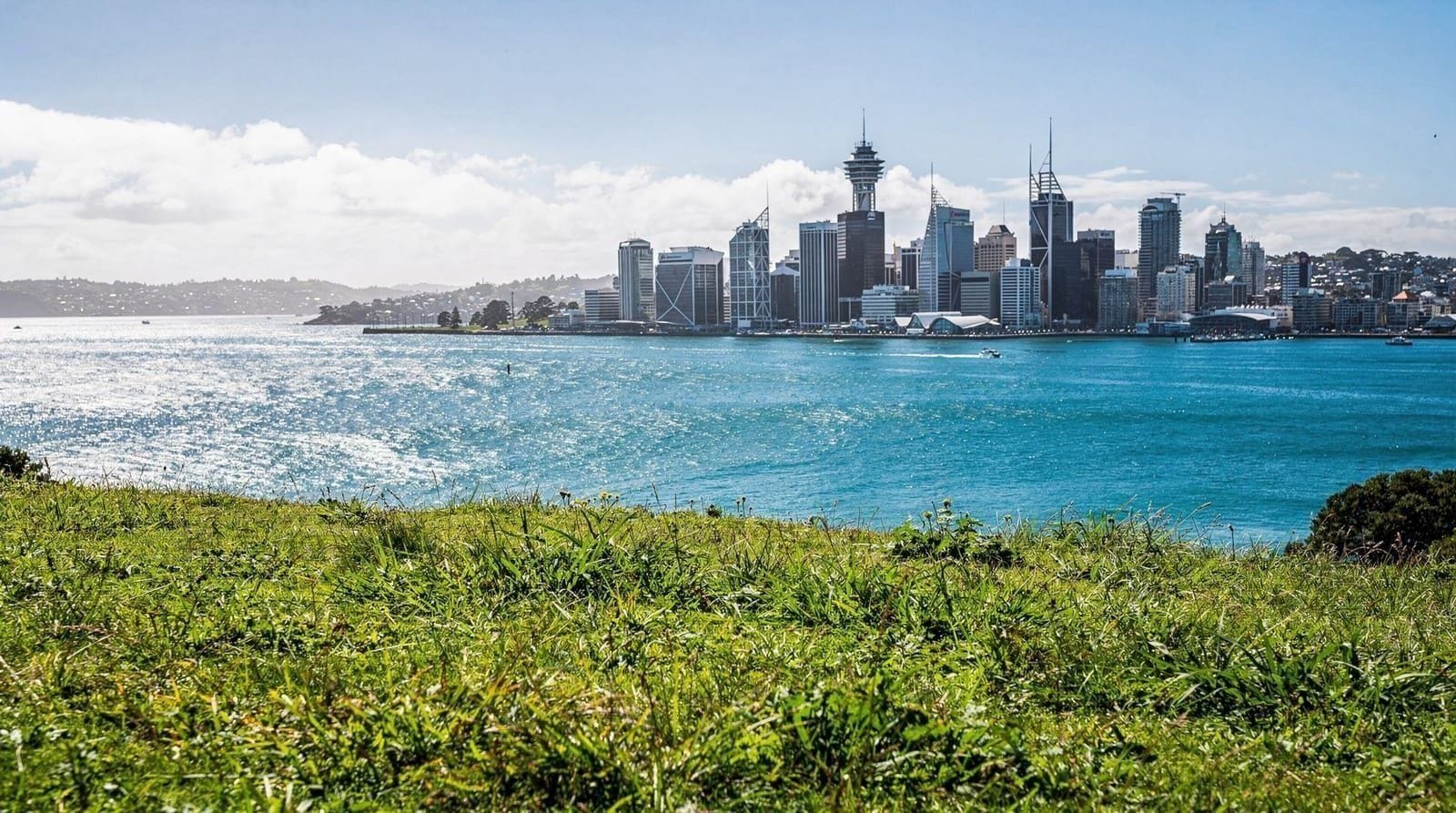
Devonport sits directly across the Waitematā Harbour from downtown Auckland, a 12-minute passenger ferry ride that delivers one of the more dramatic changes of scene available on any short trip in the city. Where central Auckland is glass towers and reclaimed waterfront, Devonport is colonial-era villas, a tree-lined main street, and two volcanic cones rising directly out of the neighbourhood — Mount Victoria and North Head — both walkable in twenty minutes and both offering some of the best harbour and skyline views in the region. Layered on top of that setting is a food scene that punches well above its size: a compact main street (Victoria Road) carrying a genuine cluster of bakeries, cafes, and restaurants that Aucklanders themselves cross the harbour to visit, not just tourists staying nearby.
What makes Devonport distinct from Auckland’s other food neighbourhoods is the built-in sense of occasion. The short ferry crossing turns a simple lunch into a small adventure, and the village’s slower, seaside pace makes it a genuinely relaxing counterpoint to a CBD-heavy itinerary. It rewards unhurried visits — arrive without a rigid schedule, and let the main street and the two volcanic cone walks set the pace.
| Where | Devonport, 12-min ferry from downtown Auckland |
| Cost | Around NZD 13-16 return ferry + NZD 18-25 casual lunch |
| Time needed | Half day (3-4 hours), stretches to a full day |
| Getting there | Fullers360 ferry from the downtown Ferry Terminal |
| Best time | Shoulder months (Mar-May, Sep-Nov) for comfortable walking weather |
Getting there: the ferry is half the appeal
Fullers360 runs the Devonport ferry from the downtown Auckland Ferry Terminal roughly every 30 minutes at peak times and a little less frequently outside those windows, with the crossing itself taking about 12 minutes — genuinely one of the shortest and most scenic harbour crossings on offer, passing close to Auckland Harbour Bridge views and delivering a clean approach shot of Devonport’s waterfront on arrival. A return AT HOP fare runs NZD 13-16 per adult, making it one of the cheaper Hauraki Gulf ferry trips, well below what you would pay to reach Waiheke or Rangitoto. For the fuller picture of how Auckland’s ferry network operates, including fares and AT HOP setup, see our Auckland ferries guide.
What to actually eat
Devonport’s food identity centres on a strong bakery and cafe tradition along Victoria Road, the neighbourhood’s main commercial spine, running from the ferry terminal roughly six to eight blocks inland. Expect quality sourdough and pastry programmes, brunch menus with a slightly more relaxed, village pace than the CBD’s brisker service, and — because Devonport sits right on the water — a good showing of fresh seafood on dinner menus, from fish and chips at the more casual end to considered seafood-forward restaurant dishes at the finer end. Ice cream is something of a Devonport tradition too; a walk along the waterfront with a cone in hand after lunch is a well-worn local ritual, particularly in summer.
For a guided introduction that pairs the eating with the neighbourhood’s genuinely interesting backstory, this Devonport food and history walking tour combines tastings at several stops along Victoria Road with commentary on the area’s naval and colonial past — a good option if you want context alongside the food rather than working it out yourself from plaques and guidebooks.
Reservations and getting a table
Devonport’s restaurant scene is small enough that popular weekend dinner spots do fill up, particularly in summer when both day-trippers and locals crossing for a meal converge on the same handful of well-regarded restaurants. Booking a table a few days ahead for a Friday or Saturday dinner is worth the effort; weekday lunches and breakfasts rarely need advance booking, since the bakery-and-cafe end of the scene runs on a more casual, walk-in basis. If you arrive without a reservation and find your first choice full, Victoria Road’s compact layout makes it easy to simply walk to the next option — unlike a spread-out dining precinct, most of Devonport’s food options sit within a few minutes of each other.
Coffee culture in Devonport
Devonport’s cafes hold their own against the CBD and Ponsonby’s more celebrated coffee scenes, with a handful of genuinely well-regarded roasters and cafes along Victoria Road serving specialty coffee alongside the bakery items. The pace here tends to be slower than a CBD flat white grabbed on the way to a meeting — most visitors find themselves lingering over a coffee at an outdoor table rather than taking it to go, which fits the neighbourhood’s overall unhurried character. For a broader look at how Auckland’s coffee scene compares across neighbourhoods, see our coffee culture in Auckland guide.
Devonport vs Auckland’s other food neighbourhoods
Compared to Ponsonby’s denser, more design-conscious cafe strip (see our Ponsonby cafés guide for that comparison), Devonport trades sheer volume of options for atmosphere and pace. You will not find the same breadth of cuisine or the late-night bar scene that Ponsonby or K Road offer, but you get a genuinely different, quieter, more scenic setting that most visitors find worth the trade-off for at least one meal during an Auckland stay. Compared to the CBD’s food precincts, Devonport feels distinctly like a separate town rather than an extension of the city centre, which is precisely the appeal — it does not feel like tourist infrastructure bolted onto a harbour crossing, but like an actual functioning village that happens to have excellent food.
| Devonport | Ponsonby | CBD/Viaduct | |
|---|---|---|---|
| Vibe | Seaside village, colonial villas | Design-conscious, denser strip | Waterfront, glass towers |
| Prices | Close to city average | Slightly above average | Above average |
| Getting there | 12-min ferry | Bus or short taxi | Walkable from most hotels |
| Best for | A relaxed half-day with views | Cuisine variety, nightlife | Convenience, no travel time |
A realistic half-day itinerary
Catch a mid-morning ferry (10-11am) to avoid the worst of any commuter traffic on earlier sailings, and start with a coffee and pastry on Victoria Road before the lunch crowd arrives. From there, most visitors either walk up Mount Victoria first (roughly 15-20 minutes to the summit, moderate but manageable incline, spectacular 360-degree harbour views) or head to North Head, a former coastal defence site with WWII-era gun emplacements and tunnels alongside its own harbour views — both walks take under an hour round trip. Loop back to Victoria Road for a late lunch, then either browse the village’s small independent shops or catch an early-afternoon ferry back if your day has other plans. Budget 3-4 hours total for a relaxed but complete Devonport visit; it stretches comfortably to a full day if you want to linger over both volcanic cone walks and a longer lunch.
Devonport’s naval and colonial history, briefly
Devonport’s food scene sits on top of a genuinely distinctive history that is worth knowing even if history is not your main reason for visiting. The neighbourhood has been home to the Royal New Zealand Navy’s main base since the late 19th century, and its streets carry a concentration of well-preserved Victorian and Edwardian villas built during that same era, giving the area an architectural character quite different from Auckland’s more redeveloped inner suburbs.
North Head’s coastal defence tunnels, built in response to 19th-century invasion fears (originally Russian, later Japanese during WWII), are open to explore and add an unexpected layer of interest to what might otherwise be just a scenic lookout walk. This backstory is exactly the kind of local colour a guided food-and-history tour tends to weave in between tastings, which is part of why the format works particularly well here compared to a purely food-focused tour elsewhere in the city.
Combining food with the volcanic cone walks
Devonport’s two volcanic cones are as much a reason to visit as the food, and pairing them sensibly matters for comfort. Walking up Mount Victoria or North Head on a full stomach right after a big lunch is doable but not ideal — if you plan to tackle both cones, it is worth splitting your eating either side of the walks rather than loading up beforehand. Bring water and sun protection regardless of season; both walks are largely exposed with little shade, and Auckland’s UV levels are high even on overcast days. The views from either summit — container ships in the harbour, the Auckland skyline across the water, and on a clear day, glimpses out toward Rangitoto — are worth the modest effort and make a natural photo stop before or after your meal.
Shopping and browsing between meals
Victoria Road’s small independent shops — bookshops, gift stores, and a scattering of local design and craft outlets — fill the gaps nicely between a morning coffee and an afternoon lunch, and most visitors find an hour or so of unhurried browsing rounds out the day naturally without needing to plan a dedicated shopping stop. This is a lower-key, more village-scaled version of the boutique browsing you would find in Ponsonby, and worth factoring into your time budget if you enjoy that kind of wandering rather than treating Devonport as a strictly food-and-views itinerary.
Seasonal notes
Devonport works year-round, but the experience shifts noticeably with the seasons. Summer (December-February) brings the best conditions for both volcanic cone walks and waterfront ice cream stops, along with the busiest ferries and fullest outdoor seating on Victoria Road — book ahead for a table at the more popular restaurants on weekends during this period. Shoulder seasons (March-May, September-November) offer comfortable walking weather with noticeably fewer crowds, arguably the best overall balance for a Devonport visit. Winter (June-August) is quieter still, and while the summit walks remain doable in a rain jacket, the harbour views are less reliably clear — check the forecast before committing to the day if the cone walks are your main reason for going.
Family-friendly considerations
Devonport works well for families thanks to its flat, walkable main street, relaxed pace, and the genuine novelty of the short ferry ride itself, which younger kids often enjoy as much as anything on land. The volcanic cone walks are manageable for most children old enough to walk a moderate distance independently, though prams will struggle with the unpaved sections near the summits. Ice cream stops along the waterfront are a reliable way to keep younger visitors motivated between activities, and the overall shorter distances involved (compared to a full CBD day) make Devonport a lower-fatigue option for a family day out than some of Auckland’s bigger attractions.
Dietary requirements and allergies
Devonport’s cafes and restaurants generally handle common dietary requirements well — gluten-free, vegetarian and vegan options appear on most menus along Victoria Road, reflecting the same broader Auckland dining norms covered in our best restaurants in Auckland guide. As with anywhere, it’s worth flagging allergies directly with staff rather than assuming a menu label covers every scenario, particularly at the bakery end of the scene where cross-contamination in a shared kitchen is more likely than at a full-service restaurant.
Getting around once you’re there
Devonport itself needs no transport beyond your own feet — Victoria Road, the ferry terminal, and both volcanic cones sit within a comfortable 15-20 minute walk of each other, making this one of the few Auckland excursions where you genuinely do not need to think about buses, parking, or timing a return trip beyond the ferry schedule itself. If your legs need a break between the cone walks and lunch, a couple of local shuttle and segway tour operators run short loops around the village and waterfront — this Devonport village segway tour and this Devonport waterfront segway tour cover the main sights at an easy pace and are a fun alternative to walking for visitors who want the novelty factor alongside the sightseeing.
Rainy day suitability
Devonport holds up reasonably well on a wet day — Victoria Road’s cafes and small shops provide plenty of indoor shelter, and a shortened version of the itinerary (skip one of the two volcanic cone walks, focus on food and browsing) works fine if rain rolls in. That said, the summit views from Mount Victoria and North Head are the clear highlight of a Devonport visit, and both lose most of their appeal in heavy cloud or rain, so if the forecast looks genuinely poor, it may be worth saving Devonport for a clearer day and choosing an indoor CBD activity instead — our free things to do in Auckland guide has weather-proof alternatives.
Combining Devonport with a bigger Hauraki Gulf day
Devonport’s ferry terminal sits on the same Fullers360 network that serves Waiheke and Rangitoto, which occasionally tempts visitors to try combining Devonport with a bigger island day. In practice this rarely works well within a single day given the different crossing times and each destination’s own worthwhile pace — Devonport pairs better with a CBD morning or afternoon than with another ferry destination on the same day. If you are weighing up how to split your Hauraki Gulf time across a longer stay, our Hauraki Gulf islands guide and Rangitoto Island guide help map out which combinations actually make sense on a single ferry pass versus separate days.
Where to stay if you want more time in Devonport
Devonport has a small but genuine range of boutique hotels, bed-and-breakfasts, and holiday rentals in its restored villas, appealing to visitors who want to base themselves away from the CBD’s density for a night or two. Staying overnight lets you catch the golden-hour light on both volcanic cones without racing the last ferry back, and gives you Victoria Road’s restaurants without the day-trip crowd that thins out by early evening. Our where to stay in Auckland guide covers how a Devonport base compares to staying centrally for visitors prioritising a quieter, more scenic stay over CBD convenience.
What it costs
Devonport sits close to the Auckland citywide average for food prices — a little below Ponsonby and the Viaduct, reflecting its slightly more relaxed, less design-driven positioning. Expect NZD 18-25 for a casual cafe lunch, NZD 6-9 for a bakery item or ice cream, and NZD 90-130 for a sit-down dinner for two with drinks at one of the village’s better restaurants. Combined with the modest NZD 13-16 return ferry fare, a full Devonport day out remains one of the more affordable half-day trips available from central Auckland.
Fitting Devonport into a wider Auckland itinerary
Because it takes half a day rather than a full one, Devonport slots neatly alongside a CBD morning or a Ponsonby afternoon without eating into a whole day of your trip — a useful trait if you are trying to balance Auckland’s day-trip-heavy attractions against time actually spent in the city itself. Our Auckland in a day itinerary and best day trips from Auckland roundup both cover where a Devonport half-day fits against the city’s bigger excursions, and if you are budgeting your trip carefully, our Auckland budget guide confirms Devonport as one of the more affordable options on that list.
Our honest take
Devonport is one of the better-value half-day trips in the Auckland area precisely because it delivers so much variety — food, history, volcanic cone walks, and a genuinely scenic ferry ride — for a modest cost and minimal planning. It suits almost every kind of visitor: families appreciate the manageable pace, food-focused travellers get a distinct, high-quality eating scene, and anyone short on time gets a complete change of scenery in under half a day without needing a car or an organised tour. If your Auckland itinerary has room for only one cross-harbour excursion beyond a bigger Hauraki Gulf day trip, Devonport is a strong, low-effort choice — see our best restaurants in Auckland guide for how its dining stacks up against the CBD and Ponsonby if you are deciding where to prioritise your meals across a longer stay.
Frequently asked questions about Devonport eats: where to eat in Auckland's prettiest seaside village
How do I get to Devonport from central Auckland?
Take the Fullers360 passenger ferry from downtown Auckland's Ferry Terminal — the crossing takes about 12 minutes and runs frequently throughout the day, roughly every 30 minutes at peak times.How much does the Devonport ferry cost?
A return AT HOP fare typically runs NZD 13-16 per adult, cheaper than most other Hauraki Gulf ferry routes since Devonport is the closest island-adjacent destination to the city.Is Devonport a full day trip or a half day?
Most visitors comfortably cover Devonport's food, main street, and a walk up Mount Victoria or North Head in half a day (3-4 hours), making it easy to combine with another CBD activity the same day.What is Devonport known for besides food?
Devonport is known for its well-preserved colonial and Victorian architecture, two volcanic cones (Mount Victoria and North Head) with harbour views, naval history tied to the nearby naval base, and a relaxed village atmosphere quite different from central Auckland.Are Devonport restaurants expensive?
Prices sit close to the Auckland average — a little below Ponsonby or the Viaduct, with casual cafe meals around NZD 18-25 and a sit-down dinner for two with drinks typically NZD 90-130.Can I do a guided food tour in Devonport?
Yes — a dedicated Devonport food and history walking tour combines tastings with commentary on the village's naval and colonial past, a good option if you want context alongside the eating.
Top experiences
Bookable activities with verified prices and instant confirmation on GetYourGuide.