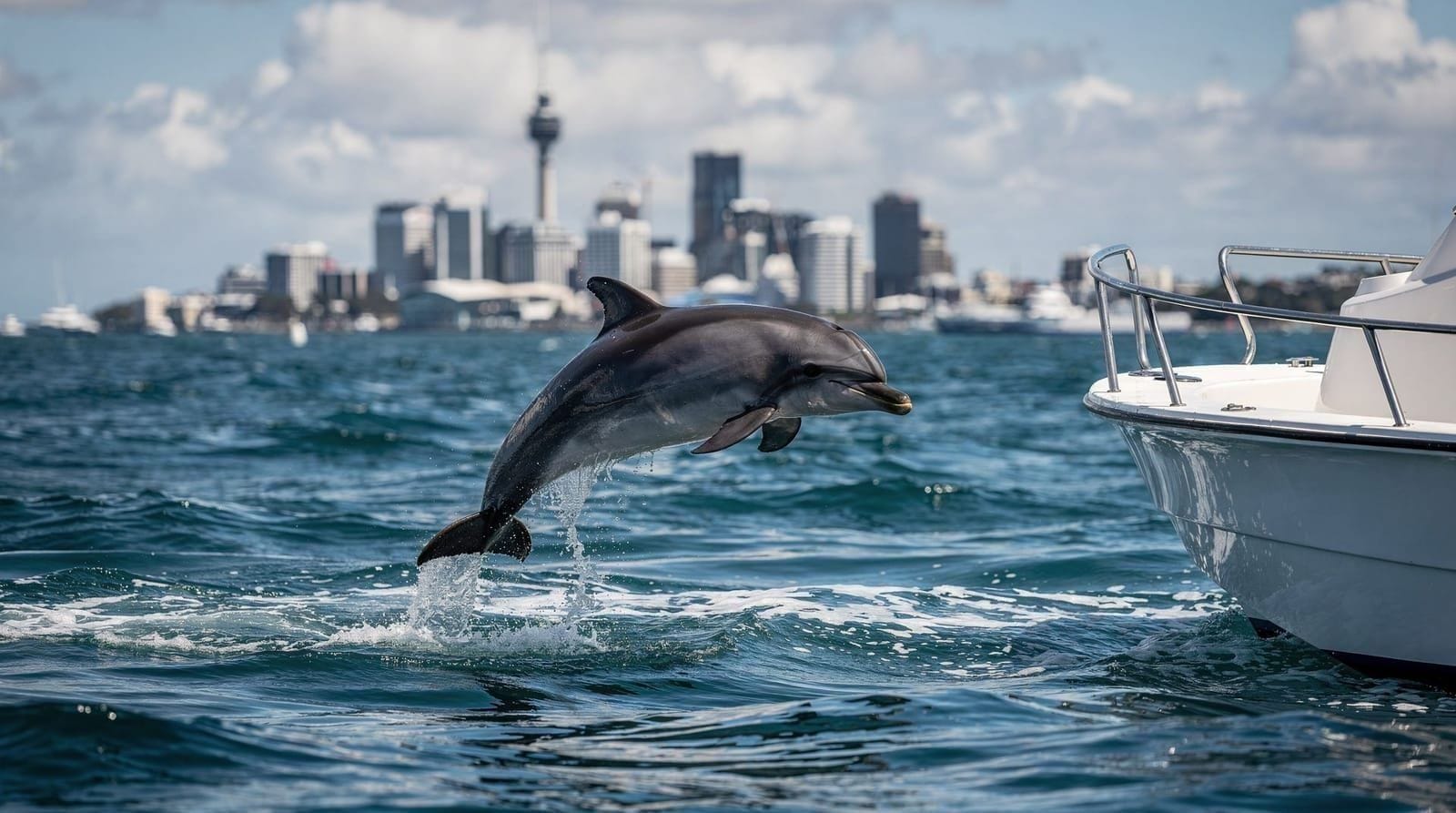
Lesser-known Hauraki Gulf islands worth the extra effort
Auckland: Tikapa moana whales dolphins and islands cruise
Beyond Waiheke and Rangitoto
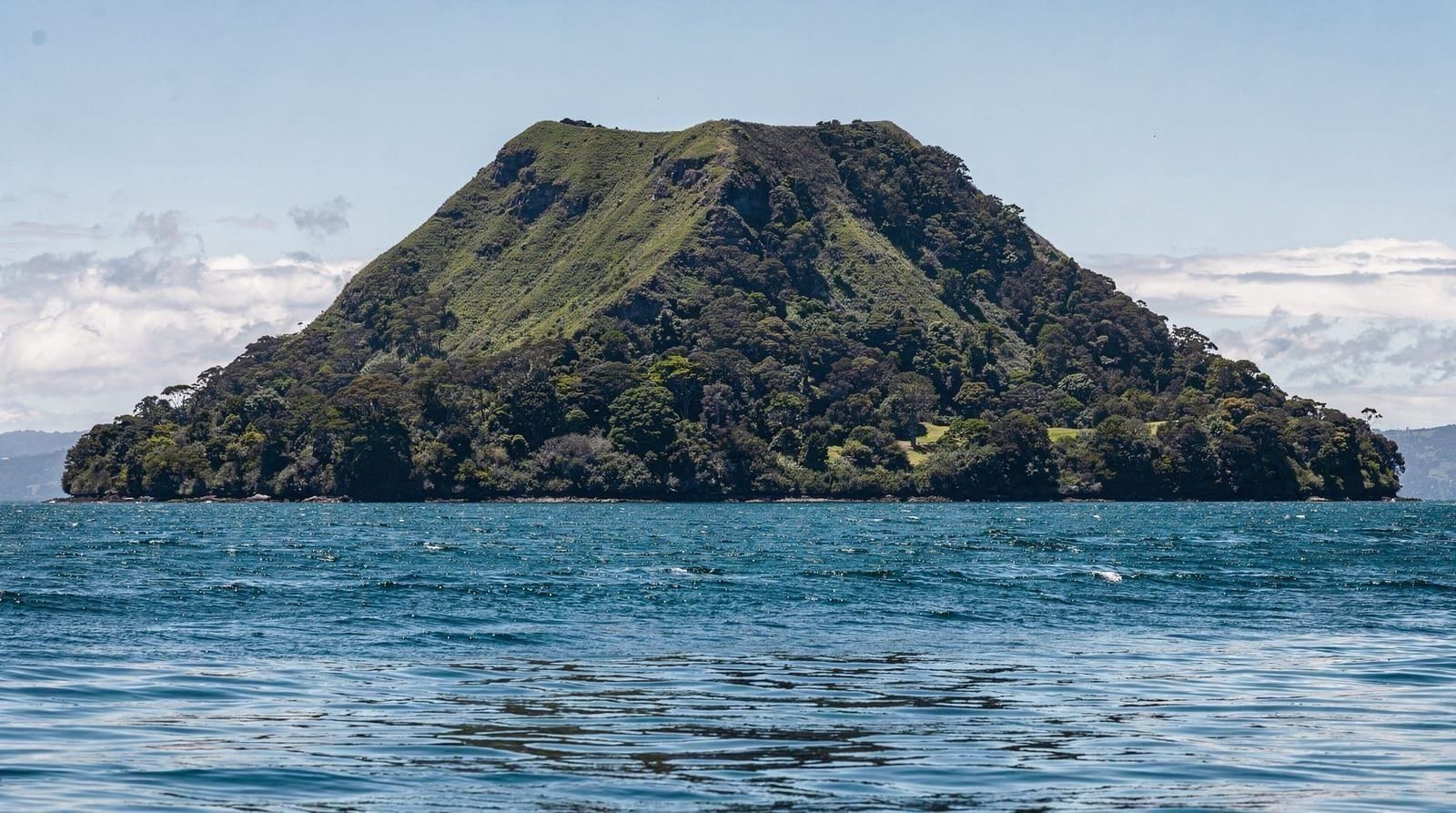
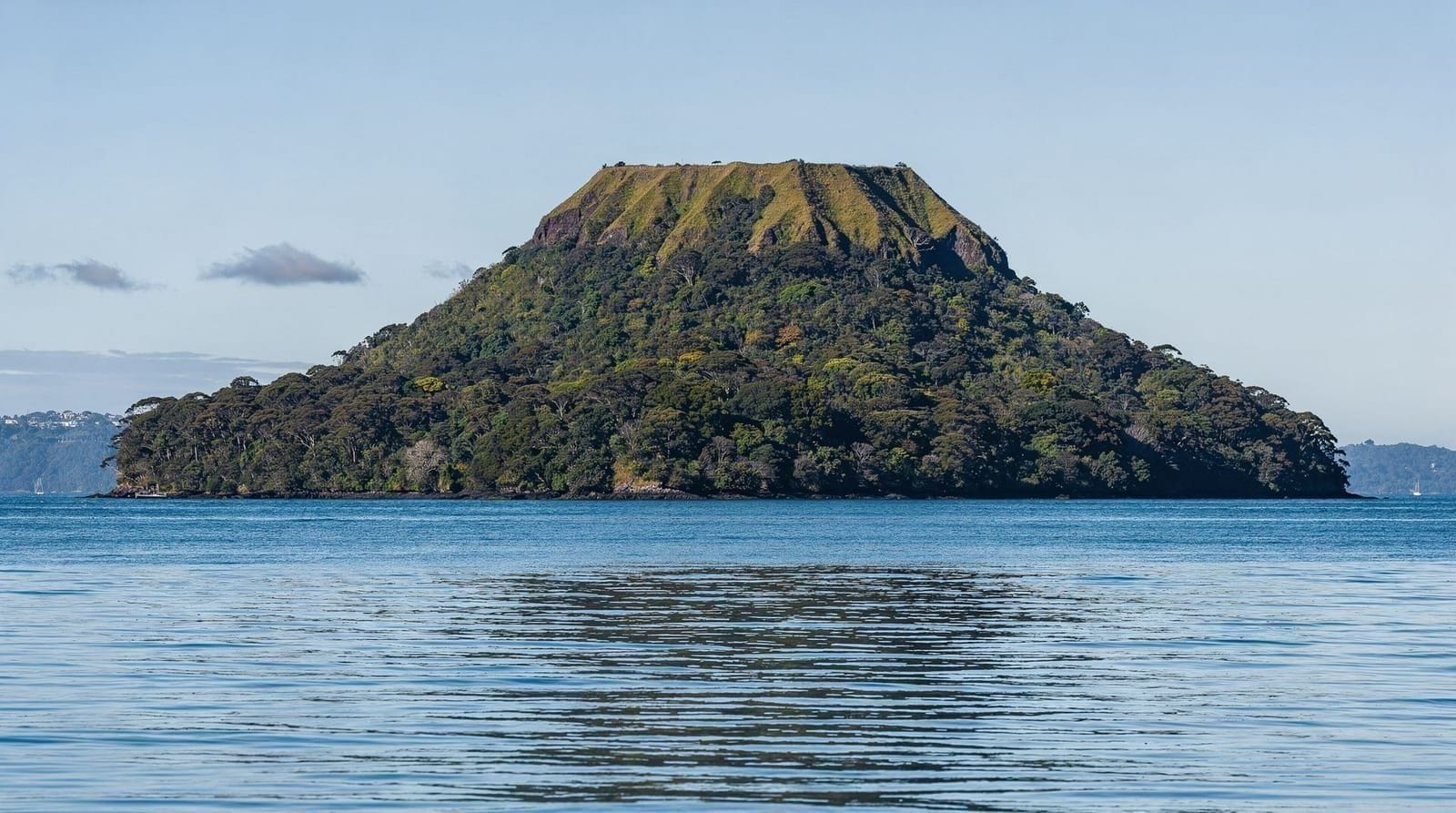
Waiheke and Rangitoto dominate most visitors’ idea of what the Hauraki Gulf has to offer, and reasonably so — they are the most accessible, best-known, and most consistently rewarding of the gulf’s roughly 50 islands. But for travellers with an extra day, a specific interest in wildlife or solitude, or simply a desire to see a side of the gulf most tourists skip, several lesser-known islands reward the extra planning they demand. This guide covers the honest trade-offs of each — what you get, what it costs in time and effort, and who should actually bother.
| Easiest options | Motuihe, Motutapu (via Rangitoto causeway) |
| Most planning needed | Tiritiri Matangi, Rakino, Great Barrier |
| Cost | mostly ferry fare only; Great Barrier costs considerably more |
| Best for | repeat visitors, wildlife enthusiasts, solitude-seekers |
| Booking | advance ferry booking recommended for Tiritiri Matangi |
Tiritiri Matangi: the wildlife sanctuary
Tiritiri Matangi is the best-known of the “lesser-known” islands, and arguably deserves to be considered alongside Waiheke and Rangitoto as a headline gulf destination rather than a hidden gem — it is simply less visited because it demands more planning. As a predator-free open bird sanctuary, decades of restoration work have created conditions where several of New Zealand’s rarest native bird species can be seen at genuinely close range, an experience unavailable almost anywhere else in the country without a much longer and more expensive expedition. The ferry crossing takes around 75 minutes, longer than Waiheke or Rangitoto, and sailings run less frequently, making advance booking important rather than optional.
Guided walks with island volunteers are available on arrival and are genuinely worth joining given how much easier they make spotting and identifying the island’s rarer species. See our Hauraki Gulf islands guide for how Tiritiri Matangi compares logistically to the more mainstream options.
Motutapu: Rangitoto’s quieter neighbour
Motutapu connects to Rangitoto via a causeway, walkable on foot from the same trail network, making it an easy add-on for visitors already committed to a Rangitoto day rather than requiring a separate ferry booking. Unlike Rangitoto’s volcanic terrain, Motutapu is a working farm island with a gentler, more pastoral landscape and its own network of walking tracks, plus some genuinely good, quieter beaches that see a fraction of Rangitoto’s foot traffic. It is a solid choice for visitors who want a fuller day of walking beyond the standard Rangitoto summit hike, or who prefer a calmer, more agricultural landscape over Rangitoto’s raw volcanic rock.
Motuihe: a quiet beach alternative
Motuihe Island, reached by regular Fullers360 sailings, offers a genuinely pleasant, much quieter alternative to Waiheke’s beaches, with a conservation focus similar to Tiritiri Matangi but on a smaller scale and a shorter, more convenient ferry crossing. It suits visitors who want a beach-and-walk day without Waiheke’s crowds, wine-tour infrastructure, or price tag — a simpler, more nature-focused island experience that rewards those who have already done Waiheke and want a change of pace on a return visit or longer stay.
Rakino Island: for genuine solitude
Rakino sits further out in the gulf and receives noticeably less ferry service than the islands covered so far, which is exactly the point for visitors seeking real solitude rather than a curated island day trip. Facilities are minimal to non-existent, so self-sufficiency matters — bring all your own food, water, and anything else you might need for the day. This is not a spontaneous half-day decision; check the ferry schedule carefully well in advance, since infrequent sailings mean getting the timing wrong could mean a much longer stay than intended, or missing the island entirely. Rakino suits repeat Auckland visitors or genuinely adventurous travellers more than first-timers working through a standard bucket list.
Great Barrier Island: the multi-day option
Great Barrier Island sits at the outer edge of the Hauraki Gulf and functions on an entirely different scale from every other island in this guide — substantially larger, wilder, and reached by either a multi-hour ferry crossing or a short domestic flight rather than a quick passenger sailing. It holds International Dark Sky Sanctuary status, meaning genuinely spectacular stargazing away from any light pollution, alongside rugged, largely undeveloped coastline and beaches that see a fraction of the gulf’s typical visitor numbers. This is not a day-trip destination — treat it as its own dedicated multi-day trip within a longer New Zealand itinerary rather than an add-on to a standard Auckland stay, and budget accordingly for both the extra travel time and the more limited (though genuinely charming) range of accommodation and facilities available.
The conservation story behind these islands
Several of the islands covered here — Tiritiri Matangi in particular, but also Motutapu and Rakino to varying degrees — owe their current condition to decades of dedicated conservation work: pest eradication programmes, native replanting efforts often driven by volunteer trusts and community groups, and ongoing biosecurity vigilance to keep introduced predators from re-establishing. Tiritiri Matangi’s transformation from a largely cleared, farmed island in the mid-20th century into one of the world’s most celebrated open sanctuaries took roughly three decades of sustained effort, and understanding this history adds real weight to a visit — the birds you see there exist in that density specifically because of that restoration work, not by accident of geography.
Visitors who want to support this work directly can often do so through modest entry contributions or by purchasing from the small visitor centres these projects run, a worthwhile way to give back if the experience resonates with you.
Avoiding crowds by choosing less obvious islands
For visitors who have already experienced Waiheke’s summer crowds or a fully booked Rangitoto ferry, these lesser-known islands offer a genuine escape from Auckland’s more heavily trafficked tourist circuit. Our avoiding crowds guide covers this strategy in more depth across the wider North Island, and our overrated vs underrated Auckland guide touches on how some of Auckland’s headline attractions compare to quieter alternatives like these islands. If solitude and a slower pace matter more to your trip than ticking off famous names, this entire category of lesser-known gulf islands is worth prioritising over a second visit to Waiheke.
Comparing the lesser-known islands
| Island | Ferry time | Best for | Advance planning | Facilities |
|---|---|---|---|---|
| Tiritiri Matangi | ~75 min | Rare native birds, conservation | High | Toilets, small visitor centre |
| Motutapu | Via Rangitoto causeway | Quiet walks, farmland, beaches | Low-moderate | Minimal |
| Motuihe | ~45-60 min | Quiet beaches, easy nature walk | Moderate | Basic |
| Rakino | Infrequent, varies | Genuine solitude | High | Minimal to none |
| Great Barrier | Several hours / short flight | Multi-day remote escape, stargazing | Very high | Limited but real (accommodation, some shops) |
Wildlife cruises as an alternative
If landing on a lesser-known island feels like more planning than your trip allows, wildlife cruises through the wider gulf offer a middle-ground option — this Tikapa Moana whales, dolphins, and islands cruise and this whale and dolphin safari both pass close to several of the gulf’s smaller islands and reliably encounter the resident dolphin population without requiring a landing or advance island-specific planning. This suits visitors curious about the gulf’s wider ecology and scenery without committing to the logistics of a lesser-visited island’s infrequent ferry schedule.
Who should actually bother with these islands
Honestly, not every visitor needs to chase these lesser-known destinations. First-time visitors with a single Hauraki Gulf day should generally stick with Waiheke or Rangitoto, both covered in our main Hauraki Gulf islands guide, since they deliver the most reliable, well-supported experience for the planning effort involved. The islands in this guide reward a specific kind of traveller: repeat Auckland visitors who have already done the headline islands, wildlife and birdwatching enthusiasts for whom Tiritiri Matangi is a genuine priority rather than a nice-to-have, or travellers with enough flexibility in their schedule to absorb an infrequent ferry timetable without it derailing the rest of their trip.
Combining a lesser-known island with your wider Auckland trip
If Tiritiri Matangi is your priority among this group, it is worth building a full day around it given the longer crossing and less frequent sailings, rather than trying to combine it with anything else. Motutapu, given its causeway connection to Rangitoto, pairs naturally as an extension of a Rangitoto day rather than needing its own separate booking — see our Rangitoto Island guide for how the two connect on the same trail network. Rakino and Great Barrier both deserve dedicated, unhurried time of their own rather than being squeezed alongside other Auckland plans, given their infrequent access and genuinely different pace.
Kayaking as an alternative way in
For some of the closer, smaller islands, sea kayaking offers an alternative route in that skips the ferry timetable problem entirely, at the cost of requiring genuine paddling fitness and, for anything beyond a short crossing, some open-water experience. Guided options like this full-day kayak and hike to Rangitoto’s summit demonstrate the format, and similar guided kayak trips occasionally run to Motutapu and other closer islands, worth investigating if paddling appeals more than waiting on an infrequent ferry connection. Our Auckland kayaking guide covers the wider range of paddling options around the city and gulf, including which routes suit beginners versus more experienced paddlers.
Photography and the appeal of the quieter islands
Photographers in particular tend to appreciate these lesser-known islands precisely because they lack Waiheke’s crowds — a Tiritiri Matangi trail shot or a Rakino beach at low tide delivers a genuinely uncluttered, more contemplative image than an equivalent shot on a busy Waiheke beach in peak summer. Golden hour light on Motutapu’s open farmland, or the dramatic isolation of Great Barrier’s dark-sky coastline at night, are the kind of shots that reward the extra planning these islands demand. If travel photography is a serious interest for your trip, treating one of these islands as a dedicated shoot day, rather than squeezing it in as an afterthought, tends to produce noticeably better results.
What to pack
Across all of these islands, self-sufficiency is the common thread — bring more water and food than you think you need, sturdy walking shoes, sun protection, and (for Tiritiri Matangi in particular) binoculars or a camera with a reasonable zoom if wildlife spotting is a priority. None of these islands offer the shopping or dining infrastructure that Waiheke does, so plan accordingly rather than assuming you can buy supplies on arrival.
Costs and budgeting
These lesser-known islands are generally cheaper to visit than Waiheke, since none carry the wine-tour and restaurant infrastructure that drives up a typical Waiheke day’s spending — the ferry fare is usually the main cost, alongside a modest conservation contribution on islands like Tiritiri Matangi. Great Barrier Island is the clear exception, where the longer ferry crossing or flight, plus accommodation for what is realistically a multi-day trip, pushes costs well above a standard Auckland day trip. Our Auckland budget guide covers how these costs compare to the rest of a typical Auckland itinerary.
Hiking and walking on the lesser-known islands
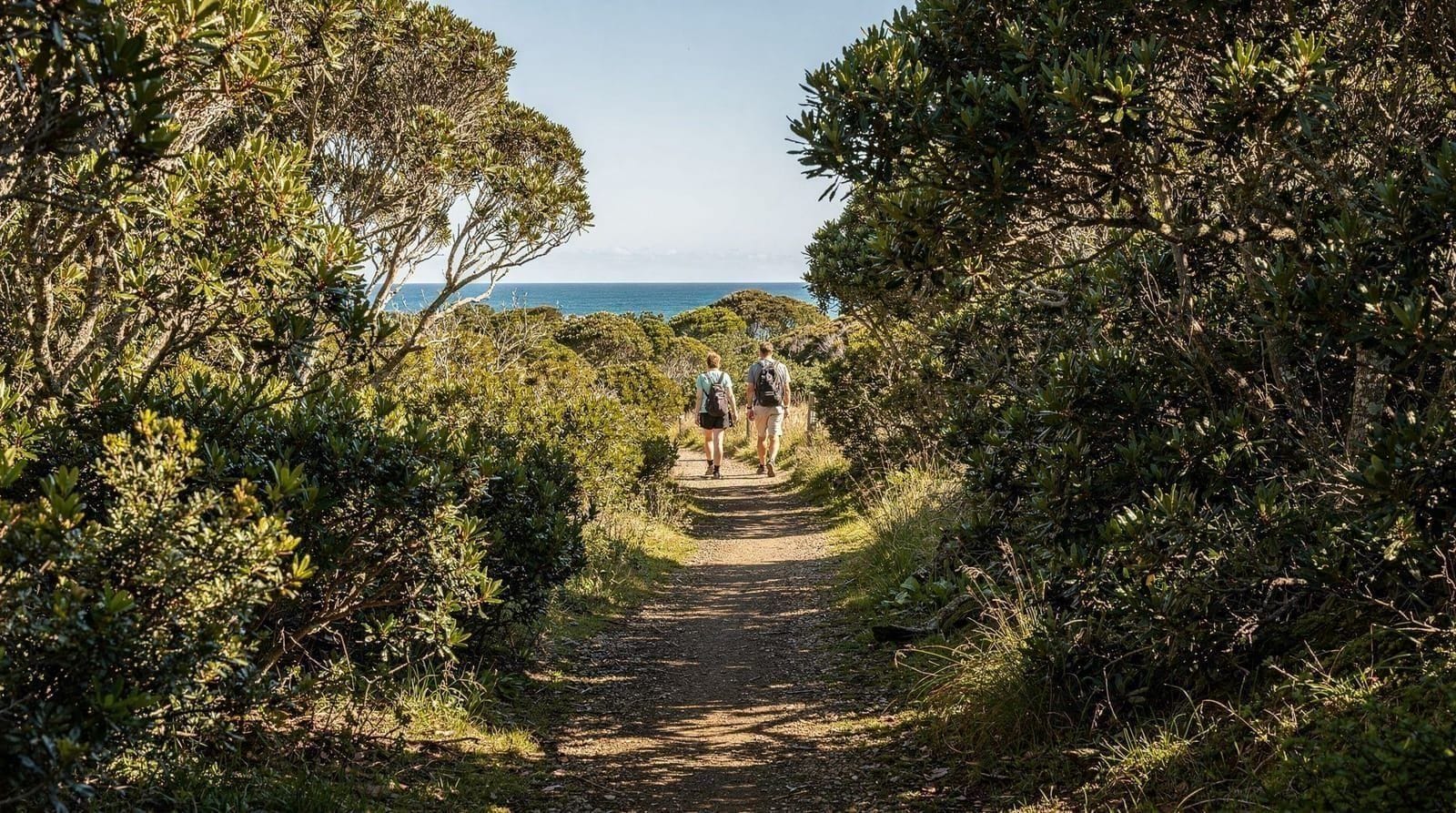
Several of these islands carry genuinely good walking trails worth knowing about if hiking is part of your Auckland plans — Motutapu’s farmland tracks and Tiritiri Matangi’s forest loop trails both offer worthwhile walks alongside their headline wildlife or scenery draws. Our Auckland hikes guide places these island trails in context against the region’s mainland hiking options, useful if you are trying to prioritise a limited number of hiking days across a broader itinerary that might also include the Waitakere Ranges or Coromandel walks.
First-time visitors: proceed with realistic expectations
If this is your first trip to Auckland, it is worth being honest with yourself about how much appetite you actually have for chasing infrequent ferry schedules to reach a quieter island, versus simply enjoying Waiheke and Rangitoto well. Our first-time Auckland tips guide generally recommends prioritising the well-supported headline experiences on a first visit, saving this category of lesser-known islands for a return trip once you already have a working sense of how Auckland’s ferry network and island logistics operate.
Birdwatching beyond Tiritiri Matangi
Tiritiri Matangi is the headline birdwatching destination in this guide, but it’s worth knowing the wider gulf supports a broader ecosystem worth building into a nature-focused trip. Whale and dolphin cruises through the gulf (see the wildlife cruise options below) regularly encounter the resident common dolphin population and, seasonally, Bryde’s whales, giving a marine-wildlife complement to Tiritiri Matangi’s land-based bird focus. Travellers with a serious interest in New Zealand’s native wildlife sometimes structure an entire day around combining a morning at Tiritiri Matangi with an afternoon wildlife cruise, though this requires careful ferry-timetable coordination given how infrequently both routes run relative to Waiheke or Rangitoto.
What makes Great Barrier genuinely different from the rest of this list
It’s worth being explicit that Great Barrier Island doesn’t really belong in the same category as the other islands covered here, despite appearing on the same list. Where Tiritiri Matangi, Motutapu, Motuihe and Rakino are all variations on a single-day theme — different distances, different facilities, but broadly similar in scale — Great Barrier is a genuinely separate kind of destination, closer in character to a small, remote region than an add-on island. Travellers drawn to its Dark Sky Sanctuary status or its wild, undeveloped coastline should plan it as its own dedicated leg of a longer New Zealand trip, with its own accommodation research and multi-day itinerary, rather than trying to slot it into an otherwise Auckland-based schedule.
How these islands fit alongside a Waiheke wine day
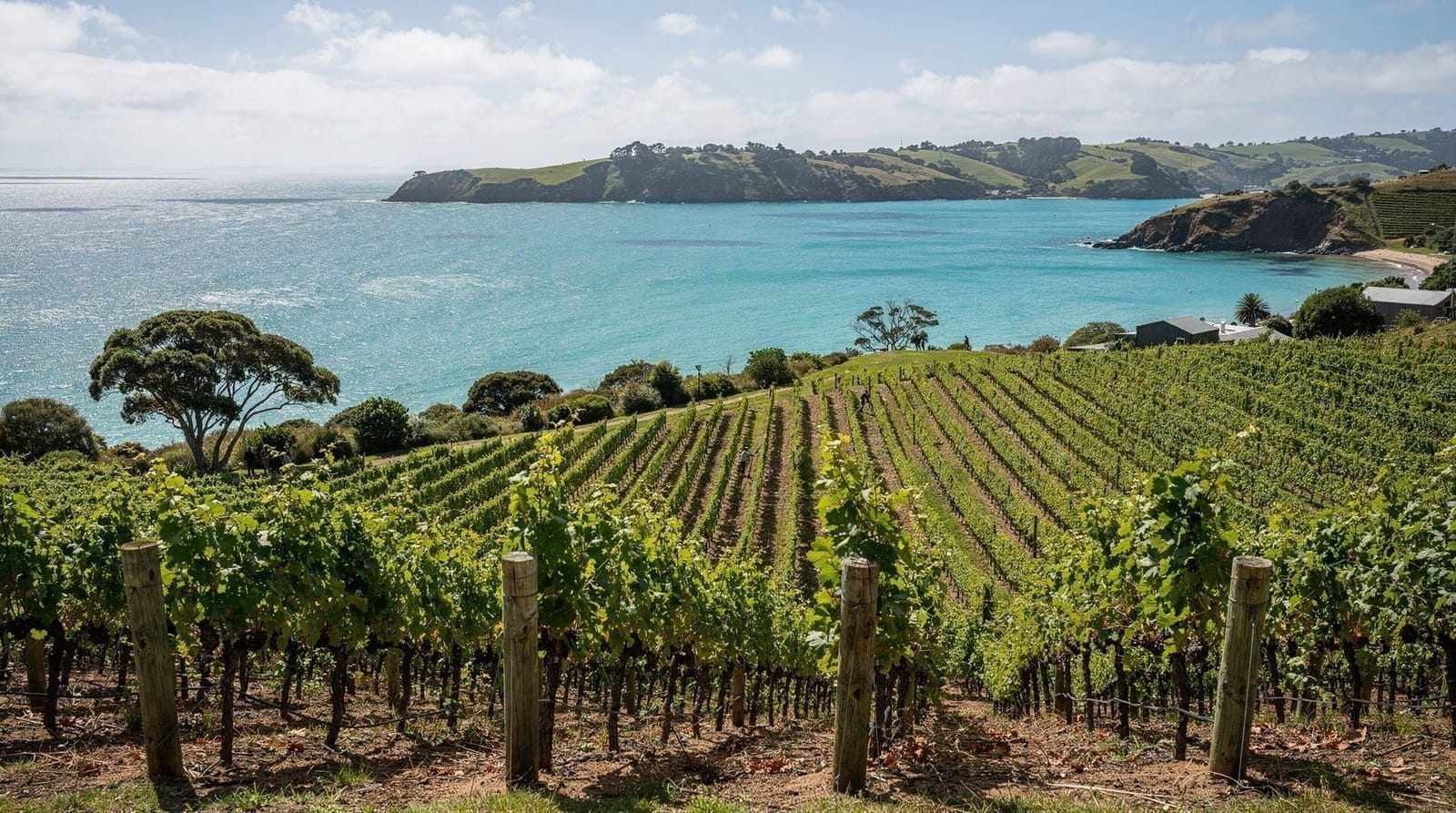
If your itinerary already includes a full Waiheke day for wine and food, adding a second gulf island on a different day is a genuinely good way to see a contrasting side of the same body of water without repeating the same experience twice. A Waiheke wine tour delivers restaurants, vineyards and a developed tourist infrastructure; Motuihe or Tiritiri Matangi deliver the opposite — quiet, undeveloped, nature-first days that make the contrast between the gulf’s developed and undeveloped islands genuinely vivid within the same trip.
Ferry logistics across the wider gulf network
All of these islands, with the partial exception of Great Barrier, are served by the same Fullers360 network that runs to Waiheke and Rangitoto, which means the departure point (mostly downtown Auckland’s ferry terminal) and general booking process will feel familiar if you’ve already taken a ferry elsewhere in the gulf. Our Auckland ferries guide covers the wider network in detail, including how to check current timetables, since sailing frequency to these lesser-known islands changes seasonally more than the Waiheke and Rangitoto routes do.
Our honest take
These islands are not “hidden gems” in the sense of being secretly better than Waiheke or Rangitoto — they are genuinely different, rewarding a specific kind of interest (wildlife, solitude, remoteness) that the headline islands do not fully satisfy. Tiritiri Matangi is the one we would actively recommend to most visitors with an extra day and a genuine interest in New Zealand’s native wildlife; the rest are best reserved for repeat visitors, dedicated nature enthusiasts, or anyone with enough schedule flexibility to work around infrequent ferries without frustration. For a first Auckland trip, get Waiheke and Rangitoto right first, and treat this list as inspiration for a future visit.
Frequently asked questions about Lesser-known Hauraki Gulf islands worth the extra effort
Which lesser-known Hauraki Gulf island is easiest to visit?
Motuihe and Motutapu are the most accessible of the lesser-known islands, both served by regular Fullers360 sailings and reachable as a straightforward half-day or full-day trip without special planning.Do I need to book ahead for Tiritiri Matangi?
Yes — sailings run less frequently than to Waiheke or Rangitoto, and the island's daily visitor numbers are managed, so booking your ferry ticket in advance is strongly recommended, especially in summer and on weekends.Is Rakino Island worth visiting?
Rakino offers genuine peace and quiet with limited facilities, appealing mainly to visitors who specifically want solitude over convenience. Ferry sailings are infrequent, so it requires more planning than the other islands on this list and suits a deliberate, unhurried visit rather than a spontaneous one.Can I visit Great Barrier Island as a day trip?
Not realistically — the ferry crossing takes several hours each way, and most visitors who go treat it as a dedicated multi-day trip rather than an add-on to a standard Auckland stay. A short domestic flight is a faster but pricier alternative to the ferry.What should I bring to Tiritiri Matangi or Rakino?
Bring your own food and water, as neither has significant food facilities beyond a small visitor centre at Tiritiri Matangi. Sturdy walking shoes, sun protection, and a camera or binoculars for wildlife spotting are also worth packing.Are these islands suitable for first-time Auckland visitors?
Tiritiri Matangi works well even for first-timers if wildlife is a priority, but the more remote and infrequent options like Rakino and Great Barrier generally suit repeat visitors or those with a specific, unhurried interest in exploring beyond the headline destinations.Is Motutapu worth visiting on its own, separate from Rangitoto?
Not usually as a standalone trip — most visitors reach Motutapu on foot via the causeway from Rangitoto and treat it as an extension of a Rangitoto day rather than booking a separate ferry specifically for Motutapu alone.Which lesser-known island is best for a half-day trip?
Motuihe is the best fit for a half-day, given its shorter 45-60 minute crossing and straightforward, low-planning nature compared to Tiritiri Matangi or Rakino.
Top experiences
Bookable activities with verified prices and instant confirmation on GetYourGuide.