Auckland's history: from Tāmaki Makaurau to the modern city
Auckland: Museum general admission entry
What is the short version of Auckland's history?
The isthmus was significant Māori territory, Tāmaki Makaurau, for centuries before 1840, when Auckland was founded and briefly served as New Zealand's colonial capital until 1865, when the capital moved to Wellington. Victorian and Edwardian-era growth followed, and the modern skyline — the Sky Tower, the Harbour Bridge, the Viaduct precinct — largely dates from the past six decades of steady expansion.
A city built on layered history
Auckland is simultaneously one of New Zealand’s oldest continuously settled areas and one of its most recently rebuilt skylines — a layering that’s genuinely worth understanding as you move through the city, since the same streets carry centuries of Māori settlement history beneath a CBD that’s been substantially rebuilt within living memory. This guide walks through that history in roughly chronological order, from Tāmaki Makaurau’s pre-European significance through to the modern “Supercity” era.
None of this requires prior knowledge of New Zealand history — each section below stands on its own, and together they build a genuinely fuller picture of the city than its modern skyline alone suggests.
| Where to see it | Auckland Museum, Maungakiekie (One Tree Hill), Britomart, the Viaduct |
| Cost | free to walk the layers; museum entry priced separately |
| Time needed | a half-day to trace the main sites, minutes to read this guide |
| Key dates | pre-1840 Māori settlement, 1840 founding, 1865 capital moves, 1959 bridge, 1997 Sky Tower, 2010 Supercity |
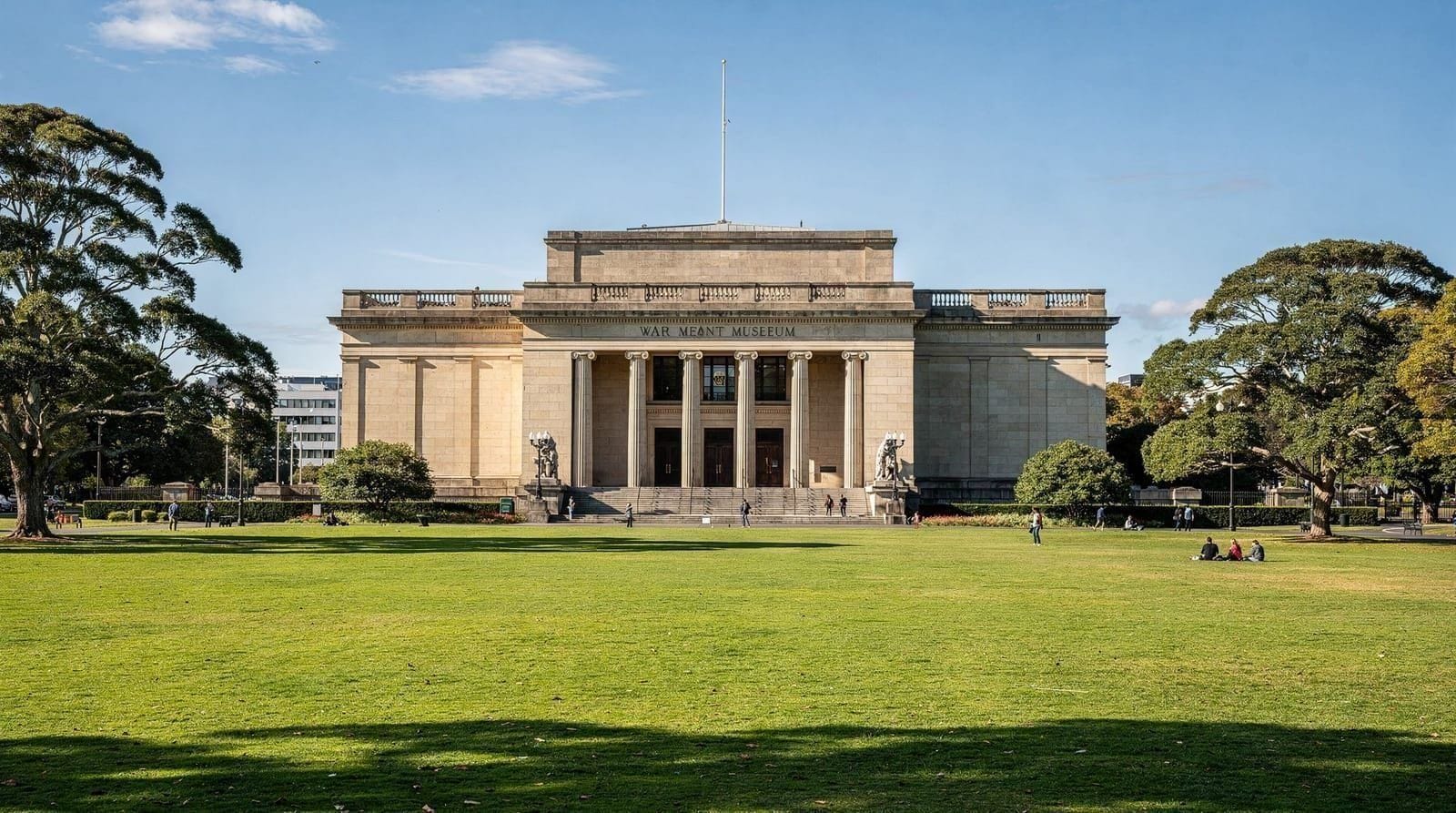
| Best starting point | Auckland War Memorial Museum |
Tāmaki Makaurau: centuries of Māori settlement before 1840
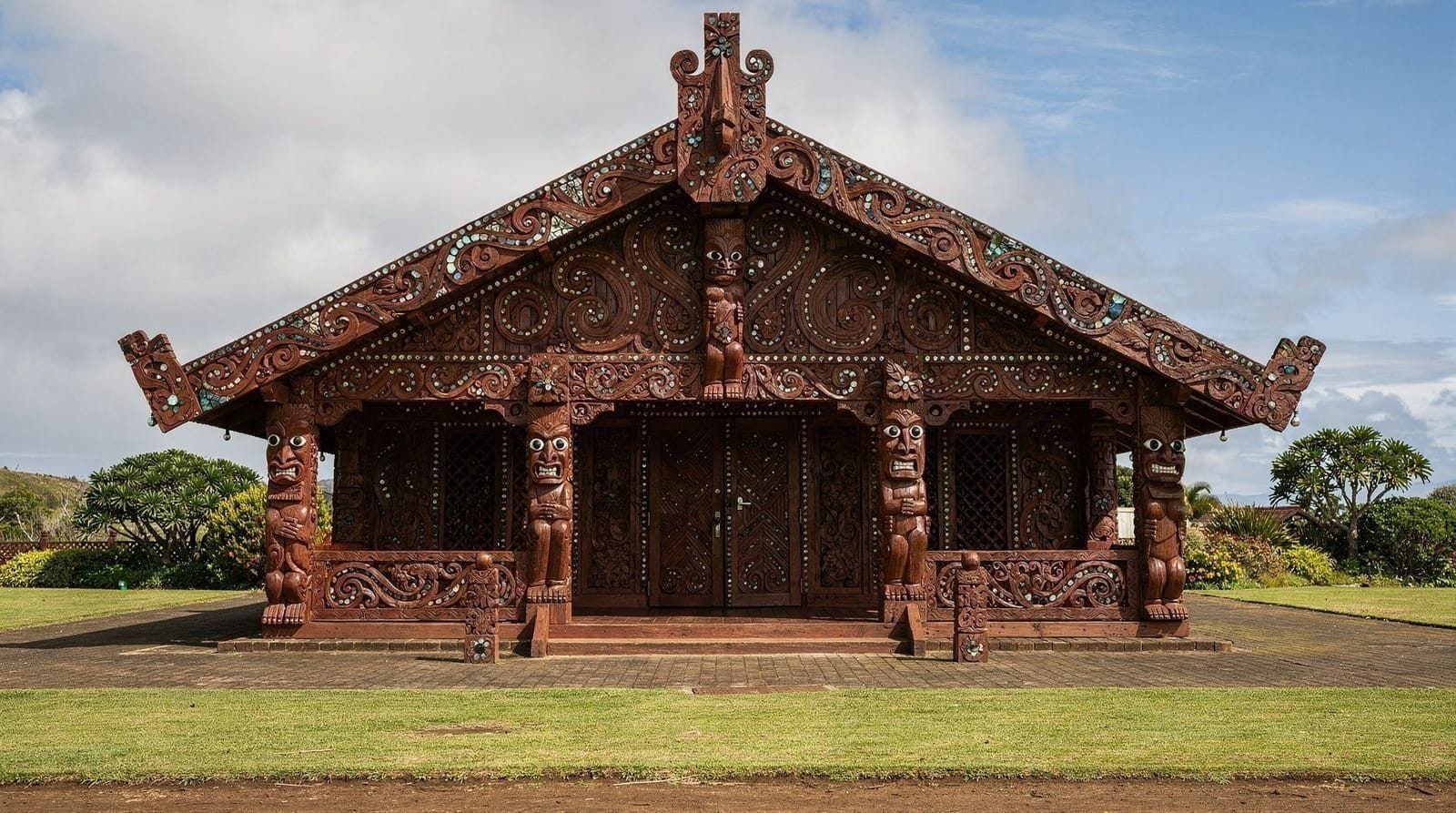
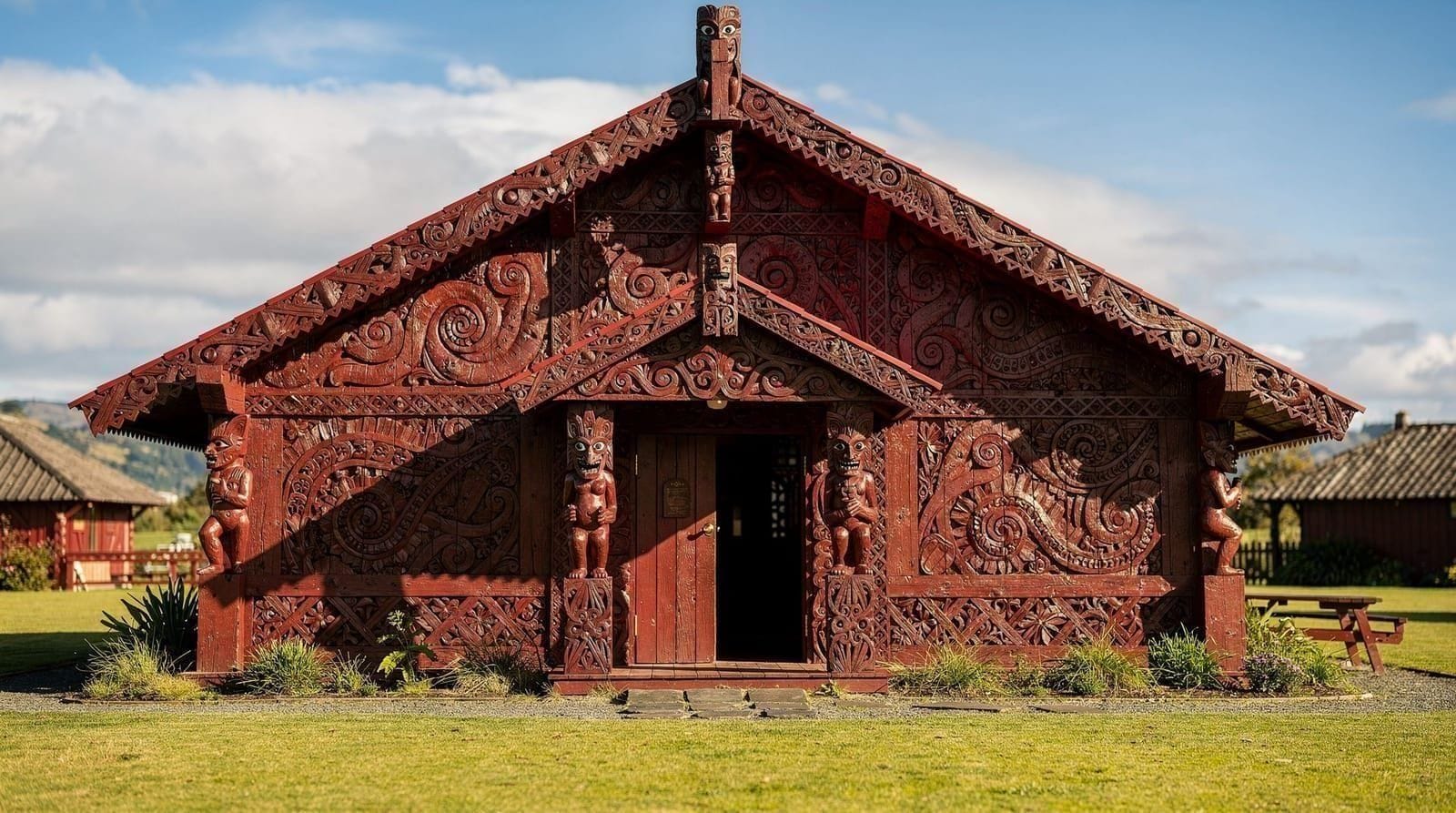
Long before European contact, this isthmus between the Waitematā and Manukau harbours was, and remains, Tāmaki Makaurau — usually translated as “Tāmaki desired by many,” a name reflecting how fiercely the region’s resources were contested between iwi over centuries. Two harbours, rich volcanic soil ideal for cultivation, abundant fishing grounds and a narrow land bridge between the Pacific and Tasman coasts made the isthmus one of the most strategically and agriculturally valuable pieces of land in pre-European New Zealand, and it changed hands between iwi repeatedly through conflict, alliance and settlement well before European arrival.
Ngāti Whātua holds mana whenua over the central isthmus today, though the fuller history involves multiple iwi and hapū across different eras — see our Māori culture in Auckland guide for a deeper look at this history and how to engage with it respectfully as a visitor.
Physical evidence of this era remains genuinely visible today: Auckland’s roughly 50 volcanic cones, several of which — most clearly Maungakiekie (One Tree Hill) — retain clearly visible terracing from historic pā (fortified settlement) occupation, some of the largest such settlements in pre-European New Zealand. Our Māori heritage sites guide covers these and other significant sites in more depth.
If you want to see these cones for yourself, our volcanic cones guide explains which ones are easiest to reach, and the respectful Māori tourism guide is a useful read before you visit any site of historic significance. Learning a few words beforehand also helps, and our te reo basics for visitors covers the essentials.
1840: founding and New Zealand’s first capital
Auckland was founded in 1840, the same year as the Treaty of Waitangi’s signing (see our Waitangi Treaty Grounds guide for that founding document’s fuller story), and briefly served as New Zealand’s colonial capital, chosen for its central location and dual-harbour access. That capital status was short-lived — the seat of government moved to Wellington in 1865, largely because Wellington’s more central position relative to the South Island’s rapidly growing, gold-rush-era population made it a more practical fit for a young colony still finding its administrative footing.
Victorian and Edwardian growth
Following the capital’s move to Wellington, Auckland continued growing as a commercial and trading port city through the late nineteenth and early twentieth centuries, and much of the CBD’s older architecture dates from this Victorian and Edwardian boom period — the Ferry Building (a 1912 Edwardian landmark on the waterfront, now mostly restaurants), parts of Britomart’s restored heritage warehouses, and various Queen Street facades all trace back to this era of steady commercial expansion. This period established Auckland’s identity as New Zealand’s primary trading port and, gradually, its largest city, even without the political weight of being the national capital.
Twentieth-century expansion and the Harbour Bridge
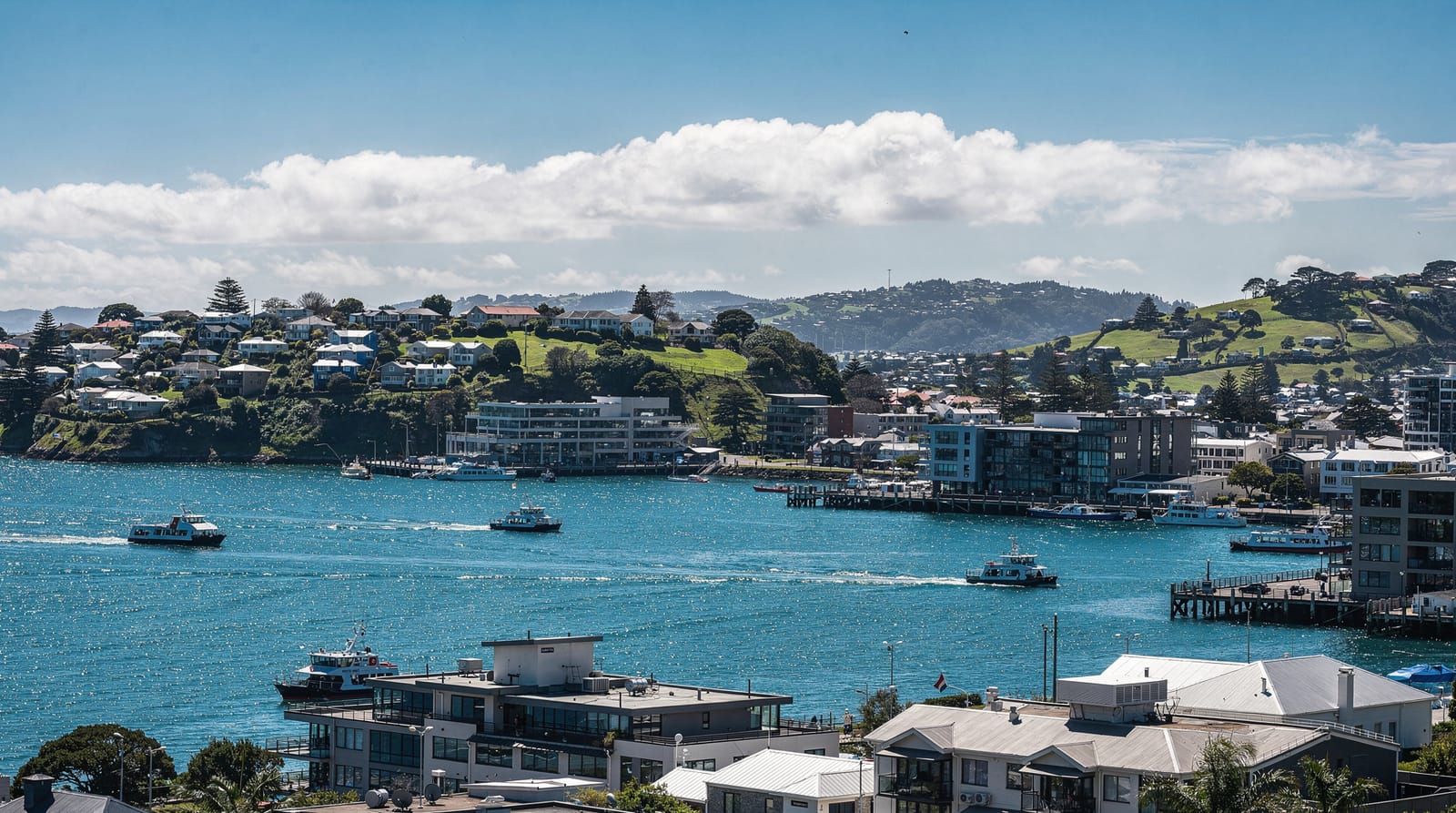
Auckland’s twentieth-century growth was substantial and steady, with the city’s population and suburban footprint expanding considerably across the decades. A major turning point came in 1959, when the Auckland Harbour Bridge opened, connecting the CBD directly to the North Shore for the first time and enabling the rapid suburban development of that side of the harbour in the decades that followed — before the bridge, North Shore residents relied on ferries for the CBD crossing. The bridge remains a defining piece of Auckland infrastructure and a recognisable part of the harbour view today.
The America’s Cup era and waterfront transformation
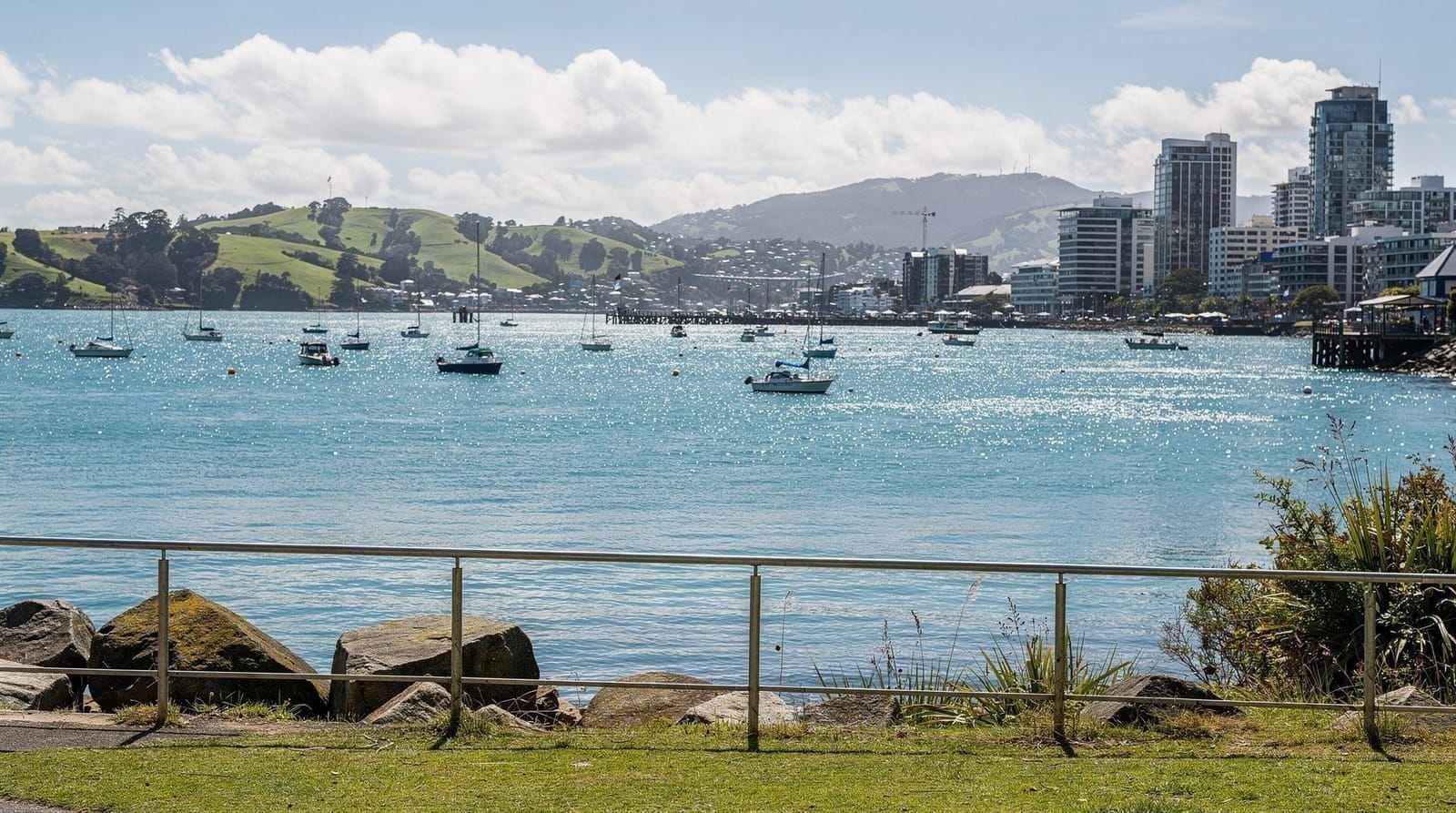
Auckland’s modern waterfront identity owes an enormous amount to the America’s Cup. The city has hosted the regatta multiple times since the late 1990s and 2000s, and the infrastructure built for those events substantially reshaped the Viaduct Harbour and Wynyard Quarter precincts into the marina-lined dining and residential areas visitors see today. Team New Zealand’s base remains within this precinct, and the “City of Sails” identity Auckland has long claimed took on a much more concrete, internationally visible form during this era. Our Maritime Museum guide covers this sailing history in dedicated depth, and the museum itself sits within the same waterfront precinct shaped by these events.
To explore this precinct on foot, our waterfront guide and the Viaduct and Wynyard Quarter destination page cover what to see and where to stop along the way.
The Sky Tower and the modern skyline
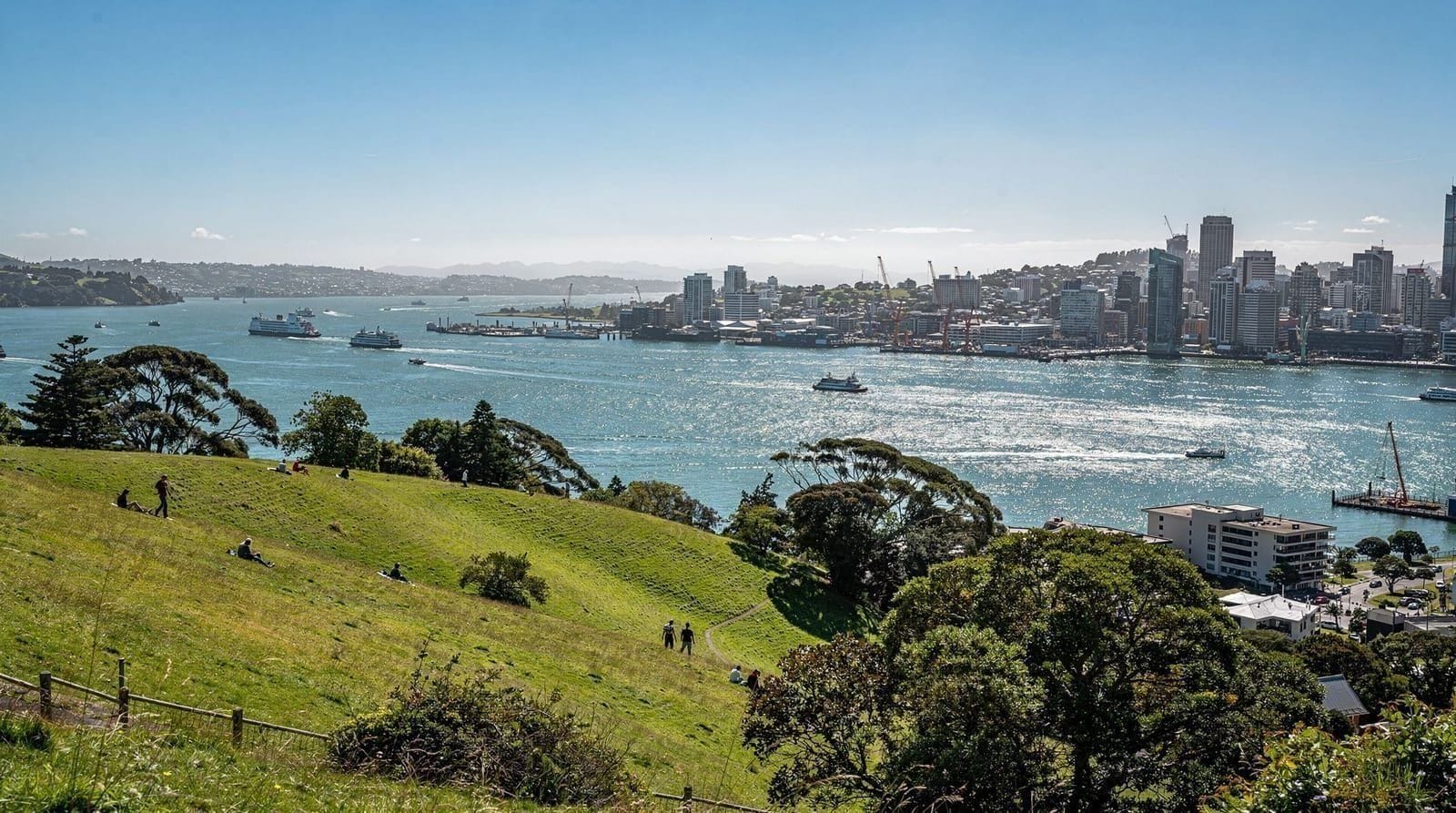
Most of Auckland’s visible skyline is considerably newer than the CBD’s older Victorian streetscape below it. The Sky Tower opened in 1997 and remains the tallest structure in the Southern Hemisphere, an immediately recognisable addition to the skyline and, at the time, a genuinely bold architectural statement for the city. The CBD’s cluster of glass office towers largely dates from the past few decades of steady growth, meaning the same streets that carry centuries of Māori settlement history and over a century of Victorian commercial architecture are topped, quite literally, by a skyline that’s mostly younger than many of the visitors walking beneath it.
2010: the “Supercity” amalgamation
A significant, more recent piece of Auckland’s institutional history came in 2010, when the region’s multiple separate city and district councils were amalgamated into a single unified Auckland Council, commonly referred to as the “Supercity” restructuring. The change aimed at more coordinated planning and infrastructure decision-making across the wider metropolitan area, which had previously been governed by several separate, sometimes competing local authorities. While mostly a matter of local government administration rather than a dramatic visible change, it reflects Auckland’s ongoing growth into New Zealand’s clear largest and most internationally connected city.
Immigration and Auckland’s changing population
Auckland’s population growth over the past century and a half has been shaped substantially by successive waves of immigration, first from Britain and Ireland through the colonial era, then more broadly from across Europe, and, from the mid-twentieth century onward, increasingly from the Pacific Islands and, more recently, Asia. This has made Auckland the world’s largest Polynesian city by population, alongside a genuinely diverse, multicultural population more broadly — a demographic reality that shapes everything from the city’s food scene to its cultural calendar today. Understanding this layered immigration history alongside the Māori and colonial-era history covered above gives a fuller, more accurate picture of how the modern city actually formed, rather than a simplified single-thread narrative.
Notable historic buildings still standing
Beyond the Ferry Building and Britomart’s restored warehouses already mentioned, a handful of other buildings around the CBD are worth knowing about if historic architecture interests you: the Auckland Town Hall (opened 1911, an Edwardian Baroque building still used for concerts and civic events today), St Patrick’s Cathedral (a Gothic Revival Catholic cathedral dating to the 1840s-1900s in various rebuilt stages), and the Civic Theatre (a lavishly restored 1929 atmospheric theatre, its interior designed to evoke an exotic night sky, still used for film and live performance today). None of these require a dedicated detour on their own, but they’re worth recognising if you pass them during a wider CBD walk, each adding another data point to the layered history covered throughout this guide.
Walking through the layers today
Understanding this layered history changes how a walk through central Auckland reads.
Standing on Maungawhau (Mount Eden), you’re on a former pā site and an ancestor mountain in Māori tradition. Walking Queen Street, you’re passing Victorian and Edwardian-era facades from the city’s commercial boom. Standing at the Viaduct, you’re inside infrastructure purpose-built for America’s Cup racing. And looking up at the Sky Tower, you’re seeing a structure younger than most of the buildings around its base.
Our complete Auckland city guide ties these layers into a practical visiting itinerary, and Auckland Museum remains the single best place to see this history properly curated and explained in one place — book the general admission ticket if history is a genuine priority for your visit. For a more guided, street-level version of this history, this best-of-Auckland walking tour covers much of the CBD’s layered history directly on foot.
If the tower itself interests you, our Sky Tower guide explains what the visit involves, and the Devonport destination page is a good way to see the harbour and city skyline from across the water, in a setting that also carries its own historic character.
If you want to fit all of this into a short stay, our one-day Auckland itinerary shows how the main sites link together on a single day.
Anzac Day and Auckland Museum’s memorial role
Beyond its museum function, Auckland War Memorial Museum’s role as an actual war memorial comes into sharpest focus each Anzac Day (25 April), New Zealand’s national day of remembrance for those who served and died in military conflicts, when the museum’s forecourt hosts the city’s dawn service and becomes the focal point of Auckland’s commemorations. If your trip happens to fall around this date, it’s worth knowing the building carries this dual civic significance well beyond a standard museum visit, and the Hall of Memories inside remains a genuinely moving space to visit at any time of year given its purpose-built commemorative design.
Auckland’s history compared to New Zealand’s other main centres
Auckland’s specific history — brief colonial capital, then a steady rise to become the country’s largest city without the ongoing political weight of Wellington’s capital status — gives it a genuinely different civic character from New Zealand’s other major centres. Wellington carries the capital’s political and governmental identity; Christchurch, in the South Island, developed with a more deliberately planned, English-inspired colonial layout distinct from Auckland’s more organic, harbour-driven growth.
Auckland’s identity, by contrast, has always been shaped primarily by trade, its dual-harbour geography, and, in the modern era, its sheer scale and diversity as the country’s undisputed largest urban centre. Understanding this comparative context, even briefly, helps explain why Auckland feels the way it does relative to other New Zealand cities you might also be visiting on a longer trip.
Why this history matters for a short visit
It might seem like a lot of background for a city-break itinerary, but even a partial grasp of this layered history genuinely changes how the city reads as you move through it — a skyline that initially looks purely modern reveals a much older, more contested and more interesting story once you know roughly what you’re looking at and why. You don’t need to absorb every date and detail in this guide before your trip; even the broad shape (Māori settlement first, brief colonial capital, steady Victorian and twentieth-century growth, recent America’s Cup-driven waterfront transformation) is enough to make a walk through central Auckland considerably more rewarding than treating it as a purely contemporary, history-free city.
| Era | Key event |
|---|---|
| Pre-1840 | Tāmaki Makaurau, contested Māori settlement of the isthmus |
| 1840 | Auckland founded, becomes New Zealand’s first colonial capital |
| 1865 | Capital moves to Wellington |
| Late 1800s-early 1900s | Victorian/Edwardian commercial growth, Ferry Building era |
| 1959 | Auckland Harbour Bridge opens |
| Late 1990s-2000s | America’s Cup era reshapes the Viaduct and Wynyard Quarter |
| 1997 | Sky Tower opens, tallest structure in the Southern Hemisphere |
| 2010 | Council amalgamation creates the “Supercity” |
Frequently asked questions about Auckland’s history
Why was Auckland New Zealand’s first capital, and why did it change?
Auckland was chosen as capital in 1840 for its central location and dual-harbour access, but the capital moved to Wellington in 1865, largely due to Wellington’s more central position relative to the South Island’s growing population.
How old is Māori settlement of the Auckland area?
Māori settlement of Tāmaki Makaurau dates back many centuries before European contact, with extensive pā terracing still visible on several volcanic cones today as physical evidence.
When was the Auckland Harbour Bridge built?
The Auckland Harbour Bridge opened in 1959, connecting the CBD to the North Shore and enabling that side of the harbour’s rapid suburban growth.
When did the Sky Tower open?
The Sky Tower opened in 1997, and remains the tallest structure in the Southern Hemisphere.
What role has the America’s Cup played in Auckland’s recent history?
Auckland has hosted the regatta multiple times since the late 1990s and 2000s, and much of the modern Viaduct Harbour and Wynyard Quarter precinct was purpose-built for those events.
What does ‘Auckland Council’ or the ‘Supercity’ refer to?
In 2010, Auckland’s multiple separate councils were amalgamated into a single unified Auckland Council, commonly called the “Supercity” restructuring, aimed at more coordinated regional planning.
Where’s the best single place to learn about Auckland’s history as a visitor?
Auckland Museum, which covers Māori and Pacific history, natural history and the city’s war memorial role together in one well-curated visit.
Which volcanic cone has the most visible Māori settlement history?
Maungakiekie (One Tree Hill) inside Cornwall Park has some of the clearest and most extensive pā terracing of any Auckland cone, making it a good stop if historic sites are a specific priority.
Is Auckland’s history connected to the Treaty of Waitangi?
Yes — Auckland was founded in 1840, the same year the Treaty of Waitangi was signed. The treaty grounds themselves are in the Bay of Islands, but the founding dates align closely.
Top experiences
Bookable activities with verified prices and instant confirmation on GetYourGuide.