New Zealand Maritime Museum, Auckland: a visitor's guide
Auckland: Maritime museum entry ticket
Is the Maritime Museum in Auckland worth visiting?
Yes, particularly for anyone interested in sailing, Polynesian voyaging history or the America's Cup — it's a genuinely well-curated, waterfront-located museum covering New Zealand's maritime story from Polynesian navigation through to modern racing yachts, and makes a solid rainy-day option given its Viaduct Harbour location.
Auckland’s maritime story, told properly
Auckland calls itself the “City of Sails,” and the New Zealand Maritime Museum, sitting right on the Viaduct Harbour waterfront, is where that identity gets its fullest, most detailed telling — from Polynesian voyaging canoes that first reached these shores, through European settlement-era shipping, to the modern America’s Cup racing yachts that have shaped the very waterfront precinct the museum sits within. Book the Maritime Museum entry ticket ahead of your visit, particularly if you want to combine it with a heritage vessel experience on the same day.
| Where | Viaduct Harbour waterfront, walking distance from Ferry Building and Britomart |
| Cost | Moderate entry ticket; some tickets add a heritage vessel harbour trip |
| Time needed | Around 1-1.5 hours for the main galleries, closer to 2 with a wharf visit |
| Getting there | Walkable from the CBD; ferries and buses stop nearby |
| Best time | Any day — fully indoor, a reliable rainy-day pick |
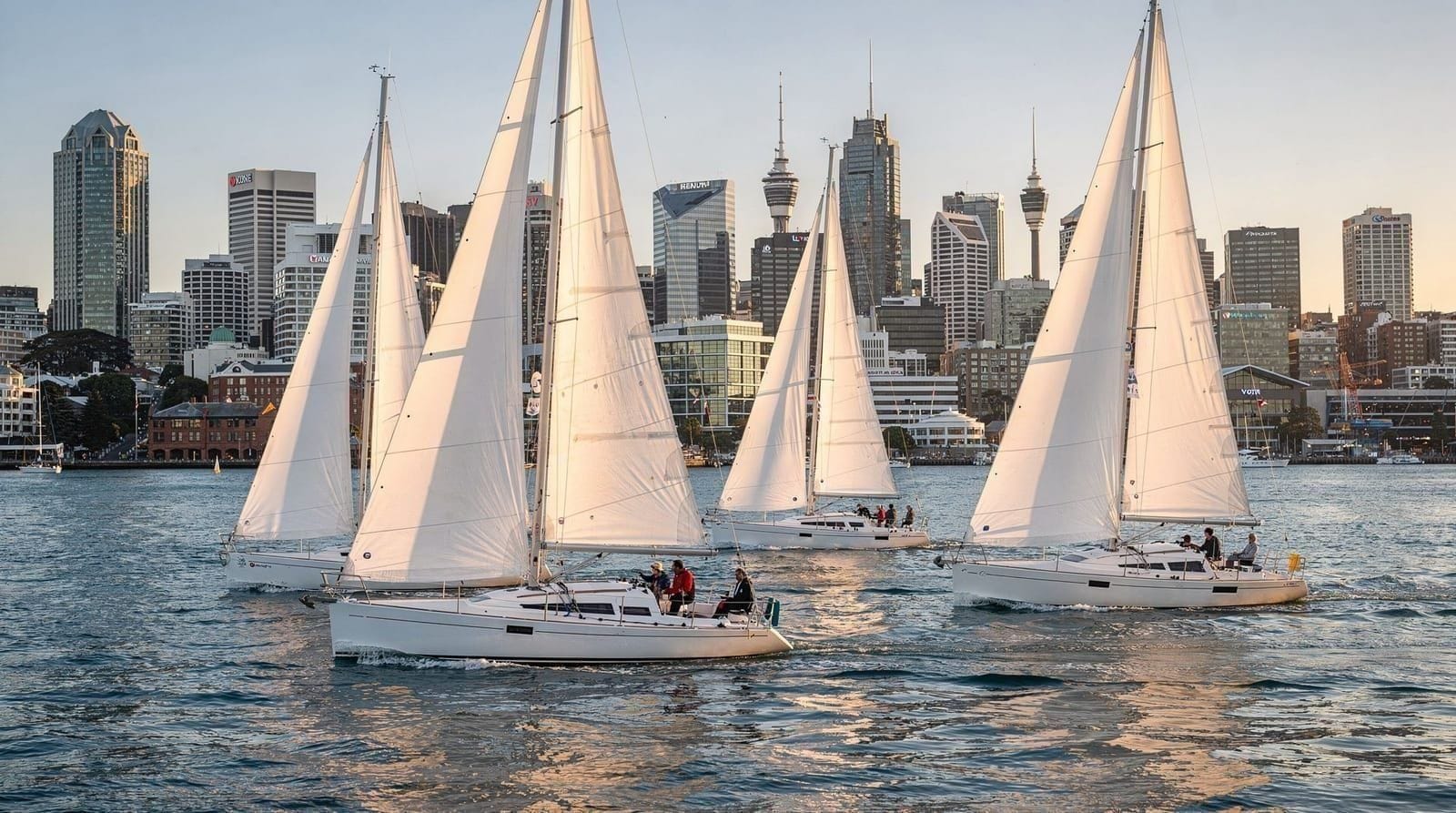
It’s worth noting upfront how genuinely central sailing is to Auckland’s own self-image, well beyond a marketing tagline: the city has one of the highest rates of boat ownership per capita anywhere in the world, and on almost any weekend, Waitematā Harbour is genuinely full of recreational sailors alongside the racing yachts and commercial traffic. The museum exists specifically to give context and history to that living, everyday sailing culture, not simply to document a closed historical chapter.
This guide covers what’s inside, how it connects to the wider Māori and colonial history covered elsewhere on this site, and how to fit it comfortably into a waterfront day.
Polynesian voyaging: where the story genuinely begins
The museum’s coverage of Polynesian voyaging is a genuine highlight, and arguably the most historically significant section for understanding how New Zealand was first settled. Exhibits cover waka hourua (voyaging canoes) and the celestial and wave-reading navigation techniques used by Polynesian navigators to cross vast stretches of open Pacific ocean without modern instruments — a feat of navigation and boatbuilding that predates European exploration of the Pacific by centuries and is increasingly recognised internationally as one of history’s most remarkable seafaring achievements. This section gives useful context for Māori history in Auckland more broadly, tracing the maritime origins of the settlement history that shaped Tāmaki Makaurau.
European settlement and New Zealand’s working maritime history
Beyond Polynesian voyaging, the museum covers the European settlement era’s shipping history — the vessels that brought immigrants to New Zealand, often after months at sea — alongside New Zealand’s commercial fishing and, in earlier eras, whaling industries, giving a fuller sense of how central the sea has been to New Zealand’s economic and social development well beyond recreational sailing. These galleries tend to draw less attention than the flashier America’s Cup section, but genuinely round out the museum’s coverage of maritime history rather than narrowing it purely to yacht racing.
The America’s Cup: Auckland’s defining modern sailing story
Auckland’s waterfront identity today is inseparable from the America’s Cup, and the museum’s dedicated exhibits trace this in real depth — the city has hosted the regatta multiple times, and much of the modern Viaduct Harbour and Wynyard Quarter precinct surrounding the museum itself was purpose-built for those events. Team New Zealand’s base sits within this same precinct, and even outside active regatta years, the marina remains genuinely busy with racing yachts, superyachts and everyday sailors. If the sailing history and racing technology interest you beyond the museum’s static exhibits, this America’s Cup sailing experience on Waitematā Harbour puts you aboard an actual racing yacht on the same waters, a genuinely different and more visceral way to engage with this history than reading about it indoors.
Heritage vessels and the museum’s own wharf
The museum maintains a fleet of preserved heritage vessels moored at its dedicated wharf, including historic scows and other working boats that once served New Zealand’s coastal trade, some of which run short harbour trips as part of certain ticket types. Walking the wharf itself, even without boarding a vessel, gives a tangible sense of scale that static museum displays alone can’t fully convey — these are real, seaworthy boats, not static replicas.
How much time to budget
An hour to 90 minutes covers the main galleries at a comfortable, unhurried pace. If you add a heritage vessel sailing component or spend extra time at the wharf itself, budget closer to two hours. It’s a genuinely manageable stop to slot into a half-day waterfront walk rather than requiring a dedicated half-day of its own.
The Edmiston Wing and special collections
The museum’s Edmiston Wing houses rotating special collections and thematic exhibitions that go deeper into specific aspects of New Zealand’s maritime story than the permanent galleries can cover in a single pass — past themes have included specific historic voyages, notable New Zealand-built vessels, and deep dives into particular eras of Auckland’s port and shipping history. As with any rotating exhibition space, what’s showing varies by the time of your visit, so it’s worth checking current programming rather than assuming a repeat visit will show identical content to a previous trip.
Where it sits on the waterfront
The museum sits directly on the Viaduct Harbour waterfront, within easy walking distance of the Ferry Building (a 1912 Edwardian landmark now mostly restaurants), Britomart, and the wider CBD. It fits naturally into a waterfront walking route — our Auckland waterfront guide covers the fuller Ferry Building-to-Wynyard-Quarter walk with the museum as a central stop, useful if you’re building a half-day around the harbour rather than treating the museum as an isolated visit.
The museum’s founding and setting
The New Zealand Maritime Museum opened in 1993, purpose-built on reclaimed Viaduct Harbour land specifically to house New Zealand’s national maritime collection in a location that connects the exhibits directly to a genuinely working harbour rather than an inland setting disconnected from the sea itself. The building’s design nods to maritime architecture — high, warehouse-like ceilings and a layout that opens directly onto the museum’s own wharf — meaning you can look up from a display case straight out at real boats moored just metres away, a small but effective detail that ties the static exhibits to the working harbour outside.
Navigation and boatbuilding through the centuries
Beyond the headline Polynesian voyaging and America’s Cup sections, the museum devotes real attention to the practical craft of boatbuilding and navigation across different eras — traditional Māori and Pacific canoe-building techniques, European wooden shipbuilding methods brought by settlers, and the gradual shift toward the fibreglass and carbon-fibre construction that defines modern racing yachts. Displays on navigation instruments trace a similar arc, from traditional star and wave-reading techniques through sextants and compasses to the GPS and satellite-based systems used on the water today, giving a genuinely coherent through-line from ancient Pacific voyaging to twenty-first-century ocean racing.
Learning to sail: courses and hands-on options
Beyond the static exhibits, the museum has historically offered short sailing lessons and hands-on rigging demonstrations as part of certain ticket types or seasonal programming, letting visitors get a genuine feel for handling a boat rather than only viewing one. Combined with a heritage vessel harbour trip or the America’s Cup sailing experience covered above, this makes the museum one of the more hands-on cultural attractions in the city for visitors who want more than a passive walk-through — worth asking about current programming when you arrive, since specific offerings shift seasonally.
A good rainy-day option
Given its waterfront location and fully indoor galleries, the Maritime Museum is a genuinely reliable wet-weather choice — a downpour that would otherwise cancel a harbour cruise or waterfront walk doesn’t affect a museum visit at all, and the moored heritage vessels are still visible (if less pleasant to board) even in poor weather. See our rainy day activities guide for how it fits alongside Auckland Museum and the Art Gallery as a trio of solid indoor options.
Ferries, superyachts and everyday harbour life
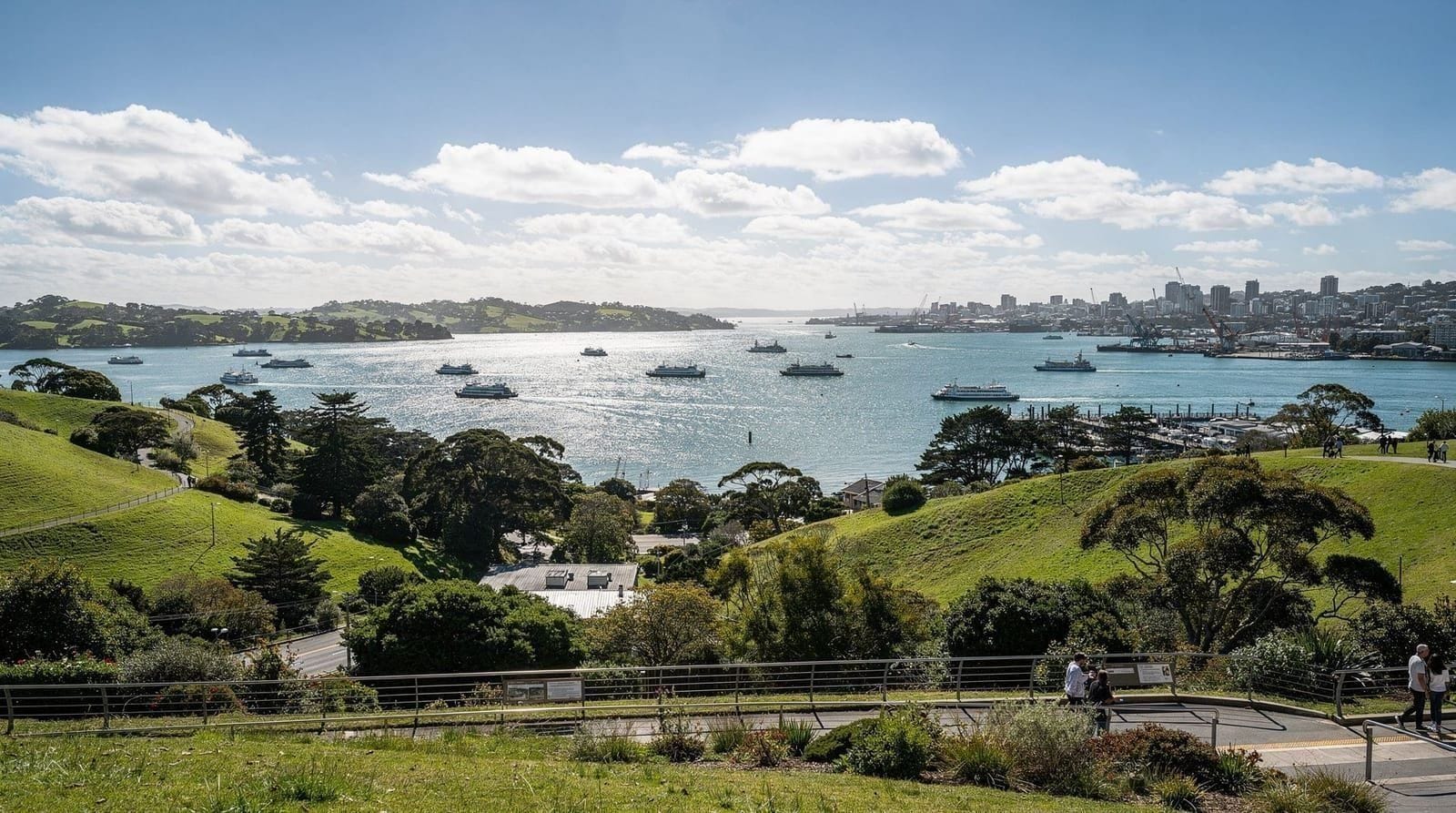
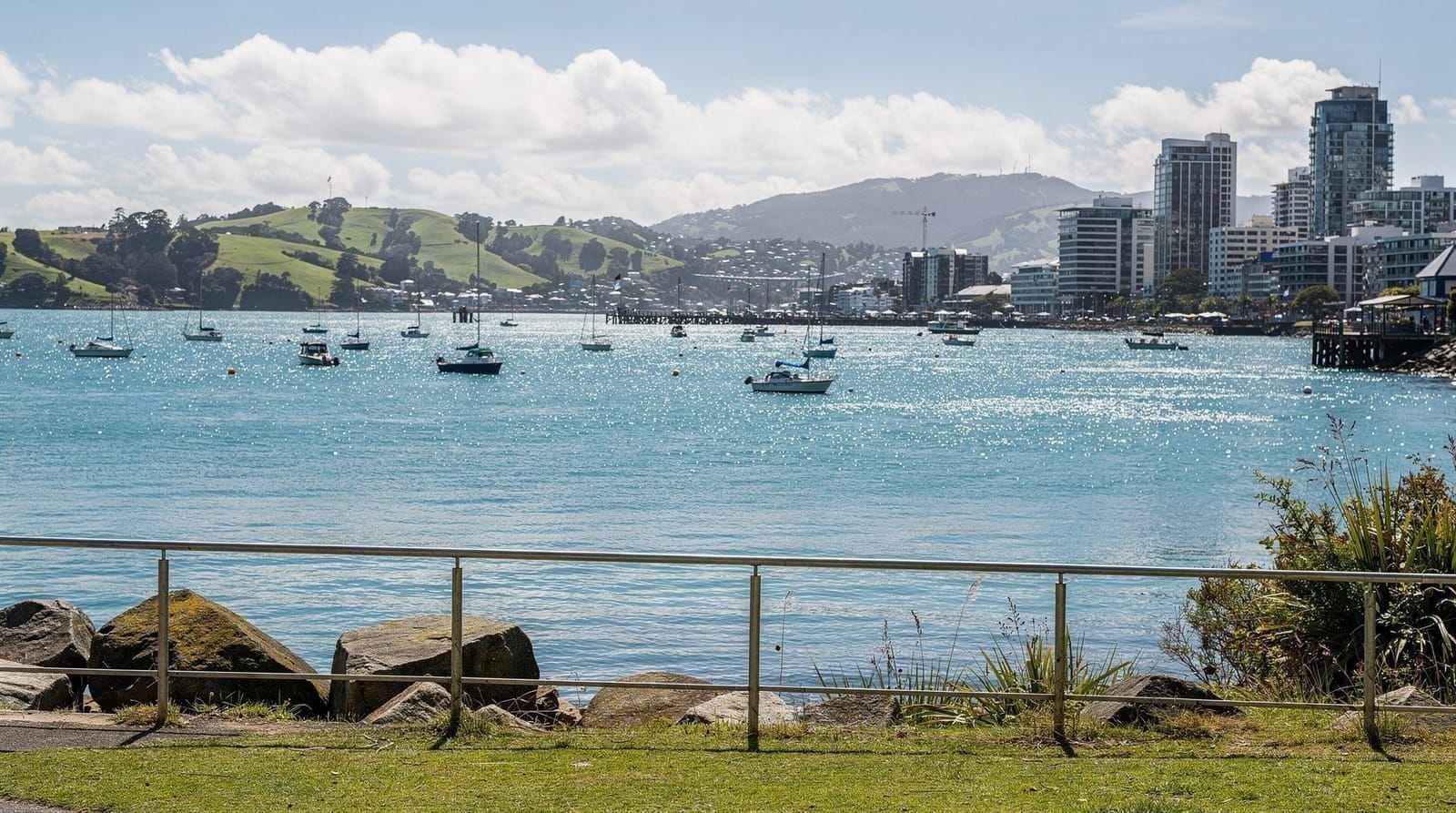
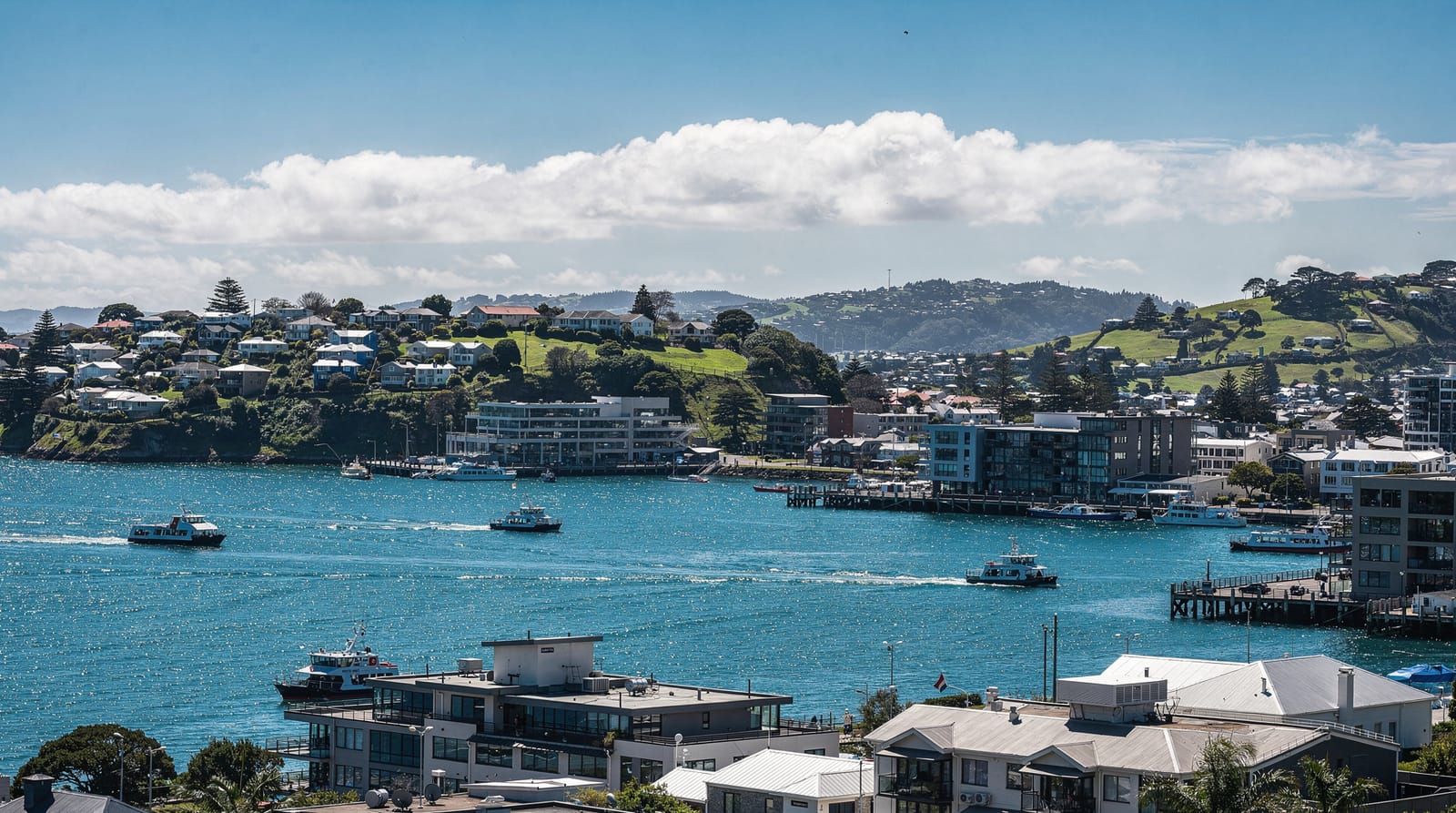
Beyond the museum’s curated exhibits, simply standing on its wharf and watching the harbour’s everyday traffic — commuter ferries departing for Devonport and Waiheke, superyachts berthed nearby, the occasional cruise ship dominating the skyline further along the waterfront — gives a genuinely live, unscripted complement to the static history inside. Auckland’s working harbour hasn’t stopped being a working harbour just because a museum now sits on its edge, and part of what makes a Maritime Museum visit feel grounded rather than purely academic is this direct, visible connection between the exhibits and the genuinely busy stretch of water they overlook.
Fitting it into a wider Auckland day
Most visitors combine the Maritime Museum with a wider Viaduct and Wynyard Quarter waterfront walk, sometimes adding a harbour sailing cruise or the America’s Cup sailing experience for a more active complement to the museum’s static exhibits. Our complete Auckland city guide and top 25 Auckland attractions both place the museum within a broader CBD and waterfront itinerary, and the Viaduct and Wynyard Quarter destination guide covers the wider precinct the museum sits within in more depth.
Pairing the museum with other waterfront and harbour stops
The museum works well as one stop among several rather than a standalone outing. If the Viaduct is your base for the day, the Auckland Museum guide and the Auckland Art Gallery guide help you choose a second indoor stop, while the free things to do in Auckland list covers outdoor waterfront options that cost nothing between galleries.
Because so much of the museum’s story is about getting across water, it also pairs naturally with a ferry ride. Our Auckland ferries guide explains the harbour routes, and a short crossing to Devonport or a longer trip to Waiheke Island lets you see the harbour from the water after seeing its history indoors. Visitors with children can also browse Auckland with kids for ideas that sit alongside the museum’s hands-on displays.
If you are working out how the museum fits into a longer stay, the 1-day Auckland itinerary and the getting around Auckland guide show how to link the Viaduct with the rest of the city without losing time in transit.
Comparing the Maritime Museum to a harbour sailing cruise
It’s worth being clear about what the museum does and doesn’t replace. A visit here gives you history, context and static (if genuinely impressive) exhibits; it doesn’t put you on the water. If you want the on-the-water experience of Auckland’s sailing culture rather than a museum-based history of it, our Auckland harbour sailing guide covers the various cruise and sailing options departing directly from the Viaduct, several of which run within a short walk of the museum itself. Many visitors treat the two as complementary rather than competing choices — the museum for context and history, a sailing cruise or the America’s Cup experience for the genuine, physical feel of being on Waitematā Harbour under sail, ideally on the same day given how close together they sit.
Why the museum matters beyond a standard rainy-day stop
It’s worth resisting the temptation to file the Maritime Museum away purely as a wet-weather backup plan — the Polynesian voyaging and navigation content in particular offers a genuinely different, complementary angle on New Zealand’s founding history compared to Auckland Museum’s Māori Court or the Waitangi Treaty Grounds’ colonial-era focus. Where those sites emphasise settlement, treaty and cultural collection, the Maritime Museum emphasises the sheer navigational and boatbuilding achievement that got people to New Zealand’s shores in the first place, centuries before European ships arrived. Visitors building a fuller picture of New Zealand’s history across a longer trip genuinely benefit from including this angle alongside the more commonly prioritised stops, rather than treating it as optional filler content for a rainy afternoon.
How the Maritime Museum compares to Auckland’s other indoor options
If you’re deciding which indoor Auckland attractions deserve your time, here’s how the main options stack up.
| Attraction | Time needed | Best for | Distance from CBD |
|---|---|---|---|
| Maritime Museum | 1-1.5 hours | Sailing history, Polynesian voyaging, America’s Cup | In the CBD, on the Viaduct |
| Auckland Museum | 2-3 hours | Māori and Pacific taonga, natural history, war history | Domain, short drive/walk from CBD |
| Auckland Art Gallery | 1-2 hours | Fine art, rotating exhibitions | In the CBD |
| Kelly Tarlton’s | 1.5-2 hours | Marine life, penguins, kids | Eastern suburbs, short drive |
None of these directly duplicate each other, so on a longer, wetter stretch of your trip it’s genuinely worth combining two rather than treating the choice as either/or — the Maritime Museum and Auckland Museum in particular complement each other well, since one covers navigation and voyaging while the other covers the fuller sweep of Māori and Pacific history and taonga.
Getting the most out of a short visit
If you only have an hour, prioritise the Polynesian voyaging gallery and the America’s Cup section over the European settlement and boatbuilding galleries — they’re the two sections most visitors find genuinely distinctive rather than similar to maritime museums elsewhere in the world. Walk the wharf itself even if you’re short on time; it takes only a few minutes and adds real texture that the indoor galleries alone don’t convey. If you do have the full 90 minutes to two hours, work through the museum roughly in chronological order — Polynesian voyaging, European settlement shipping, then the America’s Cup and modern racing — since the exhibits are broadly laid out to support that arc and it makes the through-line from ancient Pacific navigation to modern ocean racing much clearer.
Frequently asked questions about the Auckland Maritime Museum
How much does the Auckland Maritime Museum cost to visit?
Entry runs a moderate ticket price, with some tickets including a short heritage vessel harbour trip — check current inclusions when booking.
What can you see at the Maritime Museum?
Polynesian voyaging waka and navigation exhibits, European settlement-era shipping history, New Zealand’s fishing and whaling history, a dedicated America’s Cup section, and moored heritage vessels.
How long should I spend at the Maritime Museum?
An hour to 90 minutes for the main galleries, longer if you add a heritage vessel sailing experience.
Is the Maritime Museum good for kids?
Yes, generally — hands-on navigation displays and the moored vessels tend to hold children’s interest, with a nearby waterfront playground for breaks.
Where is the Maritime Museum located?
Right on the Viaduct Harbour waterfront, within easy walking distance of the Ferry Building, Britomart and the wider CBD.
Does the Maritime Museum cover the America’s Cup?
Yes, in real depth — Auckland has hosted the regatta multiple times, and the museum traces this history alongside broader New Zealand sailing achievement.
Is the Maritime Museum a good option on a rainy day?
Yes — fully indoor and waterfront-located, it’s one of the most reliable wet-weather options in central Auckland.
Can I combine the Maritime Museum with Auckland Museum on the same day?
Yes, though it’s a genuinely full day rather than a rushed half-day — the Maritime Museum takes 1-1.5 hours while Auckland Museum needs 2-3, so plan for roughly half a day covering both plus travel time between the Viaduct and the Domain.
How does the Maritime Museum compare to Auckland Museum?
They cover different ground rather than overlapping — the Maritime Museum focuses on sailing, Polynesian voyaging and the America’s Cup, while Auckland Museum covers the broader sweep of Māori and Pacific taonga, natural history and war history. Many visitors treat them as complementary rather than a choice between the two.
Top experiences
Bookable activities with verified prices and instant confirmation on GetYourGuide.