Auckland vs Wellington: which New Zealand city should you visit
Every first-time New Zealand itinerary eventually runs into the same question: Auckland or Wellington, and if both, in which order. They’re roughly 640km apart by road (about eight hours’ drive, or an hour by domestic flight), so visiting both on a short trip means real logistics, not just a scenic detour. Here’s an honest look at how the two compare, without the tourist-board diplomacy.
| Where | 640km apart, ~1hr flight or ~8hr drive |
| Best for day trips | Auckland |
| Best for walkability | Wellington |
| Minimum time | 3 days each, 5-7 for Auckland with day trips |
| International flights | Mostly Auckland |
Auckland vs Wellington, side by side
| Auckland | Wellington | |
|---|---|---|
| Size | 1.7 million, spread out | Third the size, compact |
| Weather | Milder, more stable | Famously windy |
| Best for | Day trips (Hobbiton, Waiheke) | Walkable culture, food |
| Nightlife | Dispersed across neighbourhoods | Concentrated on Cuba Street |
| Time needed | 3-7 days | 2-3 days |
The short answer
Auckland is New Zealand’s largest, most international city — 1.7 million people, the country’s main international gateway, and the base for the widest range of day trips (Hobbiton, Waitomo, Bay of Islands, Waiheke). Wellington is the capital, a third the size, famously windy, and built around a tighter, more walkable harbour-front core with a stronger reputation for food, culture and craft beer per square metre. If you only have time for one North Island city and want easy day-trip access to the country’s most famous single-day attractions, Auckland wins. If you want a compact, walkable capital-city experience with less need for a rental car, Wellington wins.
Getting there
Most international flights land in Auckland — it’s the country’s primary international airport, with direct connections from North America, Asia, Europe and Australia. Wellington has international flights too, mostly from Australia and the Pacific, but far fewer long-haul options. For most visitors, Auckland is the practical entry point whether or not it’s the preferred destination, which is part of why it ends up as the default first stop on most itineraries. See our Auckland airport to city guide for arrival logistics.
First impressions on arrival
Landing in Auckland, you’re greeted by a sprawling, spread-out city that takes some orientation — neighbourhoods feel distinct and separated by water or motorway rather than flowing into each other, and it can take a day or two before the geography clicks. Wellington, by contrast, tends to make sense almost immediately: the airport sits close to the city, the CBD wraps tightly around the harbour, and most first-time visitors can walk from their accommodation to the main sights within the first afternoon. If you want a city that’s legible fast, Wellington has the edge; if you’re planning a longer stay anyway, Auckland’s initial disorientation matters less.
Weather: the real difference
This is where the comparison gets genuinely lopsided. Auckland has a subtropical-leaning climate — warm, occasionally humid summers (20-25°C December to February) and mild, wet winters (10-15°C June to August). Wellington is famous, deservedly, for wind — the Cook Strait funnels weather through the city with a force that catches visitors off guard, and “four seasons in one day” is a Wellington cliché for good reason. If weather stability matters to your trip (photography, outdoor activities, sensitive travellers), Auckland is the gentler choice. Our Auckland weather by month guide has the specifics.
Things to do: different strengths
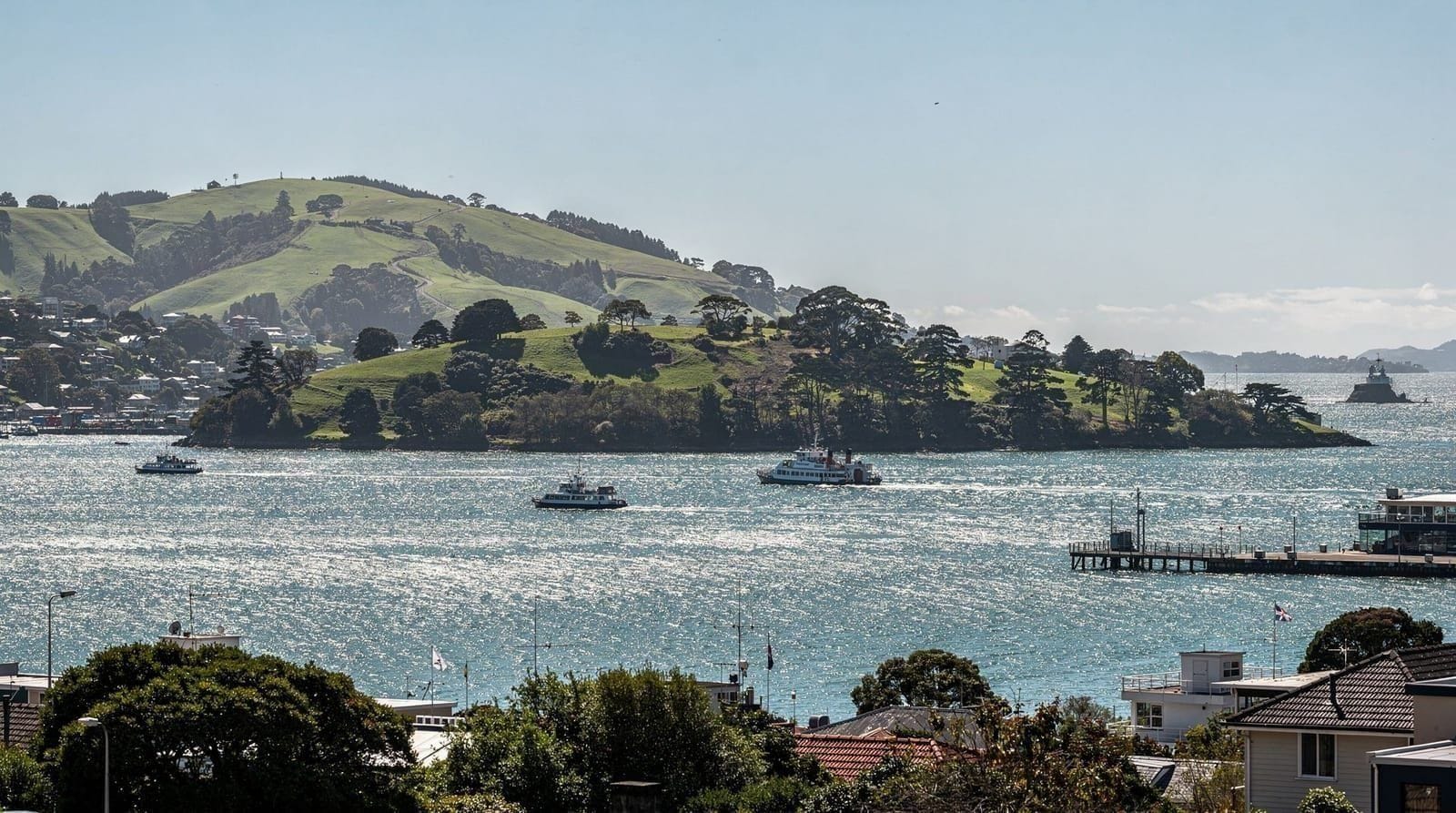
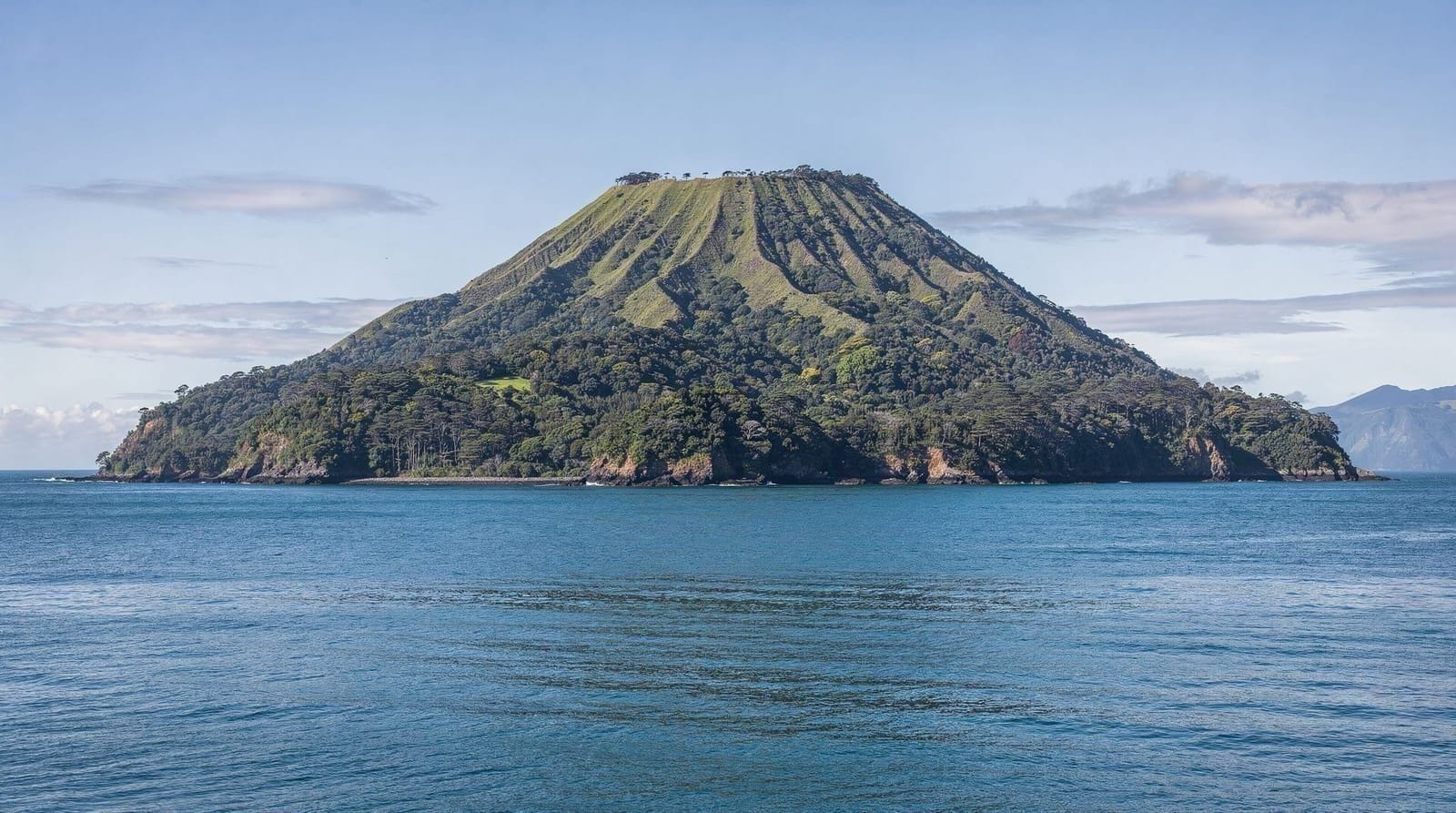
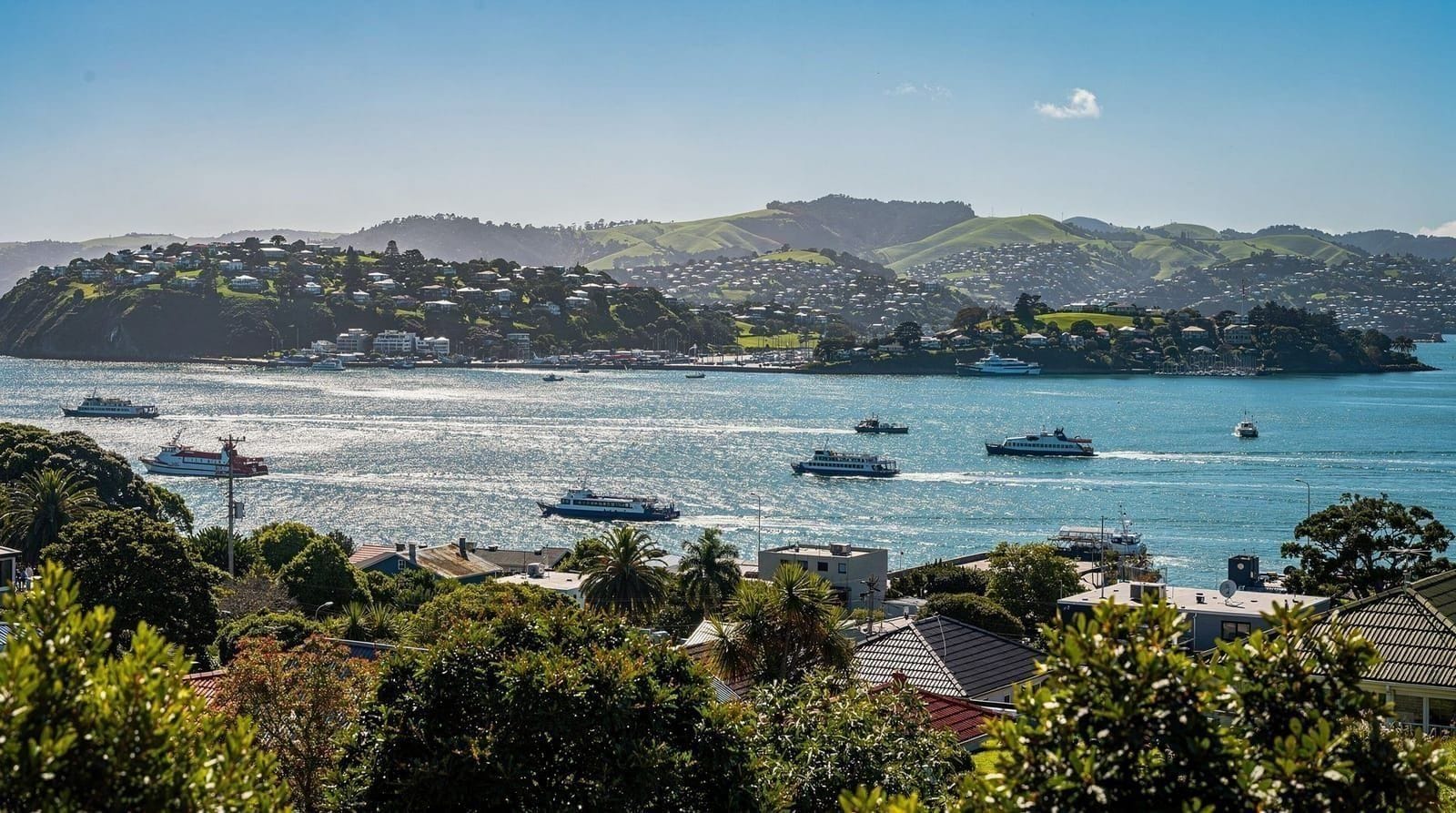
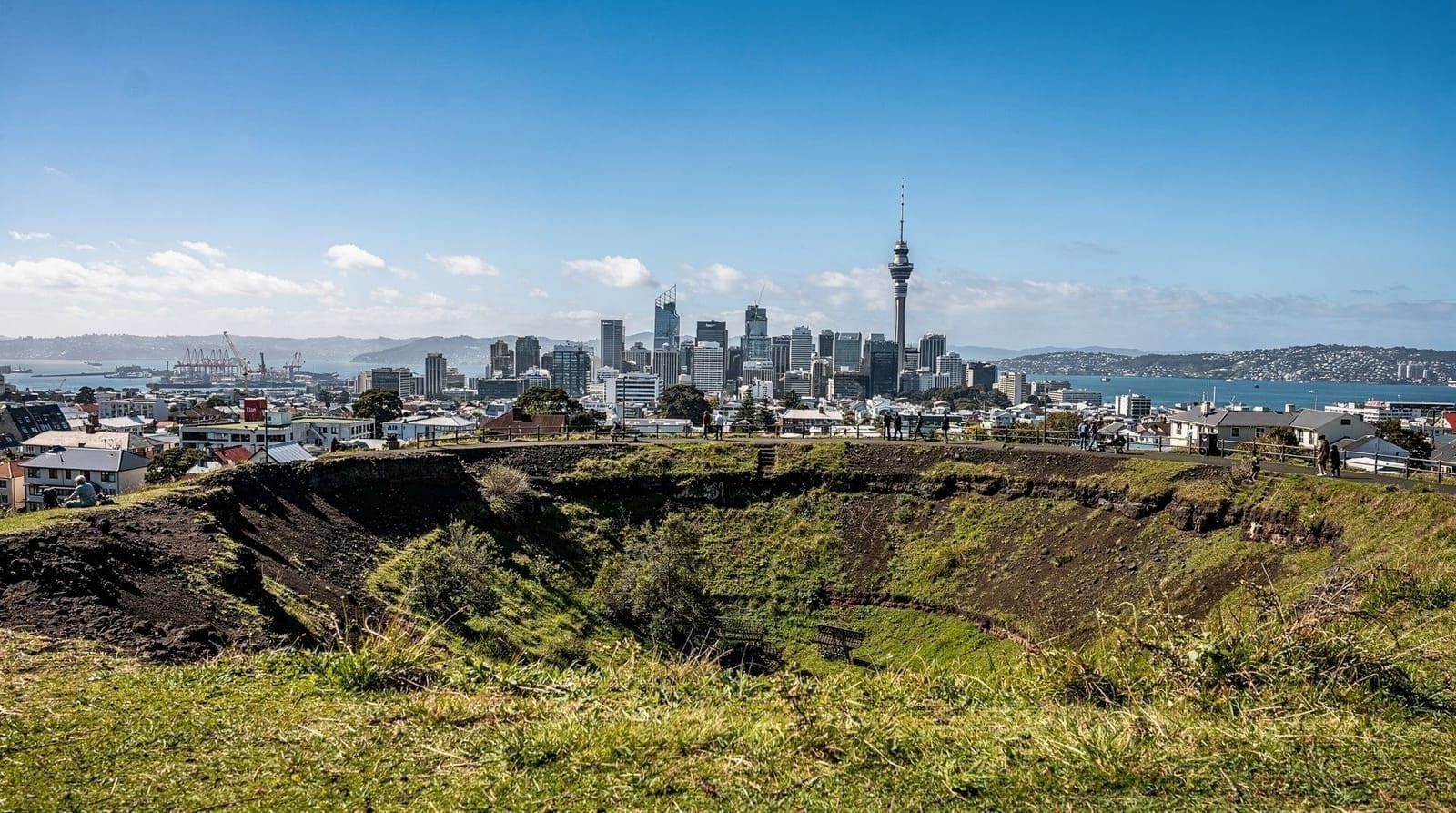
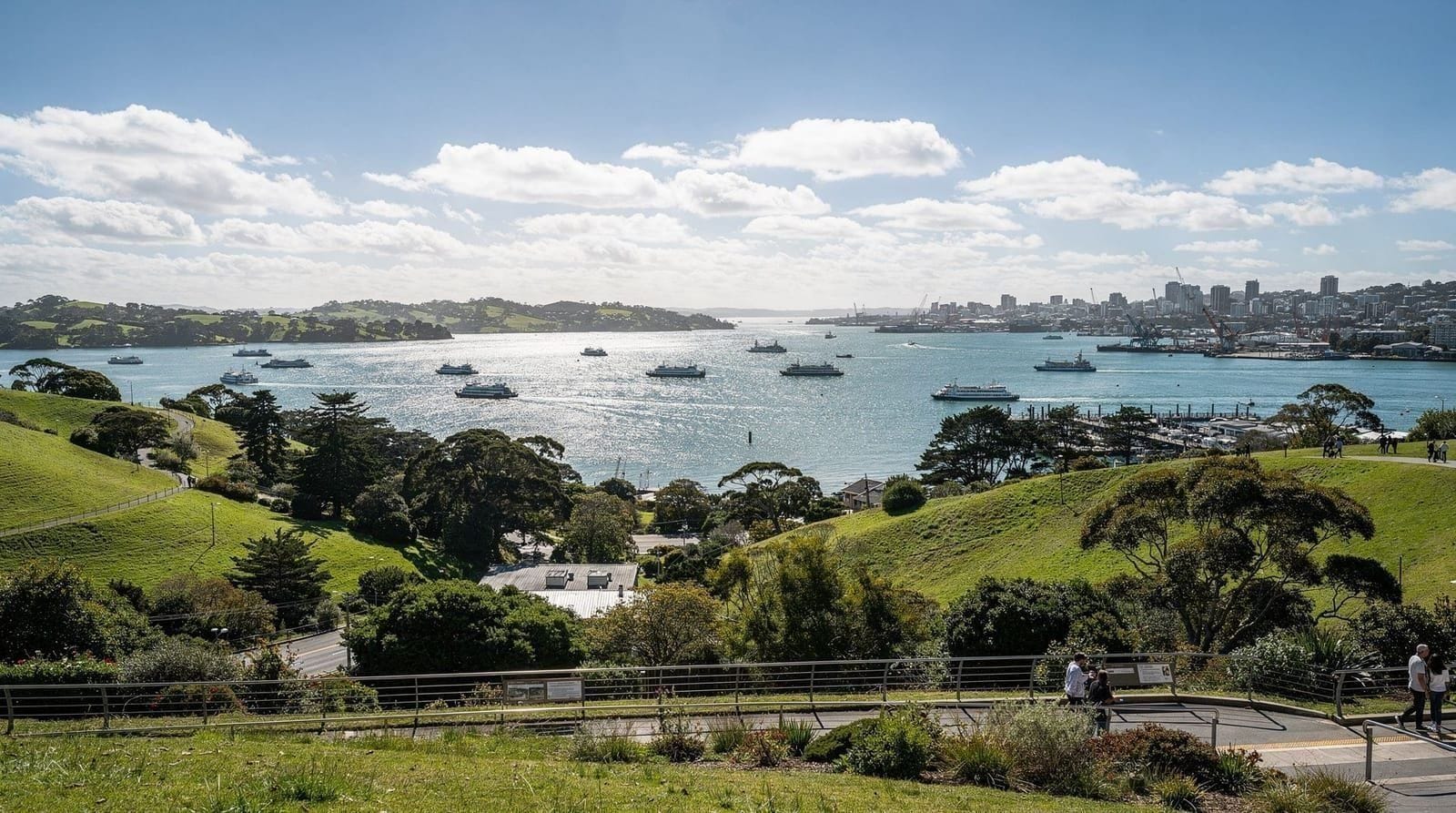
Auckland’s strength is the surrounding region. Within two to three hours you can reach Hobbiton, Waitomo’s glowworm caves, the wineries of Waiheke Island, black-sand west coast beaches, and (further out) the Bay of Islands. The city itself has the Sky Tower, a genuinely good waterfront, several volcanic cone walks with harbour views, and Auckland Museum. Our top 25 Auckland attractions guide and best day trips from Auckland guide cover the range.
Wellington’s strength is density and culture — Te Papa (New Zealand’s national museum, free entry, genuinely excellent), the Cable Car, a compact and walkable waterfront, and a food and coffee scene that punches well above its size. It’s also the gateway to the Cook Strait ferry crossing to the South Island, which matters if Wellington is a stepping stone rather than a destination in itself.
Cost of visiting
Both cities run on the same national pricing for the big-ticket items — accommodation, car rental, restaurant meals — with Auckland’s larger size giving it a wider range of budget options at both ends. Wellington’s compactness can actually save money day to day, since you’re less dependent on a car or taxis to get between attractions. Our is Auckland expensive guide and Auckland budget guide break down daily costs if you’re budgeting for the Auckland leg specifically.
Food and drink
Both cities take food seriously, but the character differs. Wellington has long claimed the country’s best café-per-capita ratio and a genuinely adventurous small-restaurant scene packed into a compact CBD you can walk end to end in twenty minutes. Auckland’s food scene is broader rather than denser — strong Pacific and Asian influences across a wider spread of neighbourhoods (Ponsonby, K Road, the CBD, Dominion Road’s Asian food strip), which rewards a bit of travel between areas rather than one concentrated walkable zone. Neither city is the “cheap” option; expect similar mid-range mains (NZD 28-40) and coffee prices (NZD 5-6.50) in both.
How much time each city actually needs
Wellington rewards a shorter, denser visit — two to three days covers Te Papa, the Cable Car, the waterfront and a proper café crawl without feeling rushed, since almost everything sits within walking distance. Auckland needs more time to do properly, precisely because its best experiences (Hobbiton, Waitomo, Waiheke, the west coast beaches) sit outside the city itself. Budget at least three days for the city alone, and five to seven if day trips are a priority. Our how many days in Auckland guide breaks this down by trip length and priority.
Nightlife and evening culture
Wellington has a well-earned reputation as New Zealand’s nightlife capital relative to its size — Cuba Street’s bars and live music venues sit within a few compact blocks, making a genuine bar crawl realistic on foot. Auckland’s nightlife is real but more dispersed: Ponsonby, K Road, Britomart and the Viaduct each have their own character, but you’ll typically need transport (or a longer walk) to move between them, which changes the rhythm of an evening out. Our Auckland neighbourhoods guide covers how each part of the city differs after dark, useful context if bar-hopping on foot matters to your trip.
Families and accessibility
For families, Auckland’s broader range of attractions — Kelly Tarlton’s aquarium, the zoo, wide beaches at Mission Bay and Takapuna, and the option of a relaxed Waiheke day without much walking — tends to suit a wider range of ages and energy levels. Wellington’s attractions are excellent but more concentrated around museums and walking-based activities, which can be a harder sell for younger kids over a multi-day stay. Neither city is a poor choice for families, but Auckland’s spread works in its favour if you have very young children who need variety and downtime built into each day.
Getting between the two
If your itinerary includes both, you have two realistic options: a roughly one-hour domestic flight (Air New Zealand and Jetstar both fly the route multiple times daily), or an eight-hour scenic drive down State Highway 1, which passes through Taupo, Tongariro and the central North Island’s volcanic plateau — genuinely worthwhile if you have the extra two or three days, but a long single push if you’re trying to save time. Most first-time visitors on a tighter schedule fly and save the driving time for shorter day trips around whichever city they’re based in.
If you can only pick one
For most first-time visitors with a single North Island city on the itinerary, Auckland makes more practical sense — it’s where international flights land, it has the widest range of day-trip options within a manageable drive, and it doesn’t require the Cook Strait crossing or a domestic flight to reach. Wellington rewards a longer, more deliberate visit, and works best as part of a longer loop that continues to the South Island rather than a rushed add-on.
If your trip has room for both, a common and sensible pattern is Auckland first (arrival, Hobbiton or Waitomo day trip, harbour activities), then a domestic flight or the scenic drive south to Wellington before continuing to the South Island. Our North Island vs South Island guide covers how that fits into a longer New Zealand trip.
Making the most of Auckland if it’s your base
If Auckland ends up as your primary stop, lean into what it does better than Wellington: the day-trip range. A Hobbiton day tour from Auckland or a Waitomo glowworm caves boat tour are both within a half-day’s reach and deliver the kind of standalone, photogenic experience Wellington simply can’t offer within the same radius. Pair either with a night or two in the city itself using our three-day Auckland itinerary, and you’ll come away with a clear sense of why so many New Zealand trips start here rather than in the capital.
Ultimately, this isn’t really an either/or rivalry — it’s two different kinds of New Zealand experience, city-plus-region versus compact-capital, and the right pick depends on whether your priority is variety of day trips or walkable urban culture. Most visitors who do both come away glad they didn’t have to choose.
Which city fits which kind of traveller
If you’re the type who wants a car and a list of day trips to work through, Auckland fits naturally — the appeal is what’s around it, not just the city centre. If you’d rather drop your bags and start walking, with a café and a museum within a few blocks whichever direction you head, Wellington is the more immediately satisfying choice, especially on a first day when jet lag makes “figure out transport” the last thing you want to do. Travellers doing a South Island loop afterward also tend to prefer starting in Auckland and finishing in Wellington, since the Cook Strait ferry crossing to the South Island naturally continues the journey south rather than requiring a backtrack.
A realistic combined itinerary if you’re doing both
For a two-week North Island-inclusive trip, a workable split is four to five days in and around Auckland (city plus Hobbiton or Waitomo), a scenic drive or flight south with a stop in Rotorua or Taupo if driving, then two to three days in Wellington before the ferry crossing. This avoids the common mistake of splitting time evenly between the two cities regardless of what each actually offers — Auckland genuinely needs the extra days for its day-trip range, while Wellington’s compactness means additional days deliver diminishing returns unless you’re specifically there for the food scene. Our first-timer four-day itinerary and North Island 7-day loop both build around this kind of Auckland-heavy, Wellington-light split.
Frequently asked questions about Auckland
Should I visit Auckland or Wellington first? Auckland first for most itineraries — it’s where international flights land, and starting there avoids an extra domestic flight or long drive before you’ve even begun exploring. Wellington then works as a natural stepping stone toward the South Island.
Is Wellington worth visiting if I only have one North Island city on my itinerary? It depends on your priorities. If day trips like Hobbiton or Waiheke matter more than a walkable capital-city experience, skip Wellington and spend the extra days in and around Auckland instead — see our is Auckland worth visiting guide for the honest case.