North Island vs South Island: an honest guide for limited time in New Zealand
A disclosure before the comparison
This site is built around Auckland and the North Island, so it would be easy to write a piece that quietly stacks the deck. We’re not going to do that. If you’ve got two weeks or more in New Zealand, doing both islands properly is genuinely the right call and most seasoned New Zealand travellers will tell you the same. This guide is for the more common, harder situation: you’ve got seven to ten days, maybe less, and you need to pick one island rather than rush both. Here’s a fair account of what each island actually offers, without a hard sell either way.
| Best for short trips | North Island — compact, wide variety, shorter drives |
| Best for scenery scale | South Island — Southern Alps, fiords, glaciers |
| Minimum time to do one justice | 7-10 days |
| Minimum time to do both properly | 2 weeks or more |
| Getting between them | Domestic flight, or Interislander/Bluebridge ferry across Cook Strait |
The honest headline difference
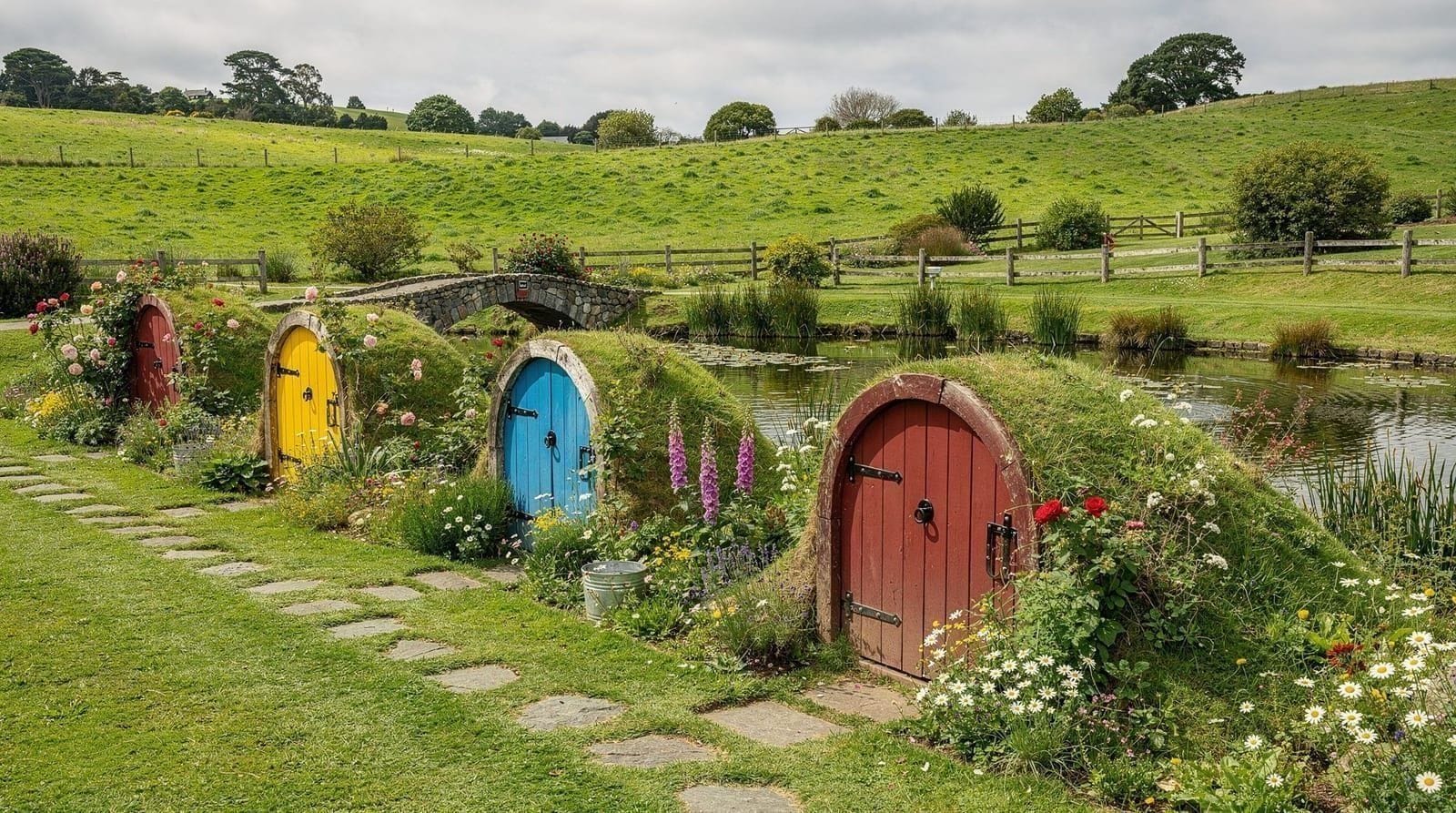
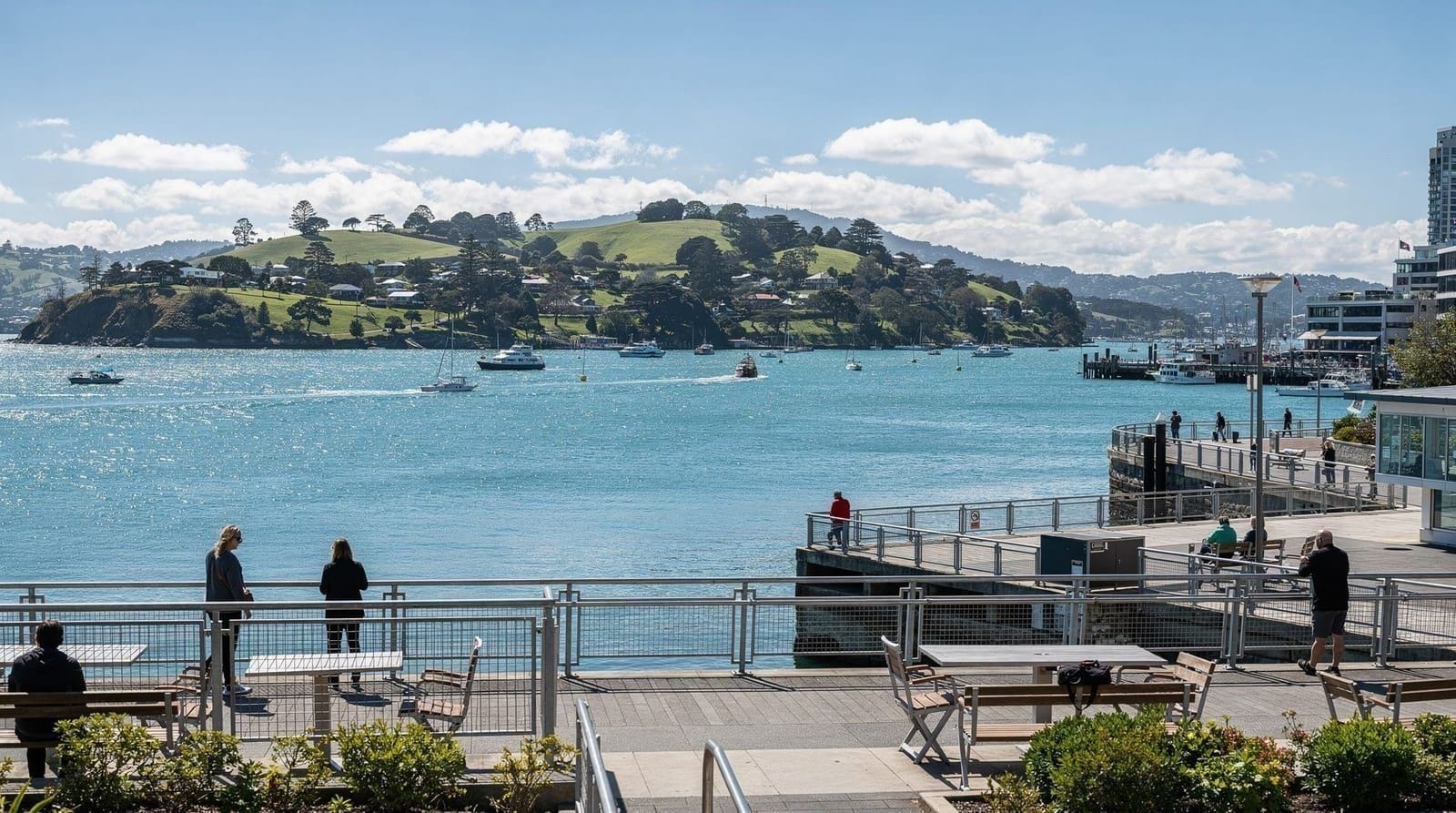
The North Island is where most of New Zealand’s people, culture and accessible day-trip attractions live — Auckland, Rotorua’s geothermal fields, the Bay of Islands, Hobbiton, Wellington.
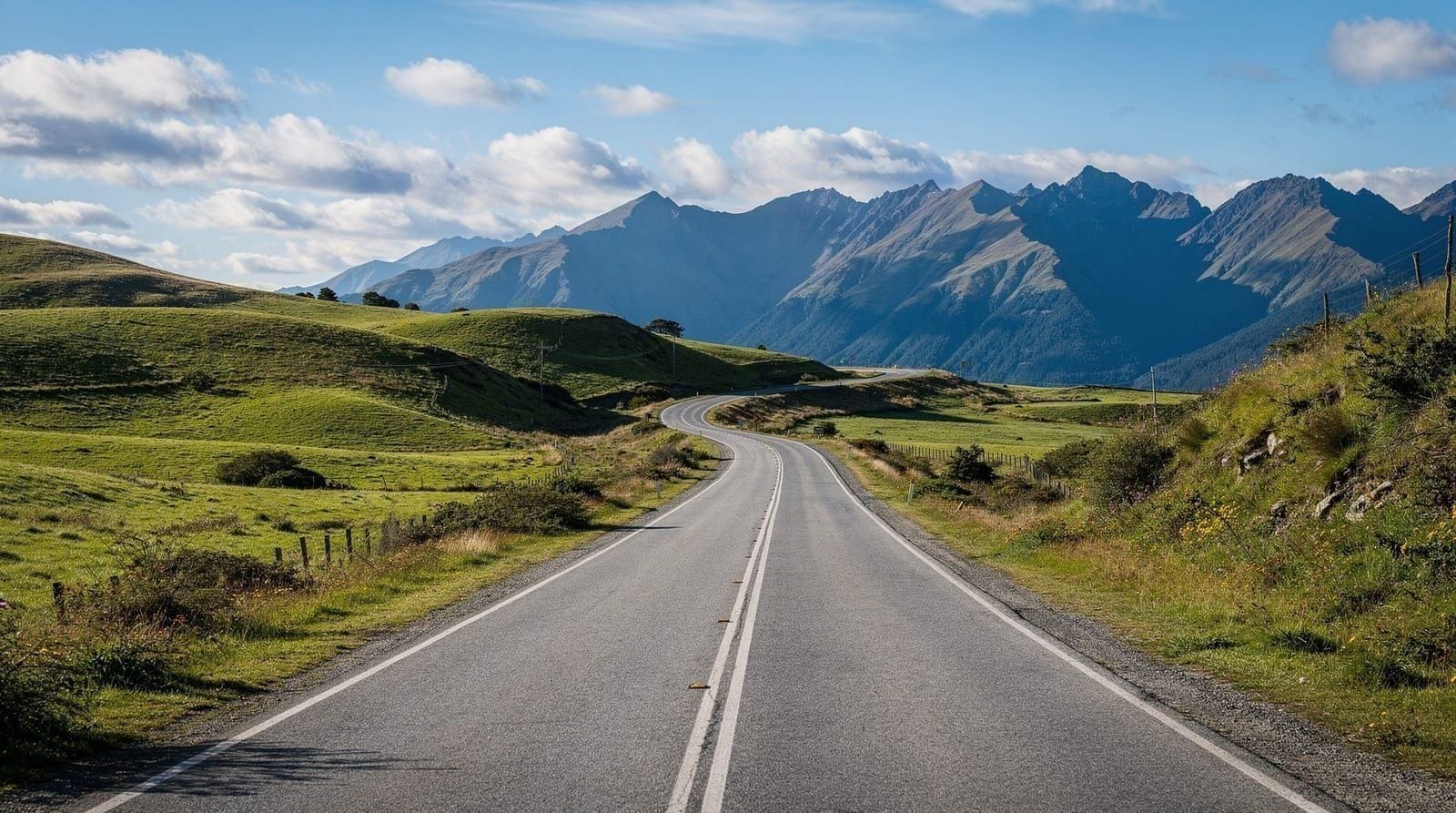
It’s more compact, drive times between highlights are shorter, and it packs a genuinely wide variety of experiences (city, geothermal, Māori cultural tourism, film-location tourism, coastline) into a manageable radius. The South Island is where New Zealand’s landscape reputation actually comes from — the Southern Alps, Milford Sound, Aoraki/Mount Cook, Queenstown’s adventure-sport concentration, Fiordland’s scale. It’s more dramatic, more remote-feeling, and it demands considerably more driving time between highlights, since distances are genuinely larger and roads wind through mountain terrain rather than flat coastal plains.
Scenery: different kinds of dramatic
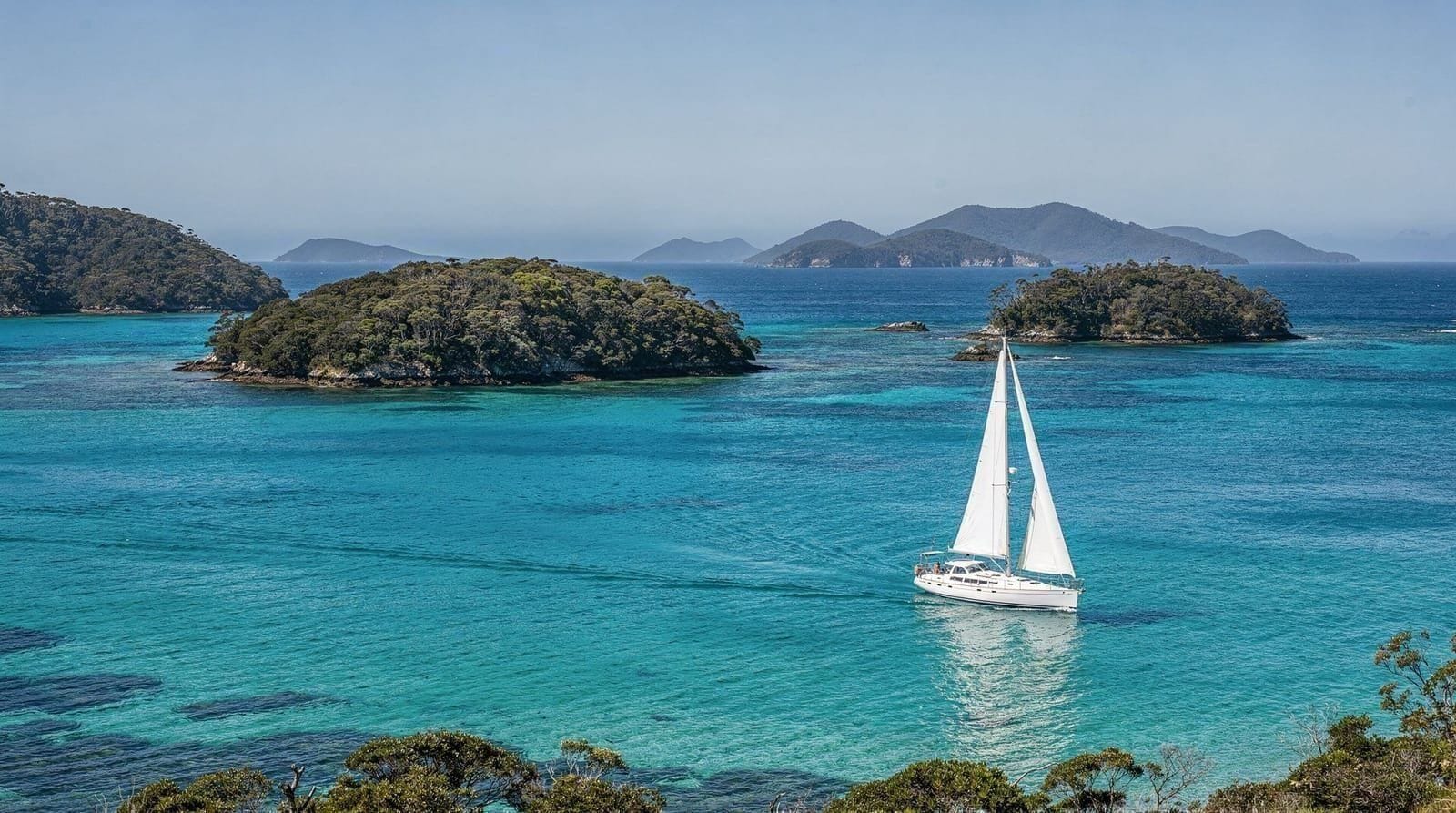
This is the comparison people most want an honest answer on, and the honest answer is that it’s not really the same category of scenery. The South Island’s Southern Alps, glaciers, and fiords are on a scale the North Island simply doesn’t have — Milford Sound’s sheer cliff faces dropping straight into black water, Aoraki/Mount Cook’s glaciated peaks, the wide braided rivers of Canterbury. If alpine and fiord scenery is specifically what you’re chasing, the South Island wins clearly and there’s no honest way to argue otherwise.
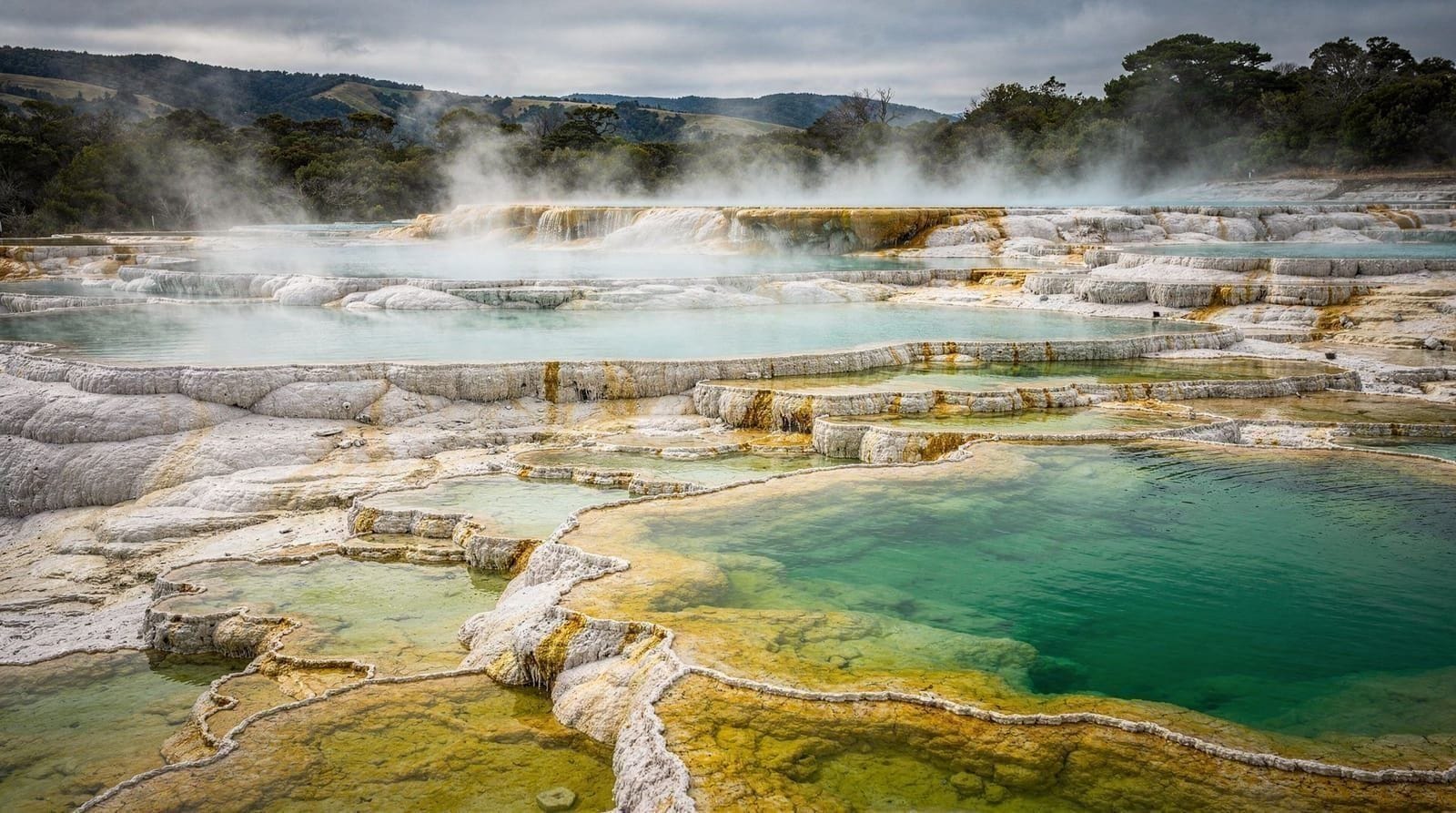
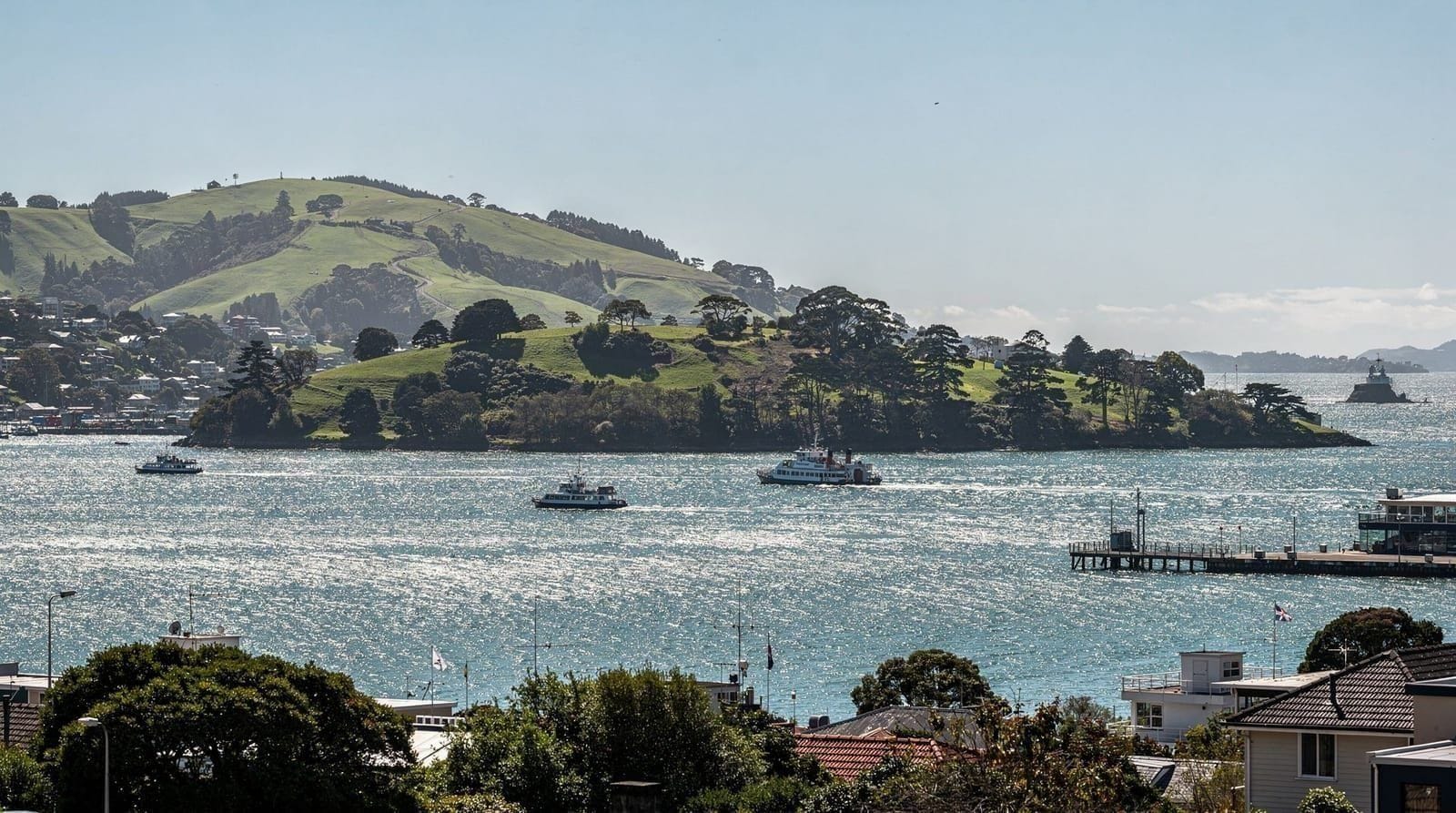
The North Island’s scenery is different rather than lesser: active geothermal fields around Rotorua and Taupo (bubbling mud, steaming vents, geysers — a genuinely unusual landscape you won’t find on the South Island), volcanic cones and craters across Auckland and the central plateau, dense native rainforest in the Waitakere Ranges, and a coastline that ranges from the sheltered, island-dotted Bay of Islands to the dramatic black-sand west coast at Piha and Muriwai. The Tongariro Alpine Crossing, often called the best one-day hike in New Zealand, is a genuine North Island alpine experience through volcanic terrain — a guided Tongariro Alpine Crossing trek covers the full day walk with transport and a guide, and it’s the closest the North Island gets to South Island-scale drama in a single day.
Logistics and drive times
This is where the North Island has a genuine, practical edge for travellers with limited time. Auckland to Rotorua is about three hours’ drive, Auckland to Hobbiton around two hours, Auckland to the Bay of Islands roughly three hours — all comfortably doable as day trips or short overnight legs from a single base. The South Island’s distances are considerably larger and the roads slower on average, winding through mountain passes rather than flat highway: Christchurch to Queenstown is around five to six hours’ drive, and a proper South Island loop (Christchurch, Mount Cook, Queenstown, Milford Sound, the West Coast glaciers) genuinely needs ten days to two weeks to do without feeling rushed. If your total New Zealand time is a week or less, the North Island’s tighter geography lets you see meaningfully more without spending half your trip driving.
Cost
Both islands run on broadly similar national pricing for accommodation, car rental and dining, but the South Island’s longer distances mean more petrol, more rental car days, and in some cases pricier accommodation in tourist-saturated hubs like Queenstown during peak season. The North Island’s shorter hops between highlights mean a shorter, cheaper rental period covers more ground. Flights are a factor too — most international arrivals land in Auckland, so starting your trip on the North Island avoids an extra domestic flight or the long Cook Strait ferry crossing that a South Island-only trip from an Auckland arrival would require.
Culture and Māori tourism
The North Island, and Rotorua specifically, is the country’s most developed hub for Māori cultural tourism — geothermal parks combined with cultural performances, marae visits and hāngī dinners are concentrated there in a way the South Island doesn’t match, reflecting the North Island’s larger and more geographically settled Māori population historically. If Māori culture and history are a priority for your trip, that’s a genuine point in the North Island’s favour, not a marketing exaggeration.
The two islands side by side
If you want the comparison stripped down to a glance rather than paragraphs, here’s how the two stack up on the factors that actually decide most people’s choice:
| North Island | South Island | |
|---|---|---|
| Scenery style | Geothermal fields, volcanic cones, coastline | Alps, glaciers, fiords |
| Drive times between highlights | 2-3 hours typical | 5-6+ hours typical |
| Minimum days to do justice | 5-7 | 10-14 |
| Māori cultural tourism | Strongest concentration (Rotorua) | Less developed |
| Adventure sports density | Moderate | Highest (Queenstown) |
| Arrival airport | Auckland (most international flights) | Usually via Auckland or Christchurch |
Getting between the islands
If your trip does end up covering both, you’ve got two realistic options: a roughly one-hour domestic flight (Auckland or Wellington to Christchurch or Queenstown), or the Interislander or Bluebridge ferry across Cook Strait from Wellington to Picton, a scenic three-to-three-and-a-half-hour crossing that many travellers enjoy in its own right, weather permitting. Flying is faster and more predictable; the ferry works well if you’re already road-tripping and want to bring a rental car across rather than picking up a second one on the other side. Either way, budget it as a genuine travel day, not something you can bolt onto the end of a full sightseeing day.
Adventure and outdoor activity
The South Island has the edge for big alpine adventure — Queenstown’s bungy jumping, skydiving and jet boating concentration, glacier hiking near Franz Josef and Fox, and genuinely serious multi-day tramping (hiking) tracks through the Southern Alps. The North Island has its own adventure scene, including its own bungy jumping and geothermal-adjacent activities, but it doesn’t match the South Island’s density and scale of adrenaline tourism. If adventure sport is your trip’s main driver, the South Island is the stronger pick.
Who should pick the North Island
Choose the North Island if your trip is a week or less, you’re flying into Auckland and don’t want the extra time cost of a domestic flight or ferry to the South Island, you’re interested in geothermal landscapes, Māori cultural tourism or film-location tourism (Hobbiton), or you simply want to see a genuinely wide variety of experiences without long drive days eating into your time. Our is Auckland worth visiting guide, complete Auckland city guide and best day trips from Auckland guide cover what a North Island-focused trip actually looks like day to day, and a seven-day North Island loop itinerary shows how Auckland, Rotorua and the Bay of Islands string together into a full week without feeling rushed.
Who should pick the South Island
Choose the South Island if dramatic alpine and fiord scenery is your primary reason for visiting New Zealand at all, you have at least ten days to properly cover the longer distances without a punishing driving schedule, or adventure sports (bungy, skydiving, glacier hiking, serious tramping) are central to what you want from the trip. If Milford Sound, Aoraki/Mount Cook or Queenstown’s adventure scene are the images that made you want to visit New Zealand in the first place, don’t talk yourself out of them for the sake of convenience — they’re genuinely worth the extra logistics.
Can you do both on a short trip
Not well, and this is the part we’d rather be honest about than paper over. A rushed four or five days split across both islands typically means one or two nights each in a small handful of places, several hours a day spent driving or flying between them, and very little actual time at any single spot. If you truly have to choose, choosing one island properly beats a diluted version of both. Seven to ten days is a reasonable minimum to do one island justice; two weeks or more starts to make a genuine two-island trip work without feeling like a highlight-reel sprint.
A practical middle ground
If you’re arriving in Auckland with roughly a week and want a taste of both without overcommitting, a common and sensible pattern is spending most of your time on the North Island (Auckland, Rotorua, possibly Hobbiton or the Bay of Islands) and treating a short Wellington or South Island add-on as a genuine bonus rather than the trip’s main structure. A flexible North Island hop-on hop-off pass lets you cover Auckland, Rotorua, Taupo and Wellington on your own schedule without a rental car, which suits travellers unsure how long they’ll want in each stop. Our Auckland vs Wellington guide covers the two-city North Island pairing in more depth if that’s the shape your trip is taking.
Budgeting for a North Island-focused trip
If the comparison above has you leaning North Island, it’s worth planning the budget and timing properly rather than assuming shorter drives automatically mean a cheaper trip. Our is Auckland expensive and Auckland budget guide cover realistic daily costs, and best time to visit Auckland helps time a shorter trip around good weather and thinner crowds rather than peak-season pricing.
If you’re on a visa-waiver passport, sort the NZeTA before you fly — it’s a small but easy-to-forget cost that catches out first-time visitors regardless of which island they’ve picked. And if geothermal landscapes are part of what’s pulling you toward the North Island, Rotorua is the single destination that delivers the most of that in the least driving time from Auckland.
The bottom line
Neither island is objectively “better” — they deliver genuinely different trips, and the right choice depends on what you’re actually there for and how much time you have. The North Island offers more variety per day of driving and suits shorter trips; the South Island offers more scale and drama per landscape but demands more time to do justice. If you’re still undecided, ask yourself one question: are you chasing big mountains and fiords, or a wider mix of culture, geothermal landscapes and coastline in a tighter geography? The honest answer to that question will usually tell you which island to pick.
Frequently asked questions about North Island vs South Island
Is the North Island or South Island better for a first trip to New Zealand?
Neither is objectively better — the North Island suits shorter trips (under ten days) and travellers wanting variety without long drives, while the South Island rewards travellers with more time who specifically want alpine and fiord scenery.
How many days do I need to see the South Island properly?
At least ten days to two weeks to cover Christchurch, Mount Cook, Queenstown, Milford Sound and the West Coast without excessive rushed driving between stops.
Can I see both islands in one week?
Not properly — a week split across both islands typically means very little time at any single destination once flights or the ferry crossing and driving are accounted for. One well-explored island beats a rushed two-island sprint.
Which island has better Māori cultural tourism?
The North Island, particularly Rotorua, has the most developed hub for Māori cultural tourism in the country, combining geothermal parks with cultural performances and marae visits.
Which island is better for adventure sports?
The South Island, especially Queenstown, has the greater concentration and scale of adventure tourism — bungy jumping, skydiving, jet boating and glacier hiking — though the North Island has its own smaller-scale adventure scene.