Waiheke Island wine tour: which one to book and what it costs
Auckland: Waiheke island wine tasting tour
Waiheke Island packs around 30 wineries into a compact, hilly island a 40-minute ferry ride from downtown Auckland. Here’s the practical baseline before choosing between small-group, premium, and lunch-inclusive tours.
| Where | Waiheke Island, 40-min ferry from downtown Auckland |
| Cost | Around NZD 150–230/person for a half-day tour |
| Time needed | 5–6 hours including ferry crossings |
| Getting there | Ferry included in nearly every tour price |
| Best time | Shoulder season (Mar–May, Sep–Nov) for good weather and thinner crowds |
What a Waiheke wine tour actually involves
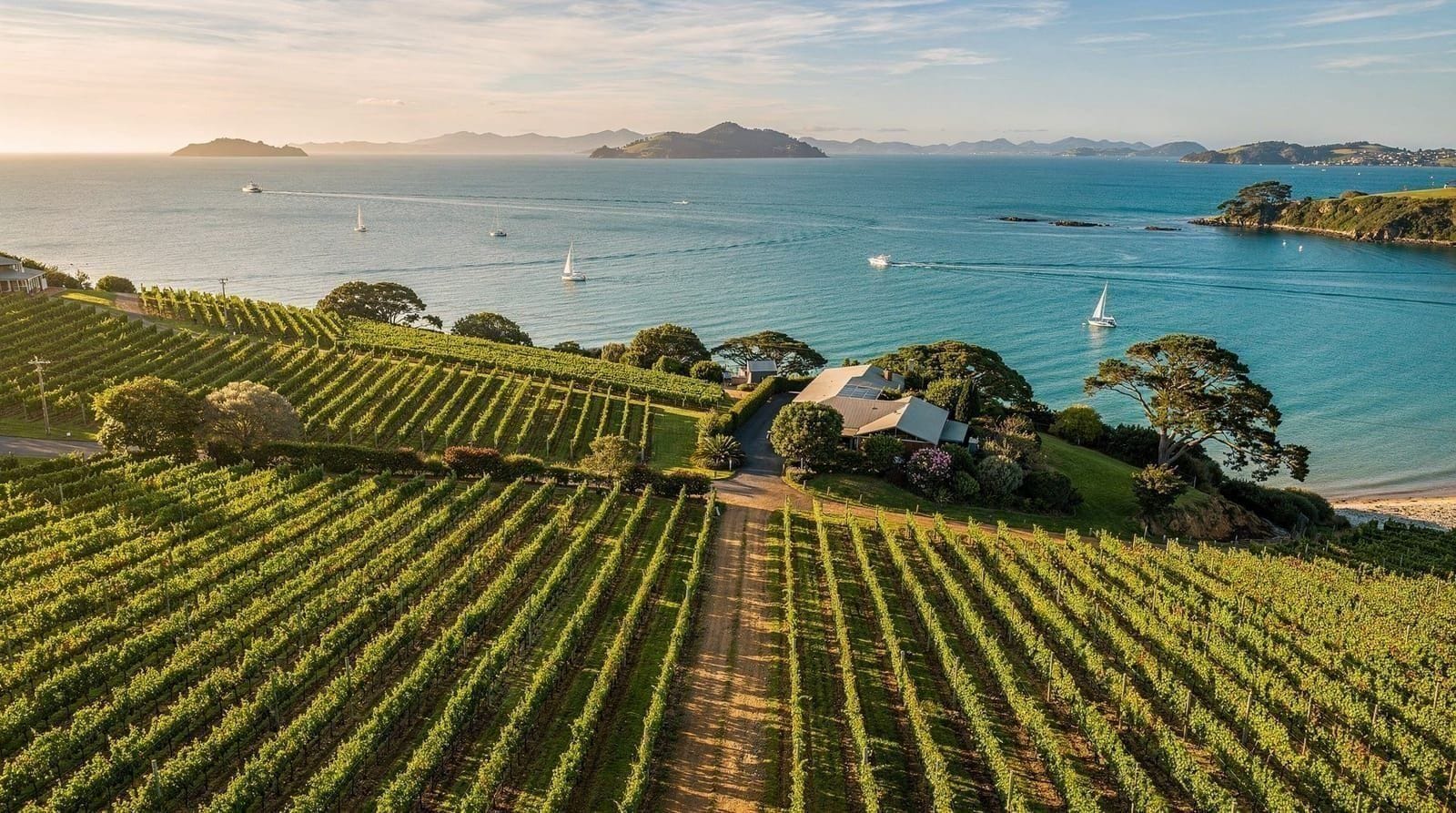
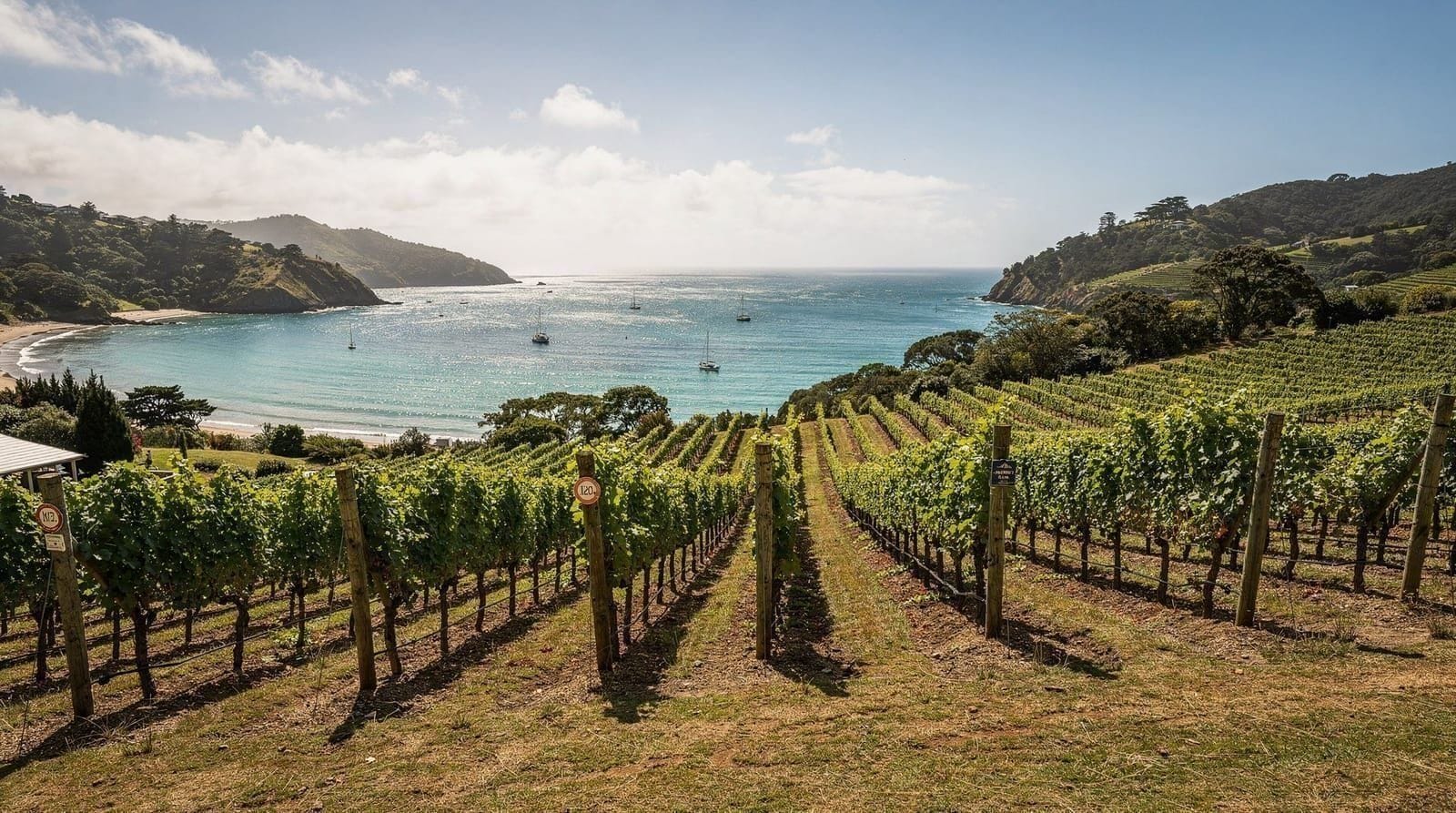
Waiheke Island sits in the Hauraki Gulf, a 40-minute fast ferry ride from downtown Auckland, and has built a reputation as one of New Zealand’s most distinctive wine regions despite its small size — around 30 wineries packed into a compact, hilly island with a maritime microclimate that suits Bordeaux-style reds and Syrah particularly well. A wine tour typically means a full package: return ferry tickets, ground transport around the island (usually a minivan or small coach), and stops at three or four vineyards for guided tastings.
The island’s wineries range from large, well-known producers with expansive tasting rooms and restaurant-quality food to small, family-run operations where you might be talking directly to the winemaker. Most tours mix scale, visiting at least one larger, more polished winery and one or two smaller boutique operations, to give a rounded sense of what the island produces.
What’s included and what it costs
The Waiheke Island wine tasting tour is a representative mid-range option: return ferry tickets, transport between vineyards, and guided tastings at three wineries, priced around NZD 150 to 190 per person for a five to six hour half-day experience. Most operators price similarly for a comparable structure.
If you want a smaller group and a more personal pace, the Waiheke Island scenic premium wine tour capped at 11 clients runs a notch higher, typically NZD 200 to 230, in exchange for a maximum group size that keeps things intimate. The Waiheke Island three vineyards winery tour is a straightforward, clearly structured option at a similar price point to the essence tour. If a full lunch matters more to you than an extra tasting stop, the Waiheke wine tastings and lunch scenic half-day tour builds in a proper sit-down meal rather than just tasting-room nibbles, usually for a small premium over the base tastings-only price.
Duration and getting there from Auckland
Every wine tour handles the ferry logistics for you: departure from Auckland’s Downtown Ferry Terminal, a 40-minute crossing to Matiatia Wharf, and a return crossing at the end of the day, with ground transport to and from the wharf on the island side included. Total time from Auckland departure to return is typically five to six hours for a half-day tour, making it a comfortable single-day activity that still leaves your evening free.
If you’d rather explore independently and skip the group-tour structure, the ferry runs frequently throughout the day and you can rent a car, e-bike, or arrange a private driver on the island — but you lose the guided tasting access and pre-arranged winery bookings that come with an organised tour, and popular wineries can turn away walk-ins during peak season.
Is it worth it — the honest verdict
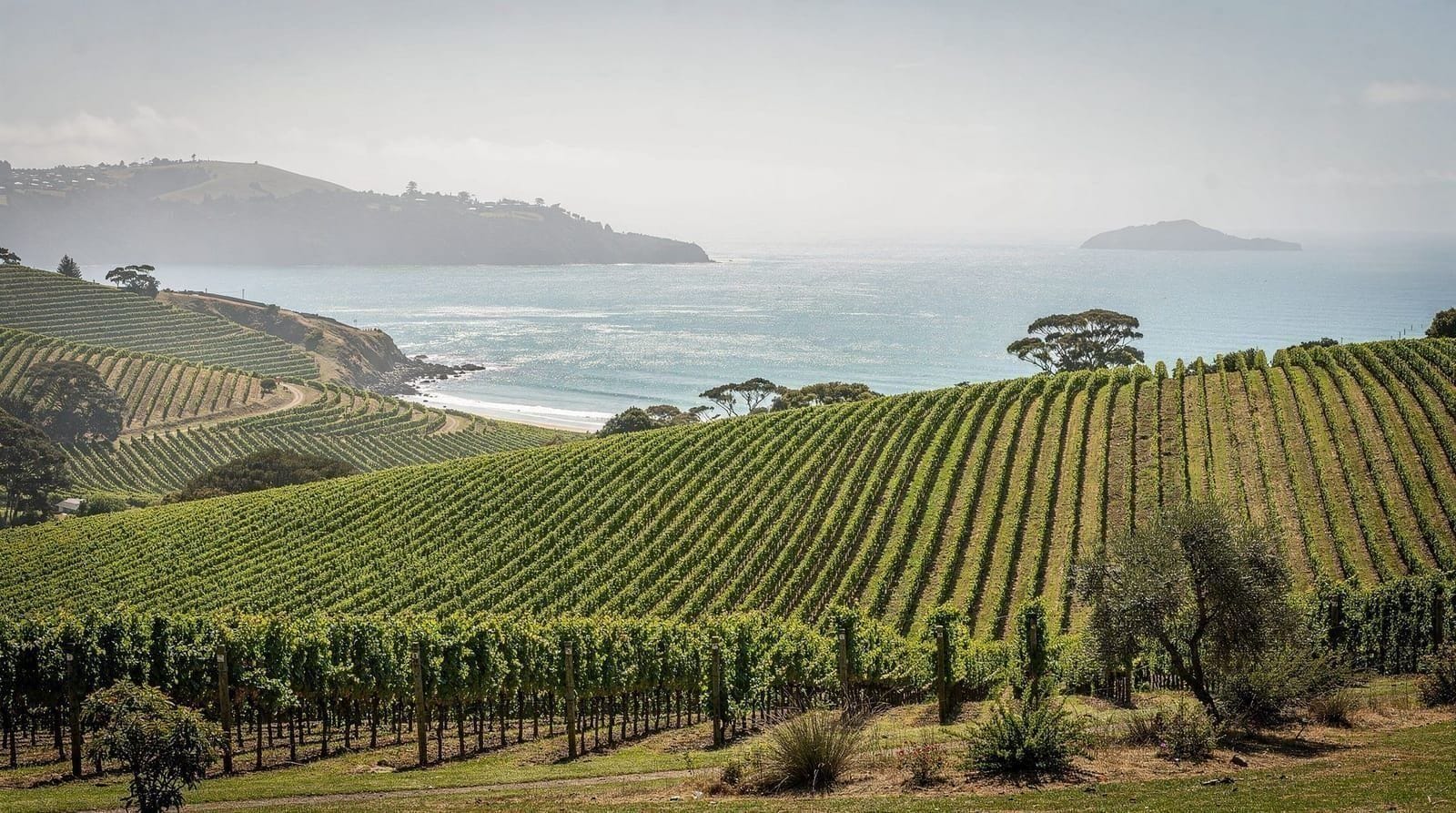
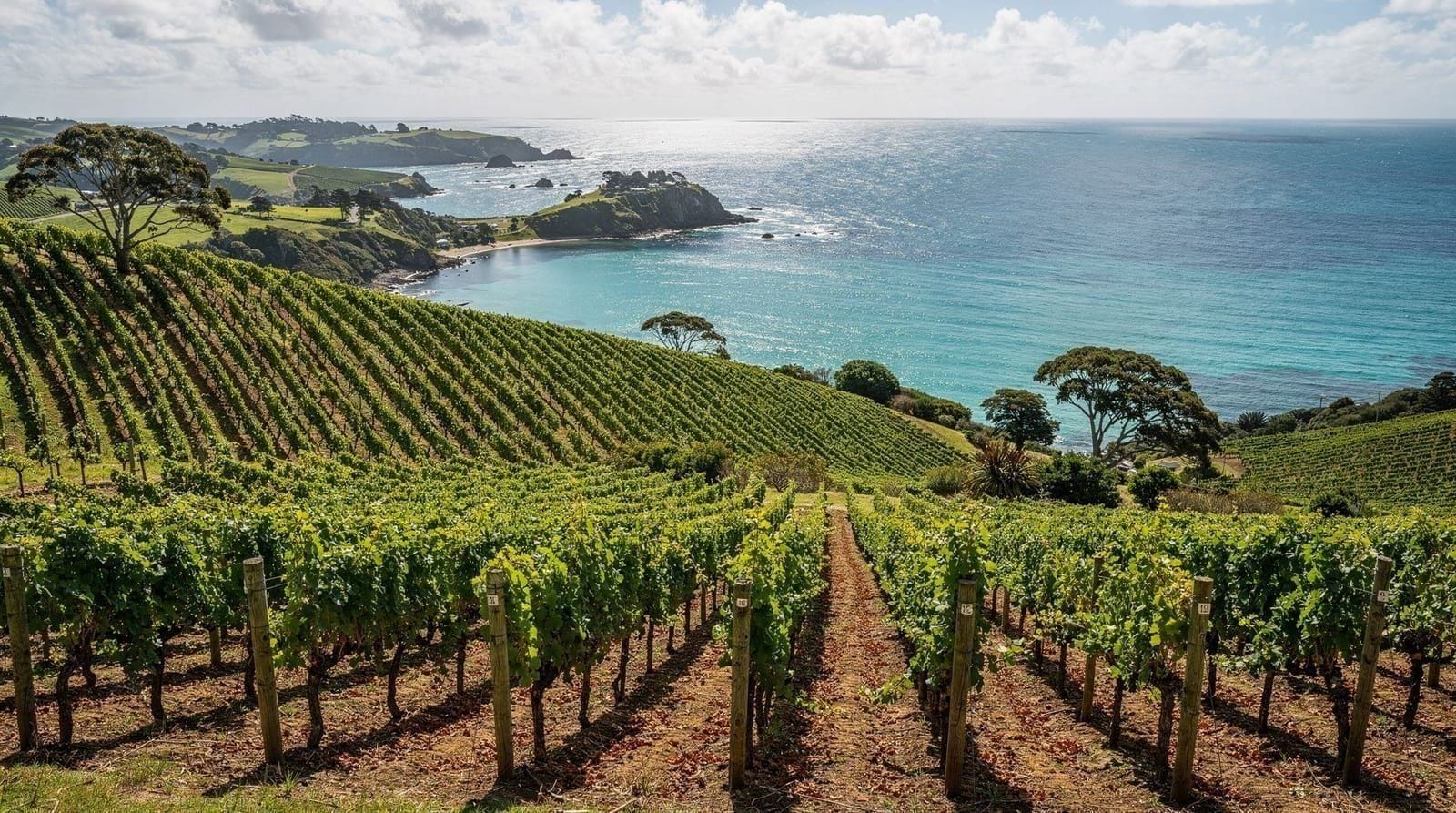
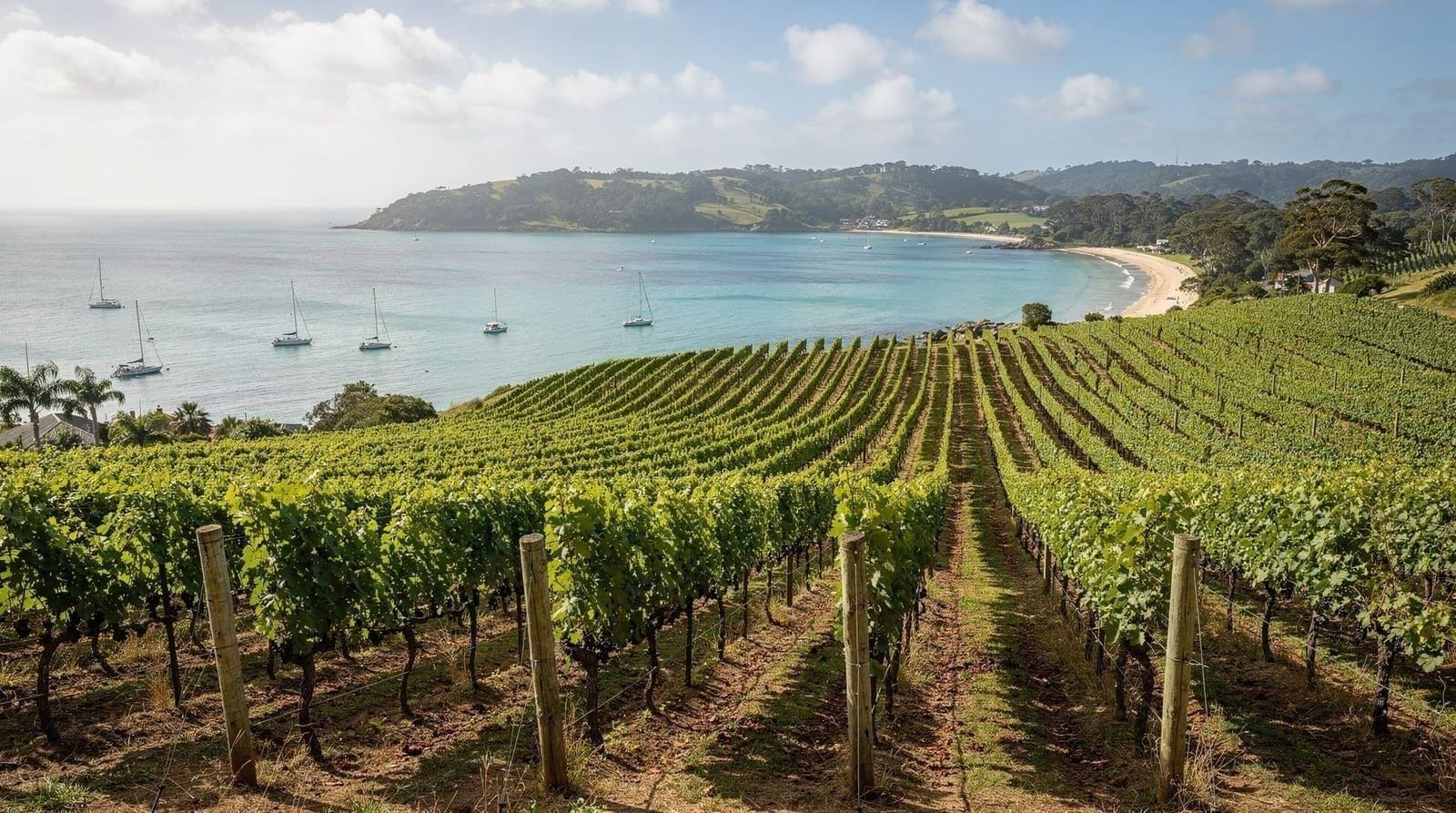
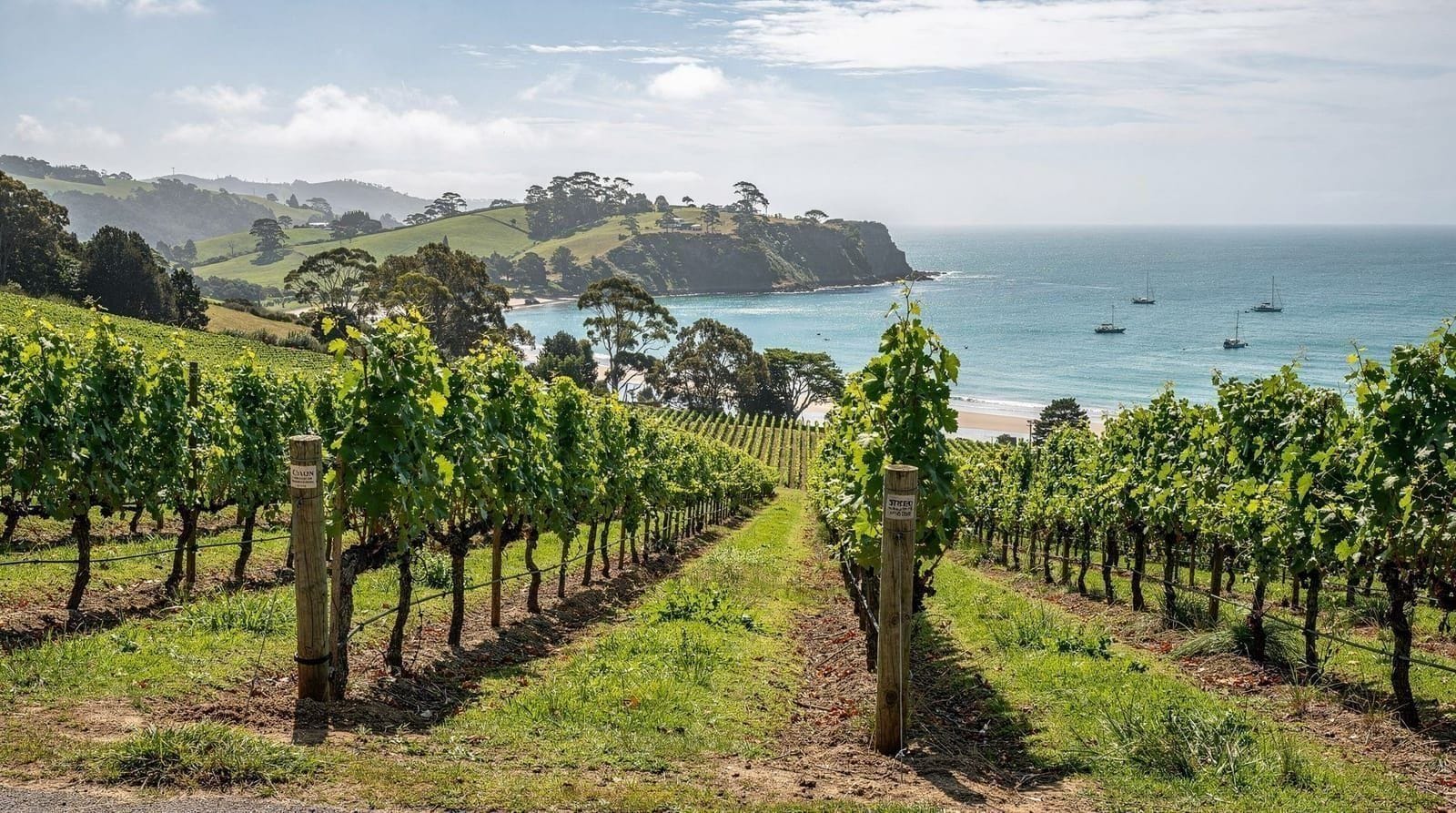
For most first-time visitors, yes, and it’s genuinely one of Auckland’s better half-day excursions. The wine quality is real — Waiheke reds in particular have an international reputation that holds up — and the setting, with vineyards rolling down toward the Hauraki Gulf, is scenic in a way that photographs and simply feels well beyond what you’d expect a 40-minute ferry ride from a major city. The organised-tour format also solves a genuine logistical problem: driving between wineries while tasting wine isn’t something you want to do yourself, and pre-booked tastings avoid the risk of turning up to a popular cellar door with no availability.
Where it’s worth being selective is in choosing between the many near-identical tour listings. The core structure — ferry, three vineyards, tastings — is broadly similar across operators, so the real differentiators are group size, whether lunch is included, and which specific wineries are visited. If a listing doesn’t name its wineries, ask before booking; the difference between visiting well-regarded estates versus lesser-known producers can meaningfully change the day.
Who this suits
Wine tours suit couples, small groups of friends, and anyone who enjoys a relaxed, guided day without needing to plan logistics themselves. They work less well for travellers with young children (most tastings assume an adult-only or adult-focused group, though the ferry crossing and island scenery are fine for families) and for serious wine enthusiasts who’d prefer a private, appointment-only visit to a single specific producer rather than a multi-stop group format.
Tips for visiting
Eat something substantial before you start — tastings add up across three or four stops even when pours are modest, and tours that don’t include lunch generally build in only a short food-pairing snack, not a full meal. Book ahead in summer (December to February) and around weekends year-round, when ferries and popular wineries fill up. If you get seasick on ferries, note that the 40-minute Waiheke crossing is generally calm within the sheltered Hauraki Gulf, but conditions can vary in stronger winds.
If you want to buy bottles to take home, ask your guide about shipping options — some wineries offer international shipping, which solves the practical problem of carrying wine through the rest of your trip.
Alternatives to consider
If you’d rather skip the guided-tour structure entirely, Waiheke’s hop-on hop-off bus network connects the ferry wharf to the main township and several wineries independently, giving you more control over pacing at the cost of pre-arranged tastings. For a more active day that still touches on the island’s food and wine scene, some operators combine a shorter wine stop with cycling or e-biking between vineyards. If Waiheke’s pace feels too slow-paced for your trip and you’d rather compare it against a faster island visit, see our ferry versus drive Waiheke comparison and our roundup of Waiheke wine tour options for a fuller breakdown of formats.
For a longer stay, our Waiheke wine weekend itinerary spreads the wineries, beaches, and a night or two of accommodation across two days rather than compressing everything into a single half-day tour.
Booking timing and what to check before you commit
Book at least a few days ahead in shoulder seasons and considerably further ahead — two to three weeks — for summer weekends (December-February), when both ferries and popular tours sell out. Before booking, check three things specifically: whether return ferry tickets are genuinely included (nearly all are, but confirm rather than assume), how many wineries the tour actually names (a listing that doesn’t specify which wineries you’ll visit is a mild red flag worth querying), and whether food beyond light snacks is included if a proper lunch matters to your day. These three checks separate a well-matched booking from a mismatch discovered only once you’re on the ferry.
What a typical day looks like, hour by hour
Most tours follow a similar rhythm: a morning ferry departure from downtown Auckland (commonly 9-10am), arrival at Matiatia Wharf around 40 minutes later, then transfer by minivan to the first winery for an opening tasting, typically the largest or most polished stop on the itinerary. A second, often smaller or more boutique winery follows, sometimes with a lunch stop included depending on the tour, before a third tasting closer to mid-afternoon. The group then heads back to Matiatia for a return ferry, typically arriving back in Auckland by mid-to-late afternoon, leaving your evening free for dinner elsewhere in the city.
How Waiheke wine tours compare to other Auckland day activities
Set against Auckland’s other half-day options — a harbour sailing trip, a Hauraki Gulf whale watching tour, or a Rangitoto hike — a Waiheke wine tour sits at a similar time commitment (five to six hours) but delivers a genuinely different pace: relaxed, seated, social, with the ferry crossing itself doubling as scenic transport rather than a separate sightseeing leg. It suits travellers who want a full, satisfying day without much physical exertion, in contrast to more active half-day options like a Rangitoto summit walk. If your trip already includes an active hiking day elsewhere, a wine tour day makes a natural, lower-effort counterpoint.
Combining a wine tour with other Waiheke activities
If you have more than a half-day on the island, or you’re staying overnight, several wineries sit close to Waiheke’s better beaches (Oneroa and Onetangi both within reasonable reach), meaning a wine-tour morning can pair naturally with a beach afternoon if your chosen tour finishes with enough daylight left. Some visitors specifically choose an earlier-departing tour for this reason, freeing up the back half of the day for independent beach time before the last ferry back to Auckland. Our Waiheke Island guide covers the beaches, art galleries and other non-wine activities worth knowing about if you want to build a fuller day around the tour itself.
Dietary requirements and non-drinkers
Tours generally accommodate dietary requirements for any included lunch with advance notice at booking — flag allergies or preferences when you book rather than on the day, since kitchens at winery restaurants need lead time to adjust. Non-drinkers are also well catered for; wineries typically offer non-alcoholic options (juice, sparkling water) alongside the tasting flights, and guides don’t expect every participant to drink through each tasting, so the day works fine for a mixed group of wine enthusiasts and non-drinkers travelling together.
Weather and the best time of year to go
Waiheke’s wine tours run year-round, and the tastings themselves are indoor or covered, so rain doesn’t cancel a booked tour. That said, the outdoor vineyard scenery — rolling hills toward the Hauraki Gulf — is at its most photogenic on a clear day, making shoulder seasons (March-May, September-November) a strong pick for combining good weather with thinner crowds than the December-February peak. Winter (June-August) tours run just as smoothly operationally and come with the lowest prices and quietest wineries of the year, worth considering if you specifically want a more relaxed, less crowded tasting experience over ideal photo conditions. Our best time to visit Auckland guide covers the broader seasonal trade-offs that apply here too.
Getting to the ferry terminal and what to bring
Auckland’s Downtown Ferry Terminal sits a short walk from most central Auckland accommodation, near Britomart, so getting to your tour’s departure point is generally straightforward without needing a taxi or rideshare unless you’re staying further out. Bring a light jacket regardless of season, since it’s noticeably breezier on the open ferry deck than on land, along with sun protection given New Zealand’s high UV levels even on overcast days. Comfortable, flat shoes are worth choosing over anything more formal, since some vineyard walking on gravel or grass paths is typical.
Checking current prices before booking
Wine tour pricing shifts periodically with seasonal demand and individual operator changes, so treat the ranges in this guide as a realistic 2026 planning benchmark and confirm current pricing directly on the booking page before finalising your day, particularly if comparing several near-identical listings on cost alone.
Comparing your options
| Option | Best for | Approx. cost |
|---|---|---|
| Essence of Waiheke wine tour | Mid-range baseline, 3 wineries | NZD 150–190 |
| Premium tour (max 11) | Smaller group, more personal pace | NZD 200–230 |
| Three vineyards winery tour | Straightforward, clearly structured | Similar to essence tour |
| Wine tastings + lunch half-day | A proper sit-down meal over an extra tasting | Small premium |
Compare the main wine tour formats — standard, premium small-group, and lunch-inclusive — below to decide which suits your day.
Compare alternative tours
Frequently asked questions about Waiheke Island wine tour: which one to book and what it costs
How much does a Waiheke wine tour cost from Auckland?
Budget roughly NZD 150 to 230 per person for a half-day wine tour including ferry tickets and tastings at three or four vineyards. Small-group and premium options capped at around 11 travellers run toward the higher end, while larger coach-style tours sit closer to NZD 150. Add NZD 20 to 40 if you want a tour that includes a proper sit-down lunch rather than just tastings.Do I need to book the Waiheke ferry separately?
No — nearly every wine tour sold on GetYourGuide includes return ferry tickets from downtown Auckland to Waiheke in the price. You don't need to arrange the Fullers360 ferry yourself unless you're visiting the island independently without a tour.How long does the ferry to Waiheke take?
The fast ferry from Auckland's Downtown Ferry Terminal to Matiatia Wharf on Waiheke takes about 40 minutes each way. Most wine tours build the full return journey — roughly an hour and a half each way including transfer time from the wharf to the vineyards — into a half-day itinerary of five to six hours total.How many vineyards do you visit on a typical tour?
Most half-day tours visit three vineyards, with tastings of four to six wines at each. Some premium or full-day versions add a fourth stop or extend tasting time. If you want depth over breadth, look for tours explicitly built around fewer stops with longer tastings rather than a rushed three-in-a-row format.Is Waiheke wine touring good for people who don't know much about wine?
Yes — most tours are built for a general audience rather than wine specialists, with guides who explain grape varieties, the island's distinctive gravelly soil and maritime microclimate, and food pairing basics in accessible terms. You don't need prior wine knowledge to enjoy it.What's the difference between a small-group and a large coach wine tour?
Small-group tours, capped around 11 to 15 people, typically use minivans, allow more flexibility in pacing, and give you more direct interaction with winery staff. Larger coach tours carry more people, cost somewhat less, and move on a fixed, less flexible schedule. If budget is tight, the coach option is perfectly good; if you want a more personal experience, pay the premium for small-group.