Waiheke vs Coromandel: which North Island day trip should you pick
| Waiheke | 40-min ferry, around NZD 50-60 return, half-day friendly |
| Coromandel | 2.5-3hr drive, around NZD 220-280 guided, full-day commitment |
| No car needed | Waiheke only |
| Best weather bet | Waiheke survives rain; save clear days for Coromandel |
| Can you do both | Yes, on separate days, if your stay is 4+ days |
Two day trips that solve different problems
Ask ten Auckland visitors which day trip they regret not doing, and Waiheke and Coromandel both come up constantly — but they’re not interchangeable. One is a 40-minute ferry ride into vineyards and beaches you can do on a whim after breakfast. The other is a half-day each way drive to some of the most photographed coastline in New Zealand. Picking the wrong one for your trip’s shape (time available, whether you have a car, what you actually want out of the day) is a common regret. Here’s how they actually compare.
Waiheke Island: distance, cost, what it’s good for
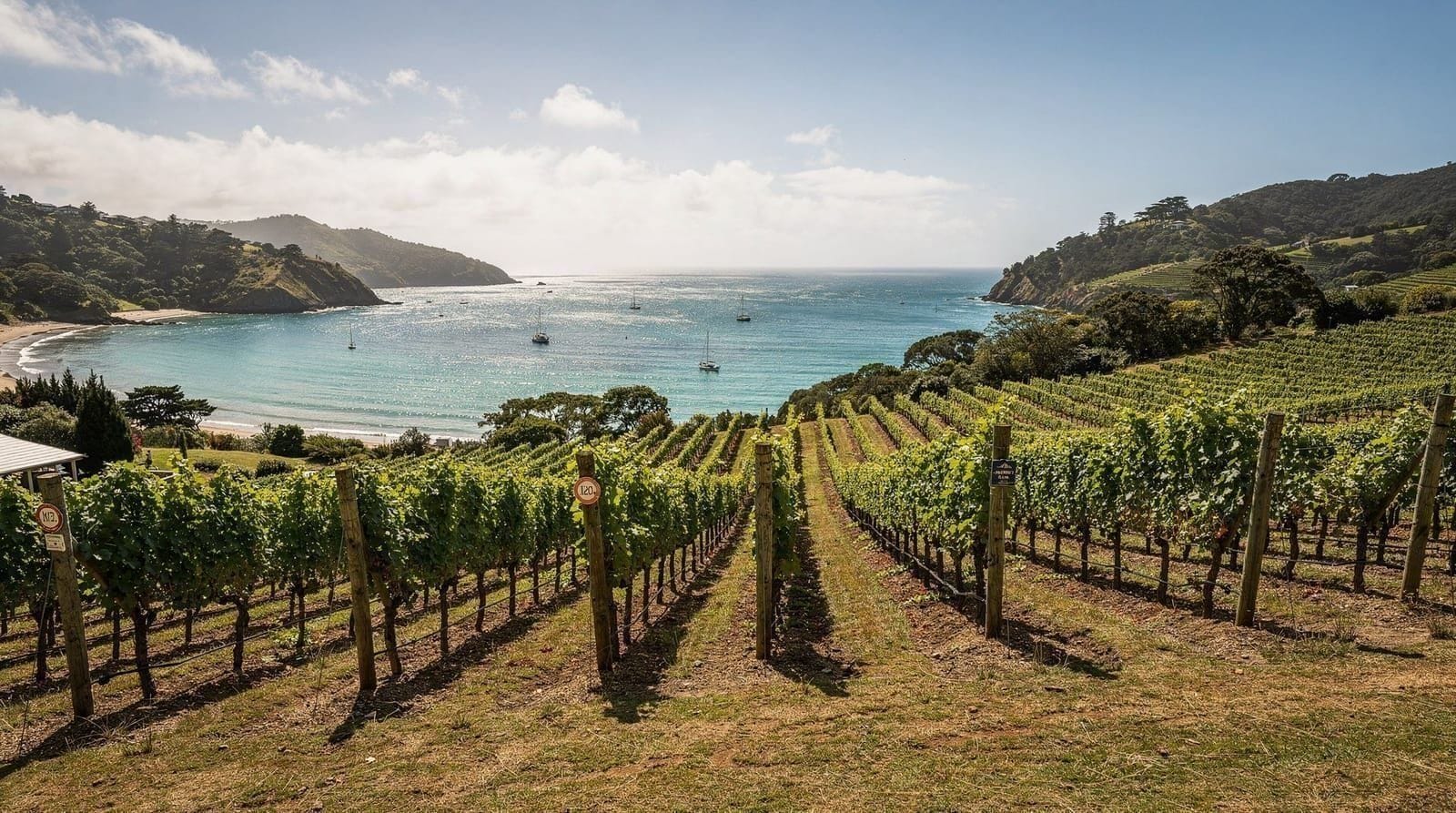
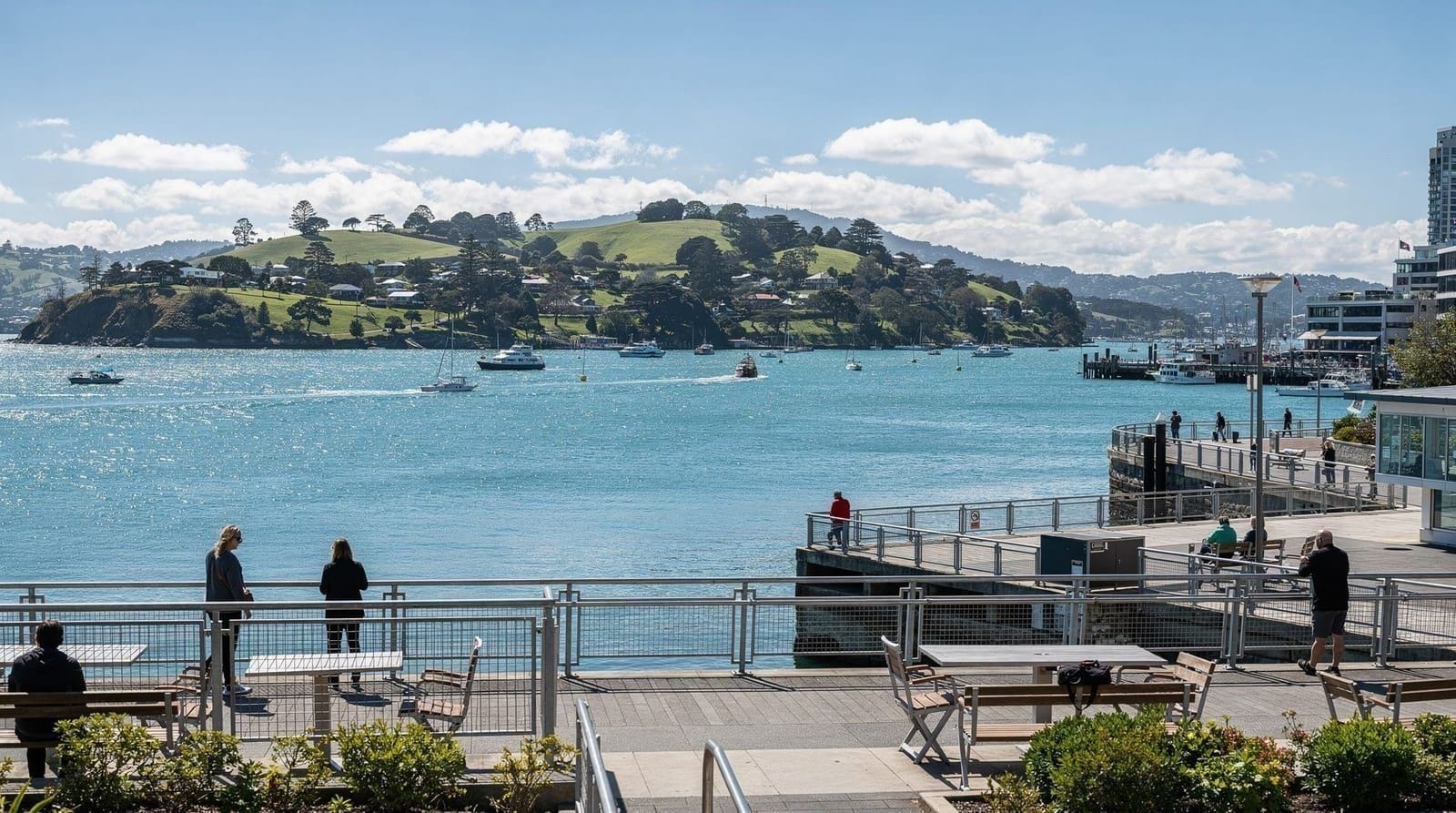
Waiheke Island sits in the Hauraki Gulf, a 40-minute passenger ferry from downtown Auckland’s Waitematā waterfront, with sailings roughly every half hour to hour depending on season. Return ferry tickets run about NZD 50-60 per adult with the main operators, and once you’re on the island you’ll want a rental car, e-bike, or a hop-on hop-off shuttle to get between wineries and beaches — Waiheke is bigger than it looks on a map, and its roads are hilly and winding.
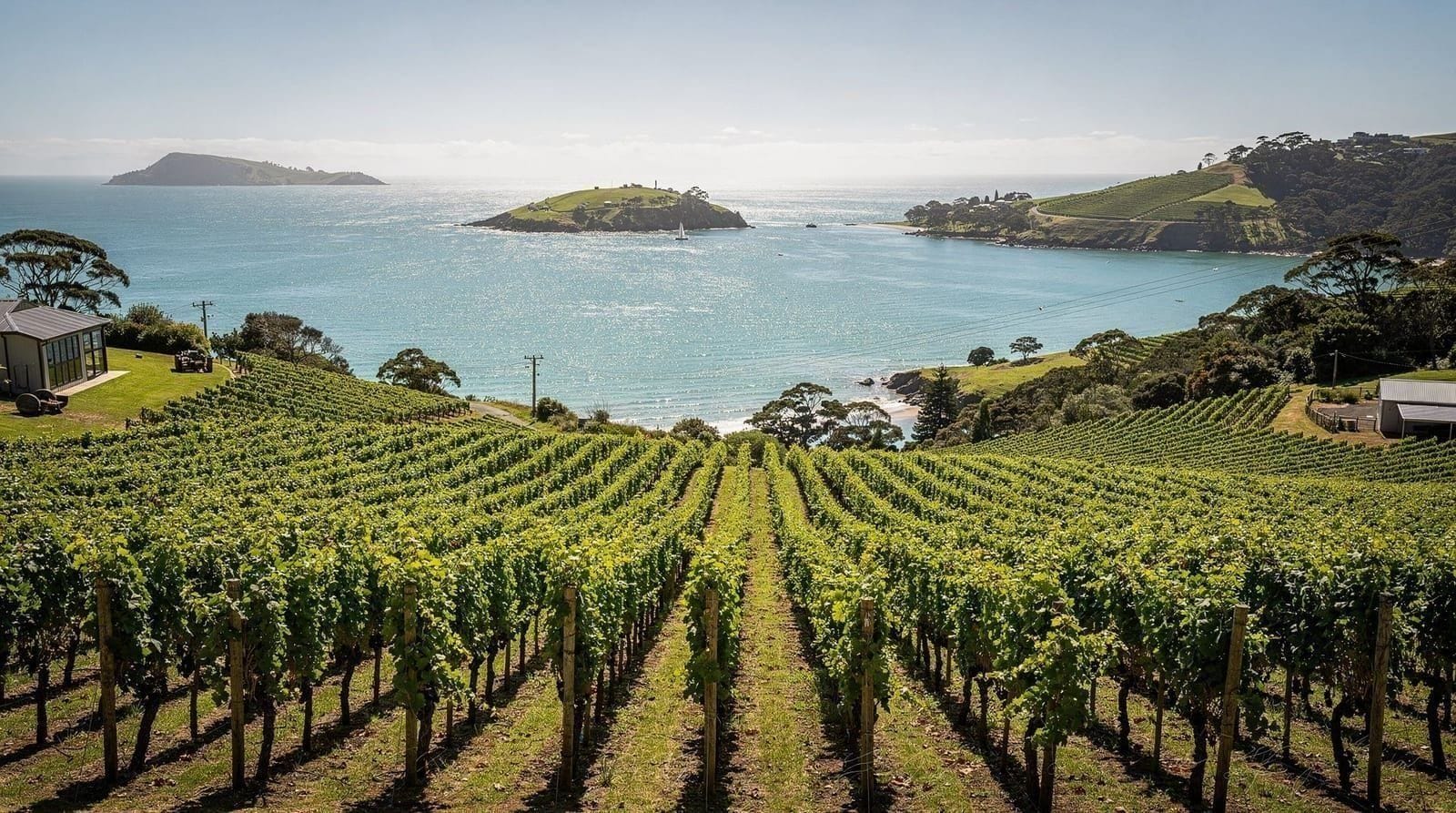
What Waiheke is good for: vineyard lunches with harbour views, a relaxed wine-tasting circuit (Mudbrick, Cable Bay, Man O’War and Batch Winery are the well-known names), a genuinely good beach or two (Onetangi and Oneroa), small art galleries, and a low-effort, high-reward half-day or full-day out that doesn’t require a rental car if you book a guided tour. It’s the destination that rewards showing up without much of a plan. Our Waiheke day trip guide and Waiheke wine tours guide cover the logistics in detail, and a guided Waiheke wine tour takes the vineyard-hopping and transport planning off your hands entirely.
Coromandel and Cathedral Cove: distance, cost, what it’s good for
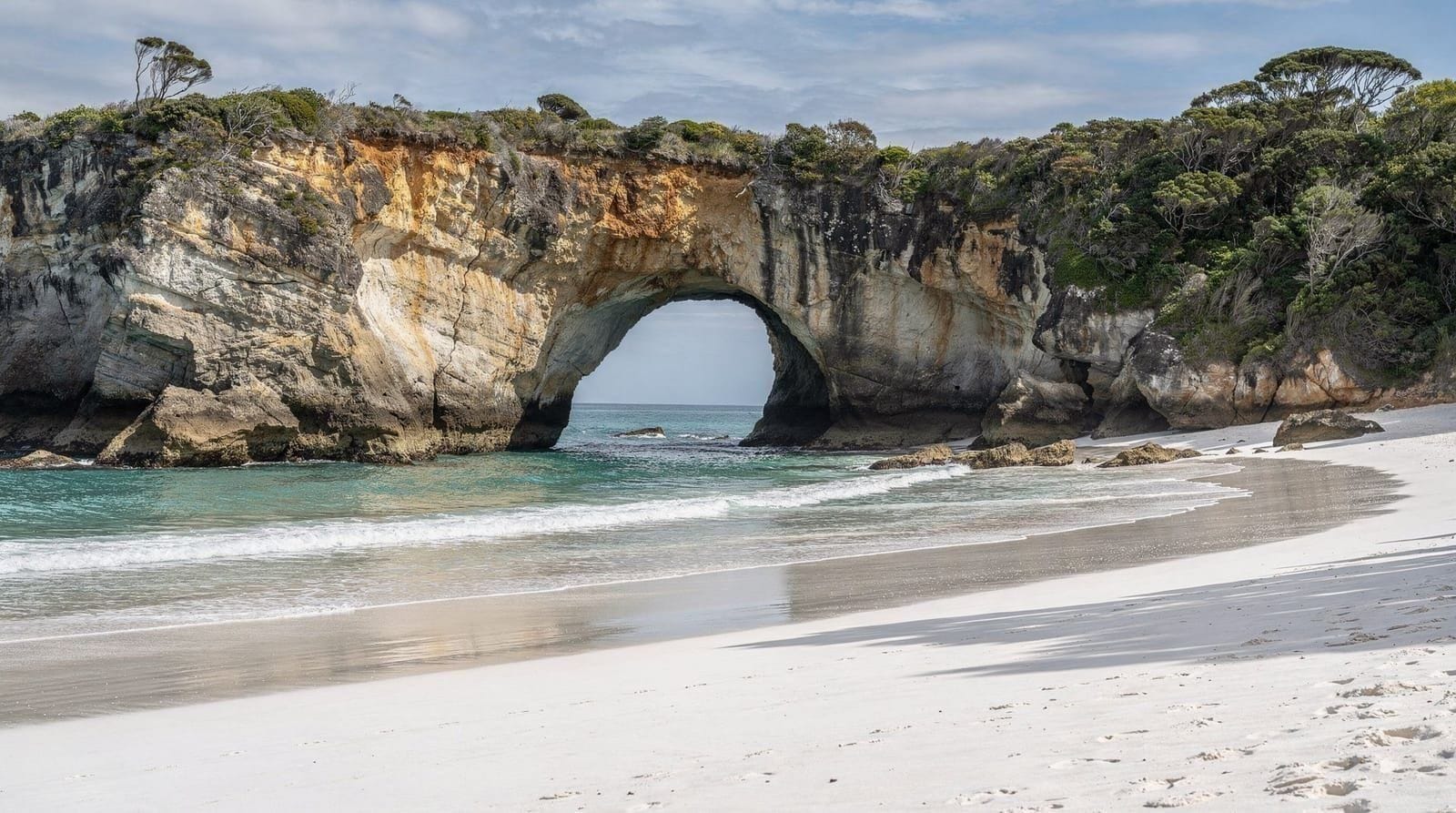
Coromandel Peninsula is a different scale of trip. Cathedral Cove, its best-known attraction, sits near Hahei on the peninsula’s eastern side, roughly 2.5 to 3 hours’ drive from central Auckland depending on traffic and which route you take through the Hunua or Kopu-Hikuai roads. There’s no train or ferry shortcut — you’re either self-driving or booking a coach tour, and either way it’s a genuine day commitment, not a spontaneous half-day add-on.
What you get for that drive is dramatic, wilder coastline: the natural stone archway at Cathedral Cove itself (reached by a roughly 45-minute walk from the Hahei car park, or a shorter walk from the water taxi), the nearby geothermal novelty of Hot Water Beach (dig your own spa pool in the sand at low tide), and a genuinely more remote, less manicured feel than anything within Auckland’s immediate orbit.
It suits travellers who want scenery over convenience, and who are comfortable with several hours in a car or on a coach each way. Our Coromandel day trip guide and Coromandel beaches guide go deeper on logistics, and the Cathedral Cove and Coromandel scenic day tour handles the driving if you’d rather not do six-plus hours behind the wheel in one day.
Cost comparison at a glance
Waiheke is the cheaper day out if you’re doing it independently — ferry tickets plus a shared taxi or e-bike hire can keep the day under NZD 150 per person before food and wine tastings, which add up quickly if you’re doing a full tasting flight at each stop. Guided wine tours bundling transport, tastings and lunch typically run NZD 200-260. Coromandel and Cathedral Cove, done independently with a rental car, mainly costs fuel (expect NZD 60-80 in petrol for the round trip) and time, but a guided coach day tour covering the driving runs closer to NZD 220-280 given the distance involved. Neither is dramatically cheaper than the other once you add transport, food and any tastings or extras — the real differentiator is time and effort, not price.
| Waiheke | Coromandel | |
|---|---|---|
| Independent, no car | ~NZD 50-150/person | Not realistic without a tour |
| Guided tour | ~NZD 200-260 | ~NZD 220-280 |
| Self-drive fuel only | N/A (no car needed) | ~NZD 60-80 round trip |
| Time commitment | Half day | Full day (10-12hrs door to door) |
Who should pick Waiheke
Choose Waiheke if you have limited time (it comfortably fits into a half day, and works even if you only have one free afternoon), you don’t have a rental car and don’t want to book a long coach tour, you’re more interested in wine and relaxed coastal towns than dramatic hiking scenery, or you’re travelling with people who’d rather not spend five-plus hours in transit. It’s also the safer pick if the weather forecast is uncertain — a rained-out wine lunch is a minor inconvenience; a rained-out Cathedral Cove walk after a three-hour drive is a genuinely wasted day.
Who should pick Coromandel
Choose Coromandel and Cathedral Cove if you have a full day free (realistically 10-12 hours door to door), you either have a rental car or are happy booking a guided coach tour, and you specifically want the kind of coastal scenery that shows up on New Zealand postcards — the stone arch, the turquoise water, the pōhutukawa-lined cliffs. It also suits travellers who’ve already done Waiheke on a previous trip or who prioritise landscape photography over wine and food. Note that Cathedral Cove itself is genuinely crowded at midday in peak season (December-February); our avoiding crowds on the North Island guide covers timing it around low tide and arriving before 9am.
Weather and seasonal timing
Both trips are weather-dependent, but in different ways. Waiheke’s wineries and cafes work in light rain — you can shift a tasting indoors, and the ferry itself is a covered, all-weather crossing — so a Waiheke day survives an imperfect forecast better than most other Auckland day trips. Coromandel and Cathedral Cove are considerably more weather-sensitive: the walk to Cathedral Cove is exposed coastal track, Hot Water Beach only works at low tide regardless of weather, and a wet, grey day genuinely dulls the turquoise-water payoff that makes the drive worthwhile in the first place.
If your Auckland stay only has one clear-forecast day, that’s the day to send to Coromandel; save Waiheke for whatever day looks less certain. Shoulder season (March-May, September-November) suits both trips well, with thinner crowds and milder temperatures than the December-February peak, though Coromandel’s coastal walking is genuinely more pleasant without summer’s midday heat.
Getting there without a rental car
Waiheke requires no car at all if you don’t want one — the passenger ferry lands in Matiatia, and from there hop-on hop-off shuttles, e-bike hire and taxis cover the island’s main sights, wineries and beaches. It’s one of the few Auckland day trips genuinely built for car-free travel. Coromandel is the opposite: without a rental car, your only realistic option is a guided coach tour, since there’s no train, ferry or reliable bus service connecting Auckland to Hahei or Cathedral Cove. That single logistics difference is often the deciding factor for visitors without their own transport, more so than price or scenery preference.
This also affects group size and flexibility in a way worth spelling out. A couple or solo traveller without a car can genuinely improvise a Waiheke day on short notice, checking the weather that morning and buying a ferry ticket at the wharf. Coromandel, by contrast, generally needs booking a day or two ahead if you’re going the guided-tour route, since coach day tours run on a schedule rather than on demand — spontaneity is one more point in Waiheke’s favour for anyone travelling without their own transport.
Can you realistically do both in one trip
Yes, but not on the same day, and not without planning. Waiheke fits easily as a half-day slotted into any multi-day Auckland stay — even a single free afternoon works. Coromandel needs a full day of its own, ideally with an early start (7-7.30am departure if self-driving) to leave enough daylight for the walk to Cathedral Cove and, if you want it, Hot Water Beach afterwards. If your Auckland stay runs four days or longer, both are genuinely doable: Waiheke on a lighter day, Coromandel as the one big excursion. Our best day trips from Auckland guide has the full list if you’re weighing these two against Hobbiton, Waitomo or Rotorua as well, and a Waiheke wine weekend itinerary is worth considering if you’d rather turn the island into an overnight rather than a rushed day trip.
If neither quite fits: nearby alternatives
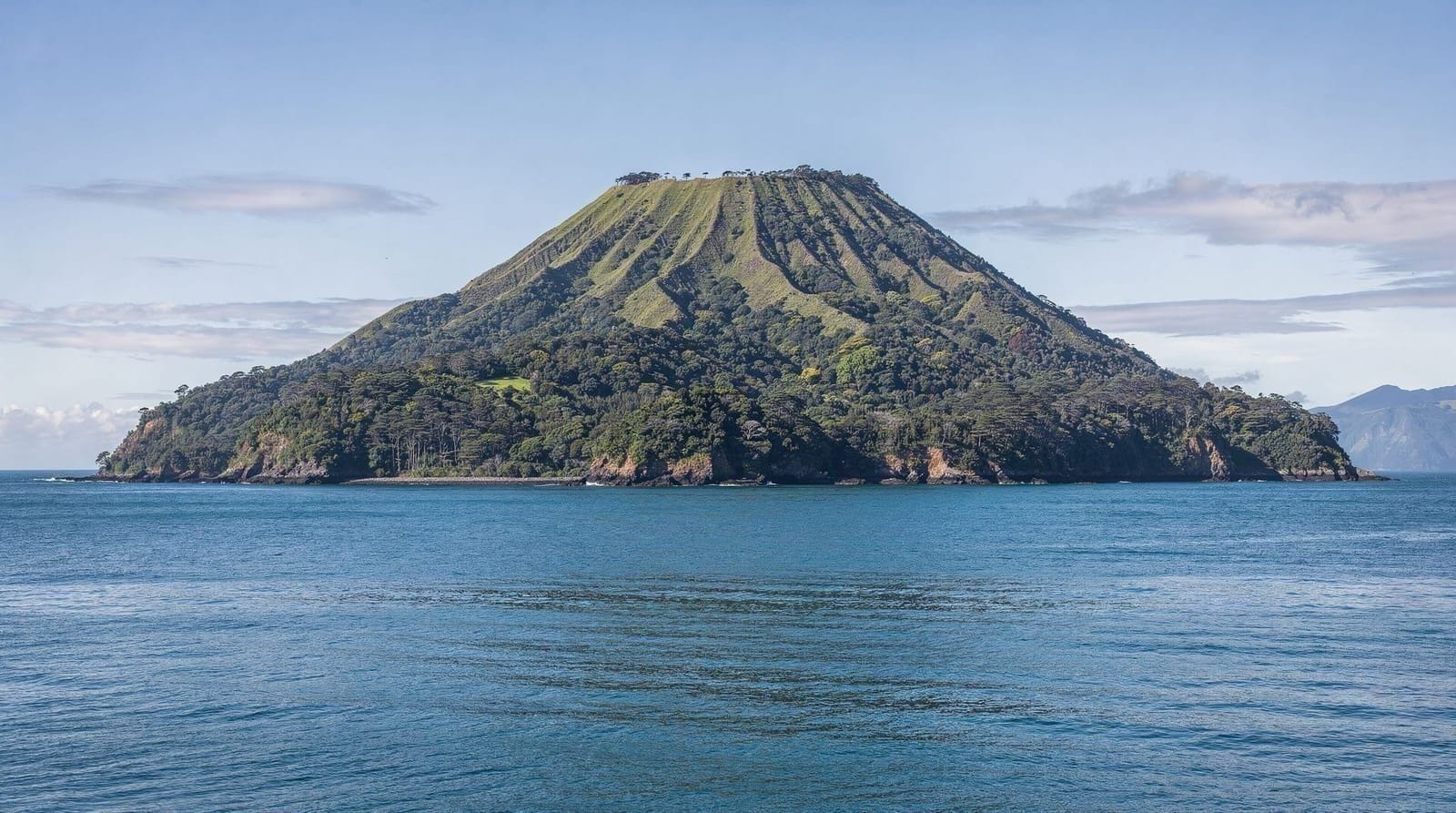
If Waiheke’s wine focus or Coromandel’s long drive don’t quite match what you’re after, a couple of nearer alternatives are worth weighing. Rangitoto Island is a shorter ferry ride than Waiheke and swaps vineyards for a volcanic summit hike with harbour views — genuinely doable in half a day with no rental car. Piha Beach on Auckland’s west coast is closer than Coromandel (about 40 minutes by car) and delivers a similar dramatic, wild-coastline feel on a much shorter drive, though without Cathedral Cove’s stone arch or Hot Water Beach’s novelty. Neither fully replaces the two day trips compared above, but both are worth knowing about if your stay is short or you don’t want to commit a full day to either option.
Frequently asked questions about Waiheke vs Coromandel
Is Waiheke or Coromandel better for a first-time Auckland visitor?
Waiheke, mainly because of time and convenience — a 40-minute ferry with frequent sailings fits far more easily into a short first trip than a 2.5-3 hour drive each way. First-timers with only two or three days in Auckland rarely have a spare full day for Coromandel.
Can I visit Cathedral Cove without a car?
Yes, via a guided day tour from Auckland that handles the driving, or by staying overnight in Hahei or Whitianga and using local water taxis to reach the cove. There’s no public bus or ferry connection from Auckland itself.
Is Waiheke worth it if I don’t drink wine?
Yes — the beaches (Onetangi in particular), walking trails, and small-town atmosphere of Oneroa stand on their own, and several tours focus on scenery and food rather than tastings.
How early should I leave for Cathedral Cove to avoid crowds?
Aim to arrive at the Hahei car park by 8-8.30am, well before the mid-morning coach groups, or plan your visit around low tide in the early evening if that suits your schedule better.
Which is more family-friendly, Waiheke or Coromandel?
Waiheke, for the shorter transit time and gentler pace — small children handle a 40-minute ferry better than a three-hour drive each way, and the beaches are calmer and more accessible.