Things nobody tells you before visiting Auckland
The gap between the brochure and the reality
Most Auckland content covers the same handful of attractions and calls it a guide. What it skips is the quieter, more useful information — the stuff that actually trips people up in their first 48 hours, none of which is dramatic enough to make a top-10 list but all of which affects how your trip actually feels. Here’s what genuinely surprises first-time visitors, gathered from the questions that come up again and again once people have landed.
| Biggest underestimated risk | UV — can burn badly even on an overcast day |
| Biggest cost surprise | NZeTA + IVL, around NZD 120 per traveller |
| Biggest planning surprise | Day trips are 2-3 hours each way, not 45 minutes |
| Money-saver locals use | AT HOP card from day one |
| What NOT to worry about | Tipping — it’s not expected here |
The UV is worse than it looks, even under cloud
This is the single most underestimated risk in the country, and it catches out visitors from Europe and North America especially hard. New Zealand sits under a noticeably thinner ozone layer than the equivalent northern hemisphere latitudes, which means UV exposure at a given air temperature is meaningfully higher here than back home. The genuinely surprising part: you can burn badly on an overcast, mild 18°C day, because cloud cover blocks visible light and warmth far more effectively than it blocks UV radiation.
Locals apply SPF 50+ as a daily habit, not a beach-day special occasion, and it’s worth adopting the same mindset for any day outdoors — walking the waterfront, hiking one of the Waitakere Ranges tracks, or just wandering Auckland’s neighbourhoods on foot. Our packing for New Zealand post treats sun protection as genuinely non-negotiable, not an afterthought item.
If you want a fuller picture of how the seasons change the equation, the Auckland weather by month guide and the best time to visit Auckland guide are the natural next reads, and the Auckland in summer guide is worth a look if your dates fall in the sunniest stretch of the year.
Auckland is not a walkable-everything city
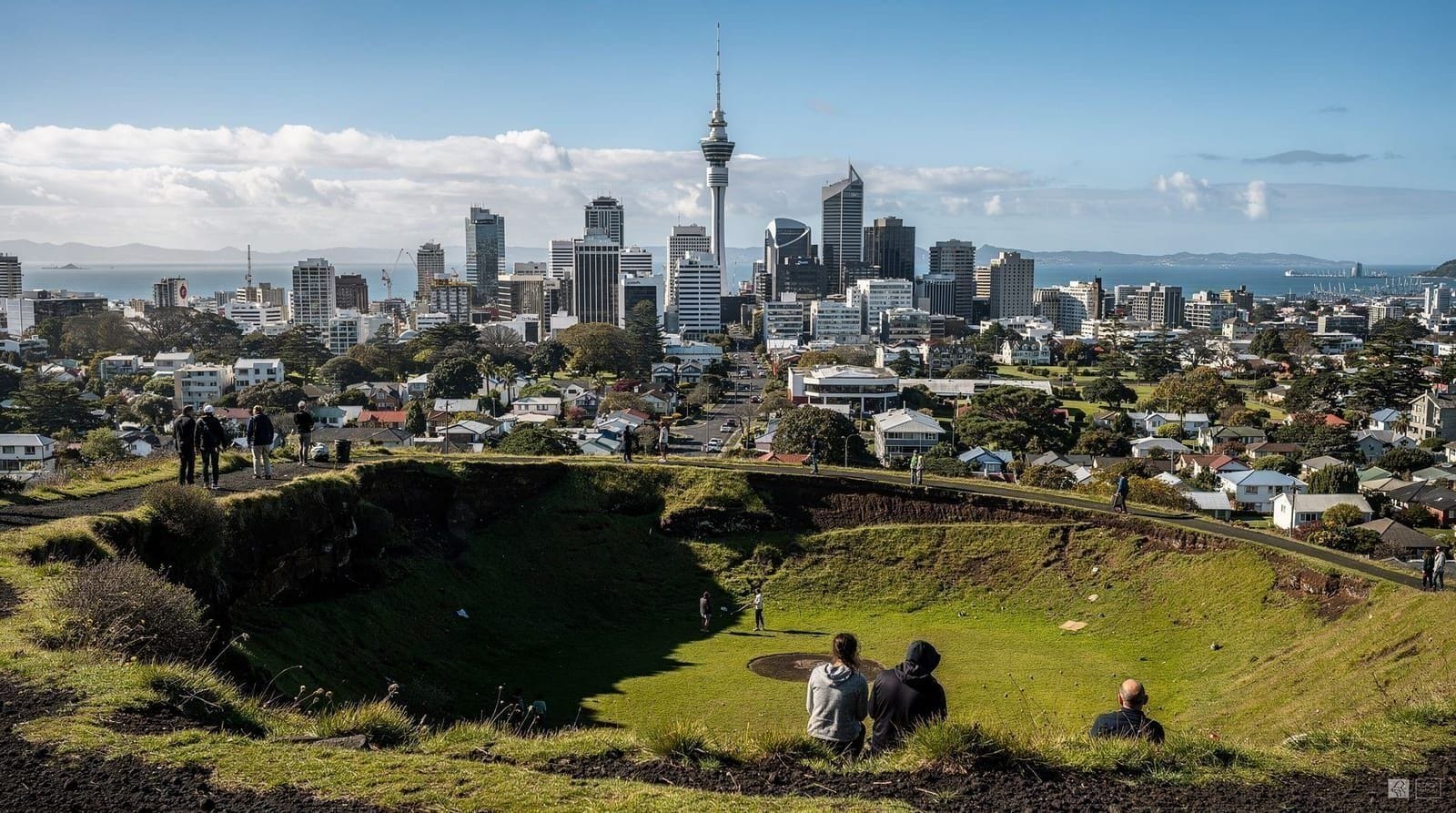
Visitors who’ve done London, Paris or New York on foot often arrive expecting Auckland to work the same way, and it doesn’t. The CBD itself is compact and pleasant to walk — Queen Street to the waterfront, Britomart to the Sky Tower, all within 15-20 minutes on foot. But Auckland as a whole is spread across an isthmus between two harbours, built over more than 50 extinct volcanic cones, and its most appealing neighbourhoods — Ponsonby, Devonport, Mission Bay, the west coast beaches — are genuinely separate pockets connected by roads, buses and ferries rather than footpaths.
Trying to walk from the CBD to Ponsonby is doable (about 25-30 minutes) but walking from the CBD to Mission Bay or Devonport is not realistic; you need a bus, ferry or car. Our Auckland waterfront guide and Auckland neighbourhoods guide both map out which pockets connect on foot and which genuinely don’t, which saves a lot of wasted planning time. If you do take the ferry over to Devonport, a guided Devonport waterfront segway tour is an easy way to cover its spread-out seafront without much walking.
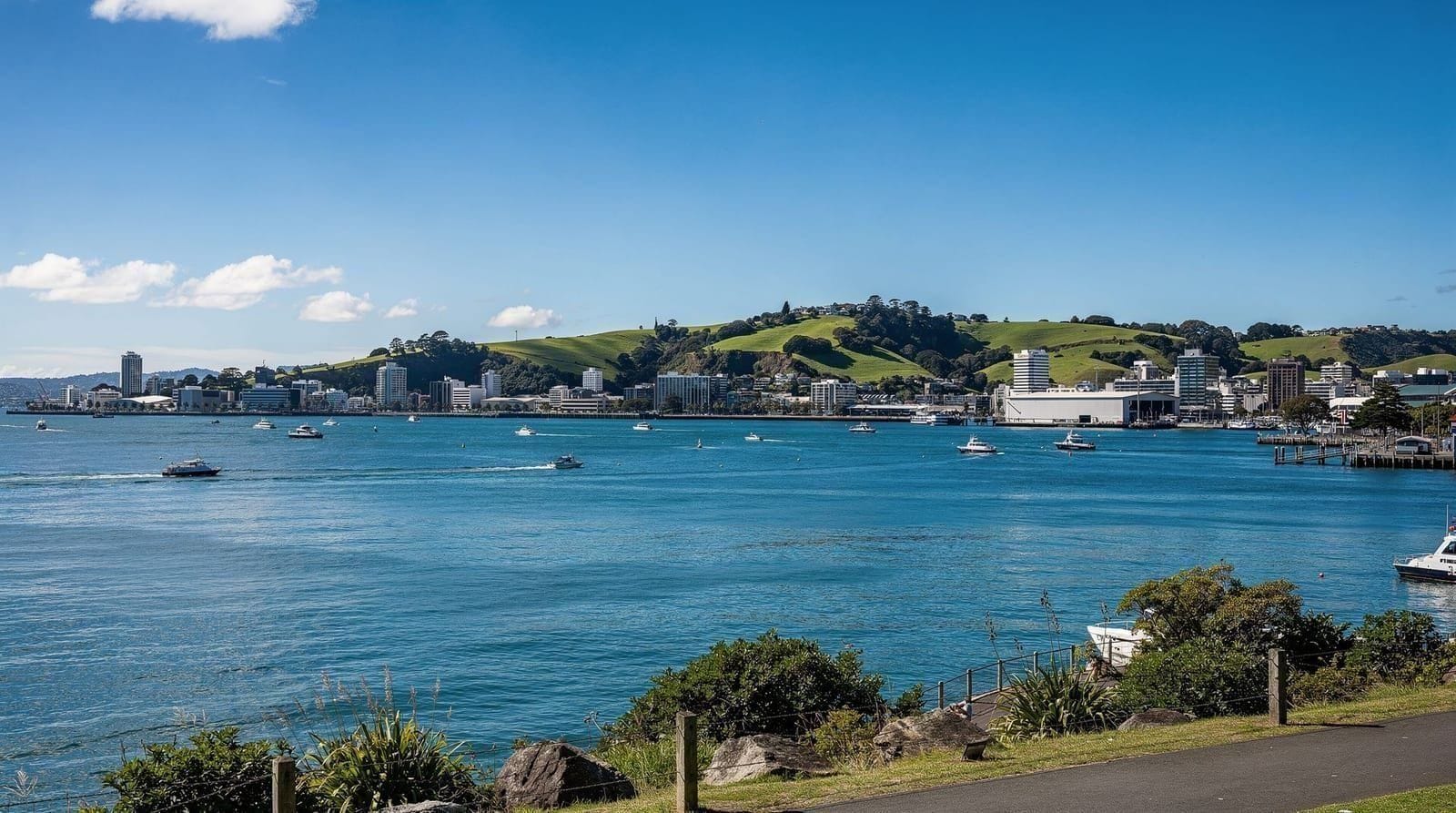
The practical upshot is to pick a base that suits how you like to move around. If you’d rather not depend on buses at all, the where to stay in Auckland guide helps you choose a neighbourhood that fits your plans, and the getting around Auckland guide explains how buses, trains and ferries fit together. Ferries in particular are as much a pleasure as a necessity here, and the Auckland ferries guide covers the harbour crossings visitors tend to overlook.
Tipping isn’t expected, and over-tipping doesn’t buy better service
Hospitality staff in New Zealand are paid a proper minimum wage, and menu prices already reflect that. There’s no baked-in expectation of 15-20% the way there is in the US, and servers won’t chase you down for a tip you didn’t leave. Rounding up a bill or leaving small change for genuinely great service is appreciated but entirely optional, and visitors who tip American-style at every meal are, frankly, just spending more than they need to. It’s one of the few genuinely pleasant cost surprises of the trip.
The weather turns fast — plan for it, don’t fight it
Locals joke about four seasons in one day, and it’s not really an exaggeration. A bright, warm morning on the waterfront can turn into a sharp, squally shower by early afternoon, then clear again before dinner. This isn’t a sign you’ve picked a bad week — it’s just how Auckland’s maritime climate behaves, in any season. The practical response is layers, always: a light jacket or a packable rain shell in your day bag even when the morning looks perfect. Trying to plan a full day around a single forecast reading is the mistake; checking hourly and staying flexible is what actually works. If you’re travelling in the cooler months, our is Auckland winter worth it post goes through what June-August weather really means for a trip.
Rainy stretches are also a good excuse to lean on indoor options. The Auckland Museum guide and the Auckland Art Gallery guide both make easy fallback plans when a squall settles in for the afternoon.
Left-hand driving takes longer to adjust to than you’d think
If you’re used to right-hand traffic, budget a genuinely nervous first hour behind the wheel, and be extra careful at roundabouts — you give way to traffic coming from your right, which is the opposite instinct to what most visitors default to under pressure. The most common mistake isn’t the driving itself, it’s muscle memory at intersections when tired or distracted, particularly reaching for the indicator and triggering the wipers instead (they’re swapped on New Zealand-spec cars compared to US and mainland European layouts). Rental companies are used to this and most offer a quick orientation before you drive off the lot — take them up on it rather than figuring it out in traffic.
Before deciding whether to drive at all, it helps to weigh it honestly. The driving in New Zealand guide covers the rules that differ from home, the car rental in Auckland guide walks through the booking side, and public transport vs car lays out when you can happily skip the rental. If you’re planning a longer loop, the New Zealand road trip tips post is a useful companion.
The NZeTA and IVL cost more than people expect
Nearly every visitor from a visa-waiver country (the US, UK, most of the EU, Canada, and around 60 countries in total) needs a New Zealand Electronic Travel Authority before flying, and it’s not free. Budget NZD 17 through the official app or NZD 23 via the website, plus a mandatory International Visitor Levy of NZD 100 — so the realistic total is around NZD 120 per traveller, valid for two years. It takes minutes to apply for but genuinely surprises people who assumed “visa-waiver” meant “free entry.” Apply at least 72 hours before departure; airlines can and do deny boarding without an approved NZeTA on file.
Our dedicated NZeTA visa guide walks through the application step by step, and it is worth reading well before you book flights rather than the night before you leave.
Ubers and taxis cost far more than public transport
A taxi or rideshare from Auckland Airport into the city runs NZD 65-90 depending on traffic and time of day, compared with the SkyBus airport transfer at around NZD 18 one-way — a genuinely large gap for a 25-30 minute trip. The pattern holds inside the city too: a short rideshare hop across the CBD can easily run NZD 15-25 for a trip an AT HOP-loaded bus or ferry would cover for a couple of dollars. Getting an AT HOP card on day one, which gives roughly 20% off standard fares and caps weekly spend around NZD 50, pays for itself within a couple of days of normal sightseeing if you’re not renting a car for the whole trip.
The Auckland airport to city guide compares the arrival options side by side, and the AT HOP card guide explains how to load and use the card once you’re in town. If you’re trying to keep the whole trip affordable, the Auckland budget guide and the is Auckland expensive guide put these small savings in context.
Shops close earlier than visitors expect
This is a small thing that catches out a lot of first-timers used to late-night retail culture. Most Auckland shops, including in the CBD, close by 5.30-6pm on weekdays and often earlier on weekends, with only supermarkets, dairies (convenience stores) and a handful of late-trading spots in Ponsonby and Karangahape Road staying open past that. If you’re planning to shop for souvenirs or gifts, do it earlier in the day rather than assuming an evening window will still be open — restaurants and bars are the exception and run late as normal, but retail genuinely winds down early by international standards.
Day trips are further apart than the map suggests
A related surprise to the “not walkable” point above: first-time visitors regularly underestimate how much of an Auckland trip is spent in transit once you factor in day trips. Hobbiton is a genuine two hours’ drive each way, Waitomo about two and a half, Rotorua roughly three, and Bay of Islands closer to three as well. None of these are unreasonable distances by international road-trip standards, but visitors used to compact European countries, where “day trip” often means 45 minutes on a train, are sometimes caught off guard by how much of the day a single North Island day trip actually consumes. Our best day trips from Auckland guide is honest about these drive times upfront, precisely so you can budget a realistic number of day trips into a short stay rather than over-scheduling.
If you’d rather let someone else handle the driving, the self-drive vs tour day trips guide weighs the trade-offs, and the Hobbiton day trip and Rotorua day trip guides show what a full day on the road looks like in practice.
Portion sizes and cafe culture run differently than expected
Auckland’s cafe culture is genuinely excellent, but it runs on different norms than visitors from the US in particular expect. Coffee is generally smaller and stronger than an American-style large coffee — a “flat white” is the local default order, not a drip coffee refill — and cafes rarely offer bottomless refills. Brunch and lunch portions tend to be moderate rather than oversized, and it’s normal to order a single dish rather than the shareable-plates culture common elsewhere. None of this is a downgrade; the quality is consistently high, and cafes close relatively early (most kitchens stop serving by mid-afternoon), so plan lunch stops earlier than you might in a city with all-day dining.
For ideas on where to spend those mornings, the coffee culture in Auckland post and the Ponsonby cafes guide point you to places worth planning a stop around, and the best restaurants in Auckland guide helps with dinner.
Public holidays can catch you off guard
New Zealand observes several public holidays that don’t line up with other countries’ calendars, and some — Waitangi Day (February 6) and Anzac Day (April 25) in particular — see reduced trading hours or full closures at some attractions and restaurants, even in Auckland’s tourist-heavy areas. If your trip dates land near one of these, it’s worth a quick check on opening hours for anything you’ve specifically planned around, since “New Zealand public holiday” isn’t something most overseas visitors think to research before booking.
Coffee and tap water are better than you’d expect
Two small pleasant surprises to balance the list above. Auckland’s coffee culture is genuinely excellent by international standards — flat whites are the local default, and even ordinary neighbourhood cafes take it seriously. And tap water is safe to drink everywhere in the city and at rural day-trip stops alike, so there’s no need to budget for bottled water at all, which quietly saves a few dollars a day that add up over a longer stay.
Cost surprises at a glance
| Surprise | What visitors expect | What actually happens |
|---|---|---|
| Tipping | 15-20% expected, like the US | Not expected; rounding up is optional |
| NZeTA/IVL | ”Visa-waiver” means free entry | Around NZD 120 per traveller, required |
| Airport transfer | Rideshare is the default | SkyBus at ~NZD 18 is far cheaper |
| Day trips | 45-minute compact-country hops | 2-3 hours each way is standard |
| Shop hours | Late-night retail like big cities | Most shops close by 5.30-6pm |
Why this actually matters for how you plan
None of these are dealbreakers — Auckland remains an easy, safe, rewarding city to visit — but each one changes a small planning decision: pack the sunscreen properly, budget transport time between neighbourhoods rather than assuming a stroll, skip the tip calculation stress, keep a rain layer handy regardless of forecast, and get comfortable with the AT HOP card early. Our complete Auckland city guide and Auckland tourist traps posts cover the bigger-picture planning decisions, and if today is your only day in the city, the one-day Auckland itinerary is built around exactly these logistics — realistic transit times between the pockets that actually matter, rather than an imaginary walkable loop that doesn’t reflect how the city is laid out.
Frequently asked questions about things nobody tells you before visiting Auckland
Is Auckland’s UV really that much stronger than back home?
Yes — New Zealand sits under a thinner ozone layer than equivalent northern hemisphere latitudes, so UV exposure at a given temperature is genuinely higher, including on overcast days when it doesn’t feel like it.
How much should I budget for the NZeTA and IVL before I fly?
Around NZD 120 per traveller in total (the NZeTA itself plus the mandatory International Visitor Levy), valid for two years — apply at least 72 hours before departure since airlines can deny boarding without an approved NZeTA.