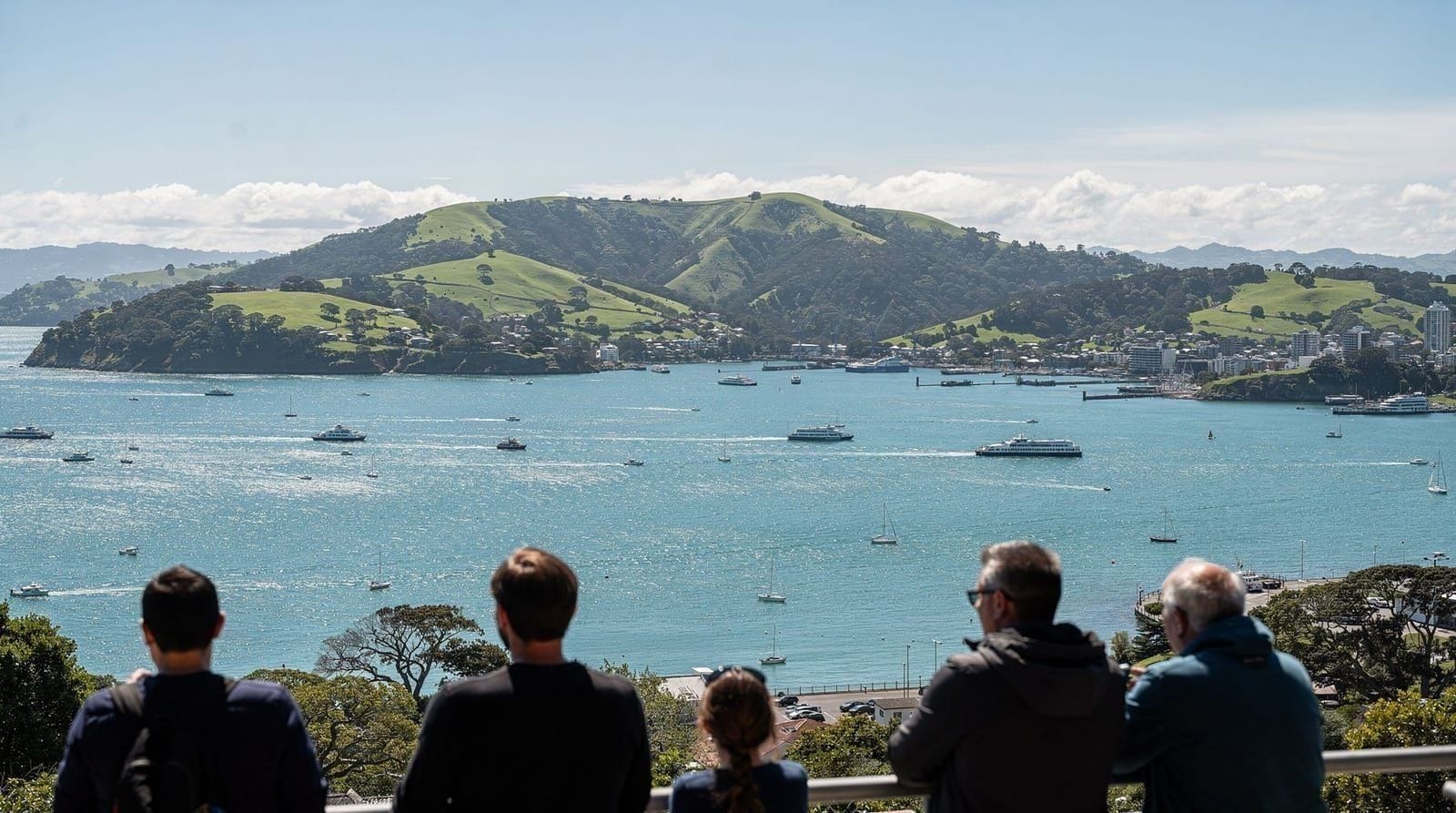
Is Auckland winter worth visiting? The honest verdict
The season most visitors skip, and whether they’re right to
June through August is winter in Auckland, and it’s the quietest stretch on the tourism calendar by a wide margin. Most visitors default to summer (December-February) or the shoulder seasons, leaving winter as the option nobody actively chooses unless a booking window forces it. Having weighed the trade-offs honestly, winter deserves more consideration than it gets — for the right traveller, not every traveller.
| Temperature | 10-15°C daytime, cooler at night |
| Price vs summer | Often 20-30% lower accommodation |
| Best winter bonus | Humpback whale migration (Jun-Aug) |
| Sunset | As early as 4.30pm |
| Skip if | Beach time is your trip priority |
Auckland’s four seasons compared
| Season | Months | Temp | Best for |
|---|---|---|---|
| Summer | Dec-Feb | 20-25°C | Beaches, long evenings, Waiheke |
| Autumn | Mar-May | Mild, drier | Shoulder-season balance |
| Winter | Jun-Aug | 10-15°C, wet | Museums, whales, lower prices |
| Spring | Sep-Nov | Mild, improving | Shoulder-season balance |
The weather, without spin
Auckland winter sits in the 10-15°C range through the day, dropping cooler at night, with genuinely more rain than any other season — this isn’t the dry cold of a continental winter, it’s a wetter, greyer, more changeable stretch of weather that can deliver several consecutive damp days. It rarely gets bitterly cold by international standards; frost is uncommon in the city itself, and snow essentially never falls at sea level. But “mild” doesn’t mean “pleasant outdoor weather guaranteed” — plan for rain jackets and indoor backup options as a matter of course, not a contingency.
The other genuine adjustment is daylight. Sunset lands as early as around 4.30pm at the depth of winter, which compresses outdoor sightseeing time noticeably compared to summer’s long evenings. A day trip that comfortably fits daylight hours in December can feel rushed in July if you’re not planning around the earlier cutoff. Layer up, and check our packing for New Zealand guide for the specific winter list — it’s built around exactly this kind of mild-but-wet, early-dark climate rather than generic “cold weather” advice that overstates how cold it actually gets.
What you gain: fewer people, lower prices
This is winter’s real case, and it’s a strong one. Auckland’s peak-season crowds at Hobbiton, Cathedral Cove and the Rotorua geothermal parks thin out dramatically by winter, and accommodation prices drop alongside them — often 20-30% below peak summer rates for comparable properties. Our avoiding crowds on the North Island guide covers the specific attractions where this matters most, and winter takes the crowd-avoidance logic to its furthest, quietest point on the calendar.
There’s a genuine atmosphere shift too, not just a numbers game. Auckland’s museum and cafe culture comes into its own in winter — the Auckland War Memorial Museum and other indoor cultural attractions feel less like a wet-weather fallback and more like the natural centre of a winter day, and the city’s cafe scene, particularly around Ponsonby, leans into the season with the kind of cosy, unhurried atmosphere that a rushed peak-summer visit doesn’t allow for. The Auckland Museum general admission ticket is genuinely better value in winter, when you’re not competing with tour-bus crowds for gallery space and can actually take your time with the Māori Court and natural history collections.
The wildlife bonus nobody expects
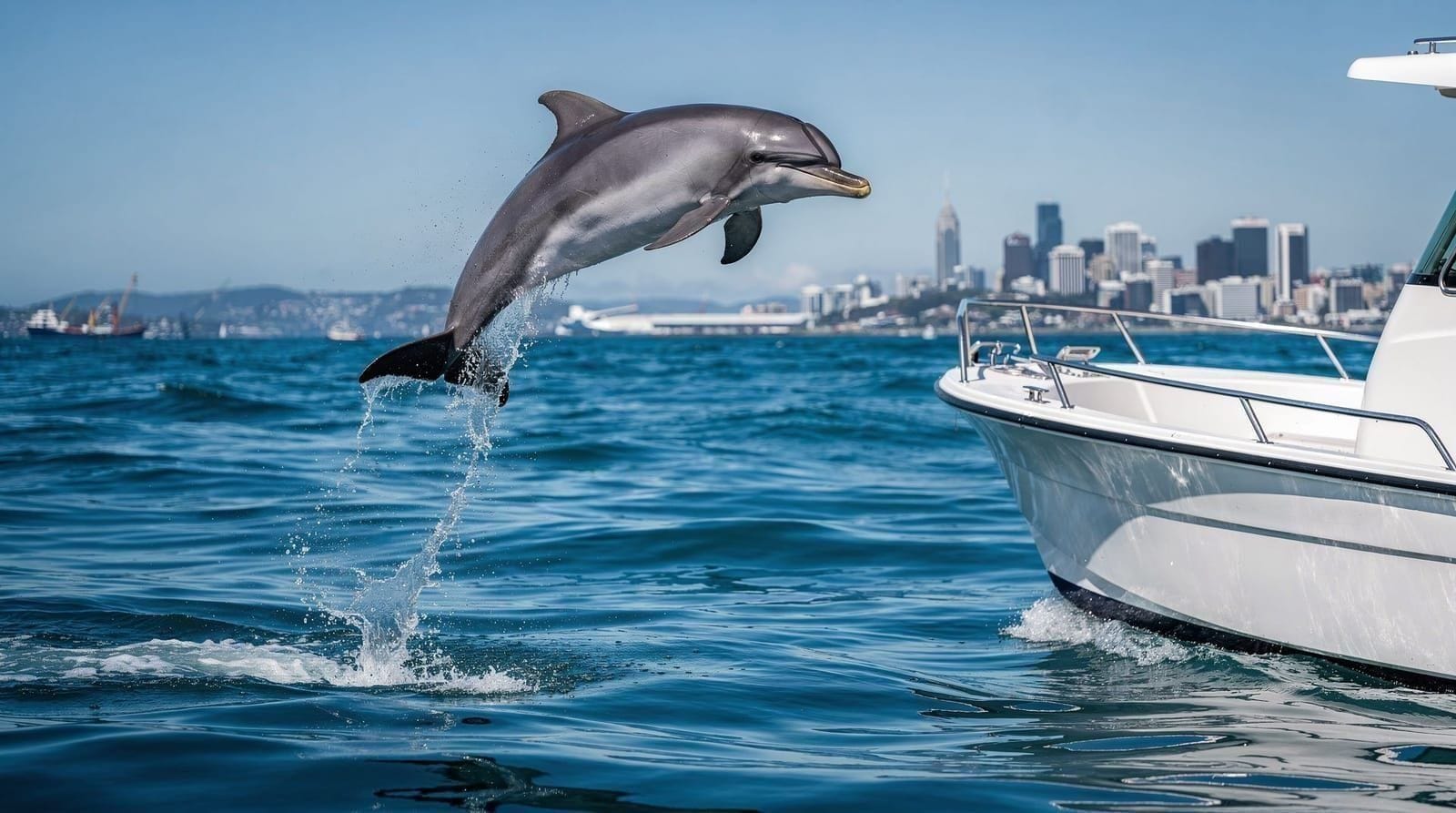
Winter carries one genuinely unexpected upside: humpback whales migrate through the Hauraki Gulf between June and August, adding to the Bryde’s whales and common dolphins that live in the gulf year-round. It’s the single best window for a whale-watching trip from Auckland to potentially include a humpback sighting alongside the resident species — see our whale watching from Auckland post for the full breakdown of what’s realistically achievable on a winter boat trip, seasickness tips included for the cooler, occasionally choppier gulf conditions.
Rotorua’s geothermal steam looks better in the cold
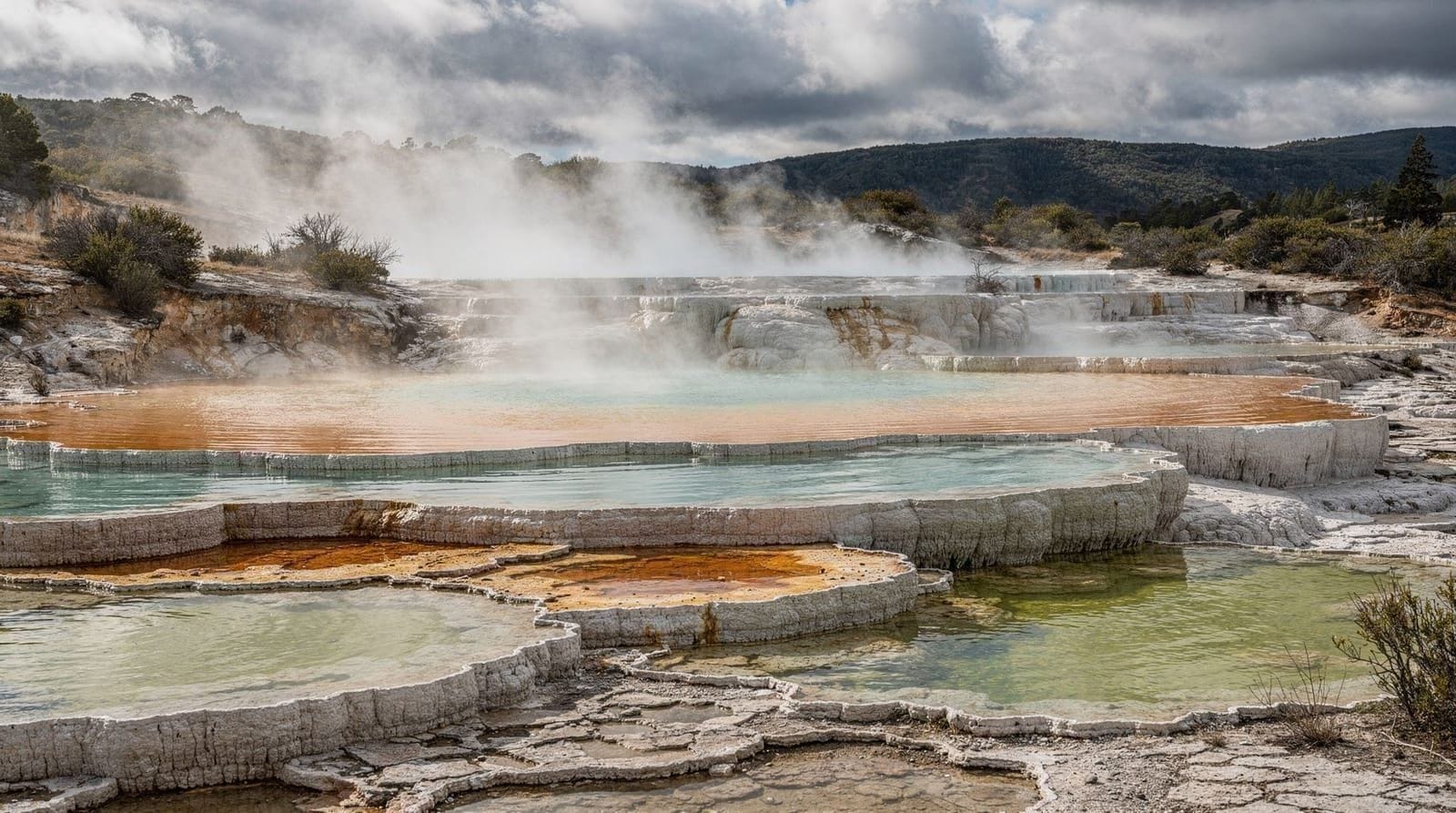
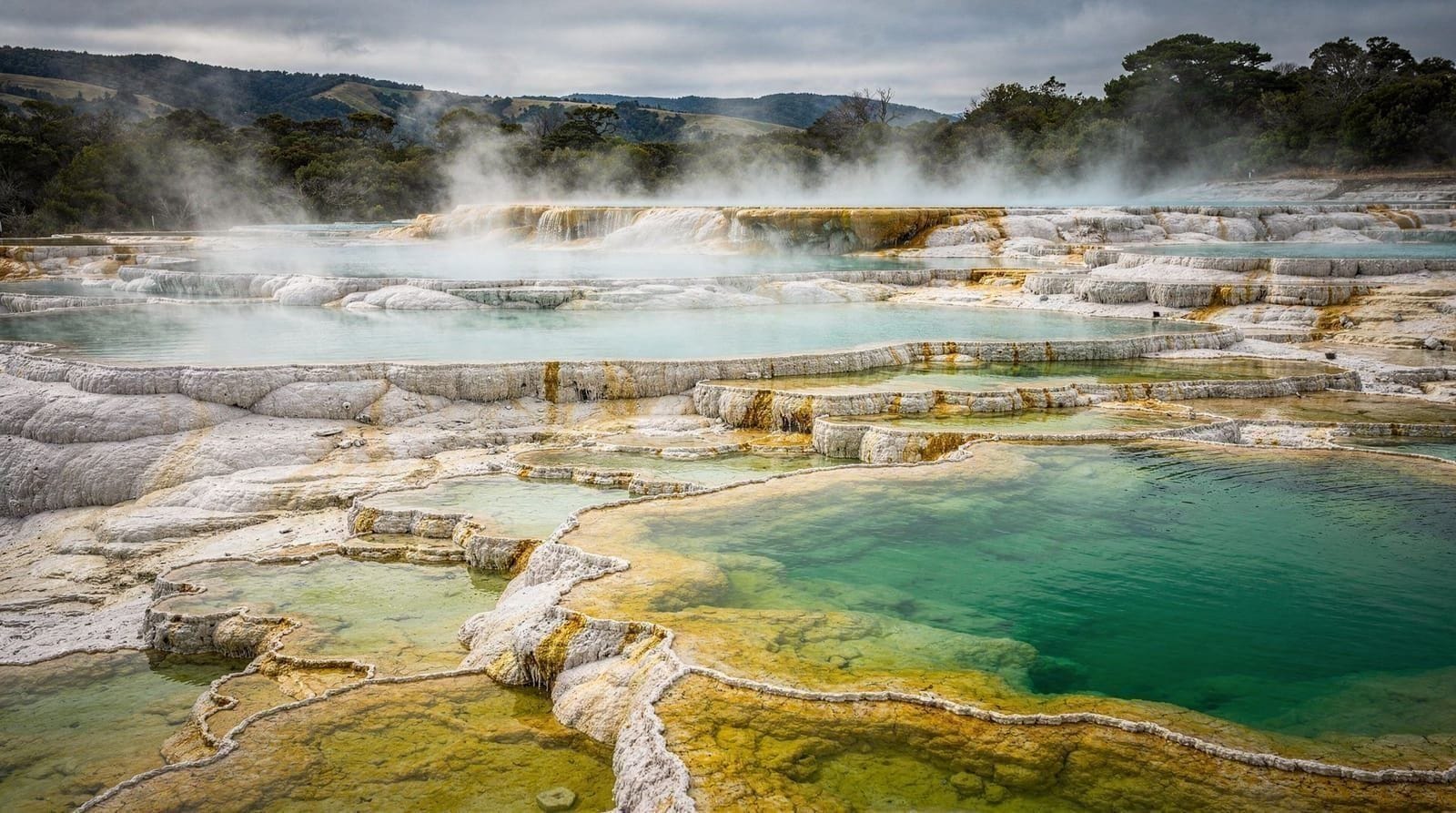
There’s a small but genuine visual bonus to visiting Rotorua’s geothermal parks in winter: the contrast between the steaming, boiling geothermal features and cold ambient air is more dramatic than in summer, when the steam blends more into the warm air and loses some of its visual punch. Wai-O-Tapu’s coloured pools and the mud pools around the city look genuinely more atmospheric on a crisp winter morning.
Pairing this with the region’s Māori cultural experiences works well too — the geothermal hangi and traditional Māori experience combines a hangi feast (food cooked using geothermal steam, a genuinely fitting way to eat in winter) with cultural performance, indoors and warm regardless of the weather outside. Our Rotorua day trip from Auckland and is Rotorua worth it guides cover the wider trip logistics, roughly three hours’ drive from Auckland each way, which holds regardless of season.
What you genuinely miss
Be honest with yourself about the trade-off before committing to a winter trip. Auckland’s beach culture — Mission Bay’s waterfront buzz, the west coast surf beaches at Piha and Muriwai, harbour swimming — is essentially off the table in winter; water temperatures and air temperatures both make it a summer-specific activity, not a year-round one. The long, easy daylight of a New Zealand summer evening, where a day trip can comfortably run until 8 or 9pm with light to spare, simply isn’t available in winter’s 4.30pm sunsets. And some outdoor day trips that depend on settled weather — particularly hiking-focused days — carry more genuine risk of being rained out or cut short, which matters if your itinerary has little slack built in.
A month-by-month look
June is the mildest of the three winter months, still carrying some residual warmth from autumn, with rain becoming more frequent as the month progresses. July is typically the coldest and wettest point of the year, with the shortest days and the highest chance of a multi-day wet spell — if you can only choose one winter month to avoid, this is it, though it’s also peak humpback migration timing, which is a genuine trade-off.
August starts to show early signs of spring, with slightly longer days and occasional stretches of clearer weather, making it arguably the most balanced of the three winter months if you want the crowd and price benefits without July’s full intensity. None of these differences are dramatic — this is still the same broad 10-15°C, wet-leaning season throughout — but if you have flexibility in your travel dates within the winter window, August edges out June and July on comfort.
What winter is actually good for, activity by activity
Framing it by activity rather than by month helps too. Wine tasting works well in winter — Waiheke’s indoor tasting rooms are just as functional in the rain as in the sun, and the island itself is dramatically quieter, without the ferry queues and fully booked tasting slots that summer weekends bring. Geothermal Rotorua, as covered above, arguably looks better in winter than summer.
Museums and indoor cultural sites are unambiguously better in winter, both for the atmosphere and because you’re not choosing between the museum and a beach day the way you might in summer. Where winter genuinely underperforms: harbour and island day trips that depend on calm conditions and clear views, since winter’s more frequent low cloud and rain reduce visibility on longer boat trips, and anything centred on swimming or beach time, which is realistically a summer-only activity in Auckland’s ocean and harbour temperatures.
If you’re planning a winter wine day, our Waiheke Island guide and the Waiheke wineries guide are the places to start, and ferry vs drive to Waiheke helps you decide how to get there. For a wet afternoon in the city, rainy-day activities in Auckland has plenty of indoor ideas, and the Auckland Art Gallery is another good place to spend a grey day.
Booking and pricing in winter
Winter’s price advantage extends beyond accommodation. Tour operators generally run the same routes and departure frequency year-round, but with lower demand, last-minute bookings are far more realistic in winter than in the December-February peak, when popular slots for Hobbiton or a Waiheke wine tour can sell out days ahead. That flexibility is worth factoring into how rigidly you plan a winter trip — you can afford to leave more decisions until you’ve checked the forecast that morning, rather than locking in a fixed schedule weeks in advance the way peak-season crowds effectively force you to.
The honest verdict
Winter suits a specific kind of traveller well: those prioritising lower costs and thinner crowds over guaranteed sunshine and beach time, those interested in museums, cafes, geothermal Rotorua and whale watching over outdoor adventure sports, and those who can build in weather flexibility rather than locking a tight day-by-day schedule. It suits less well: first-time visitors who want the classic postcard version of Auckland — beaches, long evenings, Waiheke wine on a warm afternoon — and travellers with only a few days who can’t afford a rained-out day eating into a short itinerary.
If you fall into the first camp, winter is a genuinely underrated time to visit, not a compromise. If you fall into the second, shoulder season (March-May or September-November) remains the better balance of good weather and lower crowds, and pure summer (December-February) is worth the premium if beach days and long evenings are the whole point of the trip. Our things nobody tells you about Auckland post covers more of the practical realities that apply regardless of which season you land in.
Ultimately, the deciding question is what you actually want out of the trip. A first visit built around ticking off Auckland’s headline outdoor experiences — beaches, harbour cruises in the sun, long golden evenings on the waterfront — is genuinely better served by summer or shoulder season. A repeat visit, a trip prioritising value and a quieter pace, or one built around Rotorua’s geothermal sites and whale watching specifically, makes a real, defensible case for winter that most generic Auckland guides never bother to make.
Packing and day-trip planning for a winter visit
A winter Auckland trip needs a slightly different kit than the classic summer packing list: a genuinely waterproof (not just water-resistant) rain jacket, layers you can add and remove through the day, and closed shoes rather than the sandals that work fine in summer. For day trips, build in more buffer than you would in summer — a Rotorua or Waitomo day that comfortably fits daylight hours in December can feel rushed by the 4.30pm winter sunset, so starting earlier matters more than it does in the warmer months. If you’re driving yourself rather than joining a tour, check road conditions before heading to higher-elevation stops, since winter rain can make some unsealed sections slower going than the same drive in summer.
For more on the season, see our Auckland in winter guide and the Auckland weather by month breakdown, and keep the Auckland packing list handy before you fly.
Who genuinely benefits most from a winter trip
Three traveller types get the best out of Auckland winter specifically: whale-watching enthusiasts, since the humpback migration window is genuinely unique to June-August and doesn’t occur any other time of year; budget-conscious travellers who can tolerate rain in exchange for meaningfully lower accommodation and tour prices; and repeat visitors who’ve already done the classic beach-and-Waiheke summer version and want a different, quieter angle on the same city. First-time visitors on a single short trip, by contrast, are usually better served waiting for shoulder season or summer — winter’s trade-offs land hardest on a trip with only a few days and no slack for a rained-out afternoon.
Frequently asked questions about Auckland
Is Auckland too cold to visit in winter? No — winter temperatures of 10-15°C are mild by international standards, and snow essentially never falls at sea level. The bigger adjustment is rain and shorter daylight hours, not cold.
What’s the best winter month to visit Auckland? August, generally — it shows early signs of spring with slightly longer days and occasional clearer stretches, while still keeping winter’s lower prices and thinner crowds. July is typically the coldest and wettest, though it’s also peak humpback whale season.