Sustainable travel in Auckland: how to visit responsibly
Sustainable travel in Auckland isn’t really about grand gestures — it’s mostly a series of small, practical choices around transport, wildlife, and cultural respect that add up over a trip. New Zealand markets itself heavily on its “clean, green” image, and while that reputation is broadly earned, visiting responsibly still takes a bit of deliberate effort rather than assuming the destination handles it for you.
| Biggest lever | Choosing public transport/ferries over a rental car in the city |
| Cultural respect | Ask before photographing performances; choose Māori-owned operators |
| Wildlife | Choose operators that follow DOC approach-distance guidelines |
| Waste | Reusable water bottle — tap water is safe everywhere, incl. day trips |
| Biggest honest limit | The flight itself carries a real carbon cost no on-ground choice offsets |
Public transport and ferries over rental cars where practical
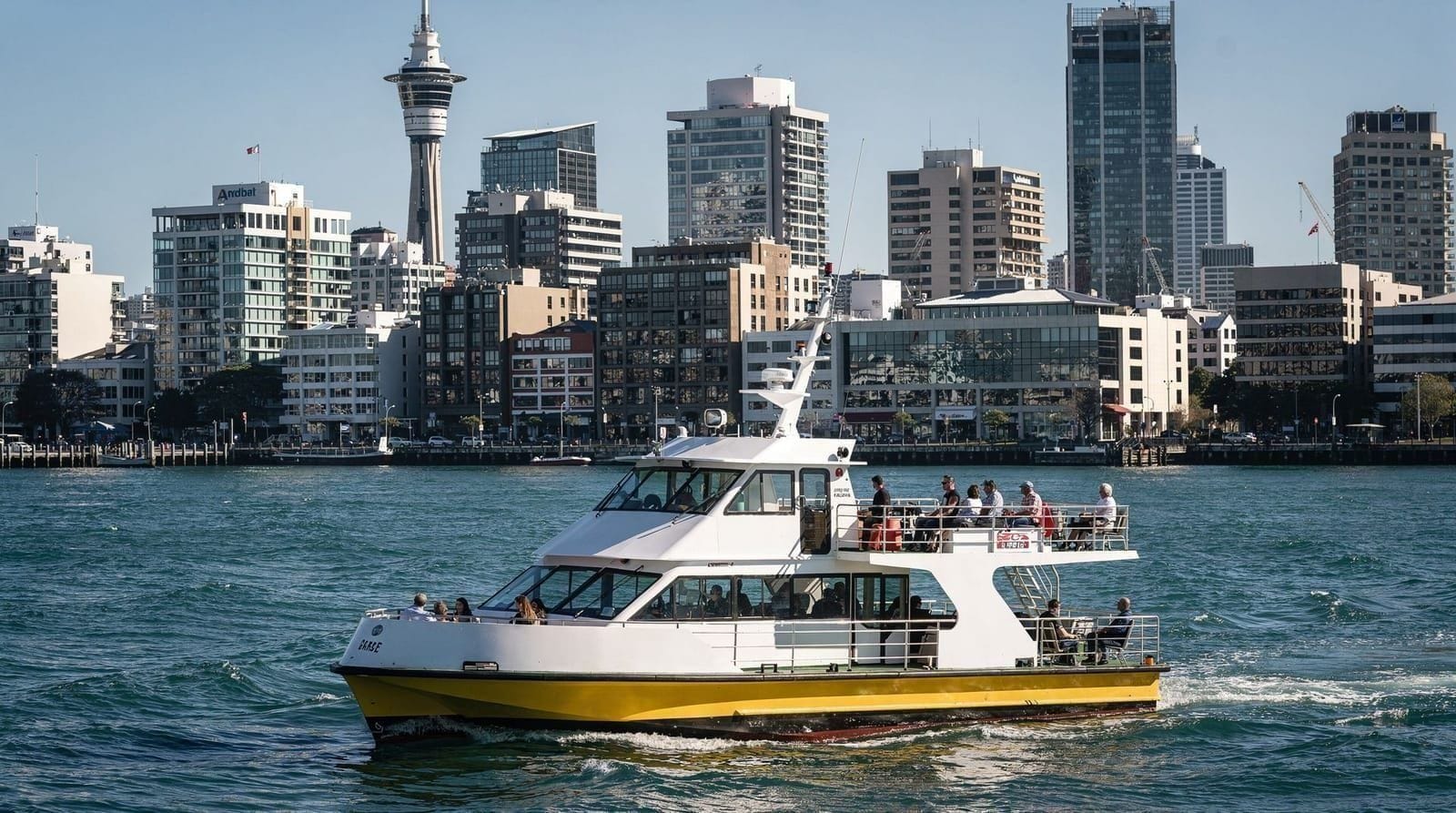
If you’re mainly exploring Auckland itself, public transport (buses, trains, and the harbour ferries) is a genuinely lower-impact option than a rental car, and Auckland’s AT HOP card system makes it straightforward and affordable. Ferries to Devonport, Waiheke and Rangitoto in particular are both the lower-carbon choice and often the more pleasant one, replacing a car-and-parking hassle with a scenic harbour crossing. Our Auckland ferries guide and public transport vs car guide cover when a car is genuinely necessary (day trips beyond the transport network) versus when it’s an avoidable convenience.
Choosing e-bikes and walking for close-range exploring
For neighbourhood-scale exploring — Auckland’s CBD, Ponsonby, Devonport, Mission Bay — walking or an e-bike covers the distance without a car, and gives you a genuinely better feel for each area than driving between stops. A classic Auckland electric bike tour is a low-impact way to cover more ground than walking while still moving at a human pace.
Respecting Māori culture as more than a photo opportunity
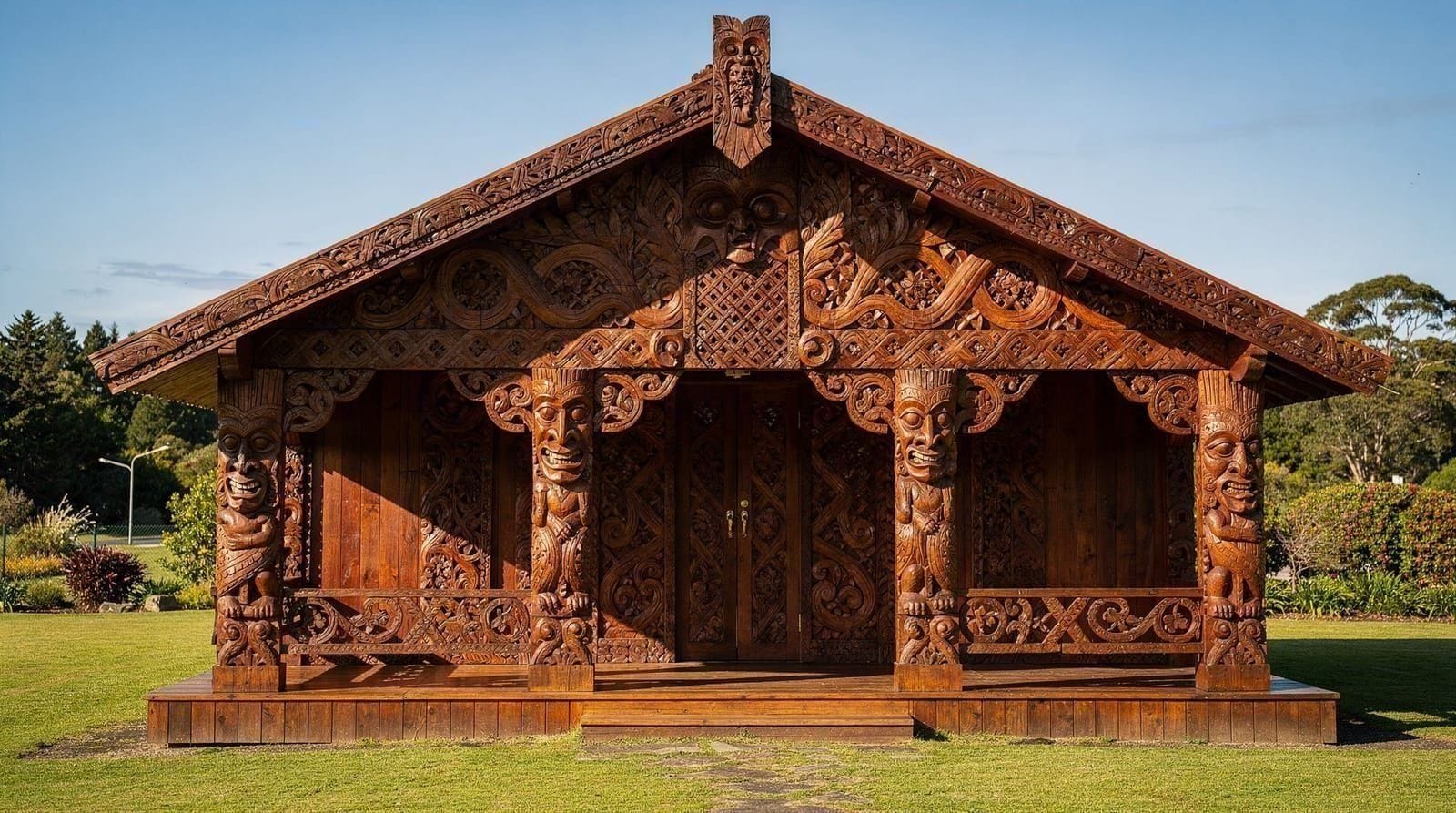
Responsible tourism in New Zealand includes treating Māori culture with genuine respect, not as scenery. That means asking before photographing people at cultural performances, not touching carvings or treating tapu (sacred) sites casually, and choosing operators that are genuinely Māori-owned or -partnered rather than generic cultural packages. Our respectful Māori tourism guide covers this properly, and it’s worth reading before any cultural experience on your trip, not just as an afterthought.
Wildlife encounters: choosing operators that prioritise the animals
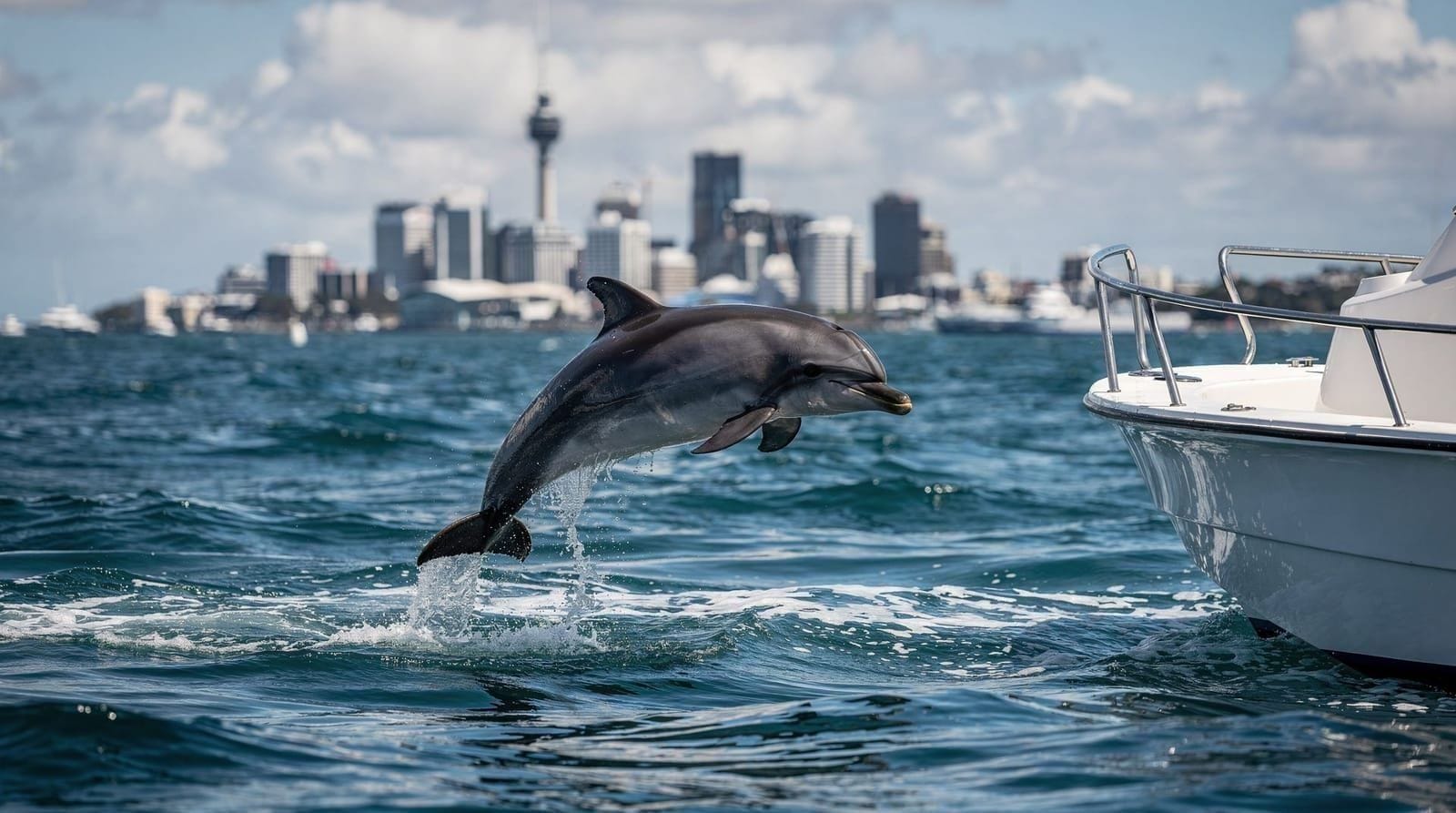
Auckland’s whale and dolphin watching trips in the Hauraki Gulf operate under Department of Conservation guidelines around approach distance and boat behaviour, and reputable operators take these seriously rather than chasing close encounters for better photos. The Auckland whale dolphin safari operates with a research and conservation angle alongside the wildlife viewing, which is worth knowing if choosing between operators. Our whale and dolphin watching guide covers what responsible viewing looks like in practice.
Kayaking and self-powered exploring
Kayaking around Rangitoto, the inner harbour, or Waiheke’s coastline is about as low-impact a way to experience the water as exists, with no fuel and minimal noise disturbance to marine life. Our kayaking Auckland guide covers the best spots and operators, several of which run genuinely small-group, low-impact trips rather than large motorised tours.
Supporting local and independent operators
Where possible, choosing independently owned cafes, tour operators and accommodation over large international chains keeps more of your spending in the local economy — particularly relevant in smaller towns like Matamata (Hobbiton’s home town) and Waitomo, where tourism is a major part of the local economic base. This doesn’t mean avoiding larger operators entirely, but it’s worth a moment’s thought when there’s a genuine local alternative available.
Predator-free islands: a conservation success story worth supporting
Tiritiri Matangi and parts of Rangitoto and Motutapu are predator-free sanctuaries, the result of genuinely significant New Zealand conservation efforts to restore native bird populations. Visiting these islands, following biosecurity checks (cleaning shoes and bags of seeds or pests before boarding), and respecting any track closures directly supports this conservation model rather than undermining it.
Reducing single-use waste on day trips
Bring a reusable water bottle (Auckland’s tap water is safe to drink everywhere, including at Hobbiton and rural stops) and a reusable coffee cup — most cafes happily accommodate both, and it meaningfully cuts down on daily waste over a week-long trip. Markets and farmers markets, covered in our farmers markets guide, are also a lower-waste and more local way to eat than packaged supermarket convenience food.
Choosing tour operators that take sustainability seriously
Not every operator marketing itself as “eco” or “sustainable” backs it up in practice, so it’s worth a small amount of due diligence before booking, particularly for wildlife and nature-focused tours. Look for operators that publish specifics — approach distance guidelines for wildlife encounters, group size caps, partnerships with conservation organisations — rather than vague sustainability claims without detail.
Department of Conservation-endorsed operators and those affiliated with recognised eco-tourism certification schemes have generally been vetted against real standards rather than simply adopting the language. This applies across activity types: a genuinely responsible Waitomo cave operator, for instance, will limit group sizes and enforce no-touch policies on formations, just as a responsible whale-watching operator maintains legal approach distances even when a closer view would make for a better photo.
Water use and drought awareness
New Zealand experiences periodic drought conditions in some regions, and while Auckland’s water supply is generally well managed, being mindful of water use — shorter showers, reusing towels at accommodation rather than requesting daily fresh ones — is a small, easy habit that adds up with minimal effort on your part. Auckland’s tap water is safe to drink everywhere, including at rural stops like Hobbiton and Waitomo, so there’s no need for bottled water at all if you’re carrying a reusable bottle, both reducing plastic waste and cutting a genuinely unnecessary daily cost.
Choosing lower-impact transport for day trips
For day trips beyond the city, where public transport doesn’t reach, choosing a shared guided tour over a solo rental car reduces per-person emissions for the same trip, since a coach or minivan carrying a full group has a considerably lower footprint per traveller than the same distance driven in an individually rented car. If you are self-driving, combining multiple destinations into a single day (rather than several separate return trips from Auckland on different days) reduces total driving distance for the same amount of sightseeing. Our car rental Auckland and self-drive vs tour day trips guides cover this trade-off from a cost and convenience angle, worth reading alongside the environmental consideration here.
Supporting conservation directly
Beyond passive lower-impact choices, several New Zealand conservation programmes accept direct visitor support — from small optional donations bundled into some tour bookings to volunteer opportunities with predator-control and native planting projects for visitors with more time. Tiritiri Matangi’s ferry and guided walk fees, for instance, directly fund the island’s ongoing conservation work, meaning a standard visit already contributes rather than requiring a separate donation. If a longer stay in New Zealand is part of your plans, researching a half-day volunteer conservation activity is a genuinely rewarding way to engage more deeply than a standard sightseeing itinerary allows.
Transport choices compared by impact
| Option | Relative impact | Best for |
|---|---|---|
| Walking / e-bike | Lowest | CBD, Ponsonby, Devonport, Mission Bay |
| Ferry / public transport | Low | Harbour islands, city-wide travel |
| Shared guided tour | Moderate | Day trips beyond the transport network |
| Solo rental car | Higher per person | Multi-stop loops, remote or flexible routes |
Choosing genuinely native wildlife encounters
Beyond whales and dolphins, Auckland’s gulf islands offer a lower-impact way to see native wildlife without a marine tour at all. A guided walk on Tiritiri Matangi puts you among some of the country’s rarest native birds in a predator-free sanctuary, funded directly by visitor fees rather than requiring a separate donation. It’s a genuinely good option if you’d rather your wildlife time went toward supporting active conservation than a boat trip alone, and it pairs naturally with the predator-free island point covered above.
Packing with sustainability in mind
A few small packing choices reduce your trip’s footprint without much effort: reef-safe sunscreen (particularly relevant for any swimming or snorkelling stops), a reusable shopping bag for markets and grocery stops, and minimising single-use travel toiletries by bringing refillable containers instead. None of these require sacrificing convenience meaningfully, and they add up over a week-long trip more than any single grand gesture would. Our Auckland packing list guide covers the fuller practical packing picture, with sustainability-minded choices flagged where relevant.
Staying longer, travelling slower
One of the more effective, if less obvious, sustainable travel choices is simply staying longer in fewer places rather than rushing through a maximum number of destinations in a short trip. A week spent properly exploring Auckland and one or two North Island regions, rather than a frantic attempt to see everything in three or four days, reduces total transport distance per day of travel and generally produces a more satisfying trip besides. This isn’t always practical given real-world time constraints on travel, but where you do have flexibility, favouring depth over breadth is both a lower-impact and a more rewarding approach. Our how many days in Auckland guide is worth reading with this lens in mind, not just for logistics but for pacing.
A realistic checklist for a lower-impact Auckland trip
Bring a reusable water bottle and coffee cup; choose public transport and ferries over a rental car for city-based days; pick guided tours over solo rental cars for day trips where practical; ask about wildlife-viewing guidelines before booking a whale or dolphin tour; treat Māori cultural experiences with the same respect you’d want shown to your own culture; support independently owned cafes, tour operators and accommodation where a genuine local alternative exists; and don’t treat any single trip as needing to be perfectly zero-impact, since that standard isn’t realistic or particularly useful as a goal. Small, consistent choices across a trip add up to a meaningfully lower footprint without requiring you to sacrifice a good holiday.
The honest limits of “sustainable tourism”
It’s worth being realistic: flying to New Zealand carries a real carbon cost that no amount of on-the-ground choices fully offsets, and no single trip is going to be perfectly low-impact. What’s achievable is minimising unnecessary impact once you’re here — choosing public transport and ferries over unnecessary car use, respecting wildlife viewing guidelines, engaging with Māori culture respectfully rather than superficially, and supporting operators who take conservation seriously rather than treating it as marketing. None of this requires sacrificing a good trip; if anything, slower, more deliberate travel tends to be more rewarding than a rushed, high-impact version of the same itinerary.
Frequently asked questions about sustainable travel in Auckland
Is Auckland tap water safe to drink everywhere?
Yes, including at rural day-trip stops like Hobbiton and Waitomo, so a reusable water bottle covers the whole trip without needing bottled water.
Are guided tours more sustainable than renting a car for day trips?
Generally yes for day trips beyond the city — a shared coach or minivan has a lower per-person footprint than the same distance driven in an individually rented car, and it also reduces total traffic on rural routes.