Auckland whale and dolphin safari: what to expect on the water
Auckland: Whale dolphin safari
Duration: 4.5 hours
Auckland is one of the only major cities in the world with a resident whale population within an hour’s boat ride of downtown. The table below covers the essentials before the full breakdown of sighting odds, costs, and who this suits.
| Where | Departs Viaduct Harbour, covers the Hauraki Gulf |
| Cost | Around NZD 150–170/adult |
| Time needed | About 4.5 hours |
| Getting there | Walkable from central Auckland accommodation |
| Best time | Year-round for Bryde’s whales; June–August for humpback migration |
What the Auckland whale and dolphin safari is
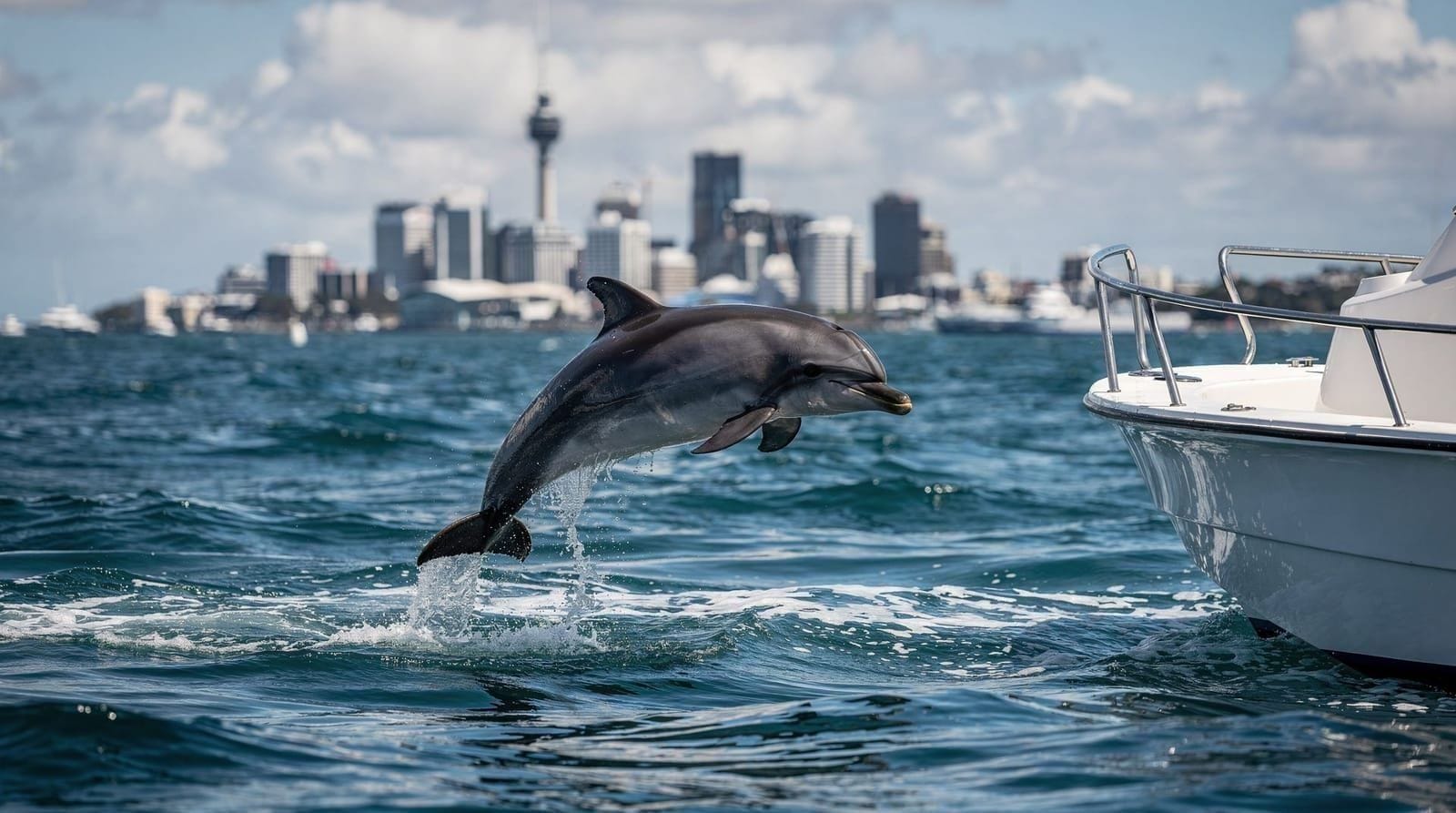
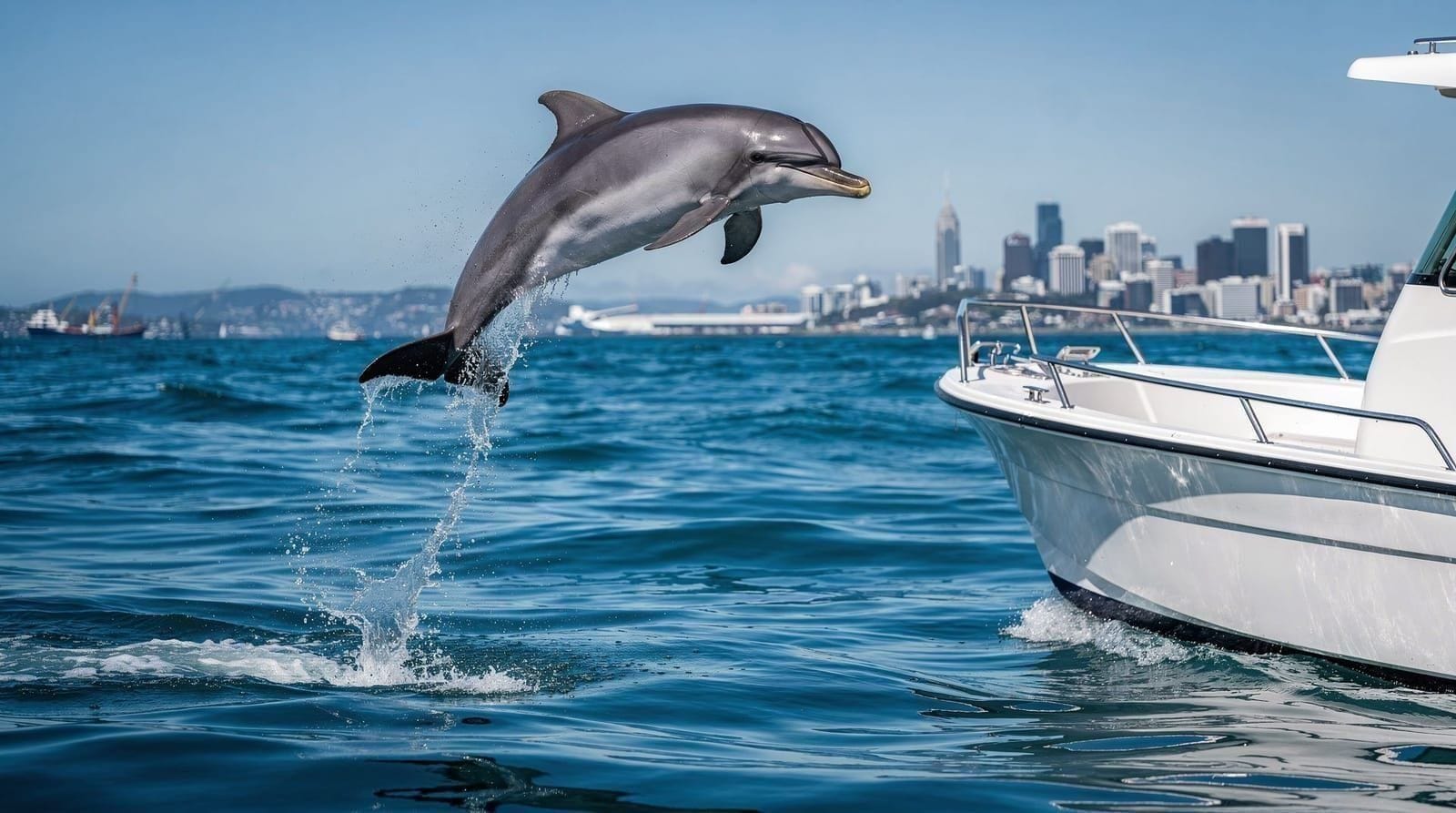
Few major cities anywhere in the world have a resident whale population within an hour’s boat ride of downtown, but Auckland does: the Hauraki Gulf hosts Bryde’s whales year-round, filter-feeders that grow up to around 15 metres and are regularly sighted feeding at the surface within the gulf’s waters. Add in common dolphins (frequently seen in pods of dozens to hundreds), occasional bottlenose dolphins, seasonal humpback whales passing through on migration, and periodic orca sightings, and the Hauraki Gulf has a genuine claim to being one of the more productive wildlife-watching areas accessible from a major city.
New Zealand has strict marine mammal protection regulations governing how close vessels can approach whales and dolphins, how boats must behave around pods (no sudden approach, no boxing animals in, engines cut to idle within set distances), and how long a boat can spend with any one group of animals. Reputable operators, including those running the Auckland safaris, are licensed and comply with Department of Conservation rules, which shapes the pace and structure of the trip — you’re watching wildlife behave naturally rather than being crowded or chased, which ultimately produces better, calmer sightings even if it occasionally means keeping a slightly greater distance than some visitors initially expect.
The safari format is a purpose-built marine wildlife trip rather than a general scenic harbour cruise — the route and pace are dictated by where wildlife has recently been sighted, with onboard marine biologists or trained naturalists narrating behaviour, feeding patterns, and conservation context as the boat moves through the gulf.
Bryde’s whales are the headline species specifically because Auckland’s is one of only a handful of places worldwide where a resident whale population lives in such close proximity to a metropolitan area — most whale-watching destinations require either a long boat transit to open ocean or rely purely on seasonal migratory passage. The Hauraki Gulf’s Bryde’s whales are present because the gulf’s productive, current-driven waters support the small fish and plankton they feed on year-round, not because of a seasonal migration route, which is part of why sighting odds here hold up across the calendar in a way many whale-watching destinations can’t match.
What’s included and what it costs
The Auckland whale and dolphin safari runs around NZD 150 to 170 per adult for a four and a half hour trip departing from Viaduct Harbour in central Auckland. The price includes the guided safari, onboard commentary from marine naturalists, and use of the boat’s viewing decks; bring your own snacks and water, as most operators don’t include a full meal on this length of trip. Toilets are on board, and most boats provide complimentary tea and coffee even if a full meal isn’t included.
The Tikapa Moana whales, dolphins and islands cruise covers similar ground with a slightly broader focus that includes some of the gulf’s islands alongside the wildlife-watching component, worth considering if you want scenery and geography woven into the marine focus rather than a pure wildlife trip.
Budget breakdown
For a family of four, the standard safari comes to roughly NZD 480 to 560 given typical child discounts of around 30 to 40 percent, with no additional costs required on the day beyond whatever snacks or drinks you bring aboard yourself — most operators sell a modest onboard snack and drink selection at standard tourist pricing (NZD 5 to 8 for a coffee or soft drink) if you’d rather not carry your own. Compared with a Bay of Islands dolphin cruise, which requires a three-hour drive north before you even board, the Auckland safari’s central departure point removes a meaningful transport cost and time saving from the equation.
Duration and getting there from Auckland
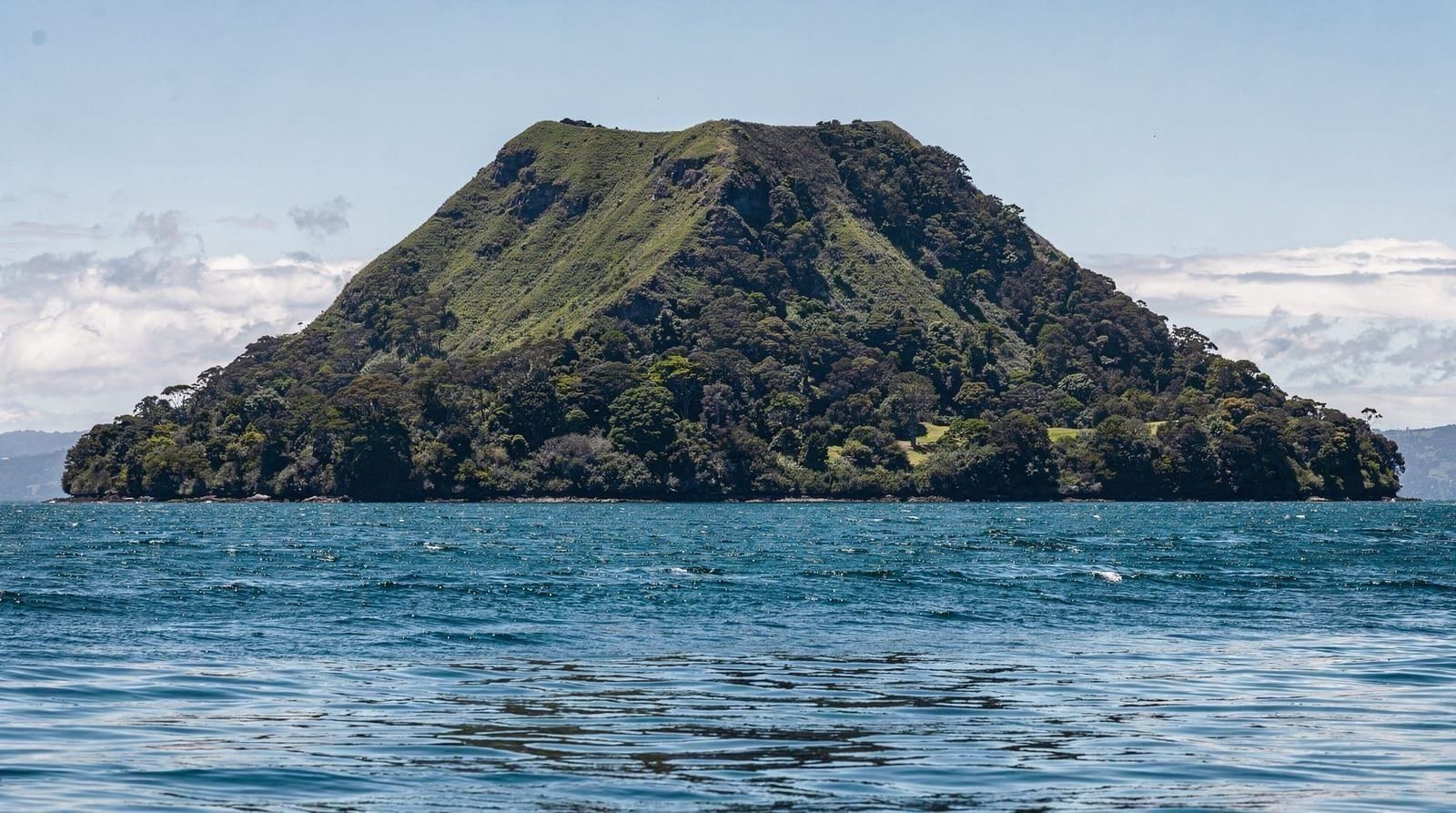
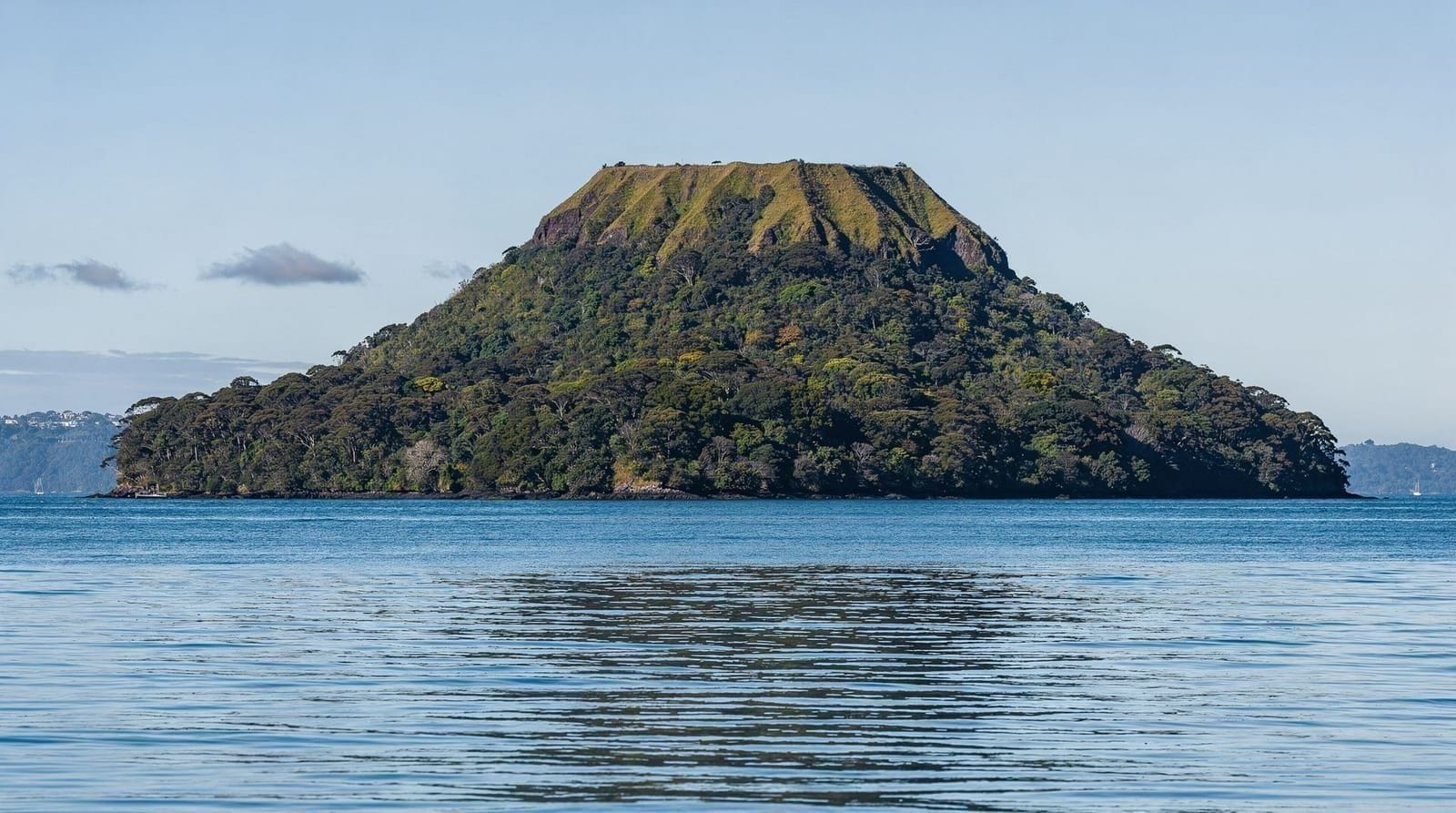
This is one of the easiest tours on this list logistically — it departs directly from Auckland’s Viaduct Harbour, a short walk from most central city hotels, with no drive or ferry connection required beforehand. The trip itself runs about four and a half hours, covering a substantial portion of the inner and outer Hauraki Gulf, past islands like Rangitoto and Waiheke, out toward the areas where Bryde’s whales and dolphin pods are most commonly found.
Because the whole experience happens on the water and departs centrally, it’s one of the more time-efficient wildlife experiences available from Auckland — no early-morning coach pickup, no long transit to a departure point outside the city.
The boats used for these safaris are typically stable catamarans with both open-air upper decks for unobstructed viewing and sheltered lower cabins with windows, which matters on cooler or breezier days. Trained crew and naturalists work in shifts to spot wildlife across a wide sweep of water, using known feeding patterns and, on some operators, a network of recent sighting reports shared between Hauraki Gulf tour boats to route toward the most promising areas for that particular day.
Is it worth it — the honest verdict
Genuinely, yes, and it’s one of the more distinctive things Auckland offers that isn’t available in most other major cities. The combination of resident Bryde’s whales and reliably present dolphin pods gives this route sighting rates that compare well against dedicated whale-watching trips in places that require far more travel to reach. Even on a day where the marine mammal sightings are modest, the boat trip through the Hauraki Gulf — a working harbour opening onto genuinely striking volcanic islands — is scenic enough to justify the time on its own.
The honest caveat, as with any wildlife tour, is that nothing is guaranteed. Operators are transparent that this is wild ocean, not a marine park, and while sighting rates are strong, there’s always a chance of a quieter day. Check recent sighting reports if an operator publishes them, and go in with realistic expectations rather than assuming a guaranteed close encounter.
Reviews of Auckland’s whale and dolphin safaris consistently mention two things: genuine surprise at how close and how frequent the sightings are given the trip departs from a major city centre, and appreciation for the naturalist commentary, which tends to go well beyond basic species identification into behaviour and conservation context. The most common mild criticism is that four and a half hours can feel long on a quieter wildlife day, though most operators keep the trip engaging even in slower stretches with general Hauraki Gulf ecology and history commentary.
Who this suits
This suits nature-focused travellers, families with school-age children who can sustain interest over four and a half hours, and anyone who wants a genuinely different Auckland experience beyond the standard city sightseeing circuit. Photographers with a longer lens get particular value from this trip, since whale and dolphin behaviour — breaching, tail slaps, feeding lunges — offers action shots you won’t get from land-based wildlife viewing anywhere near Auckland.
It suits less well travellers on a very tight one-day Auckland schedule who’d rather prioritise land-based attractions, and those with significant seasickness sensitivity who haven’t planned for it — the open gulf can have real swell even on days that look calm from shore. Very young children under about five may also struggle with the length and the extended stretches of open water with no immediate sighting, compared with the more immediate payoff of shorter, land-based activities.
Tips for visiting
Bring layers — even on warm days, wind on open water is consistently cooler than on land, and four and a half hours outside adds up. Sun protection matters regardless of cloud cover, given New Zealand’s high UV levels. If seasickness is a concern, take medication before boarding rather than after symptoms start, since there’s no way to disembark mid-trip. Bring binoculars if you have them; while the boat gets reasonably close to sightings within safe, respectful distances mandated by New Zealand marine mammal regulations, binoculars add detail for anything spotted at range.
Morning departures tend to have calmer sea conditions than afternoon trips, when onshore winds can pick up later in the day, so choose an early slot if it’s offered and sea comfort matters to you.
If you’re travelling with a long camera lens, pack it protected against sea spray — a simple rain cover or dry bag is worth having, since spray can reach the open deck even on a fair day. Charge devices and clear camera memory the night before; a good sighting can produce a burst of shots in a short window, and running out of battery or storage mid-encounter is a common and avoidable regret. Motion sickness bands (the acupressure wristband type) are a reasonable low-cost backup for anyone who prefers not to take medication but still wants some mitigation against seasickness. Pack a reusable water bottle too — most boats have a refill station, saving you from buying bottled water on board.
Alternatives to consider
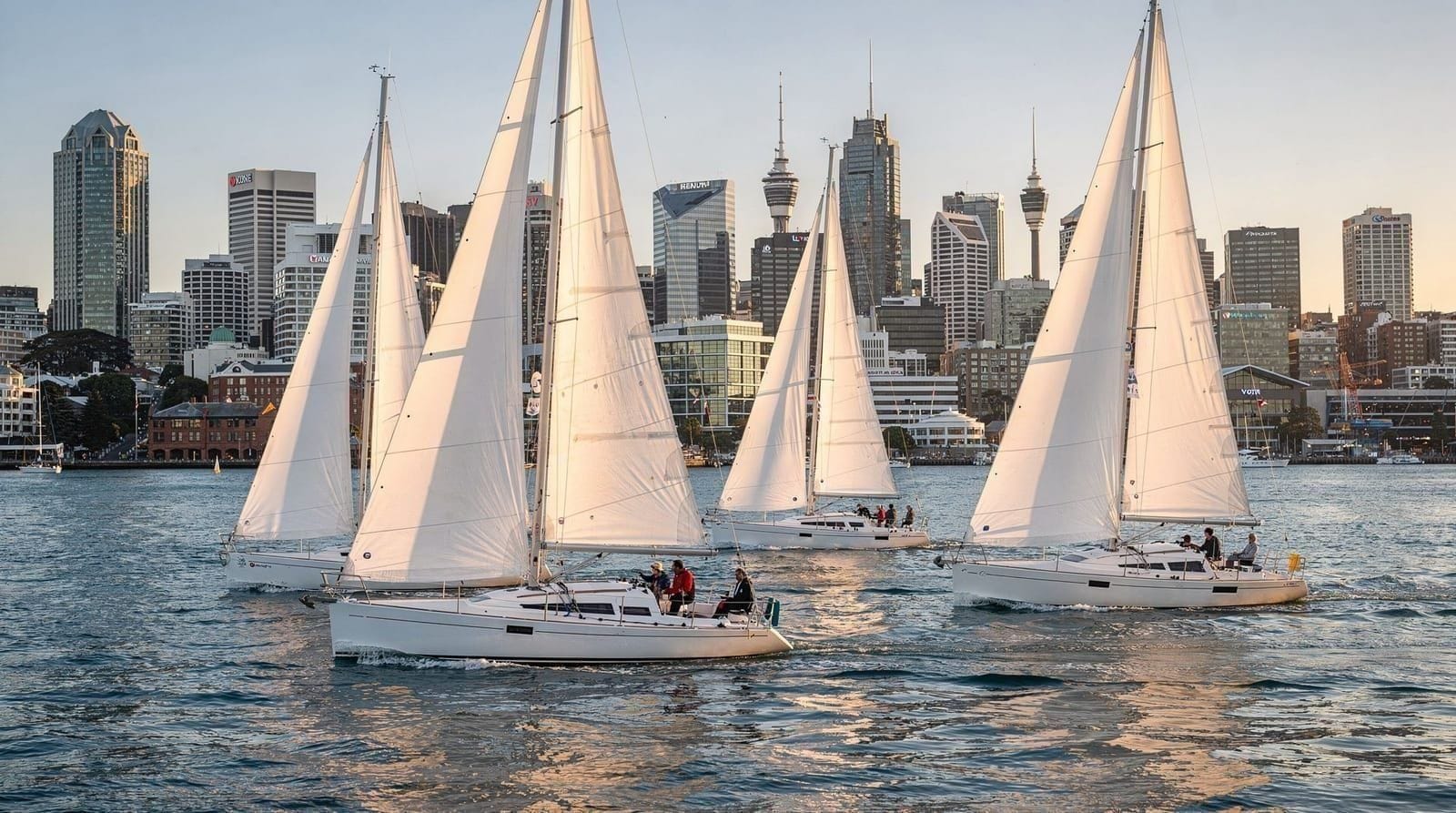
If you’d rather combine wildlife watching with a shorter, more general harbour experience, an Auckland harbour sailing cruise covers the inner harbour scenery in a shorter timeframe without the dedicated wildlife focus or the extra distance out into the gulf. If your interest is broader Hauraki Gulf exploration — islands, beaches, and history alongside wildlife — see our guide to the Hauraki Gulf islands for how to structure a day or two around the wider area. For context on New Zealand whale watching more broadly, including options outside Auckland, our whale watching New Zealand guide covers the country’s other major departure points.
If your schedule allows it, pairing the safari with a half-day or full-day visit to Rangitoto Island on a separate day rounds out a Hauraki Gulf-focused stretch of your Auckland trip — one day on the water looking for wildlife, another on land exploring the volcanic landscape that shapes the same gulf you were sailing through. Both experiences depart from the same central Auckland ferry and boat terminals, so there’s no added transport complexity in combining them across a longer stay.
Booking a day or two ahead is generally sufficient outside peak summer, though weekends and the December to February period benefit from earlier booking as capacity is limited by boat size rather than by unlimited ticketing. If weather forces a cancellation, most operators offer a rebooking on a later date within your stay rather than a straight refund, so check the specific policy if your itinerary has limited flexibility.
Seasonality: what you’re likely to see, month by month
| Season | Species most likely | Sea conditions |
|---|---|---|
| Summer (Dec–Feb) | Bryde’s whales, common dolphins | Warmest, occasional afternoon wind chop |
| Autumn (Mar–May) | Bryde’s whales, dolphins, calmer waters | Generally settled |
| Winter (Jun–Aug) | Bryde’s whales, humpback migration passing through | Coolest, can be swellier |
| Spring (Sep–Nov) | Bryde’s whales, dolphins, occasional orca | Generally settled |
Compare the standard safari against the broader Tikapa Moana islands and wildlife cruise below.
Frequently asked questions about Auckland whale and dolphin safari: what to expect on the water
What whales and dolphins can you see near Auckland?
The Hauraki Gulf is home to Bryde's whales year-round — one of the few places in the world where a resident whale population lives this close to a major city — along with common dolphins seen regularly throughout the year and bottlenose dolphins less frequently. Humpback whales pass through on their migration between roughly June and August, and orca sightings happen periodically but aren't predictable.How much does the whale and dolphin safari cost?
Expect to pay roughly NZD 150 to 170 per adult for the standard four and a half hour safari departing central Auckland. Prices are broadly similar across operators offering comparable trip lengths and Hauraki Gulf routes.Are sightings guaranteed on the whale and dolphin safari?
No wildlife tour can guarantee sightings, since this is genuinely wild marine life rather than a controlled environment. That said, the Hauraki Gulf's resident Bryde's whale population and regular dolphin pods give this route consistently high sighting rates compared with most whale-watching destinations worldwide, and operators track recent sightings to plan routes.What time of year is best for whale watching near Auckland?
Bryde's whales are present year-round, so there's no wrong season for a baseline chance of seeing them. If humpback whales are a priority, June to August is the migration window. Calmer sea conditions in the shoulder seasons, autumn and spring, can also make for a more comfortable ride than the sometimes choppier midsummer or midwinter extremes.How long is the tour and where does it depart from?
The standard safari runs about four and a half hours, departing from Auckland's Viaduct Harbour in the city centre — no separate transport is needed if you're staying centrally. The boat covers a substantial stretch of the inner and outer Hauraki Gulf during that time, which is part of why sighting odds are relatively strong.Is the whale and dolphin safari suitable for children and people prone to seasickness?
Most children handle it well, especially with the novelty of spotting wildlife keeping attention engaged, though very young children may find four and a half hours long. If you're prone to seasickness, take medication in advance — the outer Hauraki Gulf can have noticeable swell even when the harbour itself looks calm, and there's no quick way back to shore mid-tour.