Bay of Islands Hole in the Rock cruise: review and booking guide
Paihia: Paihiarussell hole in the rock dolphins island cruise
Duration: 4.5 hours
The Hole in the Rock cruise is the signature way to see the Bay of Islands, but it’s a genuinely long day if you’re basing yourself in Auckland rather than staying in the north. The essentials first, then the full honest breakdown.
| Where | Departs Paihia or Russell, Bay of Islands |
| Cost | Around NZD 100–140/adult from Paihia; ~NZD 270 for a full-day Auckland package |
| Time needed | 4–4.5 hours on the water; ~3hrs drive each way from Auckland |
| Getting there | Self-drive, or a bundled full-day tour from Auckland |
| Best time | Autumn/spring for calmer arch passage; morning departures for photography |
What the Hole in the Rock cruise actually is
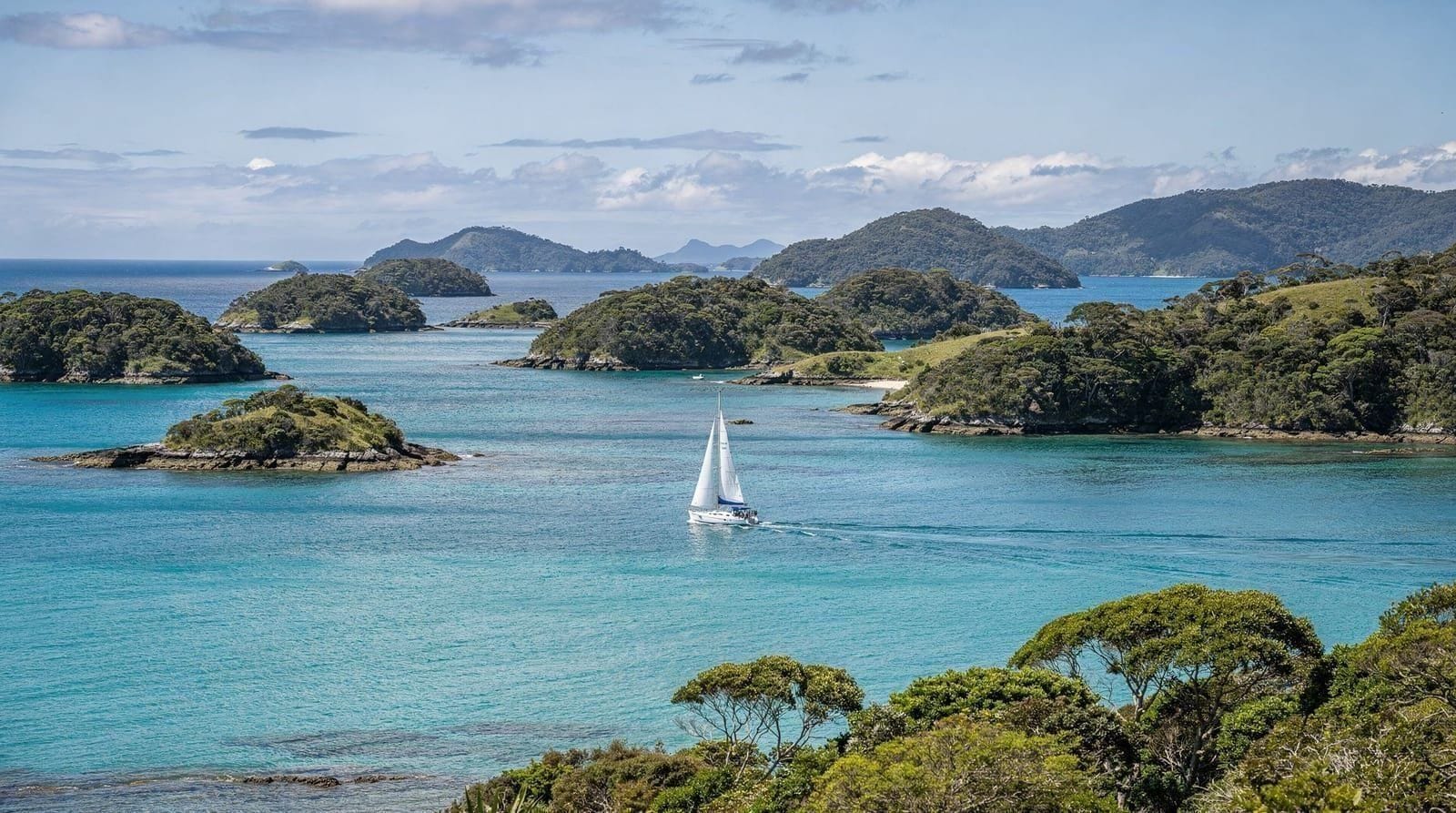
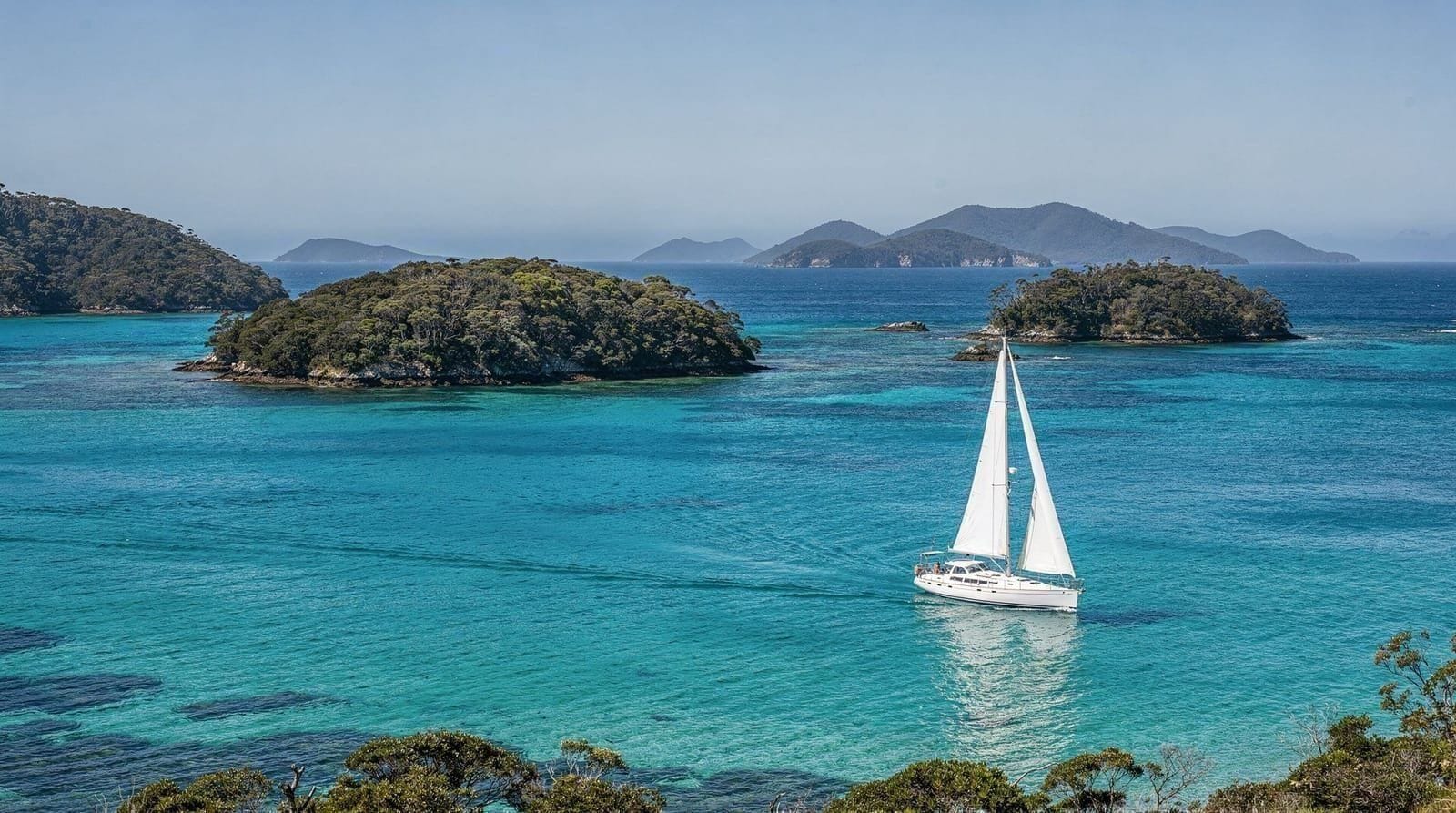
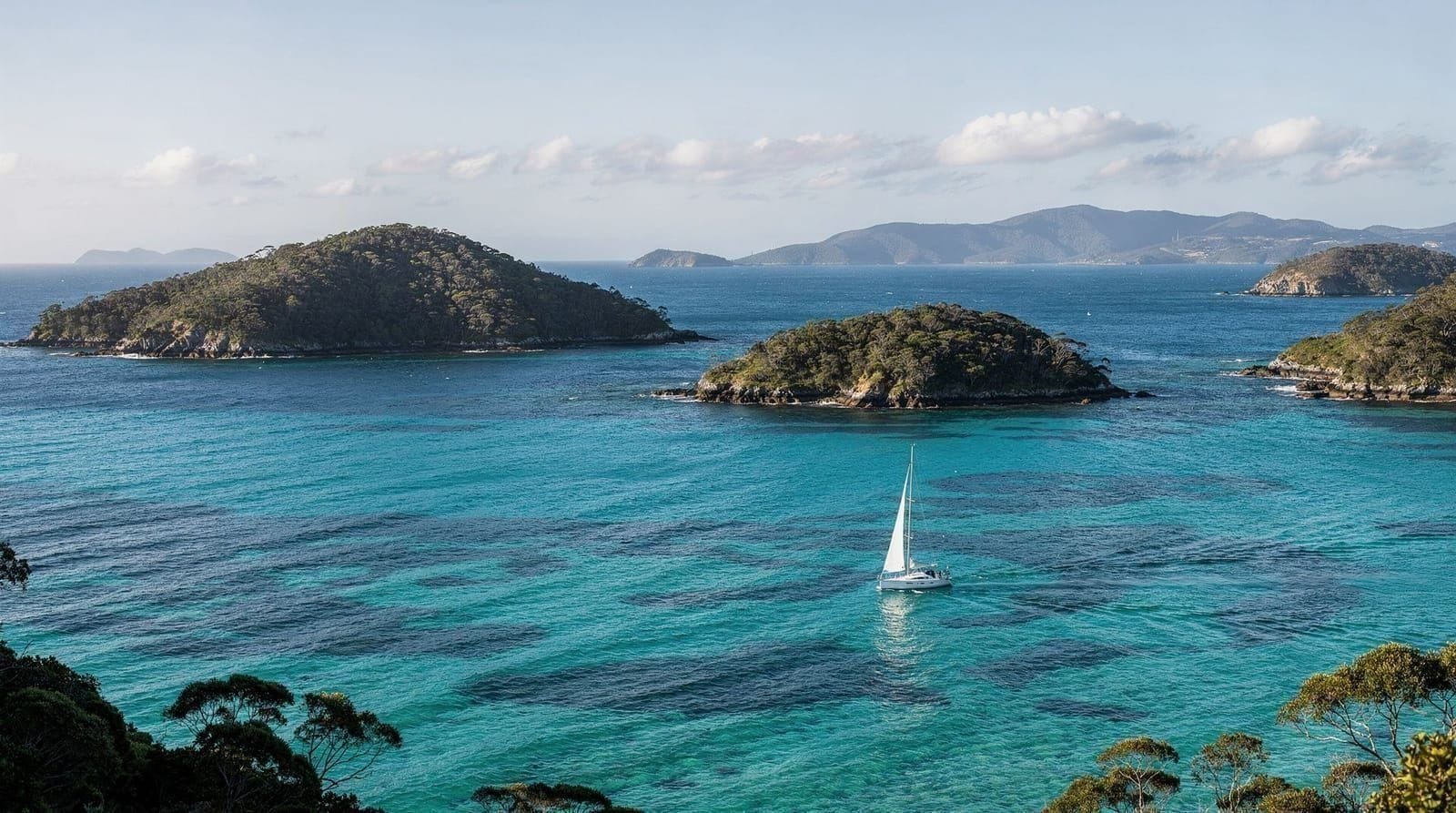
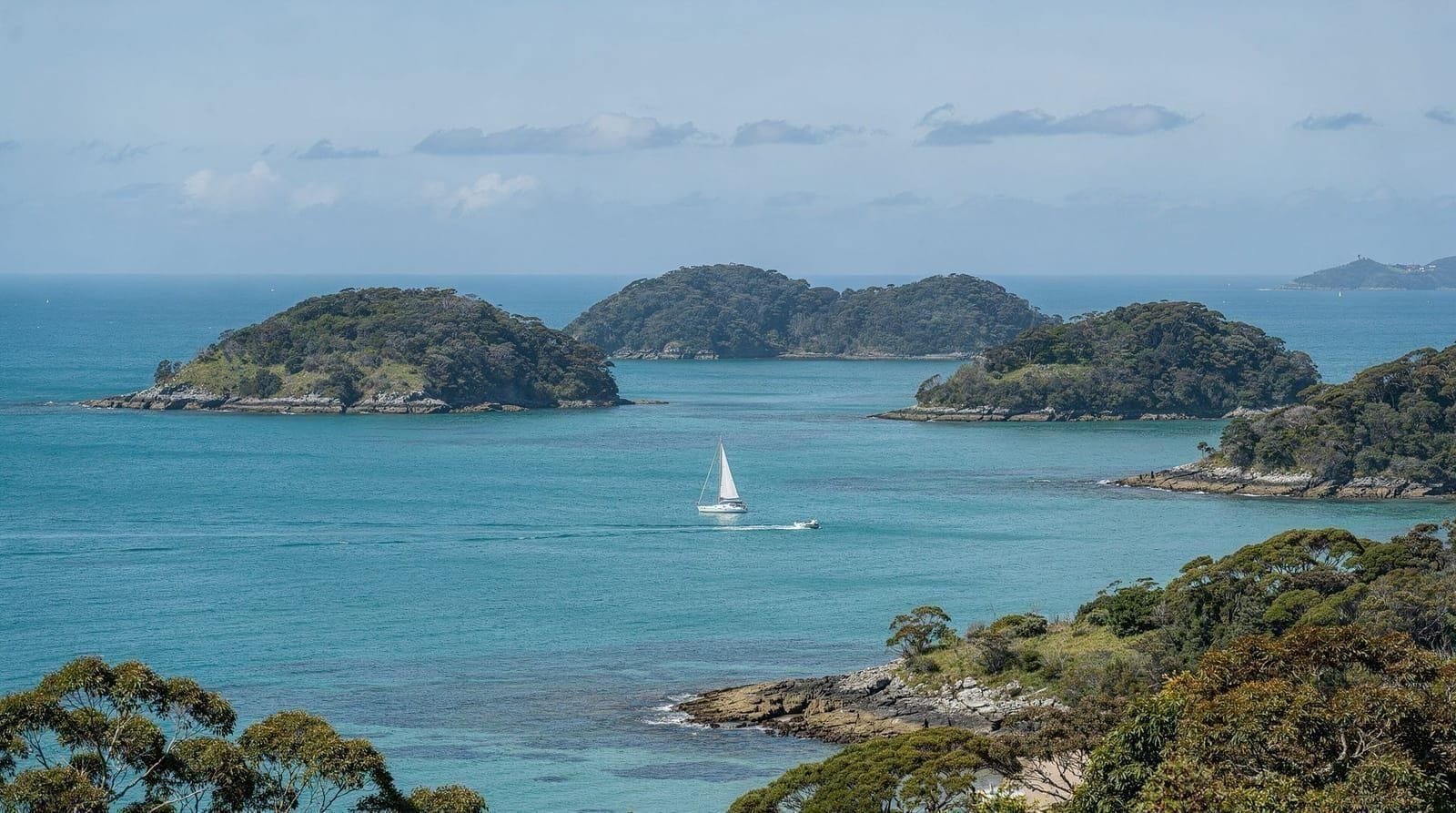
The Bay of Islands is a scattering of roughly 144 islands across a wide, sheltered bay in Northland, and the Hole in the Rock cruise is the signature way most visitors see it. The centrepiece is Piercy Island — known in the bay as Motukokako — a dramatic rock stack at the outer edge of the islands with a natural sea arch worn through its base by wave action over thousands of years. On a calm day, the tour boats thread directly through the arch, close enough to see the rock walls and hear the water echo, before turning back into the sheltered inner bay.
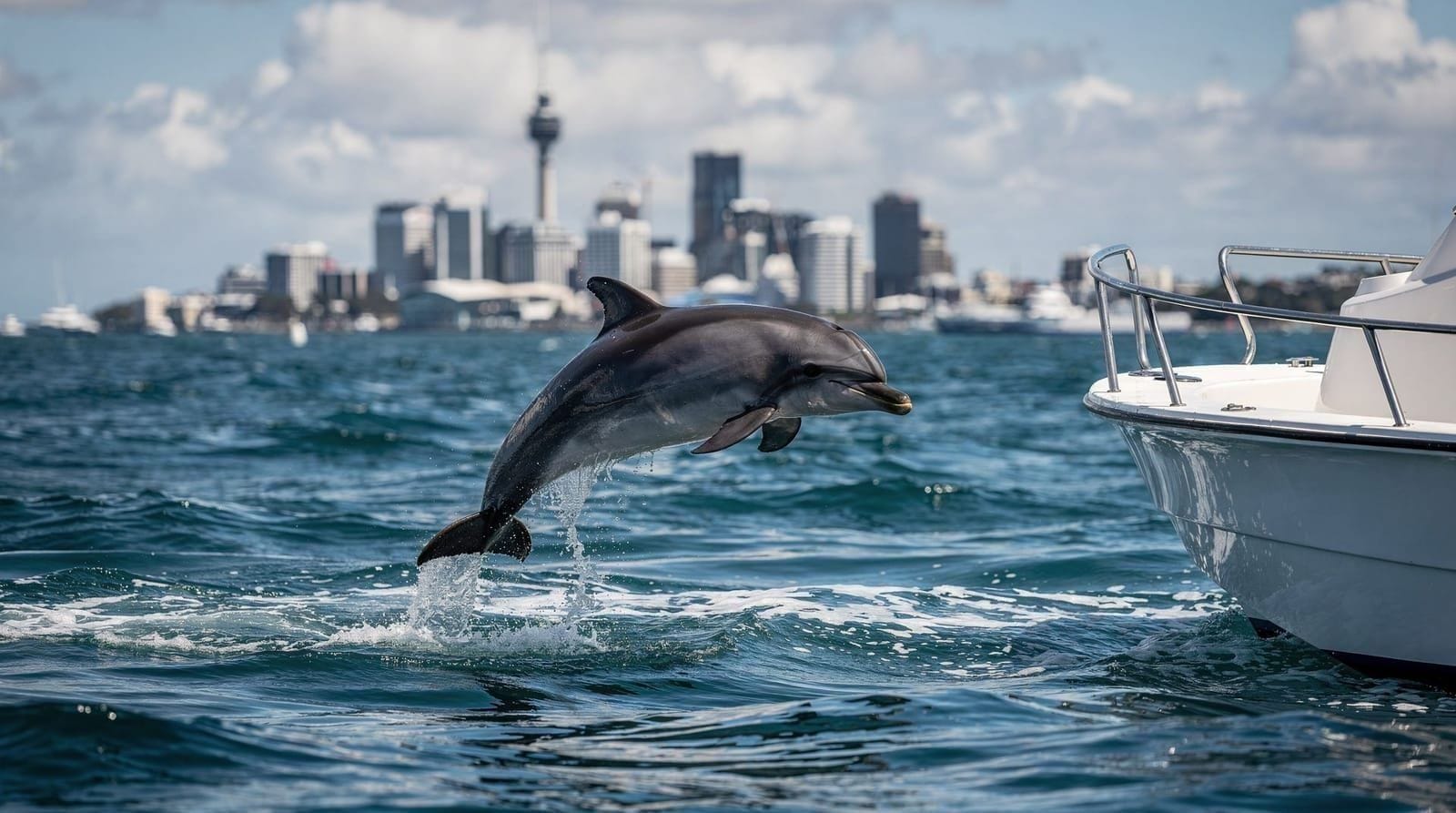
The rest of the cruise covers open-water scenery through the islands, a dolphin-watching component (common and bottlenose dolphins live in the bay year-round), and typically a stop on one of the islands for swimming, a short walk, or lunch. It’s a half-day-plus commitment — four to four and a half hours on the water — rather than a quick photo-op cruise.
What’s included and what it costs
The standard Hole in the Rock, dolphins and island cruise from Paihia or Russell runs around NZD 100 to 140 per adult for roughly four and a half hours, including the arch passage (weather permitting), dolphin watching, and an island stop. Variants like the Hole in the Rock cruise with island stop or the version with a Roberton Island stopover follow a similar structure with minor differences in stop location and cruise length.
For visitors coming from Auckland without their own transport or extra travel days, the full-day tour to the Bay of Islands from Auckland bundles the three-hour drive each way with the cruise itself, priced around NZD 270 for a roughly 12-hour day. It’s a genuinely long day, but it removes the need to arrange your own transport or overnight in the north.
Duration and getting there from Auckland
Paihia, the main departure town for these cruises, sits about three hours’ drive north of Auckland on State Highway 1. Self-driving gives you flexibility — arrive the night before, do the cruise at a relaxed pace, and either return the same evening or stay another night to add Waitangi Treaty Grounds or a Cape Reinga excursion.
Doing it as a single day trip from Auckland without staying overnight means roughly six hours of driving bookending a four to four-and-a-half hour cruise, which is a demanding day by any measure. The full-day coach tour handles the driving for you but still means an early departure (typically before 7am) and a late return (often after 7pm).
Is it worth it — the honest verdict
The cruise itself is genuinely worth doing — passing through the Hole in the Rock is a distinctive, photogenic moment, the surrounding scenery is some of the best coastal landscape in the North Island, and the dolphin sightings, while not guaranteed, happen often enough that most cruises deliver at least a brief encounter. As a half-day activity based in Paihia or Russell, it’s an easy recommendation.
The honest caveat is about how you fit it into an Auckland-based trip. Squeezing this into a single day trip from Auckland — six hours of driving for a four-hour cruise — is genuinely taxing, and you’ll spend more of your day in transit than on the water. If your schedule allows it, staying one or two nights in Paihia or Russell and doing the cruise at a relaxed pace, alongside Waitangi Treaty Grounds and possibly a Cape Reinga excursion, gets far more value from the long drive north. The full-day Auckland tour exists precisely because not everyone has that flexibility, and it’s a reasonable option if a single day is genuinely all you have — just go in expecting a long day, not a leisurely one.
Who this suits
Families with older children and adults of most fitness levels handle the cruise comfortably — it’s seated, sheltered from the worst of the weather on most boats, and doesn’t require any physical exertion beyond boarding. It particularly suits travellers who enjoy coastal scenery and wildlife watching over cultural or historical sightseeing, though several operators pair it with a Waitangi Treaty Grounds visit for a broader day.
It suits less well anyone prone to seasickness who hasn’t prepared for it (the open water beyond the sheltered inner bay can be choppy), and travellers on a very tight Auckland-only schedule who would be better served by attractions closer to the city.
Tips for visiting
Weather genuinely affects the experience — a completely calm day gives the smoothest passage through the arch and the clearest photos, while wind and swell can mean the boat approaches without passing through. There’s no way to guarantee conditions in advance, but shoulder seasons (autumn and spring) tend to bring more stable weather windows than mid-winter. Sun protection matters even on cloudy days; New Zealand’s UV index runs high, and there’s minimal shade on most cruise boats. Bring a jacket regardless of season — wind on open water is consistently cooler than it feels on land.
If you’re staying overnight in Paihia, book the morning cruise departure where possible; afternoon light is flatter for photography through the arch, and morning sailings tend to have calmer seas before the wind picks up later in the day.
Alternatives to consider
If your main interest is dolphins rather than the rock formation specifically, some operators run dedicated dolphin eco-cruises with a stronger wildlife focus and less time built around the arch itself. If you want to add more Northland history to the day, several tours combine the Hole in the Rock cruise with a stop at Waitangi Treaty Grounds, New Zealand’s founding historical site, a short drive from Paihia. For travellers heading further north, the cruise pairs naturally with a Cape Reinga day tour if you’re basing yourself in the Bay of Islands for a couple of nights rather than doing a single rushed day trip.
For the wider logistics of visiting the region, see our Bay of Islands day trip guide and our two-day Bay of Islands itinerary, which lays out a more comfortable pace than a single marathon day from Auckland.
Booking timing and what to check before you commit
Book at least a few days ahead in shoulder seasons, and considerably further ahead in summer (December-February), when both cruises and accommodation in Paihia fill up. Before booking, check the specific departure point (Paihia versus Russell — both operate services, but confirm which suits your accommodation), whether the island stop location is specified (Otehei Bay and Roberton Island offer different experiences, worth knowing in advance), and whether the cruise’s arch passage is genuinely weather-dependent with no guarantee, which every operator should disclose honestly rather than promise as certain.
What a typical cruise day looks like
Cruises typically depart mid-morning, spend the first hour or so navigating out through the inner islands with commentary on local history and geography, then approach Piercy Island and the Hole in the Rock itself around the midpoint of the trip, weather permitting. A dolphin-watching stretch follows, then the island stop (30-90 minutes depending on the operator) for swimming, a short walk or lunch, before the return leg back into Paihia or Russell. Most cruises run four to four and a half hours door to door from departure to return.
How this compares to other Bay of Islands activities
Against other Bay of Islands options — sea kayaking, a scenic flight over the bay, or a more focused dolphin-swim experience — the Hole in the Rock cruise remains the single best “does it all” option for a first visit, covering the signature rock formation, general bay scenery and wildlife watching in one seated, low-effort outing. Sea kayaking offers a more active, closer-to-water alternative for a second visit or for travellers who prefer self-powered exploring, while a scenic flight suits those with limited time who want an aerial overview rather than a slower boat-based day.
Combining the cruise with Waitangi Treaty Grounds
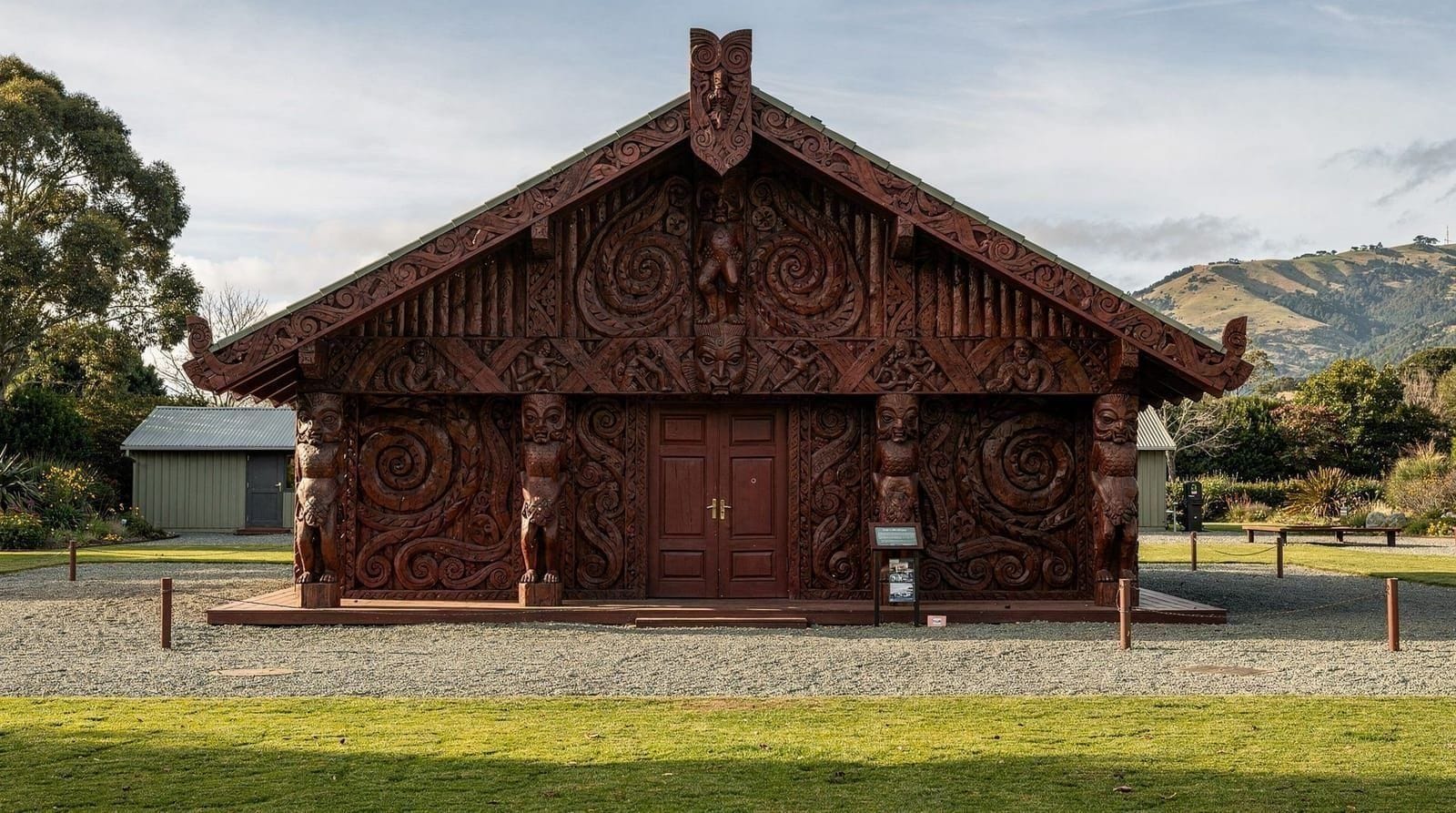
Given Waitangi Treaty Grounds sits just a short drive from Paihia, many visitors combine the cruise with a Treaty Grounds visit on the same trip, either on the same day if timing allows or as a second activity the following morning if staying overnight. This pairing gives a rounded Bay of Islands visit covering both the region’s natural scenery and its foundational role in New Zealand history — see our Waitangi Treaty Grounds guide for how to plan this alongside the cruise.
Seasickness, families and who should think twice
Standard motion sickness precautions (tablets taken well ahead of departure, sitting toward the centre of the vessel, watching the horizon rather than looking down) handle most concerns for the open-water swells beyond the sheltered inner bay. Families with younger children generally do well on this cruise given its seated, low-exertion format, though very young children may find the four-plus hour duration long without breaks — check whether your chosen operator’s island stop offers enough time for kids to run around before the return leg. Anyone with severe motion sickness unresponsive to standard remedies should think carefully before booking, since there’s no way to disembark mid-cruise if conditions turn choppy.
Best time of year for this cruise
The cruise runs year-round, and dolphin sightings occur across all seasons given the bay’s resident populations, but calmer sea conditions for the arch passage specifically are more likely in the shoulder seasons (autumn and spring) than in mid-winter, when stronger weather systems more frequently affect the outer bay. Summer (December-February) brings the warmest conditions and the highest boat traffic in the bay, which some visitors find takes slightly away from the wildlife-watching atmosphere compared to quieter shoulder-season sailings. There’s no single wrong time to book this cruise, but if you have flexibility and want to maximise the odds of a calm arch passage, autumn and spring are worth prioritising over deep winter specifically.
Choosing between an Auckland day trip and staying in the Bay of Islands
The honest advice throughout this guide leans toward staying overnight in Paihia or Russell rather than attempting this as a single rushed day trip from Auckland, and it’s worth restating why plainly: the drive alone is six hours round trip, more than the cruise itself, and doing it all in one day leaves essentially no time to properly enjoy Paihia’s waterfront, visit Waitangi Treaty Grounds, or simply relax after a long cruise. If your schedule genuinely only allows a single day, the full-day Auckland package removes the self-driving stress at least, but budget for a long, tiring day rather than a relaxed one. Our Bay of Islands day trip guide covers this trade-off from the destination side in more detail, useful reading alongside this tour-specific review.
Comparing your options
| Option | Best for | Approx. cost |
|---|---|---|
| Cruise from Paihia/Russell (overnight in the Bay) | Relaxed pace, more of the region | NZD 100–140 |
| Full-day tour from Auckland (no overnight) | Limited time, no rental car | ~NZD 270 |
| Cruise + Waitangi Treaty Grounds combo | First visit wanting culture and scenery together | Varies by operator |
Compare the main cruise departure options — from Paihia, Russell, and the full-day Auckland package — below.
Compare alternative tours
Frequently asked questions about Bay of Islands Hole in the Rock cruise: review and booking guide
What is the Hole in the Rock in the Bay of Islands?
It's a natural sea arch cut through Piercy Island (Motukokako), at the outer edge of the Bay of Islands. On calm days, tour boats pass directly through the arch — a distinctive photo moment and the highlight most cruises are built around. In rough seas, boats approach but don't pass through, for safety reasons.How much does the Hole in the Rock cruise cost?
Departing from Paihia or Russell, expect roughly NZD 100 to 140 per adult for a four to four and a half hour cruise including an island stop. Full-day tours from Auckland that bundle the drive north and the cruise together run around NZD 260 to 290 per person given the extra transport time involved.Can you see dolphins on the Hole in the Rock cruise?
Most cruises include a dedicated dolphin-watching component, since common and bottlenose dolphins are regularly seen in the Bay of Islands year-round. Sightings aren't guaranteed on any given day — this is wild wildlife, not a marine park — but operators report reasonably high sighting rates, particularly outside peak summer boat traffic.Is it worth doing this as a day trip from Auckland?
It's a long day either way. Bay of Islands is about three hours' drive from Auckland, so a direct day trip means roughly six hours of driving or transfer time for a four-hour cruise. It's more comfortable, and arguably better value, as part of a one or two night stay in Paihia or Russell rather than a single exhausting day trip — though the full-day Auckland option exists for travellers with limited time.What should I bring on the cruise?
Sun protection is essential — there's little shade on deck and New Zealand's UV levels are high even on overcast days. A light jacket or windbreaker is worth having regardless of season, since it's noticeably cooler and windier out on open water than on land. Motion sickness tablets are worth considering if you're prone to seasickness, as the outer bay swells can be choppy.Does the cruise include an island stop?
Most versions include roughly 30 to 90 minutes on an island — commonly Otehei Bay on Urupukapuka Island or Roberton Island — with time to swim, walk a short track, or get lunch, depending on the operator. Check the specific tour's inclusions before booking, since stop duration and location vary between operators.